
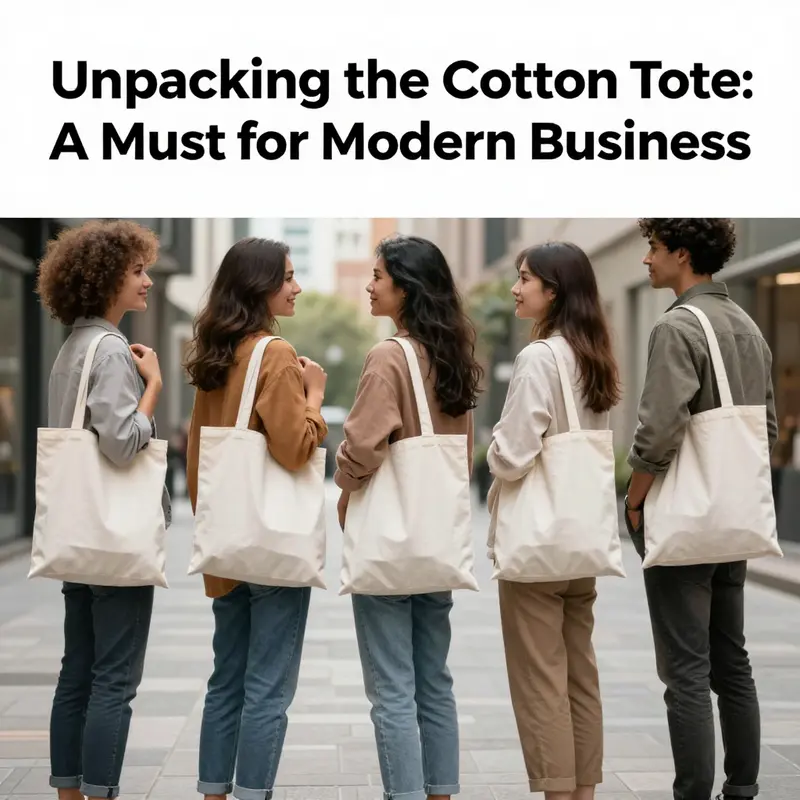
Cotton tote bags have evolved from simple carry-alls to vital business tools used in marketing campaigns, customer engagement, and sustainable practices. This evolution makes understanding their material properties and utilities essential for business owners. The first chapter dives into the composition of cotton tote bags, highlighting their lightweight nature and suitability for casual use. In the second chapter, we explore the versatile applications of cotton totes in marketing and fashion, showcasing their significance in branding. The final chapter presents a comparative analysis of cotton tote bags and canvas alternatives, focusing on durability and intended use, helping businesses make informed decisions about their promotional tools.
From Fiber to Fabric: Understanding the Material and Weave of Cotton Totes
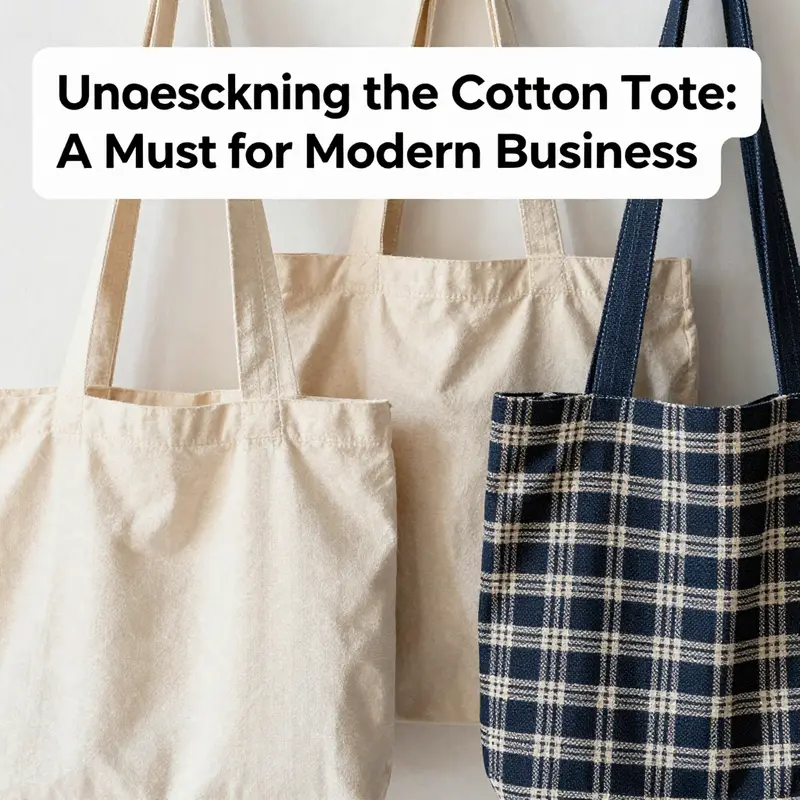
A cotton tote may seem almost too familiar to deserve a chapter of its own, yet the everyday object carries a surprising amount of technical nuance. Its charm rests not only in the simple silhouette and the way a logo can ride along the surface, but in the way the fabric itself responds to use over time. To understand why cotton totes perform the way they do, we must trace the journey from fiber to fabric and then to the bag’s eventual behavior under load. At the heart of this story lies a straightforward premise: cotton totes are typically made from natural cotton fibers woven into a plain, lightweight to medium-weight textile. This combination yields a bag that feels gentle to the touch, breathable against the skin, and capable of biodegrading when disposed of. In practical terms, these are comfortable carry-alls that shine in promotions, events, or casual day-to-day errands. The appeal is real, but the performance envelope is defined by a few core material choices: the fabric weight, the weave type, and the strength of the resulting structure.
Material composition matters as much as any branding choice. Most cotton totes rely on 100% natural cotton fibers, which aligns with the environmental sensibilities many shoppers bring to their fashion decisions. The fabric weight, often described in ounces per square yard, is a critical lens through which buyers assess potential use. In common practice, standard cotton totes span roughly 4 to 8 ounces per square yard, though the extremes you encounter in the market can dip as low as 4 ounces for mass-promotional items or rise toward 8 ounces for slightly more substantial options. This range matters because it translates into tactile differences—the bag may feel lighter and more flexible, or it may offer a firmer grip and a modest sense of durability. Weight is not just a number; it is a signal of how the tote will behave when filled and how it will wear over time as fibers flex and surfaces rub. The 4–6 ounce variants, which are frequent in promotional contexts, emphasize portability and easy handling. They tend to fold more compactly and wash more readily, but they also invite caution about load limits because the sheer fiber mass is pared down, which can ease fraying and stretching when the bag carries denser items.
Alongside fiber composition and weight, the weave is the other decisive factor shaping a cotton tote’s everyday performance. The dominant weave for cotton totes is the plain weave, the classic over-under interlacing that creates a smooth, uniform surface across the entire fabric. The plain weave is prized for its printability; logos and designs can anchor themselves crisply to the fabric, creating strong visual impact on the tote. This is not incidental: the same surface that accommodates ink or thread-based decoration also provides the tactile impression of reliability that consumers notice first. Yet the plain weave carries a practical limitation embedded in its very structure. It tends to be less dense and less abrasion-resistant than heavier fabrics, which means a plain-weave cotton tote often does not deliver the calm, assured heft that a tougher material would on a full grocery run or a trip that ends with a bag full of glass bottles. The draw of the plain weave is its balance between softness, printability, and cost, not its maximum load-bearing capacity.
In the marketplace, this balance shows up in how the bag is marketed and how the consumer experiences it. Lightweight to medium-weight plain-weave cotton totes feel soft and inviting, with a pliant hand that makes them comfortable to carry for short periods. They breathe well, a characteristic that adds to their everyday convenience in warm weather or crowded venues. They also biodegrade more readily than synthetics, aligning with environmental narratives that praise natural materials. The upside is clear: a tote that’s pleasant to carry, inexpensive to produce, and friendly to the planet in narrative terms. The downside becomes audible when the bag meets heavier tasks: it may stretch, seam allowances can strain, and the fibers themselves can fray with repeated, heavy loads. The tension between aesthetics and durability is not a contradiction so much as a design choice embedded in the fabric’s physical properties.
The performance implications extend beyond the bag’s hand and its presentation. Lighter cotton totes, particularly those near 4 to 6 ounces, are well-suited to light shopping, casual outings, and promotional contexts where the emphasis is on appearance and portability rather than raw strength. They are excellent for carrying a few groceries, a notebook, or a small sweater, but they are not engineered to sustain daily, heavy-load use. The fibers in a thinner weave have less mass and less stiffness, meaning they can stretch more readily under load. Repeated strain from dense items—think canned goods, heavy bottles, or multiple groceries—can result in fraying at seams, elongation of the bag body, or, in the worst cases, a seam gap that compromises the tote’s integrity. This is not a failure of ethics or design so much as a reminder that the material choice invites a particular set of use cases: light-to-moderate tasks, quick errands, weekend farmers’ market runs, and seasonal branding campaigns rather than continuous heavy-duty use.
A compelling way to frame these material realities is to contrast cotton totes with their closest natural-material cousin: canvas. The distinction is not the fiber itself—canvas is still cotton-based—but in how the fiber is woven and finished. Canvas employs a denser weave with thicker yarns that translate into weight ranges typically around 7 to 12 ounces per square yard. That density yields a stiffer, more rugged fabric, with markedly improved abrasion resistance and load-bearing capacity. It’s the practical difference between a tote that folds neatly into a purse-like shape and one that remains relatively rigid when loaded. In practical terms, canvas succeeds where cotton plain weave may falter. Dr. Lena Patel, a textile researcher at the Sustainable Materials Lab, captures this nuance with a succinct observation: “Not all cotton is created equal. Canvas is cotton built for labor; most cotton totes are designed for looks, not load.” The contrast is telling because it reframes the user’s decision as a matter of intended purpose rather than a simple question of fiber species. If durability and steady performance across daily groceries or bulk carrying are priorities, canvas becomes the smarter choice; if the objective is a bag that pairs with outfits, travels well in a handbag-like manner, and communicates a brand’s aesthetic with a soft touch, cotton is often the better vehicle.
Understanding these subtleties also makes a practical difference in how consumers select a tote for their specific routine. Those who want a bag that can become a workhorse for weekly grocery runs may seek out canvas options that deliver more reliable strength and shape retention. They will weigh heavier fabric against the bag’s weight and portability, recognizing that more heft in the fabric means more structure but also more bulk when empty. Meanwhile, those who prize lightweight comfort will lean toward cotton tote options with lower fabric weights, knowing they have a stylish, print-friendly surface that travels easily and looks crisp on a shelf or in a display. This dynamic is not just about the fabric; it’s about the entire design philosophy that goes into a tote—the decision to optimize for print fidelity, the choice of stitch density, the handling of corners and seam allowances, and how the bag will age with repeated folding and unfolding.
As customers move through the decision process, it helps to keep in mind a few practical benchmarks. For light errands, a 4 to 6 ounce plain-weave cotton tote often suffices, delivering a comfortable carry and a surface that can host branding with minimum fiber distortion. For moderate use—such as carrying a few books, lunch, or a change of clothes—a slightly heavier option, closer to 6 to 8 ounces, can provide a more controlled drape and a touch more resilience, though still not approaching canvas-level stiffness. For those who view a tote as a near-daily work companion, or who carry multiple groceries and heavier items, the emphasis shifts toward materials whose weave density and fiber thickness can resist repeated stress. In that zone, canvas-style approaches—woven with heftier yarns—become the preferred route, delivering a bag that holds its shape, resists fraying under typical daily loads, and stands up to abrasion from contact with rougher surfaces or other bags. The message to the consumer is simple: pick the weight and weave that match your typical loads, and understand that a lighter weave trades long-term sturdiness for portability and aesthetic versatility.
For readers who want to explore how fabric choices translate into real-world performance, an accessible reference on this topic is the comparison of cotton tote and canvas durability. It offers a grounded take on how weave density and fiber thickness determine strength and longevity across common use cases. For context on fabric tote options, see Fabric tote bags for women. This resource helps connect the material conversation to shopping decisions without getting lost in theory, showing how practical outcomes emerge from the underlying structure of the fabric. The same journey—from fiber to fabric to finished bag—underpins the broader narrative about how cotton totes function in daily life. The consumer’s choice thus becomes a matter of aligning performance expectations with the intended routine, guided by a clear sense of how fabric weight and weave translate into real-world results.
In summary, cotton totes embody a thoughtful compromise. The plain weave and widely available cotton fibers deliver softness, breathability, and eco-conscious appeal. They also bring limitations in durability when the fabric weight sits at the lighter end of the spectrum. If your use-case emphasizes frequent heavy loads or rough handling, the practical answer is to consider canvas or heavier weave options, especially those that approach or exceed seven ounces per square yard. The decision is not simply about preference for natural fibers versus blends; it is about matching the bag’s structural profile to how you live. When consumers recognize this alignment—the fiber, the weave, and the resulting load-bearing behavior—they can select a tote that not only carries their belongings but also respects the shape of their daily routine. That alignment, after all, is the essence of smart material selection in everyday accessories.
For readers who want a more experimental, design-forward approach, there is room to explore blends that preserve some of the cotton tote’s signature softness while adding fibers that enhance stability. A common strategy is to balance cotton with a polyester component to improve durability and reduce stretch without stripping away the print-friendly surface. Yet any blending choice shifts the fabric’s identity away from 100% natural cotton, redefining the environmental and tactile narrative that attracts many shoppers to plain-weave cotton. These nuanced decisions—fiber composition, weave density, and post-weave finishing—shape the final consumer experience, guiding brands toward tote configurations that harmonize style and function in ways that feel both modern and responsible.
As the discussion rounds back to the practicalities of choosing a tote, it’s helpful to keep a guiding question in mind: what will I realistically carry, and how often will I carry it? If the answer includes heavy, everyday groceries or repeated, demanding loads, the evidence points toward a heavier weave and a canvas-like approach. If the answer centers on occasional outings, fashion-forward branding, and a bag that you want to slip into your arm with ease, the plain weave cotton tote—soft, printable, and biodegradable—offers a compelling mix of advantages. The tradeoffs are not merely about aesthetics; they are about durability, resilience, and the fabric’s life story from field to form. In that sense, understanding cotton tote material composition and weave characteristics becomes not a niche technical curiosity but a practical guide to better buying, better use, and better alignment with personal values around sustainability and daily practicality.
External reading can deepen this understanding by comparing long-term performance across materials in real-world scenarios. For a deeper scientific look, see Sustainable Materials Lab: Cotton Tote vs Canvas Durability Analysis. Sustainable Materials Lab analysis.
null
null
Weight, Weave, and Worth: Reading Durability in Cotton Totes Versus Canvas for Everyday Use
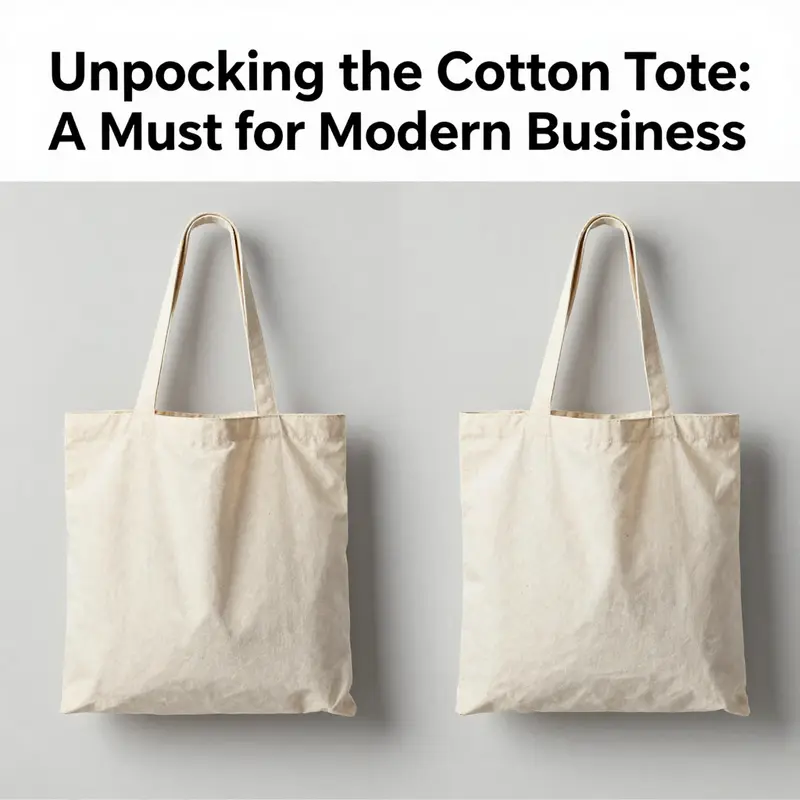
Durability is a composite property defined by weave, fabric weight, and construction, not a single feature. Cotton totes are lightweight and soft and commonly handle lighter loads around 20 to 25 pounds, but repetitive use can show wear on seams and stretched straps. Canvas bags use a denser weave and heavier fabric, often 10 to 14 ounces, with reinforced seams and bases, enabling heavier loads around 30 to 40 pounds with less noticeable wear. The practical take is that the choice depends on use: cotton for light daily tasks and branding, canvas for heavier or more frequent use. Key cues include fabric weight, visible reinforcement such as double stitching, solid base construction, and wider straps that distribute weight more evenly. Sustainability context suggests durable bags reduce waste over time even if canvas starts heavier and stiffer. In sum, neither is inherently superior; each serves different routines, and focusing on construction details yields the most durable result. For trends and additional context see the tote bag trend reference: https://alltotebags.com/tote-bags-trending/
Final thoughts
Understanding the characteristics and applications of cotton tote bags is essential for any business owner looking to leverage them effectively. Their lightweight nature offers great portability and customization potential, making them ideal for marketing and promotional use. However, recognizing their limitations in durability emphasizes the importance of selecting the right type of tote bag for your specific needs. With this knowledge, businesses can make informed decisions that enhance their branding efforts while promoting sustainability ethically.