
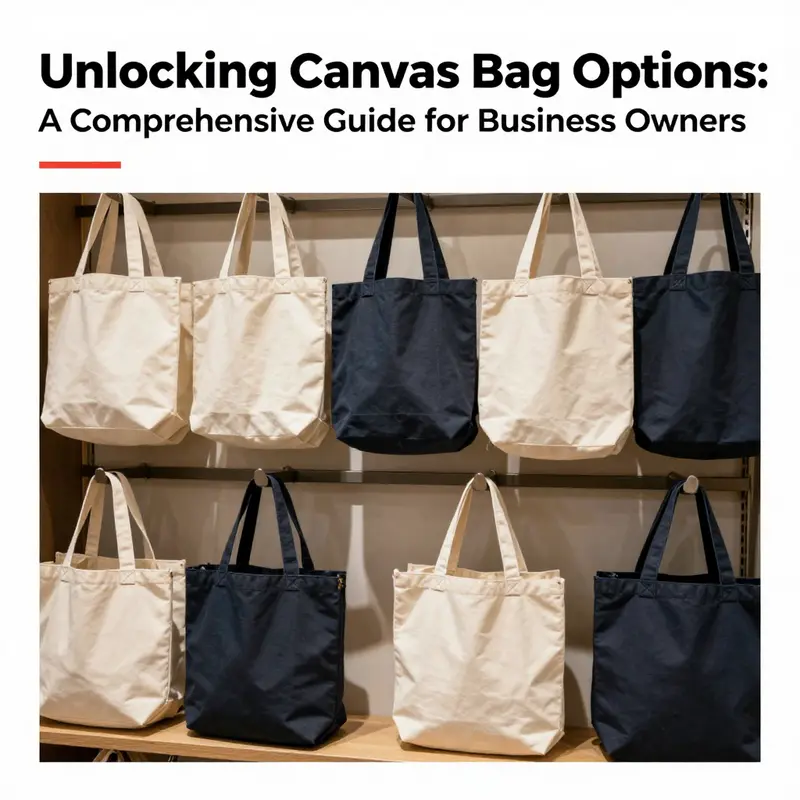
In today’s market, canvas bags have emerged as versatile accessories that resonate with consumers and business owners alike. Understanding where to buy these bags can significantly impact your brand’s visibility, promotional strategies, and overall business efficiency. This article dives deep into the various avenues for canvas bag purchases, exploring bulk buying options on Alibaba.com, stylish trends showcased on Pinterest, the convenience of Amazon for quick orders, and comprehensive recommendations for optimizing your purchases across different platforms. Each section is crafted to provide crucial insights to elevate your purchasing decisions and enhance your business offerings.
Chapter 1: Navigating Canvas Bag Purchases on Alibaba.com—From Bulk Basics to Brand-Building
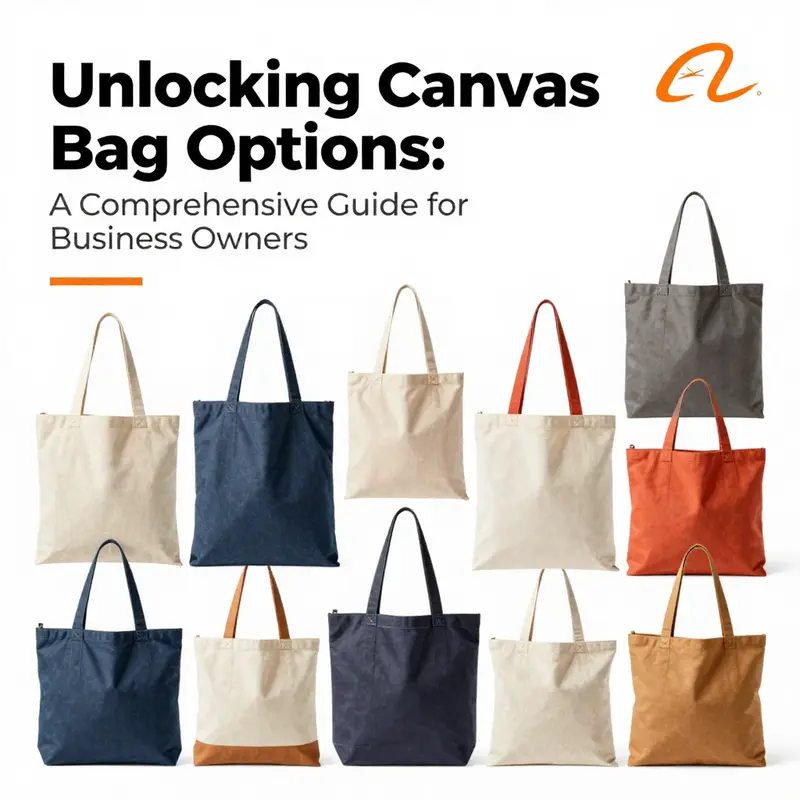
Choosing canvas bags online starts with knowing where the best balance of price, speed, and customization lives. For buyers who want both everyday practicality and scalable branding, Alibaba’s canvas bag category reads like a global catalog. The platform aggregates suppliers from many regions, offering everything from simple shopping totes to rugged travel sacks, all at prices that can be adjusted with volume. For a person shopping for a single bag, the options feel different from the needs of a small business that aims to stock a line of bags for events or promotions. The decision isn’t merely about looking at a color or a zipper; it’s about understanding how weight, finish, and seam choices translate into real-world performance. The journey begins with distinguishing bulk wholesale choices from retail buys, and recognizing that the cheapest unit price often comes with trade-offs in lead time, consistency, or customization capabilities. In this chapter we explore how to navigate canvas bag buy on Alibaba with eyes open, focusing on durability, versatility, and the branding potential that canvas carries.
Canvas bags come in a spectrum of weights and finishes. A common baseline is cotton canvas around 10 to 12 ounces, which yields a sturdy yet flexible tote suitable for daily errands. Heavier options around 14 to 20 ounces offer more structure and resistance to wear, at a higher price but with longer life in daily use. Beyond weight, the weave, stitch density, and reinforcement at stress points determine how the bag holds up under load. A well-made canvas bag often features reinforced handles, double-stitched seams, and a robust base that resists sagging when loaded with books or gear. Some suppliers also offer waxed or water-repellent finishes, which can add weather resistance and a distinct patina as the bag ages. On a wholesale platform, these material details translate into differences in unit cost and minimum order quantities, yet they also signal how well a bag will perform over time in teacher, student, commuter, or traveler routines. Understanding the material profile helps buyers separate fashion-only pieces from workhorse bags that justify their cost over repeated use.
Within the canvas family, there are tote bags for groceries and errands, backpacks for commuting and school, messenger-style bags for work and travel, and drawstring or simple satchel designs for light packing. The intended use shapes the requirements: a shopper bag should balance capacity with foldability and washability, a backpack needs weight distribution and shoulder comfort, and a messenger bag benefits from a single-strap carry that distributes weight across the shoulder. Because many Alibaba suppliers offer customization, buyers can align color palettes and dimensions with their brand guidelines or personal preferences. The versatility of canvas means a single design can be adapted into multiple configurations—internal pockets for gadgets, a removable pouch for small items, or an interior sleeve for a laptop. The practical dimension is that price, weight, and durability are interdependent; a bag built for long-term use often costs more upfront but saves money over replacements and repairs. In addition to raw materials, hardware such as zippers and buckles should be considered for reliability and ease of maintenance.
Customization is perhaps the most compelling feature of canvas on wholesale platforms. Buyers can request screen printing, embroidery, and color customization to carry logos, slogans, or event branding. The print quality can range from bold, opaque graphics to muted tones integrated into the weave. For many campaigns, customization turns a plain bag into a moving billboard. The feasibility of customization depends on the supplier’s capabilities, the bag’s surface area, and the timing of the order. When coordinating design, it helps to supply vector files and specify color codes. Turnaround times can extend when third-party printing is involved, so planning ahead is essential. For smaller orders, some suppliers offer ready-to-print stock patterns or blank canvases that accept embroidery at a moderate add-on. Customization isn’t solely about visuals; it can also include practical features such as internal sleeves for electronics, reinforced corners, or water-resistant linings that align with the bag’s intended environments. This blend of aesthetics and function defines the value proposition of canvas bags as promotional or personal items and explains why many brands and individuals look to wholesale marketplaces to source them.
On a wholesale marketplace, the path from browsing to purchase is shaped by minimum order quantities, price scales, and the reliability of suppliers. The economic logic is straightforward: lower unit costs usually come with higher minimums, longer lead times, or more complex logistics. Buyers can often request samples to judge material, weight, and print fidelity before committing to a large purchase. Verifying supplier reliability is crucial, especially when importing from overseas. Look for verified profiles, clear communication channels, and transparent terms regarding shipping, duties, and returns. Payment terms, such as prepaid or letter of credit, can influence cash flow. Understanding the supply chain also helps in predicting delivery windows, which matters for event planning or seasonal campaigns. For those aiming to stock a product line, negotiating a favorable mix of colors and styles while maintaining consistent quality becomes part of the contract negotiation. The goal is to align cost, quality, and speed so that a single order translates into reliable inventory for months to come rather than an unpredictable one-off purchase.
Design decisions extend beyond color and branding to sustainability and usability. Canvas is a naturally durable material when properly treated, and buyers increasingly value products designed for multiple uses rather than disposable novelty. A thoughtfully constructed bag minimizes waste: sturdy stitching reduces yields from snagging threads; reinforced handles prevent early wear; and a simple, repairable finish makes maintenance easier for end users. From a sustainability angle, many suppliers highlight reusable aspects, avoiding excessive packaging and promoting longer lifespans for their bags. The choice of lining, hardware, and closure mechanisms can influence both longevity and user experience. A bag with a neat interior layout and protective pockets helps protect devices and documents, improving customer satisfaction over time. For brands, the canvas bag becomes a platform to tell a story about craft, heritage, and responsible sourcing without compromising on practicality. The canvas bag that’s bought in bulk can thus serve as a sustainable alternative to disposable options if buyers prioritize quality, reparability, and responsible sourcing in their supplier conversations.
To embark on the purchase journey, a buyer first defines use cases, estimated quantities, and a target price per unit. Then comes the process of comparing options across suppliers who offer similar materials and features. It helps to collect sample bags, inspect weave consistency, and test for colorfastness after washing. The negotiation phase can include pricing tiers by quantity, shipping terms, and customization setup fees. Within this process, the search for a reliable wholesale page on Alibaba often yields a spectrum of offerings, from plain totes to feature-rich packs with internal organizers. For readers who want a concrete starting point, the following link points to a wholesale canvas bag category with a broad array of options: bulk canvas bag options on Alibaba. This page illustrates the scale and variety buyers can expect, as well as the potential for tailored solutions. It also underscores the importance of balancing cost with performance across colorways and sizes, which is essential for any campaign or personal project. The right choice emerges when buyers assess not only the blank canvas but the supplier’s willingness to collaborate on design iterations, color matching, and packaging details.
Beyond the buyer’s initial impressions, there are practical steps that reduce risk and increase satisfaction. Requesting a formal quote that itemizes costs for bag base price, customization, sample fees, and shipping helps in making apples-to-apples comparisons. Ask for production timelines and the process for approving proofs before mass production. Plan for quality control: confirm that the stitching, seams, and hardware are tested under realistic loads and that any water-resistant finishes are verified for performance. Check if the supplier offers certification or compliance statements relevant to the bag’s intended markets. In addition, consider the packaging impact: bulk shipments can be bulky, and choosing compact packaging or recyclable outer materials aligns with audience expectations for sustainability. The journey doesn’t end with the first order. As demand grows, buyers can optimize patterns, refine color palettes, and adjust sizes to reflect real usage. This continuous refinement helps ensure that each subsequent batch better serves end users and reinforces a brand’s reputation for reliability and taste, rather than just affordability.
Across the spectrum of canvas bag options, the key is to translate broad capabilities into precise expectations. Buyers should view Alibaba as a portal to both creativity and discipline: creativity in design and customization, discipline in material choices and supplier due diligence. The most successful sourcing experiences blend clear specifications with open dialogue about timelines, costs, and quality assurances. As the article moves forward, the reader will explore more granular aspects of evaluating fabric weight, printing fidelity, and the logistics of importing bags to different regions. For now, the core takeaway is that the canvas bag market accommodates a wide range of needs, from everyday practicality to promotional power, and that informed decision-making can turn a bulk purchase into a reliable, long-term asset. External resource: JEYCO BAGS Canvas Bag on Alibaba
Chapter 2: Pins, Patterns, and Practicality—Trends Steering Canvas Bags on Pinterest
Pinterest has evolved into more than a mood board; it functions as a living catalog of the canvas bag’s evolving language. Visuals capture color, texture, and scale—the tiny details that define whether a bag reads as polished minimalism or casual utility. Across boards, the canvas bag becomes a canvas for personal story, a way to signal values without saying a word. For many, pinning a handful of images is a precursor to a real purchase, forming a mental shortlist before heading to a checkout page. In this sense, Pinterest does more than inspire; it informs what buyers expect in form and function, and it nudges designers toward features and finishes that resonate with contemporary sensibilities. The result is a digestion of looks that remains practical and accessible, not merely aspirational, shaping how people approach the act of buying a canvas bag in everyday life.
A core thread running through popular pins is minimalist typography on natural canvas. The appeal rests on clean lines, restrained color, and words that carry weight without shouting. Phrases like Less Plastic, More Tote or Carry Kindness appear in crisp sans-serif typography against the raw grain of untreated canvas. This design choice—delicate in its restraint—speaks to a broader shift toward sustainable living and mindful consumption. The typography becomes a quiet banner for values, a wearable statement rather than a loud billboard. In the mood boards that circulate, this look pairs well with hardware kept to a minimum and an absence of busy textures. The result is a bag that blends into a capsule wardrobe with effortless ease, capable of accompanying both a weekday commute and a weekend market run. The visual logic appeals to a wide audience because it feels timeless, not tied to a single season, and it signals care for both the wearer and the environment. The effect is reinforced by boards that group these minimalist pieces with natural materials, neutral palettes, and simple silhouettes, creating a coherent aesthetic that feels almost curated by nature itself.
Another prominent trend on Pinterest is the rise of Korean language tote designs. These designs harness elegant calligraphy, soft pastel color palettes, and motifs inspired by contemporary Asian aesthetics. The result is a form of wearable art—functional, yet expressive enough to convey identity and taste. Such bags become conversation starters, not merely carriers. They align with a broader interest in global-inspired design that has found a solid home in digital curation spaces. The palettes tend toward gentle contrasts and refined finishes, with fabrics that maintain the tactile appeal of canvas while offering subtle sophistication. This trend isn’t about loud branding; it’s about texture, rhythm, and the poise of understated charm. For many pin collectors, these designs signal a desire for pieces that feel cultural and personal at once—bags that travel well, look refined with casual outfits, and carry a story as they move through daily life.
Neutral canvas designs also hold a commanding spot in Pinterest feeds. Beige, navy, black, and olive dominate search results because they pair predictably with almost any outfit, from a light linen dress to a structured blazer. The neutral palette supports a “basics first” philosophy: a bag that doesn’t overpower an ensemble but anchors it with quiet confidence. This category is not about dull sameness; rather, it’s about versatility and longevity. Boards curated around neutral tones often link these bags with a range of contexts—from work commutes to weekend errands—highlighting how a well-chosen neutral tote can function as a reliable core piece in a wardrobe. The appeal lies in the ease of coordination and the confidence of knowing the bag will age gracefully, acquiring character rather than showing wear as quickly as trendier options.
Closely tied to color and typography, Pinterest also showcases a practical, seasonally driven variation: summer-ready, unstructured canvas bags aimed at men’s casual style. Lightweight, breathable fabrics, minimal padding, and adjustable straps appear in pins designed for beach days, picnics, and city strolls. These bags emphasize comfort and ease—rapid access to items, adjustable carry height, and materials that stay comfortable in heat. The design language favors relaxed silhouettes, with exterior pockets and interior linings that handle moisture and sand without turning a favorite bag into a burden. The visual narratives around these pieces reinforce a lifestyle posture: travel-ready, low-maintenance gear that still communicates a sense of personal taste. In practice, buyers drawn to these pins tend to value functionality as much as style, seeking a balance between everyday durability and the subtle refined look canvas can offer when kept in steady rotation.
What makes Pinterest’s influence on canvas bags particularly compelling is how its features translate into purchasing behavior. Pins often include direct links to product pages or lookbooks where price points, materials, and reviews are visible at a glance. Shoppable pins and boards streamline the path from inspiration to checkout, reducing friction for buyers who have already formed a mental image. This is especially relevant for readers exploring a broad category like canvas bags, where form, function, and finish intersect with personal identity. A pin’s description may highlight the bag’s capacity, its internal organization, or its sustainability credentials, providing practical reasons to click through. The dynamic becomes a loop: a pin leads to a product page, a review read confirms fit and quality, and the user returns to the board with new ideas for styling and pairing. In this way, Pinterest becomes a curated, interactive showroom where aesthetics and practicality are not mutually exclusive but co-dependent.
For those who curate their own Pinterest presence, the platform offers a blueprint for translating trends into real-world purchases. Dream boards become careful shopping lists; a collection of minimalist typography pieces can guide a buyer toward a single, cohesive aesthetic. The Korean-language designs can inform the search for culturally resonant motifs and artisanal textures without drifting into stereotypes. Neutral-toned totes can anchor a wardrobe plan, serving as the dependable base that makes other items pop. And the summer, unstructured silhouettes remind shoppers to consider travel-friendly features—exterior pockets, water-resistance, and comfortable straps as essential qualities rather than optional accessories. In short, Pinterest does more than reflect taste—it helps shape a consumer’s expectations for quality, fit, and longevity in a canvas bag.
To anchor these observations in practical steps, consider how you might navigate Pinterest if you are in the market for a canvas bag. Start by pinning a few images that embody your desired balance of aesthetics and practicality. Next, create boards organized by mood—Minimalist Typography, Korean Language Aesthetics, Neutral Essentials, and Summer Travel. This is not just about collecting pretty pictures; it is about building a decision framework. When you encounter a bag that matches your criteria, pay attention to the pins’ descriptions for notes on materials, weight, and capacity, and follow through to the retailer’s page to verify details. If you want a quick snapshot of current trends and a curated starting point, you can explore a hub that tracks what’s gaining momentum across boards. This kind of centralized resource provides a tangible snapshot of what resonates now and what might endure, helping you invest in pieces that will remain relevant beyond the next season.
For readers who crave a concise, trend-driven snapshot, a curated hub of bag trends can serve as a productive shortcut. You can explore a dedicated collection that aggregates popular patterns and silhouettes from across boards, offering a fast lane into the most-talked-about designs while preserving the nuance of color, typography, and motif. This approach keeps your shopping focused without sacrificing the fun of discovery, which is at the heart of Pinterest’s appeal. By embracing the platform’s visual language and its pathways from pin to purchase, you can build a canvas-bag collection that feels intentional and expressive rather than impulse-driven. If you want to dive directly into a curated path, check out the tote bags trending hub for a snapshot of what’s currently exciting the community. tote bags trending.
The thread of sustainability continues to weave through Pinterest trends. The canvas bag remains a practical, reusable option that aligns with eco-conscious choices. Pins that emphasize durability, repairability, and timeless design reinforce the idea that a bag is a long-term investment, not a disposable accessory. When you see a piece highlighted for its sturdy stitching, reinforced handles, or fabric with proven wear resistance, you’re hearing a practical argument for choosing quality over quantity. The visual language of these pins supports a lifestyle that values efficiency, responsible consumption, and the elegance of a simple, well-made object that can be used again and again rather than replaced every season.
As you move from inspiration to purchase, remember that Pinterest’s strength lies in its community and its ability to translate collective taste into accessible options. The platform helps you discover not only what’s immediately purchasable but also what’s becoming a lasting trend. It encourages you to think about the bag as part of a daily routine: a reliable companion for commutes, workouts, errands, and weekend adventures. The best canvas bags on Pinterest are the ones that promise not only a look but also a lived experience—a blend of form and function that ages gracefully and remains relevant across different outfits and settings. In that sense, Pinterest does not merely reflect style; it helps shape it, guiding buyers toward pieces that carry meaning, usefulness, and a touch of personality in equal measure.
External resource: For a broader context on visual discovery and shopping trends, Pinterest remains an essential reference point. See https://www.pinterest.com/ for ongoing updates and inspiration across categories, including canvas bags and related accessories.
Chapter 3: Seamless Canvas Shopping—Convenience, Choice, and Craft in Online Bag Buying
Canvas bags have quietly grown from simple utilitarian sacks into trusted daily companions. They carry books, groceries, gym gear, and the unexpected groceries from a last-minute shopping trip, all while signaling a subtle, durable style. The shift to online purchasing has only sharpened this practicality. When a shopper searches for a canvas bag, the goal extends beyond a single bag’s color or size. It becomes a streamlined experience: find the right weight, the right weave, the right features, and the right price, all within reach, without stepping outside the door. In this chapter, we explore how the convenience of buying canvas bags online—through a major retail platform that aggregates sellers and styles—transforms what could be a cluttered impulse into a curated, reliable habit. The journey begins with breadth and ends in balance: a spectrum of forms, from compact crossbody companions to roomy tote organizers, all engineered to fit the rhythm of modern life.
One of the most striking advantages of online canvas bag shopping is the breadth of options that appear at a single glance. A broad marketplace gives the chance to compare sizes, strap configurations, closures, and internal compartments side by side. It is a practical relief for someone who needs a bag that can function as a daily commuter, a weekend shopper, or an emergency tech tote. The overwhelming variety is not simply about aesthetics; it is about matching purpose to shape. A canvas crossbody tailor-made for hands-free errands that require mobility can differ from a work-ready tote designed to cradle a laptop while leaving room for folders and chargers. The online experience consolidates these use cases so that buyers can assess whether a bag’s proportions align with their typical load, whether the base is reinforced to resist abrasion, or whether the stitching at stress points promises long-term endurance.
Durability is the quiet workhorse of canvas bags. The weave matters—tight, even threads create a fabric that resists sagging and minimizes fraying under weight. In practical terms, many well-reviewed options feature double or even triple stitching at stress points and bar tacks where handles meet the body. This attention to detail translates into real-world performance: bags that retain their shape after months of daily use, that withstand the friction of constant loading and unloading, and that don’t betray signs of wear after a predictable cycle of washes. The online marketplace makes it possible to read user feedback about fabric weight, colorfastness, and the bag’s behavior under repeated use. This is where the value of the online shopping experience shines. Reviews function as a community inspector, offering insights that a static product photo cannot provide.
Weight and fabric quality deserve careful scrutiny. A high-quality canvas bag is usually made of 100% cotton or a cotton-polyester blend with a denser weave. It feels substantial in the hand yet remains flexible enough to fold or stuff when needed. Lightweight canvases are great for travel or casual errands but may wear quickly under heavy daily loads. Heavier canvases, while bulkier, offer greater resilience and a longer service life. Buyers benefit from product descriptions that disclose fabric weight per square meter, weave density, and whether the bag has been pre-shrunk or treated for water resistance. Online platforms excel at presenting these details, plus comparative images that reveal how the material ages with use. This information helps buyers avoid bags that sag under load or wear thin after a few months of regular use.
Beyond materials, design features influence how easily a bag integrates into everyday life. Adjustable straps empower a bag to fit multiple body types and preferences, and reinforced handles make daily carrying comfortable even when the load is heavier. Zipper closures and reinforced seams keep contents secure, while interior pockets and zippered compartments support organization without sacrificing accessibility. Some bags include clever additions such as bottle sleeves or removable pouches, which can be a boon for students, professionals, and travelers alike. When browsing online, it pays to weigh these features against one’s routines. A bag that organizes a day’s essentials with a few secure pockets will reduce the need to rummage and repack, cutting down on friction during a busy morning or between classes.
The hands-free convenience that many canvas bags offer is a recurring theme in online listings. For students and professionals who move from campus or office to transit, a crossbody or compact shoulder bag can be a revelation. The hands-free approach frees the user to manage devices, books, and personal items while staying balanced and comfortable. In practice, this convenience manifests as ergonomic strap placement, a comfortable carry weight, and a design that distributes weight evenly. The result is a bag that helps the wearer maintain momentum throughout the day rather than becoming a burden—an important distinction in a world that prizes efficiency and adaptability.
Portability and foldability are additional virtues that online buyers frequently seek. A canvas bag should be easy to fold into a tote or backpack when not in use and, ideally, lightweight enough to stash inside a larger bag for impulse shopping trips or travel. Some buyers appreciate a built-in sleeve or a compressible form that reduces bulk without compromising integrity. The online marketplace makes it simple to filter for these traits, allowing shoppers to imagine a bag that travels as well as it carries. Eco-conscious consumers may also prefer bags that promote reusability with minimal packaging and a design that makes daily remolding simple, helping them minimize plastic waste and single-use bags over time.
Choice, convenience, and craft converge most clearly in the way online platforms enable quick, confident decision-making. A shopper can read a spectrum of reviews, compare multiple colors and sizes, view crisp product photography that reveals stitching and fabric texture, and check delivery estimates before adding an item to the cart. Return policies, too, play a pivotal role. A generous return window can reassure a buyer who is navigating a purchase without touching the fabric in person. This safety net, paired with clear sizing charts and customer feedback, translates into a shopping experience that feels reliable rather than risky. In other words, the convenience is not merely about speed; it is about confidence—the assurance that the selected canvas bag will deliver on its promises of durability, utility, and style.
Another layer of convenience comes from how online marketplaces curate and present content. While the physical store forces a shopper to physically compare items, the digital platform can assemble a portfolio of canvas bag options that reflect current trends, seasonal silhouettes, and practical configurations. Shoppers can quickly assess whether a particular bag’s dimensions align with their typical needs or whether a version with a larger main compartment better suits a lunch kit, a binder, or a set of gym clothes. This dynamic cataloging makes it easier for busy buyers to move from consideration to purchase with fewer detours—an efficiency that is especially valuable for those juggling classes, deadlines, and work shifts.
To illustrate how this converges in everyday life, consider a practical scenario: a student who needs a single bag to carry a few textbooks, a laptop, and personal items while hopping between classrooms. A canvas bag with a padded laptop sleeve, a secure closure, and interior organization pockets can keep everything within reach and protected. The strap design should allow a comfortable, even distribution of weight, whether worn crossbody or carried on the shoulder. The student benefits from clear product information, verified reviews attesting to long-term durability, and a straightforward return policy if the chosen model doesn’t quite fit. The same logic extends to a working professional who travels between meetings and a local fitness center. A larger tote with an exterior pocket for items like a water bottle and a separate section for a tablet or notebook offers practical versatility, while the ability to fold the bag when not in use keeps the day-to-day carry lean and efficient.
The chapter’s practical guidance favors a calm, informed approach to choosing a canvas bag online. Start by identifying your primary use case: daily commute, campus life, weekend trips, or shopping and errands. From there, assess the bag’s size and weight—too bulky and it will slow you down; too light and it may sag under your load. Then examine the material’s durability and the construction details. Are the stitches uniform and tight? Do the seams align cleanly? Are the handles reinforced where they join the bag? A few minutes spent evaluating these points can save months of disappointment. Finally, consider the bag’s organization features: do you get the right mix of pockets, sleeves, and compartments to keep items accessible yet secure? These considerations, when weighed on a large online platform that aggregates options, create a precise alignment between need and product.
For readers who want a example of the kind of inspiration that helps shape taste and planning, a quick look at a curated collection of canvas totes can be instructive. A reference point for shape, color, and proportion exists in a collection that highlights classic, versatile options that pair with multiple outfits and settings. See the collection here: Women’s Canvas Tote Bags. This resource showcases how a simple bag can be reinterpreted across wardrobes, emphasizing neutrals, clean lines, and practical interiors—principles that align with the idea of a reliable, everyday canvas bag. While shopping online, let this example serve as a reminder that the best purchases are the ones that stay useful over time, not merely fashionable for a season.
As the purchasing journey unfolds, it’s worth acknowledging that online shopping for canvas bags is not purely about utility. It offers an opportunity to align personal values with everyday gear. A durable, reusable bag reduces reliance on disposable options, contributing to environmental sustainability. When a shopper can rotate through a handful of sturdy bags instead of buying new plastic bags every week, the impact on the wider ecosystem is meaningful, even if incremental. The convenience of online access to durable, repairable goods makes it easier to cultivate these sustainable habits without sacrificing style or functionality.
In conclusion, the online canvas bag shopping experience—when well navigated—offers a rare blend of breadth, depth, and reliability. It brings together robust materials, thoughtful design, and practical features with the freedom to compare, filter, and decide from the comfort of home. The result is a bag that not only carries items but also carries the confidence of a well-made choice. This harmony between function and form, between convenience and craft, is what keeps canvas bags relevant in a fast-moving world and what keeps buyers returning to the same platform for new iterations of timeless design.
External resource for further inspiration: https://www.pinterest.com/pin/123456789012345678/
null
null
Final thoughts
In the competitive landscape of canvas bag retail, understanding where to source your products can greatly impact your success. By leveraging platforms like Alibaba.com for bulk purchases, embracing stylish trends from Pinterest for unique offerings, and utilizing the efficiency of Amazon for quick orders, business owners can optimize their canvas bag strategies. The recommendations provided in this guide empower you to make informed purchasing decisions that align with your brand’s identity and consumer needs. Embrace the versatility of canvas bags and elevate your business offerings by exploring these diverse purchasing avenues.