

Beach totes are not only essential for beachgoers but also hold significant potential within the retail space for business owners. As consumer demand for stylish yet functional bags continues to rise, understanding the intricacies of beach totes equips business owners with the knowledge necessary to meet market trends and consumer needs. This article delves into various aspects of beach totes, including materials used, design features that enhance functionality, the importance of aesthetics, key factors for selection, and the environmental impact of these products. Each chapter offers insights that will enable you to make informed choices in sourcing, designing, and marketing beach totes effectively.
Material Matters: How Fabrics and Fibers Shape Beach Totes for Durability, Comfort, and Style

A beach tote is more than a beach-day prop. It’s a portable, organized space that must endure sun, sand, and spray while carrying towels, sunscreen, snacks, and a favorite read. The character of a bag—the way it feels, how it behaves in the heat, how it bleeds or holds color after a week at the shore—starts with its materials. The materials chosen shape everything from weight to water resistance, from how easy it is to clean to how long the bag lasts. When readers ask which tote will keep up with a family’s busy summer routine, the answer often comes down to material choices and how they’re engineered into the bag’s design. The open-top silhouette many beach totes favor is forgiving, but it also means the fabric must handle sun exposure and occasional sand intrusion without staining or weakening. The relationship between fabric, coating, and weave determines whether a tote will shed saltwater, resist UV damage, or require delicate care after every trip.
High-density polyethylene, or HDPE, is a staple for rugged, weather-ready totes. It offers standout strength without adding excessive weight. HDPE’s rigidity helps a bag hold its shape when you load it with bulky items like a large towel or a folded stroller blanket. It also resists UV rays and repels water, which matters when your tote sits in the sun near a lounger or dries after a rinse at the tap. In practical terms, HDPE bags tend to clean up easily with a quick rinse and a wipe, and they resist salt spray that can dull fabrics over time. This material is especially appealing to travelers who want a bag that can survive a season of beach trips and still look box-fresh at the start of the next.
Polyester is another workhorse material that shows up in many beach totes. Its durability and light weight are a big win for everyday use. Quick-drying properties matter when the towel is damp and the bag must be carried across the boardwalk before it dries. Manufacturers often apply coatings or laminates to polyester to boost water resistance and UV protection. Those coatings create a barrier against salt and sun, helping to prevent color fading and fiber breakdown. The result is a tote that can remain vibrant after repeated trips to the shore, even if its exterior faces direct sunlight for hours. Importantly, the fabric weight and the degree of coating influence the bag’s overall heft; a bag can feel substantial yet remain easy to lift into a car or onto a rack at the ferry dock.
Nylon shares a lot of advantages with polyester, including durability and fast drying. It can be engineered with water-resistant coatings that keep the interior dry as long as the top remains open for air flow. Nylon’s versatility shows up in its finish, which can range from a smooth, slick surface to a slightly pebbled texture that helps hide minor scuffs from sand. The fiber’s resilience is a boon for families who wrestle with kids’ beach gear—boats, floats, and a mishmash of snack containers—without worrying about wear and tear. A nylon tote can be a reliable companion on a windy beach day, where sand can billow and accumulate over hours of wandering along the shore.
In recent years, a growing share of premium beach totes has embraced recycled materials, notably recycled PET, or rPET, derived from plastic bottles and other post-consumer waste streams. These materials combine the performance traits of traditional synthetics with a lower environmental footprint. The idea is simple: we keep high-strength, long-lasting fabric while reducing the demand for new petroleum-based inputs. For shoppers who want responsible sourcing without sacrificing durability, rPET options can offer a compelling balance of environmental stewardship and practical performance. Sustainability-minded designers often pair rPET with sturdy hardware and reinforced stitching to ensure the bag can handle the daily grind of beach-going, shopping trips, or weekend getaways.
The choice of material, of course, directly impacts maintenance and longevity. A bag made from HDPE may resist abrasion and stains well but can feel stiff, particularly when new. It benefits from a gentle breaking-in period and occasional conditioning to prevent cracking in extreme heat. Polyester with a laminate or coating tends to be more forgiving with bending and folding, yet those coatings can wear unevenly if you frequently drag the bag on rough promenades or pile it into the trunk of a car with other beach gear. Nylon blends strike a middle ground, offering a balance between stiffness and flexibility, and they often present the most forgiving surface for light cleaning with a mild soap solution.。
Care becomes part of the equation once you pick a material. A quick rinse after a salty day helps prevent mineral buildup that can dull the fabric’s appearance. Air drying away from direct sun preserves color and prevents warping. For bags with coatings, avoid abrasive scrubbing that could erode the protective layer. A soft cloth and a mild detergent handle most routine spots. If the bag includes interior pockets, you’ll want to empty them after each trip and let the lining dry thoroughly to prevent musty odors. Some totes feature reinforced stitching or additional lining materials in the bottom panel, which can guide you toward longer service life when the bag carries particularly heavy loads. In all cases, when the bag is stored away for the off-season, keeping it in a cool, shaded place helps preserve both color and fiber integrity.
Material choices also influence how a tote adapts to environments other than the beach. A water-repellent exterior with quick-dry properties becomes a sensible option for pool days, boat trips, or even a summer farmers’ market haul. The same bag can double as a stylish storage basket in a sunroom or a roomy gym tote if it maintains its shape under load. For readers who crave a specific balance of form and function, a material strategy often means choosing a fabric that performs well in outdoor light and humidity while still feeling comfortable to touch and easy to clean. That tactile experience is part of the bag’s personality; it tells you something about the care it will need and how much daily use it can withstand.
The conversation about materials would be incomplete without acknowledging the growing demand for sustainability. Ocean-bound plastics and certified organic cotton are increasingly featured in beach tote designs. While many readers are drawn to glossy synthetic finishes for their weather resistance, a growing number appreciate the softer hand and lower environmental impact of natural fibers that have been treated for water resistance. The trade-off often lies in weight, drying time, and care requirements, but advancements in laminates and coatings are narrowing those gaps. When sustainability is a priority, it’s worth evaluating not only the raw material but the entire lifecycle—from production to end-of-life disposal—and to seek brands that clearly communicate their environmental commitments. For readers curious about how these fabrics translate to real-world products, see Beach bags for women.
For a broader, more technical perspective on how these materials perform under beach conditions, the resource guide linked at the end of this chapter offers a deeper dive into the chemistry of coatings, lamination, and fiber treatments. Readers will find practical guidance on choosing the right balance of weight, durability, water resistance, and environmental responsibility. As a quick takeaway, HDPE stands out for rugged durability and UV resistance, polyester shines in lightness and quick drying, nylon offers a flexible middle ground, and recycled materials can deliver responsible performance with a smaller footprint. The right choice depends on how a bag will be used, how often it will face sun and surf, and how much care you’re prepared to invest in keeping it looking and functioning its best. External factors, such as how frequently you travel or the kinds of items you routinely carry, also matter. A tote meant for daily use near the coast may benefit from a tougher shell of HDPE, whereas a fashion-forward, weekend-ready tote may prioritize a smoother touch and more varied color options achieved with polyester or nylon blends.
Ultimately, understanding the materials behind beach totes helps shoppers align their purchase with both practical needs and personal values. It’s about balancing strength with comfort, resilience with ease of cleaning, and durability with sustainable choices. When you know what lies beneath the surface—literally and figuratively—you can select a tote that not only carries your essentials but also complements your days by the water, season after season. The conversation about materials continues to evolve as new fibers and coatings emerge, but the core idea remains the same: the bag you choose should carry your life at the shore with simple dignity, and it should do so with a care routine that keeps it reliable year after year. For readers seeking a practical gateway to informed decisions, explore more about beach bags for women.
External resource for deeper technical insight: https://www.rei.com/blog/outdoor-gear/beach-tote-materials-guide
Carrying Comfort and Climate-Ready Craft: The Design Features That Make Beach Totes Truly Functional

From the moment you lift a bag engineered for sun and surf, you glimpse how beach totes have evolved beyond fashion to become reliable daylong companions. They are not merely containers for towels; they are practical machines that anticipate the tempo of a beach day. A truly functional tote negotiates space and weight, shrugs off sand and spray, and keeps essentials within easy reach when the breeze shifts or a sudden plan requires a change of scene. The best designs embody a simple truth: convenience on the shore comes from thoughtful details that work together as a cohesive system, not from a single clever feature. The result is a bag that feels less like a carryall and more like an extension of your day, ready to carry you from car to coastline and back again with minimal fuss.
Capacity is the first and most obvious marker of usefulness. A tote with ample interior space makes it possible to bring along the bulky items that define a beach itinerary—the large towels that dry slowly, the sunblock you spare for reapplying, the beach chairs or a compact cooler, a couple of water bottles, a snack, and even a paperback or a tablet for moments of shade. Designers express this through generous dimensions, often in the broad range of 20 to 30 inches in width, paired with a straightforward, open-top silhouette. The open top is more than a visual cue; it offers immediate visibility and quick access. You can drop items in and retrieve them with one hand, a small but significant advantage when you’re juggling a bag, a towel, and a sunscreen bottle at the same time. Yet openness does not equal chaos. The most functional totes integrate internal organizers that turn volume into order. A zippered pocket becomes a secure home for keys and cards, a mesh pocket supports breathable storage for damp items, and a dedicated sleeve or bottle holder helps you keep refreshments upright and within arm’s reach. In practice, this transforms a bag from a roomy void into a navigable space where routine items follow predictable patterns rather than slip away into the corners.
Durability follows capacity as a nonnegotiable baseline. Beach days demand materials that resist the erosive effects of sand, salt, sun, and frequent handling. Canvas, polyester, and reinforced nylon are common for their rugged feel and resilience, but the real test lies in how the fabric behaves under pressure. A well-made tote can withstand rough corners when tossed into the car, a persistent tug of a strap when you’re chasing a rolling beach ball, and the occasional splash from a playful wave. Many practical designs incorporate weather-resistant coatings or linings to add a layer of protection for contents. This is not about making the bag impermeable; it’s about ensuring that what’s inside stays dry and intact long enough for you to recover and reuse it. The texture of the material also matters for maintenance. Fabrics with slightly textured surfaces shed sand more readily, and linings that dry quickly reduce the development of odors after damp days near the water.
Handling comfort is another invisible discipline. A big interior demands sturdy, comfortable support for the hands and shoulders. Tote makers respond with thick, reinforced handles that maintain their shape and feel comfortable when loaded with towels, sunscreen bottles, and snacks. Leather or durable canvas handles are common choices, selected for their ability to grip well even when wet. Optional detachable or adjustable shoulder straps offer a different carrying method, distributing weight across the body so you can wear the bag for longer walks along the shore or through crowded boardwalks. The strap design matters; well-attached hardware prevents slippage and reduces wear at the attachment points. In sum, the way a bag feels when you lift it or carry it is as important as how much it can hold.
Organization, often glossed over in favor of capacity, is central to daily use. The magic of a well-designed tote unfolds when you can find what you need without a full-scale rummage. A few well-placed pockets, sleeves, and compartments—subtle touches rather than overbearing dividers—make a big difference. A secure zip pocket guards valuables, a ventilated mesh pocket delays moisture buildup for damp items, and a built-in bottle holder keeps drinks stable during windy gusts. These features support a practical routine: grab the sunscreen without muting a towel, slip a phone into a safe pocket before stepping into the water, and return with confidence no item has slipped away. When the interior planning aligns with your packing habits, the tote becomes less a bag and more a well-tuned workspace for a beach day.
Weight management is a quiet ally of usability. A tote can be generous in capacity without tipping into unwieldy territory if the design prioritizes a light touch. That balance—strength without unnecessary heft—emerges from seam choices, fabric density, and a careful curation of hardware. The goal is a bag that remains forgiving as you load it up, yet nimble enough to carry from the car to the sand in a single, fluid motion. The aim is not to minimize weight for its own sake but to preserve ease of movement, which is essential when you’re negotiating crowded pathways, shifting sun angles, or returning to the car after a full day.
A growing thread in contemporary tote design is sustainability. Eco-conscious options now straddle a spectrum from recycled polyester to organic cotton, with some designers exploring even more innovative fibers sourced from recycled or upcycled materials. The environmental story of a bag matters because it mirrors the responsibility many beachgoers bring to their pastime. A tote that embraces sustainable fabrics carries with it a commitment to fewer discarded resources and a longer useful life, especially when paired with a design that prioritizes durability and reparability. The combination of performance and responsibility resonates with families planning regular beach trips, weekend picnics, and spontaneous lake days alike. It is not simply about looking good under the sun; it is about contributing to a longer chain of reuse and careful resource use without sacrificing function.
The versatility of a well-conceived tote extends beyond the shoreline. A roomy, durable bag can serve as an adaptable daily companion, doubling as a storage basket at home, a shopping tote for farmers markets, or a gym bag after work. The aesthetic equilibrium—where sturdy construction meets a polished appearance—ensures that the bag does not feel out of place in a café or at a street market. This coherence between form and function gives beach totes their lasting value. The design ethos recognizes that many families blend leisure with errands and travel, so the best totes are ready to transition as needed, keeping pace with a summer made of both relaxation and activity.
As a final note, some tote models emphasize adaptability through foldable, compact forms that pack away when not in use. This adds travel-friendly value for trips that mix plane time with beach time, while still delivering on the core needs of sand resistance, quick drying, and easy cleaning. If you want to see how beach-focused options translate into everyday carry, you can explore Beach bags for women. Beach bags for women.
In practice, the best beach tote is a sum of careful choices rather than a single standout feature. It is designed to carry the essentials with generous space, shield them from the elements, and make everyday tasks on a beach day feel effortless. The open-top design invites quick access, while inner pockets and organizers foster order. The materials chosen are selected for durability and ease of care, able to resist sand and salt and to endure repeated use without losing shape. Handles and straps distribute weight with comfort, and the bag as a whole remains light enough to avoid fatigue on a long day. Sustainability threads through the fabric choices and production methods, aligning practical needs with environmental mindfulness. And the bag’s versatility—its ability to transition from shore to street—ensures it remains a fixture of summer life, not merely a seasonal accessory. For readers seeking a broader perspective on sustainable consumption, see the broader framework of responsible production at https://www.un.org/sustainabledevelopment/sustainable-consumption-production/.
null

null
Choosing the Right Beach Tote: Balancing Durability, Capacity, and Style for Sea-Side Days
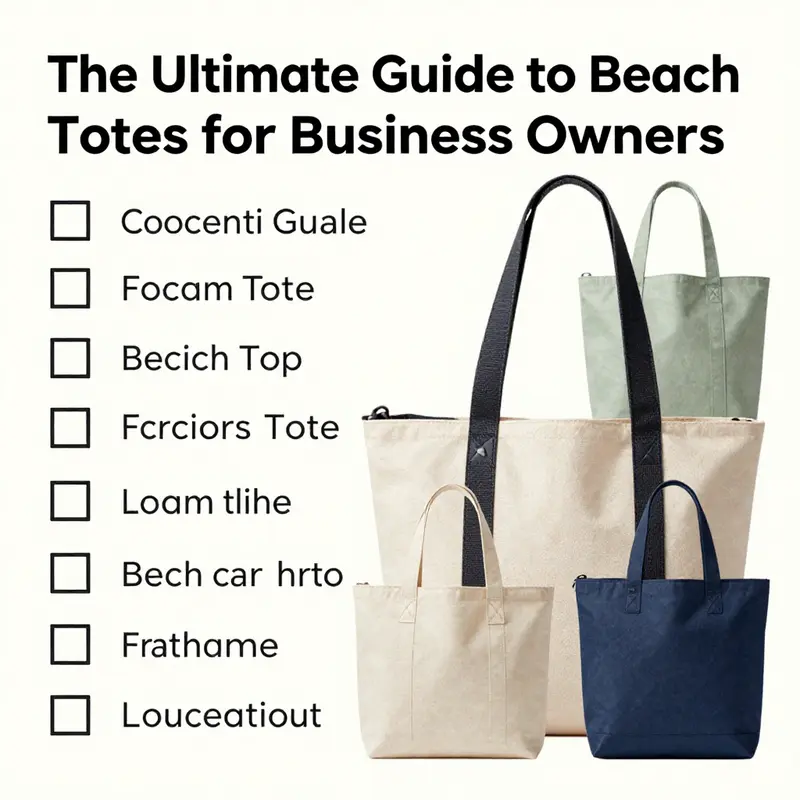
A beach tote is more than a casual carry-all; it’s a companion for sunlit hours, wind-battered dunes, and the gentle rinse of surf over warm sand. The most successful choices emerge not from chasing trends, but from understanding how a bag will live in the spaces where you spend your days by the sea. When you choose a tote with both practical depth and a touch of personal flair, you create a habit of packing that feels almost instinctive. The right tote becomes a portable staging area for towels, sunscreen, snacks, and a book, while also serving as a stylish bag that complements your summer mood. It is this blend of practicality and personality that makes the decision-making process worthwhile, especially in environments where sand and salt can test wear and tear as much as the sun tests patience. In practice, the core question is simple: what mix of materials, size, features, and care can deliver a bag that stays dependable day after day, season after season, without sacrificing the ease and joy that a beach day deserves?
Material choice sets the tone for durability, maintenance, and appearance. For a beach setting, you want fabrics engineered to resist moisture, resist abrasion from sand, and brave UV exposure with minimal fading. Heavy-duty cotton canvas, waterproof or water-repellent polyester, and recycled fabrics designed for outdoor use top the list. These materials tolerate damp towels, sunscreen slicks, and occasional splashes without showing immediate wear. They clean more easily than delicate fabrics, which means less time scrubbing sand and salt from fibers and more time enjoying the tide. If a more classic, breezy aesthetic appeals, natural options like jute or woven straw can suit short, casual outings. Yet their durability under heavy sun, wind, and sand is less robust, so they’re best reserved for lighter use or special occasions rather than everyday beach days.
Size and capacity are the tangible heartbeat of a beach tote. A well-chosen tote should accommodate a towel—preferably a large beach towel—plus sunscreen, swimwear, a water bottle, snacks, and a book or device, without turning into a cumbersome shoulder-weight. A practical range to consider is roughly 18 to 24 inches wide, with enough depth to allow towels to lie flat rather than roll into compact bundles. Beyond raw dimensions, the bag’s structure matters. A reinforced pair of handles that distribute weight across the shoulder and a sturdy base prevent sagging when the tote is fully loaded with damp items. Some bags offer a folded or semi-rigid bottom insert that helps preserve shape and protect contents from damp sand. The goal is to keep contents organized and accessible, without requiring you to unload half the bag to reach your sunscreen or phone.
Functionality is where a tote earns its keep in real-world use. A well-designed beach bag often features multiple pockets or a few zippered compartments to keep sand out of electronics, keys, and small essentials. An interior liner can catch leaks and be removed for easy cleaning; a detachable liner makes routine maintenance simpler. A dedicated insulated sleeve for drinks can be a welcome touch, especially on hot, sunny days when cold refreshments feel like a small miracle. Detachable shoulder straps add versatility, letting you switch from over-the-shoulder to hands-free carry with ease when you’re navigating crowded boardwalks or sandy paths. Thoughtful touches like a sand-resistant or wipe-clean interior, reinforced stitching at stress points, and a secure closure system can prevent items from slipping out during gusty sea breezes or vigorous shoreline strolls. The goal is to strike a balance: enough organizational tools to keep items tidy, but not so many compartments that the bag becomes over-engineered or difficult to clean after a day of exposure.
Care, portability, and upkeep complete the practical picture. A good beach tote should be easy to maintain, since beach environments deliver constant exposure to sand and salt. Look for fabrics that are machine-washable or wipeable, and consider whether the bag folds compactly for storage in a travel tote or car trunk when not in use. Some bags are designed to fold up neatly into a built-in pouch, making them almost invisible when tucked away. This compactness is not just about storage; it also matters when you’re packing for a weekend trip or a long day out, where luggage space is at a premium and every inch counts. Durability under repeated exposure is equally important. Reinforced stitching around handles and at the corners prevents tears that could compromise the bag’s life. A sturdy base helps the tote sit upright on damp sand or aboard a windy boardwalk. Keeping the bag clean between uses is simpler when the interior is resistant to moisture and stains, reducing the chance of mold or sour odors developing in damp, sun-warmed fabric.
Sustainability and ethics quietly influence every good tote choice. Eco-conscious materials, such as ocean-bound plastics or certified organic cotton, offer a responsible path without sacrificing performance. A bag built with recycled or responsibly sourced fabrics aligns with a broader summer ethos—enjoyment that doesn’t come at the expense of the shoreline you love. When choosing a tote, it’s worth asking how the fabric is sourced, how the bag is constructed, and what, if any, end-of-life considerations exist. In practice, this means balancing durability and cost with environmental responsibility. The longest-lasting option is not always the most expensive; rather, it’s the design that allows for easy repair, cleaning, and, eventually, responsible disposal or repurposing. The result is a tote that not only supports a single sunny day but also fits into a conscientious approach to seasonal access to beaches and pools.
Packing strategy and daily ritual also shape the decision. If you tend to prepare for a quick beach escape, a lighter tote with fewer compartments might be ideal, letting you grab what you need in seconds and go. On a longer, family-filled day, a larger bag with multiple pockets becomes worthwhile, enabling you to separate sunscreens from snacks, towels from readers, and wet swimsuits from dry clothes. A truly flexible tote becomes a mini-command center: a zone for towels, a pocket for keys, a sleeve for a chilled drink, and a liner that can be hosed off or tossed in the wash. The mental model here is simple—use zones to reduce friction. When you reach for the bag and it reveals clean, organized compartments, the day feels calmer, even as the wind picks up and the sun travels across the sky.
Style and versatility complete the picture. The best beach tote isn’t a one-trick pony. It should feel appropriate for casual strolls along a coastline path and adaptable enough for trips to farmers’ markets or the gym during a sunlit weekend. A tote that embodies a timeless silhouette or a versatile color palette can easily bridge beachwear with city-casual outfits. It remains practical without sacrificing personality. Because the bag shares your style, you’ll be more inclined to use it often, which, in turn, makes your beach days more streamlined and enjoyable. The capacity to serve multiple roles—from beach bag to carry-on to a storage basket for a seasonal home—extends the value of your investment. In this sense, the tote becomes less of a singular accessory and more of a reliable everyday tool that travels with you through sun, surf, and the quiet routines of summer.
When you’re ready to narrow your choices, consider the practical touchpoints that matter most in your routine. If your shore days involve frequent travel or crowded spots, prioritizing foldability and compact storage helps. If you value a polished, lasting look that can transition from the boardwalk to a casual dinner, search for durable, timeless fabrics and clean lines that resist fading. And if environmental responsibility is central to your shopping, seek fabrics with clear certifications and recycled content that aligns with your values. With these considerations in mind, the decision becomes less about chasing the perfect product and more about selecting a dependable partner for sun, sand, and sea.
For a practical, on-the-ground example of durable options and versatile design, you can explore bags described under a category commonly associated with durable, everyday use, such as women’s canvas tote bags. This type of material often provides a satisfying balance between rugged utility and a classic aesthetic, echoing the approach that many beachward shoppers appreciate: a bag that ages well, cleans easily, and remains squarely in step with the seasons. While no single tote suits every plan, the right choice aligns with how you live near the shoreline—daily rituals that begin with a bag that can handle salt spray, damp towels, and a hopeful, sunlit afternoon.
In the end, choosing the right beach tote is about translating a simple shopping decision into a practical lifestyle choice. It’s about recognizing that the bag you carry can elevate the entire day, from the moment you step onto warm sand to the moment you fold the towel and return home. When durability, capacity, and style converge in one reliable piece, your beach days feel less like chore and more like part of a beloved seasonal rhythm. And that is the essence of a well-chosen tote: a companion that respects your time, supports your comfort, and quietly elevates your everyday summer experience.
External resource: https://www.sustainablebeachproducts.org/make-beach-towel-analysis/
Carrying the Coast: Rethinking Beach Totes for a Greener Shore

A day at the beach is about more than the items you bring; it is about the choices that shape their impact. Towels, sunscreen, books, water bottles—these essentials all travel in a single, durable tote that acts as a portable cargo bay against sun, sand, and spray. Yet every bag has a footprint. The environmental cost of beach totes depends not only on materials but on how long they last, how often they are used, and what happens when they reach the end of their life. Choosing a tote, therefore, is less about chasing a single green option and more about durability, repairability, and thoughtful design that can withstand many seasons by the coast.
Material choices frame the discussion. Natural fibers like cotton or jute offer biodegradability and renewability; disposed properly, they can return resources to the soil rather than linger as microplastics. But cotton and jute require water, land, and inputs that can be substantial. Natural-fiber bags can also be vulnerable to sand, salt, UV, and mildew, shortening their life in harsh beach conditions unless reinforced with protective finishes or sturdy stitching. The key is balancing practicality and longevity with the ecological benefits of natural materials.
Plastic-based bags—made from polyethylene or other synthetics—illustrate another facet. Fossil-fuel origins and the tendency toward single-use patterns shadow plastics. They can be cheap and durable, yet the environmental cost grows if use is short or litter occurs. Durability, when paired with repairable design, can reduce waste: a well-made plastic tote used hundreds of times can outperform a disposable bag in environmental terms. In this view, plastic is not inherently bad; it is redeemable through longevity and repairability.
Hybrid and man-made options add nuance. Recycled-polyester bags blend quick-drying convenience with a post-consumer origin, offsetting some virgin-material concerns. They tend to be lightweight, moisture-resistant, and UV-tolerant—well-suited for regular beach use. However, recycling is imperfect: it reduces some production impacts but does not erase the original ones. Heavyweight canvas, especially when waxed or coated, offers abrasion resistance and water resistance, while remaining repairable with basic stitching or patches. The underlying principle is clear: longevity should be engineered in from the start, not added as an afterthought.
Beyond materials, tote design shapes sustainability in everyday use. An open-top silhouette is easy to load but invites sand; a reinforced bottom and sturdy seams extend life; interior pockets help organize items so a small tear doesn’t render the bag useless. A bag that dries quickly and is easy to clean lasts longer in salt-laden air. Comfortable, wide straps reduce wear on the bag and make you more likely to choose reuse over disposal. The lifecycle of a tote is thus a mosaic of material performance, structural integrity, and user habits.
Care and maintenance matter. Regular cleaning to remove salt, sand, and sunscreen residues, prompt drying to prevent mold, and timely small repairs can transform a bag from a short-lived convenience into a lasting companion. When wear appears, the question becomes repairability and repurposing. Can a seam be resewn, or a handle reinforced? Many bags gain new life through simple fixes or by being repurposed as storage for toys, towels, or gear. This mindset aligns with broader shifts in consumption toward repair and refurbishment as legitimate, ongoing parts of a product’s life.
End-of-life pathways also matter. A durable tote designed for long use may have removable linings, modular components, or be accepted into textile-recycling streams where available. The point is clear: the most responsible choice favors multiple meaningful uses over a single season. The sustainability story of a beach tote is less about chasing a single green material and more about a product designed for durability, repairability, and thoughtful end-of-life planning.
For readers aiming for greener beach days, consider how a tote fits into a broader habit of reuse. Choose durable, multi-use bags that can double as a shopping bag or gym tote, and look for reinforced stitching, water-resistant linings, and robust bottoms. Weigh natural versus synthetic materials in light of how often you actually use the bag. A long-lived bag that serves many roles will cut resource use more effectively than a specialized bag that comes out only for one season.
The coastal plastics question remains a powerful reminder of what is at stake. Designers advocate durability, minimized waste, and viable end-of-life options. Exploring durable, reusable options helps reduce long-term ecological disruption. An external reference, such as the discussion in the scholarly context: https://www.sciencedirect.com/science/article/pii/S002532662300789X, can ground practical tote advice in a broader environmental science conversation.
When you shop, see a tote as a doorway to sustainable habits rather than a disposable accessory. A quick anchor is to explore collections like “tote beach bags for women,” which are designed for repeated use and responsible production. In the end, the goal is a tote that travels with you for many summers, remains simple to repair, and fits easily into home life without becoming waste in the sand. A well-made tote becomes a small but meaningful commitment to the coast we cherish and to the future we want to protect.
Final thoughts
As the market for beach totes continues to expand, business owners must prioritize understanding the materials and design innovations that enhance both functionality and style. Smart selection of beach totes can lead to increased customer satisfaction and loyalty. Moreover, tapping into sustainable options can further align your business with contemporary consumer values, helping to differentiate your products in a competitive landscape. By leveraging the insights outlined in this guide, business owners can confidently curate, market, and sell beach totes that resonate with their target audience.