
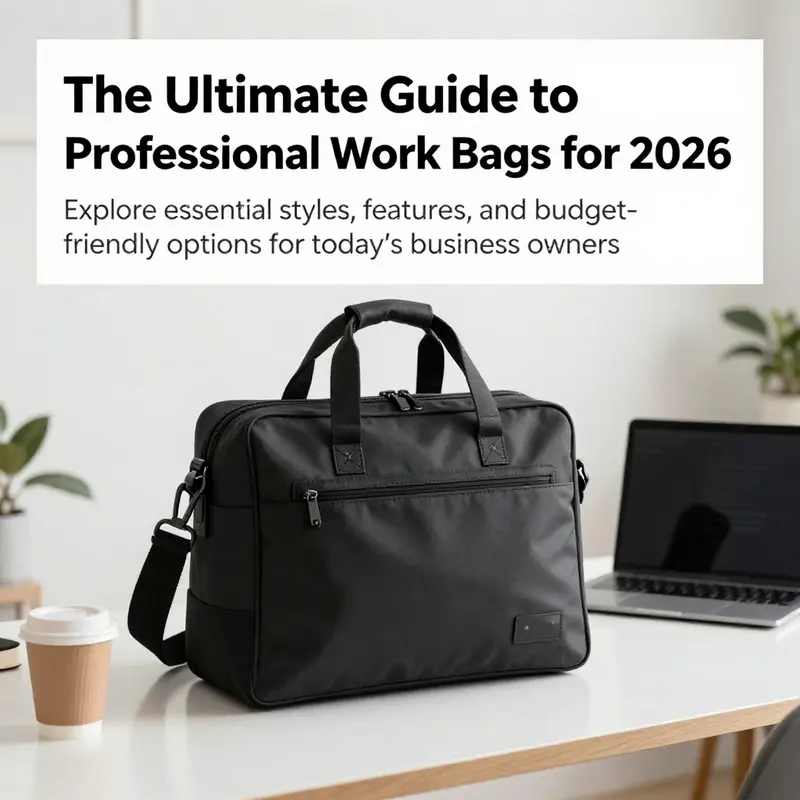
As the modern professional landscape evolves, so do the needs of business owners when it comes to work bags. Selecting the right work bag is crucial, not just for functionality but also for making a good professional impression. From budget-friendly options to eco-friendly choices, understanding the diverse range of bags available can greatly enhance your daily operations. Each chapter of this guide delves into different types of work bags, evaluating their style and functionality, helping you make an informed decision that aligns with your business needs and personal flair.
Carrying Power in 2026: The Art of Choosing Work Bags That Blend Style, Protection, and Practicality
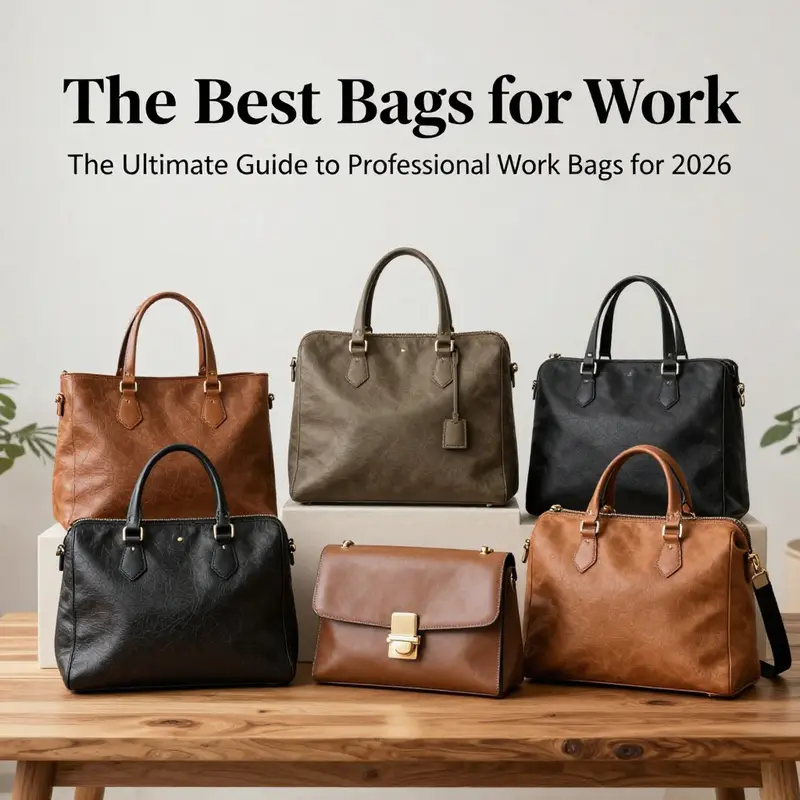
The repertoire of work bags in 2026 reflects a practical philosophy: a single carry solution should shield devices, organize essentials, and harmonize with daily life, from early meetings to late commutes. Professionals no longer seek only a container for a laptop; they want a portable command center that respects the cadence of a modern day. The traveler who hops between offices, the freelancer who moves between coworking spaces, and the corporate employee who shifts from boardroom to café all demand a bag that can flex with intent. In this landscape, the best bag is the one that fuses thoughtful capacity, robust protection, and a look that suits the workplace’s tone. It is not about chasing the newest trend but about matching a bag’s anatomy to the rhythm of one’s work—to keep cables, documents, and devices orderly without sacrificing comfort or style. A well-chosen bag becomes a kind of shield and ally: it protects precious gear, reduces friction during transitions, and preserves a personal sense of polish even on the most demanding days. When we weigh these factors, the choices feel increasingly like a craft rather than a mere shopping decision, a craft that starts with the question: what does a modern professional need to carry, and how should that carry feel as it travels through hours of work and life?
Capacity sits at the center of this craft. A bag must accommodate a laptop—typically up to a 15.6-inch screen—together with a tablet, a handful of notebooks, chargers, and a few personal items, all without becoming unwieldy. That means generous main compartments paired with reliable internal pockets that keep items separate and easy to reach. A well-designed laptop sleeve protects the device with padding that feels like a quiet audience to your movements, while a dedicated document pocket prevents folders from sliding into a tangle with a stray cable or a phone. But capacity is not just about volume; it is about the right organization. The strongest systems offer zoned spaces: a dry pocket for damp items or wipes, a secure zippered section for keys and valuables, and a spot for a water bottle that prevents leaks from staining important papers. The best layouts are not rigid vaults but adaptable grids, allowing placeholders to shift as your day evolves. In this sense, organization becomes a cognitive map, a tactile guide that reduces rummaging at the door and speeds you through security lines or elevator lobbies.
Beyond capacity and layout, the material and construction of a work bag tell a story about longevity and responsibility. Durable fabrics—whether sturdy canvas, rugged nylon, or a nylon blend with a weather-resistant finish—strike a balance between lightness and resilience. For those who weigh ecological impact, organic cotton or recycled materials offer compelling options, especially when paired with reinforced stitching and waterproof coatings. A bag built for daily wear also needs protection against the unpredictable: rain, spills, and the inevitable scuffs of a busy week. Waterproof or water-resistant outer fabrics, coupled with padded, impact-absorbing layers around the most electronics-critical zones, create a layer of defense that travels with you. The mechanical spine of the bag—the zippers, seams, and hardware—must feel dependable. A thoughtful hinge between fabric and hardware matters as much as the padding itself; smooth zippers that glide with one hand and metal hardware that resists corrosion after a season on the road are signals of quality you notice as soon as you pick the bag up.
Comfort is the quiet workhorse in this triad of capacity, protection, and material. A long day often translates to long carry times, and comfort becomes a practical safety feature. Wide, padded shoulder straps that distribute weight evenly help prevent fatigue, while a contoured back panel can add breathability when you’re moving from subway to street. Some designs offer multiple carrying modes—hand carry, single-shoulder, and cross-body options—so you can adapt to stairs, crowded trains, or a tight security check without reconfiguring your entire pack. Ergonomic details matter, from lightly padded handles to thoughtfully placed grab points that invite a smooth transition from bag to desk. And because professionals move across spaces—between the office, conference rooms, and remote sites—a bag that can travel well is equally important. Features like a luggage pass-through, a compact profile when empty, or a modest, expandable gusset that increases capacity on demand can make the difference between a bag that fits a week’s schedule and one that fights you at every corner.
The styles that land most effectively on the modern desk share a common versatility. A classic minimalist tote, with a clean silhouette and a single, confident line, suits corporate settings by projecting order and restraint. It pairs seamlessly with tailored suits or streamlined business casual, letting the wearer’s professionalism speak without shouting. A denim-inspired tote, meanwhile, introduces a touch of relaxed confidence. Its rugged texture and familiar hue give a sense of approachability and practicality, while interior space remains ample enough for a laptop, files, and a change of clothes when travel bleeds into the workweek. For days that demand sheer value, a large-capacity canvas tote with robust construction can deliver on function without inflating price. Such bags often show up as the workhorse of the lineup, able to be loaded, unloaded, and reloaded without hesitation. An eco-friendly organic cotton tote embodies a forward-looking conscience, offering soft touch and machine-washable practicality while signaling responsibility to colleagues and clients. And for teams or individuals in creative fields, a fashion-forward option with a bold texture or print can acknowledge personal style while maintaining structure through a well-organized interior.
A future-facing detail to watch is the presence of thoughtful design elements that cross the line between form and function. A bag might feature a dedicated dry/wet compartment—handy for gym clothes or damp items after a long day—or a built-in water bottle holder that doesn’t intrude on the main compartment. A discreet luggage pass-through can turn airport layovers into short hops between gates. The most capable designs also integrate protection in layers: a shock-absorbing core, layered foam around the laptop sleeve, and a sturdy frame or reinforced panels that resist flexing under load. When those layers align with careful internal organization, the result is not merely a bag that carries items; it becomes a reliable partner in the workday, reducing cognitive load and improving efficiency in moments when seconds count.
In contemplating these options, it helps to connect a practical resource that embodies the approach many professionals seek—a portfolio piece that prioritizes a cautious blend of capacity, protection, and restraint. If you’re exploring a versatile laptop-ready tote as a baseline reference, consider examining the concept through a practical example like a dedicated laptop-work-tote setup. For more direct exploration, you can visit the portable-carry reference laptop-work-tote.
Ultimately, the best bag for any given 2026 routine depends on how it fits into the day’s workflow and the culture of the workplace. A conservative environment may reward the quiet confidence of a minimalist tote and a restrained color palette. A dynamic, client-facing role may benefit from a slightly more generous silhouette that can still be kept neat and professional. A creative office may welcome a bag with a hint of texture or a distinctive finish, provided the interior remains impeccably organized and the exterior remains durable against daily wear. In that sense, the decision is less about chasing a universal ideal and more about selecting a compact, compatible system that carries one through the workday with ease, dignity, and a touch of personal style.
The conversation around 2026 work bags also invites reflection on the broader values professionals bring to their tools. A bag that lasts longer than a season reduces waste and reinforces a habit of thoughtful consumption. A bag built with sustainable materials respects the planet and the communities involved in its production. A bag designed for comfort demonstrates a respect for one’s own body as a daily collaborator in achieving goals. And a bag that integrates adaptable compartments and protective technologies acknowledges that work itself is not static; it moves through meetings, flights, and everyday errands with a pace that requires both resilience and grace from the things we carry.
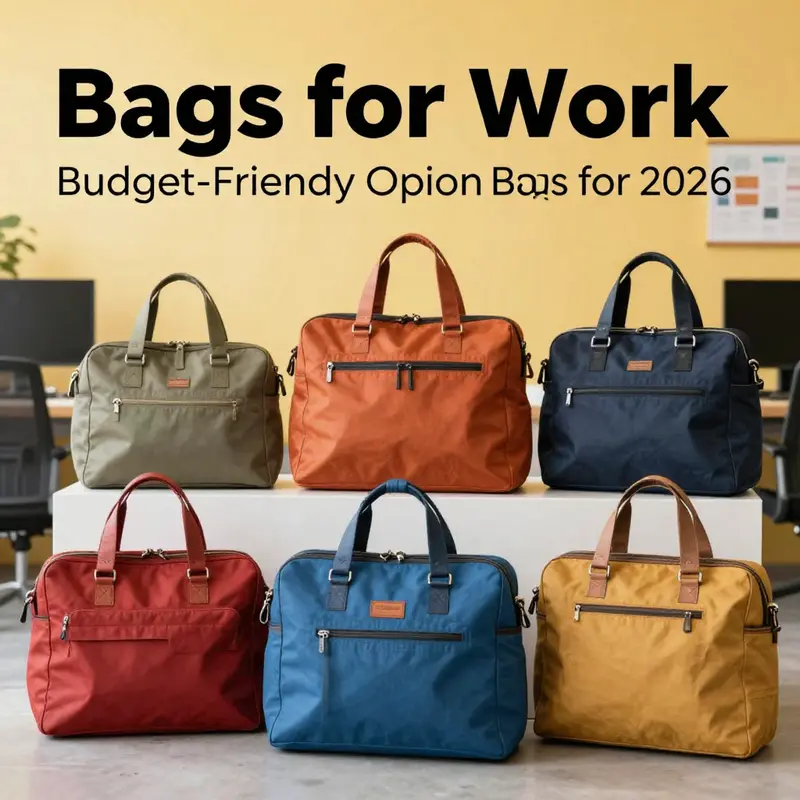
For readers seeking a concrete example of a large-capacity canvas tote that balances reliability with value, a listing is available online that highlights durable construction and practical capacity. This reference provides a tangible sense of what a strong, affordable option can look like in the real world: https://www.alibaba.com/product-detail/Galaxy-Brand-Black-Canvas-Tote-50x40x16cm_1600897587774.html
null
null
Sustainable Work Totes: Practical, Stylish, Low-Impact Bags for the Office
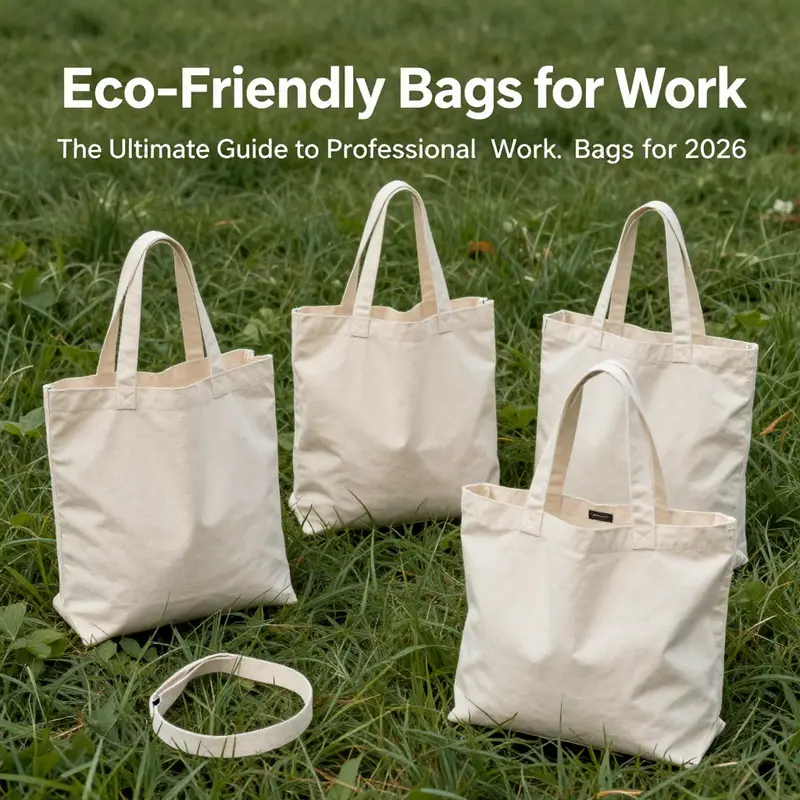
Choosing an eco-friendly bag for work is more than a style decision. It is a practical commitment to lower waste, support ethical production, and adopt daily habits that add up. A well-made sustainable tote can carry a laptop, a notebook, lunch, and a water bottle. It can also carry the message that thoughtful consumption matters. The best choices balance durability, function, and genuinely low environmental impact. This chapter explains what to look for, why certain materials matter, and how to make the greenest choice for everyday work use.
Materials, design and workplace impact
Start with materials. Organic cotton is a common, familiar option. Certified organic cotton uses no synthetic pesticides and often follows strict social standards. Bags made from certified organic textiles are soft, breathable, and compostable at the end of life. Recycled fabrics, such as recycled polyester or nylon, reuse waste materials and prevent virgin fossil-fuel extraction. These fabrics often require less energy to produce than new synthetics. Natural fibers like hemp are robust, grow with minimal inputs, and biodegrade naturally. Compostable or biodegradable polymers are newer. They break down under specific industrial conditions and can reduce long-term persistence in landfills when disposed of correctly.
Every material carries trade-offs. Conventional cotton uses more water than most fibers. Recycled polyester can shed microfibers if washed improperly. Biodegradable polymers need the right industrial process to degrade. Choosing a sustainable bag means weighing these trade-offs against durability and longevity. A bag that lasts ten years has a lower lifetime impact than a disposable alternative, even if its initial production cost is higher.
Design influences environmental performance as much as material choice. Reinforced stitching and robust seams prevent early failure. Padded laptop compartments reduce the need for extra protective sleeves. Internal pockets and a zippered top secure belongings and reduce the chance of lost items, which can force replacements. Wide, padded handles increase comfort and reduce shoulder strain during long commutes. A foldable design that stashes neatly into a drawer or briefcase encourages reuse and reduces reliance on disposable bags for ad hoc shopping or lunch runs.
Certification and transparency matter. Look for third-party standards that verify claims. Textile certifications cover chemical use, labor practices, and organic status. Some labels also disclose supply-chain information, enabling buyers to understand where materials were grown and how products were assembled. A certified supply chain does not eliminate all impacts, but it raises the baseline responsibility for suppliers and manufacturers.
Functionality must align with your day. If you carry a laptop, choose a tote with a dedicated padded sleeve sized for your device. If gym gear or a meal is part of your routine, prioritize capacity and compartments that separate clean clothes from electronics. For urban commutes, a bag with water-resistant treatments protects contents during rain. For active or occasional cyclists, a tote with a crossbody strap or a secure closure reduces movement and keeps items safe.
Durability and repairability are essential for true sustainability. Seek bags with replaceable hardware, like buckles or straps. Reinforced bases extend usable life, while modular interiors allow small repairs rather than full replacement. Many conscientious manufacturers offer repair services or spare parts. Opting for a simple, repairable design extends the bag’s life and reduces waste.
Aesthetics and workplace culture are part of the picture. A neutral, minimalist design fits a formal office and pairs easily with business attire. A textured or patterned fabric works well in creative settings where personal expression is encouraged. The key is to choose a bag you will use daily. A visually appealing bag that sits unused in a closet provides no environmental benefit.
Practical habits also matter. Treat the bag as a long-term tool. Avoid over-washing, which accelerates fabric breakdown. Spot clean when possible and air dry to minimize wear. Use a small internal pouch for keys and electronics to protect fabric linings. When a bag reaches the end of its usable life, prioritize donation, resale, or textile recycling programs. Many communities and brands accept used textiles for recycling if they are no longer serviceable.
Buying in bulk or gifting sustainable bags can shift workplace behavior. Employer programs that provide reusable bags for staff support a culture of reuse. Gifting eco-friendly totes as onboarding items or event giveaways introduces practical habits early. When teams receive high-quality, well-designed bags, they are more likely to integrate them into daily life. Organizations can combine gifting with educational materials on care and end-of-life options, reinforcing the environmental message.
Cost and accessibility are real considerations. High upfront prices can deter buyers. Yet cost per use often favors durable options. A moderately priced bag that lasts for years can cost less per day than repeatedly buying cheaper replacements. Bulk procurement and workplace subsidies lower the barrier for employees. Many sustainable options are now competitively priced, and mass production of recycled or organic materials has reduced costs in recent years.
Look beyond simple labels. Terms such as “eco” or “green” can be vague. Instead, identify specific claims and supporting evidence. Ask whether materials are certified, whether manufacturing adheres to fair labor practices, and whether the company provides transparency about environmental metrics. Traceability reports and lifecycle assessments provide higher confidence about a product’s true impact.
Consider multifunctional designs. A convertible tote that doubles as a crossbody or a backpack increases versatility. An internal zippered pouch that becomes an independent clutch reduces the need for additional accessories. Collapsible produce or snack bags stored inside the main tote can replace disposable bags for errands and meals. These small integrations encourage lower waste while keeping daily routines smooth.
For those concerned with corporate procurement, include sustainability metrics in purchasing criteria. Prioritize durability, repair policies, and end-of-life options. Encourage suppliers to provide lifecycle data. Supporting vendors who demonstrate continuous improvement in material sourcing and manufacturing reduces overall supply-chain emissions and supports market demand for better practices.
Finally, match the bag to personal values and habits. If chemical use and worker welfare are top priorities, favor certified organic textiles and transparent supply chains. If diverting plastic waste matters most, select recycled or post-consumer materials. If circularity is the goal, choose designs that are easy to repair and recycle at end of life. The best sustainable work bag is the one you use repeatedly, care for well, and pass on when it’s time.
For examples of practical, fabric-forward work bags that combine durability with style, explore options for canvas designs that suit daily needs, such as the selection of women’s canvas tote bags available online. For guidance on choosing a tote based on lifestyle and material trade-offs, consult detailed consumer advice from reputable journalism outlets to make informed decisions: https://www.theguardian.com/lifeandstyle/2025/jul/18/how-to-choose-the-best-eco-friendly-tote-bag-for-your-lifestyle
Fashion-Forward Work Bags Without Losing Professional Ground: How Style Meets Substance in the Modern Office
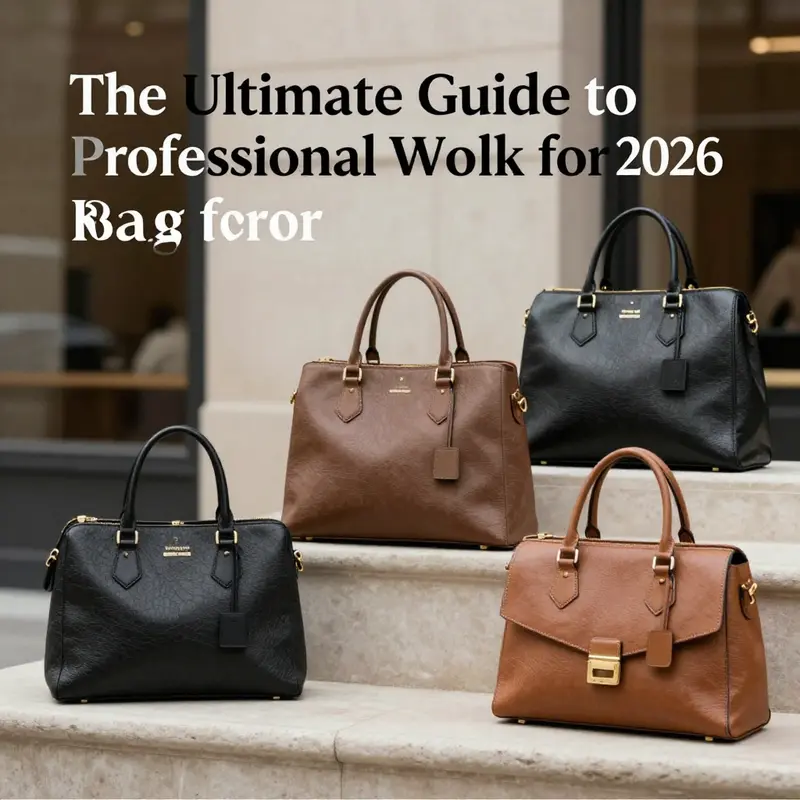
The right bag has long ceased to be a mere accessory. In contemporary work culture, a fashion-forward bag acts as a quiet contract between the wearer and the professional world. It signals attention to detail, confidence in one’s routine, and a readiness to navigate a day that may swing from boardroom strategy to client calls to a quick commute between meetings. The most effective options do more than carry items; they frame the day’s agenda, shaping how others perceive organization, priorities, and personal taste. In this chapter, we explore how to balance professionalism with personal style in a way that feels authentic, practical, and enduring. The goal is not to chase every trend but to cultivate a bag portfolio that communicates competence while remaining adaptable across diverse work environments—from formal corporate spaces to creative studios and dynamic, hybrid settings. The essence is a careful blend of form and function, where design details matter as much as capacity and protection for electronics. A fashion-forward approach recognizes that beauty can be purposeful and that elegance is often found in restraint paired with intention. A well-chosen bag whispers reliability before you even speak a word, and it can reduce the friction of a busy day by keeping your essentials organized, accessible, and protected. The modern professional needs to think about not just what a bag can hold, but how it holds up to daily wear, how it fits into a commute, and how its aesthetic aligns with the broader sense of self projected in a workplace wardrobe. This is where the language of design becomes practical: silhouettes that endure, materials that stand up to frequent use, and details that elevate without shouting. A timeless shape—whether a structured tote, a sleek satchel, or a refined crossbody—provides a reliable backbone for any outfit. Yet even within those enduring forms, subtle choices can tilt the balance toward contemporary relevance. Clean architectural lines convey control and focus, while textured surfaces hint at modern tactility. Hardware, if chosen with care, can act as an accent rather than a distraction: brushed brass that warms the look, matte black that echoes a modern, no-nonsense vibe, or gunmetal tones that add a quiet edge to a corporate palette. Such details matter because they translate mood into perception: a bag that gleams with understated refinement reads as professional and prepared; one that appears overly flashy can seem out of place in traditional settings, even if the contents are perfectly organized. The interplay of light and texture also matters. A smooth, refined surface suggests order and durability, while a nuanced grain or a tactile weave speaks to craft and care. In practical terms, this means choosing materials with longevity in mind. Leather, whether full-grain or a refined finish, suggests weight and permanence, while responsibly sourced vegan alternatives can offer similar warmth and structure without compromising ethical commitments. Durable fabrics like canvas, nylon, or technical blends stand up to daily wear and tear and often incorporate water resistance, which is a welcome feature for weathering the unpredictable rhythms of a workday. An eco-conscious approach adds another layer of meaning. Organically grown fibers, recycled materials, and production that prioritizes ethical practices are increasingly part of the professional appeal. These choices aren’t performative; they reflect a habit of mindfulness that resonates in many workplaces—where sustainability aligns with responsibility and reliability. Color, too, is a language you can speak without saying a word. Neutral bases like black, navy, beige, and charcoal provide a dependable canvas for formal settings. Yet soft, sophisticated hues—dusty rose, sage green, warm terracotta—offer a controlled way to introduce personality. The key is restraint: color should support the overall look rather than dominate it. In creative industries or hybrid work environments, more assertive shades or color-blocked schemes can be introduced thoughtfully. A tone-on-tone approach within a single bag can convey modern confidence, while subtle accent colors on zippers or linings can reveal a sense of wit and curiosity when opened for a walk-through of files and notes. The inner world of a work bag deserves attention as well. Organization is not a luxury but a necessity when every minute counts. The best designs feature a thoughtful arrangement of pockets and sleeves that protect a laptop up to a certain size, secure a tablet, and cradle smaller items like keys, pens, and charging cables. A dedicated laptop sleeve is more than a convenience—it’s a safeguard against the inevitable shuffle of a busy day. Zippered compartments add a layer of security for valuables, while padded compartments cushion delicate devices from the bumps of transit. But organization isn’t only about compartments; it’s about reducing friction. A bag should feel like an extension of the user’s workflow, with internal logic that makes sense the moment you unzip the top. The best bags accommodate a full workday plus a few extras—lunch, a light sweater, printed documents, and perhaps a change of shoes for after-hours commitments—without turning into a bulging relic of a once-productive week. For many professionals, the daily routine also includes brief travel between offices, client sites, or conferences. In those contexts, a bag’s adaptability becomes crucial. A larger tote or a structured satchel that can transition from shoulder to crossbody can alleviate shoulder strain and offer hands-free versatility. The weight distribution and strap design play into comfort as much as aesthetics; well-padded straps that distribute weight evenly help prevent fatigue during long commutes, while a bag engineered to stay balanced on the body makes movement feel lighter and more confident. The sense of confidence a carefully chosen bag can bring is not merely about external appearance. It is rooted in the assurance that your belongings are secure, your devices protected, and your essentials accessible when you need them most. This is why the capacity question matters: can the bag comfortably fit a laptop of up to 15.6 inches, a tablet, a folder of documents, and personal items without becoming a liability in crowded transit or a liability in a tight meeting room? The practical answer is to value a bag that balances space with organization, rather than sheer volume. You want a design that respects your workflow rather than forcing it to bend to the shape of the bag. As you consider your options, think of the bag as an extension of your professional narrative. The right choice acknowledges context—boardrooms with polished floors, collaborative spaces with natural light, or bustling urban routes that require resilience. It respects varying dress codes from tailored suits to smart-c casual ensembles, and it recognizes that personal style is not a rebellion against professionalism but a personal amplifier within it. A fashion-forward bag, in this sense, should complement your outfit and your ambitions without overshadowing them. Reflecting on the broader landscape, the modern bag market offers a spectrum of silhouettes and materials designed to fit diverse careers. The classic, the versatile all-rounder, the eco-conscious option, and the fashion-forward piece each speak to different priorities while sharing a core: durability, adaptability, and a restrained sense of luxury. To those seeking practical guidance, a good starting point is to explore a laptop-ready option that prioritizes compatibility with contemporary work routines. For a practical, laptop-ready option tailored to women, see the laptop-tote-bags-women page. This resource centers on designs that harmonize form and function, offering configurations that keep essential devices secure while allowing room for documents and personal belongings. While the brand landscape is rich and varied, the underlying truth remains steady: the best fashion-forward work bags are those that align with your daily rituals, support your professional goals, and allow you to move through the day with ease and confidence. In this sense, fashion and professionalism are not at odds but are complementary expressions of competence and creativity. The bag you choose becomes a wearable statement of intent, inviting collaboration, signaling preparedness, and shaping the rhythm of your work life. As you navigate future seasons and evolving office norms, let your choice be guided by a consistent standard: style that respects purpose, materials that endure, and features that anticipate need. The result is not merely a bag that looks good but a tool that looks after you—an ally that quietly reinforces your readiness to lead, learn, and contribute. External resources offer ongoing perspectives on how fashion-forward design intersects with professional needs, reminding us that innovation can arrive in small, thoughtful packages. For further exploration of professional-ready design principles and current trends in fashion-forward bags, consider visiting an established source that examines craftsmanship, materials, and ethical production alongside aesthetics. You can explore additional insights at the external reference here: Hush Puppies Official Website.
Essential Features of High-Quality Bags for Work: What to Look For

Choosing a high-quality work bag is about reliability, not flash. A bag must endure daily wear, protect electronics, and present a professional silhouette. It should handle a busy commute, a few meetings, and occasional weather without fuss. This chapter digs into the core features that separate an ordinary carry from a trusted work partner, focusing on material, construction, and purposeful design.
At the foundation, material choice sets the tone for durability and care over time. Full-grain leather offers warmth and patina, aging with character while resisting daily scuffs when cared for. In contrast, ballistic nylon and Cordura provide lightweight strength and abrasion resistance ideal for urban commutes and fluctuating weather. Waxed canvas pairs rustic charm with weather resistance, quietly performing in drizzle and damp without sacrificing flexibility.
For environmentally minded professionals, sustainable options matter without forcing a trade-off with function. Organic cotton and recycled fabrics can carry serious weight when woven tightly and finished with durable hardware. These materials often wear softly but gain strength with use, developing a unique character while reducing environmental impact. The best eco-conscious choices balance comfort, resilience, and a refined, work-ready look.
Construction quality is where materials translate into long-term reliability. Look for double or triple stitching at handles, straps, and corners; these seams resist fraying under load. Tight, even stitches reveal a craftsman’s attention to detail. Reinforced edges and sturdy hardware prevent failure at pressure points, while meticulous gusseting keeps the bag’s silhouette intact as you move through crowded hallways or stairwells.
A good bag uses an internal frame or stiff lining to stabilize the form. This keeps a laptop or tablet protected when you set the bag down or lean it against a chair. A padded compartment with dedicated sleeves cushions electronics and prevents screen contact with keys in the same space.
Comfort begins with reinforced handles and a supportive strap system. Thick leather or webbing reduces stress at grip points and distributes weight more evenly across the shoulder. An adjustable crossbody strap adds versatility for crowded commutes or travel, letting you shift weight while navigating stairs or boarding a train. Smooth adjustments, sturdy buckles, and non-slip finishes all contribute to a bag that feels steady rather than cumbersome.
A well-organized interior translates to calm in meetings and on the road. Look for a dedicated padded compartment for devices, plus quick-access pockets for cards and cables. Dual compartments separate work essentials from personal items, reducing rummaging during presentations. Inside pockets with dividers keep cables neat and ready when you need them in a hurry.
For those carrying laptops, a snug, padded sleeve matters more than extra bulk. A laptop-friendly bag pairs a dedicated sleeve with interior foam or padding that resists impact. The sleeve should hold the device snugly without compressing the screen. If you travel, a slim, shape-retaining profile minimizes damage during transit and fits easily in overhead bins.
Weather resilience goes beyond a rain-splash cover. Exteriors with tight weaves, storm flaps, or water-repellent coatings keep contents dry in mist and downpour. Zippers designed with water-sealing features and protected seams prevent seepage. A modest exterior finish resists smudges from busy hands and coffee spills, preserving a crisp, office-ready look. Thoughtful pocketing prevents last-minute rummaging in a crowded lobby.
Exterior aesthetics influence perception. A bag that ages well signals reliability and organization. The most versatile options balance neutral tones with subtle texture for easy pairing with suits, blazers, or smart-casual outfits. A clean silhouette with refined hardware communicates competence without shouting, an important factor when client meetings demand poise and focus. Consider textures like pebbled leather or tactile fabrics that hide wear while maintaining a professional vibe.
Care and longevity hinge on how a bag ages. Leather develops patina with use, but benefits from conditioning to prevent drying. Synthetic fabrics wear as fraying or pilling, mitigated by proper cleaning. Regular inspection of hardware and zippers helps catch fatigue early, saving time on busy days. A well-done interior lining resists stains and scuffs and stays fresh longer. Schedule a quick cleanup every season to maintain performance.
Maintenance routines that honor eco promises extend life. Use gentle cleaners on canvas or wax, avoid harsh solvents on leather, and store bags in breathable covers. A well-cared-for bag keeps its shape, feels comfortable, and resists replacing after a rough week. That simple cadence helps preserve performance and appearance across seasons.
Size and weight influence daily satisfaction. A bag too large invites bulk, too small compromises gear. The goal is a balanced profile that holds a laptop, charger, notebook, and documents without excess. Lightweight construction helps reduce fatigue, and a tailored interior keeps items from shifting during transit. Test the bag with your typical load to feel the true balance. That initial impression often predicts performance after a week of commuting.
Ultimately, choice should reflect workplace culture and workflow. Formal offices benefit from restrained, traditional designs; creative environments may welcome discreet texture and subtle edge. The best bags adapt to both contexts, offering protection and organization with a low-key voice that remains versatile across settings, from boardroom to coworking lounge and back.
Price matters, but long-term value often lies in durability and timeless design. A bag that resists wear and ages gracefully can outlive fast-fashion options, justifying its cost. The investment also saves time with better organization and fewer replacements, turning a single well-chosen bag into a daily, reliable routine that lasts years.
As you evaluate options, measure quality by feel as well as by specs. Press the leather, test a zipper, and try the weight with a typical load. Consider the interior layout and how fast you can find essentials. This tactile approach reveals a bag’s true readiness to shoulder your work in daily practice.
Consider resources that translate these ideas into real-world designs. For a focused look at ergonomic protection and organization, see laptop tote bags for women, which showcase how a dedicated sleeve, strap engineering, and smart pocketing harmonize with daily workflows. These designs emphasize ergonomics, durability, and lightness, balancing what you feel and what you see.
External insight can sharpen this lens. The Strategist offers a concise guide on essential features for durable work bags, emphasizing how structure and materials translate into practical reliability. Reading such guidance helps balance hands-on testing with evidence-based criteria when comparing options. That combination guides practical choices for real life conditions.
Every daily routine tests a bag in different ways. Some days demand a quick switch from transit to boardroom; others call for discreet storage of adapters, drives, and receipts. A premium work bag anticipates these micro-tasks, offering flexible compartments that morph from a travel-ready case to a conference-ready organizer. The right design earns its keep with each lift of weight and hand-off at the doors.
Quality is also about trust. When you reach for it in a crowded lobby, you should intuitively know where things are, and you should feel confident that the bag will stay upright and protect its contents. Materials that feel sturdy to the touch, reinforced stitching, and a tidy interior signal readiness. In a culture that prizes preparation, this is more than preference; it is professionalism expressed through form and function. That assurance spills over into calmer meetings, faster transitions, and fewer distractions as you focus on delivering ideas.
Beyond individual choice, the market of work bags in 2026 rewards thoughtful iteration. Brands that pair durable construction with ethical production and timeless aesthetics create a long-tail value that suits professionals who rotate between client sites and office floors. The strongest bags remain relevant as roles evolve, resisting the lure of novelty while delivering dependable protection, comfort, and organization across seasons and job changes. It also helps teams project reliability across client sites.
Even as trends shift toward more expressive designs, the measure remains simple: does the bag make the workday easier, more efficient, and more confident? If the answer is yes, the bag has earned its place in the daily lineup. The features described here are practical criteria, not mere specifications, and they translate into real advantages when morning begins and the clock starts ticking. Ultimately, the best bag remains invisible until needed, then confidently indispensable.
With that in view, readers can translate these essentials into a personalized kit that fits their role, commute, and climate. The blend of material resilience, robust construction, and thoughtful organization creates a bag that endures for years while adapting to changing tasks. In evaluating options, prioritize performance, then choose a look that matches your professional presence. Let your choice reflect not just function, but a personal standard of care.
External resource: https://www.thestrategist.com/work-bag-essentials
Final thoughts
Selecting the perfect work bag is not just about aesthetics; it’s about finding a balance between functionality, style, and sustainability. As we’ve explored through this guide, there are numerous options available in 2026 that cater to the diverse needs of business owners. Whether you choose a timeless classic, a budget-friendly option, or a fashion statement, ensure your bag aligns with your professional image and daily demands. Investing in the right work bag can enhance your work life and reflect your personal brand.