
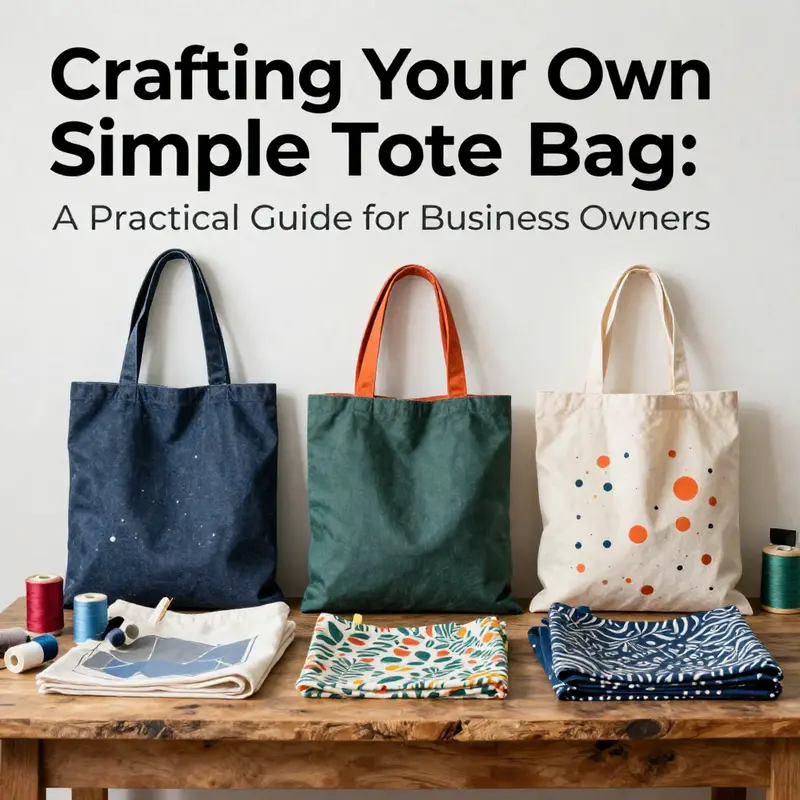
Creating a simple tote bag not only serves as a practical accessory for your business but also exemplifies a commitment to sustainability. For business owners, engaging in the process of making these bags can strengthen brand identity, foster customer loyalty, and promote eco-friendly practices. This guide will provide a detailed breakdown of essential materials, a step-by-step crafting process, and finishing touches that bring your unique design to life. Explore the myriad benefits of self-manufacturing a tote bag, from customization to environmental impact. Together, we will navigate through the world of tote bag creation—tailored specifically for the burgeoning entrepreneur.
Crafting Your Personalized Tote Bag: A Deep Dive into the Essential Materials
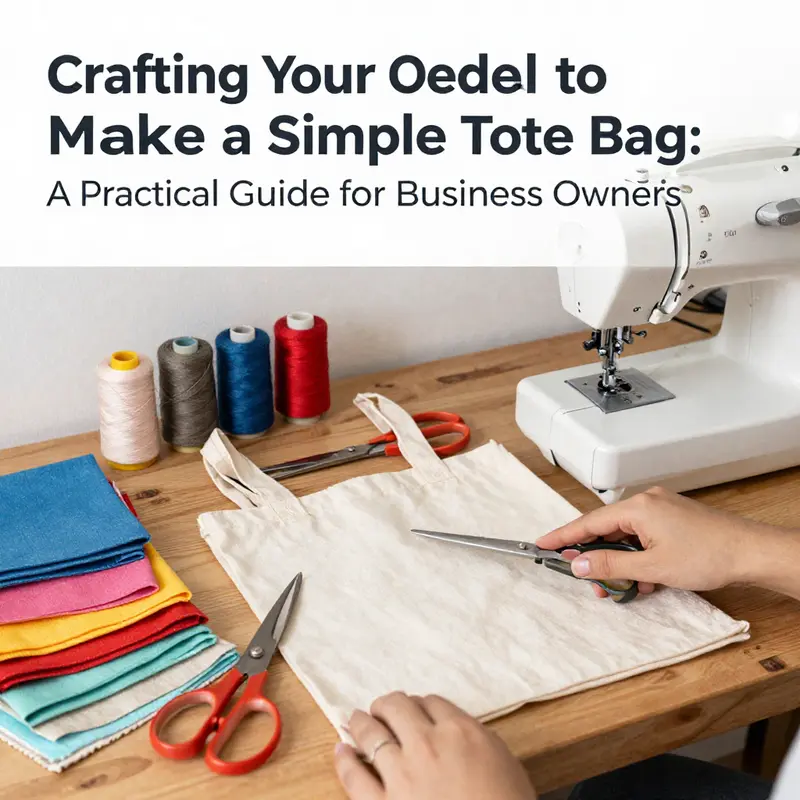
Embarking on the journey of creating your own tote bag is an adventure that begins with the careful selection of materials. Every tool and fabric you choose plays a central role in both the functionality and the aesthetic of your final creation. This chapter delves deeply into each required component, exploring the reasons behind every recommendation and explaining how each element can contribute to a project that is not only practical but also a reflection of your individual style.
At the heart of your project is the fabric itself. Choosing the right fabric is paramount since it determines the strength, durability, and overall appearance of your tote bag. Many enthusiasts recommend durable yet lightweight fabrics such as cotton or canvas. These fabrics are popular because they offer a balance: they are sturdy enough to handle daily use while remaining easy to manipulate and customize. Cotton, in particular, is a favorite due to its absorbency and the ease with which it can be printed or dyed in a variety of colors. Canvas, on the other hand, provides a slightly rugged texture and a naturally neutral tone that welcomes embellishments. When choosing your fabric, consider the intended use of your tote bag. If you plan on using it for grocery shopping or carrying heavier items, a thicker canvas might be the best choice. On the contrary, if you are creating a stylish accessory for casual use, a lighter cotton might suffice. Paying attention to fabric quality will not only enhance the durability of your tote bag but also open endless opportunities for personalization.
Once your fabric has been thoughtfully selected, the next step involves the choice of thread. Sewing thread joins your fabric pieces, and its quality directly influences the strength of the seams. For a project that is meant to withstand everyday use, it is wise to invest in a good quality sewing thread. Matching your thread to your fabric is usually advisable; a matching color enhances the seamless look of your work, providing an elegant finish. However, if you have an eye for design and you wish to add an artistic twist to your work, consider using a contrasting thread. This can highlight the construction details and add a subtle layer of design complexity that distinguishes your tote bag from any mass-produced item. The appropriate thread creates both a secure and decorative finish, ensuring that each seam is as beautiful as it is robust.
Another cornerstone of creating your tote bag is the suite of cutting tools at your disposal. Accurate cutting is essential for ensuring that each piece of fabric aligns perfectly when assembled. For most beginners and experienced crafters alike, a good pair of fabric scissors or a rotary cutter can make all the difference. Fabric scissors are designed with sharp, long blades that make clean cuts through the fabric without causing fuzziness or fraying. A rotary cutter, meanwhile, offers precision; its circular blade can provide uniform cuts, especially useful when working with patterned fabrics. Each cut dictates the final dimensions of your bag, so careful measuring and cutting are indispensable steps in your creative process.
No matter how refined your vision is, precision in measurement is a skill that cannot be overlooked. A reliable ruler or measuring tape is critical in ensuring that the accuracy of each dimension is maintained throughout the project. The values you note down at the beginning of your process need to be transferred to your fabric with care, as any discrepancy can affect the balance and structure of the tote bag. Accurate measurements guarantee that the pieces fit together seamlessly, allowing you to achieve smooth, strong seams that will hold up under everyday stress. The ritual of measuring multiple times before cutting may seem tedious, but it is a small investment that prevents big mistakes later in your project.
Holding your fabric pieces in place during the assembly is another of the secrets behind a beautifully made tote bag. Pins or clips come into play precisely at this moment. Whether using traditional sewing pins or opting for modern fabric clips, these aids keep your work steady and aligned as you sew. While pins have been a time-tested tool for decades, fabric clips have risen in popularity because they are easier to handle and often more effective with thicker layers of fabric. They ensure that every seam is lined up correctly, reducing the chance of misalignment that could weaken the overall structure of your bag. Properly securing the fabric before any stitches are taken is essential, as it avoids the common pitfalls of uneven seams and frayed edges.
For many creators, a sewing machine is often viewed as the tool that transforms a fabric project from a hobby to a professional-grade creation. Although hand-sewing is entirely possible and can yield beautiful results, a sewing machine offers the benefits of speed, precision, and durability of stitches. Modern machines are engineered to handle a variety of fabrics and can sew with a uniformity that is challenging to replicate by hand. Their use in constructing a tote bag can save hours of time, especially when dealing with multiple layers of thick fabric. The ease of a sewing machine streamlines the process, letting you focus more on your design and less on the repetitive work of sewing by hand. However, if you choose to sew by hand, the same principles apply—accurate stitches, consistent tension, and patience are all key to a durable and attractive finish.
One of the beautiful aspects of designing a tote bag is the freedom to personalize your creation beyond its basic structure. Optional embellishments allow you to express your creativity and add a unique twist to the standard design. Many crafters enjoy exploring methods such as fabric painting, using markers, or even applying patches that showcase patterns and motifs that are dear to them. These embellishments transform the bag from a simple accessory to a personal statement, making it not just practical but also a canvas of self-expression. Whether you choose to embroider a small monogram or incorporate larger, more intricate designs, these creative choices ensure that your tote bag is truly one-of-a-kind. They also remind us that even a simple, everyday item can become art when approached with care.
A key element that ties all these materials together is the idea of sustainability. In a time where fast fashion comes with significant environmental costs, crafting a tote bag allows you to take a more thoughtful approach to consumption. By selecting high-quality and durable materials, you can create an accessory that not only meets your needs but also stands as a responsible alternative to disposable items. This eco-conscious mindset is increasingly important and elevates the simple act of sewing into a statement about personal values and environmental stewardship. Many supporters of DIY projects find that the process of making a tote bag is as rewarding as it is beneficial, offering a way to contribute to a more sustainable world one handcrafted item at a time.
As you assemble your chosen components for the project, consider how the different tools and materials work together. The fabric’s durability, coupled with the strength of the thread and the precision of your cuts and measurements, lays the groundwork for a smooth construction process. In turn, the sewing machine or hand-sewing technique you use brings this careful planning to life with each stitch reinforcing the bond between pieces. The use of pins or clips ensures that accidental shifts are prevented during assembly, helping you create a product that is both visually appealing and structurally sound. Each step in the process is interconnected, and the attention to detail in the early stages has a direct impact on how well the tote bag performs once it is in use.
Moreover, selecting your materials with a critical eye invites you to reflect on academic and practical insights gleaned from experts in the field. There is a body of advice available that underscores the point that high quality tools lead to high-quality results. One such resource, with a wealth of practical tips on creating durable tote bags, can be found in a guide titled What Makes A Tote Bag Durable: Key Materials And Construction Tips. This external resource provides additional insights and can deepen your understanding of why each tool and fabric is indispensable to the project. For instance, it explains that even small choices, like the type of thread or cutting tool, have cascading effects on the final product’s durability and functionality.
Attention to detail extends even to the optional components of your project. Embellishments such as fabric paints, markers, or patches offer the opportunity to transform a utilitarian item into a personal fashion statement. These creative choices can be coordinated to complement the tone of the fabric and the style of the bag. Whether you choose a pop of unexpected color through fabric paint or introduce an artistic motif via custom patches, each decision reinforces your individuality while maintaining the bag’s structural integrity. It’s worth noting that the process of adding these final touches is just as important as the construction of the tote bag itself and contributes to a sense of accomplishment and pride in your handiwork.
Practical considerations regarding where and how you work are also interwoven with your material selection. Setting up a workspace that is clean, well-lit, and organized can significantly enhance the effectiveness of your sewing experience. An organized workspace, with your cutting tools, sewing machine, and measured fabric laid out neatly, minimizes the risk of errors. It also ensures that you have easy access to everything you need as you transition from one phase of the project to the next. Being mindful of your physical space is helpful when dealing with large quantities of fabric or when incorporating embellishments that require a delicate touch. This planning and forethought combine with the careful choice of materials to set the stage for a successful and gratifying end product.
As you progress through your tote bag project, it is beneficial to periodically review the array of materials laid out in front of you. Reminding yourself of the purpose of each item can reinvigorate your focus and provide a deeper appreciation for the art of crafting. For example, while the fabric forms the outward identity of your tote bag, the thread and the sewing machine collaborate in a dance of precision, creating a structure that is both resilient and beautiful. The cutting tools and measuring tape serve as the bridges between raw material and finished product, ensuring that every element of the design fits perfectly. Even the pins and clips, though small and seemingly inconsequential, provide essential support during those moments when the project demands unwavering attention to alignment and symmetry.
The thoughtful integration of these diverse materials not only enhances the quality of your tote bag but also enriches the overall creative process. The deliberate choice of a durable fabric paired with matching thread and precise cutting tools reflects a commitment to quality that transcends the final product. Each stitch you sew is imbued with the care you have taken in choosing your materials and the dedication you have shown throughout the process. As a result, your tote bag becomes a living testament to your skills and your willingness to invest time and thought into every detail.
In addition to practical considerations, the process of gathering these materials invites reflection on the broader implications of making things by hand. There is a sense of empowerment in knowing that you control every aspect of the creation process—from selecting fabric that is not only durable but also reflective of your personal taste, to mastering the techniques required for a flawless assembly. This empowerment often extends beyond the confines of the project itself, influencing how you approach other challenges in life with creativity and confidence.
It is also important to remember that every project is a learning experience. You may find that certain materials work better for you than others, or that some tools require a bit more practice before they feel like natural extensions of your hands. In the same way that a seasoned chef experiments with ingredients to perfect a recipe, a dedicated crafter will learn through trial and error which combinations yield the best results. Embrace any setbacks as opportunities for growth, and allow your next project to benefit from the lessons learned during this one.
For those looking to explore a wider range of design ideas and techniques, there are many online resources that offer further inspiration. One particularly inspiring article on the art of tote bag customization can be found at an insightful platform focusing on women’s canvas tote bags. This resource not only celebrates the craftsmanship involved in creating a durable accessory but also showcases diverse designs that may spark inspiration for your own projects. The blending of traditional techniques with modern design sensibilities illustrates the endless possibilities available when you commit to understanding and mastering your materials.
In conclusion, the meticulous selection and thoughtful use of your materials is the foundation on which your tote bag is built. The fabric, thread, measuring tools, cutting instruments, and even the optional embellishments all intertwine to create a project that is both a functional accessory and a work of art. Every decision you make—from the color of your thread to the type of fabric you choose—adds a layer of personal expression that culminates in a creation that is uniquely yours. With careful preparation and diligent attention to detail, your newly crafted tote bag stands as a symbol of personal craftsmanship and sustainable design. It is a shining example of how the simplest of projects can be elevated to an art form through passion, patience, and the right materials.
For those eager to further explore the nuances of material selection and construction techniques, additional guidance can be found in detailed resources such as What Makes A Tote Bag Durable: Key Materials And Construction Tips. Embracing these insights will not only enrich your current project but will also serve as a lasting inspiration for future creative endeavors.
Crafting Your Personalized DIY Tote Bag: A Seamless Journey from Fabric to Fashion
Embarking on a Creative Journey
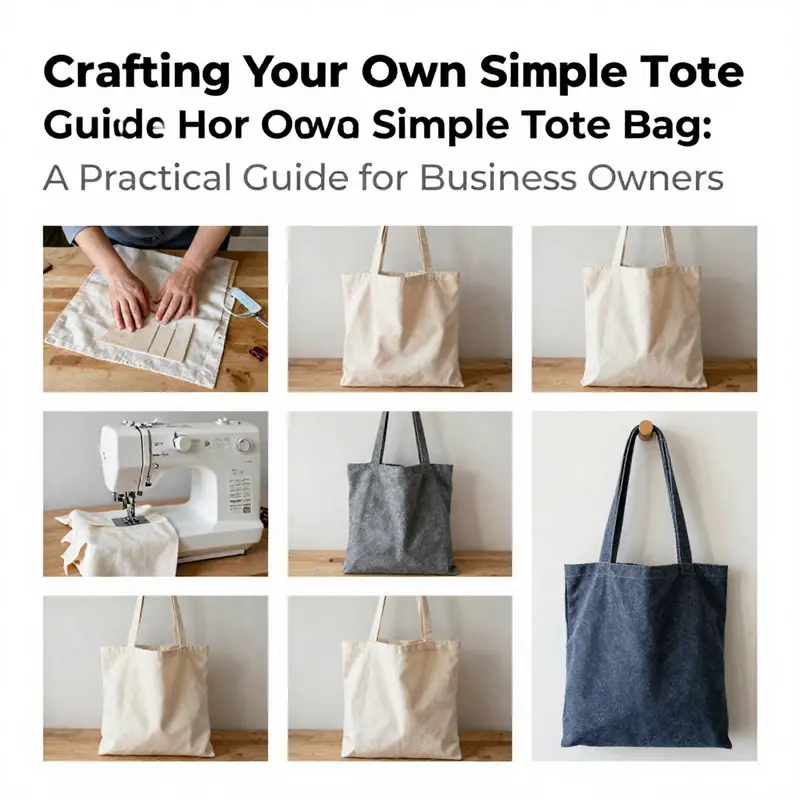
There is something especially rewarding about taking raw, unassuming pieces of fabric and turning them into a practical, beautiful tote bag with your own hands. In this chapter, we delve into the process of crafting a simple stuffed tote bag, starting with the selection of durable materials and leading through the intricacies of cutting, folding, and stitching. This hands-on project not only offers you the satisfaction of a finished product that reflects your personal style but also promotes an eco-friendly alternative to store-bought bags. The process encourages creativity while enhancing your basic sewing skills. Whether you are a seasoned enthusiast or a beginner looking to explore a new hobby, every step you take will transform your ideas into a tangible, stylish accessory.
Creating a tote bag opens the door to a world of possibilities. By designing your own bag, you have the freedom to select fabrics that reflect your personality, whether that be bold, understated, playful, or elegant. In many ways, the project mirrors the artistic choices found in fashion, from colors and textures to additional embellishments that can make each bag uniquely yours. In the following narrative, we discuss the entire process of constructing a tote bag—from meticulous preparation to the clever method of a double-sided design that provides durability without the need for a separate lining. This approach not only simplifies the technique but also results in a cleaner, more integrated look.
Laying the Foundation: Materials and Mindset
Before any stitching begins, it is essential to gather and prepare your materials. The core supplies you will need include two pieces of fabric, which serve as the outer layers, and these pieces should measure approximately 38 centimeters in width by 140 centimeters in length. While these dimensions are adjustable based on your desired bag size, precision is the key to ensuring your finished product has the look and feel of a professionally crafted tote bag. You will also need a strong sewing thread that matches your fabric, a reliable sewing machine (or a needle if you prefer hand sewing), faithful scissors or a rotary cutter, pins or clips to hold your fabrics snugly together, and the ever-helpful iron with its board to press and smooth every seam and fold.
The planning stage is about more than just measuring and cutting; it is about visualizing the final product and understanding the nuances that transform ordinary fabric into a durable accessory. If you are using a soft or lightweight material such as cotton, you may wish to incorporate fusible interfacing (approximately 60g non-woven) to add structure and longevity to the tote bag. Interfacing is applied to the wrong side of your fabric, and pressing it correctly ensures that your bag will stand firm through everyday use. This initial preparation phase is crucial because the accuracy with which you cut and press your fabric determines the ease of subsequent steps, from aligning raw edges to creating perfectly measured seams.
A Fluid Process of Transformation
Once your materials are at hand and your mindset attuned to creativity, the journey begins with a detailed and thoughtful process to prepare the fabric. Start by laying out your fabric on a flat surface and smoothing out any creases with your iron. The removal of wrinkles at this stage is not only a matter of aesthetics; it ensures that your measurements remain accurate and that your cuts will be precise. Cut two identical rectangles to the specified dimensions, keeping in mind that the fabric of your tote bag must be strong enough for everyday use. Some artisans even choose denim, canvas, or repurposed materials like old jeans to create a bag that carries its own narrative of sustainability and style.
It is important to approach the cutting process methodically. Instead of folding the fabric in half along its long edge, the trick here is to align the two pieces in such a way that there is an 8-centimeter difference along the raw edges when they are placed together. This subtle discrepancy is purposeful—it creates a built-in pocket and contributes to the overall structural integrity of the design. With your two fabric pieces aligned and ready, mark a line approximately 25 centimeters from the bottom edge along the aligned side. This line is the blueprint for what will soon become a deep, reinforced pocket that not only adds a unique design element, but also provides practical utility for holding smaller items such as pencils, keys, or even a smartphone.
The next phase involves sewing along the mark you have carefully created. With the right sides of the fabric facing one another, sew along the 25-centimeter line. This initial seam forms the basis of the bag’s lower compartment. Once the seam is secured, open the fabric and then fold the sewn section back over the main body of the bag. Secure the fold in place with pins, being mindful of the tension in the fabric to ensure an even and consistent fold every time. This double-layered look presents both durability and a refined, finished appearance. The method of creating internal pockets by sewing three additional straight lines across the folded section is another stroke of design genius. These lines, which essentially act as partitions within the built-in pocket, allow for practical compartmentalization of smaller items. For those who might not favor the additional internal pockets, a simple correction by stitching a few additional stitches closes the openings seamlessly.
Throughout this creative process, patience is paramount. Every stitch, every folded edge, and every bundle of fabric comes together as parts of a larger whole—a bag that is both functional and visually pleasing. The skill of aligning fabric accurately and sewing with deliberate precision transforms each step into a meditative practice that channels your energy into crafting an accessory that is uniquely yours. By investing time and attention to these details, you ensure that your tote bag will not only serve as a practical item for daily use but will also stand as a testament to your growing expertise and artistic sensibility.
The Art of Creating Secure and Stylish Handles
Handles are a critical element in the design of your tote bag, balancing both functionality and style. The process begins with cutting out two strips of fabric which will serve as the handles. These handles should be approximately 10 to 15 centimeters in length and 5 to 7 centimeters in width, though these measurements can be adjusted based on your hand size and aesthetic preferences. For added strength, particularly when using thicker fabric, you might opt to create double handles by folding the fabric over before sewing. The concept is as much about reinforcing the bag’s structure as it is about ensuring comfortable carrying length, which can vary from one season to another—longer handles making a bold statement in cooler weather and shorter handles lending a sleeker look in warmer months.
Once the appropriate strips have been cut, the next step is to create a crisp, folded edge that lends durability to the handle. Fold each strip lengthwise with the wrong sides facing inward, and then press them with an iron. This crease not only defines the handle but also prepares it for secure attachment to the main body of the tote bag. With the handles now flattened and defined, position them along the top edge of the bag. A good rule of thumb is to place the ends of each handle approximately 5 centimeters from the edges, which allows for balanced distribution of weight and an aesthetically pleasing appearance. Secure the handles using a strong stitch, such as a backstitch or a zigzag stitch, ensuring that every seam is reinforced to withstand repeated use.
The attachment of the handles is a moment that perfectly blends function and form. As you sew them on, visualize how the final product will look when you carry it. You are not only making an accessory that meets practical requirements but also a piece that expresses your individual style. Each stitch reinforces the bag’s overall integrity while also marking the passage from raw material to finished, wearable art. The technique used here, while simple in its execution, embodies the spirit of DIY crafting by offering flexibility in handle length and style, ultimately creating a tote bag that is as comfortable to carry as it is pleasing to behold.
Final Assembly and the Flourish of Finishing Touches
With the main structure of the tote bag coming together through careful sewing and thoughtful design, the next step is to move on to the finishing details. An essential part of the process is the transformation achieved when you turn the bag right side out. This step, which can be delicate and requires a gentle touch, highlights the contrast between the meticulously finished inner sections and the raw, yet carefully contained, edges. Once the bag is turned right side out, the focus shifts to the finishing of the top edge. Here, the raw edge of the fabric is folded inward by approximately 2 centimeters and pressed firmly, creating a neat, refined boundary that encases the bag’s opening. Folding it again by another 2 centimeters results in a double hem that not only secures the fabric but also lends a polished, professional look.
The final phase of the construction involves topstitching around the entire top edge. This step is deceptively simple, yet it serves to anchor the hem and prevent any accidental unravelling of the delicate fold. The act of topstitching also further integrates the various elements of the tote bag, giving it a cohesive appearance that speaks to your attention to detail. Beyond the mechanical function, topstitching adds an element of design that can be customized to reflect your personal taste; whether you favor a more subdued, straightforward seam or a decorative stitch that hints at artistic flourish, the choice is yours.
As you approach the conclusion of your project, take a moment to consider the potential for personalization. The beauty of crafting your own tote bag lies in its flexibility. Adding embellishments such as embroidery, patches, or fabric paint can transform an everyday item into a signature piece. Some crafters even experiment with applying vintage ties or decorative elements that have sentimental value. Every added detail enhances the bag’s individuality and contributes to a narrative that is uniquely your own. The act of adding these accents represents the final flourish in the creation process—a celebration of creativity, skill, and the joy of handmade artistry.
Before declaring your tote bag complete, it is highly advisable to give it one final press with the iron. This final ironing process smooths out any minor imperfections and sets all of the seams in their proper place. The finished bag, whether used for work, school, or as a chic accessory for everyday tasks, stands as a testament to the rewards of taking the time to create something by hand. In a world where mass-produced items are the norm, the effort you invest in each stitch and fold is a powerful reminder that quality and individuality still matter.
The entire process—from selecting the fabric and preparing it with care, to the strategic methods of aligning, folding, and stitching, and finally to the thoughtful inclusion of personalized elements—is an exploration of creativity and precision. Each stage builds upon the last, creating a layered composition in which utility meets aesthetic appeal. With every cut and every sewn seam, you are reminded that even simple materials can be transformed into something extraordinary. This method of crafting a tote bag encourages you not only to build an accessory but also to invest in the skills and crafts that empower personal expression and sustainability.
For those who are new to sewing, innovation and trial play a major role. Beginners might find that the first bag is a lesson in patience and precision. It is a project where errors are opportunities to learn and improve. By using scrap fabric for practice, you can build your confidence and sharpen your skills before using your best materials. Over time, as you perfect the technique, each subsequent bag will showcase a higher degree of craftsmanship and artistic flair. The process evolves from a basic DIY project to a cherished skill that opens up a world of creative possibilities.
Beyond the careful assembly of your tote bag, it is important to consider the broader impact of such a project. Crafting your own accessory means you are making a conscious decision to reduce waste and opt for environmentally responsible practices. Every bag you create represents a small step towards a more sustainable future—one where personal expression and ecological care go hand in hand. Moreover, the customization available in this project ensures that no two bags are exactly alike, allowing for an endless variety of designs that defy the cookie-cutter approach of industrial manufacturing.
In addition to the environmental benefits, the process of creating your own bag fosters a sense of accomplishment and empowerment. Each completed tote bag is a tangible result of your time, effort, and creativity. These bags can serve as conversation starters, tokens of self-expression, or even thoughtful handmade gifts for friends and family. The ability to tailor every aspect of the bag—from the choice of fabric to the length of the handles and the final decorative touches—ensures that what you create holds a personal significance that store-bought items rarely achieve.
For those looking for further inspiration in the realm of DIY tote bag projects, it may be helpful to explore additional styling ideas. For example, if you are interested in contemporary trends that merge functionality with fashion, consider checking out some insightful suggestions on how to style and accessorize your creation. One such resource among related articles is an exploration of contemporary designs for practical accessories; you can explore canvas tote styling ideas that complement a variety of outfits and occasions. This extra touch of inspiration might spark new ideas for embellishments or even adjustments to the basic construction method described here.
In summary, the journey of creating a tote bag from scratch is as rewarding as it is instructive. Throughout this careful narrative, the importance of preparation, attention to detail, and the spirit of innovation has been emphasized. Every stage of the process, whether cutting the fabric, sewing the intricate seams, or attaching the sturdy handles, contributes to a final product that is robust, stylish, and reflective of your individual creativity. The method of a double-sided design without a separate lining not only streamlines the construction but also speaks to the elegance of simplicity in design. As you work through each step, you develop not only a practical accessory but also a deeper appreciation for handmade artistry.
In the end, this DIY tote bag project serves as an invitation—to explore, to experiment, and to enjoy the art of creation. Its seamless integration of function and beauty is a reminder that everyday items have the potential to become extraordinary when imbued with personal care and attention. Your tote bag, once a simple bundle of fabric and thread, is reborn as a statement piece, a useful companion for daily errands, and a symbol of your own creative journey. For further detailed guidance, be sure to revisit techniques demonstrated in a detailed video tutorial on creating a tote bag, and let your imagination lead the way as you continue to innovate and refine your craft.
Happy sewing and enjoy every moment of turning fabric into a work of art!
Refined Perfection: Finalizing Your Handmade Tote Bag for Durability and Style
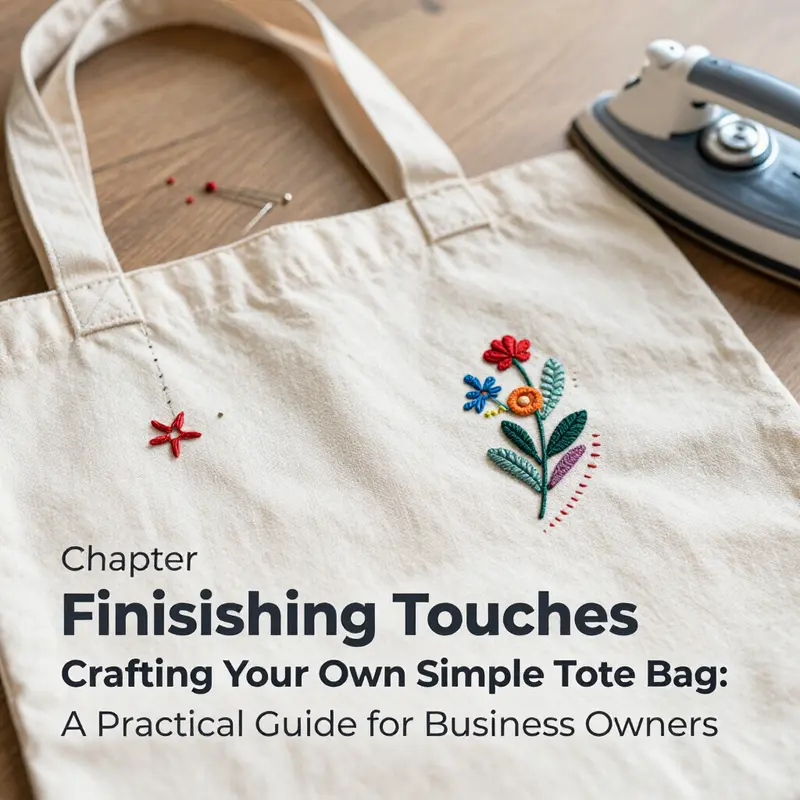
After you have painstakingly pieced together the main body and handles of your simple tote bag, the final phase in your crafting journey is all about perfecting and enhancing your creation. In this stage, every careful stitch and meticulous press contributes not only to the overall durability of your bag but also to its visual appeal. Once the essential structure has been formed, this chapter guides you through critical methods that ensure your tote bag emerges as a refined accessory—one that marries practicality with personalized style.
The journey toward a truly finished piece begins with the crucial step of securing and reinforcing the seams. Even though you have likely paid attention to detail during the primary assembly, revisiting every stitch can mean the difference between a bag that simply looks great and one that endures daily wear and tear. Using a seam ripper or small, precise scissors, you carefully trim any loose threads that may have escaped your notice during the initial construction. Attention should especially be given to areas with high-stress potential, such as the base corners and the junctions where the handles are attached. A second pass with matching thread helps reinforce these vulnerable points, adding longevity and ensuring that the bag can comfortably bear the demands of daily use. As you work through these steps, it is important to remain patient; each stitch you secure is an investment in a more reliable, resilient product.
The next element to emphasize is the art of pressing the seams. Ironing the interior seams not only flattens any potential wrinkles but also gives the bag a more refined silhouette. Using a low heat setting is crucial, particularly if your tote is constructed of synthetic or delicate fabrics. The low heat prevents any damage while ensuring a crisp, neat finish inside the bag. Moreover, a pressed seam does more than just look neat—it allows the bag to retain its shape over time, presenting a more structured appearance even when empty. Further enhancing this process, you can also press the outer edges of the bag, which not only heightens the aesthetic appeal but also minimizes any potential fraying that might occur over extended periods of handling.
Reinforcing the handles is another vital component of the finishing touches. While some enthusiasts opt for fabric handles and others prefer recycled materials such as repurposed denim or even pieces of wardrobe leftover from t-shirts, ensuring the handles are securely attached is paramount. If you have selected fabric for the handles, a great tip is to incorporate a small piece of interfacing underneath the attachment points. This extra layer provides more support and distributes the load more evenly when the bag is carried, thereby safeguarding the stitching from eventual strain. In cases where the handles derive from non-sewn materials—say, repurposed jeans—they should be meticulously knotted and tightly secured. After tying a secure knot, gently but firmly pull it to ensure it holds fast under tension. This subtle yet impactful enhancement can dramatically improve the durability of the entire bag, reinforcing that final impression of high-quality craftsmanship.
Before considering your bundle of effort complete, a thorough final inspection is essential. With the bag nearly done, you now look over its entire surface with a discerning eye. This is the moment to search for any missed stitches, stray threads, or uneven edges that may have otherwise gone unnoticed during assembly. As you methodically review each section of your tote bag, any irregularities can be promptly addressed. In addition to visually inspecting the bag, a gentle cleaning with a damp cloth can be extremely beneficial. Removing lint, dust, or any tiny fabric fragments left over from the sewing process not only enhances the overall finish but also provides a refreshing final touch. The act of cleaning is akin to polishing a handcrafted work of art—it elevates the end product from a basic accessory into a statement of personal accomplishment.
Adding personal touches is an optional yet exciting final step that elevates your tote bag from a simple functional accessory into a unique work of art. Customization in this phase takes on the role of characterizing your creation with individual flair. Consider embellishing your tote with a small patch that resonates with your personal taste or a particular theme you cherish. Embroidery offers another subtle yet sophisticated way to personalize your bag. By incorporating a name, a meaningful phrase, or even a delicate design into a section of the tote, you infuse it with a narrative that reflects your creativity. Other enhancements might include attaching a small charm or a decorative tassel, elements that can further differentiate your bag from mass-produced alternatives. These individual touches ensure that when you carry your tote, it not only performs reliably but also serves as a reflection of your personal style and aesthetic vision.
Beyond the physical enhancements, this finishing stage of your tote bag project represents a shift toward a more thoughtful, caring process of creation. Each step, from securing seams to final polishing, is executed with the intent to produce an item that not only meets a functional need but also stands as a testament to your creativity and attention to detail. This intrinsic process is mirrored in many DIY projects where the journey culminates in a product that prevents waste, champions sustainability, and fosters a sense of self-reliance. In a world where environmental concerns are increasingly paramount, crafting a tote bag from scratch contributes to a mindful approach to consumption—highlighting your personal role in reducing reliance on mass-produced, often less sustainable alternatives.
As you reflect on the process, it becomes apparent that the finishing touches you add during the final stage are much more than technical details; they are expressions of care and precision. Every stitch, every pressed seam, and every personalized addition works together to transform your creation into a sturdy, stylish, and environmentally-conscious accessory. Whether you decide to carry it to the local market, use it for daily errands, or gift it to someone special, your finished tote bag ultimately becomes a story of creativity, resilience, and the power of attentive craftsmanship.
In considering how these final steps play into the broader scope of tote bag creation, it is important to recognize that this finishing phase is the culmination of a series of decisions—each choice in design, material, and technique affecting the longevity and appeal of the final product. The internal structure, once vulnerable to the rigors of everyday handling, now stands fortified by additional layers of care. The reinforced seams and meticulously pressed fabric ensure that the bag maintains its form and function for years to come. Similarly, the thoughtful reinforcements on the handles, including added interfacing and secure knotting techniques, bestow extra strength on areas most susceptible to wear. These techniques remind us that the true beauty of a handmade tote bag lies in its blend of aesthetics and engineering—a marriage of art and functionality that is both empowering and inspiring.
Throughout this phase, the nuance and finesse of your handiwork become apparent. Even a small adjustment, such as applying an extra stitch along a vulnerable seam, can transform a simple craft project into a reliable companion for everyday life. The process of reinforcing these sections might appear minor, yet it encapsulates a philosophy of thoroughness and commitment to quality. Much like an artist adding the final strokes to a canvas, every finishing touch you apply is a deliberate act of care—infusing your tote bag with a personality that is distinctly yours.
Moreover, these final steps are more than just practical guidelines—they also represent an invitation to personalize your creation further. Embracing the option for personalization is a celebration of your creativity. Whether you opt to embellish your bag with a clever embroidered motif, apply patches that speak to your journey, or select color contrasts that align with your wardrobe, each embellishment imbues your tote with a narrative. It becomes a signature piece that tells the story of your effort, creativity, and the unique choices you made along the way. This individualized approach not only enhances the visual appeal of the bag but also instills a deeper sense of connection between you and your creation.
For those who have explored external inspiration throughout the crafting process, it can be enlightening to see how others approach the finishing touches of their projects. Many resources detail similar techniques, offering new perspectives and innovative tips to further refine the final product. For instance, enthusiasts who have delved into guides such as how-to articles on stylish tote bags will find that the emphasis on seam security, fabric pressing, and handle reinforcement resonates with their own experiences. Whether you are a beginner or a seasoned crafter, revisiting these finishing fundamentals can spark new ideas and help you achieve an even higher level of craftsmanship in your next project.
Indeed, the finishing touches of a handmade tote bag echo a common journey shared by many DIY enthusiasts—the journey from raw materials to a finished, functional art piece that stands as a practical accessory in everyday life. Each nuanced step, no matter how small, ultimately contributes to a product that is as resilient as it is attractive. This chapter underscores that perfection is not reached by grand gestures alone but by a series of careful, deliberate actions that enhance every aspect of the craft. Paying attention to these details deeply enriches your experience and instills in you the confidence to embark on more ambitious projects in the future.
As you approach the concluding moments of your tote bag project, you are encouraged to take a moment and appreciate the transformation that has occurred. Initially, you may have seen the task as a straightforward craft assignment—a series of measurements, cuts, and stitches leading to a bag. However, as you apply the finishing touches, you begin to understand that every bag you create is a unique reflection of thoughtful design and meticulous attention to detail. This process is a microcosm of a larger creative act, where precision, care, and passion blend to form something that is not only functional but also intensely personal.
In the end, the finishing touches you have implemented serve as a quiet declaration of pride and achievement. This stage encapsulates both the technical mastery of sewing and the personal satisfaction that comes from completing a creative project. Whether you decide to further embellish your tote with distinctive patterns or simply let the inherent quality of your craft speak for itself, your final product stands ready to meet the demands of daily life. In accomplishing these steps, you have not merely built a tote bag, but you have crafted a personalized accessory that carries with it a story of dedication, creativity, and sustainable practice.
For further insights into detailed techniques and additional creative inspiration, you might find it beneficial to explore more comprehensive guides on the subject, such as the resource available at Manual Cutting and Sewing: Tote Bags. Every finishing step is an opportunity to improve not only your current project but also your future endeavors in crafting and DIY projects alike. Embrace these techniques as building blocks for a lifetime of creative exploration and personal expression.
In summary, the final touches on your simple tote bag are the culmination of careful reinforcement, meticulous attention to detail, and the opportunity to infuse personal style into a functional accessory. Through reinforcing seams, pressing fabric edges, and securing handle attachments, you ensure that your bag is both visually appealing and exceptionally durable. The process of scrutinizing every stitch and removing any stray threads elevates your work from a routine craft to an art form, emphasizing precision and long-lasting quality. With each finishing decision, you are reminded that a truly exceptional tote bag reflects not only skill but also an unwavering commitment to craftsmanship. The thoughtful embellishments and cleaning processes contribute to an item that seamlessly blends aesthetics and utility—a final creation that you can be proud to say was made entirely by you.
The Empowering Journey of Crafting Your Own Personal Tote Bag
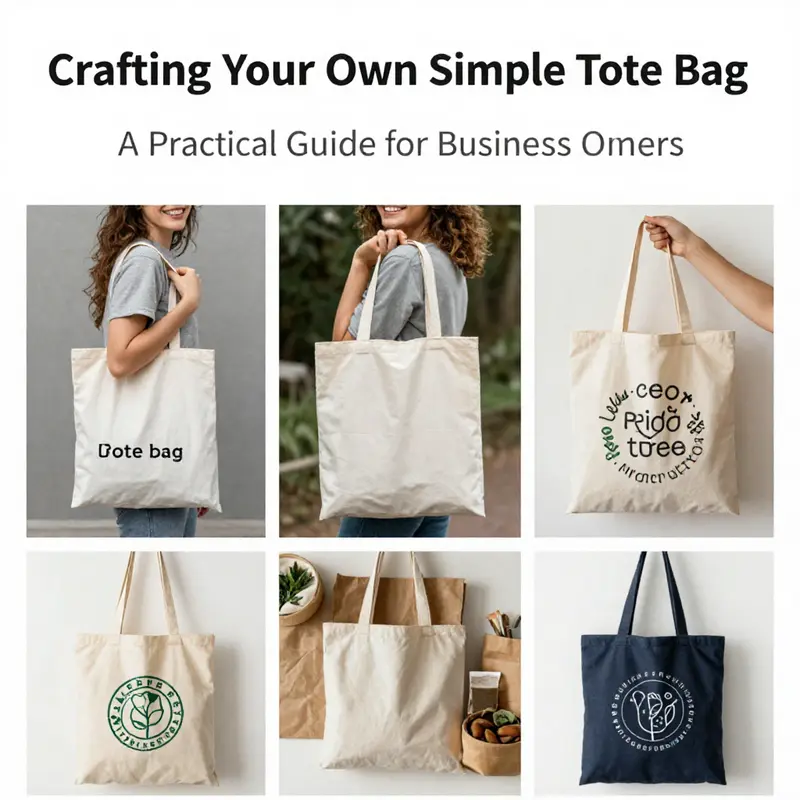
There is a quiet satisfaction that comes from creating something with your own hands, and making a simple tote bag is one of those creative endeavors that bring together practicality, personalization, and environmental mindfulness. In a world where mass-produced items are the norm, the process of designing and constructing your own tote bag not only provides a creative outlet but also turns an everyday object into a canvas for personal expression, a tool for sustainable living, and a symbol of cost-effectiveness. This journey begins with a basic collection of materials – fabric, thread, and simple sewing tools – but quickly evolves into a pursuit that has lasting benefits for your wallet, your well-being, and even the planet.
When you choose to create a tote bag from scratch, you begin with a vision that is entirely your own. The initial steps of measuring fabric, cutting pieces to precise dimensions, and assembling them together may seem like mere technical tasks. However, these actions set the stage for something much deeper. They empower you to control every aspect of your creation, ensuring that the final product not only meets your functional needs but also resonates with your aesthetic values. Each careful cut and every measured seam speaks to the discipline and thoughtfulness you bring to the project. This attention to detail is particularly rewarding when you see your finished tote bag emerge as a sturdy, stylish accessory that carries more than just your belongings—it carries your story.
One of the most immediate advantages of this DIY approach is its cost-effectiveness. Crafting a tote bag does not require an extravagant investment. In many cases, the basic materials can be acquired for a modest sum, often amounting to less than what you would spend on a store-bought equivalent. Beyond the initial costs, the materials used in your tote bag project – whether it is fabric paint, embroidery thread, or other embellishments – have the potential to be reused in future projects. This reusability ensures that as you continue to explore the world of crafting, your creative toolkit becomes more expansive without a corresponding jump in expenditure. The simple act of repurposing materials and even using scraps for smaller projects underscores a philosophy of frugality and resourcefulness that is increasingly relevant in our modern, consumption-driven society.
Alongside financial benefits, creating your own tote bag embraces an eco-friendly ethos that aligns with sustainable living. In an age marked by environmental challenges and the growing need to reduce waste, handmade items promote the idea of upcycling and reusing materials that might otherwise be discarded. By choosing fabrics that are either reclaimed or sourced from sustainable suppliers, you are making a direct contribution to minimizing waste and reducing environmental impact. Each tote bag crafted is a small, tangible step towards combating the wastefulness of fast fashion and disposable commodities. Rather than contributing to the piles of refuse in landfills, your handmade tote bag is a testament to a greener lifestyle—one that values durability and thoughtful consumption. This sustainable approach to crafting can also extend to the customization process. Whether you choose to embellish your bag with fabric paints or adorn it with hand-stitched designs, each creative decision reinforces the idea that beauty and utility need not come at the expense of nature.
The freedom to personalize your tote bag is one of its most cherished benefits. Unlike mass-produced items that come in uniform designs and standard sizes, a handmade bag allows for complete creative control. You have the choice to experiment with different techniques, from painting and embroidery to adding unique patterns and patches that represent your personal taste. This creative canvas becomes a medium through which you can showcase memories, inspirations, or even a particular theme that resonates with your identity. For instance, a bag adorned with symbols of nature can remind you of cherished outdoor adventures, while one decorated with abstract patterns might speak to an artistic spirit. The transformation of a plain tote into an individualized accessory not only heightens its appeal but also turns each project into a narrative of personal experience and creativity.
Embracing this form of self-expression can be a reflective process in its own right. The hands-on activity of piecing together fabric, aligning edges with meticulous care, and watching your creative vision come to life instills a meditative rhythm in your routine. The repetitive motions of stitching and painting become a form of mindful engagement, allowing your thoughts to settle and your stress levels to diminish. For many, this kind of crafting is more than just a hobby; it is a sanctuary where the pressures of daily life dissipate into the background. The act of creation itself offers a therapeutic escape, encouraging you to focus on the present moment and channel your energy into something tangible and rewarding. Over time, this mindfulness not only improves mental clarity but also reinforces a sense of accomplishment—a holistic benefit that encompasses both creative satisfaction and inner calm.
It is important to consider the aspect of gifting when discussing the benefits of a handmade tote bag. A personalized tote bag, crafted with care and imbued with elements of your personality, carries a sentiment that far surpasses that of a mass-produced accessory. When you present a handmade item as a gift, you are offering not just an object, but a piece of your artistic spirit and time. Whether it is for a birthday, an anniversary, or a special moment like teacher appreciation, these custom creations communicate thoughtfulness and care. The recipient is likely to appreciate the uniqueness and effort invested in crafting an item that is designed specifically for them, making it an enduring keepsake that holds both practical utility and emotional significance. Beyond personal gifts, handmade tote bags can even serve as bespoke promotional items in professional settings. Small businesses and creative entrepreneurs often find that a well-crafted tote bag adds a touch of sophistication and personality to their brand identity.
Beyond personalization and gifting, the durability and functionality of a well-made tote bag are testaments to the skill and care invested in its creation. By selecting high-quality materials and adhering to precise construction techniques, you can produce a tote bag that does not merely serve as a disposable accessory but rather as a resilient, long-lasting tool. Such bags can withstand the rigors of daily use, carrying everything from books and groceries to personal items and even a laptop. In fact, many of the guiding principles for a robust tote bag emphasize reinforced seams, double stitching, and quality fabrics—all of which contribute to a garment that remains reliable for years. The satisfaction derived from using an item that you have built with your own hands can be immense, as each use serves as a reminder of your creativity, perseverance, and the sustainable choices you make. Additionally, this sense of durability extends to the aesthetic quality of the bag. A custom tote, when crafted with attention to detail, carries an elegance that is often missing from generic, machine-produced items. Its individuality and charm make it a statement piece, whether you choose to carry it as an everyday accessory or reserve it for special occasions.
As you delve deeper into the process of creating your tote bag, it is helpful to remember some essential tips that ensure the best results. For instance, washing your plain tote bag before beginning the decorating process is a simple but crucial step. This practice removes any residual sizing chemicals from the fabric, ensuring that paints, dyes, or other embellishments adhere evenly and effectively. Additionally, pre-washing the fabric can prevent unexpected shrinkage later on, thereby preserving the intended dimensions and design of your finished product. Each of these small precautions contributes to the overall quality and longevity of the tote bag, reinforcing the idea that attention to detail during the creation process can lead to a more satisfying final outcome. The act of preparing your materials meticulously is not just a functional requirement but a symbolic gesture that honors the creative process. It is a moment of transition from raw potential to a finished work of art—a process that is as rewarding emotionally as it is aesthetically.
Moreover, the experiences accumulated while sewing and decorating your tote bag provide valuable lessons that extend far beyond the project itself. Each time you set aside time to work on crafting, you are investing in a cycle of learning and self-improvement. These projects encourage you to experiment with new techniques, solve unforeseen challenges, and continuously refine your manual skills. Such hands-on experiences often lead to a deeper understanding of the materials you work with and an enhanced appreciation for the art of craftsmanship. Whether you are a seasoned seamstress or a beginner eager to learn, the act of making a tote bag nourishes your creativity and instills a sense of pride in every stitch. This personal development is a significant advantage in itself, translating into improved focus, patience, and problem-solving skills that can enrich other areas of your life.
In the broader context of creative self-expression and sustainable living, the act of crafting a tote bag has even more profound implications. It demonstrates that the simplest ideas can transform into works of art that defy conventional standards. By choosing to create rather than purchase, you engage in a form of rebellion against the throwaway culture that dominates our consumer-driven society. Each handmade tote serves as a small yet potent symbol of independence and innovation. It champions the ethos that ordinary objects can be reinvented, imbued with complexity and beauty through the hands of an individual. This perspective not only encourages a more mindful approach to consumption but also inspires others to explore their own creative potential. The transformative power of crafting lies in its ability to redefine everyday objects, turning them into artifacts that speak volumes about personal taste, values, and artistic vision.
For those who admire quality and durability, there is also a practical aspect to consider. A handmade tote bag, when constructed with care and intention, can withstand the demands of daily life far better than many mass-produced alternatives. By selecting fabrics that are both aesthetically pleasing and robust, you ensure that your creation is not only a reflection of your style but also a reliable accessory that endures over time. The attention paid to the finer details—such as reinforced seams and sturdy handles—translates directly into performance benefits. This durability is particularly important if you intend to use the tote for frequent, everyday activities or even for more demanding purposes such as carrying heavier items like a laptop. In such cases, every stitch and every design decision contributes to a level of reliability that is both functional and gratifying.
A final layer of meaning emerges when you consider the personal transformation that accompanies the crafting process. Engaging in creative projects such as making your own tote bag fosters a sense of empowerment and self-sufficiency. It is an experience in which every decision, from the choice of fabric to the final decorative flourish, reinforces the belief that you are capable of turning ordinary materials into something extraordinary. This process of creation is not merely about the end product; it is about discovering new skills, embracing imperfections, and cultivating a mindset that values creativity over convenience. In an era where digital distractions often overshadow hands-on experiences, the art of sewing and designing your own accessories reclaims a lost sense of tactility and human connection. It invites you to slow down, reflect, and celebrate the beauty found in the process of making.
For those inspired to explore further, there are many resources that offer insights and detailed tutorials on various techniques for customization. For example, if you are looking for ideas on how to experiment with color or pattern designs in your tote project, consider exploring collections of detailed guides on women’s canvas tote bags, which present innovative ideas and practical advice on how to merge style with function. You might find a wealth of inspiration and guidance that enhances your own creative journey. For additional tips and techniques on personalizing a plain tote bag using easy DIY methods, you can refer to the comprehensive guide available at Crafty Ideas.
In conclusion, the process of making your own simple tote bag is rich with benefits that span cost-effectiveness, environmental responsibility, and personal growth. By embarking on this creative journey, you not only produce a practical accessory but also engage in a series of thoughtful actions that resonate on multiple levels. From the deliberate process of assembling fabric and thread to the reflective moments of customizing and decorating, each step is a reminder of your creative potential and your contribution to a more sustainable and mindful way of living. The tote bag becomes more than a mere carrier for everyday items—it transforms into an emblem of personal achievement, a testament to the power of creativity, and an invitation to celebrate the beauty of handmade craftsmanship.
Final thoughts
Making your own simple tote bag offers multiple advantages, ranging from enhanced brand visibility to environmental sustainability. By personalizing the design and materials, business owners can create products that resonate with their values and customer preferences. Furthermore, engaging in this project allows for a deeper connection with your brand identity, showcasing your commitment to the environment while providing customers with a functional item. As you embark on this creative journey, remember that each tote bag is not just an accessory but an embodiment of your business ethos and dedication to sustainability.