

LL Bean tote bags are popular among business owners, known for their durability and versatility. However, maintaining their appearance and longevity requires specific care. In this guide, we’ll explore effective washing procedures tailored to different materials, identify common mistakes made when cleaning these bags, and provide practical maintenance tips to ensure your tote remains in pristine condition. Each chapter is designed to build your understanding of proper care, helping you make informed decisions for your business’s needs.
Gentle Hands, Lasting Canvas: A Thoughtful Guide to Washing Your L.L. Bean Tote

A durable tote carries more than the items you haul. It holds routines, errands, and the occasional coffee spill that leaves a stubborn mark. Caring for it with intention keeps the fabric looking clean and steady through seasons of use. The key is recognizing that not all totes are made the same. Many LL Bean totes lean on cotton canvas, sturdy blends, or waxed canvas finishes. Each material asks for a slightly different approach, and taking a moment to identify yours will save you effort and preserve its character over time. Begin with a careful check of the care label on the inside. This is your clearest guide, the true north for cleaning. If the label clearly states machine wash, hand wash, or do not machine wash, follow it. If the label is missing or unclear, approach the task with caution and test a small, inconspicuous area first. A spot test helps you see if color or fibers react poorly to cleaners, and it can prevent an accidental alteration to the bag’s appearance.
For those whose totes are made of cotton canvas—the most common material in many everyday bags—the path is straightforward but precise. If a label confirms machine washing, you can proceed with a gentle cycle. Turn the bag inside out to protect prints, pockets, and any exterior details. Use cold water to minimize shrinkage and preserve color. A mild detergent is enough; avoid bleach, which brightens in the short term but weakens fibers over time, and skip fabric softeners that can coat the fibers and reduce breathability. When the cycle ends, the bag should be air dried flat. High heat from a dryer can shrink canvas or distort its shape, so resist the urge to tumble dry. In practice, many canvas totes respond well to air drying on a clean rack or a spread-out towel. If your bag shows signs of fading or slight tightening after a wash, don’t panic—canvas tends to regain some of its shape as it dries, especially when laid flat and weighted evenly at the corners.
Waxed canvas, on the other hand, is a different story entirely. The waxed finish is a protective coating that lends water resistance and a rugged aesthetic. Soaking a waxed canvas tote in water or running it through a machine wash is a hard no. Submerging waxed canvas can strip wax from the fabric and wash away its protective layer, leaving you with a bag that stains more easily and dries stiffly. The recommended approach is spot cleaning only. A damp cloth with a touch of mild soap is usually enough to wipe away surface grime. After wiping, let the bag air dry away from direct sun. Direct heat can dry out wax unevenly, leading to lumps or dull patches. Over time, the wax may wear thin. If you want to refresh the coating, LL Bean offers wax reapplication options that restore the water-repellent finish and extend the life of the material. Think of waxed canvas as a protective coat that deserves careful, minimal exposure to moisture.
For totes constructed from polyester or other synthetic blends, the cleaning method tends to be the most forgiving. These materials are designed for daily wear and washing with less risk of heat damage. A cold water machine wash on a gentle cycle with a mild detergent is typically fine. After washing, you can either air dry or tumble dry on low heat. The caveat with synthetic fibers is to avoid high heat that could cause deformation or melting, especially if your bag has any plastic-coated trims or zippers. Drying on a hanger is convenient for some, but for shape retention it can be better to lay the bag flat on a clean surface or a drying rack. The goal is a gentle, even dry that preserves the bag’s contours and any internal compartments, pockets, or padding.
No matter the material, there are universal steps that still apply. Begin by emptying the bag completely, then perform a careful inspection for tight seams, loose threads, or any residue lodged in corners and pockets. A soft brush or a dry cloth is ideal for removing loose dirt and crumbs before the wash begins. This pre-clean phase helps prevent staining or rubbing dirt into fibers during washing. When stains persist, a gentle pre-treatment can make a meaningful difference. Mix a small amount of mild detergent with cool water, dampen a microfiber cloth or a soft toothbrush, and dab rather than rub. Allow the solution to sit briefly—five to ten minutes is typically enough—before rinsing with a damp cloth. Harsh chemicals, hot water, or aggressive scrubbing can fade prints or degrade fibers, so they are best avoided. A spot test on an inconspicuous seam helps you confirm that the cleaning solution won’t cause changes in color or texture.
Once you move to washing, the method should reflect the fabric. If you have a canvas tote that is machine washable, the inside-out approach remains essential. In a basin or sink, use cool water and a mild detergent to perform a gentle hand wash if you want extra assurance. Submerged cleaning is sometimes preferred for stubborn grime, but sheer microfiber or sponge-based agitation can do most of the work without stressing seams. For waxed canvases, skip submersion entirely—spot cleaning only is the safer route. After washing, rinse thoroughly with clean cool water until the soap residue vanishes; soap left behind can attract dirt and degrade the fabric over time.
A crucial phase follows washing: drying. Never expose canvas or waxed surfaces to high heat. For cotton canvas, air drying flat is the recommended path. Shape the bag while it is still slightly pliable, then lay it on a dry towel or rack away from direct sun. This gentle approach helps prevent distortion or shrinkage, especially near the handles where weight can pull fibers out of shape during drying. Waxed canvases deserve the same respect for drying. In all cases, avoid wringing, twisting, and aggressive handling that can stretch seams or crease edges in ways that are hard to reverse. If you used a dryer—preferably only on low heat for synthetic blends—remove promptly to avoid excessive shrinking and ensure you finish with a rectangular, well-formed silhouette. For waxed totes, the natural drying process is even more critical, as moisture can affect the wax’s distribution and the fabric’s surface texture. A slow, air-based dry is best, with moderate spacing to allow air to circulate around all surfaces.
After the bag is dry, take a moment to inspect its shape. Reclaim the bag’s form by gently reshaping the corners and straps while the fabric is still slightly pliable. If a canvas bag has developed a little curl at the edges or a crease along a seam, a light press with minimal heat can help, but avoid ironing directly on prints or shiny coatings. Waxed canvases should be handled as little as possible during any ironing attempt, since heat can soften or melt the wax. If you notice any lingering odor after washing, a quick run outside in a breezy spot can help, or a small amount of baking soda inside the bag for a few hours can neutralize odors. Do not leave baking soda inside for too long, and always shake it out completely before storing.
Storage is a final, often overlooked step. Once dry, reshape the bag and store it in a cool, dry place away from moisture and direct sunlight. Light can fade color and weaken fibers over time, and humidity can invite mildew within seams or pockets if the bag is not fully dry. If the bag is used daily, consider rotating with another bag to relieve strain on the handles and the body of the tote. Heavy loads should be balanced to avoid warping the shape, and long-term storage should preserve ventilation to prevent moisture buildup.
Even with careful handling, stains may resurface or stubborn marks may appear. When that happens, the strategy remains consistent: treat gently, test first, and avoid aggressive scrubbing. If you encounter a stain that resists your best efforts, consider seeking guidance from an expert who understands textiles and finishes. A thoughtful question to a brand’s customer service team—sharing your bag’s model or fabric type—can yield targeted advice and save you from trial-and-error cleaning missteps. The aim is to preserve the bag’s texture, color, and structural integrity while restoring its clean appearance. A well-cleaned tote continues to perform its daily tasks with the same ease and reliability as when it was new.
To connect these practical steps with broader care practices, you can explore related conversations about canvas care and tote maintenance in similar bags. For readers who want to compare materials or explore variations in canvas care, a concise reference point is a resource that focuses on women’s canvas tote bags and their care needs. This broader context can help you gauge your tote’s requirements against similar bags without losing sight of the specifics that guide cleaning your LL Bean tote. Women’s canvas tote bags provides a useful overview of how canvas textures respond to light cleaning, how to assess finishes, and how to approach storage across different bag designs. Such background can be reassuring when you approach your own bag’s care plan, ensuring you apply the right level of caution and the right method for the material you’re dealing with.
In the end, the reassuring truth is simple: cleaning a tote correctly is less about following a strict ritual and more about understanding the fabric and respecting its boundaries. Cotton canvas handles heat and abrasion better than most fabrics, but it still benefits from a cool wash, mild detergent, and air drying. Waxed canvas, with its protective layer, demands restraint and careful drying to maintain its water-repellent finish. Polyester blends offer flexibility but still respond best to gentle handling and low-heat drying. Each tote comes with its own temperament, and recognizing that temperament is the first step toward extending its life. If there is any doubt—if the label is missing, if the bag seems delicate, or if the stains are stubborn—pause, reassess, and lean toward hand washing and air drying. It’s a small ritual that can preserve the bag’s shape, print, and overall feel for years of use.
For further guidance, consider consulting the official care resources as a baseline reference. They offer the most precise recommendations tailored to the bag’s exact material and finish, ensuring you maintain both appearance and durability over time. If you’re unsure about a particular finish or have just purchased a new tote with several features, reaching out to customer service can provide clarity and confidence. A quick confirmation about your bag’s model number or fabric type can prevent unnecessary wear and save you from a misstep that could affect performance. As with any careful cleaning practice, consistency matters. A little attention after every use goes a long way toward preserving the tote’s structure and charm for years to come.
External reference for deeper guidance: https://www.llbean.com/llb/shop/care
Material Matters: A Cohesive, Material-Sensitive Guide to Washing Your LL Bean Tote Bag

The longevity of an LL Bean tote bag hinges not merely on its structure or stitching but, above all, on understanding the material that forms its fabric. The tote you reach for daily may be cotton canvas, waxed canvas, or a polyester blend, and each fiber responds to water, detergent, and heat in its own way. Rather than treating cleaning as a one-size-fits-all chore, approach it as a material conversation. Start with the care label, read what the maker has explicitly recommended, and let those instructions guide your cleaning ritual. If the label is missing or vague, you can still care for the bag thoughtfully by preparing a small, controlled plan: test on an inconspicuous area, treat stains gently, and dry with care. This approach preserves not only the tote’s appearance but also its structural integrity, which to many is the simplest measure of a bag’s value after years of use.
Cotton canvas bags, the most common LL Bean tote, are built for durability and versatility. They stand up to daily handling, but their care demands respect for their natural fibers. The first rule with canvas is simplicity: turn the bag inside out before washing to shield the outer surface from friction and potential fading. Use cold water and a mild detergent, and keep the cycle gentle. Bleach and fabric softeners are not friends to sturdy cotton; they can weaken fibers and alter the fabric’s texture over time. After washing, resist the urge to tumble dry. Heat can shrink canvas, distort its shape, and dull its color. Instead, lay the bag flat to air dry, ideally in a shaded spot where the fabric can dry without direct sun exposure that might fade the dye. A crucial note follows for vintage or heavily-used canvas totes: mildew and mold are more likely in damp storage or after storage in humid spaces. When mold appears, a careful, solution-based approach works best. A mixture of white vinegar and water, in a 1:1 ratio, can break down mildew without harsh chemical damage to the fibers. Apply the solution to stained areas, let it sit for about half an hour, then rinse thoroughly. This method respects the fabric while restoring the surface cleanliness that helps the color and texture remain vibrant over time. The goal is not only to remove grime but to keep the canvas’s natural stiffness and durability intact.
Those who want a broader look at the category and related care considerations can explore more about canvas totes here: Women’s Canvas Tote Bags. This linked resource provides a broader sense of how canvas fibers behave in real-world use and how care decisions align with daily wear and storage, complementing the precise steps described here. As you consider broader options or similar products, the key remains the same: tailor your method to the material and the bag’s build, not to a generic cleaning timetable. The canvas approach works well for most everyday totes, but if your bag leans toward waxed or synthetic composites, the next sections offer material-specific guidance that protects your investment while keeping it looking sharp.
Waxed canvas totes bring a different set of rules. The wax coating is what gives these bags their water-repellent quality and rugged appeal, but that coating is precisely what makes machine washing a bad idea. Submerging a waxed canvas bag or running it through a washer can wear away the wax, exposing fibers that were meant to stay protected. The recommendation is clear: spot clean only. A damp cloth with a mild soap solution can lift surface stains without saturating the fabric. Avoid soaking the bag, because excess moisture can undermine the wax coating and compromise its water-resistance over time. After spot cleaning, air dry the bag away from direct sunlight, which can cause the wax to soften or melt unevenly and fade. If you notice the wax wearing thin after heavy use, consider re-waxing as a maintenance step. Some brands offer wax reapplication kits designed specifically for this purpose, and using the right product helps refresh the protective layer rather than strip it away. This approach keeps the bag’s outdoor-ready character intact while ensuring it remains weather-resistant for future adventures.
Polyester and synthetic blends represent the third common category, and their care philosophy centers on resilience and lower maintenance. These totes are typically durable and forgiving, making machine washing a viable option in most cases. When you wash a polyester blend, opt for cold water and a gentle cycle with a mild detergent. This keeps the fibers from absorbing too much heat or agitation that could cause pilling or distortion. The drying phase offers another quick win: air dry or use a tumble dryer on low heat. The key here is avoiding high heat, because synthetic fibers can melt or deform if exposed to heat levels that are too intense. If you choose to machine dry, consider removing the bag promptly when the cycle ends to prevent further wrinkling or dulling of any printed designs. In all cases with synthetics, respect the fabric’s heat tolerance and select the gentlest option that still achieves the desired cleanliness.
Across all material families, several universal practices anchor any good cleaning routine. Empty the bag completely before washing, turning pockets and flaps inside out to inspect for hidden crumbs or stains. Debris cleaned out beforehand minimizes the risk of rubbing grit into the fabric during the wash. Before applying any cleaner, test it on a small, inconspicuous area—such as the inside seam—to gauge colorfastness and fabric tolerance. This precaution helps avoid surprises after the bag is dry and ready to use again. Harsh chemicals, including bleach or harsh solvents, can degrade fibers and fade prints or logos. Even if a stain seems stubborn, gentleness is often the most effective ally. For stubborn or ground-in grime, a light brush with a soft-bristled brush after washing can lift particles without abrading the surface. And remember to give the bag time to rest between uses. Rotating bags or managing usage patterns reduces wear on any single tote, helping maintain shape and structural integrity as the fibers settle and adapt to regular use.
The care conversation also benefits from a mindful approach to stain treatment, especially when mold or mildew appears on canvas or vintage totes. The vinegar solution offers a practical, inexpensive method that respects natural fibers. Letting the solution work for a half-hour window before a thorough rinse helps ensure the mold does not become embedded in the fibers, while avoiding aggressive scrubbing that could roughen the surface. Practitioners of this care approach often report that the bag resumes its original texture and color more reliably when stains are treated promptly and with patience rather than harsh chemical warfare. After any cleaning step, the shape and stiffness of the tote deserve attention. If you notice any warping, you can gently reshape while the bag is still damp, allowing air to carry away the moisture and guide the fibers back to their intended profile. A quick tip for maintaining shape is to stuff the bag with clean towels while it dries; this simple technique supports a natural, compact silhouette and helps prevent collapsing seams.
The balancing act between appearance and function becomes especially clear when you consider storage and long-term care. If a bag sits idle for long periods, it’s worth revisiting that inside-out, dry, fully air-dried state each time you retrieve it. Rapid changes in temperature or humidity can encourage cracking or stiffening on canvas and may dull wax in waxed canvases if not managed carefully. Store the tote in a cool, dry place away from direct sunlight. For waxed canvases, keeping storage conditions stable helps preserve the wax’s integrity and prevents uneven patina. For synthetics, careful storage can reduce pilling and maintain a smooth surface that resists snagging on zippers or hardware. In other words, care isn’t a single act but a habit—the more consistently you apply these material-aware practices, the longer your LL Bean tote will serve you with pride.
The chapter doesn’t end with a single technique but with a mindset: know your material, respect its needs, and let the bag’s life story guide how you care for it next. The care label remains the most reliable guide, and when in doubt, the official care page from the brand offers up-to-date, model-specific guidance that accounts for variations beyond the general rules covered here. Maintaining the bag’s appearance is not about chasing perfection but about honoring its function and history. The canvas tote you purchased with an eye toward utility and simplicity can continue to be a daily companion if you approach cleaning with this fabric-aware strategy. The goal is to preserve not only the tote’s surface but its overall character—the subtle creases of wear that tell the story of your everyday journeys, the way the bag carries both groceries and ideas, and the sense that you are treating your belongings with thoughtful, informed care.
External resource: For the most authoritative, brand-specific guidance, consult the official care instructions provided by the maker: https://www.llbean.com/llb/content/faq/careinstructionstotebag.jsp. This link aggregates model-specific advice and updates, ensuring you stay aligned with any changes in materials or recommended cleaning methods across LL Bean’s tote bag lines.
Common Mistakes to Avoid When Washing Your LL Bean Tote Bag: A Practical, Fabric-Sensitive Guide

A tote bag from LL Bean is meant to be a reliable everyday companion, ready to carry groceries, books, or a workday arsenal of chargers and notebooks. Its sturdy design invites you to wash away the dirt and fingerprints, but care is not a one-size-fits-all affair. The most common missteps come from treating every tote the same, assuming a bag labeled as canvas or cotton will behave like a synthetic pouch or a waxed shell. The reality is more nuanced: different fabrics respond to water, heat, and friction in distinct ways. The goal is not to avoid cleaning altogether, but to clean with intention, so the bag retains its shape, color, and integrity for years to come. To navigate this, begin with the obvious but essential step—the care label. Inside most LL Bean totes, the label is the most authoritative guide to what can be done and what should be avoided. If the tag is missing or unreadable, proceed with caution and perform a spot test on a discreet area, like the inside seam, before committing to a full wash. The principle is simple: identify the material first, then tailor your method to that fabric. The chapter that follows unpacks the mistakes most people make and how to sidestep them with a calm, fabric-aware approach.
The most frequent misstep is the automatic tumble into the washing machine. It sounds efficient, almost tempting, but machine washing is not a universal cure for tote dirt. Cotton canvas, which is common in LL Bean totes, has a wide range of care guidelines. Some bags labeled as machine washable can tolerate a gentle cold cycle turned inside out, with a mild detergent. Yet this blanket instruction overlooks crucial caveats: the presence of colored trims, logos, or delicate stitching can shift the risk profile. Even when machine washing is permissible, the bag must be thoroughly prepared. Empty the contents, zip or fasten all closures, and turn the bag inside out to minimize friction against the outer surface. Use cold water and a gentle cycle because heat, even in a gentle setting, can cause unexpected fading, shrinkage, or distortion over time. The longer you run with agitation, the higher the chance of fraying threads or compromised seams. For many travelers who rely on their totes daily, the machine’s speed is attractive, but the cost to fabric longevity is not worth the convenience. If you are unsure whether your particular tote is machine washable, err on the side of caution and choose a hand-cleaning route.
A related error is the use of bleach or harsh detergents. Bleach is an easy fix for stubborn stains, but it is not kind to the fiber that makes up canvas and its trims. Over time, bleach or aggressive cleaners can weaken the fabric, fade colors, and leave a brittle feel in the surface. This risk compounds when the tote features colored piping, logos, or stitching. The prudent approach is to select a mild detergent and rely on gentle purification rather than a bleaching blast. Detergents designed for delicate fabrics are often a safer bet than heavy-duty products that are intended to lift grease from heavy loads. In practice, a small amount of mild detergent in cold water, swished gently, often yields a cleaner result without compromising the bag’s surface.
But even when you avoid bleach, scrubbing too hard is a mistake many discover too late. Canvas and other sturdy weaves can withstand regular use, but they are not impervious to abrasion. Vigorous scrubbing, wringing, or twisting can loosen stitches, wear away coatings, and warp the bag’s shape. The remedy is a gentle hand wash: submerge the bag in lukewarm water with a mild detergent and let it float there just long enough to loosen dirt. Instead of scrubbing, use a soft cloth or a soft-bristled brush to lift spots with patient, light strokes. After washing, rinse thoroughly to remove all soap residue. Soap leftover in the fibers invites dirt to cling and can produce unpleasant odors over time. The goal is a clean surface with no filmy cast left behind.
One more frequent misstep concerns the drying phase. Drying is not simply the conclusion of the washing ritual; it is an essential part of reshaping and preserving the tote’s structure. For cotton canvas and most fabric blends, air drying flat is the recommended path. Tumble drying, especially at higher heat, can cause shrinking, misshaping, or stiffness that undermines the bag’s original feel and silhouette. The risk is especially acute for bags with layers, pockets, or rolled handles, which can retain heat and deform if subjected to a dryer’s motion. Waxed canvas, on the other hand, tells a different drying story. This material is water-repellent because of the wax coating, and it should never be machine-washed or submerged in water. After spot cleaning, the waxed surface should air dry away from direct sun, which can dry the wax unevenly and create crackling lines or dull patches. If the wax has worn unevenly, a re-waxing process may be desirable, and LL Bean offers wax reapplication kits to help restore the protective layer. The waxed finish’s special care is a reminder that not all bags share the same care map, and you must honor the material’s specific needs.
Beyond the material’s basics, thinking about how you treat the bag during daily use can prevent problems before they arise. A common oversight is neglecting to inspect and empty the bag before washing. Debris, coins, or loose threads can create micro-abrasions during agitation. A quick pre-clean shake, a careful emptying, and a glance at the interior seams can flag potential trouble spots before they become problems. Likewise, testing any cleaner in a hidden area is a small precaution that saves you from color bleed or finish damage after a full wash. For synthetic blends, some light maintenance can be accomplished with a damp cloth and mild soap, avoiding the machine entirely unless the care label explicitly confirms machine washability.
Color longevity is another practical concern. Canvas bags often carry natural wear marks, and aggressive cleaning can accelerate fading or color shifts, especially on bags with contrast trims or logos. The balance is to remove grime without stripping color. Handling stains early—dabbing rather than scrubbing—can preserve color integrity and reduce the need for heavy detergents later. If you notice color transfer or a new shade in the wash water, it signals that the dye is not fully colorfast in your particular bag’s fabric. In such cases, a more conservative approach with spot cleaning, or a professional cleaning assessment for valuable or sentimental totes, might be warranted.
The re-waxing option for waxed canvases adds another layer of longevity but requires a careful touch. Waxed surfaces gain protection from oils and water repellent behavior, yet the coating wears. Re-waxing supplies are available, and the technique involves warming the surface just enough to apply an even coat of wax and polishing it to a smooth finish. This step is not a substitute for regular cleaning; rather, it is a maintenance ritual that sustains the bag’s innate water resistance and texture. When in doubt, consult care guides from the brand or trusted care resources, which confirm whether a particular model benefits from re-waxing and how often to perform it.
To connect these practical tips with a broader reference, consider a general resource on tote care. For a broader view of how totes across fabrics are cleaned and maintained, you can explore this guide to women’s canvas tote bags. It provides context on typical fabrics, maintenance challenges, and balancing cleaning with fabric longevity: women’s canvas tote bags.
In sum, the path to clean, durable LL Bean totes is not about heroic scrubbing or reckless water exposure. It is about matching your method to the material, respecting the care label, and using gentle, deliberate motions. The most frequent missteps—machine washing without certainty, bleach, aggressive scrubbing, wringing, and improper drying—are ideally replaced by a sequence grounded in material awareness: check the label, identify the fabric, choose a mild cleaning approach, and let the bag dry naturally. If you ever doubt the proper method, step back and reassess the bag’s composition, then opt for spot cleaning or a light hand wash rather than a full immersion. This disciplined approach protects fabric integrity, preserves color and shape, and maintains the bag’s performance for daily tasks and longer journeys.
For those seeking the clearest, brand-specific guidelines, the official L.L. Bean care instructions offer model-specific details that can illuminate the path from dirt to durable. Engaging with these instructions can help you tailor a cleaning routine to your exact tote, avoiding the common pitfalls outlined here. When those guidelines aren’t at hand, rely on gentle, fabric-sensitive practices and apply them consistently. The result is a tote that continues to look respectful and function well, bag after bag, year after year.
External resource for care guidance: official L.L. Bean care instructions.
Care That Holds Its Shape: A Material-Sensitive Guide to Washing Your Tote Bag
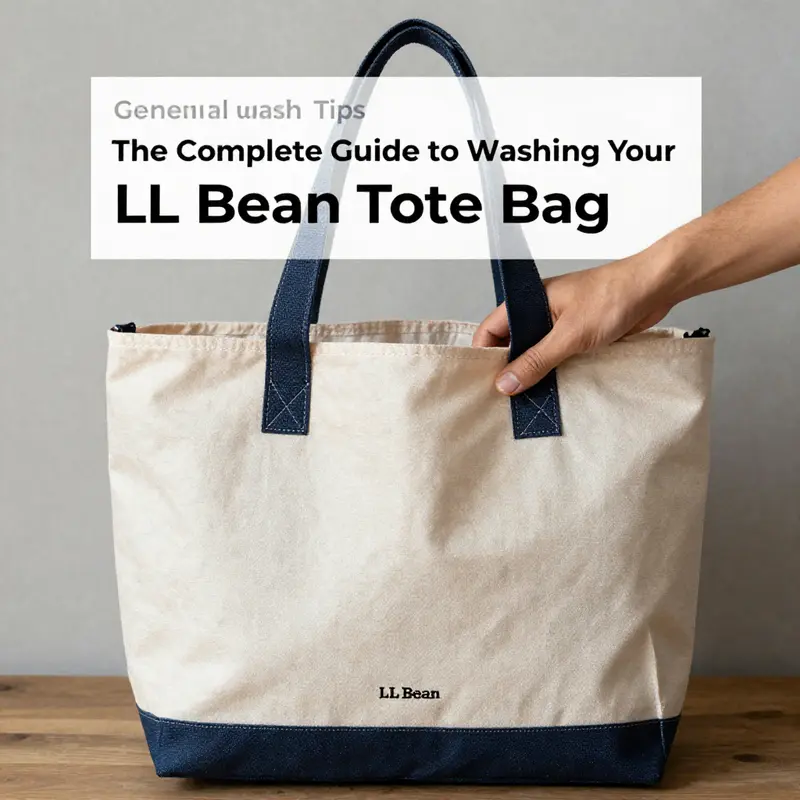
A tote bag is more than a container; it’s a daily companion. The care it needs starts with knowing the fabric and ends with patient drying and storage. When in doubt, follow the label; if missing, start with a gentle cold wash and air-dry. Cotton canvas, waxed canvas, and polyester blends respond differently, and the method should match the material rather than a one-size-fits-all ritual.
For cotton canvas, inside-out washing on cold with a mild detergent is common; air-dry flat or hung away from direct heat. Waxed canvas should be spot-cleaned and never submerged; reapply wax periodically to maintain water resistance. Polyester blends tolerate cold, gentle cycles and air-drying; avoid high heat that can distort fibers or fade prints.
Before washing, empty the bag, shake out debris, and inspect seams. Test a cleaner on an inconspicuous area first. After washing, ensure complete dry time before reusing to prevent odor or mold.
With consistent care, your tote will hold its shape, color, and stitching for years.
Final thoughts
Regular washing and proper care of your LL Bean tote bag are crucial, especially for business owners who depend on these bags for daily tasks. By understanding material types and avoiding common cleaning mistakes, you can maintain the bag’s durability and appearance. Incorporating the provided maintenance tips will enhance the overall longevity and usability of your tote bags, ensuring they remain a reliable companion in your business endeavors.