
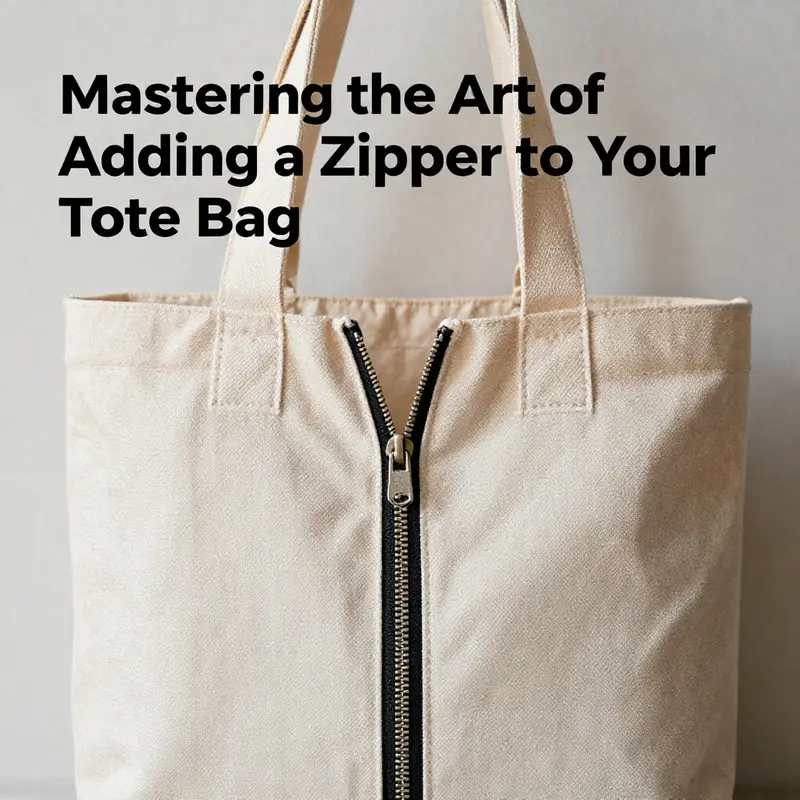
In the competitive landscape of bag manufacturing, enhancing functionality with an effective zipper installation can set your tote bags apart. This guide provides a detailed approach for business owners, enabling them to not only craft durable and stylish bags but also improve customer satisfaction. By following the structured chapters, you will gain insights into the necessary materials, expert techniques for attaching zippers, and final assembly tips to ensure quality. Whether you’re aiming for elegant designs or practical solutions, the knowledge detailed here will empower you to deliver exceptional tote bags.
Zipping Up Right: Mastering Materials and Preparation for a Durable Tote Bag Zipper

Choosing the zipper and laying a solid foundation are more than just first steps; they set the tone for how well the bag will hold its shape, carry weight, and wear over time. When you approach the project with careful preparation, the rest of the sewing process can unfold like a well-rehearsed routine rather than a rushed improvisation. In this chapter, we move beyond the simple act of selecting fabric and thread and dive into the thoughtful decisions that ensure your tote bag opens and closes smoothly, stays structured, and remains a pleasure to use day after day. It’s a discussion about materials and preparation that anchors the entire build in durability and finish, two qualities that often distinguish a hand-made tote from a throwaway carryall.
At the heart of any tote is the zipper, and the zipper’s own character—its length, its teeth, and how it interacts with the fabric—will influence every seam that follows. Start with the basics: two pieces of exterior fabric for the bag’s body and two pieces of lining for the interior. The zipper you choose should match the width of the bag’s opening and be sturdy enough to withstand daily use. For a tote that will regularly carry heavier items, a metal or heavy-duty nylon zipper is a practical choice. These types resist wear, resist snagging, and hold their teeth together more securely under stress. In this context, keeping the zipper length slightly shorter than the bag’s top width is often prudent, with 14 to 20 centimeters being a common range for standard tote sizes. The precise figure depends on the overall design and how much opening you want; the important principle is to ensure the zipper sits comfortably within the top edge and allows the bag to open wide enough for easy access without leaving excess slack that could deform the opening over time.
With the zipper defined, gather the tools that will translate intent into a clean, durable finish. A sewing machine with a dedicated zipper foot is essential because it lets the needle glide alongside the teeth without catching them. A pair of sharp scissors, sturdy pins or clips, and a ruler or measuring tape are your allies for accurate cuts and precise alignment. An iron and ironing board are not merely luxuries here; they are critical for setting seams, flattening edges, and ensuring that the zipper lies flat against the fabric as you stitch. A seam ripper is a quiet hero in the background, ready to rescue you if a line of stitching veers off course. Fusible interfacing is another material to consider, especially for a bag that will bear weight and frequent use. Applied to the wrong side of the exterior fabric, interfacing adds structure, helping the bag keep its shape when empty and when loaded. The result is a tote that feels substantial in hand, not floppy or sagging at the top where the zipper sits.
Preparing fabrics for a zipper involves more than just cutting rectangles. It begins with size and grain awareness. Measure and cut two identical exterior pieces and two identical lining pieces, adding the seam allowances you prefer. Many sewers settle on a standard 1/2 inch (about 1.25 cm) seam allowance because it provides enough room to maneuver while keeping the bag’s silhouette clean. If you’re new to interfacing, start with a light fusible to avoid over-stiffening; you can always adjust in future projects once you become more confident with how the fabric behaves. Ironing the fabric before cutting helps prevent distortion, and a quick press after cutting ensures the edges lie true to size when you begin sewing. In addition to the mechanical steps, take a moment to plan the zipper’s placement. Mark the center point along the top edge of both the exterior and lining pieces so the zipper sits evenly when the bag is finished. A simple chalk line or fabric marker is enough for this, but make sure the marks are easy to wash away or fade with the fabric’s finish.
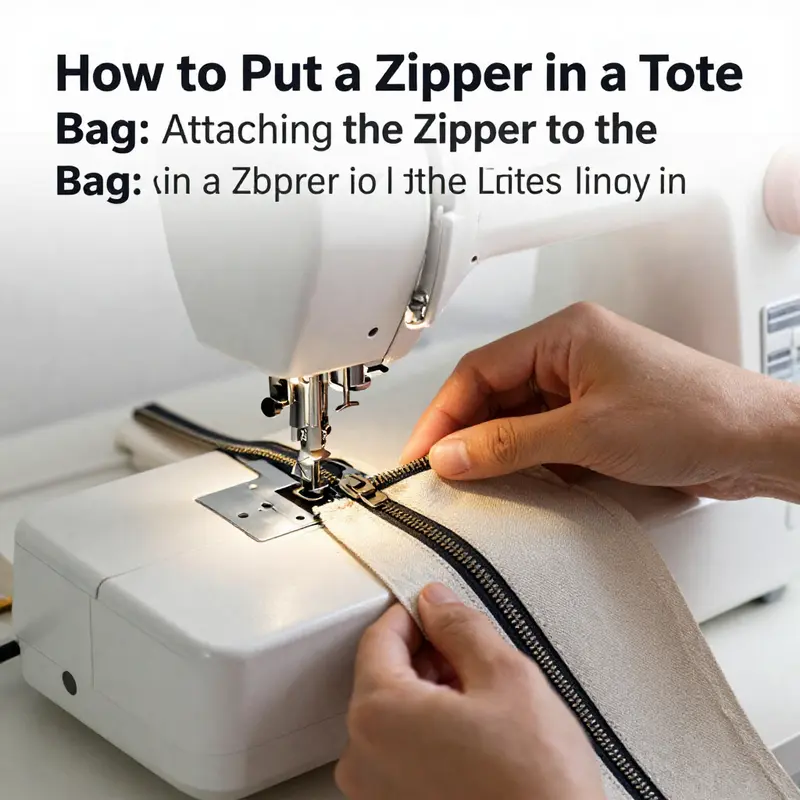
The act of marking is more than a formality; it anchors your alignment during the actual stitching. When you lay the zipper on the lining piece, the teeth should face inward toward the bag’s interior. This orientation is crucial for a clean finish and for ensuring the zipper doesn’t catch the bag’s outer fabric during operation. Secure the zipper to the lining with pins or clips, then use the zipper foot to stitch along the edge of the zipper tape. Repeat on the opposite side of the lining, keeping the zipper centered and the fabric edges aligned. The result of this step is a zipper attached to the lining, serving as the internal anchor that will later become part of the bag’s opening while remaining discreet from the outside.
Next comes the phase where the exterior fabric joins the zipper. The process is similar to the lining, but with an additional layer—the exterior itself. Place the exterior piece right side up, align the zipper (still attached to the lining) with the top edge, and then lay the second exterior piece on top, right sides together. This creates a sandwich with the zipper occupying the center and the fabric surrounding it. Using the zipper foot again, stitch through all layers along the zipper tape. A key detail here is to leave a small turning gap—about 1 to 2 centimeters—at the end of the zipper. This gap will later serve as the doorway through which you turn the bag right side out. The purpose of this space is straightforward: without it, you would trap the bag inside itself, complicating the finishing process and potentially weakening the seam when you attempt to turn the items right side out.
As the stitches take form, picture the bag’s future life: loaded with books, groceries, or a laptop sleeve tucked inside. Those days of light crafting are tempered by the practical needs of daily use. The zipper, now secured to both lining and exterior, must lie flat and true. A neat way to ensure this is to trim excess seam allowances and square the corners where they meet the zipper. Clean edges reduce bulk and help the bag keep a crisp profile when it is turned right side out later. When the time comes to transform the project, the gap you left provides a controlled path for turning. A point turner or a dull pencil can coax the corners into neat points, and a gentle press helps the seam settle evenly along the entire edge.
Pressing continues to be a central theme, not a cosmetic flourish. Ironing the edges flat before final assembly ensures the lines stay crisp when the bag is in use. This isn’t just about aesthetics; pressed edges resist distortion and help the zipper sit in its channel with minimal friction. After pressing, topstitch around the opening to secure the layers and reinforce the zipper area. A straight stitch along both outer and inner edges locks the pieces in place and reduces the likelihood of shifting when the bag is opened and closed. Optional decorative topstitching can elevate the craft, especially if you select a contrasting thread. This is one of those finish details that can transform a sturdy bag into a polished accessory without compromising durability.
With the zipper secured and the edges finished, the next mental step is how to attach the completed zippered panel to the tote body. The panel, now a self-contained unit with the zipper in place, forms one side of the bag when you sew it to the main body. Pin or clip the panel to one side of the bag and stitch with a straight line that secures the panel through all layers. Repeat on the opposite side, and you begin to see the bag’s silhouette take shape. The symmetry matters here; an imbalanced zipper can create a skewed top edge that makes the bag uncomfortable to carry and strain the stitches over time. The moment of joining the zippered panel to the body is when the materials’ preparation truly pays off, because even minor misalignment at this stage can ripple into problems at the zipper’s opening.
Beyond mechanics, the preparation mindset invites you to consider the bag’s future use and maintenance. A zipper that functions smoothly after months of storage and daily use is the mark of good preparation. Testing the zipper after assembly is not a mere courtesy; it’s a validation of all the work that preceded it. Open and close the zipper several times, listening for catch, snag, or stiff spots. If the zipper teeth resist or skip, recheck the alignment of the zipper tape with the fabric; sometimes the problem is a hairline misalignment that can be corrected with a quick re-sew in a small, controlled area. A well-aligned zipper will glide with ease, giving you confidence that the bag can endure regular use without requiring prompt repairs.
There is also space in this chapter for subtle, practical enhancements that improve longevity. If you anticipate heavy loads, consider reinforcing the zipper area with a line of extra stitching along the tape’s edges, or incorporate a narrow seam allowance that creates a stable pocket for the zipper. You might also attach a short decorative or functional zipper pull that makes it easier to locate and operate the zipper when the bag is crowded with items. These choices, while small, contribute to a bag that feels thoughtfully engineered rather than hastily assembled. If you want to keep the look clean and minimal, you can skip excessive embellishment, focusing instead on the precision of your seams and the evenness of your topstitching. The goal is a bag that looks and feels intentionally designed, not a casual afterthought.
For readers who enjoy a broader context, this approach aligns with broader tote design ideas found in well-curated guides on zipper installation in fabric projects. If you’re curious about how other makers handle similar challenges, you can explore more examples at the resource dedicated to tote bags with zippers. This broader reference is helpful for understanding variations in zipper placement, fabric interaction, and finishing techniques across different tote styles. It’s a reminder that while a single project can teach a lot, observing multiple approaches can deepen your understanding and fine-tune your own practice. See the related guide for more ideas on how different designers balance functionality and aesthetics when zipping a tote open and closed.
As you move from preparation into the final assembly, keep in mind the philosophy behind this chapter: materials chosen with intention, precise measurements, and careful handling produce a bag that not only works well but feels sturdy in your hands. The zipper is more than a hardware feature; it’s a lifeline for daily use, a connector between the bag’s interior and exterior, and a design element that can either disappear into the lines or stand out as a deliberate accent. The preparation phase is where you cultivate control over all of these factors, ensuring that the subsequent steps—assembling the bag body, finishing edges, and attaching straps—follow a steady, deliberate path rather than a leap into trial and error.
If you’d like a quick refresher on related ideas, you can peek at a broader selection of tote designs that incorporate zippers in varied configurations. For example, some makers choose to insert a zippered panel as a zippered top closure across the entire width, while others implement two separate zipper tracks for a fully divided interior. Each choice shifts how you plan the measurements, the placement marks, and the exact seam lines. The core principle remains the same: measure meticulously, align carefully, and secure every layer with purpose. When you honor these steps, you set yourself up for a durable, functional tote that you’ll enjoy using and, perhaps, gifting to someone who appreciates a well-made, thoughtfully finished object.
For a visual walkthrough that complements this written guidance, consider watching a comprehensive tutorial that walks through the same stages with live demonstrations. It’s a helpful companion to the written steps and can be especially useful if you’re new to zipper installation. tote bags with zippers provides a useful reference point as you practice, observe the layering, and refine your own technique. And for those who want a broader sense of how this technique fits into a complete bag-making project, the accompanying tutorial landscape includes practical demonstrations that align with the concepts described here.
External reference: If you’d like a visual walkthrough that expands on this preparation and shows the step-by-step motions in real time, you can view a detailed video guide at https://www.youtube.com/watch?v=6jZd7k4Qm8Y. The video offers a practical, real-world demonstration of attaching a zipper to a tote bag and can make the timing and hand positions clearer as you replicate the process on your own fabric. Ultimately, your tote’s success rests on the patience you invest in the prep stage plus the care you bring to every seam, cut, and press. When you combine thoughtful material choices with precise execution, your zipper becomes a reliable hinge that keeps your tote functioning beautifully for years to come.
null
null
The Last Seam: Completing the Zipper Installation for a Polished Tote
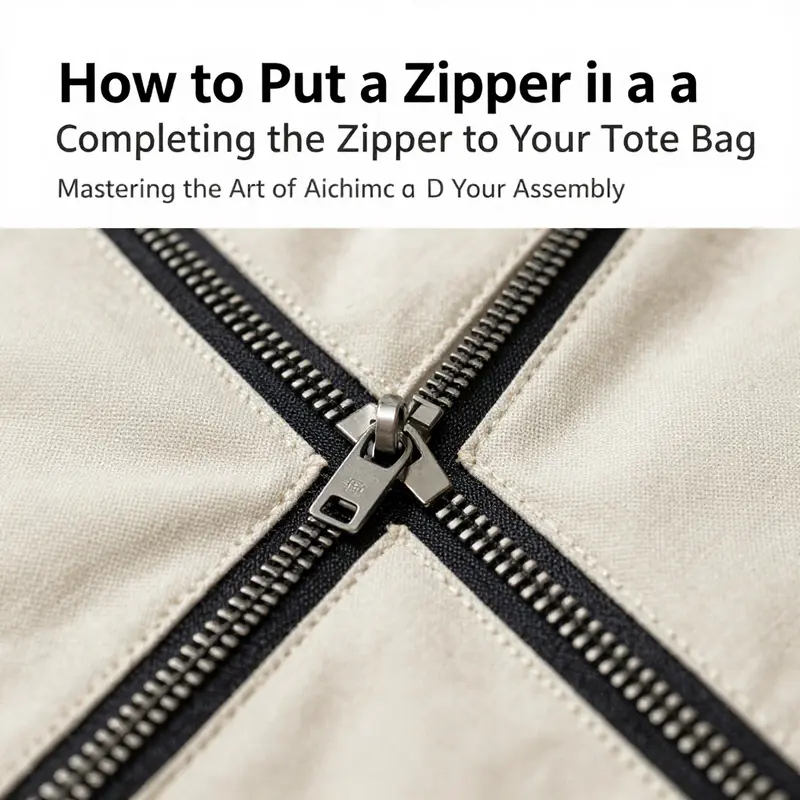
The moment you reach the last seam on a tote bag is the moment the project stops feeling like a stitched rectangle and starts feeling like a confident everyday companion. Completing the zipper installation is more than a knot of thread and a straight line of stitches; it is the coaxing of structure, durability, and finish into one coherent piece. When done with care, the zipper sits flat, moves smoothly, and frames the bag’s opening with a clean, professional line. The steps that follow ground the entire build in practical craft: you align, secure, sew, test, and finally refine. This is where technique meets intention, and where the bag’s potential translates into reliable use for daily trips, quick errands, or thoughtful gifts. Throughout this process you’ll notice how precise placement, careful stitching, and deliberate finishing make the difference between a bag that merely holds items and a tote that earns daily trust from its owner.
Positioning the zipper correctly sets the stage for everything that follows. Start by placing the zipper face down on the inside of the tote’s opening, aligning the top edge of the zipper tape with the top edge of the bag fabric. The zipper should be centered horizontally across the opening so that when you turn the bag right side out, the zipper pull sits neatly at the center of the top edge. This inward-facing setup keeps the zipper teeth accessible to the seam allowances and prevents bulk from catching on the outer fabric as you work. The alignment you establish here will echo through the rest of the process, guiding your subsequent stitching when you attach the lining and the outer fabric. A clean start reduces the risk of shifting as you proceed, so take a moment to check that the zipper lies flat and that its tape is evenly positioned along the edge. The goal is a seam line that looks and feels calm to the touch, with no puckers or misaligned teeth that might snag later on.
Pinning the zipper in place is the quiet, disciplined pause that ensures the sewing goes smoothly. Use straight pins to secure the zipper tape to the bag fabric at the ends and along the center. The pins should pass through the zipper tape and into the bag fabric without bending the teeth or distorting the tape. Space pins so that they hold the zipper steady but don’t create gaps that will allow the zipper to shift during stitching. It helps to check the alignment from both sides, gently lifting the fabric to confirm that the zipper is still centered and that the top edges remain aligned. If you notice even a tiny misalignment, adjust before you stitch. Once the zipper is pinned, you’ll feel the fabric behave as a single piece rather than as two separate layers about to slip apart. This is the moment when confidence in your setup begins to replace the hesitation that often accompanies a fresh zipper installation. As you plan further steps, you might consult a guide on tote bag designs with zippers to compare finishes and edge treatments. For a broader view of how different bags handle zippers, see a nearby resource focused on options for tote bags with zippers.
Sewing the zipper is the heart of the installation, and the method you choose—whether by machine or by hand—depends on your setup and comfort level. Run a stitch along each side of the zipper tape, staying close to the edge so the line remains discreet and the zipper teeth stay neatly in place. A zipper foot is essential here because it narrows the sewing path and prevents your needle from hitting the teeth. If you’re using a machine, set up a straight stitch or a small zigzag to catch the fabric and tape securely; if you’re hand-sewing, use a strong backstitch that starts and ends with a secure lock at each end. The stitches should be tight and consistent, with no loose threads that could allow the zipper to pull away from the fabric over time. At the beginning and end of each seam, take a few extra reverse stitches to lock the thread, especially where the zipper meets the fabric’s edge. This reinforces the attachment and reduces wobble when the zipper is operated. Remember to keep the zipper teeth inside the fabric, not riding on the edge of the seam. The result should be two parallel, nearly invisible lines of stitching that hold the zipper tape firmly against the lining and outer fabric alike. If you’re aiming for a more durable finish, you can choose to topstitch along the outer side of the seam after the zipper is secured. A contrasting thread can add a subtle design detail, or a matching thread can maintain a quiet, refined look. Either way, the stitching should feel uniform and intentional, with no skipped stitches or caught threads that could snag the zipper as you open and close the bag.
Securing the ends of the zipper and the surrounding fabric is the next essential step that prevents the zipper from loosening or detaching over time. At the top and bottom of the zipper, sew through the fabric and the end stop of the zipper tape to anchor the attachment. This reinforcement acts as a little dam against wear, ensuring that repeated use doesn’t pull the zipper away from the bag body. It helps to place a finger along the tape to feel the bite of the end stop as you sew, confirming that your stitches bite into both layers without turning the zipper away from its intended path. A few extra stitches here will pay off in longevity, especially if the bag will bear weight or be hauled frequently. When you finish this stage, you’ll notice the zipper feels secure, with the teeth aligned and the surrounding fabric snug against the tape. There’s a tactile difference between a hurried finish and a deliberate, reinforced one; take the time to do the latter, because it shows in how long the bag endures daily use.
Testing the installation is a step that often reveals small refinements you might otherwise miss. After sewing, carefully move the zipper slider up and down to feel for smooth operation. If you feel any catching, binding, or resistance, reassess the alignment and stitching on that section. Sometimes a slight shift in the tape or a few loose stitches can be corrected by re-stitching a short segment and trimming any excess thread. Pay attention to the transition where the zipper meets the fabric edges; the line should glide without pulling; if the fabric drapes or stretches oddly, consider adjusting the seam allowance or ensuring the lining sits flat beneath the outer fabric. This test is not merely functional; it’s a diagnostic that confirms the bag will perform as intended when real-world use begins. While you’re at it, check both sides of the zipper to ensure symmetry and that the teeth face inward toward the bag interior, preserving a clean external silhouette when the bag is closed.
Finishing the edges is optional but highly recommended for a clean, durable look. If finishing tools are available, you can Sergers or a zigzag stitch along the raw edges of the fabric around the zipper to prevent fraying. This step protects the fabric over time and helps the bag keep its shape as it is used, stored, and transported. A folded bias tape or a narrow strip of lining fabric can also serve as a neat finish, concealing raw edges and providing an extra layer of reinforcement. If you prefer a minimalist approach, a tight, tight zigzag on a standard machine can still yield a tidy edge that wears well. Whichever method you choose, the goal is the same: a smooth edge that doesn’t abrade the zipper tape and a finish that reads as thoughtfully crafted rather than improvised.
With the zipper fully installed and the edges finished, the next phase concerns how the zippered panel integrates with the tote bag body. If you followed a two-panel construction, you’ll now attach the completed zippered panel to the main body of the tote. Pin or clip the panel to one side of the bag and sew it in place with a straight stitch, ensuring that the zipper remains aligned and the fabric layers lie flat. Repeat on the opposite side, mirroring the seam to create a balanced opening. The act of attaching the zippered panel to the bag body completes the structural work, and you’ll be able to test the opening with the bag laid flat, noting how the opening behaves when the bag is loaded and carried. The alignment you established earlier will pay off here, as the zipper should present a consistent, uninterrupted line from one edge to the other. This step also offers a moment to consider the bag’s overall silhouette; if you notice any puckering at the seam, ease the fabric gently by hand before resewing or adjusting seam allowances. A well-executed seam reads as a single, continuous line of care, and that impression matters when the bag is seen in everyday settings, not just in a workspace or a craft room. If you ever want to explore design variations, you can consult a broader collection of tote designs with zippers to observe how different bag bodies treat the final zipper area. Such exploration can deepen your understanding of how the opening behaves across sizes and shapes, reinforcing the sense that the zipper is not a mere hardware detail but a functional portal to the bag’s interior.
Finally, the finishing flourish that brings everything together is the practical, tactile moment of using the bag as intended. Insert the zipper pull and run the slider a few times to confirm that the action feels even and deliberate. If you wish, you can add a small charm or tassel to the zipper pull for easy grabbing and a touch of personality. A detachable shoulder strap or a subtle luggage-style attachment can elevate versatility, especially for travel or work commutes, but those additions are optional and should align with your bag’s size and weight capacity. Throughout this process, keep the entire installation in perspective: you want a zipper that offers quick access, a panel that lies flat, and a finish that both looks and feels sturdy. The little details—the way the thread catches the light, the distance from the top edge to the edge of the lining, the way the final topstitch sits—are the cues that separate a thoughtfully handmade tote from one that shows its seams only when examined up close.
As you consider next steps and additional refinements, you may find it helpful to look at one practical resource that compiles various approaches to zippers in tote bags. For more context on finishes and design options, explore this related guide on tote bags with zippers. It offers insights into how different bag bodies handle zipper installations, which can inform future projects and help you tailor your technique to your preferred style. And if you’d like a broad range of learning visuals and step-by-step demonstrations, you can consult a comprehensive external resource that illustrates the process with clear images and pointers.
External reference and further reading: Sweet Pea’s guide.
In practice, you’ll find that completing the zipper installation transforms a sturdy tote into one that feels purposeful and ready for daily use. The zipper acts not only as a closure but as a framework that supports the bag’s structure and ensures secure, reliable access to the interior. You’ll notice the difference in the bag’s handle-to-body relationship, the way the fabric drapes around the opening, and how confidently the zipper sits when you reach for your keys, a notebook, or a water bottle. With patience, attention to alignment, and careful stitching, the final phase of zipper installation becomes not a chore but a moment of craft that elevates the entire project. This is the essence of turning a simple cut of fabric into a dependable carryall that lasts season after season, accompanying the wearer through the rhythms of daily life.
null
null
Final thoughts
Successfully installing a zipper in a tote bag is not just about functionality; it’s an investment in quality craftsmanship that can appeal to your customer base. By following the thorough steps outlined for materials prep, zipper attachment, and bag assembly, you can elevate your products and stand out in a crowded market. Whether aiming for practicality or style, this guide equips you with the necessary skills to enhance your bag designs. Remember, every stitch and detail counts in creating stunning, market-ready tote bags that resonate with your audience.