
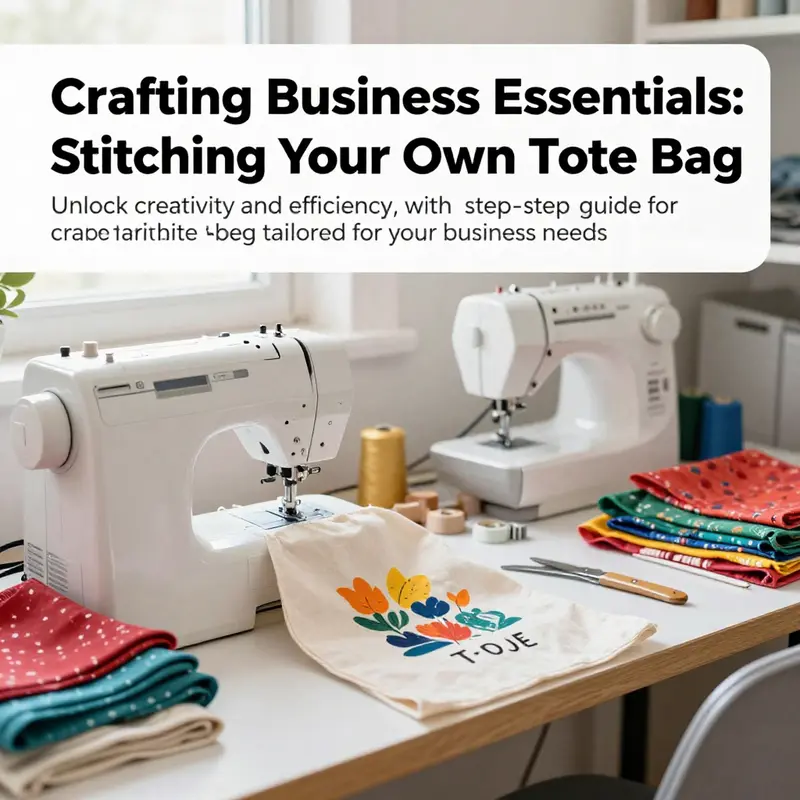
Stitching a tote bag presents a unique opportunity for business owners to merge creativity with practicality. As these functional bags become increasingly popular, understanding how to create your own can set your brand apart. This comprehensive guide details the essential materials needed, how to design a unique pattern, step-by-step instructions for stitching, along with tips and tricks to ensure success. Finally, we will explore the myriad benefits of crafting your own tote bags, emphasizing brand identity and customer engagement. Each section aims to equip you with skills and knowledge necessary to produce high-quality tote bags that could serve as a marketing tool or a practical offering to your clientele.
Foundations First: Choosing Materials That Shape a Durable, Stylish Tote
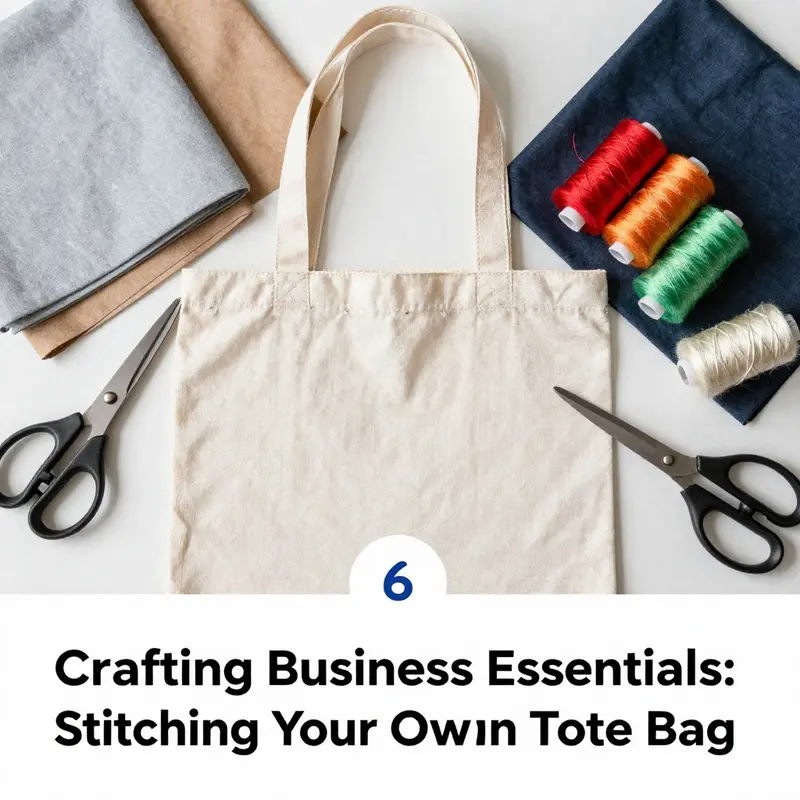
Choosing the right materials is not just a preliminary step in a tote-bag project; it is the foundational act that determines how the bag will behave under daily use, how it ages, and how quickly the project rewards your patience with a sense of accomplishment. When you stitch a tote, you are balancing form and function, texture and weight, durability and appearance. The choices you make about outer fabric, lining, reinforcement, and handles quietly steer the whole build. If you get this phase right, the rest of the process becomes easier and more enjoyable, because your bag will hold its shape, carry the weight you intend, and wear gracefully over months of errands, commutes, and spontaneous adventures. The outer material sets the first impression and the structure; the lining protects the interior and hides the seams; the reinforcement keeps wrinkles from turning into rips; and the handles, stitched with care, bear the daily burden with confidence. In short, materials are the backbone of a tote that feels right in your hands and in your routine.
Begin with the outer layer, the fabric that will carry the bag’s personality as much as its payload. Durable, easy-to-work-with options such as cotton canvas, denim, or heavy-duty polyester offer different personalities and levels of structure. Cotton canvas is a reliable starting point for beginners because it holds its shape well and behaves predictably under a sewing machine. It also accepts folds crisply and wears nicely over time. Denim, on the other hand, brings a rugged charm and impressive resistance to abrasion, making it an excellent choice for a tote that’s meant to shoulder books, groceries, or gym gear day after day. Waterproof or water-resistant polyester offers weather protection and a sleek, modern look, ideal when your tote needs to resist rain or unexpected splashes. Each option has its own maintenance considerations: canvas and denim shed wrinkles more gracefully with a quick iron, while coated or laminated fabrics demand a gentler approach to pressing to preserve coatings. For those who love a touch of sustainability, repurposed materials—like flour sacks or upcycled textile remnants—introduce character and a story, reminding us that a bag can be both practical and planet-friendly. In practice, selecting outer fabric is a balancing act between weight, texture, care, and how you want the bag to feel against your side or shoulder.
The lining is the unseen hero. It should be soft enough to glide against clothing and sturdy enough to hide the seams from the exterior. Common lining fabrics include plain cotton, cotton-linen blends, or lightweight rayon blends, all of which offer a smooth surface and a forgiving drape. A lighter lining helps with visibility of the interior and reduces bulk, while a heavier lining adds a whisper of luxury and extra body to the bag. When you pair outer fabric with a lining, aim for a harmony of weight and feel. A delicate outer fabric can benefit from a sturdier lining to give the bag structure, whereas a robust outer may do well with a lighter lining to keep the interior from becoming too bulky. The color and pattern of the lining can also be a quiet form of self-expression, especially if you choose a contrasting hue or a subtle print that peeks out when the bag is opened.
Reinforcement, though optional in some designs, is the practical ally that preserves the tote’s shape through daily use. Fusible interfacing or lightweight woven stabilizers add stabilization to the outer fabric, helping the bag stand up when it’s empty and feel substantial when it’s loaded. The choice of interfacing depends on the fabric’s weight and the look you want. A sturdy canvas paired with a light interfacing can yield a bag with crisp edges and reliable body. A lighter fabric might require a slightly heavier interfacing to prevent sagging at the seams. The interfacing isn’t a visible feature, but its impact is noticeable in the bag’s stance and longevity. If you anticipate heavy loads or a tote that will expand with contents, consider a more robust reinforcement and perhaps extra topstitching along the opening for added durability. The goal is a bag that holds its lines even after repeated stuffing and unloading, a testament to sound material choices and careful stitching.
Handles are the bridge between the bag and your daily routine. The width, length, and attachment method of the handles influence comfort, shoulder fatigue, and the bag’s overall aesthetic. Practical handles are often made from the same fabric as the outer shell, but they can be upgraded with pre-made webbing straps, leather, or even repurposed belts for extra strength and a distinctive look. When you decide on handles, think about how you’ll carry the bag. If you tend to tote heavier loads or wear the bag on your shoulder for long periods, wider straps distribute weight more evenly and reduce digging. Length matters too: longer straps suit shoulder carrying, while shorter ones invite hand carry or an arm’s reach. The attachment points matter just as much as the material. Secure, reinforced stitching through both the outer layer and the lining with multiple passes reduces the risk of tugging and seam failure, especially where the straps meet the body. Some makers even add a metal ring or grommet to the ends for adjustability or to anchor hardware, but those additions should be chosen to complement the fabric weight and the bag’s style, not overwhelm it.
Zippers, pockets, and other closures are the finishing touches that elevate convenience and security. A short zipper or a magnetic snap can be tucked into the top edge to keep contents contained on crowded buses or windy days. If you decide to include a zipper, you’ll need a lining that accommodates it and a bit more seam allowance to ensure a clean finish. Pockets—interior or exterior—offer a practical way to organize keys, phones, and other essentials. The interior pocket can be as simple as a patch pocket sewn to the lining, or a more structured sleeve designed to cradle a tablet or notebook. When choosing these features, consider how they integrate with your material choices. A high-contrast lining may reveal the pocket construction, while a darker interior can conceal imperfections and lend a polished appearance.
Preparation and care are not afterthoughts but an extension of your material choices. Pre-washing outer fabrics reduces the risk of post-construction shrinkage or color bleed, a concern if you’re using natural fibers like cotton canvas or linen blends. Testing stitches on a scrap of the same fabric is a sound habit, especially if you’re working with heavier materials or unfamiliar threading. The thread you select should be strong and match the fabric color, ensuring the stitches remain discreet yet durable. The sewing machine you use benefits from a needle appropriate to the fabric’s weight; a walking foot can help when you’re navigating multiple layers or thick battings. The cloth’s texture matters, too. A textured weave can affect seam alignment, making pattern matching across seams a little more challenging but ultimately more rewarding, because the final bag feels thoughtful and balanced.
This is the moment where the talk of materials translates into tangible decisions. The chapter’s guidance nudges you toward choosing an outer fabric with a bit of bite, a lining that feels like a quiet embrace, a reinforcement that gives the bag its stance, and handles that feel reliable in your grasp. If you want to explore how those choices play out in a real-world, stylish tote, consider looking at sources that illustrate how fabric selection informs design. For instance, you can read about canvas-inspired designs and the practicalities of fabric pairings in the broader tote-bag landscape, which helps connect craft decisions to everyday wear. And if you’re curious about a broader context of bag types and materials, a general reference on tote-bag history and variety can offer a helpful backdrop as you tailor your project to your own taste and needs. For a concise, visual crowd-sourced perspective on canvas-oriented totes, you might explore examples focused on this fabric’s versatility and enduring appeal, such as those found in dedicated tote collections that pair durability with everyday style.
In practice, your material choices—outer fabric, lining, reinforcement, and handles—resonate through every seam and stitch. They influence not only how the finished tote looks but how it feels when you carry it and how long it will last under the rigors of daily life. As you prepare to cut and sew, hold each option up to your project’s goals: Is this bag meant to be a sturdy grocery companion, a graceful laptop carrier, or a casual everyday tote that travels through coffee shops and bookstores? The answer guides your material palette, turning a simple sewing project into a bag that carries more than items; it carries intention. If you’re curious to see how a given fabric behaves in a real tote build, you can examine endless iterations of the pattern and material pairings in online galleries and shops, always bearing in mind that the best tote begins with thoughtful material selection. For further reading on complementary designs and fabric pairings, check a resource that showcases canvas-centric totes and their accompanying styles: canvas tote bags.
External resource for a broader view on tote-bag material history and types: https://en.wikipedia.org/wiki/Tote_bag
null
null
Stitch by Stitch: Crafting a Timeless Tote Bag from Fabric to Finish
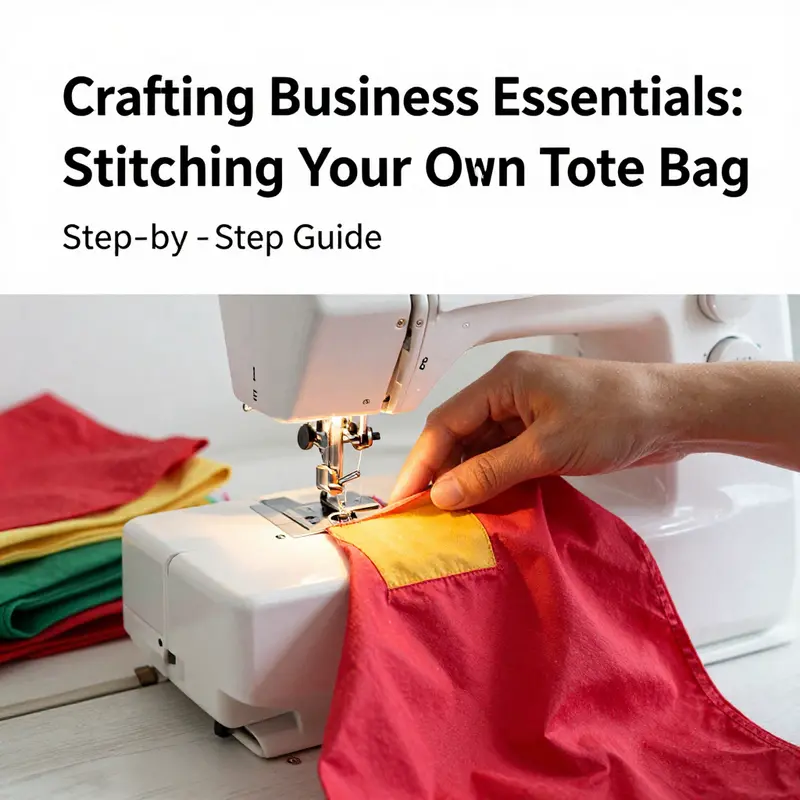
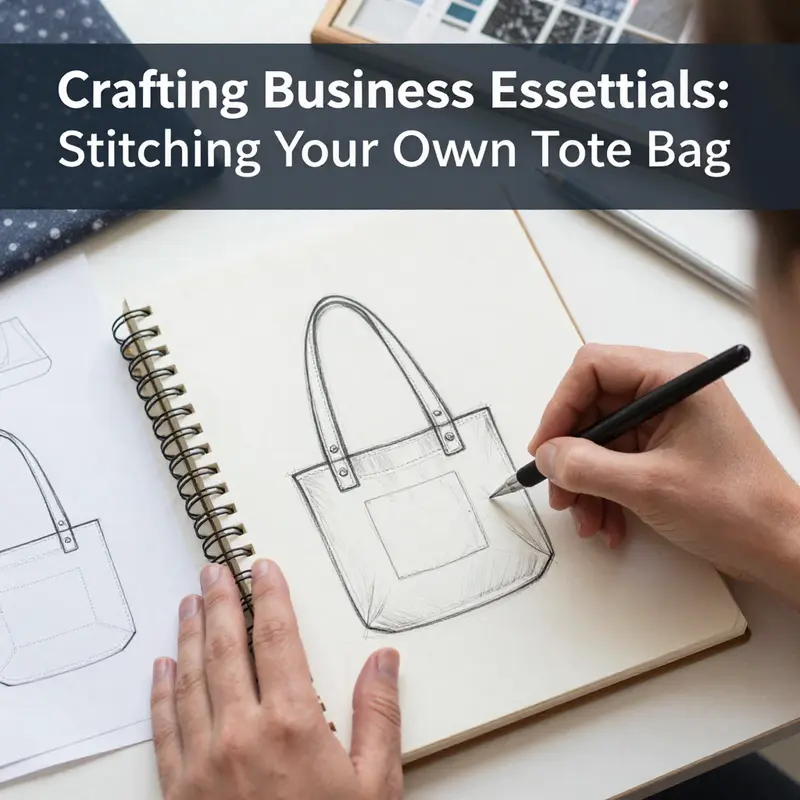
A tote bag is more than a simple carryall; it is a small sculpture you wear on your shoulder, a practical canvas for creativity, and a durable everyday companion you design yourself. The journey from fabric to finished bag unfolds in a sequence that rewards patience as much as precision. Start with the sense that this project can be adaptable, scalable, and deeply personal. The choice of materials sets the tone. Durable cotton canvas or heavy linen invite a sturdy silhouette, while a repurposed textile such as a flour sack can lend a rustic charm and a nod to sustainability. The outer fabric deserves balance with the lining, a pairing that hides the inner workings while framing the bag on the outside. For structure you may add interfacing on the outer panels, a light fusible that stiffens the surface without shoving the bag into stiffness. As you plan, imagine the way the bag will live in daily life—from grocery runs to library stops to the quick dash to a cafe. This vision guides every cut, stitch, and finish. The dimensions you settle on translate into feel and function; a mid sized tote commonly measures around forty centimeters wide and thirty five centimeters tall, with handles long enough to wear on the shoulder. Patterns simplify this intuition into a reliable pattern you can trace or print. A classic tote consists of two front and back body panels, a bottom panel if you choose to include one, two handles, and a lining that mirrors the outer shape. When patterns align across seams, the bag exudes continuity and polish. You can sketch a simple template or use a ready made one to ensure that the edges meet neatly and the proportions look balanced. There is a quiet discipline in pattern planning that pays off in the long run, especially if you are reusing fabrics with texture or direction. If you are working with a textured textile such as a half width band, pattern alignment across seams helps maintain the visual rhythm as the bag is stitched together. With a plan in mind, gather materials and lay them out as a still life that invites careful cutting rather than rushed slicing. The tools you reach for are familiar yet essential: a sewing machine or a sturdy needle for hand sewing, sharp scissors, pins or clips, a measuring tape, fabric marker, and an iron to press as you go. A walking foot becomes a quiet ally when the layers grow thick, helping the needle glide and preventing shifting that would otherwise leave wobbly seams. If you prefer a cleaner, crisper edge, fusible interfacing applied to the wrong sides of the outer pieces adds stiffness without bulk. The moment you finish the planning and pre washing, you move into the step by step that transforms fabric into a durable everyday object. The outer bag and the lining are built as separate entities first, a decision that makes the later assembly simpler and tidier. To start, place the two outer fabric pieces right sides together, stitching along the sides and bottom with a modest seam allowance. Leave the top edge open so the bag can reverse itself later, revealing a clean interior seam when the lining is added. The same process is repeated for the lining, which becomes the bag’s inner skin and a place for internal pockets or details you may wish to add. Turning the pieces right side out requires patience and a blunt tool to coax the corners into shape. Once the outer shell and the lining have their form, you insert the lining inside the outer bag, right sides together, and align the top edges with care. Pinning the circumference ensures the seam line sits evenly as you stitch around the top, creating a unified container that matches at the edge. The top edge deserves extra attention. A neat finish happens when the interior and exterior meet in a single, clean row. Some makers fold the raw edge inward before stitching to create a smooth hem, a step that adds professional polish and helps the bag hold its shape over time. When the top edge is secured, you prepare the handles. Cut two long strips of fabric that feel comfortable in your hand and in proportion to the bag. Fold each strip lengthwise, wrong sides together, and stitch along the long edge to seal the tube. Turn the handles right side out and press them flat for a crisp line. Topstitch along both edges to reinforce the handles, then place them at the top corners of the bag. The most sturdy attachment is a stitch that goes through both the outer layer and the lining; you want the handles to resist daily wear without giving way at key stress points. Some makers add hardware such as a D ring or a toggle for adjustable length; this is a small flourish that can be folded into the design if you enjoy tinkering with hardware. If you prefer, you can wait to add pockets or a zipper in a later pass, but many hands appreciate a simple tote that balances exterior smoothness with interior practicality. As the bag begins to take shape, the finishing touches come into focus. A bottom reinforcement or a bottom panel adds solidity, especially if you intend to load heavier items. If you opt for a bottom panel, it should align with the outer fabric as well as the lining, so the structure remains even from edge to edge. Box corners or other base shaping techniques can give the tote a flat bottom, expanding its payload and enhancing its silhouette. The finishing process is where patience shines. A final press helps corners become crisp and seams lie cleanly. If you added a lining, the top edge stitching should hold everything in alignment, and any gaps in the interior seam can be closed by gentle hand stitches. The bag emerges with a sense of quiet accomplishment, a tangible artifact built by your hands. You can personalize it with a small patch, embroidery, or a stitched name tag. The same fabric choices you started with can guide this advisory flourish, offering a hint of color or texture at the interior, visible only to the wearer when the bag is opened. If you want to broaden your own library of tote ideas, a quick browse through a category such as women or canvas totes can spark further experiments. For more visual references on canvas style and everyday utility, consider exploring Womens Canvas Tote Bags, which showcases variations in fabric, size, and finish that can inspire your own next project. When the bag is finished, test its performance by loading it with a few items that mimic daily use. A successful tote should feel balanced, the handles resting comfortably when worn on the shoulder or carried by hand. The weight distribution should be even, with no uneasy pulling at the seams. A well stitched tote can become an everyday partner for years, and its durability grows with each confident pass of the needle. The beauty of this craft lies not only in the final look but in the process—the careful prepara tion, the measured cuts, the steady stitching that keeps layers aligned, and the subtle decisions that echo your personal style. After you complete the project, you may reflect on the choices you made and how they improved the result: the fabric thickness, the presence or absence of interfacing, the method of attaching handles, and the finish along the top edge. Each choice shapes the bag as a personal statement about function and taste. If you wish to explore more detailed method illustrations or step by step visuals, a reliable resource with illustrated guidance can be a helpful companion. For those who learn best from images, a linked, trusted illustrated version of tote making provides concrete photos and progressive visuals to accompany the narration here. External guidance from a comprehensive tutorial can illuminate small details, such as how to achieve perfect pocket placement or how to line up pattern edges when working with directional prints. In the end, the tote you stitched becomes a story of careful planning, patient sewing, and mindful finishing. It stands as a testament to the idea that crafting your own everyday accessories can be both practical and deeply satisfying. And when friends ask where this bag came from, you can smile and say that it started with fabric, a simple plan, and a few careful stitches. For further inspiration, a visit to a broader tote resources page can offer ideas on patterns, sizes, and finishes that complement the one you created. External resource: https://www.wikihow.com/Make-a-Tote-Bag
Stitching a Tote Bag That Lasts: Practical Techniques, Durable Seams, and Creative Finishes
A tote bag is more than a simple rectangle of fabric; it is a practical project that rewards careful planning, precise sewing, and thoughtful finishing. This chapter walks through durable construction from fabric choice to final details, with a focus on seams that endure daily use. Start with materials: choose a medium-weight fabric such as canvas, heavyweight cotton duck, denim, or a sturdy twill. Pair it with a reinforced lining and, if you want extra structure, a light interfacing that can be bonded to the outer panels and to the handles. Interfacing acts as a quiet backbone, helping the bag stand and resist wobble when it carries heavy loads. When you select fabric, consider nap, direction of print, and how weight will be distributed across the bag. Mark pattern pieces so that the grain and print align consistently across front, back, and base. Plan seam allowances before you cut; a common standard is 1/2 inch (about 1.3 cm) for most tote patterns, but you may adjust for specific fabrics or hardware. The sewing sequence matters for a clean finish: sew the main body pieces first, right sides together, then assemble the lining. If you plan a bottom panel or a boxed bottom, reinforce the corners and consider backing corners with extra interfacing or a small patch to distribute stress. A box-pleat or gusset can add capacity as well as stability, provided the folds stay crisp through use. Turning the bag right side out after joining the outer and lining requires a turning opening in the lining; keep this opening manageable but not excessive, typically 10 to 15 cm. A focused turning process—pulling the bag through the opening and gently pushing out corners—produces a neat silhouette. Pressing is essential: a hot iron with steam helps set lines and flatten seams so they read as professional rather than home-made. Finish the turning opening with a clean slip stitch or a machine stitch. When attaching handles, position them evenly at the top and pass through both outer fabric and lining for added security. Reinforce stress points with multiple stitches or a small interior patch where the handles intersect the body. For long life, calculate handle length to suit your carry style. A practical guideline is that the total length should allow the bag to hang comfortably from the shoulder or forearm without dragging. Use a robust thread and consider backstitching where layers meet the handles to anchor the load. Balance and symmetry matter: even small misalignments can become noticeable when the bag is loaded with weight. The finishing touches set the bag apart. Add an interior or exterior pocket for organization, and consider a zipper or magnetic snap for security if desired. Zippers can be integrated with thoughtful reinforcement around the opening to avoid strain. A topstitch along exterior and lining seams adds a crisp edge and helps prevent curling. If you want a cleaner edge on lighter fabrics, a French seam or a serged finish can prevent fraying while keeping the interior neat. For extra durability, reinforce handle joins with extra rows of stitching or a small interior patch and avoid placing hardware directly on bare fabric without reinforcement. Personal touches—embroidery, decorative topstitching, or a contrasting gusset thread—can elevate a practical tote into a trusted everyday companion, but keep embellishments proportional to the bag’s scale and avoid crowding the weight-bearing seams. Before cutting, pre-wash and dry the fabric to minimize post-construction shrinkage. Test stitches on scrap fabric to confirm tension, stitch length, and the behavior of decorative stitches if you plan to use them. With patience and careful technique, the tote you finish becomes more than a bag: it is a durable everyday tool that ages gracefully with use and care.
A Stitch Worth Keeping: The Lasting Benefits of Making Your Own Tote Bag

Choosing to stitch your own tote bag goes beyond the simple act of following a pattern. It becomes a practice that blends craft, practicality, and a deeper sense of responsibility. The tote bag you sew today is more than a container for groceries or a laptop; it is a tangible expression of care for materials, a statement about how you spend your resources, and a small but meaningful step toward sustainable living. The journey from fabric and thread to a finished tote is a sequence of decisions that ripple through everyday life, shaping what you carry, how you carry it, and what you value most in a product you use daily.
Sustainability sits at the heart of this practice. When you select fabrics with intention, you choose a story for your bag. Durable materials such as cotton canvas, linen, or heavier poly blends are not just about strength; they set the tone for reuse and longevity. The act of making your own bag naturally invites you to consider fibers that align with environmental goals you care about. Upcycling is a powerful option, turning old flour sacks or other sturdy textiles into new carries that preserve both material life and memory. In a world where single use plastics remain pervasive, a handmade tote becomes a quiet, practical stance against waste. It is a daily reminder that waste reduction can be part of everyday routines, not only grand gestures. This alignment with responsible consumption is reinforced by growing industry analyses that highlight consumer demand for eco conscious options in 2026 and beyond. By choosing materials you feel good about, you also invite others to consider how their everyday choices can map onto larger environmental outcomes.
Customization is the second pillar of making your own tote bag. A tote you sew yourself is not a one size fits all object; it is a canvas that can be tailored to your exact needs. You can decide the overall dimensions, the weight of the fabric, and the top finish that suits your style and daily tasks. For a busy student or professional, a bag with a roomy main compartment and discreet pockets can change how you organize your day. For a frequent traveler or shopper, you might plan a wider gusset, reinforced corners, and even a dedicated sleeve for a tablet or small laptop. This level of design control is not merely about looks; it translates into real improvements in how the bag functions. When you design with purpose, the bag becomes a tool that helps you stay organized, carry specific items securely, and reduce clutter in your routine. The joy lies in knowing that every seam and fabric choice was made to support your actual uses, not just a generic outline purchased off the rack.
Durability follows naturally from thoughtful construction.Canvas tote bags are valued for their strength and wear resistance, especially when reinforced with careful stitching and, if desired, a shaped bottom. The bottom panel, or the technique of box corners, adds structure so the bag sits upright and can carry heavier loads without sagging. This durability matters every time you reach for the bag in a hectic morning rush or load groceries after a long day. Maintenance becomes simpler when you invest in sturdy materials and robust seams. A well-made tote that can be wiped clean or brushed off handles wear and tear gracefully, maintaining its appearance and integrity over years of use. Handmade exclusivity matters too; even when using the same pattern, the subtle differences in stitching tension, seam finishes, and fabric texture give each bag a unique character. The process of reinforcing the most stressed areas—where handles attach or where corners endure sharp contact—turns practical craft into a reliable everyday companion. The result is a bag that not only carries items but also carries a sense of effort, care, and personal pride.
Functionality grows from thoughtful feature choices. Making your own tote lets you embed elements that people often seek in professional or family life. You can add reinforced corners to keep the bag from blooming at the seams when loaded with heavy groceries. You can incorporate pockets that hold keys, phones, or pens without turning the main space into a tangle. If your daily routine includes electronics, a padded pocket or sleeve can shield a tablet or a compact laptop, while keeping it easily accessible. Decorative trims and strong top finishes can maintain a neat appearance even after repeated washing or abrasion. The beauty of this approach is that you tailor the bag precisely to your workflow. If the bag is meant for work, you can weave in a subtle interior divider and a small zipper pouch. If it is for gym use or weekend errands, you might keep the interior open and place a detachable laundry bag inside. The choice lies in how you anticipate your needs and how the bag can adapt without becoming a compromise on style or purpose.
A practical benefit that often surprises new makers is the potential for branding and personal storytelling. For individuals who want to express a message or reflect a personal or business identity, a handmade tote offers an ideal platform. You can select fabrics that echo a brand palette or a personal theme, sew in patches or embroidery, and use hardware that completes the look. The result is a bag that carries more than groceries or books; it carries a narrative about who you are and what you value. For small businesses or creators who want to leverage reusable carries as marketing tools, the tote becomes a movable billboard that people can appreciate day after day. The enduring appeal of a well crafted tote is its utility and its memory: every use reinforces the connection between maker, user, and message.
The act of making a tote also supports a broader skill set that extends beyond the project itself. The planning phase, pattern adjustments, and cutting precision cultivate a sense of discipline and problem solving. When you test stitches on scrap fabric before starting, you learn to anticipate issues and prevent mistakes. You gain confidence when you set a straight seam, align patterns, and successfully insert a lining that fits perfectly inside the outer panel. The learning curve, though present, becomes a source of satisfaction as your technique improves. Each finished tote serves as a tangible record of progress, a reminder that steady practice can produce durable results in any future project. This confidence is transferable; it translates into better organization, more efficient sewing sessions, and an increased willingness to take on new, imperfect but rewarding designs.
The broader cultural value of making your own tote emerges as well. Custom totes carry a message about sustainable practices and mindful consumption that resonates with a growing audience seeking authenticity. The act of choosing materials, planning a build, and investing time in stitching a bag sends a signal about values—values that align with responsible production and thoughtful design. The result is more than a bag; it is a statement about how one can live with intention, reuse what exists, and still enjoy the pleasures of craft. As you move through the steps of stitching your tote, you realize that the project is a microcosm of a more deliberate approach to shopping, fashion, and daily routines. The tote becomes a small but meaningful anchor in a pace of life that often feels rushed and disposable.
If you are curious to explore a particular functional variation while keeping the core benefits intact, consider checking a specialized tote design that integrates a dedicated sleeve for a laptop or tablet. The design mindset behind such a bag demonstrates how a simple stitch can translate into a robust carrying solution. For a practical example that aligns with this concept, you can explore a guide focused on a tote bag with computer sleeve. It showcases how to balance interior space, padding, and access, while maintaining the aesthetic and durability that makes a handmade tote truly enduring. tote bag with computer sleeve
As the final thought settles in, the true bounty of making your own tote becomes clear. It offers a thoughtful alternative to disposable bags, a platform for personal expression, and a stake in durable, usable design. It invites you to slow down enough to consider materials, construction, and the long life of an object you will carry daily. The tote you sew is not merely a possession; it is a curated instrument of daily life that embodies care, practicality, and a commitment to sustainability. If this chapter has sparked a curiosity about the broader value of DIY bags, remember that the next step lies in translating these principles into your own pattern and fabric choices. The result will be a tote that not only carries the essentials but also carries a sense of purpose.
External resource: Benefits of Custom Canvas Tote Bags provides further context on how tailored, durable totes can support sustainable practices and branding goals. See https://www.bagandtote.com/benefits-of-custom-canvas-tote-bags/ for additional insights.
Final thoughts
The art of stitching a tote bag offers not only a creative outlet but also an excellent marketing avenue for business owners. By understanding the essential materials, design principles, and construction techniques, you can cultivate a unique product that resonates with your brand identity. Beyond practicality, creating customized tote bags can forge deeper connections with customers, showcasing your commitment to quality and sustainability. As you embark on this craft, remember that each stitch represents an investment in your brand’s identity and a step toward standing out in a competitive marketplace. Happy crafting and may your tote bags carry not only items but also the essence of your business.