
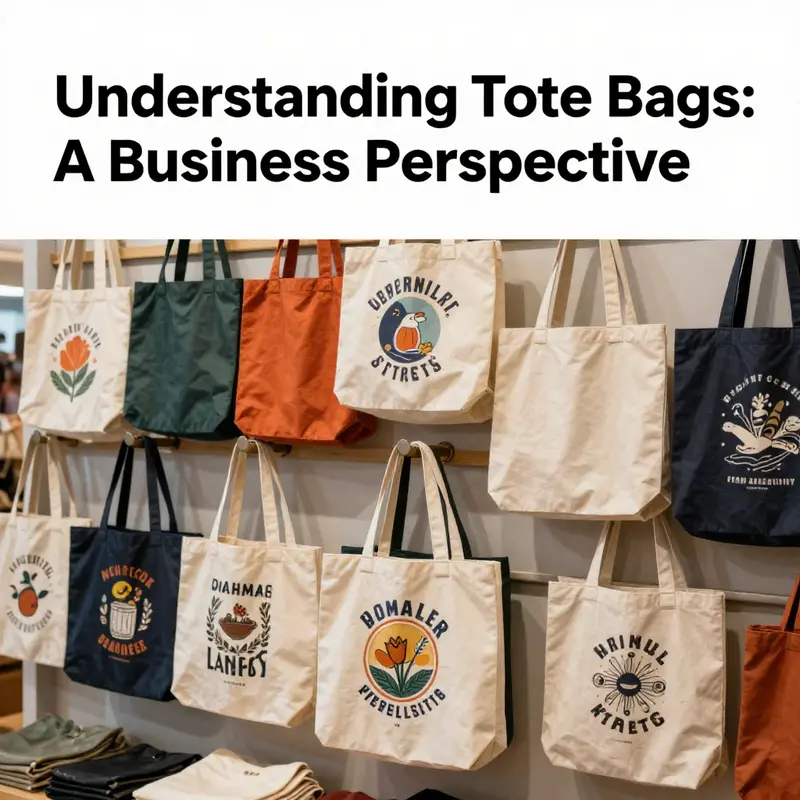
Tote bags, characterized by their spacious interiors and durable design, hold significant importance in various modern businesses. As practicality and sustainability take center stage, understanding the evolution and cultural relevance of tote bags can provide valuable insights for business owners. This article explores the historical significance of tote bags, their different varieties and materials, their cultural impact, and the current fashion trends emphasizing sustainability. Each chapter reveals how these elements interconnect, offering practical knowledge to help businesses effectively incorporate tote bags into their branding and operations.
From Utility to Icon: The Historical Journey of the Tote Bag and Its Everyday Power
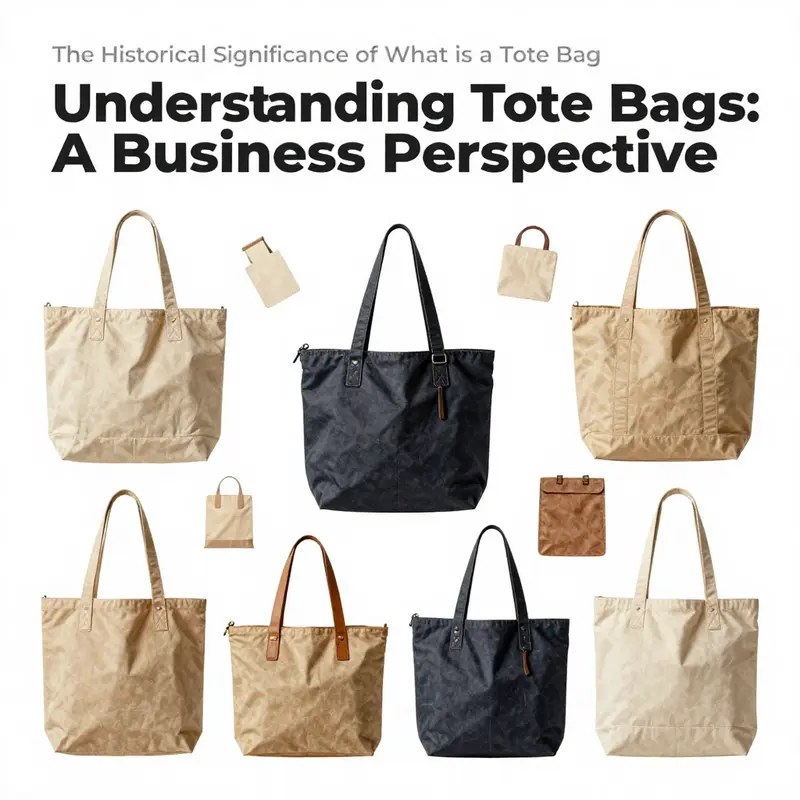
To carry, to comfort, to collect: the tote bag embodies a simple act of daily pragmatism that has quietly shaped how people move through the world. Its open, unstructured form invites you to slip in books, groceries, a laptop, or a change of clothes, then step out into the day with a sense that the bag itself is part of the plan. Yet beneath this plain usefulness lies a story of design shifts, cultural shifts, and a persistent tension between utility and style. The tote bag is not simply a container; it is a portable statement about how we value space, durability, and the idea that an everyday item can endure as an American and global classic across generations.
The word tote, rooted in the verb to tote, carries with it a sense of action rather than mere possession. Historically, the act of carrying large loads meant selecting a bag with enough reach and resilience to keep pace with a busy life. Even as the earliest forms of large carrying bags appeared in various cultures, the term tote bag as a distinct idea emerges in the 20th century, when designers and manufacturers began to frame a large, open-top style as something more than a utilitarian tool. This moment indicates a broader shift in consumer culture: the move from purely functional gear to items that could travel with a person through multiple roles—worker, student, shopper, traveler, and even casually dressed icon.
The mid 20th century marks a significant hinge in this narrative. In 1944, a renowned American outdoor brand introduced a rugged canvas bag designed for fishermen and mariners. This bag, initially intended for a specific outdoor activity, demonstrated that a durable, roomy design could withstand the demands of real life while remaining adaptable enough to support everyday tasks. Its success was less about novelty and more about reliability; people discovered that the bag’s practical silhouette, reinforced seams, and ample interior space translated well beyond the boat deck. The Boat Bag, as it came to be remembered in some circles, helped seed a popular appetite for bags that valued capacity over ornamentation, a preference that would later become a defining feature of the modern tote.
As decades rolled forward, designers began to experiment with how the tote could carry more than simply items. In the 1960s, a designer who specialized in integrating form and function reshaped the bag’s DNA by threading handles directly into the body of the tote. This small modification—handling integrated into the main case—made the tote feel more like a single, crafted object rather than two separate components strapped together. Pockets and compartments were added, sometimes with coin slots and zip closures, signaling a shift from a plain open bag into a thoughtful carrying system. The tote was no longer a plain vessel; it became a personalized tool that could organize the chaos of a day without sacrificing its open, accessible nature. These refinements helped the tote survive shifting fashion tides while preserving its core virtue: versatility.
The 1990s introduced a different energy to the tote’s evolution. A wave of designers and brands embraced color, print, and playful decoration, transforming tote bags from practical wardrobe workhorses into fashion statements. Bold hues, graphic patterns, and distinctive logos turned the tote into a recognizable accessory that could signal mood, taste, or even status. Yet even as designers experimented with form and print, the fundamental appeal endured: a large, flexible space, sturdy handles, and a design that could be slung over the shoulder or carried by hand with equal ease. The tote, once a maritime tool and then a pragmatic everyday companion, was now a cultural icon that could anchor both a casual outfit and a more ambitious look.
In today’s landscape, the tote bag continues to adapt without losing its essential spirit. Materials have diversified far beyond canvas to include leather, recycled fabrics, and innovations that blend sustainability with durability. The notion of an ecological footprint has seeped into design choices, encouraging producers and consumers alike to view the tote as a reusable answer to disposable packaging. The shape remains straightforward, often rectangular or oblong, but the variations feel endless because the bag’s core logic—one large, accessible interior and a pair of sturdy handles—accommodates so many uses. Shopping, commuting, school, and travel all find a natural fit in a single, reliable tote. The bag’s capacity to transition between roles is perhaps its greatest achievement: it refuses to be confined to a single identity while remaining inherently rooted in practicality.
Historical threads weave through contemporary experience: the tote’s journey from a century-old idea to a modern emblem of casual style and sustainable fashion mirrors broader shifts in how people express themselves through everyday objects. It is difficult to separate the tote’s practical origins from its aspirational present. People reach for the tote not just to carry items, but to carry a sense of readiness, responsibility, and a certain modest confidence. In urban life, the tote acts as a portable workspace, capable of holding a laptop, notebooks, chargers, and snacks, while also serving as a shopping companion that can replace disposable bags. In campuses and workplaces, the tote doubles as a reliable carrier for books, planners, and personal belongings, yet it can be dressed up with leather accents, refined textures, or minimalist silhouettes to suit a more polished environment.
The tote’s adaptability owes much to its design philosophy. It is not overburdened with features that might complicate use; instead, it emphasizes accessibility and resilience. The open top invites quick access, an advantage during a busy day, but it also invites a sense of casual ease that aligns with modern lifestyles. When a zipper or a pocket appears, it is a thoughtful addition rather than a stylistic flourish, preserving the bag’s essential spirit. In this sense, the tote embodies a balanced approach to design: it is generous enough to accommodate the material realities of daily life, yet disciplined enough to remain visually coherent across contexts. The result is a flexible companion that can accompany a student across campus, a commuter on a train, a shopper visiting markets, or a traveler passing through a terminal.
This flexible identity feeds into a broader conversation about fashion and function. The tote’s trajectory demonstrates how everyday objects can become cultural touchstones precisely because they resist being tied to one role. A tote can be a shopping bag, a work bag, a gym bag, or a weekend tote without ever losing its core attributes: durability, capacity, and ease of use. The ethical and environmental dimensions of modern tote design also matter. Reusable bags reduce reliance on single-use alternatives, and the tote’s longevity makes it a more sustainable choice over time. In this sense, the tote aligns with a growing cultural emphasis on mindful consumption and purposeful purchases, even as it continues to satisfy the urge for everyday practicality.
As a cultural artifact, the tote bag also tells a story about regional and global exchange. Its materials, construction methods, and aesthetic cues reveal patterns of trade, manufacturing, and taste that cross borders. A canvas tote in one country may bear a different silhouette or pocket configuration than a leather version in another, yet both share the same fundamental logic. The tote’s global appeal rests on a shared recognition of its usefulness and its capacity to evolve with the wearer’s life. This universality helps explain why a simple, open-top bag can travel with a person from one life phase to another, from school days to professional life, maintaining relevance even as fashion cycles turn.
In the end, the tote bag stands as a quiet testament to the power of a well-made, restrained design. It is less about chasing trends and more about offering a reliable, adaptable tool that respects the wearer’s time and space. The tote does not enforce a single style; it invites multiple expressions. A person chooses a bag that fits their daily rhythm, whether that means a minimalist canvas tote with clean lines or a more crafted version with leather accents and subtle hardware. The result is a universal accessory that speaks to personal preference while honoring the shared human need to carry, organize, and move forward—with a sense of ease that only a well-made tote can provide.
For readers seeking a snapshot of how tote bags continue to evolve in contemporary wardrobes, the ongoing dialogue between utility and design remains central. Modern iterations echo the tote’s historical ethos while embracing new materials, sustainability aspirations, and decorative possibilities. The bag’s journey from a practical carry system to a cultural icon reflects broader shifts in how people relate to objects, how they value space, and how they define personal style in a world that prizes efficiency without sacrificing character. In other words, the tote bag has earned its place not merely as a vessel for things, but as a flexible partner in daily life, capable of shifting forms as needs change while keeping its essential promise of openness, resilience, and reach.
As styles continue to diversify, the tote remains a touchstone for a lifestyle that prizes practicality without surrendering individuality. Its story, rooted in the simple act of carrying and extended through decades of design refinement, invites a deeper appreciation of the everyday objects that quietly organize our lives. Today’s tote is not a single object but a family of possibilities, each version staying true to the core idea of a large, open, dependable container — an almost universal tool that still feels personal, no matter where life takes us. This enduring appeal is why the tote bag endures in wardrobes around the world and why it continues to inspire new generations of designers and wearers who value space, simplicity, and an honest sense of purpose.
To see how this trend translates into current offerings and interpretations, explore the evolving landscape of tote bags and their trends, which showcases how a classic shape remains relevant in a fast-changing world. tote-bags-trending
External reference: https://www.thespruce.com/
Carrying Across Contexts: The Varieties and Materials that Shape the Tote Bag
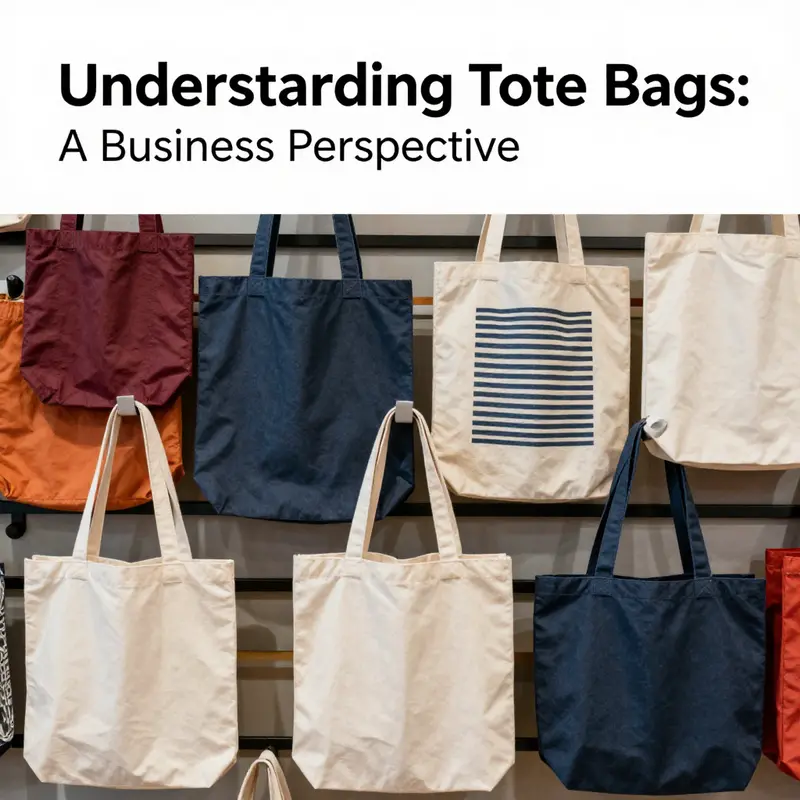
A tote bag is more than a simple carrier. It is a roomy stage for daily life, a dependable companion on commutes, groceries, and gatherings, and a canvas on which personal taste and practical needs meet. Its open-top silhouette and generous interior invite a wide range of items to travel together, from notebooks and lunch boxes to water bottles and swimwear. The word tote itself carries a hint of motion, a sense that contents are meant to be carried, moved, and reimagined as life unfolds. Though the concept stretches back through generations, the modern tote found its defining rhythm in the 20th century, when a rugged, utilitarian approach to design began to blend with everyday urban rhythm. In a way, the tote captures a core truth about bags in general: form follows function, but function wears many faces. The open mouth, the two sturdy handles, and the simple, often rectangular or oblong shape combine to create a versatile tool that can serve as a shopping partner, a work companion, or a weekend tote, all depending on the material that structures it and the way it is carried. The design is honest about what a bag should do, while still leaving room for personal expression.
What makes the tote a distinctive category is not only its size but also its adaptability. A tote must balance capacity with weight, flexibility with structure, and durability with ease of use. It often becomes a daily workhorse, yet it can just as easily become a weekend travel bag or a beach companion when the mood and the season call for it. The longevity of a tote is closely tied to the choices made at the point of purchase: the material, the construction, and the attention paid to how the bag is cared for. Strong fabric and reinforced handles, for example, are not merely technical choices; they are commitments to reliability in moments when you are juggling a coffee cup, a laptop, and a rain jacket, all at once. This practical backbone is where style begins to emerge, because a tote that lasts also determines what you will reach for when you want to present yourself with intention.
The lineage of the tote blends everyday usefulness with a sense of possibility. It evolved from a straightforward carrying solution into a style instrument that can flex across contexts without demanding a change of bag. A canvas tote might feel casual, approachable, and ready for school or a farmer’s market. A leather tote can project polish and longevity, becoming a staple for professional life or refined weekends. A tote built from recycled materials signals a value system that emphasizes sustainability without sacrificing practicality. And a beach tote, larger and more open, welcomes towels, sunscreen, and sun hats with the same ease with which a city tote handles a laptop charger. Across these forms, the core idea remains: a large, open, two-handled container designed to carry what matters, comfortably and reliably.
As materials and construction methods have diversified, the tote has grown into a spectrum rather than a single archetype. Canvas totes, for example, remain the most recognizable form. Heavyweight cotton canvas supplies a sturdy, breathable body that can carry heavy loads yet stays relatively light itself. The fabric’s natural texture and patina over time add an element of character that can mirror the owner’s routine. Canvas is frequently paired with robust handles—often made of the same material or reinforced leather—for durability and a comfortable grip. The result is a bag that feels at home in academic settings, at the corner cafe, or at a farmers market where the payoff is a simple, honest, reusable carrying solution. For those curious about specific category evolutions, there is a clear throughline toward notable examples like the category of Women’s Canvas Tote Bags, which emphasizes everyday practicality while inviting personal style to shine through color, size, and detailing.
Leather totes bring a different voice to the same function. When leather is genuine, the material carries a sense of refinement and permanence. Over time, genuine leather develops a patina—subtle changes in sheen and texture that tell the story of use. This aging process can be seen as a form of material memory, respecting the bag’s history and allowing it to become a personal artifact rather than a disposable object. Faux leather offers a cruelty-free alternative that still embraces the look and feel of polished durability. The tactile richness of leather often translates to a more structured silhouette, which helps the bag stand upright even when it is empty. The trade-off, of course, tends to be price and maintenance: leather requires care to protect against moisture and to preserve color, but with proper handling it can accompany its owner through years of daily routine and occasional travel. Leather totes frequently appear in professional environments where a sense of order and permanence matters, yet they can just as readily elevate an evening ensemble when paired with the right wardrobe choices.
Another important thread in the tote’s fabric story is sustainability. Recycled and sustainable totes have surged in visibility as awareness of environmental impact grows. These bags can be crafted from repurposed materials such as post-consumer textiles or recycled plastics, or from organic and regenerative fabrics that minimize ecological footprints. The appeal is twofold: reducing waste while delivering practical, durable bags that respond to real-world needs. This isn’t mere trend-chasing; it reflects a broader shift toward responsible consumption, where the choice of tote communicates values as clearly as it signals taste. In this context, a tote becomes more than a carrier; it becomes a statement about the kind of world its owner wants to inhabit. The category of recycled and sustainable totes often intersects with everyday utility—strong seams, resistant fabrics, and practical designs—so that eco-conscious choices do not require sacrificing performance.
The spectrum continues with luxury totes that fuse premium materials and meticulous craftsmanship with iconic styling. Designer influences in this space emphasize weight distribution, closure options, and internal organization without sacrificing the generous openness that defines a tote. These pieces are meant to be both durable and expressive, with careful attention paid to hardware, stitching, and the character of the leather or fabric itself. While often more costly, luxury totes can become heirloom pieces or reliable daily partners for people who want a sense of ritual around their accessories. They also demonstrate a broader truth about tote culture: the format accommodates a spectrum of priorities, from function-first to mood-driven luxury, and everything in between can find a natural home within the same general silhouette.
Beach totes expand the concept outward, embracing comfort, capacity, and practicality in sunny settings. They tend to be larger, with reinforced straps that stay comfortable under a heavier load, and sometimes include features that address dampness or sand, such as mesh linings or water-resistant surfaces. The beach tote embodies a sense of relaxed readiness, where the bag is expected to haul towels, sunscreen, snacks, and perhaps a book or a portable speaker. The material choices here emphasize resistance to salt, sun, and moisture while maintaining an easygoing appeal. In all these variations, the tote’s form remains a unifying thread—its generous mouth, its two sturdy handles, and its unstructured, approachable feel allow it to cross boundaries with ease.
The materials that dress a tote shape its life in meaningful ways. Cotton canvas earns points for breathability and a lower environmental footprint, especially when it comes from mills that emphasize responsible dyeing and durable construction. The cotton canvas frame tends to be versatile and repair-friendly, with a tolerance for dirt and a straightforward cleaning process that makes it suitable for daily use. Synthetic fabrics like polyester and nylon bring water resistance and lighter weight, features that are particularly valuable for travel or outdoor use where weather or proximity to water may be a factor. They also tend to be more affordable, enabling a broader audience to enjoy a larger size without a significant price premium. Leather, whether genuine or faux, offers a different kind of luxury and a look that often signals formality and longevity. Leather bags can be heavier and require more care but reward the owner with a sense of polish that remains relevant across seasons. Organic and recycled fabrics broaden the design vocabulary by introducing textures and finishes that may not be possible with traditional fibers, while also aligning with sustainability goals. Structures such as EVA foam inserts and other internal components provide the form and organization that transform a lax, open bag into a more curated carrying system. These inserts can create pockets and compartments that keep electronics, pens, and small items neatly separated, without compromising the bag’s overall openness.
Careful attention to these materials helps explain why tote bags command such varied price ranges and why they remain relevant across lifestyles. A canvas tote that develops a natural patina can be both practical and aesthetically pleasing, a sign of a bag that has aged gracefully with its owner. A leather tote, on the other hand, gains character through its own evolving surface, telling stories in the creases and color shifts that accompany daily use. A bag built from recycled fabrics becomes a daily reminder that sustainability can be stylish and functional at the same time. In every case, the tote’s value lies not only in its capacity to carry things but in its ability to carry meaning—the way it reflects priorities, routines, and environments. Whether you view a tote as a workspace on the go, a shopping solution that reduces disposable packaging, or a personal accessory that completes an outfit, the material and construction choices frame how deeply you can connect with it over time.
The practical and the expressive converge most clearly when the tote is designed with thoughtful detail. An organized interior may include dedicated slots or removable pouches that offer flexible storage, while exterior features such as reinforced handles, weatherproof coatings, or discreet branding contribute to a bag’s personality without overwhelming its essential form. These design decisions influence not just how a bag looks, but how it feels to carry. A bag with sturdy handles, for example, invites a confident grip and reduces fatigue during longer carries. A lighter bag may encourage more frequent use for short trips, while a sturdier structure encourages carrying heavier loads without losing shape. This synergy between material choice and ergonomic design helps explain why totes persist as a favored option across tasks, seasons, and settings.
For readers who want to explore a specific category or see a tangible example of one material’s range, consider the broader spectrum of Women’s Canvas Tote Bags. This category highlights how a single fabric can support a wide array of designs—from minimalist, logo-free versions to colorful, print-adorned styles—while remaining a practical daily tool. The presence of a single material across many forms underscores a core idea: even within a shared base, variation flourishes through details like size, pocket arrangements, handle length, and finishing touches that suit different roles in life. The tote’s versatility is not an accident but a careful alignment of fabric, construction, and purpose, woven together to meet the diverse demands of modern living.
As you think about choosing a tote, consider not only where you will take it but what you will carry. If you are balancing laptops, planners, and lunch, a bag with ample interior space and well-placed structure can help you stay organized without duplicating weight. If your life is more lightweight, you may prefer a bag that feels effortless to sling over the shoulder, with fabric that folds neatly when not in use. If sustainability matters, you might be drawn to recycled materials that offer both performance and a story you are comfortable sharing. The tote’s appeal lies in this flexibility, its ability to adapt to different roles while delivering a familiar, reliable carrying experience.
For further reading that expands on trends and material choices in tote bag design, you can explore broader guides that observe how fashion and function intersect in this category. External resources that synthesize trends and materials can illuminate how designers and consumers alike are rethinking what a tote bag can be in the modern world: https://www.britishstyle.com/tote-bag-guide
Internal reference note: for a closer look at a popular category related to durable, everyday canvas totes, see the category page focused on canvas options within our catalog: Women’s Canvas Tote Bags. This link provides a concrete sense of how materials translate into real-world choices, while the broader discussion above situates those choices within a larger tradition of tote bag design and use.
What a Tote Bag Is: From Utility to Cultural Icon and Everyday Companion
A tote bag is more than a simple container; it is a portable plane for daily life, a canvas that records routines, priorities, and moments of choice. Its most recognizable features—the open top, the generous interior, and the pair of sturdy handles—speak to a design philosophy that prizes accessibility and practicality. The word itself invites a sense of action: to tote means to carry. Linguists trace this concept to a long line of languages that emphasize transport and movement, including a root that points to carrying as a fundamental human function. In that sense, a tote bag is a humble instrument that rises to become something larger when people adopt it as part of their everyday ritual. Its form is almost stubbornly simple, yet that simplicity is what allows it to adapt across contexts and cultures. The bag’s open mouth makes it easy to slide items in and out, while its spacious interior accommodates everything from grocery odds and ends to work notebooks, gym gear, or a spare sweater. The design’s resilience comes from that openness, a deliberate counterpoint to zippy, closed compartments that segment and restrict. In practice, a tote is a flexible workhorse, a carry-all that can be summoned for a last-minute trip to the market or a casual day at the office. This pliability is one reason why the tote endures as a staple across generations and geographies.
Etymology anchors the tote in movement. The concept of to tote denotes carrying, transporting with ease. The historical precursors trace a lineage to a time when communities practiced portable work and trade with simple, sturdy bags. Yet the real turning point comes with the 20th century, when a form designed for utility begins to inhabit broader social spaces. The tote’s ascent does not rely on a single invention but on a gradual expansion of its role—from a practical grocery carrier to a versatile accessory capable of signaling taste, responsibility, and personality. The bag’s open construction invites a sense of inclusivity: it can hold a baby’s essentials, a library of books, a set of groceries, art supplies, or travel documents. The modern tote does not demand a specific function; it invites users to assign their own purpose, then adjust when circumstances change. This adaptability is the core reason why the tote persists as a reliable companion in a world that values speed, flexibility, and repeatability in the items we carry.
The mid-20th century marks a critical inflection point in the tote’s cultural trajectory. A rugged, canvas tote initially designed for boating and general utility began to migrate into everyday life, embraced by people who needed a dependable carrier for a wide range of items. The bag’s straightforward geometry—often a rectangular or oblong silhouette—enhanced its practicality. It was not about flaunting status or luxury but about making transport easier and more economical. That practical mood resonated with a growing culture of self-reliance and casual efficiency. The tote’s comfort with casual settings, paired with its ability to hold more than a day’s necessities, helped loosen the boundaries between “work” and “weekend.” It became a symbol of independence in the sense that individuals could rely on one accessory for multiple roles: shopping bag, lunch carrier, library tote, travel companion, and more. As a result, the tote began to occupy a wider social space, migrating from the margins of utilitarian use toward the center of everyday life.
Designers and collaborators of the era began to experiment with how the tote could be integrated into the body of a bag rather than treated as a separate add-on. The idea of integrating features—handles that feel like an extension of the bag, pockets that serve practical needs, and the use of more durable fabrics—helped shift the tote from merely a container to a crafted object. This evolution did not remove the bag’s functional DNA; it reframed it. The tote’s simplicity became a platform for personal expression through color, texture, and fabric choice. A simple canvas tote could carry a notebook and a lunch bag just as easily as it could bear a change of clothes for a weekend trip. The form’s openness invites a wide spectrum of possibilities, allowing people to layer meaning onto their bag simply by what they put inside, how it wears, and the way it is carried. In this sense, the tote becomes a personal statement—a practical tool that also carries a little piece of the wearer’s identity.
The 1990s ushered tote bags into the realm of fashion with a new energy. Bold prints, saturated colors, and playful details transformed the tote from a practical object into a fashion proposition. The bag’s capacity to deliver personality—whether through a bright graphic, a bold color block, or an artistic motif—made it a flexible accessory that could harmonize with work attire, casual wear, or weekend style. The tote’s ability to traverse social contexts without demanding a discrete shift in how it is carried underscored its role as a democratic, inclusive item: a canvas for self-expression that did not require a rigid dress code. In this era, the tote also became a platform for broader conversations about consumer choices, value, and the ethics of production. The colorways, textures, and patterns that emerged were not merely aesthetic choices but signals about taste, mood, and approach to daily life. The tote’s expanding vocabulary of design reinforced its status as a cultural object that speaks to belonging, individuality, and everyday practicality.
Today, tote bags sit at a crossroads of practicality, sustainability, and identity. They are commonly used as shopping companions, work bags, school carriers, and travel allies. They function as a low-cost, high-impact alternative to disposable bags, a fact that has amplified their relevance in conversations about environmental stewardship and responsible consumption. In many communities, the tote’s everyday presence has turned it into a mobile billboard for beliefs, values, and affiliations. People choose totes with messages, graphics, or colors that align with their stance on environmental issues, education, social causes, or personal aesthetics. This element of self-expression is less about fashion trends and more about signaling ongoing commitments and preferences. The tote acts as a flexible stage where messages can be carried alongside groceries, books, or work documents. Its role as a cultural artifact is reinforced by its portability and visibility across settings—from urban commutes to campus corridors to neighborhood markets. The tote’s open design remains central to its appeal: it welcomes the unanticipated, the spontaneous purchase, the extra layer of preparedness that emerges from simply having more space on hand.
In contemporary practice, the tote’s interior versatility is matched by the range of materials that people choose to suit different needs. Canvas remains a favorite for its durability and eco-friendly appeal, but leather, recycled fabrics, and other robust textiles offer a spectrum of textures and formal possibilities. The choice of material often signals different commitments: canvas may underscore practicality and sustainability, while leather can convey a more refined or professional look, and recycled fabrics celebrate creativity and resourcefulness. The interior geometry—whether a single, open space or a more structured arrangement with pockets and sleeves—reflects how people anticipate and manage the items they carry. A dedicated laptop sleeve, a snap-closure pocket for keys, or a dedicated zipper pocket for a wallet can convert a broad bag into a reliable work or travel companion. Yet even with organized compartments, the tote preserves its core identity: openness. The ability to add or remove items at will—the capacity to adapt to a shifting day—remains the bag’s defining value.
The tote’s cultural significance today extends beyond its physical form. It has emerged as a versatile symbol of sustainable living, a practical commitment to reuse rather than replace, and a flexible facet of personal style that transcends age, gender, and context. It can read as a statement of practicality without sacrificing aesthetic sensibility, a rare balance that helps it endure amid changing fashions. In this way, the tote is a cultural accumulator: it records the wearer’s daily rhythms, the places traveled, the items needed for class or work, and the moments when a little extra space makes all the difference. It is both a tool and a text, a physical object that says something about the person who carries it and, by extension, about the community that embraces it. As people move through life—carrying notebooks, groceries, gym gear, or travel documents—the tote continues to adapt, expanding its meaning while preserving its essential usefulness.
For readers seeking practical, durable options that align with a broader ethos of reuse and versatility, consider exploring contemporary offerings in durable, everyday totes such as those designed for versatile carrying needs. These options emphasize the tote’s enduring strengths: breadth of interior space, straightforward access, and the capacity to carry a diverse set of items without demanding customization or special handling. As you think about what a tote bag is for you, reflect on how its simple framework can accommodate both the ordinary tasks of daily life and the extraordinary moments when you need to pack for a journey, a project, or a spontaneous plan. The tote invites you to define its purpose in your own language, to shape its role around your routines, and to let it stand as a steady companion in a world of shifting demands. In that sense, the tote’s story is not simply about a design choice but about how people choose to live, carry, and express themselves through the everyday act of moving objects from one place to another.
Internal link for readers who want to explore tactile, fabric-focused options further can be found here: women’s canvas tote bags.
As the chapter closes, the tote remains a faithful reminder that utility and style can coexist. Its open top and generous interior are not just about space; they are about permission—the permission to adapt, to grow with a day’s needs, and to carry not only items but also a thread of personal narrative wherever life takes you. The tote’s ongoing relevance derives from its ability to be both simple and expressive, a functional instrument that also serves as a quiet, portable stage for the ordinary acts of daily life. And while the form may look unadorned at first glance, its impact is measured in the countless moments when it proves indispensable, in the confidence of knowing you can reach for what you need without hesitation, and in the subtle statement that a well-made bag can be both practical and meaningful. If you move through the world with an eye for usefulness and a heart open to personal expression, the tote bag offers a steady, adaptable doorway into how you collect, transport, and present the things that matter most. The broader conversation about what a tote bag is—and what it can become—continues to unfold as designers, makers, and wearers redefine everyday carry for new settings, new values, and new possibilities. External resource: 7 Surprising Ways Tote Bags Are Shaping Modern Life.
Carrying More Than Goods: The Tote Bag’s Evolution, Style, and Sustainable Footprint
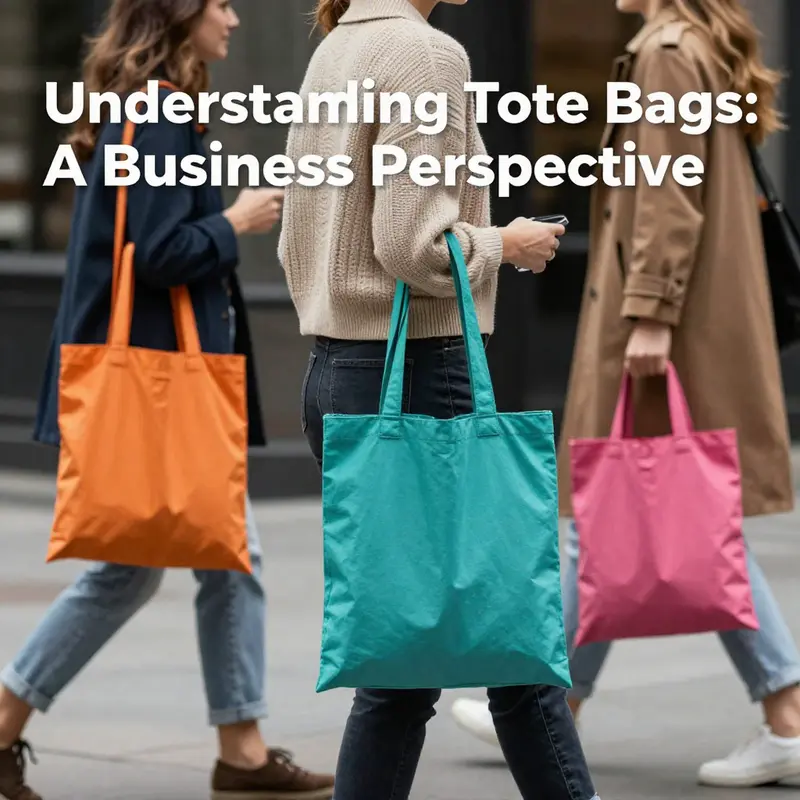
A tote bag is more than a simple carrier; it is a flexible, open invitation to bring the details of daily life along for the ride. Its defining features—a large, unstructured interior, a straightforward rectangular or oblong silhouette, and two sturdy handles—mirror a practical philosophy: keep what matters within reach, and do as much with as little as possible. The open-top design is not a flaw but a feature, allowing quick access and easy loading of books, groceries, sketchbooks, laptops, or a spare sweater. The material—often a heavy-duty fabric like canvas—adds durability, while the simple form invites a wide range of uses, from grocery runs to weekend getaways, from a casual office setup to a spontaneous day of errands. In many ways, the tote embodies a philosophy of everyday resilience: a bag that can be slung over the shoulder or carried by hand, ready to expand when plans do, and to compress when the day is done. The appeal rests not only in practicality but in the promise that a single object can translate across contexts, carrying items as diverse as a planner, a lunch, a gym change of clothes, or a returnable bag for shopping trips, all without demanding a performance-oriented silhouette or a rigid layout.
The etymology of tote adds a quiet clarity to this object’s identity. To tote means to carry, and that simple verb underpins the tote bag’s purpose. Yet the historical arc stretches well beyond a single definition. The concept of a large carrying bag has roots in the early modern era, but the term itself did not crystallize into a popular label until the 20th century. A pivotal moment arrived when a rugged, canvas boating bag—designed for reliability and straightforward use—captured the public’s imagination. It was not just about a bag that held items; it was about a bag that could be relied upon in varied conditions, a companion for work, travel, and daily life. This combination of durability and versatility helped turn the tote from a niche utility into a mainstream staple. Over subsequent decades, the tote’s identity continued to expand, shaping itself into a canvas upon which designers could project both function and fashion. The very ease of its form invited experimentation with size, proportion, and material, enabling it to transition from workhorse to style symbol and back again as needs changed.
Fashion and function began to dance together in the evolution of the tote. In early iterations, the most visible appeal was practicality: a roomy interior meant you could carry everything you needed for the day. As wardrobes grew more complex, the tote became a blank canvas for personal expression. Minimalist silhouettes flaunted clean lines and unadorned surfaces, while other versions embraced bold prints, color-blocking, and decorative detailing that echoed the wearer’s mood or the season’s mood. The tote’s capacity to morph—becoming a statement piece one day and a workhorse the next—made it unusually enduring in fashion discourse. The design conversation around totes shifted from “how much can it hold?” to “how well does it complement a life that moves between casual and considered style?” The answer lay in choosing materials that align with a wearer’s values and activities: heavy-duty canvas for daily robustness, supple leather for a refined edge, or recycled fabrics for a lighter footprint. Each material carries a different texture and tone, yet all share the same core trait: a tote’s ability to adapt to the wearer’s routine.
Alongside material choices, organizational solutions emerged to keep a tote’s interior from devolving into a mere cavern. In a space that invites a generous spread of items, the challenge is often to maintain order without sacrificing accessibility. Enter the era of tote bag organizers—rigid or semi-rigid inserts with built-in compartments designed to cradle phones, wallets, keys, and smaller essentials. These inserts transform chaos into clarity, letting users retrieve a charger or a notebook with ease while preserving the bag’s general openness. The appeal of such organizers lies in a simple equation: more order means less wasted time digging, fewer mislaid items, and a cleaner look at a glance. This is not merely about efficiency; it speaks to a broader habit of mindful consumption. A well-organized tote can reduce impulse purchases of unnecessary accessories and encourage thoughtful packing, reinforcing the tote as a tool for sustainable living by extending its usefulness and lifespan.
Sustainability has become one of the most influential currents shaping the tote’s trajectory. As awareness of environmental issues grows, tote bags have increasingly been positioned as a practical counterpoint to disposable plastic bags. The reusable tote embodies a lifestyle choice as much as a carrying solution. In contemporary markets, there is a marked shift toward materials that balance durability with environmental responsibility. Organic cotton, recycled polyester, and other recycled fabrics feature prominently, reflecting a broader consumer demand for products with lower ecological footprints. Beyond material choices, the tote’s everyday utility reinforces sustainable behavior. Its durability means fewer replacements and less waste, while its reusability invites a long-term relationship with a single item rather than a rapid cycle of fast fashion, discard, and replacement. This shift sits within a wider movement—the rise of the conscious consumer who values ethical production, transparent sourcing, and long-lasting design. In this context, the tote’s appeal is not simply about what it carries but about what carrying it signals: a preference for practicality with a sense of responsibility.
The tote bag’s role in everyday life extends across many spheres. For a shopper, it functions as a robust, open-top vehicle for groceries, encouraging a return to reusable habits in a world where packaging waste matters. For a student or professional, it can be a flexible work or study bag, carrying a laptop, notebooks, and lunch in a single carry-all that doubles as a commuting companion. Its size tends to be a central consideration: too small, and it fails to meet daily demands; too large, and it risks overwhelming the user or becoming unwieldy. The key is balance—finding a tote with the right interior psychology, where pockets and compartments meet the user’s routine without constraining the bag’s primary advantages: accessibility and capacity. In this sense, the tote’s design invites a personal relationship with space, one that evolves as a person’s life changes—new roles, different schedules, shifting priorities—and yet remains anchored by a shared understanding of its core purpose: to carry what matters, responsibly and stylishly.
For those who want to anchor their tote selection in a specific, yet classic, option, a popular path is choosing a canvas tote. The material’s robust texture, straightforward aesthetic, and potential for personalization align with many of the tote’s defining traits: durability, economy of use, and timeless appeal. A modern canvas tote can be pared down to essentials for a day at the library or expanded to accommodate a weekend bag. Its inherent utility makes it a natural entry point into a larger conversation about how we choose to carry our everyday gear. And while the canvas option remains a perennial favorite for many, the tote’s versatility makes other materials equally viable. Leather totes offer a refined profile and a sense of luxury for professional settings; recycled-fabric totes provide a lighter environmental footprint for those who value sustainable innovation as part of their daily rituals. The ultimate choice often reflects a blend of practical needs, lifestyle, and personal style, rather than a single universal rule.
In this sense, the tote bag becomes less about a restricted category of accessory and more about a philosophy of readiness. Its unstructured interior invites a fluid workflow—one that adapts to a day that might swing from a morning meeting to an afternoon at the gym, to an evening with friends. The capacity for adaptability has made totes a staple across wardrobes worldwide. They can be understated or bold, quiet or expressive, but at their best they remain faithful to a few core values: simplicity in form, strength in construction, and a responsibility to the world we share through the choices we make about what we carry and how we carry it. When a bag is built to endure, it encourages a slower, more considered pace of use. When it is designed with sustainable materials, it invites an ongoing conversation about the life cycle of everyday objects and our collective impact on the environment. And when it maintains room to grow with us, it becomes a partner rather than a mere accessory.
As you navigate the spectrum of options, consider how a tote fits into the rhythm of your days. Think about the balance between openness and organization, between durable fabric and comfortable wear, between a neutral temperament and a way to inject color or texture into an outfit. A tote’s value is not simply in what it can hold, but in how it supports the rituals that shape our days: a quick trip to the market, a long commute, a casual lunch, a weekend escape. The tote’s enduring appeal lies in its ability to be both workhorse and companion, a flexible platform for carrying the things that matter while reflecting a personal sense of style and responsibility. To explore a practical example of the canvas option and its everyday usefulness, see the dedicated collection focused on women’s canvas tote bags, which highlights a range of styles designed to meet diverse needs without sacrificing the simplicity that makes totes so versatile. women’s canvas tote bags
In closing—or rather, in continuing the journey of understanding—the tote bag remains a living artifact of modern life. It records the shifts in how we work, how we shop, and how we imagine personal responsibility. It holds the memory of countless everyday tasks while remaining ready for whatever comes next. Its open top signals a future full of possibilities, while its sturdy handles reassure us that the path forward can be carried with ease. The tote’s story is not a single narrative but a collection of micro-stories about people and places and moments of transition. It is, in short, a practical philosophy wrapped in fabric and thread, a portable reflection of how we value our time, our belongings, and the world around us.
External resource for broader context and history: https://www.vogue.com/article/tote-bag-history-fashion-trends-sustainability
Final thoughts
Tote bags stand as a testament to practical design meeting contemporary values such as sustainability and versatility. As they transition through various roles—from a mere functional item to a fashion statement—their incorporation into business strategies can open doors to innovative branding opportunities. With an understanding of their historical significance, diverse varieties, cultural impact, and the ongoing fashion trends promoting sustainability, business owners are equipped to use tote bags as effective tools for engagement with customers and environmental responsibility.