
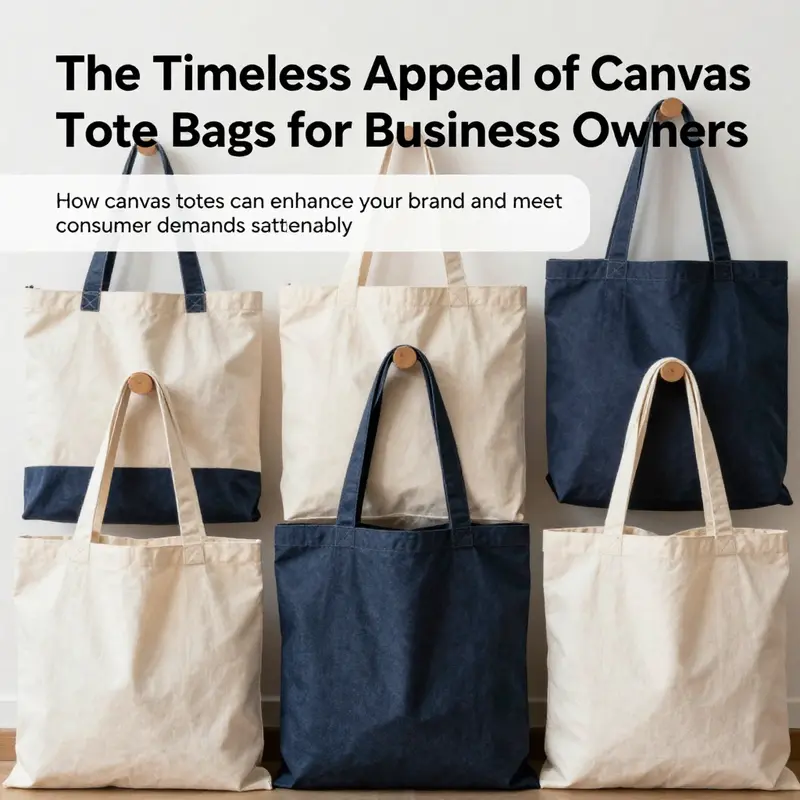
As businesses increasingly seek to align with consumer values, the canvas tote bag emerges as a powerful tool that combines practicality and style. This article explores the various dimensions of tote bag canvas, detailing its durable design and everyday usefulness while also delving into shifting consumer preferences towards sustainable products. Additionally, we’ll examine the evolving trends in canvas tote bag designs that resonate with modern aesthetics. Finally, we will highlight the versatility of canvas totes in daily routines and how they can become valuable merchandising tools for your business. Each chapter will provide insights into how tote bags can reflect brand ethos and connect with conscious consumers, ultimately driving sales and brand loyalty.
Built to Last, Made to Move: The Durable Design and Everyday Practicality of Canvas Tote Bags
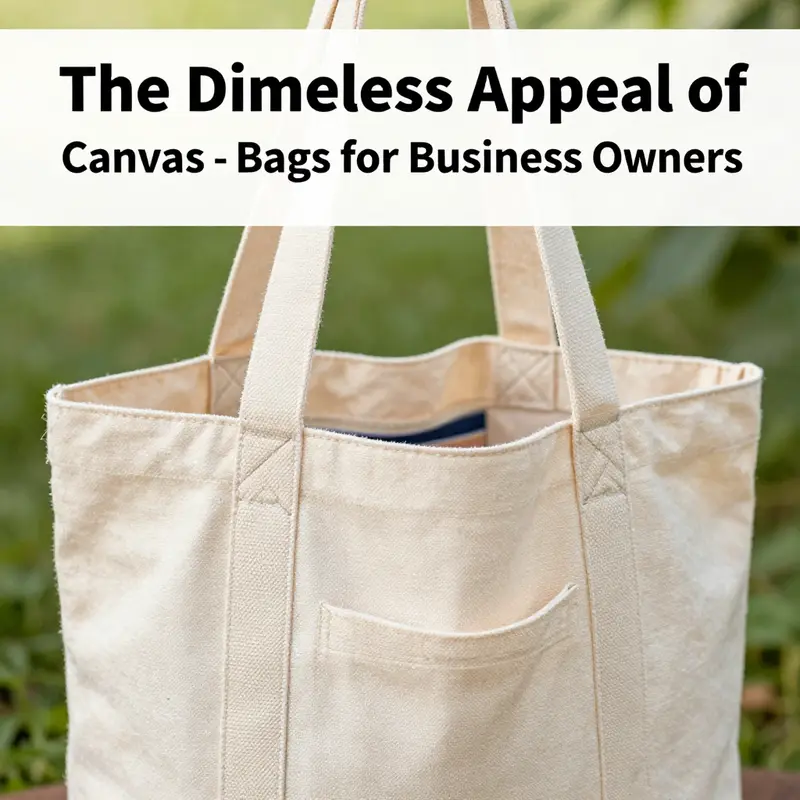
Canvas tote bags have long stood as more than simple containers; they are practical statements about how we carry the day. In a world crowded with throwaway options, the canvas tote offers a counterpoint that blends rugged material with thoughtful design. The appeal rests not only in the bag’s ability to hold a lot. It lies in how it welcomes a broad spectrum of lifestyles, from grocery aisles to office corridors, and how its construction supports repeated use without demanding special care. The concept is straightforward yet powerful: a large, sturdy bag that can adapt to a person’s routine, weather, and workload. The chapter that follows this passage examines what makes this everyday object durable, why its materials matter, and how its construction translates into real-world practicality. It is here that a canvas tote moves from convenient tool to reliable partner, a cultural artifact that embodies a shift toward sustainable, mindful consumption.
A first look at the material reveals a core truth: weight and weave define character as surely as size and shape do. Heavyweight canvas, typically 10 to 14 ounces per square yard, sets a foundation that balances strength with manageability. This range is deliberate. It is thick enough to resist tearing under substantial loads yet not so heavy that carrying becomes burdensome. A tighter weave, such as twill or duck canvas, plays a critical supporting role. The denser structure resists abrasion and retains its shape even when the bag is crammed with books, groceries, or gym gear. The natural cotton fibers can display modest water resistance, enough to shed a light spray or a drizzle without turning the contents soggy. Such resilience is not accidental; it results from material choice that prioritizes longevity alongside practicality.
The second pillar of durability lies in construction. Double-stitched seams anchor stress points where wear tends to concentrate: where the handles meet the body, and where the bag’s corners press against the load. Reinforced stitching, through techniques like bartacking or box stitching, further offsets strain and reduces the likelihood of seam failure after repeated use. Handles deserve particular attention. Wide, securely attached straps distribute weight across more fabric and reduce the risk of discomfort or strain on a narrow seam. In many premium iterations, designers add an extra layer of security by using reinforced webbing or even leather accents. These choices blend performance with a touch of aesthetic refinement, demonstrating that durability does not have to come at the expense of style. The end result is a tote that can stand up to long days of errands and remain comfortable enough to shoulder for hours.
Practicality, as opposed to mere durability, appears in thoughtful features that modern canvas totes routinely offer. Internal pockets help organize smaller items like keys, wallets, or chargers, while exterior compartments can hold items that users need to access quickly. A drawstring closure or magnetic flap can secure belongings without the friction of a zipper, offering a balance between ease of access and security in crowded environments. Some designs incorporate a zip closure for high-value items, while others rely on the simplicity of an open top to speed entry and exit. The capacity is often generous: a typical large tote is around 21 liters, with dimensions that translate to a top width around 55 centimeters and a bottom width near 42 centimeters, a height close to 33.5 centimeters, and handle lengths that stretch to about 58 centimeters. These measurements translate to a bag capable of carrying a laptop, a bundle of notebooks, or a week’s worth of groceries, all without feeling cramped. Verified buyers often describe the fit as true to size, a reassurance that matters when choosing a dependable everyday companion.
The ergonomic design of a canvas tote is not merely about how much it can hold; it is about how it distributes weight and accommodates movement. Wide straps help spread load across the shoulder, reducing localized strain. The bag’s flat-bottom design contributes to stability, allowing it to stand upright on its own and making packing and unpacking more efficient in tight spaces, such as a crowded bus or a busy market stall. When the tote is loaded evenly, the fabric bears the stimulus of weight more gracefully, and the overall silhouette remains controlled rather than sagging into a shapeless bulk. This is a subtle but essential aspect of daily practicality: a bag that behaves predictably under varied circumstances, whether you are juggling groceries, books, gym gear, or a combination of all three.
Sustainability threads through the durability of canvas totes in two complementary ways. The first is the ongoing shift toward organic cotton or other sustainably sourced fibers. As brands increasingly tell stories of ethics and responsibility, the raw material becomes a statement of intent as much as a performance feature. The second is the incorporation of recycled or recycled-content materials in the bag’s hardware and reinforcement. Recycled polyester webbing, for instance, can replace traditional straps, offering comparable strength while reducing the environmental footprint of each unit. Leather accents or trim can provide a touch of luxury and durability, but they must be chosen with care to balance longevity with responsible sourcing. The broader context confirms a growing market trend: consumers favor reusable, long-lasting alternatives to single-use plastics, and the canvas tote sits squarely within that shift. Market analyses have highlighted a steady rise in demand for functional, eco-conscious gifts, underscoring that durability and sustainability go hand in hand.
The practical and ethical dimensions of these bags extend into how designers approach aesthetics and messaging. The printing and decoration of canvas totes have evolved from mere utility to expressions of identity and values. Minimalist designs and meaningful typography have gained prominence, with slogans that promote mindfulness, sustainability, and responsible consumption. The design language emphasizes clarity and emotional resonance, inviting wearers to make a statement without shouting. In this space, the bag becomes a canvas for personal narrative rather than a mere container. The appeal lies in the ability to convey a set of beliefs through color, typography, and form, while still delivering the practical benefits of a robust everyday bag. The trend also reflects a broader shift in consumer expectations: people want products that align with there values and fit into a conscious lifestyle.
A note on the broader ecosystem of canvas totes helps situate their durability within everyday use. They are not isolated objects but parts of an evolving practice of sustainable living. Markets, offices, and households increasingly see the tote as a primary transport solution for everyday tasks. The absence of zippers, often cited as a feature for ease of access, is not a flaw but a deliberate design choice that prioritizes speed and simplicity in day-to-day activities. Yet for some users, the lack of a zipper can be a trade-off between quick access and security, especially in transit or crowded settings. Designers respond by layering functional alternatives: internal pockets, magnetic closures, or lightweight compartments that keep valuables organized without complicating access. In this light, durability expands beyond raw fabric and stitching into an approach to daily life that values reliability, readability, and straightforward usability.
The chapter would be incomplete without acknowledging the social and cultural resonance of canvas totes. They echo a narrative of practicality that transcends fashion fads, a narrative that resonates with households and workplaces seeking practical, durable, and ethically aligned choices. The tote’s enduring appeal lies in its ability to be both workhorse and companion—the thing you reach for when the day requires organization, resilience, and a touch of calm in the midst of activity. As printing trends move toward quiet statements that avoid overt branding, the bag reinforces the idea that durability and function can coexist with understated elegance. It is in this coexistence that the canvas tote becomes a culturally meaningful object, signaling a commitment to a slower, more deliberate form of consumption.
From a practical standpoint, the real-world application of these design principles is evident in everyday testing and feedback. Users report that well-constructed totes maintain their shape and strength despite heavy or uneven loading. They value dimensions that give them confidence in what fits inside, while appreciating a layout that supports quick organization. A 21-liter capacity, with a top width of about 55 centimeters and a height around 33.5 centimeters, often proves sufficient for a modern routine that includes a laptop, a gym outfit, and seasonal purchases from local markets. The balance of capacity, accessibility, and stability makes these bags versatile across scenarios, from carrying classroom materials to packing for weekend trips. The durability is evident when fabric remains tight at stress points after months of use, seams remain double-stitched even where weight is repeatedly applied, and the overall form holds up without sagging like a lesser-quality alternative.
In considering how to position a canvas tote within a broader product landscape, it helps to compare it with other materials. Canvas offers a compelling mix of weight, texture, and ease of maintenance that is hard to match. It cleans easily with simple wiping or surface washing, and its color absorbs evenly, maintaining a crisp appearance over time. While laminated synthetics can offer water resistance, canvas’s breathability, natural aging, and ease of repair keep it in demand for those who value longevity and environmental responsibility. Maintenance routines are straightforward: air drying, occasional gentle brushing to lift fibers, and avoiding overloading beyond its designed capacity. The result is a bag that ages gracefully, taking on the patina of use rather than looking worn and tired. This aging process, far from diminishing value, often adds character and a sense of personal history, reinforcing the tote’s place as a durable, trusted companion.
To connect this chapter with readers who want to explore the broader ecosystem of canvas totes and their place in daily life, consider that the market supports a range of sizes, weights, and features. The practical design choices described here translate into tangible benefits: a bag that keeps heavy loads balanced, a frame that resists flexing under stress, and a fabric that remains resilient after repeated trips through rain, sun, and dusty sidewalks. The tote stands as a practical artifact and a symbol of a lifestyle oriented toward reuse, simplicity, and mindful consumption. For readers curious about how these items integrate with specific wardrobes or daily routines, a closer look at a segment of the market focused on women’s canvas tote bags can offer tangible context and inspiration, as seen in collections and guides dedicated to this category.
External Reference: the durability and design of canvas totes are well illustrated by real-world examples available in online marketplaces and supplier catalogs. See an example in the following external resource for a sense of how designers translate the discussed principles into a finished product: https://www.alibaba.com/product-detail/Canvas-MK-Tote-Bag-Stylish-Durable-2025_1601234567890.html.
Canvas Totes and the Craft of Conscious Carry: Sustainability, Preference, and the Everyday Change
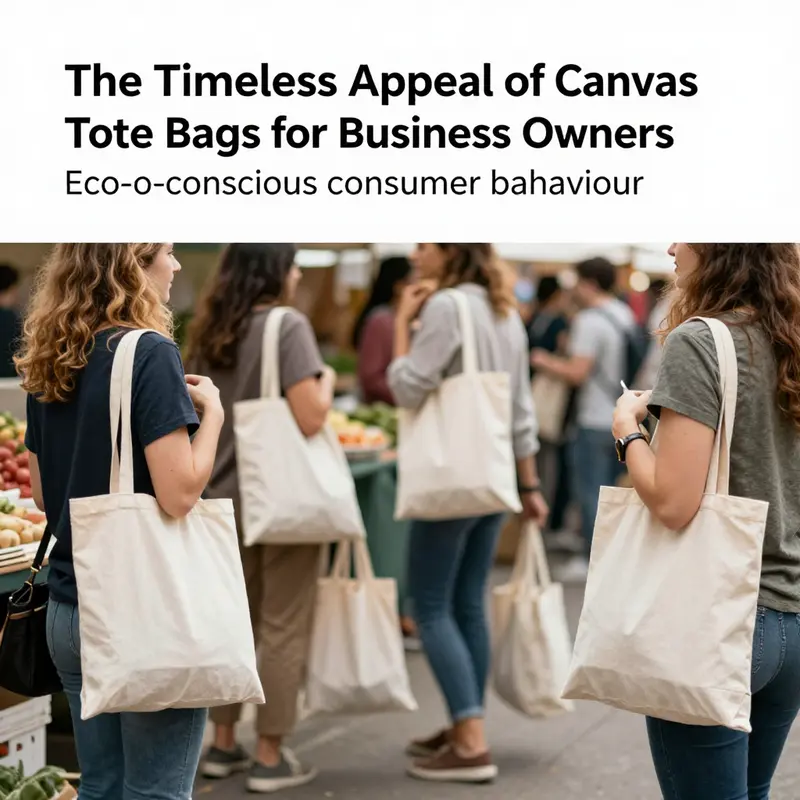
Across cities and towns, the canvas tote bag has quietly grown from a simple carrying solution into a daily instrument of choice for many people. Its DNA is practical: a large, open interior, a flat bottom for stable loading, and a form that can adapt from grocery runs to school days to weekend getaways. The typical dimensions—around 14 by 15 inches with the possibility of wider oversize versions up to 17 inches—cater to books, groceries, gym gear, and countless everyday essentials. The canvas tote’s design often foregoes zippers, a feature that some find makes access instant and intuitive, while others may prefer more secure closures. Either way, its essence remains anchored in utility: a sturdy, easy-care surface, usually cotton or a cotton blend, that withstands repeated use and handles the vagaries of daily life without demanding careful storage or elaborate maintenance. The flat-bottom silhouette, in particular, ensures stability when bags are stacked beside one another or filled to capacity, a practical detail that enhances packing efficiency for trips to the market, the library, or the studio. Leather accents and metal hardware frequently punctuate this humble platform, elevating the aesthetic without sacrificing the bag’s rugged usability, and in doing so, aligning form with function in a way that feels both timeless and contemporary. The canvas tote thus occupies a unique cultural space: it is at once a reliable work companion, a respectful nod to craft, and a visible declaration of environmental mindfulness through everyday action.
The sustainability story of the tote bag canvas is not a single thread but a tapestry woven from material choices, lifecycle thinking, and evolving consumer expectations. Natural fibers, particularly cotton or organic blends, anchor the tote in a material spectrum that is biodegradable or at least more amenable to responsible end-of-life scenarios than many synthetic alternatives. This natural composition matters beyond mere biodegradability. It signals a broader commitment to the ecosystems from which raw materials are drawn and to the communities involved in cultivation and production, as well as to the consumer who wants a product that aligns with a more deliberate, lower-impact lifestyle. The tote’s reusability is its most powerful act of environmental stewardship. Each use displaces a single-use plastic bag and, when cared for, extends over years of use. In that sense, the tote bag canvas transcends trend cycles and becomes a practical architecture for mindful consumption, an artifact that records a commitment to reducing waste through repeated, dependable utility.
The market’s shift toward sustainable consumerism is reinforced by a rising body of research and practical reporting. A 2023 assessment from the Sustainable Apparel Coalition highlighted a growing preference among consumers for gifts and everyday purchases that honor environmental responsibility. The message is clear: people want products that are not just useful but principled, items that carry ethical and environmental meaning as part of their value proposition. Canvas totes illustrate this alignment neatly. They combine durability with transparency about sourcing and production, offering a narrative that is easy to grasp in a busy retail environment. When a shopper chooses a tote made from natural fibers, knows the supply chain supports ethical labor practices, and selects packaging that is recyclable, that choice becomes part of a broader story about responsible consumption. It is not merely a purchase; it is a pledge enacted through daily behavior.
Even as aesthetics evolve, the conversation around sustainability often returns to tangible metrics of impact. The lifecycle analysis surrounding reusable bags has become an important touchstone. The Environmental Protection Agency, in its ongoing work to map the environmental footprint of consumer goods, has underscored that reusable bags must be used a substantial number of times to offset the footprint of their manufacture. A 2026 EPA study suggested a benchmark in the vicinity of more than a hundred uses to begin meaningfully countering the carbon cost of production and transport when contrasted with disposable options. The takeaway for canvas totes is simple and practical: proper care, regular use, and a long lifespan convert everyday choices into measurable environmental benefits. When a bag endures for years with routine cleaning and sensible loading practices, its ecological dividend compounds with each return trip to the market or library.
The broader cultural shift connected to canvas totes extends beyond raw materials and counts of uses. It marks a movement toward mindful consumption, where the lifecycle of a product—from farming or fiber processing to end-of-life decisions—is evaluated with care. Consumers increasingly demand transparency about sourcing, the ethics of labor practices, and the fate of packaging. In response, brands are adopting more transparent messaging, simplifying designs to emphasize clarity and emotional resonance, and foregrounding values in their graphics and typography. A minimalist design language—quiet typography, restrained color palettes, and statements that emphasize sustainability and mindfulness—has become a compelling shorthand. The simple tote thus doubles as a canvas of identity, a way for owners to express what they value without abandoning practicality.
Customization is a crucial channel for emotional attachment and an important driver of sustainable behavior. Canvas accepts personalization through screen printing, embroidery, or patches, enabling individuals to imprint slogans, initials, or images that reflect their own sense of purpose. This personalization upgrades a bag from a functional object to a meaningful accessory, one that carries personal stories and commitments. The act of customizing can also extend the tote’s life by creating a stronger sense of ownership, which reduces the likelihood of premature disposal. When a bag feels like a personal extension, it becomes more than a commodity; it becomes a companion for daily rituals, a partner in the journey toward a lower-footprint lifestyle.
From a materials perspective, the canvas tote’s appeal lies in flexibility and sustainable potential. Organic cotton, where available, offers a path to lower environmental impact through reduced pesticide use and improved soil stewardship. Some designs experiment with recycled materials—post-consumer plastics repurposed into fibers that can be woven into durable canvas blends—further amplifying the environmental benefits while maintaining the familiar hand and weight that users expect. The field is evolving as brands and manufacturers experiment with blends that balance strength, texture, and washability, ensuring that the tote remains a reliable workhorse across diverse settings. The practical side of these innovations cannot be overstated: a bag that lasts through many seasons and countless errands represents a tangible form of conservation when compared with the resource intensity of disposable bags.
The tote’s everyday life is also shaped by how people interact with its design features. The absence or presence of zippers, pockets, and external compartments influences how users engage with their belongings. A roomy interior with internal pockets helps organize items for work, school, or shopping trips, while external pockets offer quick access to keys or transit cards. The choice to keep the design open can reflect a preference for speed and simplicity, where contents are visible and instantly reachable, a trait valued in fast-paced urban routines. Conversely, strategic internal pockets and reinforced seams can support heavier loads, encouraging longer use by ensuring durability under strain. The tote’s capacity to adapt to a wide range of tasks—carrying groceries one day, textbooks the next, or gym attire on a weekend—contributes to its reputation as a versatile, all-purpose carryall.
Design trends in the canvas tote space have begun to settle into a language that marries aesthetics with ethics. The 2024 design moment leaned toward minimalism and meaningful typography. Brands explored clarity of message, emotional resonance, and values-driven storytelling through restrained visuals. Phrases that promote mindfulness, sustainability, and community-friendly practices appeared in carefully chosen typography that did not overwhelm the bag’s natural texture. This trend is not about loud branding but about thoughtful expression—an approach that resonates with consumers who want their purchases to reflect their beliefs. The tote becomes a portable manifesto, a small stage on which a person can carry a statement about the kind of world they want to live in while still keeping a practical grip on daily necessities.
The loyalty conversation follows naturally from these patterns. Consumers are drawn to brands that align sustainable sourcing with ethical labor practices and recyclable packaging, but they also want products that fit into a modern lifestyle without demanding sacrifices. A tote that blends durability with a clear sustainability story earns trust and repeat use, which in turn amplifies its environmental impact through extended lifespans. The logic is straightforward: a well-made bag that remains desirable over many seasons encourages ongoing use, reduces disposal frequency, and reinforces a broader culture of responsible consumption. In this system, the tote acts as a scalable, everyday solution that connects personal values to practical outcomes, turning small daily decisions into cumulative environmental benefits.
For readers curious about how a retail ecosystem supports these values, consider the tangible examples you might encounter in stores or online catalog sections that curate canvas totes under a clear ethos of sustainability. A category such as women’s canvas tote bags—one accessible entry point within the broader catalog—offers a practical glimpse into how product lines can balance form and function with a transparent narrative about materials, production, and longevity. By exploring such sections, shoppers can observe how retailers curate choices that align with both personal style and environmental responsibility. women’s canvas tote bags offers a convenient illustration of how a simple design can carry a larger message about sustainable living while remaining deeply usable in everyday tasks.
As we consider the path forward for tote bag canvas, it becomes clear that the bag is not merely a container but a small instrument of cultural change. It reflects a growing willingness to invest in durable goods that honor ethical practices and environmental stewardship. The canvas tote stands as a durable emblem of a lifestyle that values transparency, longevity, and care for the world we share. It invites owners to view their purchases as part of a larger continuum—from responsible sourcing and careful production to mindful use and thoughtful end-of-life decisions. This is how a practical accessory becomes a meaningful participant in a broader social shift, a quiet yet persistent force that helps reframe daily routines as acts of environmental responsibility.
Looking ahead, the conversation is likely to deepen rather than recede. Innovations in fiber technology, dye systems, and coatings could further enhance washability, durability, and comfort, while design conventions may continue to refine the balance between minimalism and expressive messaging. The ecological imperative will persist, anchoring consumer preferences in the realities of resource use and waste reduction. In that sense, the canvas tote remains both a practical companion and a symbolic artifact—a tool for navigating everyday life with greater awareness and less plastic waste. Its continued relevance depends on how well it evolves to meet the dual demands of convenience and conscience, of style and stewardship, so that each choice—made with intention—contributes to a quieter, steadier shift toward a more sustainable everyday.
External resources can illuminate these ideas further. For a comprehensive look at how reusable bags fit into environmental strategy, see the Environmental Protection Agency’s discussion on reusable bags and environmental impact. This resource provides context for the carbon accounting and life-cycle considerations that underlie consumer choices, helping readers connect personal habits with broader ecological outcomes. https://www.epa.gov/sustainable-management-plastics/reusable-bags-and-environmental-impact
From Quiet Statements to Wearable Art: How Canvas Tote Printing Shapes Sustainable Style
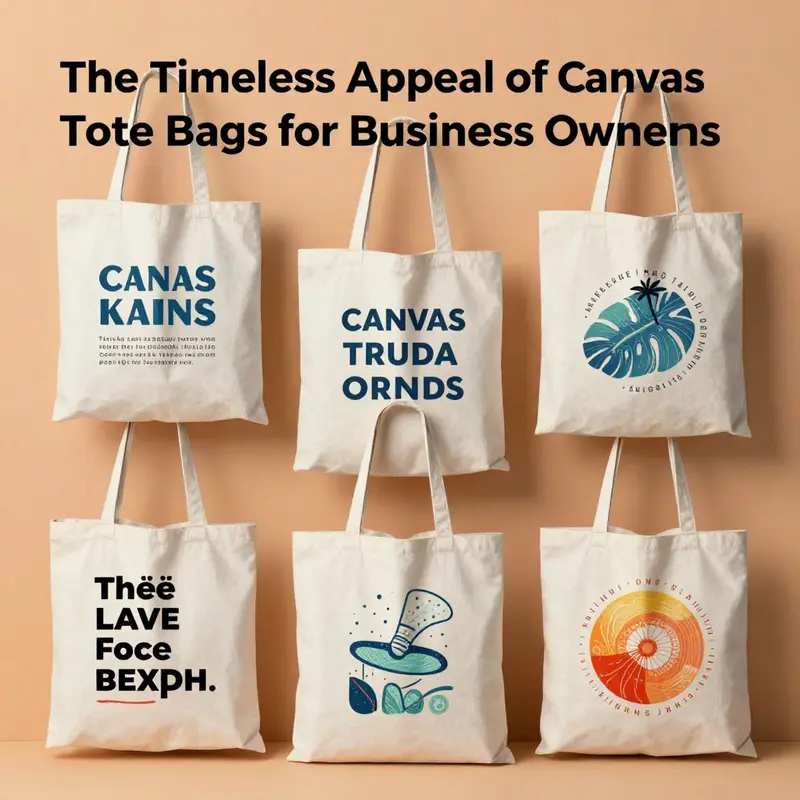
The canvas tote bag has moved beyond utility to become a surface for thought, identity, and values. What began as a simple carryall now communicates ideas at markets, on commutes, and in cafes. Printing trends in 2026 reflect this shift. Designers balance restraint with expression, favoring clarity over clutter and quality over novelty. The result is a design language that supports reuse, reduces waste, and elevates everyday style.
Minimal text-driven designs lead the conversation. Short slogans and single-line statements sit centered on natural canvas, using clean sans-serif type for instant legibility. These pieces speak with economy: one bold word, one line of intent. Designers pair a heavy headline font with a lighter companion for hierarchy. Limitations matter here. Two typefaces are enough; more breeds confusion. Placement experiments have become a subtle craft. A low corner phrase or a tiny line near the base uses negative space to create quiet elegance. The empty areas around the type act as a visual pause. They invite the eye to rest and the message to linger.
Minimalism is not emptiness. It requires discipline. Choice of canvas color influences contrast and mood. Natural beige and off-white remain popular for their sustainable signal and print friendliness. Deep indigos and muted olives offer urban refinement. When text and color are pared back, material and construction take center stage. Stitching, strap shape, and leather or metal accents become part of the design story. Thoughtful minimalism turns the bag into a deliberate object rather than a disposable accessory.
Parallel to typographic restraint, artistic and hand-drawn prints are redefining how people use totes to express personality. Abstract geometry and organic line work transform a bag into wearable art. Illustrations range from loose, sketch-like marks to tightly composed, poster-style graphics. These designs often tell micro-stories: a single floral sprig, an abstract wave, or a playful character. Hand-drawn aesthetics signal craft and authenticity. Imperfection becomes a virtue; visible brush strokes or slight registration variations make each bag feel more human.
Collaboration between designers and visual artists fuels much of this creativity. Limited runs and capsule releases help preserve scarcity and value. When a canvas bag carries original artwork, it turns a routine purchase into a collectible. That dynamic matters to consumers who want meaning as much as utility. It also supports sustainable consumption by encouraging long-term use over frequent replacement.
Nature-inspired imagery remains strong. Botanicals and stylized plant forms connect the object to ecological values. Bold leaf patterns and delicate herb sketches both play a role. Color choices lean earthy—terracotta, moss green, warm ochre—or bright but natural, such as saffron and lagoon blue. These palettes reinforce the ecological narrative and pair well with organic cotton and unbleached canvas.
The printing techniques themselves are evolving. Neo-traditional screen printing sits comfortably beside digital direct methods. Many makers prefer water-based inks for their softer hand and lower environmental impact. These inks penetrate fibers rather than sitting on the surface, so prints feel integrated with the fabric. Fade-resistant direct-to-garment processes have improved, too, producing durable results with more color fidelity. Printers now choose techniques based on run size, artwork complexity, and sustainability goals. For one-off art pieces, digital printing offers detail and color range. For bold, limited palette slogans, screen printing remains economical and robust.
Beyond ink choices, finishing techniques add tactile contrast. Embossing, subtle foil stamps, and stitched appliqués introduce depth without overwhelming the canvas. Leather or vegan-leather tabs and reinforced corners extend the bag’s life. Hardware, when present, is kept minimal and corrosion-resistant. These details matter because design longevity supports sustainability. A well-made bag is used longer, reducing demand for replacements.
Personalization is another major trend. Custom prints and modular patches let owners adapt a bag to their life. Patches, pins, and interchangeable straps change the look without buying a new item. Personalization platforms that let customers place names, coordinates, or short messages produce meaningful pieces that last. When design becomes co-created, consumers feel invested. Investment translates into care and longer use.
Size and proportion influence design placement. Standard 14″ x 15″ canvases suit centered graphics or large typographic statements. Oversize totes, reaching 17″ or more, allow sprawling illustrations or multi-panel narratives. Designers use the flat-bottomed structure as a compositional grid, placing images to be visible whether the bag is folded or packed. Designers also consider how printing wraps around seams and merges with pockets. Practicality and aesthetics must coexist.
Sustainability is an undercurrent that shapes both form and content. Organic cotton and biodegradable blends dominate material choices. Fabrics certified by recognized standards reassure buyers about production practices. Dyeing and finishing processes minimize water use and chemical runoff. Brands that highlight repairability and recyclability close the loop on product life. This ethical context informs design choices; slogans and images often echo environmental sentiment, reinforcing the bag’s role as a statement of values.
Designers are careful with messaging. Slogans that once read as trend-driven now emphasize sincerity. Phrases that promote reduced plastic use, mindful consumption, or small acts of kindness resonate when paired with transparent production claims. The visual and ethical messages must align. A bold environmental slogan on a canvas made without clear sustainability credentials undermines credibility. Consumers increasingly read both the print and the provenance.
Commercial and community uses also shape trend cycles. Totes given away at events evolve from promotional junk into curated keepsakes. Thoughtful designs extend a bag’s life as people reuse it for groceries, books, and daily errands. Community-driven graphics—local maps, neighborhood names, or cause-related artwork—turn canvas totes into collective signifiers. They become badges of belonging, used proudly in public spaces.
Color theory plays a strategic role. High-contrast monochrome prints communicate clarity and purpose. Tonal palettes suggest subtlety and sophistication. Designers layer translucent inks for depth without heaviness. Metallic accents remain restrained, used as focal points rather than broad finishes. The careful use of color helps the bag fit across contexts, from market runs to work commutes.
Durability is essential. Prints must withstand repeated washing and daily wear. Fade resistance, crack prevention, and ink adhesion are technical priorities. Garment-washed canvases and pre-shrunk fabrics reduce post-purchase surprises. Consumers expect a canvas tote to be as functional as it is expressive. Design cannot sacrifice performance.
Retail display and digital presentation influence design choices, too. Online images often show lifestyle shots with the bag in context: slung over a shoulder, tucked under an arm, or filled with books. Designers consider how their graphics read at different scales. Small corner prints must remain visible in thumbnail images. Large panels must look striking on mobile screens. These factors feed back into composition decisions.
As the tote continues evolving, the most successful designs will balance message, material, and manufacturing. A clear typographic statement should pair with durable inks and ethically produced fabric. A hand-drawn print should have reproducible detail and sustainable finishing. Personalization should be scalable and low-waste. Each choice affects how long the object is used and what it communicates.
For anyone designing or choosing a canvas tote, consider these practical rules: prioritize legible type and limited fonts, match ink and technique to the artwork, favor materials with clear environmental credentials, and design for repair and long-term use. Small details, like strap reinforcement and water-based inks, compound over time to create a meaningful, lasting product.
The canvas tote has become a cultural tool for communicating priorities. Whether making a quiet statement or carrying original artwork, the printed tote captures the interplay between aesthetics and ethics. As this design evolution continues, the tote remains a simple, durable medium for telling stories about who we are and what we value.
For an up-to-date market overview and deeper context on these trends, see this industry analysis: https://www.linkedin.com/pulse/tote-bags-market-innovation-trends-size-2026-2033
Explore a practical collection of women’s canvas tote bag options and styles for inspiration at this resource: women’s canvas tote bags.
Adaptive Canvas: The Everyday Life of Tote Bag Canvas and Its Quiet Sustainability
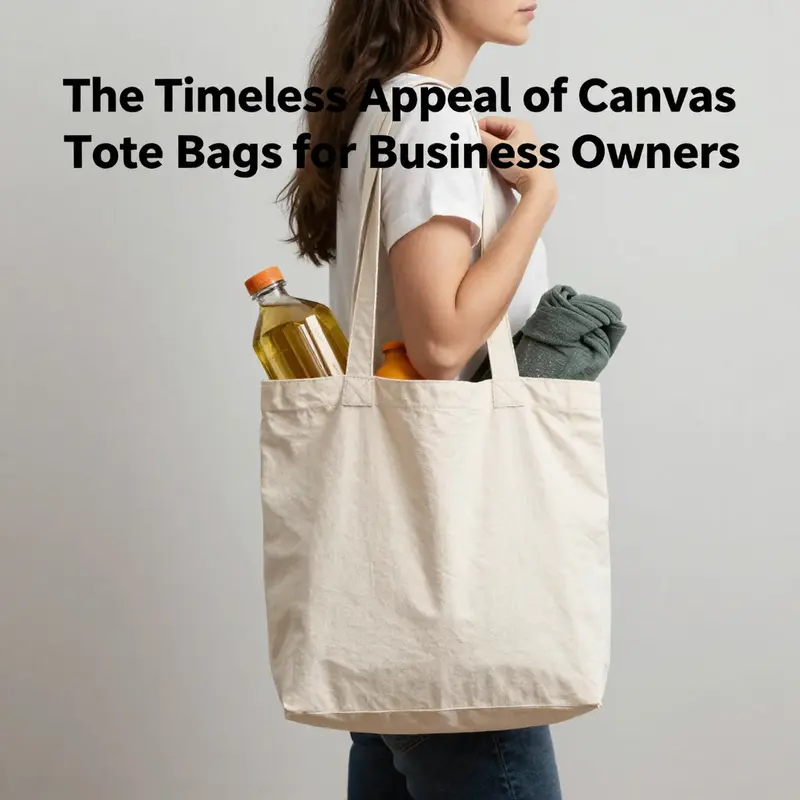
The canvas tote bag is more than a simple container for items; it is a braided thread of daily rituals, ecological choices, and evolving aesthetics that together form a quiet revolution in how people carry their lives from one moment to the next. In everyday scenes—a morning ride to work, an afternoon trip to the market, a weekend escape—the tote bag made from canvas behaves as a steady, forgiving companion. Its plain-woven texture carries a sense of practicality that never toes the line of ostentation, yet its surface can become a canvas for personality when the printing trends of the last few years have nudged design toward clarity, minimalism, and meaningful typography. The material itself, most commonly a cotton canvas or a cotton-polyester blend, offers a balance of strength, feel, and ease of care that makes it a natural choice for people who want form that does not get in the way of function. Its value does not rest on novelty, but on the enduring alignment between what people carry and how they choose to carry it in an era when reuse and mindful consumption have moved from preference to principle.
Durability is the cornerstone of this everyday resilience. Canvas is a plain-woven fabric that earns its reputation through robustness; it is able to hold heavy loads and resist the friction of daily use. This is not merely a claim but a practical reality observed by consumers who fill these bags with groceries, gym gear, textbooks, and travel essentials, then rely on the same bag day after day. When tested for wear, the canvas structure shows commendable endurance at stress points like handles and seams. It is true that in controlled tear-resistance comparisons, full-grain leather can outperform medium-weight canvas by a sizable margin—up to 300 percent in some laboratory scenarios. Yet canvas remains a strong partner for daily life because its weave distributes stress across a broad surface, and with thoughtful reinforcement, it can shoulder repeated use without surrendering form. This is where quality construction matters: reinforced handles, double-stitched seams, and flat-bottom designs that stabilize the bag as it sits upright and as it moves from shoulder to floor.
The practical features woven into canvas totes are where everyday life finds its rhythm. Slightly adjustable shoulder straps, typically spanning a generous range, allow users to tailor the fit to their height and activity—whether strolling through a crowded market or maneuvering through a busy transit hub. A well-designed tote often includes interior and exterior pockets that keep smaller items organized without turning the bag into a cramped cave. Some models offer specialized straps that can be attached to luggage handles, which is a straightforward utilitarian touch for travelers who want to keep a tote within easy reach aboard trains and planes. The flat-bottom silhouette, another common feature, invites stable packing so that books, groceries, or gym gear can be laid in with confidence rather than jostled in an awkward heap. There is a deliberate rationality to these design choices: they prioritize ease of access, steady balance, and the ability to adapt to different life segments without requiring a new bag for each occasion.
In this space of practical shaping and soft strength, the canvas tote becomes a canvas for life itself. The absence of zippers, a feature some brands favor to simplify access and reduce hardware-related wear, also invites a different kind of interaction with daily belongings. Items are retrieved with a simple reach; there is an intuitive flow to rummaging through the top of the bag, and in some contexts that accessibility is a relief, especially when one’s hands are full or one is juggling multiple tasks at once. At the same time, this design choice invites a consideration of organization. It is common for users to embed small pouches or add light organizers inside to manage items while still enjoying the bag’s open, grab-and-go ethos. The canvas’s openness pairs well with external pockets and internal sleeves, enabling quick stow-and-go habits that save time during hectic mornings and busy evenings alike.
The broader cultural frame into which canvas totes have settled is one of shifting lifestyle aspirations. The tote emerges as a symbol of minimalism that is not sterile but intentional. The design language of modern canvas totes tends toward clarity and restraint, using simple typography or understated motifs to express values without shouting them. This visual language resonates with a consumer base that wants to convey responsibility, mindfulness, and a preference for durable goods that reduce waste. It is not an abstract trend; it is tied to observable market behaviors. In 2023, a report from the Sustainable Apparel Coalition highlighted that a significant majority of consumers—about two-thirds—prefer functional gifts with an environmental resolve. This attitudinal shift helps explain why canvas totes have become more than a shopping accessory; they are portable endorsements of sustainable behavior. When people choose a reusable bag, they participate in a broader cultural narrative about reducing single-use plastic, extending the life of a fabric that can endure years of daily service.
Alongside these practical and ethical dimensions, there is a flourishing of personalization that keeps canvas totes relevant across generations and subcultures. Printing on canvas totes has evolved from functional print to expressive art, from generic utility to identity signaling. Minimalist designs with high legibility dominate the 2024 landscape, with typography that carries a message rather than a riot of color. Meaningful phrases—short, crisp, resonant—anchor the wearer to a moment or value they want to carry with them every day. The design conversation gravitates toward messages that promote mindfulness, sustainability, and a pragmatic approach to consumption. Rather than relying on loud branding, the most compelling totes invite a quiet conversation between the wearer and the world around them. Across online catalogs and storefronts, the tote bag is increasingly treated as a space where personal taste and social responsibility overlap, a realignment that keeps the canvas tote relevant as a cultural artifact rather than a passing fad.
This cultural nuance is reinforced by practical consumer behavior. The tote’s versatility makes it a versatile gift for many occasions, from back-to-school needs to weekend market visits. The tote’s broad appeal and functional finesse contribute to a steady, year-round demand that remains robust across regions with strong environmental commitments. In such markets, the tote is not merely a means to carry groceries but a compact platform for daily rituals: a place to stash a water bottle, a notebook, a lunch container, or a light jacket. For many people, a canvas tote is the first real step toward embracing reusable options, a tactile reminder that everyday choices add up over time to meaningful environmental impact. As people collect their reusable bags, they curate a personal toolkit for living that reflects both practical needs and ethical values, reinforcing the tote’s place in everyday life as a reliable, long-lasting partner.
The conversation about how these bags perform in real-world conditions is ongoing and grounded in empirical observations. The materials scientists and textile researchers who study tote performance emphasize the importance of anchored design choices—strong handles, reinforced seams, and careful weight distribution—to ensure that the bag can do its job across a spectrum of use cases. Beyond pure durability, users appreciate how canvas’s natural breathability and tactile warmth contribute to a sense of comfort during long days and heavy loads. A tote that feels comfortable against the shoulder, that balances its contents rather than pulling or sagging, enables people to move through daily routines with a sense of ease. In the context of travel, the ability to attach a tote to luggage or to slip it onto a rail when seats are tight becomes a practical advantage, turning a simple bag into a small, dependable travel companion. The combination of usability, form, and ethics makes the canvas tote a durable ally for those who want to simplify their lives without compromising style or responsibility.
For readers curious about how canvas totes withstand the rigors of daily life in more quantifiable terms, a recent, comprehensive analysis of tote performance offers detailed insights into how material choices, construction quality, and design decisions influence durability over time. While real-world outcomes depend on how a bag is used and how well it is maintained, the underlying message remains clear: canvas totes are built to be used, and they reward regular use with the ease of access, capacity, and reliability that modern life demands. This is not simply about holding items; it is about enabling people to carry their routines with confidence, reducing the friction that can come with everyday errands, and reinforcing a practical ethic of reuse.
To see how design trends translate into real-world choices and to explore a variety of styles and storage configurations, consider exploring the broader landscape of tote bag trends and practical configurations in this collection: tote bags trending. This resource highlights how the canvas tote remains a dynamic platform for personal expression and everyday utility, without sacrificing the fundamentals that make it such a reliable daily partner. As you scroll through different silhouettes, you may notice how some bags emphasize minimalism and clarity, while others offer subtle typographic statements or floral motifs that still honor the tote’s core function. The versatility of canvas as a material means that it continues to adapt to new aesthetic preferences while staying anchored in the practicalities of daily use.
Ultimately, the canvas tote bag operates at the intersection of utility, design, and ethics. It is a humble object with a robust social footprint: a reusable choice that helps seawork against single-use plastics and a durable, adaptable tool that can be configured to meet a wide range of needs. Its enduring appeal rests in the way it supports daily life with a sense of calm and competence. Users learn to forecast what they will carry, plan how the bag will behave under different loads, and appreciate the simple balance between structure and softness that canvas offers. In this way, the tote becomes more than a bag; it is a framework for daily planning and mindful consumption—an everyday artifact that quietly champions sustainability without demanding attention. For those who want to dive deeper into the empirical side of tote performance and to understand how materials perform under real-world loading, a recent external resource provides a rigorous perspective on canvas tote performance and durability over time: https://www.textilelab.org/reports/canvas-tote-performance-2026
Final thoughts
The canvas tote bag stands at the crossroads of functionality and sustainability, making it an ideal product for business owners looking to invest in environmentally-friendly solutions. With its durable design and the ability to cater to diverse consumer preferences, a canvas tote can serve as a powerful branding vehicle, telling a story of commitment to sustainability. As trends continue to evolve, businesses that embrace these bags can not only enhance their market position but also cultivate loyal customer relationships. By recognizing the unique blend of utility and personal expression that canvas totes offer, you can significantly impact your brand’s narrative in today’s eco-conscious marketplace.