
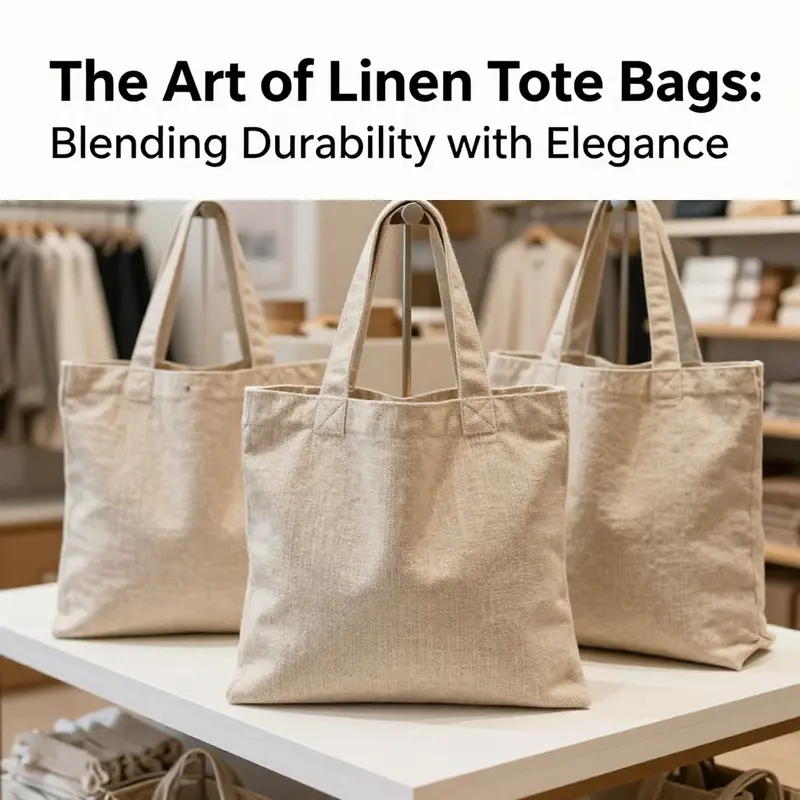
In the realm of sustainable fashion and functional accessories, linen tote bags stand out for their unique blend of durability and aesthetics. Crafted from the natural fibers of the flax plant, these bags are lightweight and sophisticated, making them ideal for a variety of business applications—from daily retail use to promotional giveaways. Understanding the durability, comparing linen to canvas alternatives, and knowing how to maintain these bags will not only enhance their appeal to customers but also ensure their longevity for repeated use. The following chapters delve into what makes linen tote bags a worthwhile investment for business owners seeking to embody elegance and practicality.
Breathable Charm, Built to Last: The Durability and Aesthetics of Linen Tote Bags
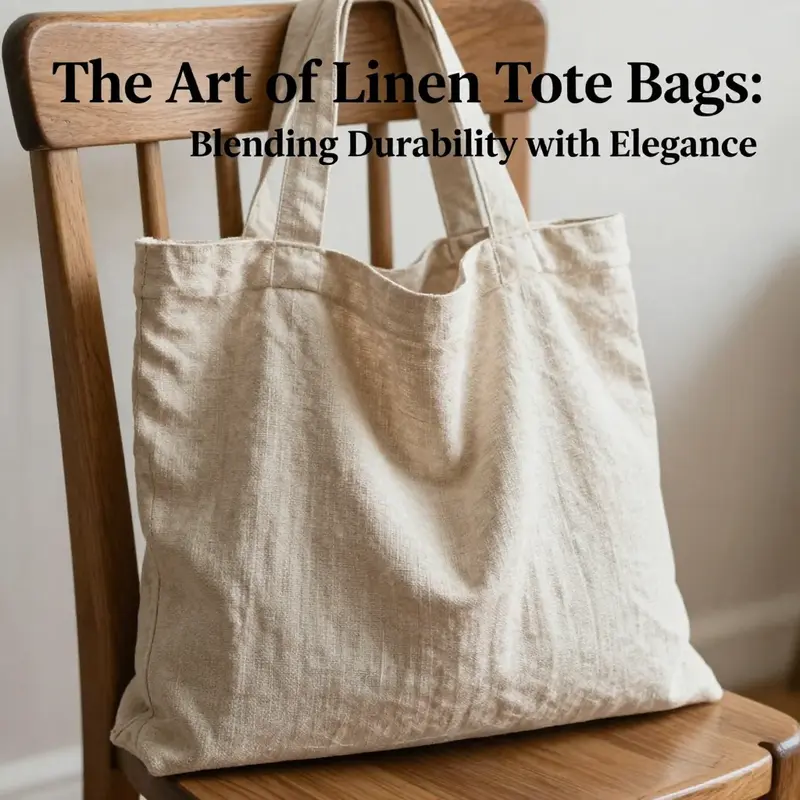
A linen tote is more than a carryall; it is a living record of a fabric that breathes with the body and the day. From the moment you slip it over your shoulder, you feel its lightness, its natural sway, and the way its surface settles into a quiet, matte sheen that signals a personality shaped by use rather than by polish. Linen, drawn from the flax plant, is celebrated for softness that deepens with time, and for a drape that looks effortlessly refined. It is a fabric that speaks of warm weather and lighter loads, of casual days punctuated by small, purposeful errands. Yet the same linen that feels so graceful under a light breeze can reveal a more nuanced truth when it bears weight, traffic, and dampness. Understanding this balance between beauty and endurance is essential for anyone sizing a tote for daily life, travel, or weekend escapes. The conversation between linen’s airy charm and its practical resilience is not about choosing a winner; it is about recognizing where linen excels and where it meets its limits, and then guiding design and care choices to honor both strands of its character.
At the heart of linen’s appeal lies its fiber origin and weave. Flax fibers are renowned for their smooth texture, their breathability, and their inherent strength when dry. This strength gives linen a crisp, structured appearance that feels both poised and approachable. The tensile qualities come from a combination of fiber stiffness and the way the fabric is woven: a plain or balanced weave preserves an airiness that makes linen tote bags ideal for warm days, for markets, and for light transit. But strength in flax is nuanced. When linen becomes wet, its fibers swell and the fabric can lose a noticeable portion of its tensile strength—estimates in practical testing place this drop around the twenty percent range. The practical implication is simple: a linen tote that gets soaked or carries weighty, damp items loses shape more readily than a similarly loaded canvas bag. The very same properties that give linen its elegant drape—the ease with which it folds, wrinkles, and settles into soft creases—also expose the bag to certain kinds of stress under damp or heavy use. In dry conditions, linen can feel surprisingly resilient at stress points like handles and corners; in wet conditions, those same points become more vulnerable to distortion and, over time, to wear.
The aesthetic life of linen also follows an unmistakable arc. In the early days, the fabric tends to be crisp and tight, offering a clean, almost architectural silhouette. With each use, it softens, develops a gentle patina, and gathers a network of creases that many find quietly beautiful. This evolution is part of its appeal for people who value texture and a lived-in look. The matte sheen that emerges is not slick or glossy; it’s a softened glow that hints at a wardrobe already practiced in the art of casual polish. But this beauty comes with a caveat. The same laxity that gives linen its character—its tendency to crease and drape with gravity—means the bag may not snap back into a rigid form after repeated heavy loads or abrupt shaping. Does that mean linen is ill-suited for daily use or for groceries, books, or sharp-edged items? Not necessarily. It simply means that, unlike some heavier cotton or synthetic blends, linen’s memory is less about stubborn resilience and more about graceful adaptation.
In practical terms, the distinction between linen and canvas is one of temperament as well as weight. Canvas—dense, tightly woven cotton with substantial weight and a history rooted in sails and tents—offers a more muscular response to load and weather. Its weave and density confer abrasion resistance, stronger seam integrity, and a more assured return to shape after repeated folds and strain. In a tote meant for weekly grocery trips or days when the bag will carry heavier items, canvas’ endurance is a decisive advantage. It holds its form with discipline, even when confronted with damp interiors or colder air that can stiffen fabrics. Linen, by contrast, excels where lightness, aeration, and a refined, understated look are the primary goals. It invites a wardrobe to feel coordinated across seasons and occasions, the kind of bag that pairs with linen trousers, cotton dresses, or a summer tote filled with sun hats and a beach towel more than with a root-laden grocery haul.
This is not a dichotomy to be resolved by fashion theory alone but a matter of matching intention with material behavior. Linen’s strength is real, but its elasticity is not. It does not spring back from heavy compression or sudden pulling as readily as canvas does. Repeated stress on linen handles or at stress points can lead to fraying or seam weakening if stitching is not carefully reinforced. The bottom line is straightforward: linen tote bags deliver a sense of quiet sophistication and light-duty reliability that is ideal for everyday micro-excursions, weekend farmers’ markets, or travel days that are mostly about movement and light luggage. When the plan includes frequent heavy loads, harsh weather, or long-term structural demands, a canvas alternative with reinforced stitching, thicker base, and water-resistant finish demonstrates superior long-term resilience. This is the core trade-off: linen tells a story of lightness and elegance; canvas tells a story of endurance and steadfast utility. The two fabrics illuminate different values, and the best choice depends on the balance you seek between beauty and bravura under real-world conditions.
Carefully designed linen totes can maximize durability without sacrificing their signature feel. The weave plays a huge role in how much a bag flexes under strain. A tighter, more balanced weave often yields a crisper initial silhouette and better resistance to casual snagging and abrasion. Yet even with a careful weave, linen’s response to moisture remains a central concern. Water intrusion is not simply a question of appearance; it interacts with the fibers at a microscopic level, causing swelling that adds weight and can exaggerate sag at stress points. If a linen tote is emptied and promptly dried, the risk of mildew or seaming weakness diminishes, but if dampness lingers, mold can take hold at seams or along the base. This makes the drying environment not just a comfort preference but a crucial maintenance habit. The ideal linen tote thus becomes a small, mindful system: a bag that breathes and ages gracefully, while also accepting a routine of air drying and careful storage after damp use.
The shape a linen bag adopts over time is itself a guide to its lived life. The lines created by creases tell a story of how it has traveled—from a city sidewalk to a café counter to a sunlit park bench. The creases and the softening of the fabric can be celebrated as evidence of practicality: a tote that has gone where you have gone, carrying items that matter. Yet the practicality of linen also invites design innovations to address its weaker points. Reinforced handles, a base that distributes weight more evenly, and interior pockets to keep items from shifting can help maintain a coherent form even when the bag bears more than its initial design anticipated. These features do not erase the linen’s natural texture or its tendency to crease; instead, they work with those traits, preserving the bag’s essence while improving its behavior under load.
When considering whether to choose linen over canvas, or how to equip a linen tote for long-term use, the decision rests on an alignment of needs and expectations. If you prize airiness, a refined, modern silhouette, and a bag that ages with grace into a matte, softened companion, linen delivers with a quiet confidence. If your daily life involves frequent heavy groceries, rain, and the need to maintain an unfixed shape over many months, canvas offers a steadier performance, especially when paired with treatments like water resistance and reinforced seams. The best approach for many is a nuanced one: a linen tote for light to moderate use, with occasional checks and gentle maintenance; a canvas option or a linen bag with a well-thought-out reinforcement for days when the load is heavier or the weather more uncertain. This balance reflects a broader philosophy in bag design, one that values both the aesthetics of natural materials and the practical discipline of construction.
For readers who want to explore a broader range of fabric contexts within the same category, a quick exploration of fabric-tote-bags-for-women can give a sense of how linen compares with other airy, flexible fabrics that populate casual, everyday wardrobes. See fabric-tote-bags-for-women for a broader view of how different textiles perform in similar silhouettes and how designers balance breathability, weight, and structure across a range of aesthetics. In a broader sense, the conversation about linen versus canvas is part of a larger dialogue about how form follows function in everyday carrying solutions. The best tote for you is less about the absolute strength of a fabric and more about how its strengths align with your daily rituals, wardrobe, and environment.
Ultimately, the choice between linen and canvas, like the choice between a crisp, untreated linen tote and a heavily reinforced, weather-ready carrier, is a statement about how you want to live with your possessions. Linen invites you to move with ease, to embrace texture, and to appreciate the beauty of something that matures as you wear it. Canvas invites you to plan for durability, to expect steadiness in changeable conditions, and to prioritize resilience when the day calls for heavier loads. The best approach is to honor both impulses within your own life. When you reach for a tote that feels as light as a breeze and as refined as a well-cut garment, you are choosing the linen path. When you need a bag that can shoulder more, resist rain, and keep its shape through weeks of use, you may opt for canvas or a linen tote designed with stronger seams and strategic reinforcement. In either case, the fabric speaks to a philosophy of carrying—one that values comfort, aesthetics, and lasting satisfaction over transient perfection.
External resource for further reading: https://www.tested.com/tech/gear/linen-vs-canvas-tote-bag-durability/
Weighing Aesthetics Against Endurance: A Deep Dive into Linen Totes Versus Canvas Alternatives
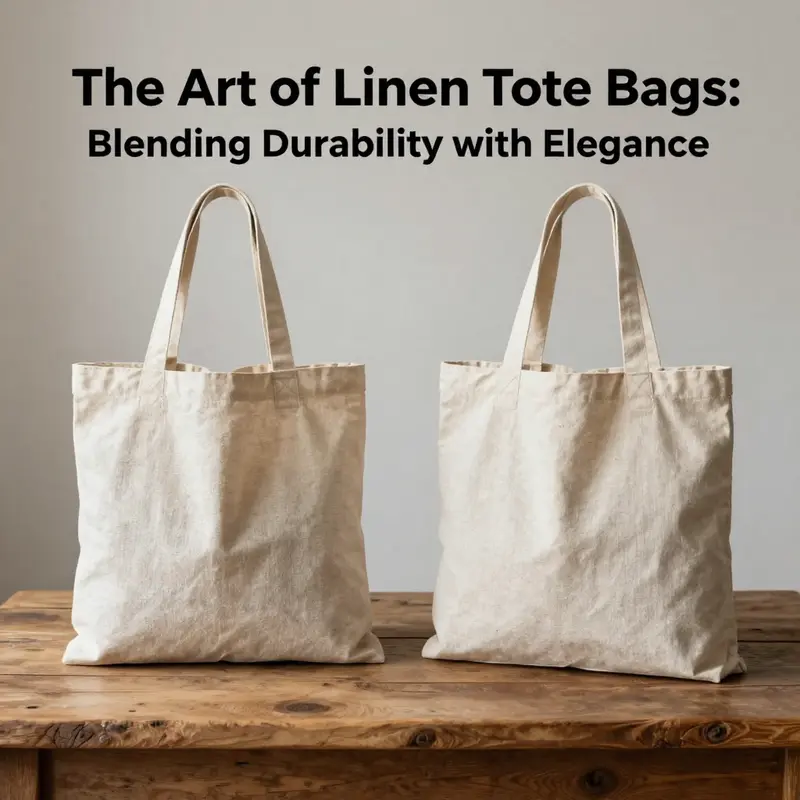
Choosing between linen tote bags and their canvas counterparts is to weigh two distinct philosophies of daily carry. Linen brings breathability, a soft hand, and an air of effortless elegance, while canvas offers a sense of sturdy reliability that many equate with preparedness for nearly any load. In the landscape of everyday totes, the decision rarely hinges on fashion alone; it hinges on how a bag behaves when pressed by routine, weather, and the organization of essentials. This chapter aims to look beyond first impressions and stock answers to reveal how the fabric itself responds to real-world use. It invites readers to consider how linen’s light, cued by a flax origin, elevates an outfit with its natural texture and how canvas, built on a dense weave and reinforced seams, steadies daily errands with predictable form. The goal is to illuminate the trade-offs that shape every tote choice so that readers can align their selection with genuine needs rather than mere aesthetics, and to set expectations for the life a bag will lead alongside its owner.
Linen draws us in with breathability and a texture that invites touch. Derived from flax, linen fibers carry air through the fabric, helping the bag feel cool against the skin on warm days. The drape is soft but not floppy, and linen tends to settle into a light, flattering silhouette even when filled with items. Over time, a linen tote develops a patina—creases that speak of use, a matte sheen that signals a quiet maturity, and a tactile warmth that many find reassuring. Yet that same openness of the weave creates a fragility when stacked with weight or pressed into corners. The typical tote version uses a looser or mid-weight weave to preserve that airy feel, which translates into less resistance to stretching. When a load grows beyond something the fabric can comfortably accommodate, the handles and corners bear the brunt, and sagging becomes more likely. There is truth in the fibre’s strength: individual flax fibers resist breakage under tension, but the fabric as a whole lacks the dimensional stability of a tighter weave. Linen’s beauty is inseparable from its limits, a reminder that elegance often carries a finite boundary when the bag is asked to perform beyond its design.
Canvas responds with a different promise. A tightly woven plain weave creates a dense, sturdy surface that distributes weight more evenly across the fabric plane. The result is a bag that resists deformation as loads rise from light to substantial. In practical terms, canvas holds its shape when loaded near capacity, which translates into a bag that feels more controlled in the hand and less prone to collapsing into a sagging pouch. Heavier variants—those described by higher weights in ounces per square yard—further reinforce this sense of durability. These fabrics stay flatter, keep their silhouette, and tolerate more abrasion without showing wear. When treated with water-repellent finishes or combined with reinforced bases, canvas performs markedly better in wet or unpredictable weather, remaining functional while linen may swell and lose some of its tight geometry. The overall impression is of a workhorse fabric that communicates reliability without surrendering the clean, straightforward look that many people expect from a well-made tote.
A practical snapshot of the two fabrics reveals a clear set of trade-offs. Linen’s strength is most evident when the bag remains dry and relatively light in its use. Its fibers are robust, but the fabric’s structure can sag as the weight climbs, especially if the handles are thin or unstressed by reinforcement. Moisture compounds the effect: linen fibers swell when damp, a change that increases weight and makes the bag feel less crisp, and repeated damp exposure without thorough drying can weaken stress points like seams. Canvas, by contrast, tends to maintain its form in damp conditions and shows greater resilience to repeated loading and edge wear. It resists stretching more effectively and maintains a more predictable boundary between the contents and the bag’s silhouette. Controlled tests often show canvas delivering higher tensile strength than standard linen; while the exact margins depend on the weave, weight, and finish, canvas commonly outperforms linen when durability and load-bearing capacity are prioritized. This difference matters in daily life, where a bag’s ability to keep its shape under stress translates into more comfortable lifting, easier access to contents, and less time spent reestablishing order after a busy commute.
The aesthetics of aging also shape the decision. Linen ages with quiet sophistication. It softens with use, and its creases become part of its character, a kind of textile patina that many find desirable. This lived-in look is part of linen’s charm, as the fabric develops a matte sheen and a pliable, almost organic feel. Yet the same aging process can be a point of frustration for those who crave a consistently polished appearance. Linen wrinkles persist even after ironing, and the fabric’s tendency to crease can invite a sense of casual irregularity rather than pristine smoothness. Canvas ages differently. Its surface tends to collect scuffs and marks that tell stories of trips and errands, but the dense weave makes those marks less intrusive and easier to wipe away. The color often deepens subtly, giving the bag a weathered, practical look that some interpret as a badge of use and reliability. The upshot is that linen offers refined, understated elegance that evolves with time, while canvas offers a more utilitarian, durable aesthetic that remains visually coherent even as it accrues wear. The choice thus aligns with the consumer’s preference for either a softer, evolving texture or a steadier, more mission-critical appearance.
The decision also hinges on how each fabric fits into daily routines and weather realities. Linen’s airy character makes it superb for light shopping, weekend strolls, a casual coffee run, or a carry that sits comfortably in a library corner or café. It feels almost couture in its lightness, a touch of luxury that can elevate a simple tote into a statement. However, linen can sag under frequent heavy use, particularly when carrying bulky groceries or gym gear. The rough truth is that linen’s elasticity is limited, and when loaded heavily, the fabric may fail to snap back into its original shape. Canvas, with its tighter weave and reinforced construction, provides a sturdier platform for heavy loads. It holds its shape when loaded fully, resists tearing from abrasion, and stands up to repeated trips to the market or the office without becoming a sagging liability. In wet conditions, canvas often has the edge, particularly when finished with a water-repellent coating, as it resists soaking and the attendant weight gain that can accompany dampness. Linen, while breathable and light, will generally require more careful storage and drying to avoid mildew or weakened stress points after damp exposure. The practical takeaway is a nuanced one: for light, stylish carry, linen wins; for heavy, regular use, canvas earns greater reliability.
The construction of the bag itself cannot be ignored. Even the finest fabric performs poorly if it is supported by weak stitching or a fragile base. A linen tote that uses a single-stitched handle may fail where the fabric is most stressed. The best linen bags employ reinforced handles, double-stitched seams, and, where feasible, an additional base or bottom panel that distributes weight more evenly. Canvas bags are typically designed with durability in mind: reinforced corners, a double-layer base, and a robust stitching pattern are common. A well-made canvas tote may feature gussets that preserve shape and help prevent bulging at the sides, while linen counterparts sometimes use a patch or a base reinforcement to anchor stress points. When assessing a tote, buyers should look closely at the seam quality, test the weight by lifting the bag with a full load, and observe how the fabric responds as the bag rests on a table. A well-constructed linen tote can still perform admirably, especially if the base is reinforced and the handles are layered, but the structural guarantees of canvas are more robust for heavier use. The resulting practicality is that construction quality can elevate either fabric from a general idea of “bag” to a dependable daily carrier for many months or years.
From a broader perspective, the environmental conversation around these fabrics adds another layer of nuance. Linen, derived from flax, tends to require less water in the cultivation phase and yields long, strong fibers that create a breathable fabric with fewer chemical treatments. Canvas, often cotton-based, sits at a different point on the sustainability spectrum, with some blends incorporating hemp or synthetic fibers to improve durability and reduce resource intensity. The choice thus becomes a matter of balancing personal values with practical requirements: prioritize a breathable, elegant carry with linen and accept gentler care; or choose a robust, high-performing option with canvas and accept a different set of care needs and durability expectations. The reader can see that both fabrics have ecological trade-offs that extend beyond a simple wash-and-wear assessment. The result is a curated set of options within a single category, where the line between style and practicality is negotiated by weave density, base construction, and finish as much as by texture or color.
Care and maintenance intersect with performance in meaningful ways. Linen benefits from careful handling after damp exposure. If moisture sneaks in, the fabric should be air-dried away from direct heat to prevent mildew and fiber fatigue. Ironing or steaming can minimize heavy wrinkles, but the natural creases may persist as part of the bag’s character rather than a flaw. Canvas, by contrast, tends to be more forgiving in cleaning and maintenance, especially when the fabric carries a protective finish. A mild soap and water solution and air drying are typically sufficient to restore a clean look, and occasional reconditioning of the surface with a light spray or care product can preserve its resistance to water and staining. For both fabrics, keeping the interior organized helps preserve silhouette and ease of use. Packing choices that distribute weight evenly, avoiding sharp, poking items, and using internal pouches can help a linen tote maintain its shape. With canvas, the reinforced base and sturdy seams cooperate with the robust fabric to maintain a sharp, practical profile even as the bag endures repeated use.
Buying guidance centers on fabric weight, weave density, and the quality of construction. Linen’s fabric weight, often expressed as a range from light to mid-weight, is meaningful primarily through the weave density and fiber length contributing to stiffness. Canvas weight and the pattern of the stitches and base reinforcement provide a similar lens on durability. A high-quality linen bag may pair a thicker, breathable weave with reinforced handles and a bottom panel that preserves its silhouette under modest weight. A canvas bag benefits from a double base, strong stitching, and a gusset that promotes shape retention. The best approach is to assess how the bag behaves under load, how it folds when empty, and how well it recovers after weight is removed. The decision thus aligns with lifestyle, not just fabric personality. For readers curious about a broader canvas range that emphasizes everyday versatility, explore women’s canvas tote bags as a practical reference point in the spectrum between linen softness and canvas resilience.
In sum, the linen tote and the canvas alternative each tell a story about how we want to carry the things that matter. Linen offers a subtle, refined charm, a textile that ages gracefully and delights the senses with texture and lightness. Canvas offers a dependable, enduring utility that stands up to heavier use and damp conditions with composure. The choice is not a simple binary; it is about matching the bag to the rhythm of daily life—how often you fill it, what you carry, the climate you navigate, and the way you want to present yourself in the world. The best tote for a given person is the one that resonates with their routine, providing both comfort and confidence in equal measure. When the time comes to decide, a thoughtful balance of weight, weave, reinforcement, and care will steer you toward a tote that complements your life as much as it complements your outfit.
External resource: https://www.theguardian.com/lifeandstyle/2026/feb/18/sustainable-tote-bags-linen-vs-canvas
Gentle Hands, Lasting Linen: A Thoughtful Maintenance Guide for Linen Tote Bags
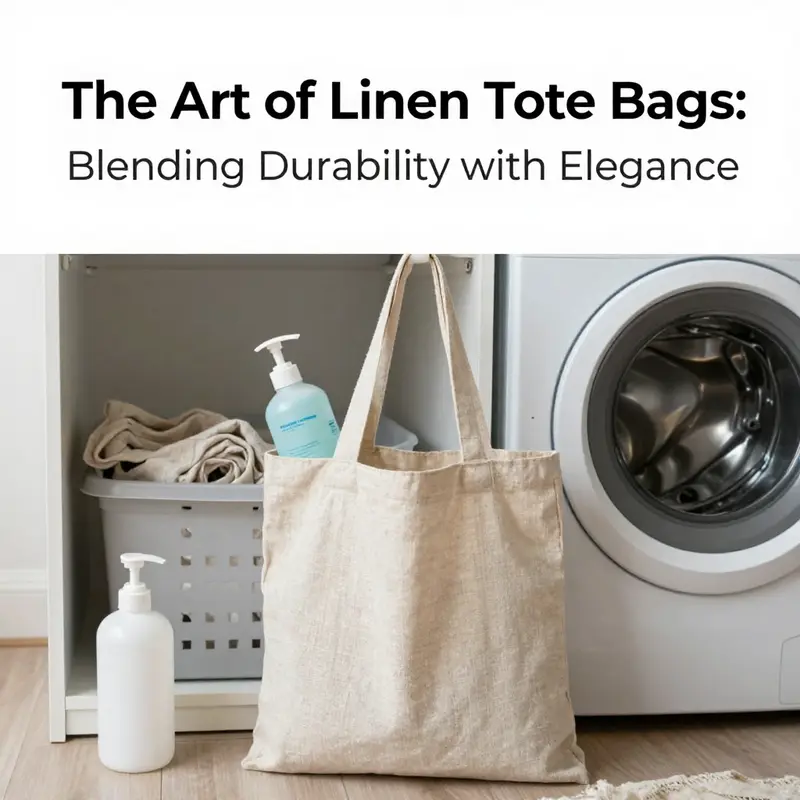
Linen tote bags carry the quiet grace of the flax plant, a fabric prized for breathability, soft hand, and the way its texture deepens with use. The ethos behind linen is one of simplicity and longevity: a natural material that wears its life story on its surface. This does not mean maintenance is optional. On the contrary, care becomes a small, mindful ritual that respects the fiber’s nature while preserving the bag’s silhouette and drape. In a world quick to reach for a machine wash or a harsh cleaner, linen invites a slower, gentler approach. The result is a tote that ages with character, rather than one that looks worn out after a single season. The beauty of linen lies in its quiet evolution—the creases that accumulate with daily routines, the matte sheen that accrues through handling, and the way the fabric softens and drapes more gracefully over time. Yet that beauty is earned through attention, because linen also has vulnerabilities. When damp, its fibers swell; when overloaded, it stretches; when exposed to direct heat or harsh chemicals, its surface can dull and its seams can weaken. The care routine, therefore, is less a routine and more a conversation with the fabric—a dialogue that honors linen’s strengths while mitigating its weaknesses.
To begin, the washing question anchors this conversation. The care label on a linen tote often suggests hand washing or gentle, low-impact cleaning rather than a machine cycle. This guidance isn’t mere precaution but a practical acknowledgment of how linen fibers respond to agitation. In lukewarm water, with a mild detergent that is gentle on natural fibers, the bag can be swished with a light, all-around motion. The goal is to remove surface grime, sweat, and minor stains without crushing the fabric’s natural grain. Unlike synthetics, linen does not tolerate aggressive rubbing, which can fray threads and distort seams. After a careful bath, the rinse should be thorough—residual soap can give linen a dull, stiff feel and can gradually attract more dirt if left in the weave. The next step is equally important: do not wring. Wringing applies unnecessary stress to seam lines and the lower panels, where the most pressure tends to accumulate during use. Instead, press out excess water by laying the bag flat in the towel, rolling gently, and then pressing again. This method preserves the bag’s shape while expelling moisture without introducing distortion at the edges or corners.
Drying follows the washing with its own set of considerations. The natural tendency of linen is to air-dry rather than tumble-dry, which can be harsh on the fibers and uneven on the surface. Lay the tote flat on a clean towel, then reshape at key points—base corners, side seams, the top opening—so the fabric dries in a balanced profile. Avoid direct sunlight; ultraviolet rays can fade the fibers and dull the linen’s natural texture. A sunlit afternoon may feel enticing, but a slow, shade-dried finish will preserve color depth and keep the fabric from becoming brittle at stress points. When the bag is nearly dry, a brief, gentle air of warmth—the kind you’d apply to a delicate scarf—can help smooth out some wrinkles without pressing them out entirely. The goal is to retain a relaxed drape, not a perpetually crisp surface that fights the linen’s natural softness.
Beyond the mechanics of washing and drying, linen’s daily care rests on restraint and routine. Linen thrives when used for light, everyday errands rather than being pushed into heavy-duty tasks. Overloading a linen tote invites strain at the seams and base, and a heavy load that is frequently carried can cause the fabric to stretch and the bag to lose its original shape. To protect the structure, consider what you carry and how you organize it. Lightweight pouches or fabric dividers inside the tote can distribute weight more evenly and reduce stress on straps and corners. When you’re not using the bag, store it in a cool, dry place. A breathable dust bag is ideal; it guards against dust and moisture while letting the fibers breathe. If you choose to fold linen rather than hang it, do so gently and avoid sharp creases in the same place. Linen loves a loose, natural fold more than a stiff crease, and the memory of that crease will be gentler if the fabric is not repeatedly bunched in the same spot.
Wrinkles are a persistent, almost inevitable companion for linen. They are part of the fabric’s charm, signaling that the tote has traveled with you and absorbed a little of your day. If you must remove creases for a more polished look, a light steam can soften the lines. A low-heat iron, used with a pressing cloth, is a careful instrument to smooth stubborn wrinkles. The pressing cloth acts as a barrier, protecting the fibers from direct contact with heat that could scorch or flatten the texture. Ironing linen with care preserves the natural bloom of the weave and avoids a shiny, lacquered appearance that can betray the fabric’s organic character. The steam approach is often enough to relax the fibers, allowing a gentle smoothing without flattening the lay of the weave. The overarching message here is restraint: linen’s texture is deliberate, and a heavy-handed flattening can erase the subtle, living quality that makes linen tote bags so appealing in the first place.
Moisture sits at the heart of linen’s vulnerabilities and its care strategy. When linen gets wet, fibers swell, and the tote’s weight increases. A damp bag is less stable and more prone to losing its shape, especially at seams where stress concentrates. This is why prompt drying is indispensable. After a rain shower or a spill, empty the bag, pat it dry with a towel, and air it as soon as possible. Do not rely on quick drying during the heat of a single afternoon; the goal is a thorough drying that prevents mildew and weakening at points of tension. Mildew is not a mere cosmetic irritant; it corrodes fiber strength and can compromise the weave, particularly at corners and along seam lines. For storage after use, ensure the bag is completely dry before you tuck it away. A damp tote stored in a closed space is a magnet for mildew and a signal to the fibers that moisture is part of their life’s rhythm. If you frequently experience damp days, it may be wise to rotate linen with other bags crafted in more moisture-resistant fabrics for heavier tasks.
In speaking of durability, it’s worth acknowledging linen’s natural strength when dry. Flax fibers generally outrun cotton in individual fiber strength, which lends linen a robust character when unwet. However, the same fibers lack elasticity, so they can stretch under sustained heavy loads and rarely snap back into their original shape once sagged. The practical upshot is simple: embrace linen for light to moderate use and enjoy its evolving texture, but design around its limits for heavy-duty tasks. This is not a failure of linen; it is a call to use it in harmony with its temperament. If you routinely encounter heavy groceries, a sturdier companion may be a better fit for the heavier days, while the linen tote remains the day-to-day partner whose beauty deepens with gentle wear.
The aging process of linen is, paradoxically, one of its strongest appeals. With time, the fabric softens further, the drape becomes almost effortless, and a matte sheen emerges that signals a life well carried. The creases do not merely appear; they tell stories of where the bag has been—on city sidewalks, on breezy coastal boards, at markets, at coffee shops. This evolving texture is not a flaw to fix but a narrative to celebrate. The cost, however, is a degree of maintenance discipline. Linen’s very character invites some attention to moisture and storage. If a spot or spill leaves a mark, treat it with a mild approach and return to the gentle routines described above. Do not attempt to over-restore or “refresh” the bag to a too-perfect state; allow the natural patina to develop, and the bag will feel more you with each season.
A note on color and exposure helps anchor long-term care. Linen accepts sun and air well, but prolonged exposure can fade tone and alter the surface’s depth. If color integrity matters to you, you may prefer storing the bag in a dim, ventilated space and bringing it out for use rather than leaving it perched in a sunny window or a hot car. Aesthetic aging is part of linen’s appeal, but predictable fading is a risk if color uniformity matters to your wardrobe or your plan to pair it with other textiles. The care plan becomes a balance: you honor linen’s natural changes while avoiding extreme conditions that accelerate fading or wear at the edges.
A practical framework for ongoing care includes a few simple checks. After every season, inspect the seams for any loosened stitches, check the base for thinning, and assess whether the bag still holds its shape as you expect. If you notice a weak point before a full failure, address it early. A small repair can extend the bag’s life by months or even years, and it is often less daunting than replacing the bag altogether. This attention to detail aligns with linen’s ethos of quiet, enduring elegance. The aim is not perfection but a steadfast presence: a bag that looks and feels right as it accompanies you through workdays, weekend trips, and spontaneous afternoons in the sun.
Keeping the care conversation with linen bags alive also means tapping into a broader body of textile knowledge. The care of linen intersects with principles of moisture control, gentle handling, and mindful storage that textile-care organizations emphasize. The overarching message from these resources is consistent: test cleaners in inconspicuous areas, prefer mild agents, and avoid heat and harsh agitation that can compromise delicate fibers. While the specifics may vary by weave and finish, the fundamentals—gentleness, patience, and respect for the material—remain universal. If you want to explore these ideas beyond linen, you will find reliable guidance that highlights the balance between cleaning efficacy and fabric longevity.
For readers who wish to deepen their understanding while keeping their linen tote in sight, consider exploring broader fabric-care guidance that contextualizes linen within a family of delicate fibers. A good starting point is an accessible guide on fabric-care principles, which foregrounds low-impact methods and the importance of testing before broad application. And to connect this care practice to a wider world of fabric contexts, you can consult resources that discuss the careful balance between cleaning, moisture control, and storage—principles that apply across natural fibers and help you avoid common missteps. If you would like a concrete point of reference, a well-regarded textile-care resource emphasizes gentle handling and appropriate cleaning agents, reinforcing the idea that the best outcomes come from thoughtful, measured care rather than brute force.
In practice, then, the life of a linen tote becomes a quiet dialogue between your daily habits and the fabric’s natural tendencies. It invites you to slow down, to notice the bag’s texture shifting as it carries your things, to appreciate the way wrinkles tell a motion-filled story, and to respond with care rather than resistance. Each wash, each air-out, each steam, and each minor repair is a line in that ongoing conversation. The result is a tote that remains faithful to its linen origin—airy, breathable, and elegantly imperfect in a way that feels honest and personal. The care you give is not a burden but a form of stewardship: a commitment to the material’s life and to your own daily rhythm.
To tie these strands together without losing sight of linen’s nature, remember that maintenance is not about restoring linen to an unattainable perfection. It is about sustaining its essential beauty while recognizing its limits. This perspective helps you choose when to use linen for light, everyday tasks and when to rely on a tougher fabric for heavy loads in unpredictable conditions. It also invites you to consider how you store, wash, and care for your bag so that its gentle fold lines are preserved rather than flattened by aggressive cleaning or careless storage. As you integrate these practices, the linen tote becomes more than a transport tool; it becomes a partner in your daily life—softening with time, carrying your essentials with ease, and inviting you to handle it with the same care you extend to the things you value most.
For readers exploring the broader world of fabric totes, a linked resource on fabric tote bags for women offers a quick lens into related materials and styles, helping you situate linen within a wider spectrum of tote options. This broader context can be helpful when weighing the trade-offs between linen’s airy feel and the durability of other fabrics. If you are seeking further practical guidance on how to maintain textile goods over the long term, you will find the insights from textile-care authorities useful, especially the emphasis on gentle handling, moisture control, and appropriate storage—principles that keep linen’s beauty intact across seasons.
In sum, caring for a linen tote is a disciplined encounter with a natural fiber that rewards restraint and attentiveness. Its wrinkles tell a story of daily life; its softening hand speaks of years of use; its matte sheen whispers of quiet refinement. When you adopt a care mindset that respects linen’s temperament—gentle washing, careful drying, mindful storage, and restrained ironing—you maintain its character while extending its life. The result is not merely a bag that holds belongings but a living companion that accompanies you with understated elegance. Through thoughtful maintenance, your linen tote remains true to its flaxen origin, its texture evolving in harmony with your day-to-day journeys, and its presence becoming more cherished with each season that passes.
Internal resource reference: For readers exploring the broader world of fabric totes, consider fabric tote bags for women as a starting point for related insights and ideas. (https://alltotebags.com/fabric-tote-bags-for-women/)
External resource: Excellence in textile care – Texcare Asia. https://www.texcareasia.com
Final thoughts
In conclusion, linen tote bags offer an exceptional balance of elegance and function, making them an attractive option for business owners who value quality and style. Their innate durability, when compared to canvas alternatives, makes them a valuable investment in your product line. Furthermore, understanding the proper care and maintenance enables you to provide customers with products that last and age gracefully. By promoting linen totes, businesses can not only appeal to eco-conscious consumers but also enhance their brand’s image as one that values aesthetic and sustainability in fashion.