
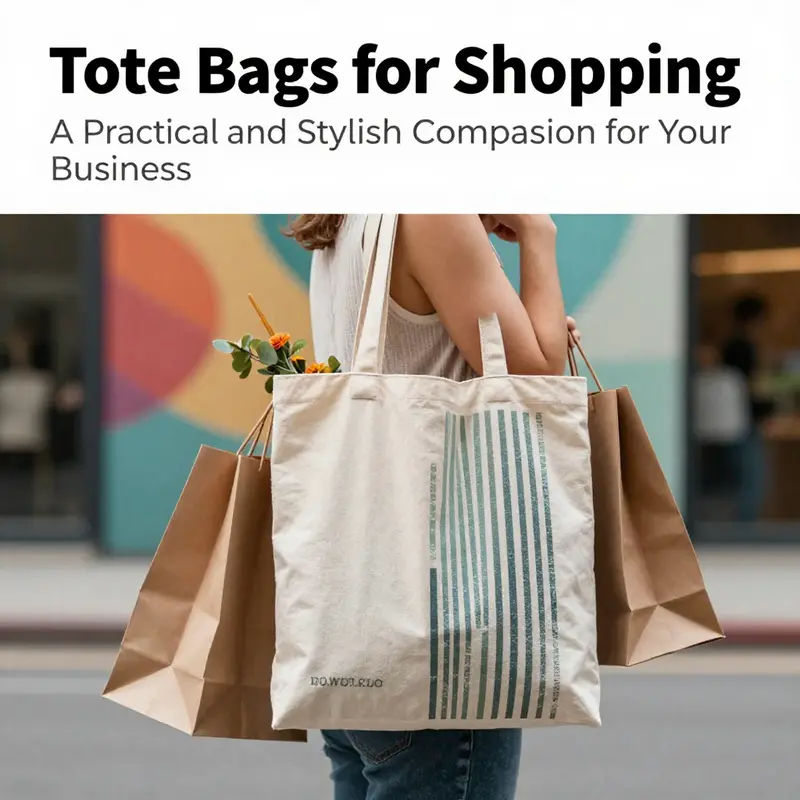
Tote bags have evolved into an essential accessory for shoppers, merging style with utility while providing businesses with unique branding opportunities. As a business owner, understanding the various aspects of tote bags can significantly impact your marketing strategy and customer engagement. This article delves into the versatility of tote bags for shopping, material choices and weight capacities, sustainable practices, and current fashion trends and designs, providing an extensive overview that highlights the benefits of incorporating tote bags into your business model.
From Aisle to Aesthetic: The Everyday Power of Shopping Tote Bags
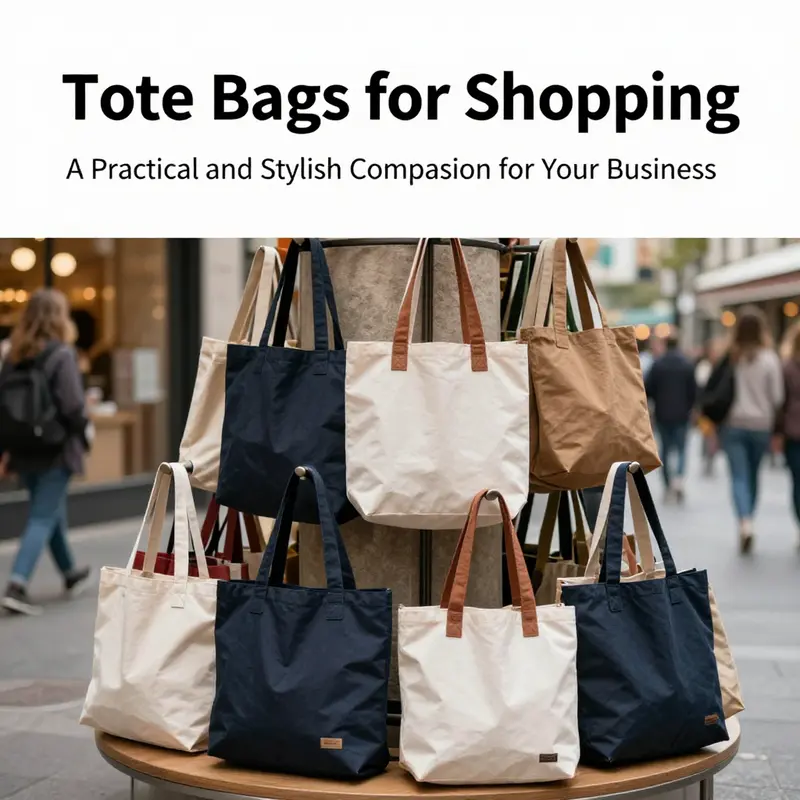
Tote bag design has quietly become a central player in how people shop, move through cities, and reflect their values with everyday choices. These bags are not mere containers; they are portable systems that blend practicality with personality. When you step into a grocery line, stroll through a farmers market, or carry a stack of notebooks to a coffee shop, the tote bag acts as a bridge between intention and action. It supports a rhythm of errands that feels seamless rather than burdensome. The real elegance of a tote is its ability to absorb the flow of daily life without demanding constant adjustment. It sits by the door ready to go, slips onto the shoulder with comfort, and collapses into a corner of a car trunk or a desk drawer when not in use. In that quiet reliability lies a powerful statement about sustainable living: smaller, repeatable choices that add up to meaningful change. A well-chosen tote becomes a companion that travels with you through the week, not a single-use moment that gets discarded after one use.
Material choices fundamentally shape how versatile a tote can be. Canvas delivers a sturdy, breathable backbone that keeps form under load, while recycled polyester can add resilience against daily wear and tear. Natural fibers bring texture and warmth, and blends balance durability with weight. The most adaptable designs combine a generous main compartment with robust handles, sometimes reinforced at stress points, to distribute weight evenly. A tote’s aesthetic—its color, its pattern, the texture of the fabric—affects how often you reach for it. For many shoppers, a simple stripe or a solid hue can anchor a casual outfit just as well as a more daring print can anchor a weekend ensemble. Some designs hide organizational features in plain sight: interior pockets, zipped closures, and base supports that keep items secure without turning the tote into a tangle of mismatched pockets. For those curious about options in this category, women’s canvas tote bags offer a lasting balance of durability and accessibility. The capacity to adapt to different loads—grocery hauls, library stacks, or a laptop and charger—depends on how the bag is constructed, from the weave of the fabric to the stitching that binds seams. Durability often grows with heavier material; heavier canvas or stronger fabric supports heavier loads without giving way.
Durability, however, is not simply a matter of raw strength. It is about how a bag meets the cadence of daily life. A quick test many shoppers use involves loading the tote with water bottles or canned goods. If the handles strain or the bottom shows a crease, the bag may not be up to daily bulk. Conversely, a robust tote may shrug off a full shopping list with ease, its weight distributed across a wide base and reinforced seams. Weight capacity matters: a tote that can safely carry twenty or thirty pounds will cover most weekly groceries while remaining portable and easy to carry. The test is practical, not punitive; it guides you to align the bag with your actual routine. Heavier loads demand reliable seams, reinforced corners, and a slightly wider shoulder strap. This approach helps people avoid the disappointment of a bag that looks good but falters under real use, a risk that becomes evident only after time and testing.
Beyond function, tote bags carry mood and personality. The soft lines of cotton canvas can be dressed up with a clean stripe, while a straw-inspired weave evokes sunlit days and relaxed weekends. Custom designs let individuals express tastes, from minimalist graphics to artisanal motifs. This fashion appeal matters because it nudges regular use, not mere admiration. When a bag feels like part of your daily uniform, you are more likely to choose it over disposable options. The synergy of form and function is the heart of tote versatility: the same bag that carries notebooks to a café might also haul fresh produce home from a weekend market, and then double as a carry-on for a short trip. Versatility rests on the ability to evolve with your needs—from a practical tool in the morning to a stylish accessory in the evening—without forcing you to switch bags or disrupt your routine.
Sustainability in practice comes from habit as much as from material. Many advocates suggest creating designated storage spots for totes: one in the car, one by the front door, and another folded into a work bag. This triad ensures a tote is near the moment you decide to shop. Pairing this setup with simple visual cues—sticky notes on keys or wallets—transforms tote use from a planning step into an automatic habit. When you reach for your car keys, you see the tote and remember to grab it. When you step from your front door, you know where it sits. This automaticity reduces the friction that can derail sustainable choices. The effect is not about pressure; it is about integrating a small, repeatable action into daily life so that sustainable shopping becomes a natural part of the routine. The result is a sense of flow rather than friction, a feeling that eco-friendly behavior is a straightforward extension of everyday competence.
Durability and style are not enemies; they are complementary forces. Some bag designs lean toward delicate aesthetics—lacy textures or open-knit fabrics—that are visually appealing but not suited for heavy shopping. These are best used for lighter loads or display purposes. In contrast, standard reusable totes crafted from tightly woven canvas or sturdy synthetic blends handle heavier loads with greater stability. The choice depends on how you shop. If bulk purchases are a regular feature, you benefit from material strength and a design that distributes weight evenly. If your trips are frequent but light, a lighter tote with important features—like a protective lining or a slim profile—may be the better fit. The key is to align the bag’s construction with your lifestyle and expectations. When you understand the balance between materials, capacity, and design, you empower yourself to choose a tote that stays with you for years, not just seasons.
The cultural shift toward greener living layers meaning onto everyday carry. Reusable bags reduce dependence on single-use plastics and support broader goals of responsible consumption when chosen with recyclable or durable materials in mind. The conversation around totes often moves from fashion to responsibility, from color choices to ethics of sourcing. In many conversations, the tote becomes a symbol of mindful procurement, signaling a daily commitment to waste reduction while providing the convenience people expect. A bag with a clean silhouette or a natural texture communicates steadiness and intentionality, qualities that align with a thoughtful lifestyle. In a world where each purchase adds to a larger tally, the tote offers a stable anchor that helps everyday decisions reflect longer-term values. It is not about perfection but about consistency, and consistency is what turns small daily acts into durable habits.
Urban life adds its own layers of complexity and opportunity. Younger shoppers and commuters often favor bags that ride comfortably on the shoulder, with straps long enough to move across crowded streets. The versatility of a tote is enhanced by thoughtful features—interior dividers, zipped pockets, expandable sides, and a sturdy base—that keep items organized while preserving the bag’s clean line. Yet the core remains simplicity: a single container that holds what you need for the day, with room for a lunch container or a library book. The goal is not to complicate transport but to streamline it. A good tote supports quick, confident transitions from a bus stop to a meeting, from a market stall to a train platform. In this sense, its value grows when it becomes part of a shopper’s ritual, a reliable companion that reduces clutter and friction in busy schedules. The right tote makes every errand feel a little lighter, even when the list grows.
Evaluating tote quality involves listening to both the hands and the eyes. Look for sturdy stitching at stress points, clean seams along the edges, and a base that resists sagging. If possible, test the handles for comfort when the bag is full. A comfortable shoulder strap distributes weight rather than digging in. The fabric’s texture should feel resilient yet pliable, not brittle. A robust tote combines a strong main fabric with reinforced corners or a double-layer bottom to withstand daily use. Reading user reviews can reveal how a bag performs over time, including how it wears in during routine use. Ultimately, choosing a tote is a balance of tactile sense, practical function, and predicted longevity, not a momentary impulse. This careful assessment helps ensure the bag remains useful across seasons and life changes.
Choosing a tote in a crowded market requires clarity about your routines. Reflect on how often you shop, what you typically purchase, and where you store your bag when not in use. If family meals involve bulk goods, you may need thicker material and stronger handles. If trips are frequent but short, a lighter bag with easy folding becomes attractive. Do not neglect environmental values when evaluating price. A bag that lasts several years can save money and reduce waste, even if its initial cost is higher. When shopping online, seek detailed product data, close-up photos that reveal stitching quality, and reviews that mention real-world performance. With these insights, you can identify a tote that fits your calendar, your style, and your ethics. A well-chosen bag can simplify shopping days and turn routine errands into a smoother, more deliberate practice.
Finally, the culture around tote bags continues to evolve as more people reimagine shopping as an everyday act of stewardship. The tote transcends its practical role to become a canvas for personal expression and a reminder of responsible consumption. It holds the day’s commitments and, when used consistently, supports a broader shift toward minimal waste and mindful expenditure. The chapter here underscores a simple truth: the best tote for shopping is the one you can trust to carry it all with ease, while also reflecting your values through design and materials. By selecting a bag that aligns with how you live, you invite a slow, steady improvement in how you shop and how you move through the world. And in turn, your tote becomes more than a carrier; it becomes a habit, a companion, and a small but meaningful contribution to a more sustainable lifestyle.
External resource for broader context: https://www.sustainablefashion.org/tote-bag-usage-trends-2026.
How Fabric, Construction, and Capacity Define a Reliable Shopping Tote
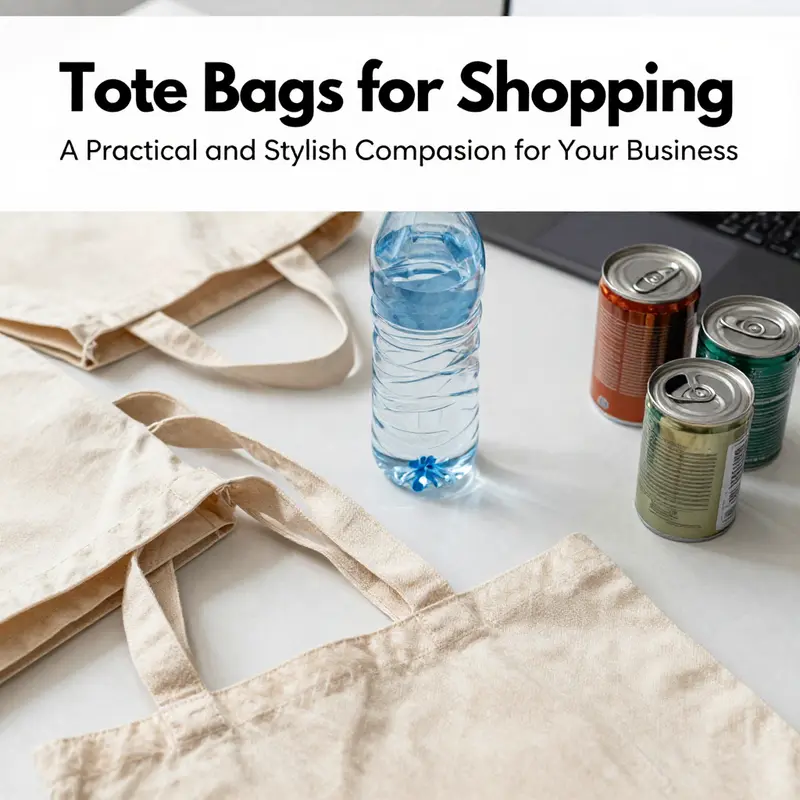
Choosing the right tote for shopping starts with understanding how material and construction determine real-world performance. Not all fabrics are equal. Some feel sturdy but fail quickly under repeated stress. Others are lightweight and strong, offering the best balance for everyday use. This chapter walks through the key material choices, explains how weight capacity is determined, and gives practical tips for testing and maintaining your tote so it serves you reliably for years.
At the heart of any tote’s performance is the fabric. Fabrics differ in tensile strength, abrasion resistance, weight, and care needs. Two common ways to describe fabric strength are denier and ounce per square yard. Denier measures the thickness of individual fibers. Higher denier counts indicate thicker threads and greater resistance to cutting and abrasion. Ounce ratings are used mostly for canvas and tell you how heavy the woven cloth is. A heavier canvas has a higher ounce rating and can carry heavier loads.
For regular grocery runs and moderate everyday loads, choose a fabric that pairs strength with low weight. Ripstop nylon and high-denier polyester twill (600D and above) are excellent choices. Ripstop uses a square woven reinforcement that stops small tears from spreading. It is notably lightweight and often has water-resistant finishes. A 600D polyester has thick, tightly woven fibers that resist abrasion and resists snags while remaining manageable on the shoulder. These fabrics reduce strain during long walks and are forgiving when you need to stash multiple items.
When you expect heavier loads—cases of canned goods, several bottles, or large produce—prioritize heavy-duty canvas and ballistic nylon. Canvas at 10 oz and above provides stiffness and load-bearing capacity that lighter weaves cannot match. Ballistic nylon, developed for military applications, delivers exceptional abrasion resistance and can handle repeated heavy use. With reinforced stitching and boxed corners, these fabrics can support loads up to roughly 15 kg (about 33 lb) without stretching or tearing. If your routine involves bulk shopping or weekend markets, these heavier fabrics are the safest bet.
Construction details matter as much as the fabric. Seams, stitch length, and reinforcements are what keep a tote functional under stress. Look for double or triple-stitched seams where the handles meet the bag. Bar tacks at stress points, boxed and reinforced corners, and a stitched-in base panel extend the life of any tote. Rivets can help, but well-sewn reinforcements often outperform poorly positioned hardware. A simple seam that unravels is a failure waiting to happen, even if the outer fabric is very strong.
Handles are another critical factor. Narrow straps concentrate load on a small area of fabric and can tear or dig into your shoulder. Wide, flat handles distribute weight more evenly and improve comfort. The handle material should match the bag’s purpose: cotton webbing is comfortable and breathable, while reinforced polyester webbing resists stretching and moisture. The handle drop—how far the strap hangs from the opening to the shoulder—affects how you carry the bag. Shorter drops are best for hand-carrying, while longer drops suit shoulder or crossbody wear.
A well-designed base transforms how a tote behaves under load. A flat, reinforced base keeps the bag stable and prevents contents from shifting excessively. Some bags include removable base inserts or a stitched-in panel of thicker material. These features raise the capacity of lighter fabrics because they stop bulging and edge wear. Gussets, or side panels, increase internal volume and prevent items from jamming the seams when the bag is full.
Water resistance is often overlooked but essential for protecting groceries and personal items. Many modern synthetic fabrics incorporate water-resistant coatings. DWR (durable water repellent) treatments bead light rain and spilled liquids. Waxed canvas is another option that provides weather protection and ages attractively with use. Keep in mind that waterproof tents or tarpaulin materials add bulk and stiffness. For most shoppers, a water-resistant finish on a lightweight fabric provides the best balance between protection and ease of folding.
Sustainability is increasingly important when selecting a tote. Recycled PET fabrics, woven from repurposed plastic bottles, combine strength with an eco-conscious footprint. They offer abrasion resistance comparable to virgin polyester and are often produced with less energy and waste. Organic and recycled canvas options are also available, though they vary in strength and water resistance depending on weight and weave. If sustainability guides your purchase, check for clear material sourcing and durable construction. A well-made recycled fabric bag that lasts years is more eco-friendly than a lighter, disposable alternative.
Understanding practical capacity helps you match a tote to your habits. Lightweight ripstop or 600D polyester bags typically handle daily loads of around 3–8 kg comfortably. Heavy-duty canvas and ballistic nylon units are designed for 10–15 kg and sometimes more, depending on construction details. To estimate your needs, consider your heaviest routine trip. Do you regularly carry milk, multiple produce bags, and beverage bottles? If yes, choose a sturdier build. If your shopping is usually a few small items and personal essentials, a lighter fabric will improve portability.
Before you rely on a new tote, run a simple real-world test. Load it with canned goods or bottles to simulate grocery weight. Carry it for a walk similar in duration to your usual route. Inspect seams and handle attachments for stretching or misalignment. Turn the bag inside out and check stitch integrity. A bag that withstands this quick test is likely to endure the pressures of weekly shopping.
Maintenance extends a tote’s life. Most synthetic bags clean easily with mild soap and water. Canvas may require more care; spot-cleaning prevents shrinkage and maintains shape. Reapply wax to waxed canvas every year or so, depending on use and exposure. Avoid machine drying unless the manufacturer specifies it. Regularly brushing away dirt from seams reduces abrasion and prevents premature wear.
There are trade-offs to accept. Extremely heavy fabrics increase durability but add to shoulder strain. Super-light materials reduce weight but often lower capacity and durability. The best tote balances these factors according to your shopping habits, commute, and weather exposure. If you shop infrequently but buy heavy loads then you need strength over lightness. If you tote items across town daily, prioritize low weight and water resistance instead.
Small design choices can also influence longevity and usability. Zippers protect contents and prevent spills, but they add weight and potential failure points. Magnetic snaps give quick closure with minimal bulk. Internal pockets useful for keys and phones prevent these items from getting lost in deep bags. A padded internal sleeve is helpful if you sometimes carry a laptop or tablet; it transforms a shopping tote into a commuter bag without adding permanent bulk.
Finally, turning tote use into a habit protects both the planet and your purchase. Keep a sturdy bag by the door, in the car, or folded in your work bag. Use it for errands and as a secondary carry option. Regular use reveals weak points early. That gives you a chance to repair seams, reinforce handles, or retire the bag before failure compromises a load.
If you want to explore canvas options designed specifically for everyday shoppers, see this guide to women’s canvas tote bags. It highlights different canvas weights and designs, helping you compare forms and finishes.
For a deeper dive into fabric science and a comparison of lightweight, durable materials, review this external resource: https://www.urbancarryco.com/blog/lightweight-durable-tote-bag-materials
With a clear idea of material properties, construction cues, and realistic load expectations, you can select a tote that stands up to shopping life. The right combination of fabric, seam work, and practical features delivers a bag that carries confidently, lasts longer, and fits how you live.
Carrying the Change: A Cohesive, Everyday Approach to Sustainable Shopping with Tote Bags
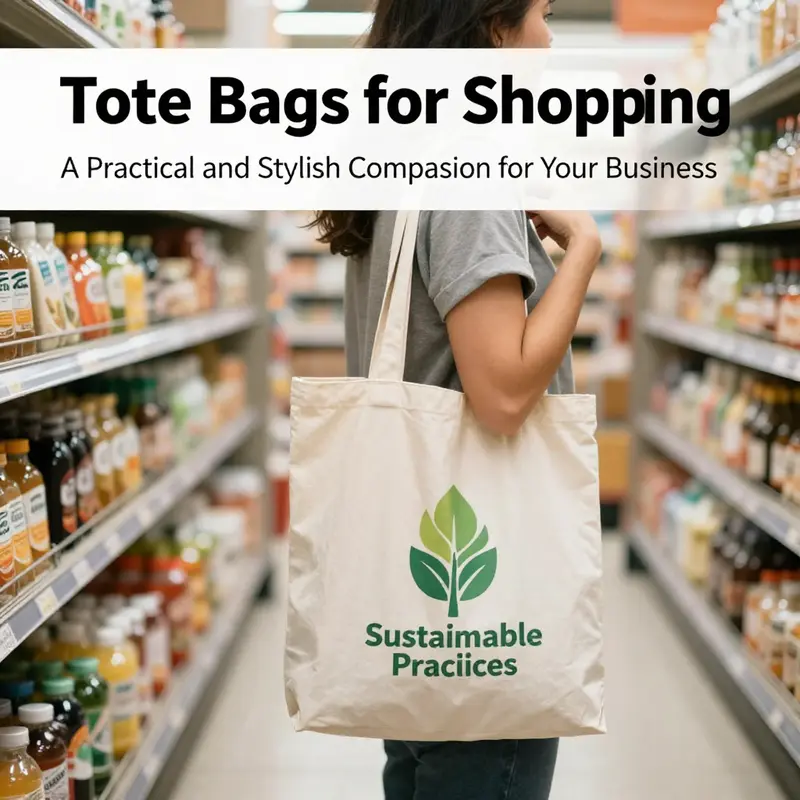
Tote bags have become more than a mere accessory; they are a practical manifesto for everyday sustainability. When chosen with care and integrated thoughtfully into daily routines, these bags offer a reliable, stylish alternative to disposable options while expanding what we can carry and how long we can carry it. The elegance of a well-made tote—its spacious interior, sturdy handles, and clean lines—belies a deeper practicality: it turns ordinary trips to the store into small acts of environmental stewardship. The most successful tote bags blend durability with design, providing enough capacity to handle groceries, books, or gym gear without sacrificing comfort or aesthetics. This is not just about buying a bag; it is about cultivating a habit that aligns daily life with longer-term ecological goals. It means recognizing that the weight we carry is as much about responsibility as it is about goods, and choosing a bag that can be relied upon for years rather than months. In this perspective, a tote bag is less a one-time purchase and more a daily companion that quietly reinforces a commitment to less waste and more intentional consumption.
To maximize this potential, the material and weight capacity of a tote matter. A tote built from canvas, for example, can offer a robust balance of portability and strength, while a bag with a carefully designed main compartment and reinforced handles can handle heavier loads without compromising comfort. The test of real-world use is simple and telling: load your current tote with water bottles or canned goods and observe where it strains or how the seams hold up. Such a practical check helps identify the points that deserve attention when selecting a replacement or upgrade. In this context, a spectrum of canvas weights—from lighter 6-ounce options to heavier 22-ounce fabrics—allows shoppers to tailor their choice to how often they shop, what items they typically carry, and how far they need to tote them. A heavier-weight canvas often translates to better load support and longer service life, which, in turn, supports sustainability by reducing the frequency of replacements and the cumulative resources consumed in producing new bags.
Beyond raw strength, the environmental story of a tote bag often begins with its materials. Recyclable, eco-friendly designs that use cotton or canvas aligned with responsible screen-printing practices reflect a growing demand for products that can endure and be repurposed rather than discarded. These materials—if sourced with low-impact processes and produced in bulk with an emphasis on durability—can contribute to a broader shift away from disposable shopping habits. The practical dimension of this shift becomes clear when we consider how tote bags fit into existing routines and how small changes in these routines accumulate into meaningful outcomes. A tote that is easy to store, easy to clean, and easy to use is more likely to be brought along on every errand, from trips to the grocery store to spontaneous shopping trips after work. In this sense, design is as crucial as material choice, because thoughtful design reduces the friction that often makes sustainable options feel like a burden rather than a relief. For readers curious about a broad spectrum of tote configurations, it can be illuminating to explore a category that emphasizes versatility and everyday practicality, such as women’s canvas tote bags, which illustrate how style and function can come together in a reusable option worth keeping close at hand Women’s Canvas Tote Bags.
Designing sustainable shopping rituals also hinges on where and how tote bags live within your life. A practical recommendation is to designate specific storage spots that ensure a tote is always within reach when you head out. One tote in the car, another by the front door, and a folded one tucked into a work bag create a network of ready options that reduce the likelihood of forgetting a bag entirely. The idea is not to rely on memory alone but to bake the practice into your environment. A simple reminder on your keys or wallet can be enough to turn a conscious choice into a habitual act. Over time, this small cue becomes almost invisible, yet it primes you for the next shopping trip and makes reuse feel automatic rather than an extra step. This approach aligns with a broader understanding of habit formation: small, repeated actions, reinforced by convenient placement, can dramatically increase the likelihood of sustained behavior change. In practice, this means a routine in which you consistently reach for a tote, unload groceries, and immediately hang or fold the bag in a predictable spot—each step reinforcing the next and turning reuse into an invisible default rather than a conscious decision.
Yet the sustainability story of tote bags extends beyond mere habit formation. As shoppers explore ways to enhance the function of their totes, removable insulated liners emerge as a simple but transformative addition. A lightweight, machine-washable liner can convert a standard canvas tote into a mini cooler, capable of transporting perishables like dairy, meat, or frozen items with less reliance on disposable packaging. The liner acts as a protective layer that helps maintain safe temperatures during transit, reducing the temptation to transfer items to smaller plastic bags at the checkout or to wrap everything in cling film to preserve freshness. This is more than a convenience; it is a practical step toward reducing food waste by maintaining quality from store to home. The ease of cleaning and the option to swap liners for different seasons or occasions further extend the tote’s versatility. By repurposing a single tote with such inserts, you increase the likelihood of reuse across multiple shopping trips and food-related activities, reinforcing a culture of practical sustainability rather than one driven by novelty.
For individuals who appreciate a more branded or personalized touch, eco-friendly kraft totes present a compelling avenue. Personalization does not merely signal individual taste; it can act as a public reminder of commitment to sustainable practices. Biodegradable kraft materials support this message with minimal environmental impact, while customization options enable brands or individuals to reinforce green identities or shared values. The economics are accessible as well, with price points designed for broad adoption when purchased in bulk. A quote often cited in industry discussions shows how customization can be scaled in a way that aligns with sustainability goals while offering a tangible return on investment for community groups, small businesses, or environmental campaigns. In harnessing these kraft totes, the emphasis remains on durability, reusability, and clear branding that communicates responsible consumption without sacrificing style. This approach makes the tote more than a bag; it becomes a mobile statement, a conversation starter, and a practical tool for promoting a sustainable lifestyle.
At the intersection of function, fashion, and responsibility lie sustainable fashion totes crafted from recycled or renewable materials. These bags are designed for daily use, with reinforced handles and generous interiors that accommodate groceries, books, and personal items alike. They demonstrate that long-term practicality and aesthetic appeal can coexist; sturdiness does not have to come at the expense of appearance. The durability of these bags lowers the environmental footprint by encouraging repeated use, which in turn reduces the frequency of purchases and the amount of waste generated from low-quality, short-lived alternatives. The price range varies, but the underlying value remains the same: a well-made tote that persists through seasons of use becomes an asset to sustainable shopping habits rather than a disposable commodity. Such bags also invite experimentation with textures, colors, and forms, inviting a broader audience to participate in sustainable practices through everyday choices that feel natural and enjoyable rather than forced or punitive.
For those seeking practical, ready-made options, the marketplace offers a spectrum of eco-friendly totes that can be deployed immediately. A common, accessible entry point is a pack of natural-colored canvas totes that are sturdy, washable, and designed for grocery, DIY gift, and general shopping use. These pre-made options present a straightforward path to replacing dozens of single-use plastic bags over the lifespan of a single tote, underscoring the cumulative impact of consistent reuse. The appeal lies not only in the reduction of waste but also in the democratization of sustainable shopping: individuals can adopt these totes without significant upfront cost or complex decisions, while households gain dependable performance across daily errands. The broader takeaway is that sustainability is not an all-or-nothing choice; it thrives on steady, repeatable actions that fit into the rhythm of everyday life and reinforce a sense of shared responsibility.
As shoppers evaluate the best tote for their lifestyle, a few practical criteria emerge. Considerations of material, weight, capacity, and comfort guide the decision. A simple load test remains a prudent step: how does a tote feel when brimming with canned goods or water bottles? The test helps identify strain points and ensures that the bag you choose can endure your typical trips. Beyond capacity, pay attention to how the bag handles extended use—do the handles stay secure, does the stitching hold under repeated loading, and does the interior layout support organized packing? A well-designed tote marries capacity with ergonomic features, such as reinforced handles and thoughtfully placed seams, so it remains comfortable to carry, even on longer shopping rounds. Each factor contributes to the longevity of the bag and, by extension, to the sustainability of the shopping habit it supports. When these considerations are balanced with a commitment to reuse and mindful consumption, the tote bag ceases to be a mere accessory and becomes a reliable partner in an evolving lifestyle focused on reducing waste.
In this ongoing conversation about sustainable shopping, the tote bag stands as a flexible tool that adapts to different needs and contexts. It is capable of carrying a week’s worth of groceries, a laptop and a notebook for a flexible workday, or a day’s purchases for a weekend trip. It can be a quiet fashion statement that complements a casual look or a sturdy foundation for a more utilitarian ensemble. The key is to choose a design and a routine that feel natural, not burdensome, and to allow the bag to grow with you. By integrating designated storage, habitual cues, functional accessories like insulated liners, and options that range from eco-friendly kraft designs to recycled fashion totes, shoppers can create a cohesive system that sustains themselves and the planet. This approach translates the abstract idea of sustainability into tangible daily practice, where every choice about what to carry—and how to carry it—becomes a deliberate, positive contribution. The goal is simple: transform tote usage from a card in a shopping ritual to an ingrained behavior that cushions both the consumer and the environment against waste, while preserving the sense of style and ease that makes tote bags a natural fit for everyday life.
When Style Carries: How 2026 Design Trends Are Reimagining Tote Bags for Shopping
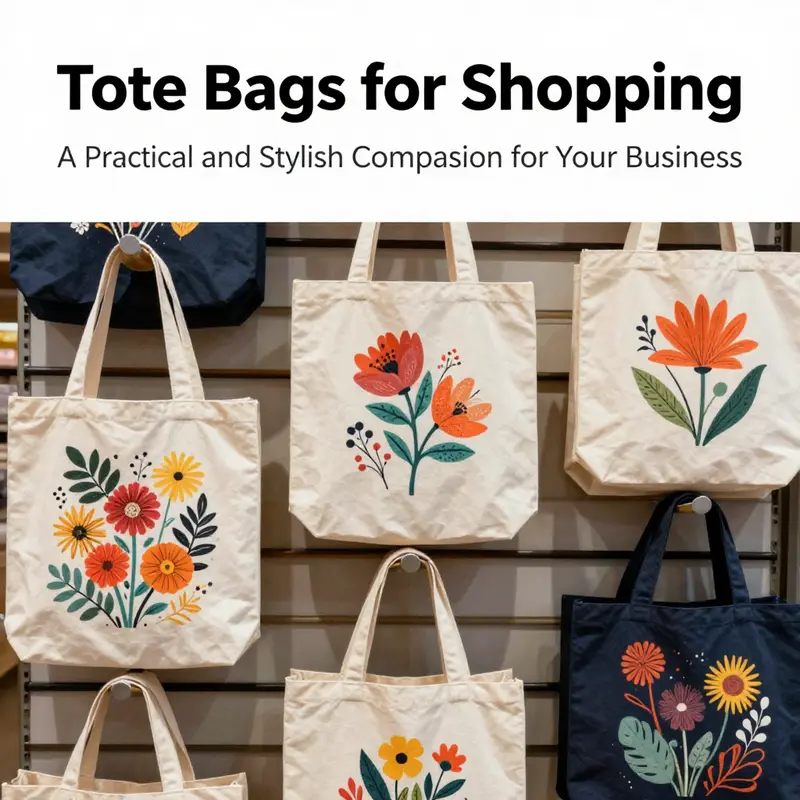
Tote bags for shopping have moved beyond simple utility into deliberate style statements. In 2026, designers treat the tote as a flexible canvas. The result is a new generation of shopping companions that combine bold form, tactile materials, and narrative aesthetics. This chapter traces those shifts and shows how they matter to real shoppers who need durability, convenience, and a bit of personality in one package.
Designers are experimenting with silhouette in surprising ways. Traditional rectangular shapes remain practical, but rounded and voluminous profiles are gaining ground. A popular reinterpretation softens corners into a dumpling-like form, creating a compact yet capacious carrier. When fitted with long shoulder straps, these shapes hang comfortably and sit close to the body. They offer an appealing mix of structure and ease. For shoppers, the advantage is obvious: these forms distribute weight softly while keeping a refined outline when loaded with groceries or daily essentials.
Texture is another major frontier. After years of smooth leathers and technical fabrics dominating accessories, softer, suede-like surfaces have staged a comeback. The tactile warmth of suede-style finishes gives tote bags an inviting feel. For shopping, this translates into a bag that reads as both luxurious and approachable. Of course, suede requires care; protective sprays and mindful storage help preserve finish and color. For those seeking a refined everyday shopping bag, a suede-effect exterior paired with a reinforced base makes a pleasing compromise between sensibility and style.
Color and pattern choices have broadened as well. Bold patchwork and multicolor compositions inject a jubilant, bohemian energy into tote designs. These pieces often use contrasting panels or stitched blocks of hue to create lively, summer-ready statements. At the same time, minimal monochromes and muted stripes remain resilient. Stripes, in particular, update classic casual looks while camouflaging small scuffs and marks that shopping bags inevitably collect. When selecting a statement tote, consider how colors will age and whether the pattern will hide daily wear.
A particularly evocative trend repositions the tote as wearable storytelling. Some collections reinterpret the covers of classic books into large-format prints, turning jackets and typography into shoulder-friendly canvases. These “story” totes invite conversation and let owners carry cultural references with them. For shoppers who appreciate narrative design, these bags offer a way to express interests without sacrificing function. They also reflect a broader appetite for accessories that feel thoughtful and curated rather than merely branded.
While aesthetics evolve, practical considerations remain central. Materials and construction choices determine whether a fashionable tote can double as a reliable shopping bag. Stitched seams, reinforced handles, and heavy-weight canvas or blended textiles give a bag the load-bearing capacity needed for weekly errands. Lighter, foldable designs win in portability, but feel less stable under heavy grocery loads. For everyday shopping, a medium- to heavyweight fabric with a structured base provides the best balance of function and form.
Customization and limited editions are reshaping how people buy totes. Instead of a mass-produced silhouette, many shoppers now seek pieces with unique trims, personalized prints, or detachable pouches. These options let buyers tailor a bag to their routines, adding compartments for receipts, reusable produce bags, or a water bottle sleeve. Customizable features also encourage longer use. When a bag reflects individual taste, it is more likely to become a daily habit rather than a disposable impulse purchase.
Sustainability is woven into design choices too. Many producers emphasize natural fibers, recycled textiles, and low-impact dyes. Durable construction extends a tote’s life, reducing the need for replacements. Even high-fashion statements now often prioritize eco-conscious materials. For shoppers who want both fashion and ethics, this trend is a win: thoughtful design no longer requires sacrificing environmental values.
Practical design details have been rethought to suit shopping life. Wider, padded straps ease shoulder pressure when carrying heavy items. Flat, reinforced bases keep produce upright and reduce tipping. Internal pockets or detachable organizers prevent small items from getting lost. Magnetic closures offer quick access while protecting contents. These small adjustments make a fashionable tote significantly more useful on a grocery run than a decorative-only bag.
Choosing a trendy tote for shopping means balancing what looks good with what truly works. A sculpted, sculptural silhouette might be eye-catching, but if handles are thin or seams are not reinforced, weight-bearing performance will suffer. Conversely, a very rugged bag may lack personality. The practical shopper will look for reinforced handle attachment, a stable base, and a material weight that matches intended loads. Testing a bag in-store by lifting the empty piece and checking the grip feels like a useful ritual. More thorough testing can include loading it with typical purchases to assess stress points.
Care and maintenance are important when trends introduce delicate surfaces. Suede-like finishes need protection from moisture. Patchwork designs with stitched joins benefit from occasional seam inspection. Printed or painted surfaces require careful handling to avoid rubbing or fading. Simple routines—air drying after damp outings, cleaning spills promptly, and stowing bags flat—extend a tote’s useful life. For shoppers who rotate multiple totes, designating storage spots at home or in the car turns usage into a practical habit. Hang a preferred tote by the door or fold a backup into a handbag to ensure it travels with you.
Affordable design channels mirror high-fashion trends, bringing runway ideas into everyday shopping bags. Art-inspired prints, narrative covers, and playful shapes become accessible through mass-market reinterpretations. This democratization allows shoppers to adopt seasonal looks without overspending. Yet it also creates choices: buy a statement tote for a season, or invest in a timeless, high-quality piece that will endure many shopping trips. Both paths are valid; the key is matching purchase decisions to how often and how heavily you plan to use the bag.
Finally, the cultural dimension of tote design matters. Totes have always been a badge of identity. In 2026, the trend leans into that role. Consumers use bags to signal tastes, values, and affiliations. A patchwork, colorful tote can convey playfulness. A book-inspired print signals literary curiosity. A subdued suede-style tote speaks to refined minimalism. For shoppers, this makes the bag a personal communicator as much as a tool. When choosing a tote, think of it as part of your public wardrobe. Consider how it pairs with daily outfits and how it supports your routine needs.
For those focused on canvas options, remember that canvas remains one of the most practical materials for shopping. It wears well, cleans easily, and supports weight. To explore canvas-focused choices in depth, see this guide on women’s canvas tote bags. That resource highlights styles that balance durability with current aesthetics.
As design and craft converge, the modern shopping tote becomes more than a carrier. It evolves into a hybrid object: a practical tool, a tactile pleasure, and a wearable statement. Trends in 2026 emphasize silhouette play, tactile surfaces, story-driven prints, and practical reinforcements. These directions allow shoppers to find a tote that is both stylish and dependable. When selecting a piece, prioritize the construction that supports your shopping habits. Let the material, form, and care requirements guide your choice. The tote you pick should carry your purchases and your personality with equal ease.
For a snapshot of the industry perspectives that inspired these shifts, see this fashion report: https://www.voguebusiness.com/fashion/trends/spring-summer-2026-tote-bags-fashion-designs
Final thoughts
Embracing tote bags in your business strategy not only enhances customer experience but also contributes to branding and sustainability initiatives. By understanding the diverse aspects of tote bags—such as their versatility, material quality, sustainable use, and alignment with contemporary fashion—you can strengthen your market position and appeal to a wide range of consumers. Investing in quality tote bags may not only boost your sales but also solidify your commitment to environmentally conscious practices.