
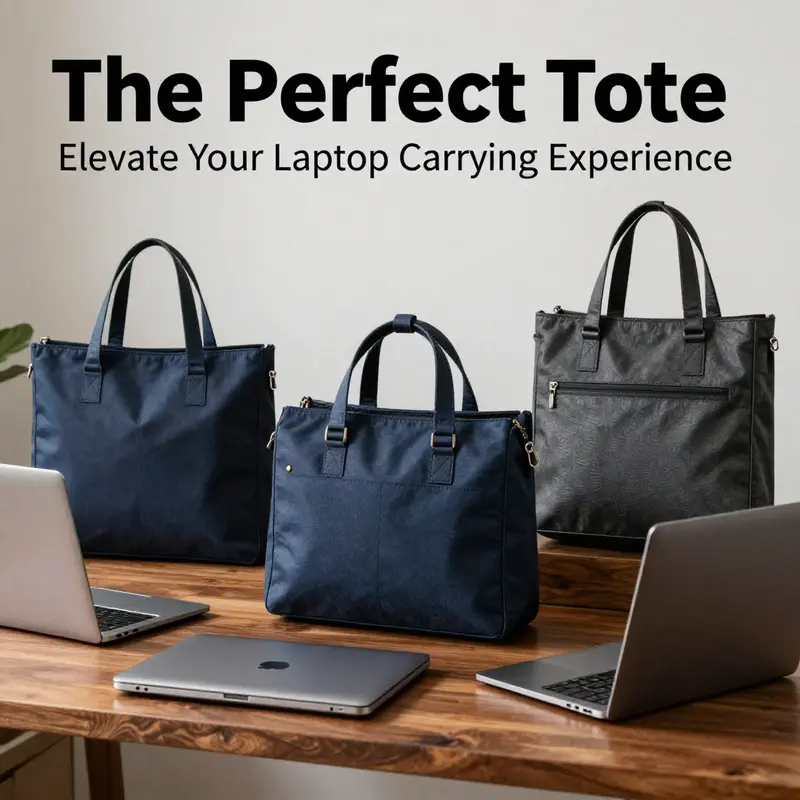
In today’s fast-paced business world, the right tools can distinguish successful professionals from the rest. A functional yet stylish laptop tote bag can enhance your on-the-go lifestyle, accommodating not just your laptop but a range of essential supplies. Understanding the myriad of options available—from essential features to the choice between oversized totes and structured satchels—will empower you to make an informed decision. This article will cover key insights into choosing the right laptop tote bag, evaluating materials for durability, assessing designer options for practicality, and comparing totes with backpacks, ensuring you find the perfect blend of style, comfort, and functionality for your daily demands.
Between Structure and Style: Designing Laptop-Tote Bags That Protect, Organize, and Impress
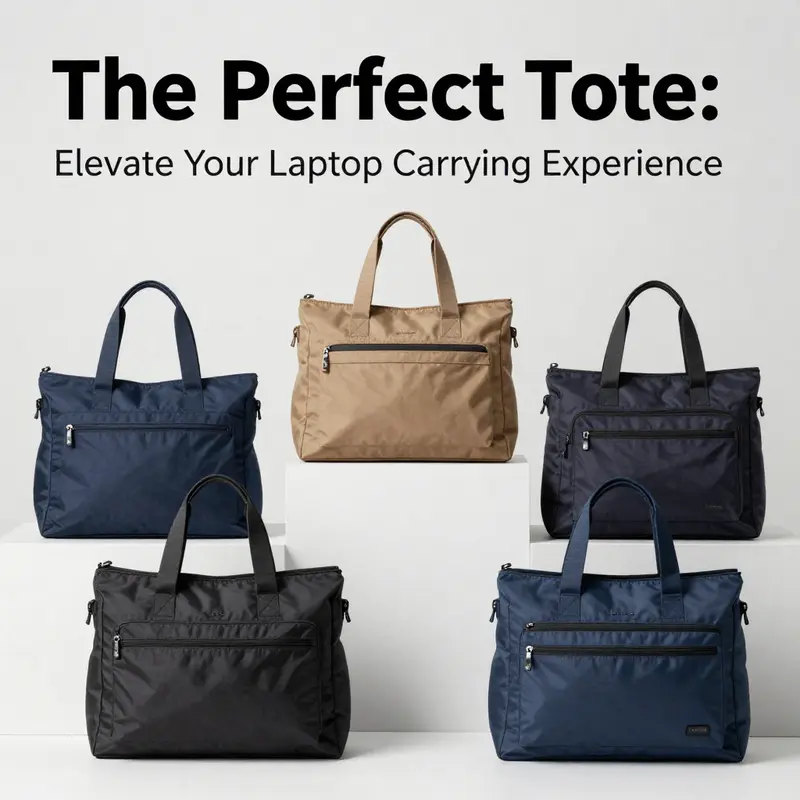
Carrying a laptop and daily essentials in a tote bag demands more than a chic silhouette. The best laptop totes do more than sit prettily on a shoulder; they carry the weight of a busy day with quiet reliability. This chapter threads together the practical realities of protection, organization, and durability with the decisions that turn a stylish tote into a dependable daily partner. The goal is tangible: a bag that protects a device from the bumps of a commute, keeps cords and cards orderly, and still feels comfortable to carry after a long morning of meetings or a round of errands. In practice, choosing the right tote means looking beyond exterior appeal and toward the internal architecture that preserves the laptop’s integrity while accommodating the rest of the day’s gear. A thoughtful tote makes a practical tool feel almost invisible, letting you focus on your work rather than on adjusting a bag carried across a crowded platform or a windy street.
Laptop protection is the core criterion that informs every other design choice. A dedicated, padded laptop sleeve is non-negotiable. The padding should be at least 5 millimeters thick to absorb shocks from minor drops or jolts. That layer is not optional decoration; it is the front line in safeguarding a device that is otherwise thin and delicate. The reality is that not all totes are created equal at this point. Some rely on a thick fabric and a soft lining, hoping to cushion impact, but the lack of a structured cradle can leave the laptop vulnerable when the bag shifts during transit. In contrast, a bag that integrates padding with a reinforced panel—effectively a built-in cradle—offers a more predictable shield against compression in crowded trains or bus aisles. The internal structure matters as much as the outer material. For totes, the absence of a suspended, trapezoidal compartment like in some backpacks is not a fatal flaw, but it does place greater emphasis on how the internal walls and seams hold their shape under load. The result should be a clean, stable pocket that protects the device from side pressure and sudden knocks, while the rest of the contents settle around it without pressing directly into the screen or ports.
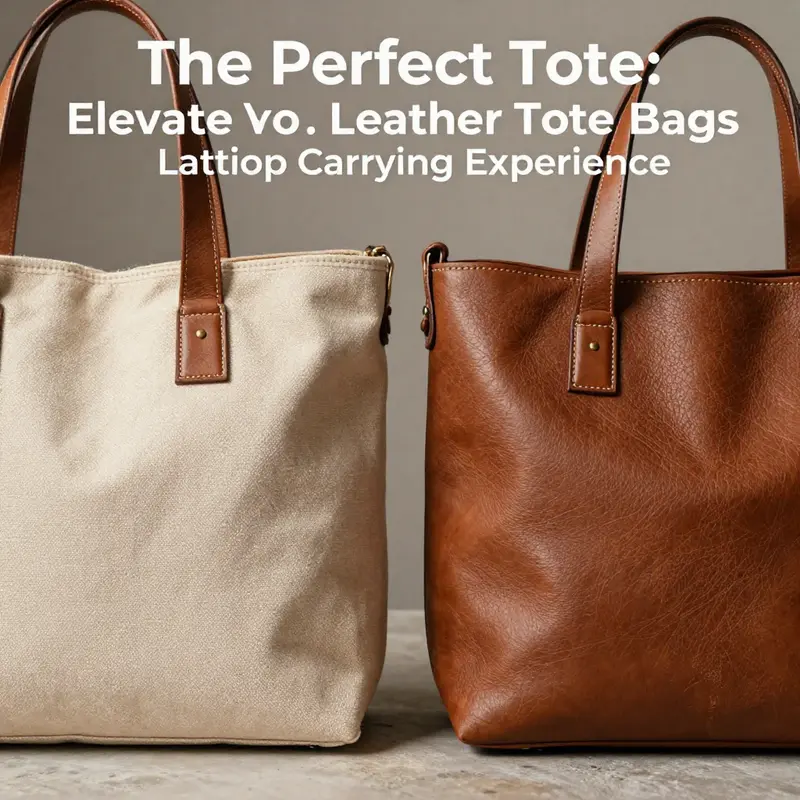
Material choice anchors the bag’s resilience day after day. Heavy-duty canvas, especially when waxed or treated for water resistance, is prized for its high tensile strength and its ability to resist deformation under load. A tote that feels pliant in the showroom can sag under the weight of a laptop, charger, coffee cup, and files, losing its form and, with it, some of the protective isolation around the device. Waxed canvas balances stiffness with a certain suppleness that helps the bag stand up when placed on a chair or a desk. Leather is another traditional route, particularly full-grain or top-grain varieties. Dense by nature, leather can mold a touch over time and remain robust, but it can suffer if overloaded. Permanent creasing or stitching stress can undermine protection, especially at stress points like corners and the base. Regardless of material, reinforced stitching and double-stitched seams are essential. They resist tearing and carry load without creating weak points that could compromise padding or interior dividers. A well-made tote should feel substantial in the hand, not hollow, with a base that resists crumpling when set down heavily.
Security and access are shaped by closure choices, which influence both how the bag stays together and how easily you retrieve items in transit. A full or partial zipper creates a sealed compartment that minimizes the risk of spills and dust and also reduces the chance of contents shifting during a fast exit or jump onto a train. The zipper adds a layer of security that helps deter opportunistic theft in crowded spaces. An open-top tote, while often favored for its effortless, unfettered look, leaves the laptop and its immediate gear more exposed to shifting, shifting compartments, and, in some situations, to dust and rain. The design compromise is clear: you can opt for the elegance of exposed tops or embrace the protection and practicality of a secure closure. The best approach blends a secure top with simplified access—think a wide opening under a zipper track and structured interior panels that keep the laptop in place even when the bag is brimming.
A balanced size and thoughtful interior organization complete the core formula. The interior should comfortably fit the laptop, including its sleeve or case, plus daily essentials. A 13 to 16 inch laptop typically requires a length appropriate to its form factor, with width that accommodates a charger, a notebook, and perhaps a compact lunch container. A water bottle in the 16–20 ounce range is a common companion that can disrupt balance if the bag is overcrowded. The interior should include dedicated pockets for small valuables and quick slips for critical items like transit cards or keys. Clear, accessible slip pockets near the opening allow fast retrieval, while zippered pockets guard smaller items from wandering. Exterior pockets add practical reach for headphones, sunglasses, or a compact umbrella, reducing the need to unzip the main compartment on a daily basis. It is in these details—how the pockets are grouped, how the main compartment is dimensioned, and how the bag maintains shape when full—that the tote proves its mettle for daily use. For readers seeking a concrete example of how a sleeve-focused interior is implemented, consider a tote bag with a computer sleeve that integrates the cushion into the fabric wall rather than relying solely on a layer of padding: tote bag with computer sleeve. This kind of inside-out thinking—padding backed by a firm panel—offers a model for achieving reliable protection without sacrificing flexibility.
In addition to protection and organization, durability also comes down to how the tote carries weight and distributes load. The strap design and base construction matter as much as the fabric. A wide, padded shoulder strap helps ease the burden on the shoulder and reduces fatigue during long commutes. The bag’s base should be reinforced and, ideally, structured to resist collapsing when the bag is loaded with a laptop, a water bottle, and a few press-worthy documents. A rigid base helps the bag maintain its silhouette, so the laptop remains isolated from external bumps and from items that could press into ports or the screen. When the base is well-supported, the overall balance improves, too, making it easier to carry the bag for longer periods without the risk of the contents shifting uncomfortably inside. All of these construction choices work together to create a tote that looks appropriate for a professional setting while performing like a purpose-built carrier for fragile equipment.
Choosing between oversized totes and structured satchels is not merely a stylistic decision; it is a practical one that affects protection, accessibility, and daily comfort. Oversized totes can provide generous space but often struggle to maintain form under heavy loads. Without a solid interior framework, they invite sagginess and internal collapse, which diminishes the protective effect of the padding and makes it easier for gear to shift. Structured satchels, by contrast, emphasize a defined shape and compartmental integrity. They tend to keep the laptop shielded more effectively during movement and can present a more professional, polished silhouette. The materials you choose will influence how well these designs perform in real life. High-denier canvas or a thick leather can contribute to durability, but the ultimate test remains construction quality—sewn seams, reinforced corners, and the way panels meet and fold to hold their shape when fully loaded. A bag that combines a robust exterior with a meticulously crafted interior is more likely to remain reliable through a career’s worth of commuting, meetings, and last- minute trips.
From a practical standpoint, the decision is rarely solely about one feature. It is about how all features converge into a reliable daily instrument. A tote that offers a dedicated laptop sleeve, thoughtful pockets, a secure closure, and a structured base stands a better chance of protecting a device through daily wear and tear. It also aligns with the broader goal of tailoring a bag to one’s exact routine. If your day includes coffee spills, rainy sidewalks, and rapid transitions between locations, a water-resistant exterior and reinforced seams reassured by a sturdy base matter even more. If your routine centers on quick access to transit cards and headphones, slip pockets and strategically placed exterior compartments become valuable. If you frequently switch between business, gym, and coffee shop environments, the bag’s ability to maintain its shape under varied loads becomes a decisive factor. All of these elements do not exist in isolation; they inform a cohesive approach to bag design that respects both function and style.
The broader conversation about tote bags for laptops is not just about what makes a bag look good or feel good in the hand. It is about the quiet engineering that protects a digital lifeline while carrying the day’s essentials. The best choices emerge from evaluating how inside and outside work together—how padding interacts with a solid frame, how material resists wear, how closures guard contents, and how pockets organize without crowding. This integrated perspective helps explain why some totes perform exceptionally well for daily use while others, despite their fashion-forward appearance, fall short under pressure. In the end, the goal is a bag that feels almost invisible in use—one that simply supports a busy day, letting you focus on what matters, not on the bag you are lugging.
For readers seeking a practical path to applying these insights, consider how you typically position your gear and the places you frequent most. Do you favor a bag that offers quick grabs at the zipper, or is a broad, open top preferable because it slows down your pace less? Do you expect rain to be a constant companion for a portion of the year, or is a dry climate your daily reality? These questions steer the material choices, the padding strategy, and the organization map that will serve you best. The core takeaway is clear: protect the laptop with a dedicated sleeve and a structured interior, choose durable materials with reinforced stitching, and favor a closure that secures contents without hindering access. Add interior and exterior pockets for organization, and you have a tote that can shoulder a day’s demands with grace. If you want to delve deeper into a broader, professional assessment of laptop totes, a trusted external resource offers a comprehensive review. The Strategist tote bag for laptop review
Between Capacity and Confidence: Why Structured Satchels Outperform Oversized Laptop Totes
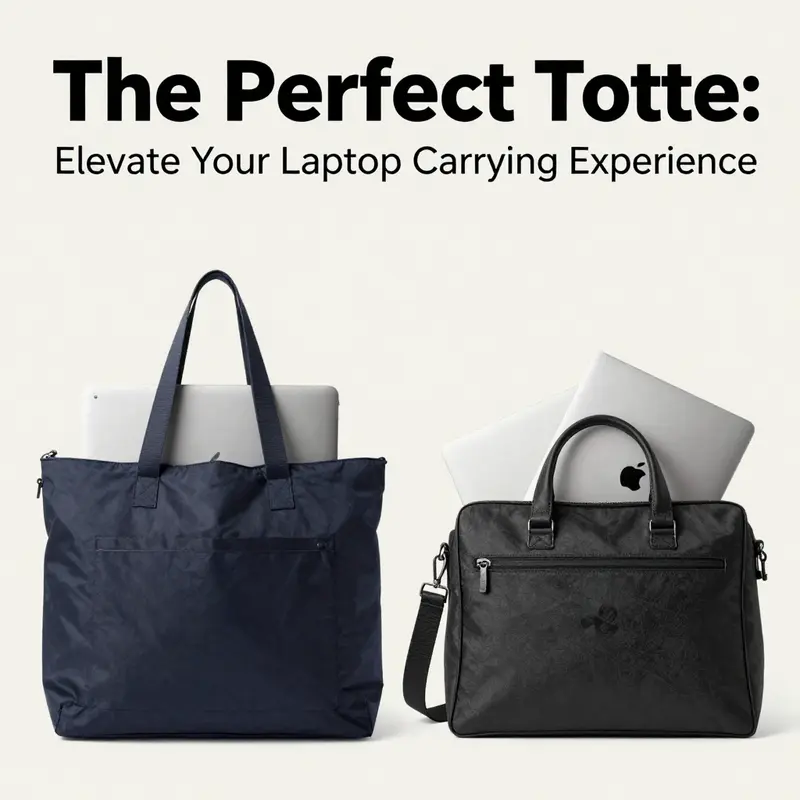
The choice between an oversized tote and a structured satchel for carrying a laptop is more than a matter of style or capacity. It is a decision about protection, ergonomics, and how everyday movements—commuting, stair climbs, and quick pivots on crowded sidewalks—translate into real-world risk or seamless ease. When a laptop sits inside an oversized tote, the bag’s soft sides and flexible top invite a kind of random compliance: it shapes itself around its contents, and the laptop can shift, press against the bag’s inner fabric, or rattle against a zipper or a loose item in a way that invites minor impact and friction. In practice, this can lead to micro-drops, scuffs, and the cumulative wear that shortens a device’s life. The risk is magnified when the bag is overstuffed, a common habit among users who prize maximal interior capacity. The result is a bag that loses its form, becomes difficult to balance on a shoulder, and invites a pattern of weight that pulls unevenly on the spine and neck. Contrast this with a structured satchel, whose entire architecture is designed to hold a laptop as a primary mission. A satchel’s rigidity is more than a stylistic cue. It is the backbone that keeps the device away from jolts and unexpected impacts. Inside, a padded laptop compartment—often with at least a centimeter of cushioning on all sides—acts as a first line of defense against bumps from sidewalks, transit bumps, or the occasional thud against a car door or stair railing. That padding creates a stable cocoon where the device cannot slide freely, reducing the wear and tear that occurs when a laptop repeatedly hits the bag’s interior walls or shifts against other items. A well-engineered satchel also maintains its silhouette, even when loaded, so the bag does not sag or press into the laptop, minimizing friction and the chance that the device presses against zippers or sharp corners of the bag itself. The effect is not just about protection; it is about predictability. When you reach into a satchel, you know where the device sits, how it feels against your body, and how much space remains for other essentials. That predictability translates into calmer handling during a busy commute or a rapid storefront sidestep, where a sudden shift could otherwise injure a laptop or break a charging cable between compartments. The ergonomic benefits extend beyond the internal setup. Satchels typically feature adjustable, padded shoulder straps that can be shortened or lengthened to suit a wearer’s torso, distributing weight more evenly across the shoulders and reducing the risk of strain that grows with long walks or extended travel. Some designs even incorporate chest or waist stabilizers, which reduce side-to-side sway and help hold the bag steady when moving through crowded spaces or walking on uneven pavement. In a world where every inch of personal gear weighs as much as a laptop, weight distribution becomes a practical health issue as well as a protective feature. A structured base further supports the satchel’s stability, helping the bag stand upright when set down or placed on a chair in a busy cafe, which in turn minimizes the chance that the laptop will be knocked or jostled during quick pickups. The external organization of a satchel also matters. Zippered pockets on the exterior can securely hold chargers, adapters, and a spare mouse, while slip pockets provide instant access to transit cards, keys, or a small notebook. The ability to reach a transit card without opening the main compartment reduces the number of times the bag must be opened, thereby limiting dust, moisture, or potential spills from entering the padded sleeve. In this sense, structure compounds convenience: a satchel not only protects the device but also enhances daily rituals by keeping critical items accessible yet secure. Materials play an essential role in this balance. A high-denier nylon, waxed canvas, or quality vegan leather offers resin-like resilience against weather, abrasion, and everyday wear. The most durable options combine a sturdy exterior with reinforced stitching at stress points and a structured base that resists creasing and sagging. These design choices create a bag that looks and behaves predictably, not only today but after months of daily use across many seasons. The contrast with oversized totes becomes particularly stark when considering how the bag behaves under load. An oversized tote’s single-strap design invites uneven weight distribution. When a bag is heavy and carried for hours, the risk of shoulder strain grows, and the torso’s natural alignment can be disrupted. The absence of a rigid frame means the bag can press into the body or collapse against the laptop during transit, increasing the potential for pressure points where the device and fabric meet. A bag that buckles under weight is not just uncomfortable; it also invites micro-movements that transfer shock to the device with every step. This is why the research into laptop-carrying solutions consistently highlights structured satchels as the better option for daily use. The difference lies not only in the presence of padding but in the deliberate architecture that governs how the bag sits on the body and how the laptop remains secure within its dedicated space. The fit of the laptop sleeve is a detail worth underscoring. A sleeve designed to snugly cradle a 13-to-16-inch device minimizes movement and reduces wear on the device’s edges. If the laptop slides even slightly, it can rub against the interior corners, loosening the stitching or scuffing the chassis over time. A well-fitted sleeve also acts as a shock absorber, distributing the impact away from the laptop and toward the surrounding fabric and padding of the bag. The result is a calmer, safer ride for the device, with less risk of damage from minor drops or sudden jolts. For readers seeking practical guidance, one can look at the broader conversation about what features truly matter in a laptop-ready tote. The data consistently emphasize multiple pockets and secure compartments, not merely for organization but to reduce repeated rummaging that can cause a bag to swing or tip unexpectedly. A few thoughtfully placed zippered pockets for valuables, a couple of slip pockets for quick access, and exterior compartments for headphones or sunglasses can dramatically improve the daily experience. A laptop-specific feature—that dedicated, padded sleeve—remains the cornerstone, with the padding thickness being a critical benchmark. It is helpful to verify that the laptop compartment offers at least 1 centimeter of padding all around; this modest standard dramatically improves impact protection. As a practical note for shoppers, the decision to choose between an oversized tote and a structured satchel reflects how a user values protection over capacity in real life. A tote’s expansive interior invites a sense of freedom and a casual vibe that can be appealing for weekend errands or light-cargo days. Yet for daily commuting, rain-soaked sidewalks, busy public transit, or travel through urban landscapes, the added structure and focused protection of a satchel offer a safer, more comfortable, and more predictable experience. The balance then tilts toward structured designs for anyone who relies on a laptop as a central tool across their day. If you lean toward a tote for its aesthetic and capacity, approach this choice with a clear strategy for protecting the device: select a model with a padded, dedicated laptop sleeve, ensure the base remains firm to resist sagging, and favor designs with multiple secure pockets to minimize rummaging and movement. To bridge form and function, consider options that combine a refined exterior with a strong internal framework, so your bag looks appropriate in a meeting and behaves like a trusted work companion during the commute. For further reading on the benefits and tradeoffs of bags featuring laptop sleeves and reinforced structure, explore resources that discuss how these compartments work in practice and how ergonomy plays into daily handling. For a practical in-text reference, see the description of a tote bag with a computer sleeve, which demonstrates how a dedicated compartment can anchor a device and reduce movement within the bag. tote bag with computer sleeve
In sum, while oversized tote bags may win on volume and casual flair, the protection, comfort, and predictable performance offered by structured satchels make them the more sensible choice for daily laptop transportation. The decision is not merely about keeping a device safe; it is about ensuring that every step—whether a mile-long walk to the transit station or a sprint through a busy terminal—feels controlled and comfortable. The right satchel creates a steady platform for the day, where the laptop rests in a secure, padded pocket, the bag maintains its shape under load, and the weight sits on the shoulder and torso in a way that minimizes fatigue. This is not simply a question of preference; it is a practical standard for those who depend on their laptops to function smoothly in the rhythm of modern life. External resource: https://www.backcountry.com/structured-satchels-for-laptops
null
null
When Elegance Meets Utility: Assessing Designer Totes for Laptop Life
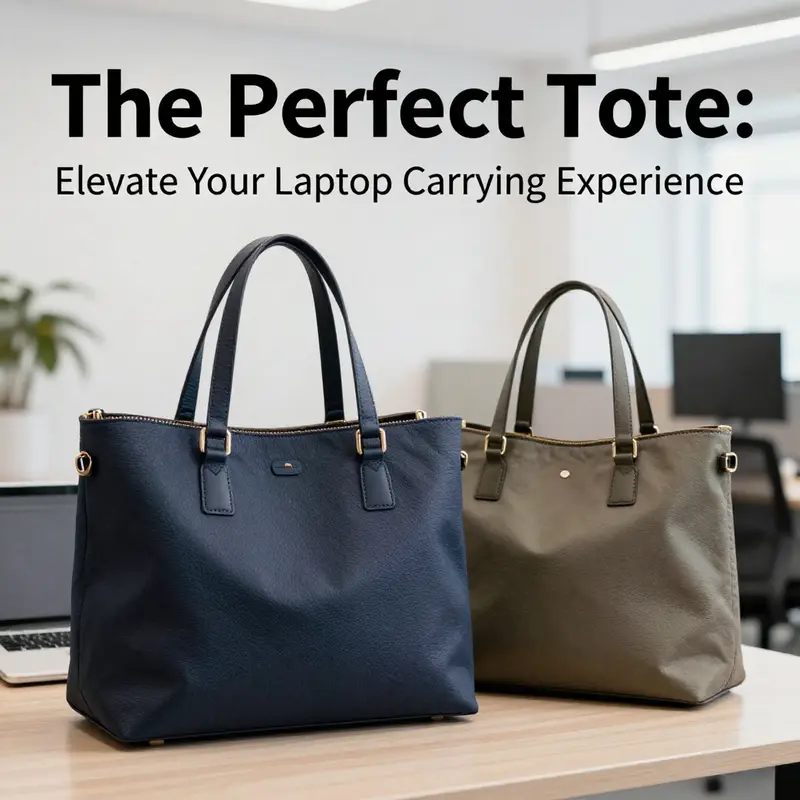
Balancing Style and Protection
Designer tote bags often promise a refined silhouette and a subtle status signal. Many buyers choose them precisely for that—the clean lines, high-quality finishes, and the way the bag completes a professional look. Yet a laptop changes the equation. A garment bag, a foldable tote, or a soft hobo-style carryall may look polished on a desk or at a meeting. Under real-world conditions, however, the demands of daily commuting, weather, and heavy use reveal whether a tote is truly fit for carrying tech.
The key tension is simple. A tote built primarily for image prioritizes material and proportion over protection. A tote built for utility prioritizes structure, padding, and organized compartments. Those priorities rarely align perfectly in a single design. To evaluate a designer tote for laptop use, focus on how the bag addresses the core risks your device will face: impact, moisture, abrasion, and internal movement.
Start with the laptop compartment. A secure sleeve matters more than cosmetic lining. Look for a padded pocket that fits your laptop snugly. A sleeve should absorb shocks and prevent edges from rubbing against the bag fabric. If the compartment sits against an outer wall, confirm that the wall is reinforced. Thin walls transfer knocks directly to the laptop. Also check whether the sleeve has a closure. A zip or a flap keeps the device from sliding out when the bag tips. An open-top tote, without internal fastenings, elevates the risk of accidental drops.
Material and construction determine everyday resilience. Many designer pieces use coated canvas, treated fabric, or premium vegan leather to combine a luxe look with stain resistance. These finishes help against light rain and spills. But coatings can wear at stress points. For reliable long-term protection, prefer high-denier textiles or thicker leathers with reinforced stitching. Inspect seam lines and strap attachments closely. Those locations endure the most strain when you carry a heavy laptop and a lunch. A structured base, ideally with feet or a rigid insert, prevents the bottom from sagging and keeps the laptop off wet surfaces.
Hardware and closures often reveal whether a bag was designed for frequent use. Zippers, magnetic clasps, and riveted handles impact functionality. Top zips offer the best protection against weather and theft, while open tops favor fast access. Consider what matters most to your routine. If you ride public transit or walk in traffic, a zippered top greatly reduces exposure to rain and prying hands. Also test the strap length and comfort. Thin shoulder straps concentrate pressure and can dig into your shoulder when the bag is heavy. Wider straps or a secondary crossbody option distribute weight more evenly.
Internal organization determines how practical a tote will feel on busy days. Designer interiors sometimes favor minimalism: a single-lined compartment with a small slip pocket. That looks neat but lets items collide and rub. For laptop users, multiple pockets, a secure zip pocket for valuables, and a slip for a phone or transit card make daily life smoother. Look for pockets sized for chargers and accessories. If the bag lacks pockets, plan to use a compact organizer insert or a padded sleeve to keep cords and peripherals tidy.
Consider the interplay between weight and aesthetics. Some designer materials, especially dense leather, increase the bag’s empty weight. A heavy bag plus a laptop can make carrying uncomfortable over distance. Evaluate how the bag feels both empty and loaded. A heavy design that looks premium may be impractical for a long commute. Conversely, an ultralight tote might be comfortable but offer little structural support.
Durability under abrasion is another point where style and function diverge. The sharp corner of a laptop can press against a bag wall and create a puncture or abrasion over time. Bags with internal reinforcement or a removable pad are less likely to show wear. Similarly, hardware exposed to friction can scratch coatings and cause color loss. If you expect heavy use, prioritize construction quality over surface finishes.
Security concerns should not be overlooked. Designer totes often favor open silhouettes for ease of access. That openness is convenient in a controlled office environment. In crowded spaces, it becomes a liability. Look for designs that allow at least partial closure, or plan to carry items in zipped pouches within the tote. Anti-theft features, while rare on fashion-forward pieces, can sometimes be added discreetly through inserts or small locks.
For professionals who want the designer look without sacrificing protection, hybrid strategies work well. One option is to carry a dedicated padded laptop sleeve inside the tote. A quality sleeve adds impact resistance and keeps the device from shifting. Choose a sleeve that complements the tote’s interior dimensions. Another strategy is to reserve the designer tote for lighter, low-risk days. On travel-heavy days, switch to a structured work bag built for tech and long commutes.
Think about maintenance and repair. Designer finishes may require specialized cleaning agents. Minor scuffs on coated fabrics may be easily wiped away, while scratches on leathers can be more permanent. Ask about repair services or reinforced replacement parts. A bag with accessible repairs will age better and preserve its appearance longer.
Finally, match your choice to daily context. If client meetings and formal environments dominate your routine, a stylish tote that carries a laptop adequately may be the best fit. If your day includes transit, outdoor walking, or frequent traveling, prioritize protection and organization. Many buyers find a middle ground: a refined tote with thoughtful construction and a removable padded sleeve. That balance keeps the professional aesthetic while addressing the practical threats that laptops face every day.
If you want to explore options tailored to women seeking tech-ready styling, see curated collections focused on combining fashion and function like the selection for laptop needs at laptop tote bags women.
For a deeper, evidence-based comparison of how luxury canvas and coated fabrics perform in real conditions, consult the independent testing and analysis from a recent review. It directly addresses water resistance, impact durability, and structural integrity for designer tote use: https://www.thestrategist.com/designer-tote-bag-durability-laptop
Balanced Carry: Style, Comfort, and Ergonomics in Laptop Totes and Backpacks
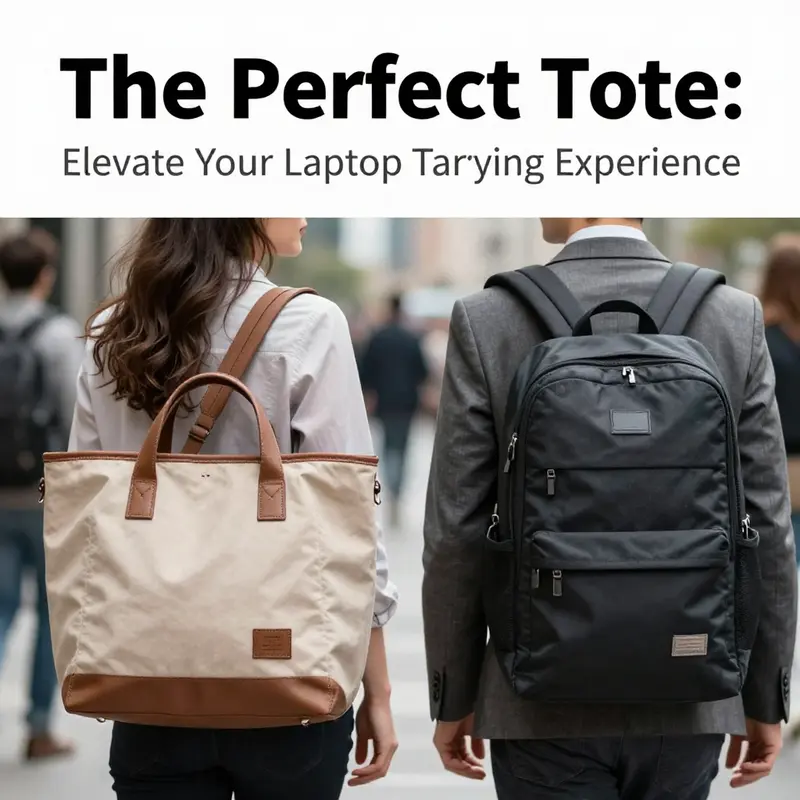
Weight, form, and function converge when you choose how to carry a laptop through a workday. Tote bags and backpacks each offer a distinct silhouette and a different way of meeting daily demands. The question isn’t only about looking put together; it’s about how the bag interacts with your body over time. A laptop is heavy enough to matter, and the way that weight is distributed can influence posture, energy levels, and even long-term comfort. The interplay between style and ergonomics matters because the aesthetics of a bag should not come at the expense of the body you carry it with. In this light, the decision between a tote and a backpack becomes a conversation about how you move through your day, how long you carry gear, and how you want to feel when you arrive at your destination.
Tote bags, with their clean lines and minimalist appeal, celebrate a streamlined, on-the-go look. They often project a sense of ease and versatility, which makes them irresistibly suited to quick errands, meetings, and short commutes. Yet the very virtue of a tote—the way it rests on a single shoulder or in one hand—can become a liability when weight concentrates at a single point. As weight piles onto one side, the spine is forced to compensate. Shoulders dip toward the heavier side, neck tension accumulates, and over weeks or months, a subtle misalignment can emerge. This is not a universal fate, but it is a real risk for anyone who frequently carries a substantial laptop, charger, and a few essentials for a full day. The essential caveat is not to demonize the tote but to recognize where asymmetry can become a constraint. As Dr. Lena Torres, a physical therapist who focuses on workplace ergonomics, puts it: “Asymmetrical loads from tote bags create muscle imbalances. Over weeks or months, this can lead to chronic postural issues, especially in people who commute more than five days a week.” The remark is not a condemnation of style; it’s a practical reminder that beauty and comfort can coexist when the load is managed with foresight, not simply accepted as a daily burden.
Backpacks present a different proposition. The two-strap design distributes weight more evenly across the shoulders, with modern iterations often adding lumbar support, internal padding, and dedicated laptop compartments that keep devices stable and protected. When a bag sits evenly across the upper back, the body has a clearer line of gravity, allowing the spine to maintain a more natural alignment. This is not just theory; ergonomists emphasize how balanced loads reduce muscle fatigue and support upright posture. Dr. Laura Bennett, a certified ergonomist at the Spine Health Institute, notes that backpacks “distribute weight evenly across the upper back and shoulders, aligning closely with the body’s center of gravity, which minimizes spinal deviation.” The science behind this is simple: if weight pulls mainly from one side, you twist to compensate; if weight shares the load, the jaw, neck, and hips can stay relaxed. In daily practice, a backpack can feel like a quiet ally on longer commutes or days packed with meetings, gym gear, and work accessories that a laptop tote would struggle to cradle securely.
The real world, however, rarely offers a single clean choice. Many people need a bag that looks refined and travels well, yet still cushions the laptop and keeps essential items accessible. Hybrid options—structured satchels, compact tote silhouettes with reinforced bases, or mini backpacks with padded laptop sleeves—try to capture the best of both worlds. They aim to deliver the chic, streamlined appearance of a tote while preserving some of the even-weight advantages of a backpack. A well-chosen hybrid can minimize the trade-offs, but the caveat remains: no design can erase the physical realities of a loaded bag. If the device is heavy and the commute long, the weight distribution still matters more than the bag’s appearance. The goal is not to settle for the least painful option but to select a bag that invites ease rather than forcing the body to compensate.
Another practical layer to consider is how a bag organizes its contents. A tote with a padded laptop sleeve, multiple zippered pockets, and strategically placed slip pockets can keep the weight distributed closer to the center of gravity when slung over one shoulder. Yet even with clever organization, the asymmetry of a tote load persists. Conversely, a backpack’s architecture—two padded straps, a snug laptop pocket, interior dividers, and exterior pouches—offers a more predictable distribution. When you reach into the bag for a transit card or headphones, the pockets and sleeves should feel readily accessible without needing to tilt or twist the torso. The tactile experience of reaching for a card from a slip pocket, or grabbing headphones from an exterior pocket, can be both a subtle daily ritual and a reminder of how a bag supports or disrupts routine motion.
Durability and construction compound these ergonomic considerations. Totes frequently rely on reinforced stitching at stress points and a sturdy base to maintain form when loaded. In practice, this means a bag that can carry a laptop plus gym gear without sagging into the side or collapsing under pressure. The materials—water-resistant nylon, waxed canvas, or quality vegan leather—contribute to resilience against everyday spills and wear. A tote with a robust base helps the weight stay centered when carried on the shoulder, reducing the tendency to sway shoulder-to-hip as you walk. Backpacks, by contrast, benefit from breathable paddings, ergonomic straps, and sometimes a more rigid frame that can further stabilize the load even when the bag is fully loaded. The difference is not merely cosmetic; it underpins how comfortable and sustainable daily carrying can be over months and years.
Weight distribution also intersects with personal habits and commute realities. For some, a short, brisk walk from the station to the office means a tote can stay stylishly compact and still feel light enough to maneuver through doors and up stairs. For others, a longer or more layered commute—stairs, elevators, crowded sidewalks—leans toward a backpack’s stability. The choice then becomes a matter of balancing the frequency of symmetrical carrying with the desire for a particular aesthetic. It is entirely possible to enjoy a tote’s elegance on days when the load is lighter and the route is forgiving, while reserving a backpack for days when the laptop is paired with additional gear or arrives in heavier form.
This is where the subtle art of fit comes into play. The width and padding of the shoulder strap influence comfort dramatically. A tote with a broad, cushioned strap can spread the load slightly more than a narrow strap, reducing the risk of pinching and numbness along the shoulder. Still, the load remains anchored to one side. A backpack that fits well—straps that don’t bite into the shoulders, a chest strap that stabilizes the package, and a hip belt that transfers some weight to the pelvis—can make long days feel substantially easier. The human body seeks symmetry; it thrives when guidance and support align with natural movement rather than fighting against it. In practical terms, if you can’t imagine how the bag will feel after a full day of errands, you owe it to your posture to test both forms and observe which one leaves you with less fatigue and more energy at day’s end.
Of course, style remains a legitimate, real-world consideration. The bag you wear is a visible statement, and taste matters as much as ergonomics. There is no need to surrender aesthetics for comfort any more than one should accept discomfort for fashion’s sake. The best choice supports your daily routine and reflects your personality—whether through the minimal lines of a tote or the utilitarian polish of a backpack. When the bag aligns with your lifestyle, it becomes less of a compromise and more of a seamless extension of your daily rhythm. A well-chosen tote can express sleek professionalism on a short commute and still offer secure storage through a quick trip to the gym, provided its design includes a discreet, padded laptop sleeve and a stable base that prevents tipping. A well-chosen backpack can project a more purpose-driven silhouette while delivering peace of mind about device protection and weight distribution on longer days.
For readers drawn to a more tailored path that values both style and practicality, a nuanced approach can help. Consider starting with your typical daily load: how heavy is the laptop, and what other items routinely travel with it? If you carry gym gear, notebooks, chargers, and a water bottle, a backpack can tame the chaos and sustain comfort. If your day typically involves shorter trips, fewer accessories, and a strong preference for a streamlined appearance, a tote with thoughtful reinforcement and dedicated sleeves may suffice. The distinction is not absolute; it is about matching the bag to how you move and how you want to feel while moving. If a tote feels right visually but you worry about asymmetrical strain, look for features that mitigate risk: a structured base, reinforced seams, and a padded, wider shoulder strap that helps to diffuse pressure.
For those who want to explore options that straddle the line between the two styles, there are thoughtful designs that offer both flair and structure. A structured satchel or a hybrid tote with a more balanced internal layout can deliver a refined look with surprisingly stable weight distribution. The aim is to minimize the body’s compensatory work while preserving the aesthetic you value. It is worth noting that while fashionable totes may appear lighter or more flexible, they must still be evaluated for construction quality and load-bearing capability. A visually elegant bag that cannot hold a laptop securely or that collapses under weight will undermine comfort more quickly than a less stylish, better-supporting option. In contrast, a properly built hybrid can deliver a surprisingly balanced carrying experience without sacrificing a sophisticated silhouette.
If you are curious to see how the practicalities of laptop-carrying can translate into real-world choices, you can explore focused discussions that address how many people balance these priorities in daily life. For those who want a concrete avenue to explore in private purchases, a literature-informed approach can help. For example, some readers have found it useful to browse dedicated tote options that emphasize laptop compatibility without turning the bag into a bulky briefcase. In such cases, it is helpful to look for a dedicated sleeve or a padded compartment that keeps the device secure while the bag retains its elegant exterior. For a broader context on how these choices relate to ergonomics and carrying comfort, you may find value in exploring resources that compare asymmetrical and symmetrical carrying strategies in everyday use. As you weigh options, keep in mind that the ultimate goal is a bag that matches your movement patterns and supports your posture rather than one that merely complements your wardrobe.
If you are drawn to the sleek look of totes but still want practical laptop storage, explore options described in resources that specifically address laptop compatibility and garment-friendly design. For an overview of women-focused laptop tote options, you can consider examining the content available at this resource: laptop tote bags for women.
In sum, the decision between a tote and a backpack for laptop carry hinges on how you live with your gear. Style can and should harmonize with comfort, and comfort should never be an afterthought. By understanding how weight distribution, strap design, structural support, and organizational features influence daily wear, you can choose a bag that respects both your body and your aesthetic. The best choice is the one that feels natural after a day’s routine and leaves you with energy rather than fatigue as you transition from commuting to office to evening activities. This understanding sets the stage for the broader conversation about materials, durability, and construction quality that accompanies any serious consideration of daily carry. For a deeper dive into ergonomic principles and bag selection, see Healthline’s evidence-based discussion on how to choose bags that support posture and reduce strain: https://www.healthline.com/health/ergonomic-bag-selection-for-laptop-users
Final thoughts
Selecting the perfect laptop tote bag requires a careful balance between functionality, style, and durability. Each type of bag offers unique advantages; oversized totes are relaxed but may compromise support, while structured satchels provide security and organization. Material choice significantly affects longevity, with both canvas and leather presenting their own benefits. Designer bags can often be stylish, yet their practical use for carrying laptops must be critically evaluated. Finally, personal preference between tote bags and backpacks should align with your lifestyle and daily routines, ultimately guiding your choice. As you integrate these insights into your decision-making process, you will be well-equipped to choose a tote bag that complements both your professional image and practical requirements.