

As a business owner, the items you carry reflect your professionalism and effectiveness. A laptop purse not only serves the crucial function of protecting your valuable device but also enhances your overall image. Choosing the right laptop purse requires thoughtful consideration of various aspects, including functionality, compatibility, and style. This article breaks down the best laptop purse options, details popular brands, and provides a comprehensive buying guide, ensuring you make an informed decision that aligns with your needs as a business owner.
The Intelligent Laptop Purse: Matching Protection, Style, and Everyday Needs
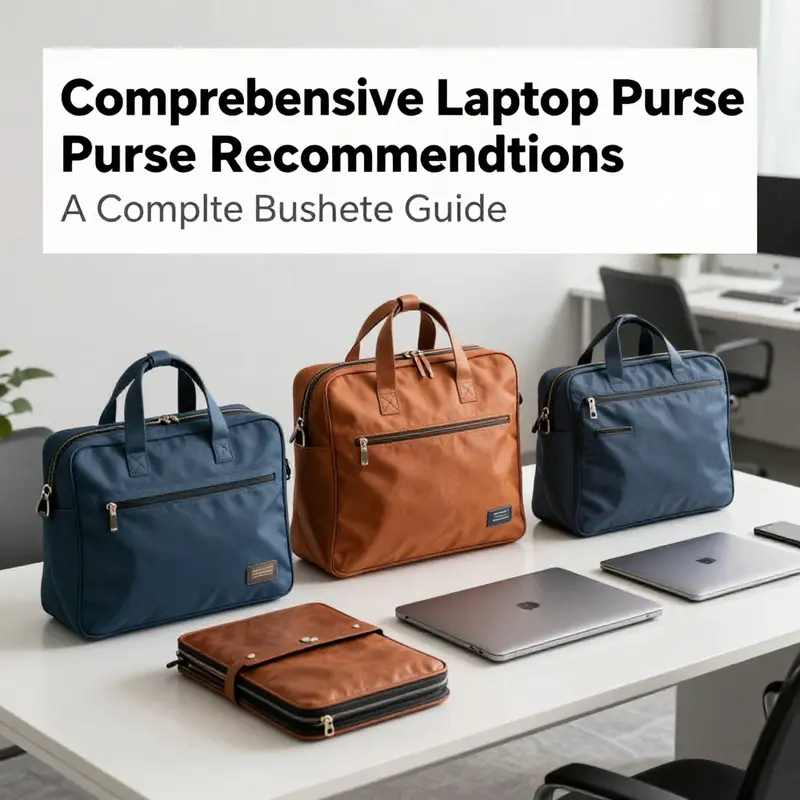
Choosing a laptop purse means balancing three goals: reliable protection, convenient organization, and a look that fits your life. This chapter lays out a practical, unified approach that helps you decide without guesswork. Read it as a decision roadmap. It explains how features interact, which trade-offs to accept, and how to match a purse to real daily routines.
Start with a clear measure: your laptop’s fitted size. Screen diagonal alone is not enough. Measure the widest point, the thickness including any case, and the depth with a plugged-in power adapter if you plan to store it inside. A purse with an internal sleeve labeled for the same inch size often still varies by model. Aim for about 10–20 mm extra internal clearance for sleeves and small accessories. This prevents pressure on ports and zips and avoids forcing the laptop into a tight compartment that can stress seams.
Next, decide the primary usage scenario. Commuting demands a different balance than frequent air travel or client meetings. For daily metro or bike commutes prioritize light weight, breathable straps, and quick-access pockets. For business travel and flights, prioritize structured protection, a trolley sleeve, and lockable zippers. For meetings where image matters, focus on material and finish: full-grain leather or premium paper-based textiles provide a refined silhouette without sacrificing function.
Material choice drives both protection and appearance. There are three material families that perform consistently well. First, high-density synthetic weaves such as ballistic-grade nylons offer the best wear resistance and water shedding. They resist cuts, scuffs, and often include durable water-repellent finishes. Second, high-quality recycled polyester variants provide water resistance and lighter weight, with the benefit of improved environmental credentials. Third, full-grain leather and premium paper textiles provide premium looks and long-term patina. They require more care but elevate a professional image in meetings. Choose a material that aligns with your commute, climate, and care willingness.
Protection is not just material. Padding and internal architecture determine whether a brief drop damages a device. Look for at least 15 mm of dedicated padding around the laptop compartment. Even better, find purses that use denser foam or an air-cushion layer that disperses impact. The sleeve should be snug but not constraining, and isolated from external pockets that might press items against the laptop screen. A reinforced base or a removable hard panel strengthens protection when the bag sits on rough surfaces.
Water protection matters. A water-resistant exterior stops light rain, but taped seams and water-resistant zippers make a big difference in sudden downpours. For heavy rain, a cover or fully waterproof shell is best. Remember that water can enter through shoulder-strap attachment points and zipper ends. Inspect construction: sealed seams, welded joints, and water-blocking flaps increase resilience.
Hardware quality is often overlooked until failure. Test zippers for smooth action and look for metal teeth or heavy-duty molded plastics. Shoulder straps should attach with reinforced stitching and metal or durable polymer hardware. Handles need double or triple stitching at stress points. If a purse advertises a trolley sleeve, slide it over your suitcase handle to ensure a snug fit; some sleeves are shallow and will not secure the bag on rolling luggage.
Internal organization reduces friction in life. A layered internal layout with a dedicated laptop sleeve, a tablet pocket, cable organizers, and a secure pocket for valuables keeps things accessible. Avoid endless small compartments that trap items. Prioritize a front quick-access pocket for transport cards and phones. A separate, zippered mesh pocket prevents small accessories from shifting and scratching the laptop surface.
Comfort is more than padding. Wide, breathable straps reduce pressure. Back panels with an airflow channel prevent sweat buildup. For crossbody styles, a sternum strap or removable waist strap improves load distribution on longer carry days. Test the bag with a loaded laptop and the typical set of accessories to feel the difference between designs.
Consider the bottom: an anti-slip and dirt-resistant base extends both life and style. Feet or a textured base prevents abrasion when placed on rough surfaces. If you commute through dusty or muddy areas, a darker, dirt-shedding fabric will keep the purse looking newer longer.
Portability and flexibility also matter. Lighter models may sacrifice structure and padding but can be the right choice for short commutes or those who carry a laptop sleeve as secondary protection. Conversely, rigid, structured purses offer better drop protection but weigh more. If you change roles frequently—office to gym to client lunch—a convertible design that switches between a shoulder purse and a backpack can offer the best of both worlds.
Style is a practical decision. Minimalist silhouettes in neutral colors adapt to most wardrobes. Accent color linings and subtle trim elevate a look without screaming for attention. For more expressive tastes, textured materials, patterned linings, or small hardware details add personality. Be mindful of dress codes: a luxe leather finish fits formal environments, while matte synthetics read casual.
Sustainability and longevity overlap. Fabrics made from recycled fibers and responsibly sourced leather reduce environmental impact. Durable construction extends product life, which is the most effective sustainability strategy. When comparing models, look beyond materials to repairability: replaceable straps, repairable zippers, and warranty support matter.
Small details separate a good purse from a great one. Magnetic closures on exterior pockets speed access and reduce zipper wear. Internal cable routing channels keep chargers and power banks neat and reduce the risk of cables scraping the laptop. A hidden pocket with RFID-blocking fabric protects payment cards. External bottle pockets must be deep enough to prevent tipping and should be made from quick-dry fabric.
Think through your accessory list. If you carry multiple peripherals, prioritize a layered front pocket with elastic loops or a modular insert. If you travel with camera gear or gaming controllers, choose a more structured interior with removable dividers. If you only carry a laptop and a thin notebook, a slim, hard-case style may be perfect. Tailor the choice to what you actually pack.
Care and maintenance extend the life of any purse. For synthetic fabrics, spot-clean with mild soap and water. Reapply water repellent as needed per manufacturer guidance. For leather and premium paper-like textiles, use recommended conditioners sparingly and avoid saturated cleaning methods. Store purses filled with paper to retain shape when not in use. Avoid long-term exposure to direct sunlight which can fade fabric and dry out leather.
Budget wisely. Mid-range purses often offer the best balance of quality and price. Extremely low-cost options may skimp on critical areas like padding, hardware, and seam strength. High-end models add premium materials and refined finishes, but assess whether those extras match your needs. Consider the cost per year of expected use. A slightly pricier bag that lasts many years can be the most economical choice.
Warranty and after-sales support are signals of long-term value. A clear warranty policy covering manufacturing defects and repair services indicates the brand’s confidence in its construction. Some bags include limited repair services or replacement parts, which matter if you travel frequently.
Packing and usage habits protect your laptop beyond the purse itself. Always use a dedicated padded sleeve for the laptop if your purse’s internal padding is modest. Place heavy items at the bottom and avoid stacking gadgets in the laptop compartment. When placing the purse on uneven surfaces, use a wide-stance foot or lay it flat to avoid stress on the base.
Scenario-based recommendations help finalize the choice. For frequent urban commuters who prioritize lightness and quick access, choose a slim, padded purse with breathable straps and quick pockets. For business travelers, choose a structured, padded purse with a trolley sleeve and lockable zippers. For creative professionals and gamers who carry peripherals, prioritize internal modularity and larger volume. For those who value refined aesthetics for client-facing roles, pick premium material finishes and subtle detailing.
Buying checklist: verify laptop fit, check padding and base reinforcement, test zipper and strap hardware, confirm water resistance and sealed seams, inspect internal organization for your accessories, evaluate comfort with a loaded test, and review warranty terms. Also consider maintenance needs and sustainability preferences.
If you want to explore style-focused options suited to women, find a curated selection specifically tailored for proportion and aesthetics at this resource about laptop tote bags for women. It highlights designs that balance form, function, and a slimmer profile for everyday carry: laptop tote bags for women.
For a concrete example of a well-engineered, all-around commuter model, consult the manufacturer’s product page to compare detailed specs and real-world images. It provides measurements, materials descriptions, and construction photos useful for final selection. https://www.stubbleandco.com/products/the-commuter-backpack
This single narrative integrates sizing, protection, materials, comfort, and real-use scenarios. Use it to weigh options, not to seek a single perfect bag. The best laptop purse fits the way you live, the devices you carry, and the impression you want to convey.
Popular Brands for Laptop Purses: Craft, Protection, and Style in Everyday Tech Carry

When people seek a laptop purse, they are really weighing a few interwoven priorities: how a bag protects a fragile, expensive device, how well it fits into daily routines, and how its look communicates a sense of professional or personal style. The landscape of brands in this space is broad, ranging from houses that emphasize timeless materials and couture-inspired silhouettes to firms that build rugged, technologically minded carriers designed to survive travel, rain, and rough handling. In this chapter, we explore what makes certain brands stand out in the crowd, not by naming every label, but by illuminating the design philosophies that underlie the most respected offerings. The goal is to help readers sense which brand spirit aligns with their own needs—whether they are desk-to-desk commuters, traveling professionals, or students who value organization as highly as protection.
A guiding thread across the top-tier brands is a commitment to materials that endure. Premium leather, when used, is often chosen not merely for its tactile appeal but for how it patinas over time, acquiring a unique character that can accompany a professional wardrobe for years. High-end lines also experiment with sophisticated fabric blends that balance water resistance, abrasion resistance, and texture. In practice, the most revered options in this segment blend aesthetic refinement with practical durability. They are not flashy novelties; they are deliberate tools designed for everyday use. The appeal of these brands isn’t solely in a sense of luxury; it lies in consistent quality, feel, and a design language that remains coherent across different sizes and configurations. A bag that feels premium in the 13-inch format should still feel well proportioned when scaled up to 16 inches, with carefully tuned proportioning that keeps weight and balance in check.
Beyond the luxury tier, there exists a robust category of brands that foreground protection as their core promise. These have learned to translate bunkers and armor concepts into everyday carry: layered fabrics, shock-absorbing foams, and thoughtfully distributed cushioning that guards the laptop from the moment someone drops the bag or places it on a hard surface. The most respected among these labels design multi-layer compartments that keep the device separate from chargers, mice, and cables, while preserving quick access to essentials. A popular design approach is a modular interior with zones defined by soft, padded sleeves and firmer, higher-resilience panels that resist compression. In addition to padding, many of these models incorporate external features tuned for real life: water-resistant exteriors that shed rain when commuting across city streets, reinforced bottom panels that resist scuffs from stairs and sidewalks, and zippers or closures engineered to operate smoothly even when the bag is stuffed to capacity.
Another axis along which brands differentiate themselves is ergonomics. The best names in this field understand that a bag’s weight, when fully loaded, shifts how a user carries it. They invest in wide, well-cushioned shoulder straps that distribute weight evenly and reduce fatigue over long hours of wear. They also pay attention to strap geometry so that the bag sits in a natural position against the back, not pulled forward by an unbalanced internal layout. Some designers go further, incorporating breathable mesh at contact points and moisture-wicking fabrics that help keep the user comfortable in warmer climates or under heavier loads. This attention to ergonomics is as much a performance feature as a comfort feature. When a bag makes a long day feel a bit easier, it earns repeat use and positive word-of-mouth among professionals who travel frequently or spend their days hopping between meetings and offices.
In the realm of organization, brands vary from the minimal to the meticulously compartmentalized. The most effective options employ a thoughtful zoning strategy: a dedicated laptop sleeve that fits snugly without forcing extra space, smaller pockets for cables and adapters, a separate section for notebooks or a tablet, and even a discreet pocket for valuables. For people who carry multiple devices—think a laptop plus a tablet or an e-reader—the ability to keep each device isolated reduces the risk of screen-to-metal contact and abrasion. Yet there is a balance to strike. Over-structured interiors can make bags bulky, while under-structured interiors can devolve into a tangle of cords and loose items. The best brands strike a harmony between security and accessibility, ensuring a user can retrieve a charger without rummaging through a mountain of padding. Some premium lines lean into a sleek, minimal exterior while housing surprisingly generous interiors with clever dividers that disappear when not needed, offering the best of both worlds: an elegant silhouette and cusped, almost surgical organization inside.
Durability, of course, remains a non-negotiable attribute for any pursuit of longevity. Brands that have earned trust in this space tend to experiment with weatherproof coatings, reinforced seams, and abrasion-resistant textures that can withstand daily wear and tear. The exterior fabric choices reflect a broader philosophy about how a bag will be used. In the city, where rain is a constant possibility and sidewalks are rough, a robust exterior can be the deciding factor between a bag that lasts a season and one that endures for years. Some lines push the envelope with reinforced corners, 360-degree protection around the laptop area, and interior linings designed to resist tearing or snagging. This is where the fusion of protection and practicality becomes most evident: a bag that not only protects the device but also weatherproofs the experience of carrying it under unpredictable conditions.
A thread running through all these considerations is the brand’s posture toward value. The market features a spectrum—from value-driven labels that use multiple layers of cushioning to offer robust protection at a reasonable price, to premium houses where the materials, construction, and finishes imply a longer runway of life and a more refined aesthetic. The most satisfying purchases often sit near the middle: high-quality materials and protection without an excessive premium, offering a long service life and a timeless look that transcends trends. In this space, the correlation between price and perceived value is not always linear. Some brands deliver remarkable protection and organization at moderate price points, while others maintain a premium with a philosophy that emphasizes timeless design and meticulous craft. Consumers who value consistency and predictability tend to gravitate toward those labels that provide a coherent story across different sizes and usage contexts.
Because every user has a unique routine, it is helpful to think of brands as signaling different design philosophies rather than as a fixed rating of one bag against all others. If a person’s life involves frequent air travel, a brand that emphasizes lightweight yet protective materials, plus a robust trolley sleeve and secure zipper systems, might be especially appealing. For someone who wants to project a polished, executive appearance, a label that leans toward elegant silhouettes, precise stitching, and high-end leather may feel like a natural fit. For students or professionals who must move quickly between classrooms, offices, and libraries, the value story—multiple pockets, effective padding, and a flexible interior—will weigh more heavily than premium exterior finishes. The most successful buyers are those who evaluate a brand’s strengths in light of their own real-world routines rather than chasing after the loudest marketing claims.
In this landscape, it is useful to recognize that some brands have built reputations on collaboration with designers or on integrating fashion-forward cues with functional design. These partnerships aim to deliver a product that feels current without sacrificing the protective function that a laptop purse must provide. The resulting hybrids—from minimalist silhouettes with luxury touchpoints to more adventurous colorways and textures—offer an appealing path for those who want their professional gear to reflect a degree of personal flair. Yet even in these aesthetic-forward lines, the core promise remains intact: the device is protected, the interior is organized, and the exterior can withstand the rigors of daily life. This coherence between form and function is what ultimately converts initial interest into sustained satisfaction.
The chapter you are reading sits at a crossroads of taste, utility, and practicality. It invites readers to imagine the bag as more than a container and to consider how a brand’s identity aligns with their own. A brand’s ethos—whether rooted in couture craft, rugged protection, ergonomic comfort, or clever interior architecture—can shape the daily experience of carrying a laptop. As with any meaningful purchase, the best choice will reflect a balance of materials, construction, and intended use, anchored by a consistent, well-communicated design philosophy that resonates with the buyer’s sense of style and responsibility. For readers seeking concrete examples that illustrate these philosophies in action, consider exploring a curated selection aimed at women’s laptop tote designs, which highlights how form and function can harmonize within a feminine silhouette and practical carry expectations. See here for more on laptop tote designs for women: laptop-tote-bag-women.
In closing, the brands that endure in the laptop purse category tend to share a few core commitments: durable materials that wear gracefully, interior layouts that respect both security and speed of access, ergonomic design that supports long days of use, and a resilience that helps the bag outlast changing fashion cycles. They understand that a purse for a laptop is not just a bag but a portable workstation and a personal statement. The most rewarding choices are those that offer a reliable balance of protection, organization, and style without forcing a compromise between one priority and another. As you navigate the market, let these principles guide your selection, and let the brand’s design language tell you how it intends to perform in your daily life. For readers who want a sense of how these design decisions translate into real-world use, the internal reference to women’s laptop tote designs can provide a practical lens for evaluating fit and function in a familiar context.
External reading can provide broader context on durability testing and product design principles that underlie these brands. For a broader perspective on bag design principles and durability testing, visit: https://www.consumerreports.org/carry-on-bags/laptop-bags/.
Carrying Confidence: A 2026 Guide to Choosing the Right Laptop Purse
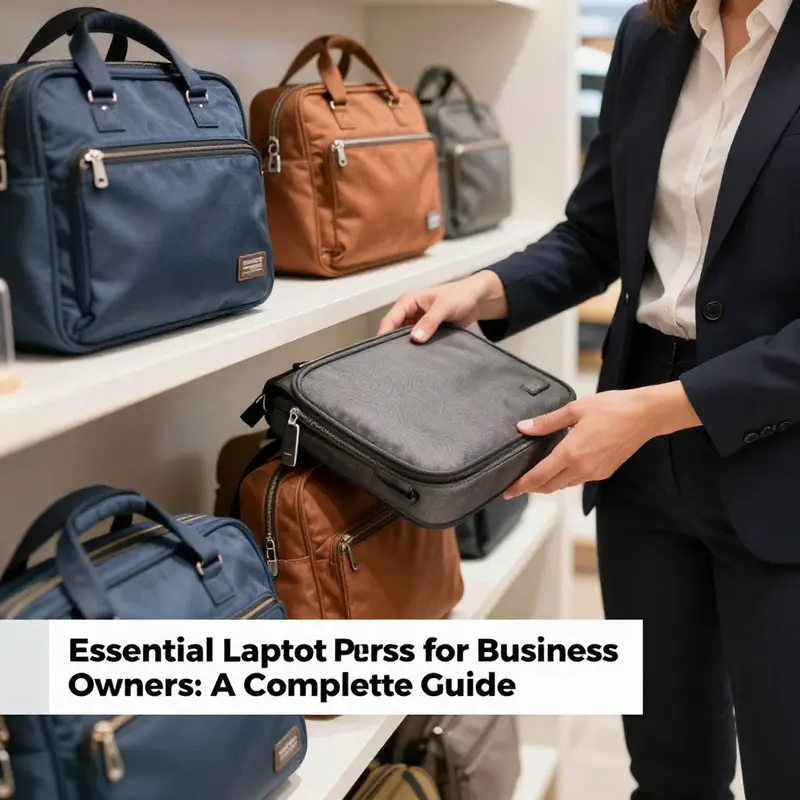
A laptop purse today is more than a fashionable container for a fragile screen. It is a compact, constantly moving workstation that travels from desk to train car, from coffee shop to conference hall, and back again with you. The right purse supports your workflow by offering protection, organization, and comfort while projecting the level of professionalism or personal style you want to convey. In 2026, the most successful choices come from a careful balance of practicality and design, where durability, weight, and feel are considered just as seriously as size and chic aesthetics. When you start to compare options, the goal is not to find the best bag in a vacuum but to find the one that fits your daily rhythm—how you move, where you work, and how much you carry. A thoughtful choice can simplify routines that usually involve hunting for cables, keeping a charger arranged with a mouse, and protecting a device that is indispensable to your productivity.
Your first decision is use case. There are three broad archetypes, each with its own demands. Frequent travelers and digital nomads tend to favor light, compact designs with padded compartments and weather-resistant fabrics. They move through airports and airports-like hubs with bags that sit well on a shoulder or across the body, spreading weight to avoid strain during long days on the go. In these situations, modularity and accessibility matter: pockets that hold chargers and adapters without turning the bag into a jumbled maze, easily reachable water bottles, and a stable base that won’t skid across slick floors. Office professionals and commuters, by contrast, often prioritize a sleek, structured silhouette that pairs with formal or semi-formal attire. They value leather or leather-like finishes, durable synthetics, and well-thought-out internal pockets that keep documents, pens, and a tablet neatly separated from a laptop sleeve. The third group includes students and younger professionals who need a versatile, spacious option capable of accommodating larger laptops, notebooks, and study essentials while remaining comfortable to carry for hours. For this group, extra compartments for chargers, a small tool kit, and even USB-C hubs can turn a single bag into a mini workstation.
The next layer of consideration is material quality and durability. Leather, whether genuine or vegan, offers a premium feel, abrasion resistance, and a timeless silhouette suitable for business contexts. It tends to age gracefully and can be resilient to daily wear and tear, but it also requires regular care and may not perform as well in heavy rain without a protective coating. Synthetics such as high-density nylon or polyester have earned a strong following among travelers for their lightness, water resistance, and robust durability. They also often feature weatherproof zippers and reinforced seams that resist abrasion after many hours on buses or in crowded stations. A growing segment includes bags built from recycled materials, which appeal to eco-conscious buyers without sacrificing performance. When evaluating these options, look for reinforced stitching, abrasion-resistant fabrics, and reliable waterproofing mechanisms that keep the interior dry even in a sudden downpour. The material choice should reflect not only the climate you operate in but also your maintenance tolerance; leather demands care, while synthetics reward those who want minimal upkeep with maximum longevity.
Protection and security are not luxuries but core requirements. A protective laptop compartment should provide padding to absorb shocks—typically a couple of centimeters around the device to cushion against drops. The padding, ideally in a soft yet resistant foam, must stay in place even when the bag is fully loaded. A waterproof liner or coating is essential if you often encounter rain or mist, and a sealed interior helps prevent moisture from seeping into electronics and papers alike. Security features also extend beyond weather resistance. Look for anti-theft elements such as discreet zippers, slash-resistant fabrics, and pockets designed to foil casual pickpockets while remaining accessible to you. Internal organization matters as well: a dedicated laptop sleeve, multiple slip pockets for cables, a pen holder, and a separate tablet compartment can reduce rummaging time and protect fragile devices. A well-structured bag eliminates the anxiety of a tangled tangle of cords and devices crammed into a single pocket, letting you retrieve what you need with minimal disruption to your flow.
Ergonomics and comfort complete the trio of essential criteria. If the bag sits on the shoulder for hours, strap design becomes critical. Adjustable, padded straps distribute weight more evenly and reduce localized pressure that can lead to fatigue on longer carry. Crossbody or backpack-style configurations distribute weight more evenly than single-strap approaches, especially when the laptop is heavier or the bag is packed with extra gear. The base of the bag should remain stable when set down; an anti-slip sole or textured bottom helps keep the purse in place on slick floors or in crowded spaces where wheels rattle and roll. The handle quality should also be considered for shorter trips between meetings or classrooms; a well-stitched handle with a non-slip grip contributes to a comfortable handhold during quick trips up stairwells or through narrow corridors. A practical test—carrying your actual device for a few blocks or through a transit hub—can reveal subtle comfort issues that specs alone cannot capture. The ultimate aim is to prevent neck, shoulder, and back strain that no ergonomic cushion or padding alone can overcome if the bag forces awkward posture over time.
Beyond individual use cases and ergonomic considerations lies a broader question of brand reputation and sustainability. In 2026, many buyers seek brands that are transparent about their supply chains, ethical sourcing, and environmental impact. Favor brands that publish details about labor practices and material sourcing, and look for certifications or third-party attestations that indicate a commitment to sustainable design, repairability, and longevity. Circular models—where companies take back old bags for refurbishment or recycling—are increasingly common and align well with a long-term value mindset. Durability is a form of sustainability in its own right; a bag that lasts years rather than months reduces waste and the need for frequent replacements. On a practical level, you’re also looking for a reputation for consistent quality, dependable customer service, and a willingness to provide repair options or replacement parts when needed. This combination of ethics and reliability helps ensure the investment remains sound long after the purchase.
While ethics and durability shape the decision, budget remains a pervasive factor. It’s tempting to equate price with value, but a thoughtful laptop purse can be a prudent investment because it protects a high-value device and simplifies daily workflows. Low-end options may cover basics but often compromise padding, water resistance, and internal organization. Mid-range choices tend to offer a better balance of materials, weather protection, and ergonomic design, while premium options deliver advanced features such as integrated USB charging, smart locks, or premium leathers with refined finishes. The goal is to identify a price tier that aligns with your device risk profile and how often you travel with it. If your daily routine includes unpredictable weather, constant commuting, or frequent business travel, allocating enough budget to ensure solid padding, robust zippers, and reliable water resistance pays off in reduced maintenance costs and fewer headaches.
Where to buy, and how to evaluate options, is the practical step that turns these criteria into a tangible decision. Online marketplaces offer breadth and convenience, while specialty stores can provide hands-on testing and expert guidance. Direct-from-manufacturer purchases are advantageous for bulk buying or bags with customization options, particularly for corporate procurement or university programs. In your search, keep the end-to-end experience in mind: accurate product specs, clear information about padding and dimensions, accessible return policies, and responsive customer service. You want to walk away from a purchase not only with a bag that fits your laptop but with a trusted partner who can help if your needs change or if repairs become necessary. To illustrate a practical path, consider exploring options within the broader category of laptop tote bags for women, which often balance style with utilitarian features. This category tends to emphasize sleek silhouettes, lightweight materials, and organizational pockets configured for everyday campus or office life. See for yourself how a design tailored to this readership translates into real-world use: laptop tote bags for women.
As you navigate the spectrum of styles, it helps to anchor your evaluation in a few concrete questions that keep you focused. Does the bag accommodate your exact laptop size with a little room to spare for a charger and a notebook, or is it a tight fit that makes insertion and removal cumbersome? Are the interior pockets thoughtfully arranged to minimize digging? Is the weatherproofing dependable enough to protect devices in sudden showers or humid environments? If you need to tailor the bag to a professional wardrobe, does the finish convey the right impression while still offering everyday practicality? And crucially, is there a plan for care and maintenance that keeps the material’s appearance over years of daily use? Answering these questions helps you discriminate between bags that merely carry a device and those that actively support a mobile workflow.
In crafting a 2026 strategy for selecting a laptop purse, the emphasis is on aligning the bag’s features with your life’s cadence. A traveler’s bag should feel almost invisible during transit, light enough to forget for hours but sturdy enough to withstand the rigors of airports and trains. An office-focused purse should communicate competence and polish, with materials and construction that survive elevator rides and boardroom interactions with equal poise. A student’s bag should combine ample capacity with robust protection for sleepless nights and crowded libraries. Across all these scenarios, the core pillars remain consistent: protection, organization, ergonomics, and longevity. The most satisfying purchases in this space typically satisfy all four by design rather than by compromise. The best-pedigreed solution is the one that glides between tasks without adding cognitive load—one that holds your laptop, your charger, and your day-to-day essentials, then leaves you free to focus on the work that matters rather than the logistics of carrying it.
For those who want a broader professional reference point, consult official catalogs that cover a wide range of laptop bags and related accessories. These sources provide detailed specs, security features, and durability data that can help you compare options more systematically. External resources can complement your research by offering industry perspectives on bag design and protective engineering. For a broader professional perspective on laptop bags from a leading supplier, visit https://www.targus.com. This resource helps you understand how a major player in the field frames protection standards and user experience, which can illuminate what to expect when evaluating other brands and models.
In sum, the right laptop purse in 2026 is not a single spotlight product but a carefully chosen instrument in a mobile toolkit. It should protect what matters, organize the tools you rely on, and carry you with comfort across varied settings. It should also align with your values—sustainability and ethical production matter when you can choose, and longevity counts when you know you will rely on your bag every day for years. The process is not about chasing the latest trend; it is about building a robust, flexible solution that adapts as your work and life rhythms shift. When you find a model that meets all four pillars—protection, organization, ergonomics, and longevity—you gain more than a bag. You gain a dependable partner for your daily workflow, one that respects your back, protects your device, and carries your commitments with quiet competence.
Final thoughts
Selecting the right laptop purse goes beyond aesthetics; it must also be functional, durable, and suitable for your business environment. From the comprehensive recommendations provided to the insights on trusted brands and essential buying guide, these elements are pivotal in ensuring that your chosen purse meets both your professional needs and personal style. Prioritize quality and thoughtful design, and you’ll find a laptop purse that not only protects your device but also enhances your business persona.