
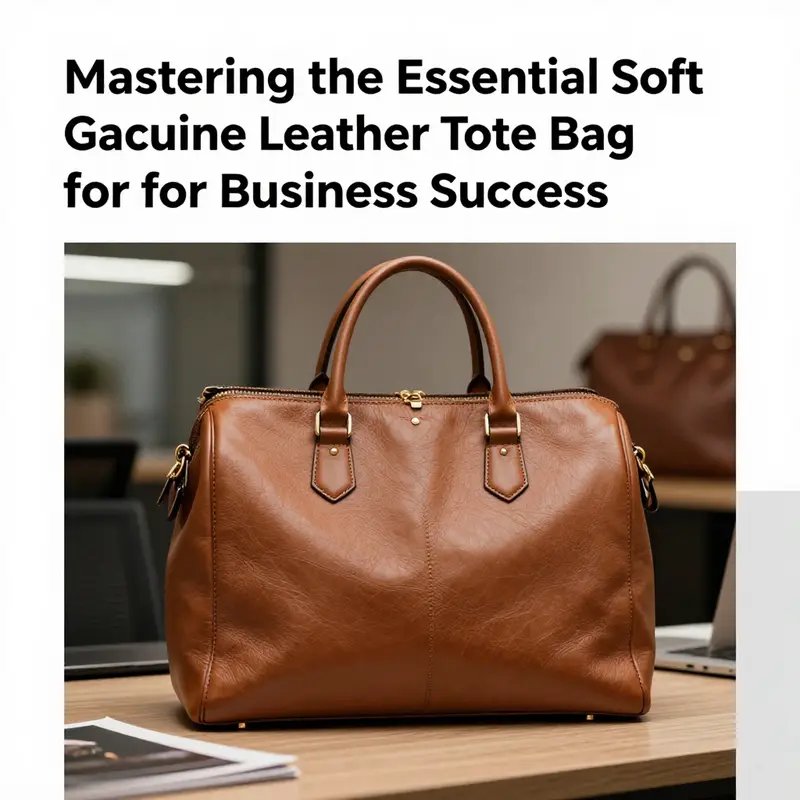
In the world of business accessories, a soft genuine leather tote bag serves not just functionality but also as a symbol of sophistication and professionalism. Tailored for the discerning entrepreneur, these bags combine practicality with elegance, making them an invaluable addition to daily business attire. From classic designs to innovative features, each tote presents unique benefits suitable for various professional scenarios. This article will delve into the myriad types available, the essential design features, and practical usage scenarios while providing insights on maintenance and current market trends. Each chapter is designed to help business owners navigate their options effectively, ensuring they can choose the right leather tote to elevate their professional wardrobe.
Choosing Your Ideal Soft Genuine Leather Tote: Styles, Structure, and Everyday Use
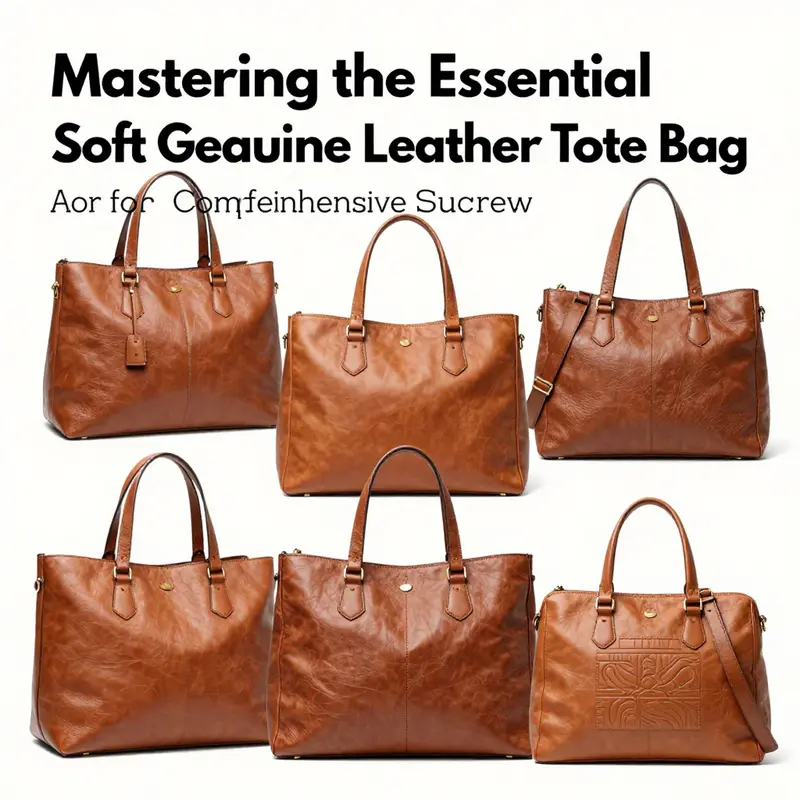
A soft genuine leather tote is as much about how it fits into daily life as about its looks. The core appeal lies in leather that is supple yet resilient, which allows designers to shape a range of silhouettes. That variety means a soft leather tote can be a professional go-to, a casual companion, or a travel-ready carryall. Understanding the subtle differences between styles helps you pick a bag that matches your routine, supports your posture, and keeps your essentials organized.
Think of styles as practical answers to common needs. The classic shoulder tote prioritizes capacity and simplicity. It typically has long straps that sit comfortably on the shoulder, a roomy open interior, and a clean, minimalist profile. The soft leather softens the edges, so the bag molds slightly to your side with wear. This makes it comfortable for commutes and errands. Inside, a few pockets or a small zipped compartment are often enough to separate phone and wallet from the main load. If you carry a laptop, look for a version with a padded sleeve or enough depth to protect electronic devices from impact.
Security is the primary reason someone chooses a zip-top tote. A full-length zipper grants peace of mind in crowded places and during travel. The zipper helps preserve the bag’s interior order, preventing accidental spillage and keeping valuables tucked away. Designers often pair a zip-top with internal organization features: slip pockets, key leashes, and small pouches for cords and chargers. A zip-top tote made from soft leather still retains a gentle silhouette while offering that extra layer of protection.
Hybrid silhouettes merge the best features of two forms. The crossbody tote, for example, keeps the roomy interior of a tote but adds a long, adjustable strap. Wearing the strap diagonally reduces shoulder strain and keeps the bag secure against the body. This is a convenient choice when you want both storage and mobility. Soft leather here matters because it keeps the strap comfortable and reduces chafing. Pay attention to strap attachment points. Reinforced stitching and metal hardware can extend the life of a heavily used strap.
For those who favor relaxed shapes, the hobo or slouchy tote is a natural choice. Its crescent-like curve and soft drape give off effortless style. The single strap design and open top make access instant. These bags are less structured, so they suit people who favor flexible storage over rigid compartments. If you carry irregularly shaped items, a slouchy tote adapts easily. But if you need crisp organization or a professional silhouette, choose a more structured option.
Structured soft totes find a middle ground between pliability and form. Subtle reinforcements—such as internal frames, stronger linings, or gusseted bases—help the bag retain a neat shape without sacrificing the soft touch of genuine leather. This balance makes structured soft totes appropriate for meetings and events where presentation matters. Internal dividers and zipped pockets keep documents, devices, and small items in place. Look for a reinforced base to avoid sagging when the bag is loaded.
Straps and closure styles determine daily comfort. Wider straps distribute weight and reduce shoulder pressure, especially when the bag is full. Webbing-reinforced straps made from woven materials can add resilience while keeping the shoulders comfortable. Adjustable straps increase versatility, letting you switch between shoulder and crossbody wear. Magnetic snaps provide quick access with modest security. Full zippers maximize protection but require slightly more effort to access the contents.
Leather type and finish define both look and behavior. Full-grain leather shows natural markings and develops a deep patina over time. Aniline finishes emphasize a rich, natural surface but may show wear more readily, so they need gentle care. Top-grain leathers are often sanded and finished, offering a smoother and more uniform look. Buffalo leather typically offers a pronounced grain and excellent durability. Each leather type responds differently to moisture, sunlight, and friction. If you expect heavy daily use, favor a tougher grain with protective finishing.
Interior construction is more than a convenience detail. A well-chosen lining protects the interior and helps the bag hold its shape. Lightweight polycotton linings add softness and are easy to clean. Quilted or padded sleeves protect laptops and tablets. Internal pockets tailored to phones, sunglasses, and keys minimize the need for separate organizers. Consider removable pouches or zippered inserts for items you want to keep secure or transfer between bags.
Weight and ergonomics matter when choosing a soft genuine leather tote. Leather itself can be heavier than synthetic options. A soft leather tote that lacks reinforcement may spread weight unevenly across the shoulder. Prioritize models with ergonomic straps and balanced proportions if you carry heavy loads daily. A reinforced base reduces the tendency to sag. If you often carry a laptop and accessories, evaluate both the bag’s capacity and how the weight will feel after a short walk.
Care needs influence longevity. Soft leather benefits from periodic conditioning to maintain flexibility. Leather conditioners and cleaners formulated for genuine leather help prevent drying and cracking. Avoid overexposure to direct sunlight and moisture. Minor scuffs can often be buffed and treated, while deeper scratches may require professional attention. A well-cared-for leather tote becomes more attractive over time, showing a unique patina that reflects real use.
Making a final choice comes down to matching style to use. If your priority is a neat work appearance with device protection, a structured soft tote with internal dividers will serve well. If travel and anti-theft are concerns, a zip-top or crossbody tote is better suited. If you prize comfort and a relaxed aesthetic, a hobo or slouchy tote will match your sensibility. For those who want a daily workhorse, consider models described as suitable for carrying a laptop, like select laptop tote bags for women that prioritize both protection and style.
Selecting a soft genuine leather tote is a balance between function and feel. Assess strap design, closure, interior organization, and leather type. Visualize how the bag will carry at full capacity and how it will age with daily wear. The right tote will not only carry your things but also adapt to your life, improving with time and use. For a technical overview of materials and standards, see this detailed guide on soft leather totes: https://www.genuineleatherbagguide.com/guide-to-soft-leather-totes/
Conforming Luxury: Design Language and Everyday Functionality of Soft Genuine Leather Tote Bags
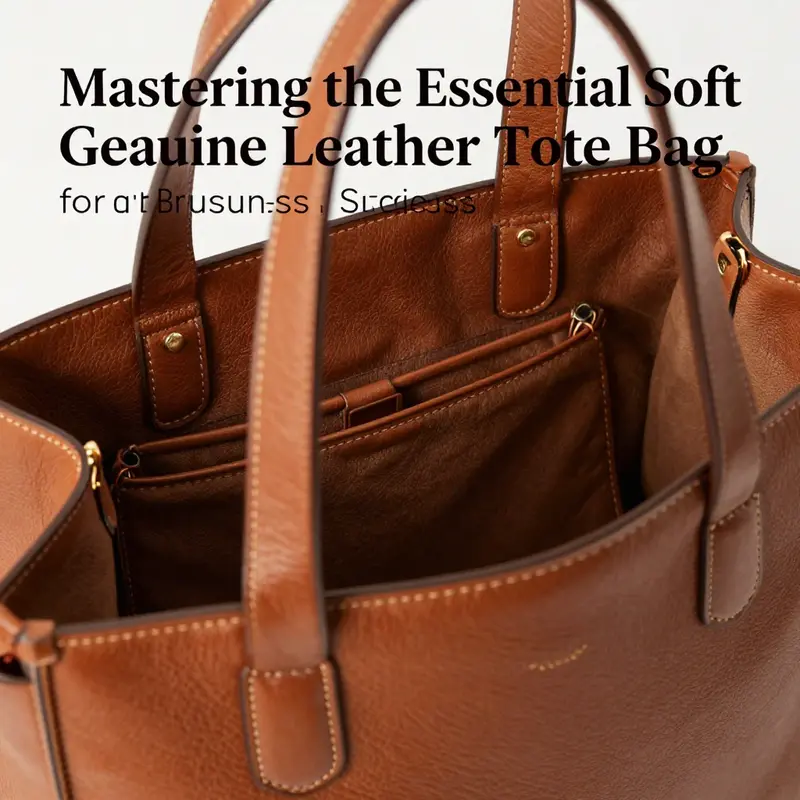
A soft genuine leather tote bag embodies more than the sum of its parts. It is a translation of tactile pleasure into practical routine, a object that ages with the wearer while staying reliably useful. The defining feature is the leather itself—soft, pliable, and inviting to touch—yet engineered to hold its shape when needed. This tension between suppleness and structure is not accidental. It is the result of thoughtful material selection and precise construction, a pairing that appears simple on the surface but reveals depth under closer scrutiny. When a bag feels this responsive against the body, it invites daily use, from early commutes to late meetings, without demanding constant care or adjustment. A 2025 review highlighted how such leather adapts to different carry styles, becoming more comfortable as it conforms to the wearer’s silhouette. Over time, the leather develops a patina that signals personal history rather than wear and tear, turning a practical item into a cherished companion rather than a disposable accessory. And while aesthetics draw us in, functionality keeps us returning to the design year after year. The open, generous interior is at the heart of this appeal, offering unfettered access to essentials and a sense of ease that is rare in more compartmentalized bags. The open-top design welcomes a laptop, notebooks, cosmetics, or daily paraphernalia with a simple sweep of the hand, which makes the tote equally at home in a professional setting, a campus corridor, or a weekend excursion. Yet even as the space feels expansive, the bag remains composed. A well-timed balance of softness and structure prevents contents from sinking to the bottom or losing shape when the bag is fully loaded. This balance, a seemingly subtle feature, has big consequences for both appearance and longevity. A 2026 guide on industrial applications of soft leather totes emphasizes the significance of this equilibrium, noting that a bag must feel forgiving in the hand while retaining enough stiffness to stand upright when needed. It is this combination that makes softer leather more than a luxury—it makes it dependable in daily life.
The interior design reinforces the bag’s versatility without sacrificing its elegant silhouette. The open interior is often paired with a tolerant, lightweight lining—pol ycotton, a subtle blend that is soft to the touch and easy to clean—creating a gentle barrier between the leather and the contents. This choice of lining reduces friction, protects the leather from wear, and supports easy maintenance. It also ensures that the interior remains bright and navigable, a practical aid for busy days when you are juggling files, a water bottle, keys, and a phone. Within this roomy cavity, the bag’s form stays predictable. Internal stiffeners or a slightly firmer base help maintain an upright profile, reducing the chance of a sagging midsection when the bag is full. The result is a tactile, confident bag that looks intact and ready for action from morning to night.
Carrying comfort is another pillar of design. The tote typically features dual sturdy handles that offer a comfortable hand-hold and a natural forearm carry. In addition, many variants include extended straps or a longer shoulder option that allows for hands-free mobility in crowded city environments or on packed commute buses. This thoughtful variation is not merely about convenience; it also supports better weight distribution. By spreading load more evenly across the shoulder and upper body, the bag reduces fatigue during long days spent hopping between meetings or exploring a new city. The idea of comfort here is not about softness alone but about a balanced interaction between the bag and the wearer’s movements.
A practical interior and ergonomic carry extend beyond simple openness and straps. Some premium models incorporate internal compartments or organizers, which provide a home for small items—pens, cards, charging cables—without turning the main space into a cluttered mess. Yet many minimalist designs deliberately eschew extra pockets in favor of open space, because such a clean interior makes it easier to locate items quickly and keeps the sense of calm that a well-designed bag can impart. The interior logic, whether organized or minimalist, harmonizes with the exterior: a clean, unbroken line that communicates clarity and focus. For professionals who carry laptops or tablets, a dedicated sleeve or padded pocket is often enough to reassure the user that delicate electronics are safeguarded without compromising the bag’s overall aesthetic. The potential for a laptop sleeve within a larger open-topped tote is precisely the kind of modern adjustment that keeps traditional designs relevant. A practical point to consider is the absence of a secure closure in many classic soft leather totes. While this can lessen security, it also preserves the bag’s streamlined look and generous opening, qualities that many users value for rapid access and effortless styling.
Yet there is more to the story than space and straps. The design language of soft leather totes relies on careful material grading and reinforced construction to withstand daily wear. Reinforced bottom panels, for instance, help the bag resist the inevitable abrasions from resting on hard surfaces or slipping across floors. These features, paired with high-quality leather grading, preserve the bag’s form and extend its life. The leather’s surface can tell a story of its own—soft grain, natural markings, and occasional character marks that emerge as the bag is used. This evolving texture is part of the leather’s charm, signaling authenticity and a lived-in character that synthetic materials often struggle to mimic. The patina that forms over years of use is not a flaw; it is a visual narrative of the bag’s journey. Alongside this, the choice of lining and stitching quality provides structural integrity that supports heavy daily use and occasional travel without compromising elegance.
From this perspective, design features are not isolated decisions but interconnected choices that collectively determine performance. The open-top interior invites fluid access, while the internal supports maintain order. The carrying options adapt to different moments, and the interior arrangements address a spectrum of needs—from minimalist to more organized. The reinforced base and material grading guarantee longevity, while the patina and aging process celebrate the bag’s evolution rather than conceal it. In practice, this means a soft genuine leather tote can serve as a versatile core element of a wardrobe, a reliable partner for courthouse appointments or coffee shop rendezvous, a faithful companion on long flights or short trips, and a dignified staple for daily routines that demand both style and resilience.
For readers who imagine a future where a bag can grow with them, consider the possibility of a configuration that spans both worlds: a timeless open-top silhouette with a discreetly integrated laptop sleeve or document pocket. Such a hybrid respects the clean line of a classic tote while acknowledging modern needs. A practical example of this evolution can be found in designs that emphasize a dedicated compartment for a computer sleeve, which preserves the bag’s exterior simplicity while delivering the protection and organization modern users expect. If you are curious about one such configuration, you can explore the option here: tote bag with computer sleeve.
As this discussion circles back to the core question—what makes a soft genuine leather tote work so well in real life?—the answer lies less in the flash of a single feature and more in the harmony of components. The softness of the leather invites touch and comfort; the interior openness invites ease of use; the structural cues invite form to hold its own under load; the carrying options invite adaptability; and the maintenance-friendly lining and reinforcement invite longevity. It is a design language built on restraint and confidence, a subtle dialogue between material and function that never shouts but always delivers.
In considering sustainability and style, the tote’s durability becomes a meaningful argument for slow fashion. The overall life cycle is extended by the bag’s ability to resist wear, to age gracefully, and to maintain a relevant silhouette across seasons and trends. A well-made soft leather tote does not chase trends; it earns its place by performing reliably and aging gracefully. This is the essence of enduring style: a tote that feels like a natural extension of the wearer, ready for work, travel, and daily rituals without demanding a new alternative every season. For readers seeking a deeper dive into the standards, properties, and broader industrial applications that shape these bags, a comprehensive guide offers a rigorous examination of how soft leather totes perform in real-world contexts. External resources such as Leather Bag Design Guide: Industrial Applications of Soft Leather Totes provide a detailed framework for understanding the materials, engineering, and testing behind durable, long-lasting totes. https://www.leatherbagdesignguide.com/industrial-applications-of-soft-leather-totes
Between Boardroom and Brunch: The Everyday Journey of a Soft Genuine Leather Tote Bag
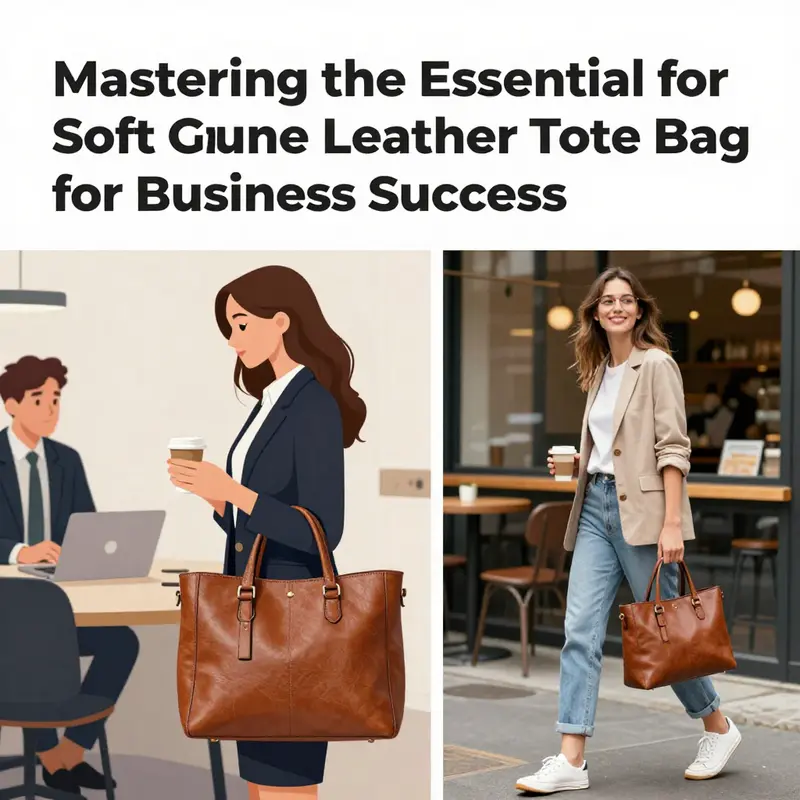
A soft genuine leather tote bag is more than a carrier; it is a companion that moves with the pace of a busy day and the quiet moments that punctuate it. From the first light of a weekday commute to a lazy weekend brunch, this bag holds its own in a way that feels less like an accessory and more like an extension of daily intention. The beauty of genuine leather lies not only in its tactile warmth but in the way a piece ages with use. The grain, the faint creases, and the subtle sheen that develops over time speak of lived chapters, each one adding character while preserving the bag’s essential function. A tote built from soft leather manages to be both responsive and resilient, offering a refined silhouette that remains faithful to its original shape even as it softens and becomes more supple with every season that passes. That blend—softness without surrender and durability without rigidity—defines the everyday appeal of these totes, making them suitable for a range of outfits and occasions without feeling either fussy or generic.
In office settings, the appeal becomes almost practical poetry. The refined, structured silhouette signals professionalism, while the open-top design keeps access effortless for documents, a tablet or slim laptop, and a notebook that travels next to a phone, keys, and a compact umbrella. The natural grain of genuine leather introduces a touch of timeless elegance that aligns well with business attire without overpowering it. Leather’s subtle variation catches the light in a way that’s quiet and confident, a visual note that can elevate even a simple, well-cut suit or a carefully chosen blouse and trousers. The interior construction—soft, protective lining and well-considered pockets—plays a critical role here. A polycotton lining, for example, provides a gentle home for everyday essentials while remaining lightweight and easy to clean. It helps the bag maintain its structure, even when it carries a laptop, charger, notebooks, and a few folders. The aim is a balance: the bag should be roomy enough to feel comfortable during a full day, yet not so bulky that it overwhelms the wearer when stepping into a lift or moving through narrow office corridors.
As the workday ends and the calendar lightens, the same tote transitions with ease into weekend life. The same soft leather that holds up to daily office wear also welcomes casual photos, a coffee-and-croissant brunch, or a quick shopping stroll. Its durability is more than a practical feature; it is a promise. Leather’s resilience comes from its natural fiber and the way it ages gracefully, developing a patina that reflects daily use. The bag’s texture becomes richer with gentle patina, and the color deepens in a way that feels distinctly personal rather than manufactured. This is where the tote’s versatility shines. A weekend-ready look—denim, a relaxed cardigan, and low-profile footwear—gains a finished edge when paired with a bag that looks more lived-in and more confident with every outing. The same virtues that support a weekday load—capacity, accessibility, and a calm sense of proportion—also support a weekend agenda: a quick library stop, a morning market run, or an impromptu catch-up with friends. In this sense, the tote is less a trend and more a steady companion that learns the rhythm of the wearer and sits comfortably in both the bustle of a city street and the easy calm of a weekend café.
The design vocabulary of soft genuine leather totes emphasizes flexibility without sacrificing form. Classic totes, with their timeless, minimalist aesthetic, offer a spacious interior that makes organization intuitive. A long-established silhouette can accommodate a laptop, a folder, a water bottle, and a few personal items, all arranged in a way that minimizes clutter and maximizes accessibility. Subtle details—like a reinforced edge, carefully matched stitching, and a smooth, unlined exterior that invites touch—contribute to a sense of quality that doesn’t shout but politely asserts itself. Then there are other variations that illustrate how design choices can adapt a single material to different tasks. A webbing strap tote, for instance, prioritizes weight distribution and reinforced support for heavier loads. The wider shoulder contact and the strength of the woven strap translate into comfortable, all-day carry, especially on days that demand a larger haul of documents, gym wear, or travel companions. For those drawn to a touch of artistry, embossed patterns or refined finishes can personalize the bag while preserving its essential leather character. The appeal here lies not in ostentation but in the idea that a bag can be both a personal statement and a reliable tool—an instrument that makes daily rituals feel smoother and more enjoyable.
When we turn to care, the philosophy remains the same: respect the material, nurture the finish, and let usability be the guiding principle. Conditioning leather every three to six months is a simple routine that pays dividends in longevity. This gentle maintenance helps prevent leather from drying or cracking and keeps the surface supple so it can continue to drape naturally with wear. A light application of a neutral leather conditioner, followed by a soft buff, can restore moisture and brightness without altering the leather’s natural color or texture. Cleaning is likewise straightforward—wipe away dust with a soft cloth, then address any smudges with a damp cloth. Avoid harsh chemicals or saturating the material; moisture can be beneficial in small doses, but it must be controlled and followed by proper drying. Storage is equally important. When not in use, stuff the bag with tissue paper or a lightweight wrap to help it maintain its shape, and keep it in a breathable dust bag away from direct sunlight. Excessive exposure to heat or humidity can accelerate aging, while keeping the bag in a controlled environment allows the patina to evolve gracefully.
In the broader conversation about how soft leather totes fit into a modern wardrobe, one point stands out: their ability to bridge different worlds without compromising style or function. The tactile joy of genuine leather—the way it warms to touch, the slight creak of a well-made seam, the nuanced grain that tells a story of its own—translates across contexts from morning commute to weekend errands. A bag that ages with you becomes less about chasing a look and more about cultivating a personal narrative that unfolds with each day. This is not about chasing trends; it is about choosing a durable companion that evolves with your life while remaining reliable in its core role. The interior materials, like a soft polycotton lining, support wearability day after day and help protect the items inside. The exterior finish, in turn, benefits from experienced craft, where the leather’s natural character is celebrated rather than forced into a perfectly uniform appearance.
For readers exploring related silhouettes that translate across categories, the broader tote collection can offer a useful glimpse into how a single material can adapt to different weight demands and use cases. See the broader collection at tote-coach-handbags (https://alltotebags.com/tote-coach-handbags/) to gain a sense of how different capacities and strap designs interact with a soft leather finish, and how a classic tote remains relevant as trends shift. This kind of exploration helps translate the everyday experience of owning a soft genuine leather tote into practical decisions about fit, proportion, and upkeep. And while the specifics of care will depend on the exact leather and finish, the underlying principle remains consistent: value is born from a mindful approach to use, maintenance, and aging—the quiet confidence that comes with owning a bag designed to do more than carry things.
In wrapping these ideas into a single narrative, the soft genuine leather tote emerges as a versatile, enduring companion. It is the kind of bag that feels appropriate in a quiet corridor as well as a lively street festival, that respects the wearer’s need for both function and refinement. It offers the kind of flexibility that makes a wardrobe feel complete, not crowded. The journey from office to weekend isn’t a sequence of separate decisions; it is a continuous dialogue with a single, well-made object that understands how life moves. The result is a practical luxury that ages with grace, keeps its shape through daily use, and remains an ever-present helper as plans evolve and new moments arise.
Gentle Hands, Lasting Style: A Thoughtful, Integrated Care Path for Soft Genuine Leather Tote Bags
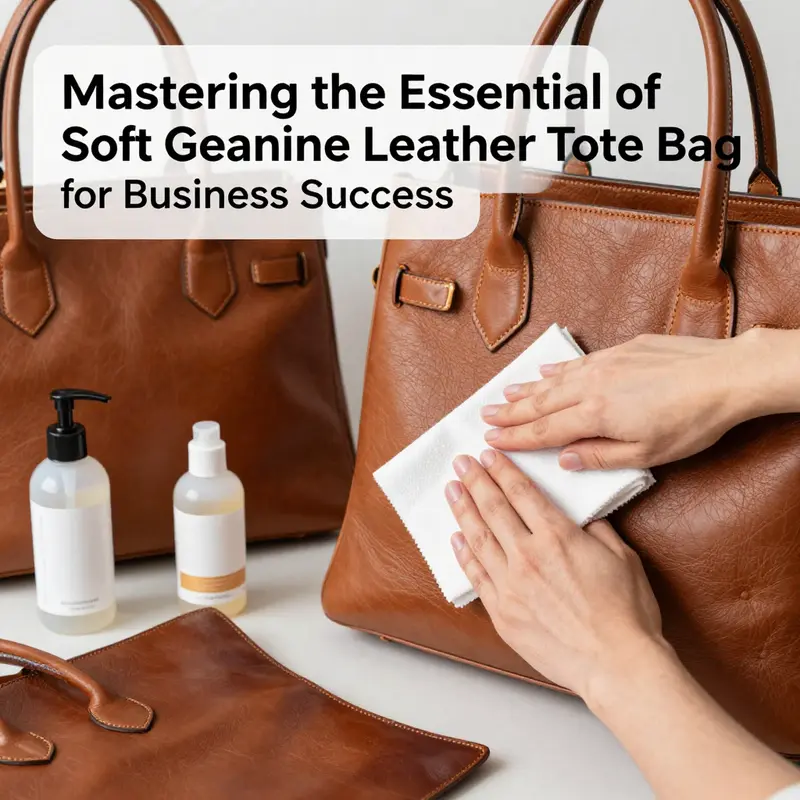
A soft genuine leather tote bag is built to travel beside you through years of everyday moments, and its longevity hinges as much on mindful care as on sturdy construction. Caring for this kind of leather is less about chasing a flawless, museum-grade finish and more about nurturing its natural grain, keeping moisture balanced, and preserving the bag’s forgiving shape as it ages. When treated with steady attention, a well-made soft leather tote can develop a warm patina that speaks to its history while retaining the supple hand and clean silhouette you expect. The care routine is not a one-off chore but a respectful ritual that aligns with how the bag is used, where it goes, and the climates it encounters. It begins with cleaning, advances through conditioning, and extends into storage and protective habits that shield the bag from environmental stressors, all while preserving its ability to perform—whether you’re carting documents to the office, packing for a weekend getaway, or simply carrying daily essentials with quiet confidence. Each step supports the bag’s structural integrity and tactile luxury, ensuring that what feels soft to the touch continues to feel that way for years to come.\n\nRegular cleaning is the foundation of a long-lived finish. Over time, surface dirt, oils, and grime coat the leather, dulling its natural sheen and gradually eroding the grain’s springy texture. A soft, dry cloth should be the first line of defense, followed by a lightly damp microfiber cloth using minimal water when needed. The goal is to lift away grit without oversaturating the leather, which can strip away its protective oils and cause stiffness. For more persistent soiling, a pH-neutral leather cleaner designed specifically for soft leather is appropriate. After each cleaning session, replenish moisture with a high-quality leather conditioner or balm that contains nourishing components such as beeswax or mink oil. This conditioning step is critical because it helps restore suppleness and forms a lightweight barrier that keeps the surface from drying and cracking. The recommended interval—roughly every three to six months—depends on usage frequency and climate: a bag that travels daily in a dry, air-conditioned environment might need less frequent attention, while a bag that faces seasonal exposure to sun and humidity benefits from a slightly more regular routine. Always test any cleaner or conditioner on a small, inconspicuous area first to ensure it does not alter the color or finish.\n\nStorage is where the care plan translates into lasting form. When a tote is not in use, it should reside in a cool, dry, well-ventilated space, away from direct sunlight and heat sources that can accelerate drying and cause cracking or color fade. Plastic bags are a trap for moisture and should be avoided; instead, a breathable cotton dust bag or a lightweight fabric cover protects the surface while allowing airflow. To preserve shape, lightly stuff the bag with acid-free tissue paper, crumpled unprinted newsprint, or a purpose-made bag form. This internal support helps the tote retain its silhouette, especially when shelves are crowded or the bag is stored for longer periods. Heavy items within the tote or stacking other bags atop it should be avoided, as pressure can lead to deformation and stress the stitching at the handles. When the bag is in seasonal storage, a clean, dry interior should be maintained so that any incidental moisture can evaporate rather than become trapped.\n\nEnvironmental exposure is a constant factor in the life of a leather bag, and smart precautions can dramatically extend its life. Rain and snow introduce moisture that, if left to linger, can saturate the grain and lead to water staining or mold if ventilation is poor. If moisture does strike, blot the surface gently with a dry cloth and allow the bag to air-dry at room temperature. Direct heat or sunlight accelerates evaporation in a way that can shrink fibers or cause uneven fading, so never rush the drying process. In weather-prone climates, consider a leather water-repellent spray that is compatible with soft leather, but test any product first on an inconspicuous area to confirm it does not alter color or texture. Regular application of a protective layer can help resist superficial water marks and keep the finish more uniform as the leather opens up with wear. Beyond moisture, sunlight can bleach or discolor leather over time; storing the bag in a shaded spot or using a UV-protective cover during peak sun hours helps maintain its natural warmth and depth.\n\nDaily handling deserves thoughtful attention as well. Avoid direct contact with substances that can compromise the finish, such as perfumes, lotions, alcohol-based sanitizers, and acidic sweat. Those elements can wear down the protective coating and, over time, alter the leather’s tone or cause blotching. When a spill occurs, address it promptly with a dry cloth and follow with a gentle leather-safe cleaning approach. For stubborn stains, seek a product or method that is specifically formulated for soft leather, ensuring that the grain remains uniform rather than matted or darkened. If you frequently carry heavier loads, distribute weight evenly and refrain from overloading, as excessive strain can affect stitching and the handles’ attachment points. The goal is to maintain not just the bag’s outer beauty but its practical performance—so you can reach for it daily with confidence.\n\nInteriors, often lined with polycotton or another smooth textile, benefit from parallel care. While the interior is less visually prominent, it remains a workhorse that protects belongings and contributes to overall durability. Keep the lining clean by wiping it with a soft, damp cloth when necessary and avoiding harsh cleaners that might transfer to the leather exterior. A clean interior also makes cleaning the exterior easier, because dirt does not accumulate in folds or corners. When traveling or storing for extended periods, consider using acid-free tissue as additional packing material inside the tote to retain shape and protect the lining from repeated compressions.\n\nThe rhythm of care—clean, condition, store, protect, and use—becomes a personal routine that aligns with the bag’s lifecycle. Regular maintenance supports the leather’s natural patina, a signal of its journey rather than a blemish to hide. A patient approach to conditioning and gentle cleaning allows the grain to breathe and respond to touch, while the bag’s seams and handles continue to bear daily loads with grace. The more you respect the leather’s needs, the longer it retains its softness and resilience. This perspective also dovetails with the broader aim of sustainable fashion: durability over disposability. A tote that ages well reduces replacement frequency and minimizes environmental impact, all while remaining a reliable companion for professional settings, weekend trips, and casual days alike.\n\nIn practical terms, the care process can weave into ordinary routines without feeling burdensome. Before a workday, a quick wipe-down after transportation, a light conditioning session every few months, and a mindful re-pack of the interior for form and airflow can become second nature. If you are curious about complementary design elements that affect maintenance—such as hardware finishes and stitch choices—remember that the most important influence is how you treat the leather day to day. A soft tote is not simply a product; it is a partner that rewards careful stewardship with a more timeless, more comfortable presence in your daily life. For further practical context on keeping hardware and closures reliable during routine use, the following internal reference may be useful: tote-bags-with-zippers.\n\nExternal reference for further reading on leather care practices is provided here for readers who want a broader professional perspective on conditioning and protection techniques: https://www.versace.com/zh-cn/care-guide-leather-accessories
null
null
Final thoughts
Investing in a soft genuine leather tote bag offers not only an elegant accessory for business but also a practical solution for daily needs. Its robust design ensures longevity while adapting to various professional scenarios, making it a worthwhile addition for business owners. With several styles and features available, understanding the options and care ensures the selection of a tote that fits both personal and professional style while supporting sustainable fashion choices. By choosing quality leather, business owners not only enhance their professional image but also embrace an accessory that stands the test of time.