
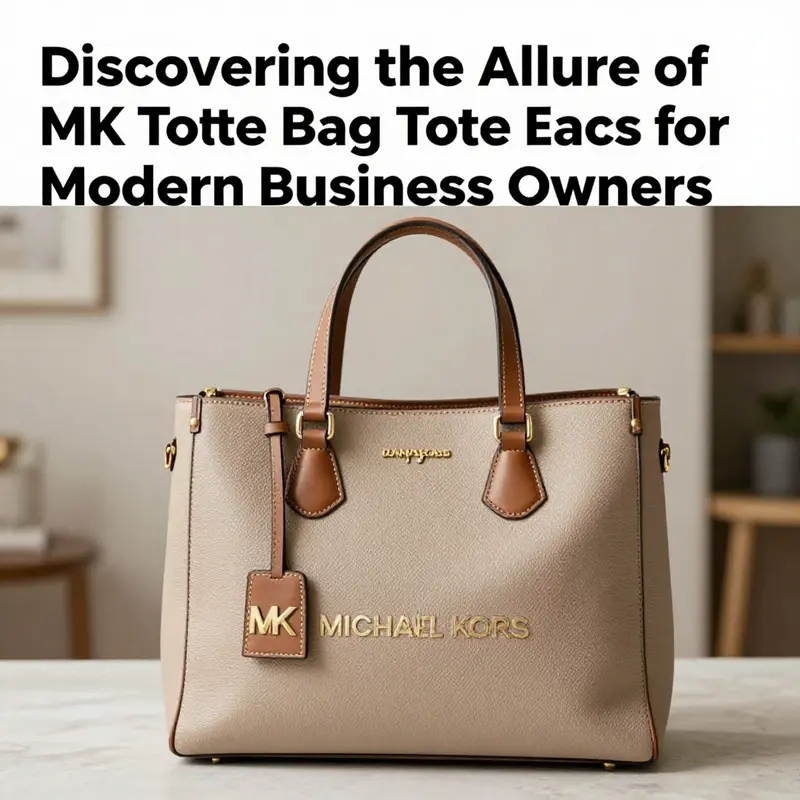
In the realm of business, where image and practicality often intersect, the MK Tote Bag emerges as an essential accessory for entrepreneurs and professionals alike. Designed by the renowned American brand Michael Kors, these bags symbolize both a commitment to quality and an eye for contemporary fashion. This article offers a comprehensive look at the brand’s background and design philosophy, the core advantages of MK tote bags and how they fit into various usage scenarios, and the current market pricing, including tips for purchasing. By understanding these aspects, business owners can make informed decisions on how to integrate this stylish yet functional accessory into their daily lives.
How MK Tote Bags Became a Modern Wardrobe Staple: Brand Roots, Design Intent, and Everyday Logic
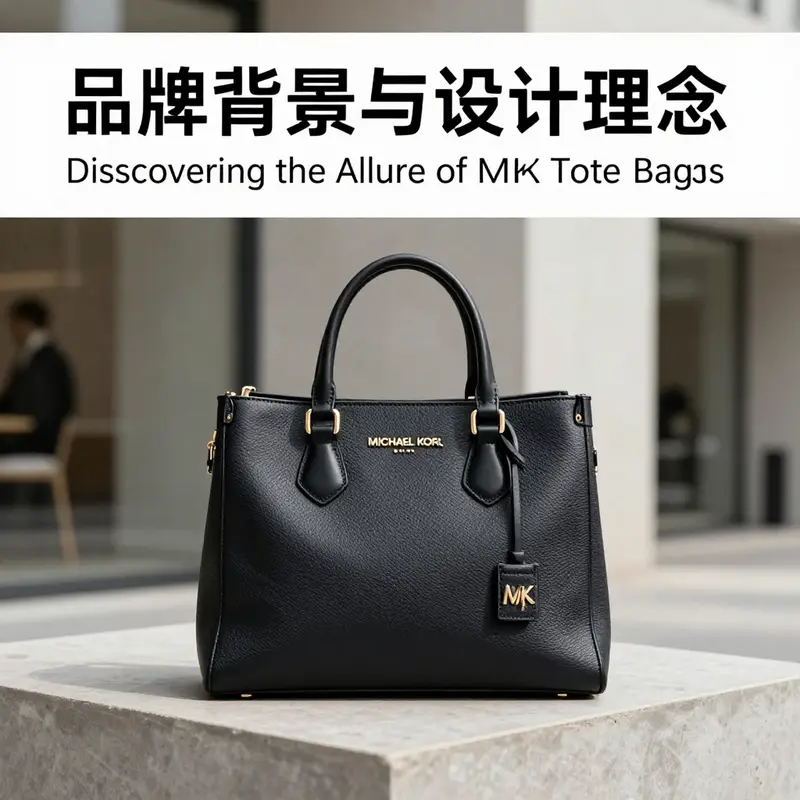
How MK Tote Bags Became a Modern Wardrobe Staple: Brand Roots, Design Intent, and Everyday Logic
MK emerged from a clear ambition: translate refined aesthetic into approachable pieces. The brand framed a lifestyle ideal that balances elegance with everyday use. That ambition shaped the tote bag series into more than a carrier. It became a design statement that responds to urban routines, while keeping visuals understated and versatile.
From the start, MK’s approach favored clean lines and readable details. The tote line is a concentrated example of that approach. Proportions are measured to suit daily needs. Handles and straps are scaled to support shoulder carry or hand hold. A single internal structure can take a laptop, documents, and daily essentials without losing shape. This pragmatic geometry is as intentional as the surface finish.
Design language is deliberate. The brand avoids loud ornamentation and relies instead on subtle cues. A metal monogram, a tonal emboss, or a carefully placed seam becomes a recognizable signature. These are restrained choices. They allow the bags to pair with many looks. Neutral palettes and classic silhouettes make the tote adaptable across seasons. The design philosophy reads as quiet confidence: the bag is visible but not shouting for attention.
Materials are selected with two priorities in mind: look and longevity. The brand uses high-density coated leather alternatives and full-grain hides, depending on the model. Coated materials achieve a leather-like feel while resisting stains and abrasion. Full-grain leathers receive protective finishes that increase scratch resistance without losing tactile richness. Hardware is chosen for durability and refined weight. Zippers slide smoothly. Metal fittings age with a soft patina rather than flaking or corroding. These material choices extend usable life and sustain the bag’s aesthetic over years of wear.
Construction reinforces the design brief. Stitching lines are precise and evenly spaced. Internal reinforcements protect stress points at handles and strap anchors. Linings are selected to be both light and resilient. Functional pockets are arranged to reduce clutter. Some tote models include a removable strap, allowing quick changes between shoulder and crossbody carry. Others integrate a zip or snap closure for moments when security matters. The result is a set of practical decisions that keep the user at the center of design.
Capacity planning informs the silhouette. Popular sizes are large enough to carry a laptop and folders, yet compact enough to retain daily mobility. Internal walls and compartments create an architecture for organization. A central compartment often sits between two slip pockets. A small zip pocket secures valuables. This internal logic removes friction during daily transitions. Commuters can find their keys and phone fast. Parents can store a compact change of clothes without rearranging the whole bag.
The brand’s color strategy is purposeful. Classic neutrals—black, cream, and soft tan—anchor the collection. These hues bridge work and leisure. Seasonal capsules introduce saturated tones and muted pastels. Textures and patterns evolve without discarding the core palette. Subtle jacquard logos or restrained geometric patterns refresh a silhouette each year. This approach keeps the collection current while maintaining long-term cohesion.
Styling versatility is part design, part cultural positioning. The tote can accompany formal attire and casual wear alike. Its clean lines complement tailored pieces and soften relaxed outfits. The carrying options expand styling choices. As a handheld, the tote reads as structured and formal. Over the shoulder, it becomes relaxed and practical. Wearers toggle styles to match activities. This adaptability contributes to the tote’s popularity among professionals, students, and style-conscious commuters.
The brand did not pursue maximalism. Instead, it cultivated a balance between recognition and discretion. That strategy aligns with a broader consumer shift toward restrained luxury. Many buyers seek quality and status cues without ostentation. The tote’s modest branding satisfies that desire. It signals taste while leaving space for personal styling.
Functionality meets affordability in the brand’s positioning. The label lands in a segment often called accessible luxury. It delivers higher perceived value than mass-market labels. At the same time, it remains more attainable than top-tier luxury houses. This pricing balance expands the audience. It attracts those who prioritize design and durability over investment-grade exclusivity. For many buyers, this combination represents an ideal sweet spot.
Manufacturing choices reflect the same balance. Production typically uses a mix of regional workshops and global suppliers. Quality checks focus on seams, hardware work, and material finish. These controls reduce defects and align the finished product with brand expectations. The brand also shifts materials as technologies improve. Recent models incorporate treated hides and improved synthetics that replicate leather touch and resilience while being easier to maintain.
Design iterations show an evolution rather than revolution. Seasonal updates refine strap lengths, pocket placements, and lining materials. Occasional bold moves—such as new surface textures or a reimagined closure—appear within collections. Yet the overall design remains recognizable. This continuity builds long-term brand equity and helps older pieces remain stylish in varied wardrobes.
On sustainability, the brand has taken cautious steps. It began adopting leathers with improved tanning processes and introduced coated fabrics with enhanced longevity. These moves reduce immediate wear and replacement cycles. Product care guidance encourages repairs and cleaning to extend life. Though not fully circular, these measures reduce a single bag’s environmental footprint over time. Buyers receive a practical bag and a modest environmental benefit when they choose quality over fast, disposable alternatives.
Audience perception plays a major role in the tote’s success. The design appeals to pragmatic consumers who appreciate aesthetic restraint. Younger professionals value the tote’s ability to fit devices and documents without sacrificing form. Students and parents favor the roomy interior and durable finishes. Casual buyers see a reliable daily bag that elevates outfits. The net effect: broad demographic appeal.
Marketing underscores the bag’s everyday logic. Campaigns highlight versatility and real-life use rather than aspirational fantasy. Imagery often shows the tote in transit: on a train, at a cafe, or stacked beside a laptop. The narrative is simple and effective. The bag is a tool for a life that values both style and function.
Retail strategy supports trust and convenience. The brand uses a mix of direct retail and partnerships with department stores and selected online platforms. This distribution keeps availability steady while protecting brand presentation. After-sales services, including repair options and care guidelines, help maintain product value. These services transform a one-time purchase into an ongoing relationship.
Designers draw inspiration from urban routines. The tote responds to how people move through cities. Compartments are sized for common objects: a water bottle, a tablet, a portable charger. Weight distribution is considered to prevent shoulder strain. Handles are shaped to rest comfortably during long walks. These small, targeted choices accumulate into significant daily benefits.
Cultural resonance also matters. The tote’s clean aesthetic fits a minimalist trend across fashion and interiors. It signals a preference for well-made essentials. This alignment with broader tastes helps the tote remain relevant across cohorts. Even as microtrends shift, the silhouette retains its place in wardrobes due to its underlying practicality.
The design process blends analytic measures with intuition. Prototyping tests balance, stability, and pocket access. Wear trials record how the bag behaves in different routines. Feedback loops refine zipper placements and strap widths. This iterative process tightens the connection between design intent and lived performance. The result is a product that feels both considered and useful.
For consumers choosing among tote options, several practical cues help decide. Inspect the interior layout for the items you use daily. Check handle attachment points and ask about reinforcement if you plan heavy use. Evaluate surface treatments for stain resistance. Consider color choices that match most outfits. And assess closure types based on your security needs.
The tote’s value extends beyond the immediate purchase. A well-made tote becomes part of a daily ritual. It organizes essentials, carries work, and shapes appearance. It can also last through multiple seasons, lending continuity to the wearer’s wardrobe. That continuity contributes to the bag’s appeal and helps explain its sustained popularity.
As the category matures, small innovations continue to appear. Hidden pockets, improved hardware finishes, and alternative materials deliver incremental gains. Yet the core formula remains steady: restrained design, functional interior, reliable materials, and adaptable styling. Those pillars make the tote a versatile companion for many lifestyles.
For readers wanting to explore product variations and detailed model overviews, a focused resource on MK tote bags provides useful comparisons and visual references. You can learn more about specific models and sizing considerations from a curated guide to MK tote bags.
External reference on recent seasonal releases and market analysis is available here: https://my.oschina.net/u/9586536/blog/18842049
Core Strengths and Everyday Contexts: The MK Tote as a Modern Work Companion
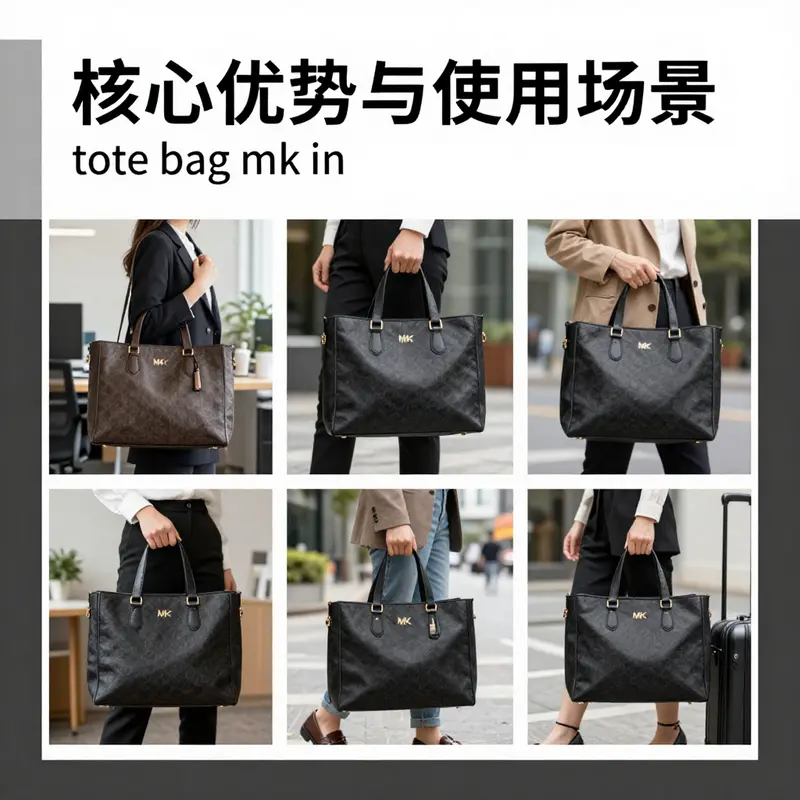
A tote bag once seemed to belong to a specific moment in a person’s day—the moment when shopping bags emptied or a new outfit awaited the morning light. The MK tote, however, has learned to exist across moments, to be part of a life that moves with tempo and purpose. In the rhythm of a city, where the commute can stretch from a crowded train platform to a bright conference room, the MK tote emerges not as a fashion flourish but as a practical partner. Its strength lies not in loud ornament but in a quiet fitness for daily life: it holds the essentials, it protects them, and it adapts to the wearer’s mood and schedule with a simplicity that feels almost inevitable. The brand’s design philosophy has always revolved around the idea that elegance should be usable, and that a bag, to truly belong to someone, must earn its place through function as much as through form. The MK tote embodies this balance in a way that makes the everyday feel a little more confident, a bit more effortless, and certainly more organized.
The most persuasive aspect of the MK tote’s appeal is its design language—a restrained, classic silhouette that never signals “trend” in a way that might date the bag. The lines are clean, the proportions thoughtful, and the color palette carefully chosen for versatility. In a world where outfits shift from business formal to smart-casual, a bag that remains reliable rather than attention-seeking becomes an anchor. The deep chestnut-brown or stone-neutral tones become a neutral canvas for a wide range of ensembles, from precise tailoring to relaxed knitwear. The silhouette, often a balanced trapezoid with a softly structured base, communicates a sense of steadiness. It’s a look that says: I’m prepared for the tasks of today, and I carry them with ease. When something is designed with such restraint, what you notice most is what it does not do—there are no gimmicks here, no gimmicks, only a deliberate approach to everyday use. This is the essence of a modern work companion: an object whose presence is felt through its reliability and its restraint, not through flash.
Materials contribute to this impression in meaningful ways. The MK tote typically uses a high-density synthetic leather that mimics the smooth, supple feel of real leather while offering durability and easier maintenance. The surface is treated to resist light stains and scuffs, and the texture is kept refined enough to read as refined rather than showy. The weight of the bag itself is carefully calibrated to avoid dragging on the shoulder, yet the structure remains sturdy enough to stand upright when set down. This combination—soft touch with a resilient backbone—gives the bag a certain longitudinal charm. It ages gracefully, developing a patina not of rarefied luxury, but of daily life well lived. The choice of material matters more than a casual observer might expect, because the way a bag wears over time often reveals the quality of a brand’s engineering. The MK tote’s materials are chosen to endure the everyday wear of office corridors, coffee-shop meetings, and weekend errands, all while keeping wipe-clean practicality intact.
As for space, the layout is where function truly meets form. Inside, the main compartment is capacious enough to accommodate a notebook or tablet, files, a water bottle, and the assortment of daily essentials that travelers or commuters tend to accumulate. A well-considered interior arrangement keeps the bulk in check; pockets and dividers strike a balance between accessibility and organization. There’s space for a phone, cosmetics, and other small items, yet the interior design avoids the chaos that can turn a bag into a burden rather than a tool. The structure is engineered to hold its shape, even when the tote is fully loaded, so that the contents remain protected and easy to locate. The result is a bag that invites rather than resists organization: you place items where you expect to find them, and you reach in with confidence instead of rummaging in a dark compartment. This practical intelligence translates to real-world workflows—allowing a professional to move from desk to meeting to train platform with fluidity rather than friction.
Security is another factor that often goes underappreciated in discussions of tote bags, because a large opening can threaten the safety of valuables. The MK tote addresses this with a reliable closure system. A secure zipper closes the primary compartment, a feature that heightens peace of mind during commutes or busy days when belongings might momentarily slip from view. The zipper not only keeps items secure but also contributes to the bag’s tidy profile. When the bag is closed, the silhouette remains clean and disciplined, ready to complement a blazer or a more casual jacket without shouting for attention. The combination of a secure closure and a structured interior creates a reliability that is appealing to urban professionals who need a dependable carry-on that won’t fail them in the middle of a transit dash or during a last-minute presentation.
The MK tote’s adaptability extends beyond its materials and construction; it is designed for multiple carry options. The presence of a detachable shoulder strap, along with classic top handles, means the bag can be worn on the shoulder, carried by the hand, or slung across the body for longer, more active days. This flexibility matters in real life when a person’s pace changes—from a quiet morning at the desk to an on-your-feet afternoon of meetings and errands. The strap can be adjusted for comfort, and the bag’s shape remains flattering whether worn crossbody or held upright by the handles. It’s a small but meaningful feature that supports a modern, mobile lifestyle. The result is an accessory that does not demand a single mode of use but invites the wearer to respond to circumstance with poise. The versatility is not a gimmick; it is a thoughtful design decision that reflects how people actually move through an urban landscape—between fixed routines and spontaneous adjustments, between professional obligations and personal errands, between the formality of the office and the ease of weekend simplicity.
Color and finish choices further reinforce the bag’s all-around practicality. The carry options are grounded in a palette that resists quick fashion changes. Classic tones such as vanilla white, deep brown, black, and beige weave into the wardrobe without forcing a single outfit to retire. The timeless palette makes the MK tote a partner in countless ensembles, enabling a user to switch from a crisp suit to a relaxed dress with confidence. The brand’s emphasis on timeless elegance means that the bag stays relevant across seasons, unlike bags with louder motifs that can date quickly. In practical terms, this means fewer substitutions in the closet and fewer decisions about what to grab in the morning. The bag’s aesthetic remains a flexible canvas. It’s a piece that supports rather than competes with the wearer’s personal style, making it a reliable foundation for both career progression and weekend exploration.
When we consider the price-to-value proposition, the tote’s value tends to emerge through a combination of long-term use and daily competence. In many markets, promotion periods offer this bag at a price point that feels accessible for a durable, well-designed accessory. The value is not merely about a discount; it’s about the sense that a single bag can reduce the need for multiple replacements, that a well-made tote can shoulder the weight of an entire day—laptop, documents, makeup, and still leave room for a light jacket or umbrella. The result is an item that pays dividends in efficiency and confidence. For shoppers who weigh quality, utility, and style, the MK tote presents a compelling balance: a familiar, refined appearance, robust construction, and a capacity that suits the demands of daily life without becoming obligatory or fussy. In a landscape where mass-market options often sacrifice durability for price, this tote demonstrates a different kind of value—one rooted in steadiness, timeless design, and the quiet certainty of an object that proves its worth again and again.
To speak to the broad audience that reaches for this kind of bag, we can consider its experiential dimension. The tote is not merely an accessory; it is a facilitator of daily rituals. It can accompany a commuter as the workday begins with a brisk train ride, or it can ride along on a weekend escape, where the contents shift from a laptop and planner to a camera and travel documents. The bag thus becomes an instrument of balance—no longer simply a container but a companion in the choreography of work and life. Its ability to integrate into multiple scenes—from the disciplined posture of a boardroom to the casual ease of a coffee shop—speaks to its enduring relevance. In this fashion, the MK tote is less about making a bold statement and more about supporting a life that moves with intention. The result is a product that earns its place by proving daily its capacity to blend style with usefulness, a paradox that is the core of modern luxury-beyond-flaunt ethos.
For readers seeking further breadth on how MK tote styles fit into different contexts, the internal catalog offers a useful compass: explore the wider range of tote options to appreciate how design language travels across collections while preserving core values of practicality and elegance. As you consider your own routines, think about the moments when a bag doesn’t just carry items but sustains you through the day’s flow. The right tote doesn’t simply accommodate gear; it calms the mind by reducing clutter, guiding hands to the right pockets, and quietly reinforcing a professional posture in the world’s bustling rooms. A bag’s true strength lies not in how loudly it proclaims its brand but in how effortlessly it helps you live your day. When we measure up a tote by its daily performance rather than its flash, the MK design credo becomes clear: elegance here means ease, and ease means confidence in every step.
For those who want to explore further how this category of bags travels across different wardrobes and professions, one can browse additional resources that profile tote styles and their practical aspects. This inquiry is less about chasing a trend and more about understanding how a well-made tote can anchor a daily routine, support a changing workload, and endure as a timeless accessory. In this light, the MK tote’s strengths—its restrained elegance, structural integrity, generous interior, secure closure, and versatile wear options—put it in a class of its own among everyday carry goods. The piece becomes not a spectacle but a tool for optimizing one’s day, a quiet partner in a culture that prizes efficiency without sacrificing character. As the chapters of this article move forward, the focus shifts to scenarios that reveal the tote’s adaptability in more nuanced ways—how it integrates with particular professional settings, how it ages with the wearer, and how its care and maintenance extend its life. Yet the core remains the same: a well-designed tote that meets the demands of modern life with understated confidence.
To read more about the MK tote’s broader family of designs and to compare how different silhouettes approach the same practical goals, you can explore a dedicated overview of MK tote variants here: MK tote bags. This page offers a wide lens on how the MK ethos translates across sizes and configurations, while echoing the same commitment to blend utility with refined aesthetics. For those who want a concrete model to reference in real-world usage, consider the Voyager line, which epitomizes the balance of form and function discussed above, and provides a reliable benchmark for what a modern tote can accomplish in daily life. The Voyager’s thoughtful interior separation, secure closure, and durable materials illustrate the design principles that keep tote bags meaningful long after the initial purchase. For additional product specifics or updates, consult the official brand channels or trusted retailers, where you can verify materials, dimensions, and care guidance in the context of current offerings.
External reference: https://www.michaelkors.com/products/mk-voyager-tote-bag/123456789
Carrying Modernity: The Tote Bag MK and the Quiet Power of Everyday Luxury
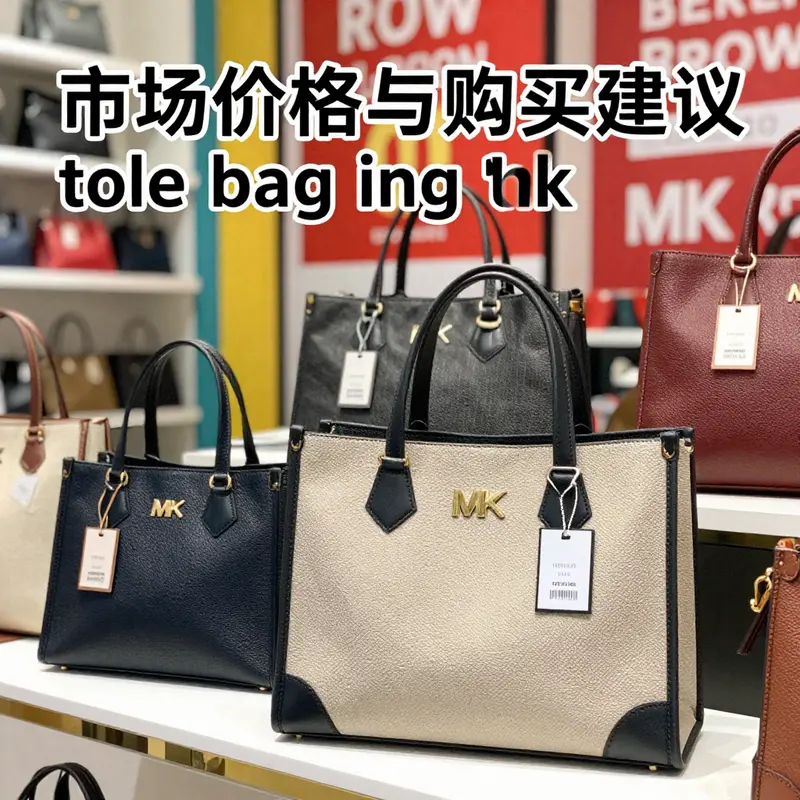
The tote bag MK sits at the intersection of practicality and polish, a daily companion that silently coordinates with the rhythms of a city life that never fully slows down. Its appeal rests not in flash but in function, a deceptively simple silhouette that has become almost a familiar constant in a wardrobe that spans office corridors, coffee-fueled brunches, and weekend errands. In exploring this particular tote, we step into a broader narrative about how modern accessories negotiate convenience with prestige, and how a well-made bag can carry more than just papers, cosmetics, and a laptop; it can carry the story of a wearer’s day, the small compromises of style, and the larger conversations about value in a market that moves quickly between trends and timelessness.
The MK tote’s design philosophy mirrors the brand’s long-standing emphasis on classic lines, understated branding, and durable materials. The brand’s origin, rooted in an American fashion house that began its ascent in the early 1980s, anchors the tote in a narrative of accessibility to luxury. The product itself—crafted with a careful consideration of space, weight distribution, and ease of use—meets the practical demands of a full schedule. The dimensions commonly cited for the beloved, capacity-forward variants—think around thirty-eight by twenty-eight by twelve centimeters—are not mere numbers. They signal a commitment to a scale that fits a modern commuter’s needs: a laptop, A4 folders, a compact cosmetics kit, a water bottle, and perhaps a lightweight cardigan for shifting temperatures. This is not a bag designed to parade wealth; it is a bag designed to facilitate momentum, to be that sturdy, reliable vessel that helps a day move more smoothly.
What makes the MK tote particularly resonant is its duality of carrying styles. It has the built-in versatility to be carried by hand, by the shoulder, or by a detachable strap when needed. The option to switch from a hand-held silhouette to a hands-free, over-the-shoulder carry is not a mere convenience but a response to the day’s varying demands. A late-morning meeting in a conference room calls for a certain poise—one hand free to hold a coffee cup, the other to gesture. An afternoon walk to a coworking space or a casual lunch with colleagues benefits from a lighter, cross-body feel. The bag’s designers have recognized this fluidity; the hardware and the construction are calibrated to resist the tug of a full load while maintaining a clean line. The result is a product that remains legible and stylish whether paired with a tailored work suit or a more relaxed, weekend-appropriate outfit. The bag thus functions as a quiet facilitator of style rather than as a loud assertion of status.
Material choice plays a crucial role in delivering the MK tote’s practical edge. A version surface that imitates the tactile warmth of leather—often achieved through high-density PU leather—offers a balance: a texture that reads well on a desk as well as in a crowded subway car, and a maintenance profile that remains manageable in everyday life. The surface treatment tends toward stain resistance and ease of cleaning, ensuring that a day of commuting through rain, coffee, and urban dust does not translate into a fear of permanent marks. This is not to suggest a superficial durability alone; the tactile quality of the material matters as much as the bag’s external silhouette. The aim is to preserve a refined, almost gallery-like finish after months of regular use, not merely to endure but to retain a certain snap in structure that keeps the bag from sagging under weight. The MK tote’s construction, including how the panels meet at the seams and how the base maintains its shape, matters as much as the color or silhouette. These decisions are what turn a bag from a transient accessory into a dependable everyday essential.
Color, too, is a language in itself. The MK tote tends to rely on versatile, classic tones—cream, black, taupe—that act as a neutral canvas for a person’s entire ensemble. These hues do not scream but speak in a confident whisper, allowing a person to mix and match across different outfits and occasions without needing to curate a separate bag for every mood. The predictability of color—paired with a consistently smart silhouette—contributes to a broad appeal: professional enough for a boardroom and unpretentious enough for a weekend stroll. Those who favor a more expressive touch might gravitate toward a limited or seasonal variant, but the core logic remains: make a bag that can adapt across contexts and time. In a world where fast fashion can push consumers toward frequent replacements, a well-made MK tote offers a different promise—continuity over novelty, a small personal ritual of refinement embedded in everyday use.
The market dynamics surrounding tote bags of this kind are not the mere background noise of chasing trends; they reveal how consumers weigh value, utility, and brand narrative. In regions where these products are readily available through official channels, a certain confidence comes with purchase. The emphasis on authenticity can be seen in the channels chosen for procurement: official flagship stores, authorized e-commerce platforms, and genuine-brand retail environments. The importance of buying through these channels is not merely about keeping a receipt. It connects to the overall sense of reliability, after-sales care, and the assurance that the bag’s materials and construction meet the stated standards. It is a practical decision at once fiscal and experiential: it guards against the frustration of counterfeit items and the potential disappointment of material flaws that could undermine the item’s life-span. The pricing spectrum reflects this complexity. In official or flagship environments, price points for staple models tend to fall within a certain band that recognizes both the design’s enduring value and the realities of the current market. When promotions occur, as they often do during major sale periods or via regional digital storefronts, the value proposition becomes more tangible. For instance, shoppers might encounter promotional prices that lower the effective cost of a classic tote to a figure that feels surprisingly approachable given the brand’s legacy and the bag’s utility. Yet even with discounts, the core lesson remains: this is a product anchored in a balance between everyday practicality and a refined sense of taste.
A broader consideration is how these bags hold up over time—their ability to retain shape, the resilience of the finish, and their capacity to age gracefully. The care guidelines, often echoing the practical wisdom of leather care and faux-leather maintenance, reinforce the idea that a tote can be a long-term companion rather than a disposable accessory. Routine care—gentle cleaning, avoiding harsh detergents, simple protective measures—helps preserve the bag’s structure and appearance. This is not merely about appearance; it is about preserving the bag’s utility. A well-maintained tote continues to accommodate the laptop, files, cosmetics, and everyday items required to navigate a busy day. It remains a stable, familiar tool as wardrobes evolve and new silhouettes rise and fade. The MK tote’s reputation for high-capacity practicality—the ability to carry a computer, documents, a book, and personal items with relative ease—supports its ongoing popularity. It is a reminder that good design can be quiet and dependable, and that form and function can coexist without the need for constant reinvention.
In considering purchase guidance, the conversation naturally gravitates toward deciding where to buy. The most reliable path often leads to official channels, where authenticity is safeguarded, return policies are clear, and after-sales support is accessible. The assurance of genuine materials and construction quality is a decisive factor for many buyers who intend to wear this bag daily across many seasons. Within this framework, the decision to purchase becomes less about chasing the latest color or shape and more about choosing a reliable vessel for daily life. It is not just about a product’s capacity but about the confidence that comes with knowing the bag will serve across countless small and large moments. In this sense, the tote’s value lies not only in its ability to store items but in its capacity to support a life in motion—the commute, the meetings, the spontaneous weekend excursion—that many urban dwellers navigate with some regularity.
The chapter also contemplates the relationship between price, value, and resale dynamics. While this tote is not positioned as a pure luxury investment, its enduring aesthetic and brand presence help preserve a level of desirability in the second-hand market. For shoppers who view a bag as part of a wardrobe rental, a rotating set of accessories, or a long-term companion, there is a practical appeal to knowing that a well-cared-for version can still command attention and hold its own in casual resale discussions. However, this is not the primary motivation for most buyers. The greater incentive lies in owning a practical, stylish, and versatile bag that integrates smoothly with a broad spectrum of outfits and occasions. The MK tote’s blend of capacity, durability, and understated elegance supports a daily routine that many professionals and students alike experience. It offers a sense of continuity in a world of rapid style shifts, a reliable anchor that can be dressed up with a blazer or dressed down with a denim jacket without losing its own identity.
For readers who want to explore the MK tote further or compare it with related options, one practical step is to examine the current lineup and read user feedback. The narrative around these bags often centers on the balance of size, weight, and accessibility of interior pockets—features that matter when one is balancing multiple devices, notebooks, and personal items. The textural feel of the material, the ease of cleaning, and the stability of the base are all aspects that come up in real-world use. People report that the bag can accommodate everyday life without compromising mobility or comfort, which is one of the most persuasive markers of its value. In markets where promotions are common, shoppers can find substantial price reductions that bring a stocked, high-quality tote within reach. Yet even amid these promotions, the core recommendation remains: protect your investment by buying through trusted channels and by paying attention to material composition and care instructions to ensure long-term satisfaction.
As readers integrate these ideas, they will likely reflect on how a single bag can influence daily rituals. A practical tote does not merely carry items; it shapes the sensations of daily routine—from the way one organizes a desk to the ease of moving through a crowded transit hub. The MK tote’s design language encourages mindful organization. Its spacious interior invites the user to arrange items in a manner that reduces clutter and friction during the day. A thoughtful arrangement—laptop sleeve here, document folder there, water bottle in a dedicated pouch—becomes a small act of mental clarity, a way to start each task with a sense of order. The bag’s ability to partner with a wide range of outfits further softens the line between workwear and weekend attire, reinforcing the sense that style need not be tied to a single moment but can flow through many different activities. In this sense, the tote becomes more than a receptacle; it becomes a compact ecosystem for daily life, a portable workspace and a personal belongings vault that travels along with the wearer.
To close this reflection on the practicalities and pleasures of the MK tote, it is useful to recall the broader purpose of such accessories—a purpose that aligns with a philosophy of careful, considered consumption. The tote embodies a balanced approach to fashion: it is useful, reliable, and aesthetically refined without being ostentatious. It invites repeat use rather than disposable novelty, supporting a lifestyle that values consistency, ease, and a touch of quiet luxury. The contemporary consumer, increasingly mindful of both budget and footprint, is drawn to pieces that can adapt to different contexts while maintaining a sense of continuity. The MK tote fits that criterion with texture, capacity, and design that holds up to daily demands. It is a reminder that the most satisfying fashion choices often come from choosing items that perform faithfully and stay relevant through changing trends. The tote’s promise is not about dazzling with novelty but about offering a steady, adaptive presence that makes every day smoother and more coherent.
For readers curious to dig deeper into the MK tote family and to compare variants that emphasize different materials, sizes, or finishes, a closer look at the broader MK tote lineup can be enlightening. This exploration often reveals a spectrum of options designed to suit diverse preferences while preserving the core essence of the brand’s approach to everyday luxury. A practical takeaway emerges: when selecting a tote, pay attention to the combination of capacity, durability, and ease of maintenance, and weigh these against your daily routines and wardrobe needs. The goal is not simply to own a bag but to own a reliable partner for the days ahead—one that can be reached for without second thought and that remains faithful in its appearance, regardless of the weather or commute.
In wrapping these reflections into a recommendation, consider the MK tote as an accessible entry into the world of refined, practical accessories. It invites you to experience a balance of form and function that suits the modern, multi-faceted lifestyle. If you are evaluating options, your decision will likely hinge on how well a bag supports your daily pattern—how it organizes your items, how comfortable it feels when you move through a subway car, and how its finish holds up after months of regular use. It’s about choosing a piece that will become a familiar ally in the cadence of your days—a bag that remains a steady, stylish, and practical partner as you navigate work commitments, social engagements, and personal errands. The tote’s appeal is quiet and enduring, an unobtrusive reminder that luxury, at its best, is a reliable tool for living well rather than a spectacle meant to announce one’s status to the world.
For readers seeking direct avenues to explore current options, the MK tote family presents a coherent and credible starting point. The rental of attention—how one uses an accessory to frame an outfit, a day, a mood—becomes a practical consideration when a bag can do so much without demanding constant adjustment. In the end, the MK tote is not just about a container; it is about the way a well-considered object can simplify the flow of daily life, lending a sense of composure to the pages of an ordinary day. It is a quiet assertion that luxury can be functional, tasteful, and deeply integrated into the fabric of everyday routines. When you next consider what to carry and how, let the tote’s understated elegance guide your choice toward a piece that supports your life with the kind of steadiness that often goes unremarked but richly felt.
Internal link for further context on the MK tote family and its various iterations can offer a practical gateway to understanding how these bags adapt to different styles and needs. For a closer look at the MK tote lineup, readers can explore the catalog at MK tote bags. This resource offers a window into the design language that underpins the category and helps anchor personal shopping decisions in a broader, cohesive framework. By examining the range, a shopper may discover the subtle differences that matter in daily use—strap lengths, interior pocketing, base reinforcement, and the balance of weight distribution—elements that collectively determine long-term satisfaction. As you progress in your exploration, the interplay between a bag’s outward appearance and its internal architecture becomes more evident, clarifying why certain models endure in popularity.
External resource: for practical care guidance on leather-like materials and how to extend the life of everyday bags, see https://www.vogue.com/article/how-to-care-for-leather-bags
Final thoughts
The MK tote bag represents more than just a fashion statement; it embodies a fusion of style and functionality that is tailored for the modern business owner. Its design and practicality make it suitable for various settings, from boardrooms to casual outings. Adding an MK tote bag to your collection not only enhances your professional image but also provides utility for your daily life. As you consider investing in a tote, remember to explore reliable purchasing channels to ensure authenticity and value.