
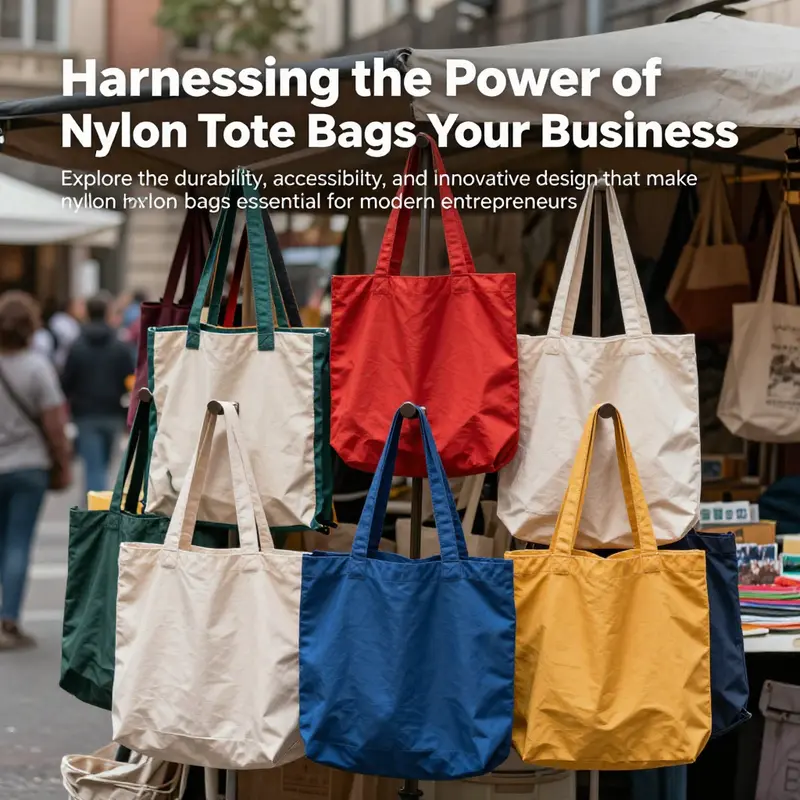
Nylon tote bags have transcended their humble origins to become vital assets for business owners looking to enhance their branding and functionality. With a perfect blend of durability, economic accessibility, and innovative designs, these bags cater to a variety of business needs, offering more than just practicality. As we dive into the chapters ahead, we will examine the robust material composition and construction methods ensuring longevity, the affordability that allows every business to leverage this essential accessory, and the cutting-edge design features that increase utility while maximizing aesthetic appeal.
Endurance in Motion: The Material Anatomy of Nylon Tote Bags
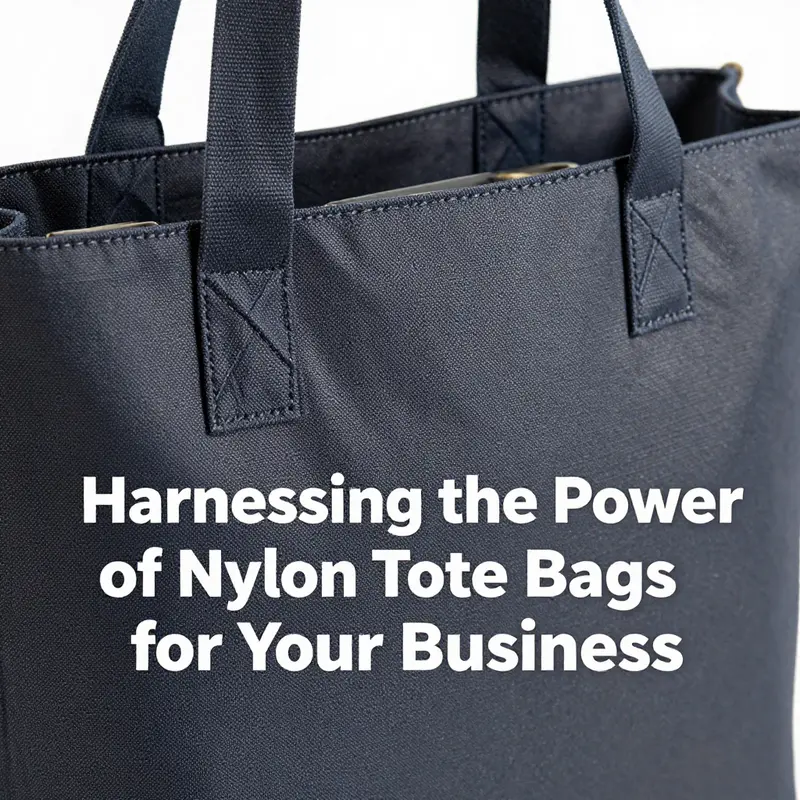
Nylon tote bags carry a remarkable combination of lightness, resilience, and practicality, a blend that has evolved through decades of material science and thoughtful design. They are not merely bags; they are the result of purposeful engineering that translates a synthetic polymer into a portable workhorse. The story begins with nylon’s origins. Developed for military use in the mid-20th century, nylon carried an expectation of stiffness and strength that translated well into everyday carriers. The fabric is composed of tightly woven, high-tensile fibers that resist abrasion and tearing while maintaining a weight margin that natural fibers struggle to achieve. In daily routines—commutes, errands, and spontaneous weekend trips—the practical advantages of nylon become evident: it cleans easily, dries quickly after a rain shower, and holds its shape even under heavy loads. These attributes are not accidental; they are a consequence of deliberate material choice, weave quality, and careful finishing work that add up to durable performance over time.
For most everyday use, the 420D to 600D range has proven to be the sweet spot for nylon tote bags. This denier spectrum offers a robust balance between heft and portability, giving the bag enough body to carry groceries or a laptop while remaining surprisingly light at the shoulder. When a brand pushes toward the upper end of the range, such as 1000D or higher, the fabric can become noticeably sturdier and more abrasion resistant, which is ideal for extreme conditions or heavy daily use. Yet the real durability is not just in denier alone. A well-made bag mixes material choices with engineering features that reinforce the fabric’s inherent strength. Ripstop nylon, for example, introduces a grid of reinforced threads that prevents small tears from propagating. The ripstop weave is a simple yet powerful idea: a tear may start, but its spread is contained by the surrounding reinforcement. In practice, ripstop nylon translates to bags that shrug off the occasional snag with less dramatic damage, buying time before any need for repair or replacement arises.
Coatings play a crucial supporting role in durability and practicality. Many durable nylon totes receive a polyurethane (PU) or silicone coating that sits on the surface, creating a barrier against water and improving tear resistance. This coating does more than keep rain from soaking the contents; it helps the fabric resist staining and wear from repeated rubbing against surfaces like concrete or metal hardware. Some models take the coating a step further with a thin laminated film, which can yield a glossy or matte finish while enhancing moisture protection. It’s worth noting, though, that coatings introduce a trade-off: they can affect feel, weight, and eco-friendliness. A laminate can make the surface slick or slightly stiffer, and over time there is a risk of delamination if the coating is stressed repeatedly or exposed to harsh solvents. Even so, for day-to-day use in unpredictable weather, coated nylon often remains a reliable choice that maintains shape and performance after countless trips through rain and office elevators alike.
Texture matters in perceived and actual durability as well. High-quality nylon should feel dense and slightly textured to the touch, not thin, slippery, or plasticky. A tactile sense of density often mirrors the fabric’s strength: the fibers resist compression and do not flake away under light abrasion. The finishing work that accompanies the fabric contributes as much to long life as the fabric itself. Reinforced stitching—particularly double or triple stitching at stress points like handles, edges, and seams—serves as the backbone of structural integrity. Without sturdy stitching, even the strongest fabric can fail at critical junctures, especially where the bag bears weight. The hardware then becomes a second line of defense. Zippers need to glide smoothly and endure thousands of cycles. Bar-tacked seams anchor straps to the body with small triangular stitches that lock the point of greatest force. Reputable toggles, rivets, and grommets should be rigid, corrosion-resistant, and securely fastened so they do not loosen or detach after repeated use.
A practical understanding of nylon’s durability comes with context. Nylon’s strength-to-weight ratio outperforms many natural fibers, a consequence of its synthetic chemistry and engineered weave. Its resistance to abrasion, moisture, and UV exposure makes it an appealing option for year-round use. Unlike canvas, which can absorb moisture and sag under heavy loads, nylon dries quickly and tends to hold its shape. Yet not every bag marketed as nylon delivers these benefits. The market uses terms like ballistic nylon, Cordura, and ripstop nylon as signals of weave quality and denier because these terms carry a historical and technical meaning. Ballistic nylon, for instance, typically references a tougher, denser weave intended for demanding applications. Cordura nylon, a branded variation, signals a particular blend of weave and coating that aims to balance ruggedness with weight. For the consumer, the characteristic texture and heft of the fabric can be a telling cue; a well-made nylon should feel dense and resilient, with a fabric surface that does not yield to a light finger tap.
From a sustainability perspective, responsibly sourced nylon options offer a more circular path for a material that has historically raised questions about environmental impact. ECONYL®, a regenerated nylon made from recycled ocean plastics and industrial waste, represents a pathway toward reducing virgin material demand and diverting plastic waste from landfills and waterways. While conventional nylon still has ecological considerations—especially related to microplastic shedding and end-of-life management—regenerating nylon fibers offers a model that aligns durability with a more circulatory lifecycle when properly implemented. This dimension of material choice matters because it acknowledges that durability alone is not the sole measure of value. A bag’s lifetime must also be considered in terms of its end-of-life options, repairability, and potential for recycling. The practical takeaway for shoppers is to weigh both the material’s toughness and the option to re-enter the material stream rather than simply replace.
To assess quality for oneself, a tactile approach helps. Feel the fabric: dense, slightly textured nylon speaks to a robust weave. Inspect the seams with the eyes and fingers: even, tight stitching and a clean finish suggest discipline in construction. Examine the hardware: sturdy, well-seated zippers, bars, and grommets indicate consideration for weight-bearing and longevity. A reviewer’s eye might also look at how the bag is shaped—whether it retains form when empty and remains usable when loaded. The interplay between fabric choice, coating decisions, and hardware selection defines a bag’s durability profile as a whole. This is crucial when comparing models across budgets. In the end, durability isn’t a matter of a single feature; it is a tapestry woven from material, workmanship, and design intent.
The practical value of durability becomes most apparent in real life. A well-constructed nylon tote is not merely a container; it is a daily ally that can shoulder groceries, gym clothes, a laptop, and miscellaneous odds and ends without complaining. Its water resistance protects contents from drizzle and accidental spills, while the fabric’s resilience keeps the bag looking and functioning well after months of use. This is not about chasing the sturdiest possible fabric at any cost but about identifying the right combination of denier, weave, coating, and hardware that suits a given routine. A commuter who rides through unpredictable weather, a student who carries textbooks and a charger, or a professional who travels with a laptop and documents all benefit from a thoughtfully designed nylon tote that balances weight with endurance. The result is a bag that ages gracefully, developing a patina of use rather than a frayed edge or a torn seam.
A distinctive feature of durable nylon totes is how they blend form with function. Some designs incorporate a built-in laptop sleeve or a protected interior pocket, which helps distribute weight more evenly and reduces wear on the main body. Such design intelligence demonstrates how durability can be achieved without sacrificing aesthetics or convenience. A tote with a protective sleeve, reinforced corners, and a structured base gives users the confidence to place the bag on all kinds of surfaces, knowing that the contents will stay secure and upright. For example, a tote designed with a built-in computer sleeve shows how durability and everyday practicality can converge in a single piece. When selecting a bag for work or study, this combination of protection and lightweight construction becomes a central criterion in addition to fabric resilience and stitching quality. If you’re curious about how such design choices translate into everyday use, you can explore examples of totes with computer sleeves through a detailed product overview that highlights how material composition informs protective features and overall usability. tote bag with computer sleeve
The conversation about durability also invites a practical caution. Durability is not immutable; it is a function of how a bag is used, cared for, and maintained. Regular inspections of stitching and hardware can catch early signs of wear. Cleaning methods should be appropriate for coated nylon: mild detergents, a soft cloth, and air drying help preserve coatings and prevent delamination or thinning of the surface over time. When a bag shows signs of material fatigue—frayed edges, cracked coatings, or loosening stitches—repairs can extend its life in meaningful ways. In this light, durability becomes a balance between choosing a robust construction and investing in responsible maintenance. The most durable bag, after all, is the one that endures not just through a single season but through years of routine use with minimal sacrifice in performance or appearance.
The market’s price spectrum reflects the interplay of material choice and construction quality. Durable nylon totes exist across budgets, underscoring that long-term value does not require premium price alone. The best value comes from a thoughtful alignment of denier range, protective coatings, reinforced stitching, and dependable hardware. It is this blend that often determines whether a bag remains a reliable companion or becomes a short-term solution. The goal is to identify smart design features that maximize longevity without inflating the cost beyond what is reasonable for daily life. In practice, a well-priced bag in the 420D to 600D zone with a PU or silicone coating and strong stitching can deliver years of dependable service when paired with careful use.
For readers who want to connect material talk with real-world design choices, this is where sustainability and practicality intersect. The pursuit of durability aligns with a broader aim: to reduce waste through products that outlast cheaper, less resilient alternatives. When a nylon tote is designed with attention to weight distribution, protective finishes, and durable hardware, it provides a clear argument for choosing durable over disposable. The result is a bag that not only carries items with ease but also resists wear long enough to justify its place in a busy life, even as new styles come and go.
External factors also influence durability. Exposure to sun, humidity, or solvents can affect coatings and fabric integrity over time. That is why a well-rounded nylon tote often incorporates a balanced approach: a durable weave, a protective yet breathable coating, and hardware that respects the weight cycles typical of daily use. Each element reinforces the others, creating a composite performance that feels cohesive rather than improvised. In the end, durability is less about a single spectacular feature and more about a coherent system that keeps pace with life’s unpredictable rhythms.
To close the loop on material composition and durability, it helps to think of the nylon tote as a microcosm of modern textile engineering. It is a living example of how engineers translate polymer science into practical wear-and-tear resistance. It is also a reminder that the best durable choices do not simply resist getting wet or dirty; they adapt to how users live, move, and carry. This adaptability—paired with the assurance of reinforced construction and thoughtful coatings—transforms a simple bag into a dependable partner for daily life. The right nylon tote is, in essence, a reliable, enduring companion for life on the move.
External resource: How Nylon Tote Bags Are Made – A Deep Dive into Material Science & Durability. TextileWorld. https://www.textileworld.com/articles/2025/12/nylon-tote-bag-material-science-durability
Value on the Move: How Nylon Tote Bags Deliver Durability and Affordability Across Budgets
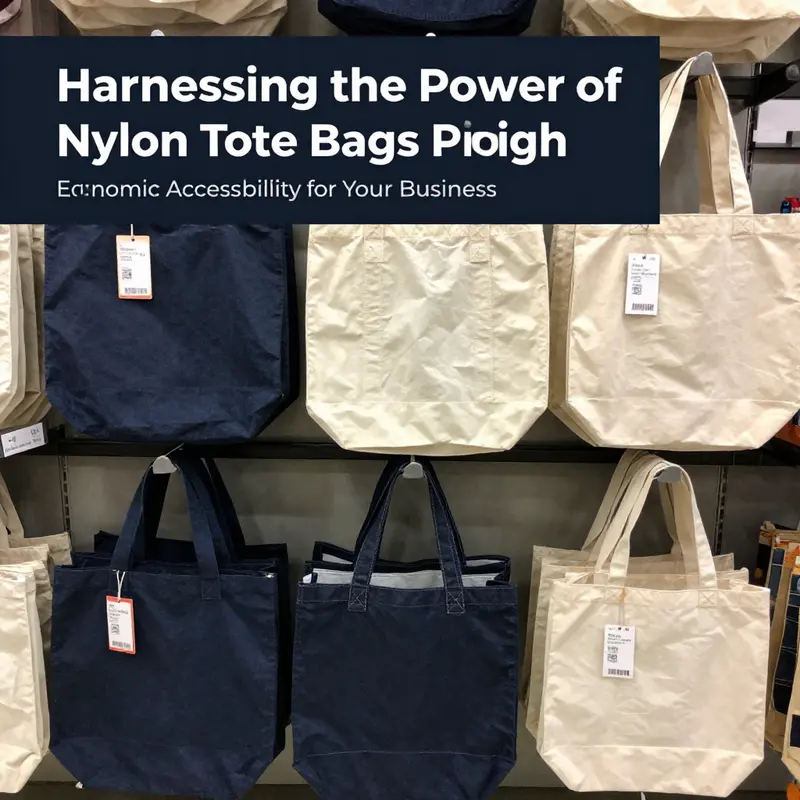
Nylon tote bags have steadily earned a reputation for delivering practical value without price concessions. They sit at a convenient intersection of lightness, weather resistance, and resilience, making them a reliable choice for daily commutes, weekend errands, college days, and quick weekend getaways. What makes this class of bags economically compelling is not merely the low sticker price, but the combination of long-term performance and minimal upkeep. As consumers balance cost against function, nylon totes emerge as a rational investment—one that pays dividends in how long a bag lasts, how little care it needs, and how well it holds up to varied conditions. The economic story of nylon totes is as much about design discipline as it is about price, and it starts with the basic fact that the market offers a broad spectrum—from ultra-budget options to thoughtfully engineered midrange models that emphasize durability and user-friendly features, all without pushing beyond reasonable budgets.
Pricing realities reflect the breadth of the market. For bulk orders, nylon cinch tote bags with zipper pockets can be sourced for as low as US$0.50 per piece when quantities exceed 10,000 units. That level of price is not an anomaly in the procurement world; it represents the scaling efficiency that makes nylon totes indispensable for promotions, corporate gifts, school programs, or event lineups. In contexts like these, the bag is not merely a carrier; it becomes a communication tool, a durable utility item that reappears in thousands of hands with a consistent performance profile. The low unit cost comes with trade-offs that buyers must navigate: color options, finishing details, and hardware complexity often scale with price, so the procurement decision hinges on the specific requirements of the program and the expected lifecycle of the bag. The affordability of bulk nylon totes is a practical reminder that durability does not have to be tethered to a luxury price tag, provided the construction is thoughtful and the materials are well-chosen.
On the consumer side, retail markets reveal a different facet of the same equation. In online marketplaces, well-priced options commonly surface under $35, offering a chance for individuals to acquire a durable, lightweight, and water-resistant bag without a substantial upfront investment. The price point under $35 is not a signal of inferior quality; rather, it reflects a balance between material choice, weight, and practical features. Buyers can encounter a range of styles that suit different lifestyles—from minimalist silhouettes suited for the office to more spacious configurations ready for weekend trips. Importantly, price-conscious shoppers should look beyond the sticker and examine the bag’s construction details. A nylon tote at a modest price can still offer excellent long-term value if it employs robust stitching, durable hardware, and a fabric blend engineered for everyday wear. In this space, the consumer’s eye should scan for indicators of quality that are not always obvious at first glance: the density of the weave, the resilience of the zipper, the strength of the strap attachment, and the presence of a practical internal layout that reduces stress on seams during daily use.
The durability narrative for nylon totes hinges on more than the fabric’s apparent heft. A common misconception is that thickness alone equals toughness. Yet a well-made 420D to 600D nylon can outperform a higher-denier bag that is poorly constructed. In practice, the denier range of 420D to 600D often represents the optimal balance between body, weight, and abrasion resistance for everyday carry. This is where the materials science matters: the fabric’s weave, any coating, and the uniformity of the finish all contribute to water resistance, tear strength, and long-term performance. The market recognizes that a forward-looking design can optimize weight without sacrificing strength. Coatings such as polyurethane (PU) or silicone play a crucial role here, forming a barrier that improves water resistance and reduces the likelihood of tears at the fabric’s edges. This is not a mere cosmetic enhancement; in many cases, coatings add meaningful resilience to pressure points such as handles and bottom seams, which bear the brunt of daily loading.
Beyond the base fabric, the real-world durability of a nylon tote is determined by construction details that translate into lasting performance. The stitching around stress points—especially where handles attach to the body, along top hems, and at pocket openings—must withstand repeated loading. Double or triple stitching at these points is a practical measure that dramatically improves load-bearing capacity and reduces the risk of seam failure. The hardware matters as well: reinforced metal grommets, sturdy zippers, and bar-tacked strap attachments are not luxuries but functional safeguards against premature wear. In this space, the saying “you get what you pay for” does not always hold; rather, the adage that rings true is “you get what you inspect,” because smarter construction, not merely heavier fabric, often determines long-term performance.
A further dimension of durability comes from the weave technology. Ripstop nylon, which features reinforced threads arranged in a grid pattern, has become a genuine game-changer for everyday bags. The grid pattern helps localize damage and prevents small tears from propagating into larger rips—a feature that translates into meaningful longevity in the real world, where bags are scraped against tables, crowded transit, and inadvertent snagging. The effect is not only about resisting a single puncture; it is about maintaining the bag’s silhouette and capacity over time, which in turn sustains consumer satisfaction and reduces replacement costs. The market has also embraced Cordura-like nylon blends and other engineered fabrics that balance abrasion resistance with comfortable weight. These construction choices enable a broader segment of consumers to enjoy durable, reliable totes without paying premium prices.
The practicality of nylon also extends to maintenance. Nylon dries quickly after exposure to rain or spills, a property that helps prevent mildew and odor over time. Unlike some natural fibers, nylon resists absorbing moisture, which means less drying time and less chance of water-related staining or scent retention. This translates into lower upkeep costs and a cleaner, more presentable bag with a longer life. Coat applications and interior linings can further protect contents and extend the bag’s usefulness, especially if the interior is designed to minimize snagging on items or to help with organization during daily commutes. The design intelligence behind these features is crucial because it multiplies the value of a single bag. When a bag remains tidy and functional through months of use, the perceived value rises, and the price-performance ratio improves markedly.
From a design perspective, the economics of nylon totes are also shaped by the balance between form and function. For many buyers, a bag that fits a laptop, a notebook, water bottle, and a few personal items is essential. Modern nylon totes increasingly incorporate built-in sleeves, organizational pockets, and compartments that reduce rummaging and enhance protective storage for electronics. The result is a bag that can move smoothly from the office to a casual weekend outing without requiring a different accessory or a second bag. While these features do add value, they do not inherently push the price into premium territory if the manufacturing process remains efficient and materials are chosen with care. The key for buyers is to identify the configuration that matches the user’s daily rhythm—a design that minimizes excess weight while maximizing capacity and protection. In other words, the right nylon tote is not just a bag; it is a compact, engineered tool that supports a consistent routine without demanding a premium purchase.
In evaluating price and value, consumers and organizations also need to consider the broader supply chain dynamics. The availability of wholesale options through platforms that connect buyers with manufacturers makes it possible to tailor colorways, pocket layouts, and branding while still keeping costs predictable. This is especially important for promotional programs, university or corporate events, and other bulk purchases where consistency and reliability across thousands of units are critical. A well-managed supply chain can secure favorable pricing while maintaining quality standards, ensuring that a batch of nylon totes performs consistently under similar conditions. The sourcing landscape thus becomes an enabler of value, allowing buyers to optimize for both price and performance without sacrificing reliability. For those managing such programs, a strategic approach to sourcing—considering factors like lead times, minimum order quantities, and after-sales support—can yield significant benefits in total cost of ownership.
The economics of nylon tote bags also intersect with sustainability considerations that affect long-term value. Premium models that emphasize recycled nylon or ethical sourcing often carry a higher upfront price. Yet these options may reduce lifecycle costs by extending the bag’s usable life and by aligning with consumer preferences for responsible manufacturing. Durability, maintenance ease, and the ability to repair or repurpose a bag can translate into fewer replacements and a smaller environmental footprint. In this light, the most economical choice is not always the cheapest option; it is the option with the strongest balance between upfront cost, longevity, and the bag’s ability to meet the user’s daily needs. As markets mature, more buyers recognize that investing in a well-constructed nylon tote can deliver greater value over time, even if the initial price is modestly higher than the bottom tier. This broader view reframes the spending decision from a one-off expense to a calculated investment in daily mobility.
For readers looking to explore current market movements and consumer interest, there is an evolving conversation around tote bag designs that blend affordability with trend-conscious aesthetics. The design conversation continues to reward buyers who look beyond the price tag to understand how fabric choice, weave quality, coating, and hardware interact to produce a resilient, stylish carryall. To stay connected with ongoing discussions about bag design trends and consumer sentiment, you can explore the latest tote design trends in this resource: tote-bags-trending.
The price-performance equation does not end with purchase. Long-term value projects into maintenance, replacement cycles, and even resale considerations. Nylon totes do not typically warrant heavy maintenance beyond routine cleaning and occasional spot treatment; their synthetic fibers tolerate washing or wipe-downs, and many finishes resist staining. This translates into lower total ownership costs and a straightforward upkeep routine. For corporate buyers and promotional programs, the prospect of returning value through reusability is a meaningful factor. A durable bag is easier to repurpose or rebrand for subsequent campaigns, which can help amortize the initial investment across multiple uses.
Supply chain transparency and accessible procurement channels have become important components of the economic narrative. Platforms that expose wholesale pricing, lead times, and customization options enable buyers to plan budgets with confidence. For businesses and organizations that require consistent quality across thousands of units, the ability to source from reliable manufacturers with clear specifications reduces risk and price volatility. The practical outcome is a more predictable cost structure, which is invaluable for marketing plans, event logistics, and university programs that depend on uniform appearance and performance. In short, the economic accessibility of nylon tote bags is not merely about the low price of entry; it is about the entire ecosystem that makes affordable durability possible, from the raw material mix to the finished product and the pathways that connect buyers with manufacturing partners.
In weighing the balance of cost and benefit, a thoughtful buyer will examine more than the price tag. The best nylon totes deliver a combination of robust fabric, solid stitching, reliable hardware, and a design that supports the user’s daily routines with minimal friction. A bag that carries what you need without adding bulk, that dries quickly after a rain shower, and that remains comfortable to wear over a long day—these qualities collectively justify a price point that is often surprisingly modest. The economics of nylon totes, therefore, are not about chasing the cheapest option but about choosing a durable, adaptable tool that aligns with personal or organizational needs. When these elements converge, the result is a bag that remains in rotation for months or even years, delivering consistent performance and redefining what it means to experience value in everyday carry.
External resource for broader context: https://www.ebay.com/sch/i.html?nkw=Women%27s+Nylon+Tote+Bags&sacat=0&LHPrice=1&fPriceMax=35&_sop=1
Weaving Function and Fashion: The Evolution of Nylon Tote Bags for a Modern, On-the-Go World
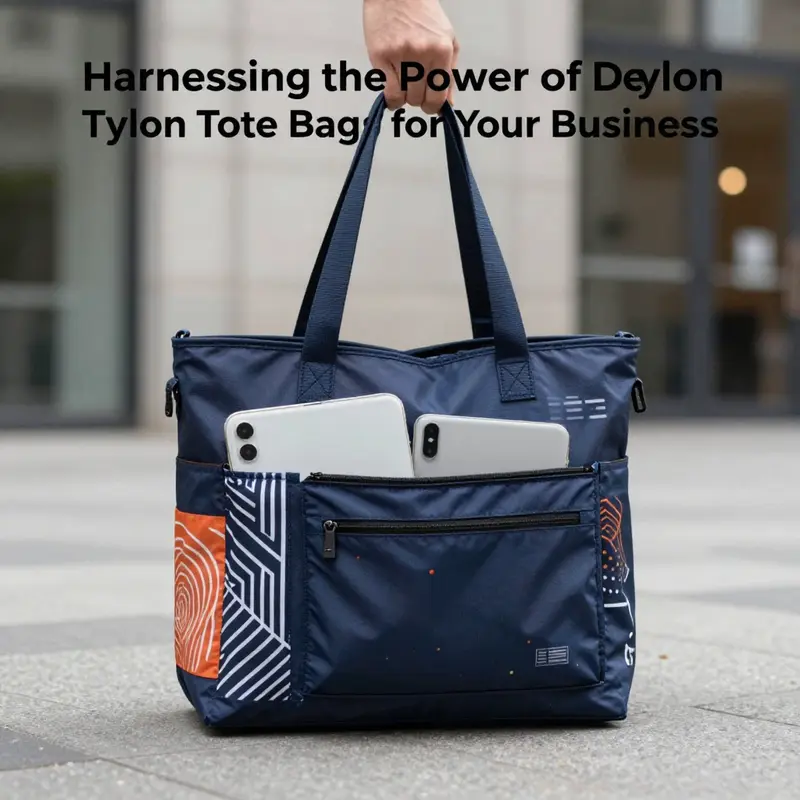
Nylon tote bags have quietly transformed from simple, utilitarian carriers into versatile partners that ride the tempo of daily life with a refined balance of practicality and style. They are not merely containers for groceries or gym gear; they are purpose-built tools that adapt to a range of environments, from crowded commutes and rain-soaked sidewalks to sleek office corridors and weekend getaways. The modern nylon tote is defined by a careful blend of lightness, resilience, and intelligent design features that anticipate the rhythm of movement in urban living. This evolution rests on a few core truths: the material’s intrinsic strength, the sophistication of construction, and a design vocabulary that respects both form and function. The result is a class of bags that can carry laptops, lunches, and life’s everyday detritus without asking the wearer to compromise comfort or readiness for the next moment of travel. And because durability does not have to demand a premium price, a thoughtful choice among budget-friendly nylon totes can deliver long-term value that outperforms more decorative options that fade under pressure.
At the heart of this evolution is a material story that never stops improving. Nylon’s strength-to-weight ratio remains a standout asset, especially when paired with high-denier fabrics that refuse to surrender to abrasion. In everyday tote design, a D rating of 420 to 600 often represents the sweet spot where weight remains manageable while tear resistance stays formidable. This is not a blunt metric; it is a doorway to better construction. A 420D or 600D fabric can be woven with a tighter, more uniform texture that reduces snagging and pilling, making the bag behave predictably in variable weather and across many cycles of use. The coatings applied to these fabrics—polyurethane (PU) or silicone—are more than cosmetic treatments. They transform the bag’s surface into a water-repellent shield that breathes enough to prevent dampness from turning to mildew, a common concern in bags that collect moisture or sweat from daily wear. The coated layer also strengthens tear resistance, allowing the fabric to glide over rough surfaces without losing integrity. When a tote is designed for unpredictable weather or for travel days that begin with a drizzle, this protective chemistry translates into real-world reliability.
To the trained eye, the quality of a nylon tote extends beyond coatings and weight. It is also a question of weave integrity and edge-to-edge durability. Ripstop nylon, which interlaces reinforcing threads in a grid pattern, disrupts the propagation of small tears and stops rips from widening into larger defects. This is a feature that often goes unnoticed by casual shoppers but makes a decisive difference for anyone who carries a bag through crowded transit hubs or over cobblestones. Cordura, ballistic nylon, and other branded iterations testify to a lineage of woven technologies designed to withstand repeated use with less dilation, less sag, and fewer dents in the fabric’s face. It’s not merely about how thick the material feels; it’s about how the fabric behaves under stress. In practice, a dense, slightly textured nylon remains more reassuring to touch than a slick, slippery surface that can shift weight awkwardly during a carry. A quality tote reveals itself on the hand when you run your fingers across the fabric and gauge how the weave grips itself rather than how glossy it looks under showroom lighting.
Yet even superb fabric cannot compensate for weak architecture. The upper limits of durability are reached through a combination of precise construction and robust hardware. Industry-standard features—double or even triple stitching at stress points like the handle attachments and side seams—are more than decorative flourishes. They are preventive measures against common failure modes: seams that unzip under load, handles that pull away at the grommets, and corners that tear open when the bag is stuffed with heavier items. Metal grommets reinforce the load paths where the strap hardware meets the body of the bag, minimizing abrasion and extending the strap’s life. High-quality zippers, particularly brands that provide reliable track performance like YKK, are essential for tote longevity because a malfunctioning zipper can render even a well-made bag unusable. In addition, bar-tacked reinforcement at critical junctions—where the strap meets the body of the bag or where extra fabric is folded for protection—provides a deliberate, durable anchor that resists the tug of everyday use. This is the practical backbone of the nylon tote, the quiet engineering that lets a bag carry a laptop and lunch with equal confidence.
One of the most compelling design innovations in recent years is the integration of insulated linings. This feature redefines what a tote can do by adding thermal protection to compartments that often carry perishables, liquids, or coffee, thereby expanding the bag’s functional envelope beyond the office and grocery store. An insulated panel or pouch, framed by a slim, flexible layer of padding, helps maintain temperature for drinks or meals during travel or late meetings. In daily use, this is a meaningful convenience: a person can pack a cold drink on a humid morning or keep a snack warm for a mid-afternoon break without needing a separate cooler or cooler bag. The insulation is typically implemented with lightweight materials that do not add significant bulk, ensuring the tote remains pocketable and easy to stow in a locker, a desk, or a locker room corner. When combined with the water resistance of the exterior fabric and the durability of the stitching, insulation turns the tote into a surprisingly flexible companion for a range of activities—from a full workday to a weekend getaway.
A parallel trend is the push toward foldability and compact design. Folding features and stows-for-later practicality make nylon totes a favorite for travelers who need to pack light when a second bag is required upon arrival or who want to slide the tote into a boot as a backup option. This space-saving orientation often translates into clever construction that preserves integrity even when the bag is folded or compressed. For instance, reinforced bottoms, supportive panels that lay flat when empty, and minimal protrusions all contribute to a tote that can be tucked away without fear of creasing or weakening the fabric in transit. The practical upside is clear: a tote that travels as easily as the user does, always ready to deploy without the baggage of bulky storage or fragile components.
Aesthetics and customization have joined functionality to create a new taxonomy of nylon totes. Where once a tote’s appearance was a secondary consideration, today’s bags offer color palettes, finishes, and branding opportunities that let users express personality or align with a corporate identity. The result is a product category that can be both utilitarian tool and personal style statement. The craftsmanship behind the finish—whether a matte, satin, or slightly textured surface—can influence how well the bag wears over time, how easily it cleans, and how it reflects light in varied environments. The design ethos now often includes thoughtful interior organization: pockets for pens, phones, keys, and cords, as well as padded compartments that cushion delicate items like a laptop or tablet. These organizational features reduce rummaging, save time, and help users maintain a sense of order as they move through their day.
For anyone who wants to explore the practical details of what makes a tote with a built-in laptop sleeve work, there is a clear, concrete path to evaluating options. Modern bags increasingly advertise internal compartments tailored to devices of different sizes, with soft-touch linings and strategic padding to prevent scuffs. If a laptop sleeve is a priority, look for a model that keeps the device snug against the body with a reassuring snap or a secure strap to prevent shifting. The sleeve should be separate enough to allow easy access while protecting the device from moisture and dust. For readers who want to see tangible examples of this feature in action, a convenient reference is tote-bag-with-computer-sleeve, which highlights designs that balance protection with a streamlined silhouette. This emphasis on device-conscious design does not come at the expense of the bag’s other functions; it coexists with insulated compartments, rugged hardware, and water-repellent finishes to form a versatile travel system.
Durability in nylon totes is a holistic quality. It is not the result of one technique or material alone but the synthesis of material selection, weave logic, protective coatings, and robust hardware that work in concert. The best bags resist overstretching and sagging under load, even when they are carried for miles, and they recover quickly when empty. The most resilient designs maintain their shape because the internal architecture supports the load, distributing weight across multiple points rather than concentrating stress where seams meet fabric. This is the difference between a bag that looks sturdy on a showroom floor and one that endures the rigors of daily life. Jordan Lee, a textile engineer whose work bridges engineering and product design, emphasizes this idea: “A well-constructed 420D bag can outlast a poorly made 1000D model.” The insight is not about chasing the thickest fabric but about the smart application of quality control, consistent stitching, and reliable hardware.
Choosing the right nylon tote means weighing several interlocking factors rather than fixating on a single metric. Denier is important, but it is not the sole determinant of performance. A 420D to 600D tote with a PU coating and dense, even stitching will typically outperform a heavier 1000D model that uses cheaper thread, inconsistent seam allowances, or plastic hardware that can crack under strain. Water resistance is crucial, but it should be compatible with the bag’s expected use. If the bag is meant for daily commuting, the exterior finish should shed rain and resist scuffing, while the interior should manage moisture and spills with minimal absorption. If the bag is for travel, insulation and pockets to organize cables and documents matter as much as the bag’s ability to slip into overhead compartments or fit into small hotel rooms. The hardware—zippers, buckles, and strap anchors—should feel solid in the hand and operate smoothly with one hand, even after months of use. The interior layout matters too: a spacious main compartment paired with thoughtfully placed pockets empowers the user to locate items quickly without displacing the weight balance. These design decisions contribute to a tote that remains comfortable over long periods of wear and travel.
From a consumer perspective, price ranges reflect a spectrum of value rather than a single standard of quality. A durable nylon tote can be found in a wide price band, with affordable models around the mid-to-high $70s and more premium options edging toward the six-figure hundred-range when additional features or designer branding enter the equation. The examples cited in contemporary market roundups illustrate the balance between cost and capability rather than implying that one price guarantees higher performance. A tote marketed at a lower price point may still deliver robust durability if it benefits from high-quality stitching, reliable hardware, and a protective coating that suits its intended use. Conversely, higher prices often reflect more sophisticated finishes, better interior organization, or niche features like thermal insulation or enhanced weather sealing. In practice, the most satisfying purchase is one that aligns with the user’s daily routine, storage needs, and tolerance for carrying weight.
As this chapter threads together material science, manufacturing practices, and user experience, it becomes clear that the nylon tote is more than a bag. It is a portable system designed to adapt to movement, weather, and tasks. The best designs anticipate the moments when a commuter’s umbrella turns inside out, when a laptop slides from a crowded desk, or when a grocery run ends with damp produce. The goal is to achieve a balance where each component—from fabric to zipper—performs with quiet competence, enabling the user to transition from one phase of the day to the next without interruption. When you consider the full life cycle of a nylon tote—how it’s produced, how it wears, and how it ages—what stands out is the intelligence of its design. The bag is not simply about holding things; it is about preserving momentum, protecting what matters, and doing so without demanding attention or expensive upkeep. For the modern traveler, worker, parent, or student, a well-made nylon tote offers a dependable, stylish, and practical companion that can move with life’s tempo rather than against it.
External note for readers exploring the broader dialogue around tote materials: for a broader perspective on nylon versus canvas and other fabrics in tote design, see the discussion published by a leading outdoor gear resource at https://www.rei.com/blog/outdoor-gear/nylon-vs-canvas-tote-bags. This resource provides additional context on how nylon compares with canvas and other textiles in terms of weather resilience, weight, and long-term performance, complementing the nuanced view presented here.
Final thoughts
Nylon tote bags represent a synthesis of durability, affordability, and innovative design qualities tailored to meet the demands of today’s entrepreneurs. Investing in high-quality tote bags not only enhances brand visibility but also provides your customers with a reliable and stylish product that supports their needs. By understanding the significance of each facet of these bags—from their material construction to their design features—business owners can make informed purchasing decisions that resonate with their brand image and overall strategy.