
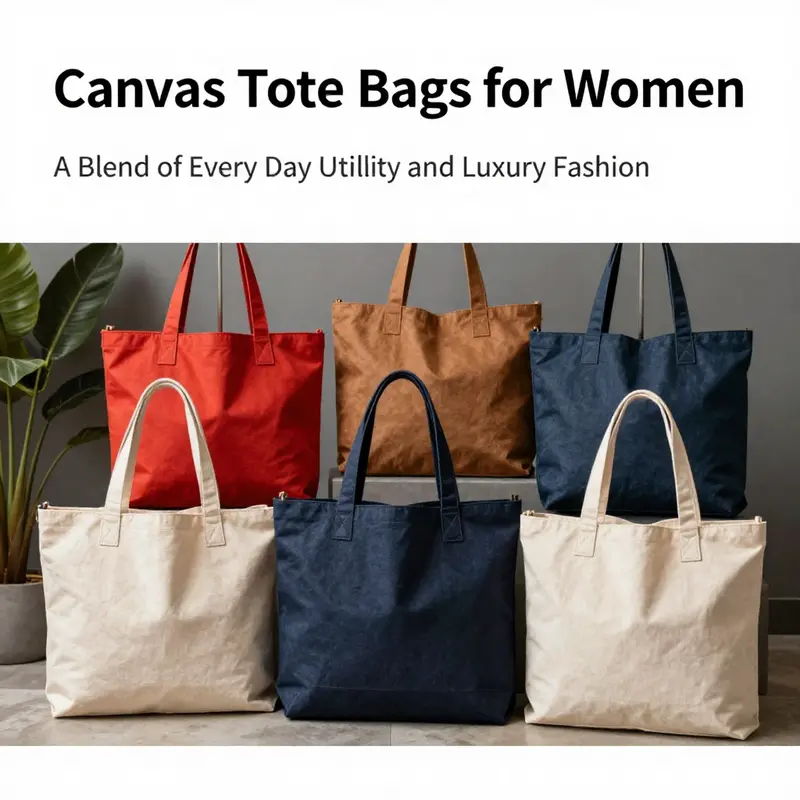
Canvas tote bags have become essential accessories for women, balancing style and functionality. For business owners, understanding the nuances of these bags can enhance not only personal wardrobe choices but also the products offered in retail settings. This article delves into the everyday usability and style of canvas tote bags, highlighting their role as luxury statement pieces and guiding business owners in selecting the right bags. Each chapter provides invaluable insights, reinforcing the significance of canvas tote bags as both practical companions and investment items worthy of attention in today’s fashion market.
Everyday Canvas: Balancing Practicality, Craftsmanship, and Personal Style in Women’s Tote Bags
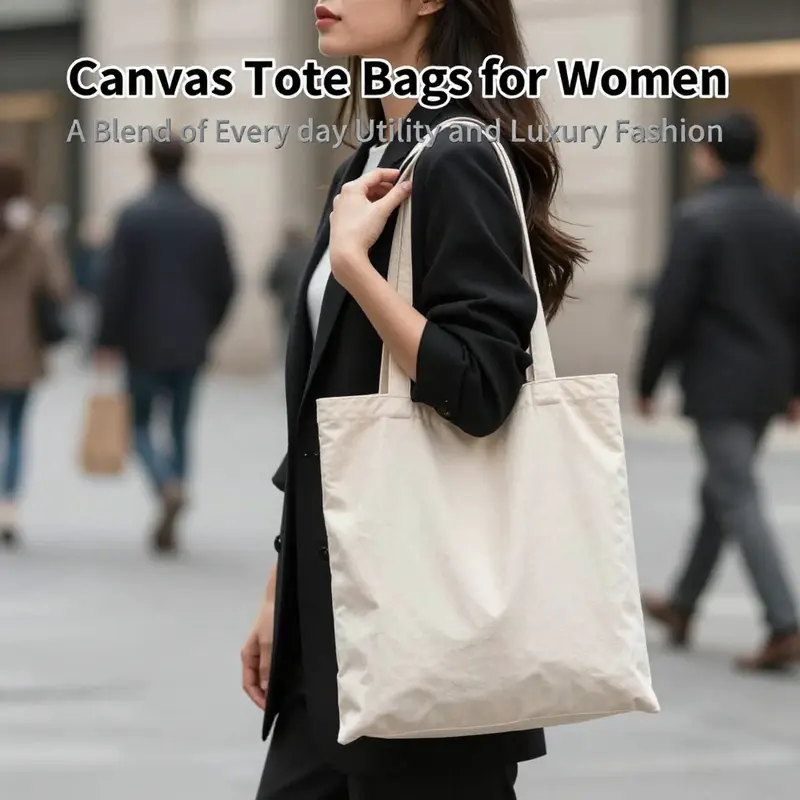
A canvas tote bag has earned a steady seat in the modern woman’s wardrobe not simply because it carries things, but because it carries life through it. It moves with you from morning coffee runs to late-night errands, from classroom lectures to weekend urban explorations, and it does so with a quiet confidence. The beauty of a well-made canvas tote lies in this dual role: it is both utilitarian workhorse and adaptable style piece. The best totes understand that usability is not a compromise with aesthetics; rather, they fuse the two into a single, dependable companion that grows with your routine. In thinking about everyday usability, the first question is not what a tote can hold, but how it stays reliable while you push through a day that never seems to pause long enough for a second glance at your bag. The right tote should feel light in hand but sturdy at heart, should organize your essentials without thrashing them in a pocketless abyss, and should invite you to wear it with your chosen outfit rather than demand a uniform look that erases your personal style.
Quality materials anchor this balance. A canvas tote designed for daily life benefits from tightly woven canvas made of 100% cotton or a robust cotton-polyester blend. Such fabrics tend to be strong, with a resilience that resists sagging under weight and the friction of daily use. They also offer a degree of water resistance that can be a real asset when urban weather decides to surprise you. The fabric choice is only the first of many decisions a thoughtful designer makes. The weave density, the weight of the fabric, and the way the surface wears over time all contribute to how a tote ages with you. A loosely woven fabric may feel soft at first, but it will sag and wear quickly once you begin to fill the bag, and its color may fade unevenly. In contrast, a tightly woven canvas keeps its shape, maintains a clean line across the surface, and requires less constant care to stay looking fresh.
Durability, however, arises not from fabric alone but from construction. The most enduring canvas totes rely on reinforced stitching—double or even triple stitching at stress points—and bar tacks at corners where the fabric endures the most strain. Handles are not merely decorative; they bear the weight of your daily life. When a bag’s straps are securely attached with robust stitching and reinforcing hardware, the risk of failure decreases dramatically. A well-made tote makes everyday errands feel effortless because you never have to rethink whether the bag will hold the items you trust to carry. You can pack notebooks, a laptop, a water bottle, a scarf, and a week’s worth of small purchases without feeling a wobble or hearing a creak as you move from subway car to sidewalk and back again.
The temptation to equate size with usefulness is common, yet the right size is a decisive factor in daily practicality. For students facing a day of lectures, the ideal tote tends to be medium in size—roughly 13 to 15 inches wide—with reinforced handles and interior pockets that support organization. Textbooks, notebooks, and a compact laptop all fit with ease when there is internal structure to guide the load. For urban professionals who shuttle between office and transit hubs, slightly larger, more structured styles are often preferable; a zippered main compartment secures contents amid crowded commutes, while internal sleeves accommodate tablets or lightweight laptops and keep cords tangle-free. The goal is a silhouette that looks calm as you stride through a busy corridor and always feels well balanced when you rest a forearm on the edge of a desk or a conference table.
The interior organization of a tote can transform its everyday usability. Internal pockets, zippered compartments, and tablet sleeves do not just keep items away from the light of day; they reduce rummaging time, boost security, and preserve the bag’s overall shape. A dedicated pocket for a phone, a pad of notes, or a small wallet prevents the daily ritual of fishing through every item to locate a single object. A well-considered bottom panel adds structure to the base of the bag, preventing it from collapsing under the weight of a water bottle or a stack of books. The combination of bottom reinforcement and double-stitching along the interior seams creates a quiet confidence: you know the tote will hold what you need without turning the interior into a chaotic jumble.
Of course, the modern tote is not merely about capacity and organization. It is about how the bag integrates with a wearer’s personal style and the occasions in which it will appear. The canvas tote offers a natural, casual silhouette that can serve as a blank canvas for self-expression. It pairs with everything from denim and sneakers to tailored trousers and soft blouses, and it can be dressed up or down depending on accessories, color, and print. The minimalist, clean lines of contemporary canvas totes are intentionally versatile, supporting a wide range of color palettes without clashing with the wearer’s outfit. And yet, the same canvas surface can support more expressive details—contrasting handles, subtle stitching accents, or modular pockets that can be swapped to alter the bag’s personality. The tote’s adaptability empowers a person to reflect mood and occasion simply by how they carry it or what they pair it with.
One of the timeless strengths of canvas lies in its sustainable appeal. Unlike synthetic alternatives that may require more frequent replacement, canvas can often endure for multiple seasons when cared for properly. Its fibers resist everyday wear and tear, and the fabric is generally amenable to cleaning with simple methods. Many modern canvas totes are treated to resist water and stains, an essential trait for city life where rain, coffee, and unpredictable weather are routine. The material’s durability is not merely a practical consideration; it aligns with a growing consciousness about longevity and reuse. A tote that lasts through years of daily use reduces waste and supports a more intentional approach to shopping and fashion.
In discussing everyday usability, it is impossible to ignore the role of comfort. A tote should feel balanced in the hand and against the shoulder. The choice between shoulder straps and crossbody versatility often comes down to personal preference and daily rhythm. A crossbody option can offer hands-free convenience during busy mornings when you juggle a coffee, a smart device, and a bus ticket. The inclusion of a crossbody strap does not compromise style; when executed well, it provides a modern, adaptable aesthetic that pairs well with many outfits while enhancing comfort during long days. The ability to switch between carrying methods without sacrificing durability or shape is a subtle but meaningful aspect of a tote’s design that can make a big difference in how enjoyable it is to use day after day.
The aesthetic potential of canvas is also enriched by the careful handling of color and print. While pure neutrals are a reliable default that pairs with nearly any wardrobe, color and print can inject personality without losing practicality. A well-chosen hue can either blend into an outfit, creating a seamless, almost invisible complement, or provide a bold counterpoint that marks a bag as a signature piece. Prints, when executed with restraint, add texture and depth to the surface, inviting touch and visual interest without overpowering the overall silhouette. The design language of canvas totes ranges from unembellished to subtly decorative, but it remains anchored in the same core values: readability of form, resilience of hardware, and the capacity to carry the story of daily life.
The experience of selecting and using a canvas tote is, in itself, a small ritual of daily dressing. It begins with a conscious assessment of needs: how much will you carry, how often will you replace items, and what kinds of environments will you traverse—an office building, a campus, or a lively street market? As you answer these questions, your preference for size, structure, and interior layout becomes more precise. The tote you choose should feel almost instinctive—an extension of your own routine, not a burden you carry while you perform tasks. In the words of fashion stylist Lena Torres, “The beauty of the canvas tote lies in its duality—it’s utilitarian yet stylish, plain yet customizable.” That duality is not a paradox but a promise: the bag will keep pace with practical demands while serving as a personal canvas for style choices. This balance is why the canvas tote remains a steadfast staple in many wardrobes, a nod to durable craft and to the wearer’s evolving taste.
In practical terms, the decision between canvas and other materials often centers on how a bag flexes to daily life. Polycarbonate bags can offer rigidity and some protective advantages, particularly for items that require a shielded interior. Leather totes spell elegance and refinement, yet they can demand more care and may be heavier and less forgiving when heavily loaded. Canvas, in its most thoughtfully designed forms, achieves a rare middle ground: it is forgiving enough to accommodate a broad range of daily activities, yet structured enough to maintain a polished, put-together appearance. It is resilient without feeling inflexible, adaptable without losing its character. The reality of daily life—sleek meetings, casual coffee breaks, weekend farmers’ markets—often rewards that balance. A canvas tote that ages gracefully can become more beloved with time, taking on a patina that tells a story of countless commutes, conversations, and small adventures.
Care and maintenance also shape the tote’s lifespan. Real-world use comes with inevitable risks: spills, sun exposure, friction against rough surfaces, and the occasional snag that can create a small pull. With high-quality materials and a little routine care, canvas bags can extend their life by several seasons. Simple practices—spot-cleaning with mild soap, air-drying away from direct heat, and avoiding heavy exposure to the sun in intense midday hours—help preserve color and texture. For deeper cleaning, targeted attention to the interior seams and hardware prevents grime from settling into the stitching and o-ring components that keep straps attached and secure. The goal is not perpetual pristine condition but rather a steady, well-maintained appearance that continues to perform when needed most.
The everyday tote is more than a bag; it is a trusted partner that travels through the rhythms of life with you. Its success rests on the intelligent marriage of material quality, structural integrity, and an ability to harmonize with personal style. It is a practical accessory that does not demand uniformity from its wearer but instead adds flexibility to their wardrobe. In this sense, the canvas tote offers an accessible entry point into thoughtful fashion: it invites you to invest in a piece whose value is measured not only by its price tag but by how well it adapts to your days and tells your style story in subtle, enduring ways. For a sense of the current landscape and available options, many readers may explore a curated collection that positions the tote as a reliable, everyday essential—an assortment that emphasizes the balance of practicality and enduring design. women’s canvas tote bags.
In closing, the canvas tote’s enduring appeal comes from its ability to synchronize with the wearer’s life rather than demand conformity to a single use. It supports a routine that values function without sacrificing individuality. It is easy to imagine a day in which a tote carries everything needed for a busy schedule, remaining comfortable and stylish from dawn to dusk. The quiet confidence of the canvas—its sturdy weave, its reinforced seams, its adaptable interior—ensures that the bag becomes part of the day’s routine rather than a distraction from it. And that is the essence of everyday usability: a bag that respects constant motion, rewards careful choices, and quietly whispers that style can be practical, not a compromise. This is the heart of why canvas totes are more than accessories: they are companions designed to pace with life and to carry the stories you will tell about the days that follow.
External reference: StyleWithPurpose offers an insightful guide on styling canvas totes for women, expanding on how to translate practical pieces into polished looks that suit different settings and moods. https://www.stylewithpurpose.com/2026/01/30/ultimate-guide-to-styling-a-canvas-tote-bag-for-women/
From Craft to Couture: Luxury Canvas Tote Bags for Women as Fashion Statements and Investment Pieces
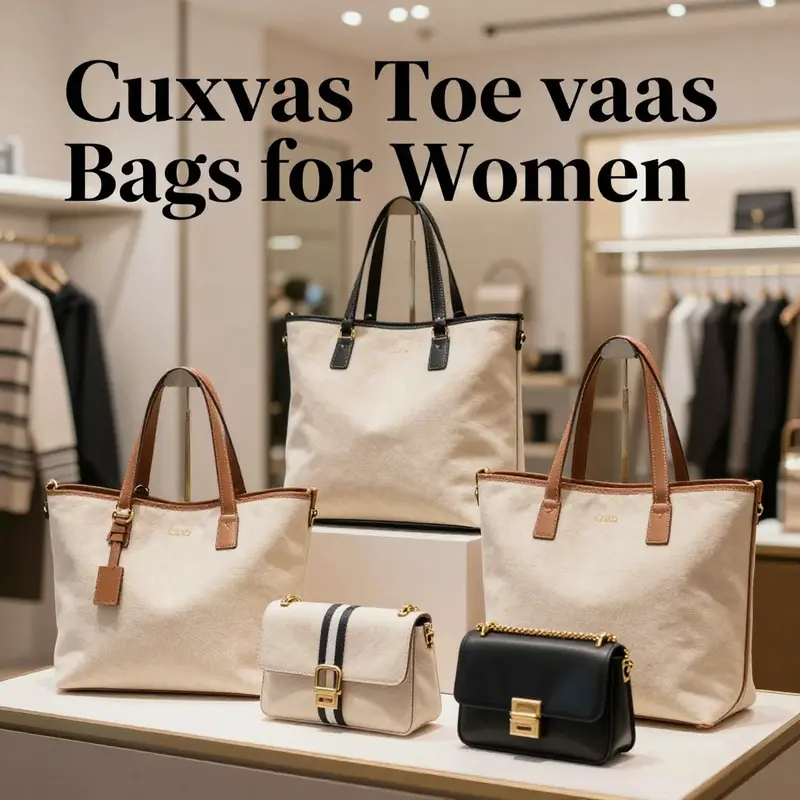
The most enduring fashion stories often begin with something that seems unassuming at first glance. A canvas tote—when treated with care, crafted with intention, and carried with confidence—can become more than a practical carrier. It becomes a conversation between utility and artistry, a piece that speaks of a wearer’s taste without shouting. In today’s wardrobe dialogue, luxury canvas tote bags occupy a unique position: they are at once everyday friends and rare investments, capable of accompanying a woman through a workday and into a moonlit dinner with equal ease. The elegance of these bags rests not on flash or novelty, but on a quiet mastery of material, structure, and detail. Such totes are designed to endure, and their appeal grows when they bridge the gap between the tactile joy of a robust fabric and the refined silhouette of a well-conceived form. They are not merely accessories; they are portable wardrobes that can improve with time if treated as living parts of a person’s style history.
At their core, luxury canvas totes hinge on material integrity. The best examples use heavy, tightly woven canvas made from 100% cotton or thoughtful cotton-poly blends. This isn’t about a fabric that merely resists a spill; it’s about one that resists sagging under weight and retains shape after months of daily use. The tactile experience matters as much as the look: a bag whose weave feels even and dense, whose color remains steadfast after a cross-town commute, and whose surface shows a watchful patience with wear rather than an eager surrender to it. Reinforced construction matters as well. Double or triple stitching at stress points—where the handle meets the body, where the strap attaches, and at the bag’s corners—provides the architecture that keeps a tote steady as it carries water bottles, folders, art supplies, or a laptop sleeve. Bar tacks at corners aren’t ornamental flourishes; they are the unsung guardians of longevity, quietly resisting the strain of repeated lifting and the pull of heavy contents.
This emphasis on durability does not come at the expense of aesthetics. Luxury canvas totes are designed to flatten into a silhouette that feels sculpted rather than casual. The best pieces blend the casual honesty of canvas with the polish of precise hardware, clean lines, and a restrained color story. The result is a bag that can be both a pragmatic work companion and a refined finishing touch when the day shifts to evening. In practice, this means a structured rectangular or square form with a frame that stands up to daily use, and a palette that can anchor a range of outfits—from a tailored blazer and sheath dress to a relaxed knit and tailored pants. Subtle details matter deeply here: edges that look finished by hand, hardware that gleams with a quiet luster, and stitching that reads as a quiet standard of care. These aren’t just signs of luxury; they are promises of consistency across seasons and settings.
The narrative of luxury canvas totes also leans into the idea of signature branding without shouting. Designers elevate this canvas shell by weaving in refined touches that signal a heritage of craftsmanship. Hand-stitched edges, durable yet luxurious hardware in gold or silver tones, and a careful balance between openness and containment in the main compartment all contribute to a sense of purpose. A fashionable tote with a thoughtfully chosen interior layout—pockets that keep essentials organized, a secure zip or magnetic closure, and a dedicated sleeve for a tablet or small laptop—transforms from a mere carrier into a reliable partner for professional life, study routines, and travel plans. A well-curated tote respects the wearer’s need for ease and competence, enabling quick access to keys, a planner, a wallet, or a charging cable without compromising the bag’s lines or weight distribution.
Beyond the craft, luxury canvas totes carry a narrative of heritage and intention. The most coveted pieces emerge from houses that have learned to translate centuries of leatherworking, textile technique, and artisanal collaboration into canvas forms that feel modern without losing their sense of timelessness. These bags are designed to transition seamlessly from day to night. A tote that has the right balance of scale and restraint can accompany a day at the office—where a sleek, zippered interior keeps documents secure—into an evening affair when paired with a refined top and a minimal jewelry palette. The trick lies not in transformation through gimmicks but in deliberate styling choices: selecting a neutral or monochrome canvas that plays well with a wide range of outfits, choosing hardware finishes that harmonize with other accessories, and allowing the bag’s natural patina to mature as a quiet sign of the wearer’s journey.
The investment potential of luxury canvas totes is a topic that invites thoughtful nuance. These pieces are not typically purchased for short-term resale on a whim; rather, they are selected for their ability to endure and to stay relevant over multiple seasons. A well-made canvas tote has a solid chance of remaining in circulation in a wardrobe for years, and its value is less about market demand for a fleeting trend and more about timeless utility and the joy of possession. The concept of lasting value applies equally to sustainability. A tote built to last reduces the frequency of replacements, lessens waste, and supports a circular approach to fashion. The modern shopper often evaluates a bag through two lenses: the tactile sense of quality and the long view of how the piece will coexist with future wardrobes. When a tote earns a place in the long term, it becomes a vessel for memory—holder of travel stories, work triumphs, and quiet moments of daily life. It is not simply about what is carried today, but what is carried forward into the next chapter.
From a practical standpoint, designers have expanded the vocabulary of luxury canvas totes without sacrificing tensile strength or wear resistance. The material remains breathable, forgiving, and easy to clean, while the structural elements keep the bag upright even when loaded with a laptop, a notebook, or a lunchbox. The interior is more than a single cavern; it is a thoughtfully arranged landscape. Internal dividers, zippered compartments, and padded sleeves help organize life’s fragments with grace. This internal logic matters because organization is the scaffolding that lets a busy woman move through her day with less friction. When the bag can be opened and navigated with minimal effort, its luxury emerges through ease rather than ostentation. The result is a tote that reads as confident, capable, and quietly sophisticated.
The conversation about luxury canvas totes also intersects with concerns about authenticity and provenance. In a market where function meets desire, the practical question becomes: how does a shopper determine the bag’s true value? The answer lies in a careful blend of materials specification, construction evidence, and verifiable provenance. While some markets emphasize branding or decorative motifs, a discerning buyer looks for craftsmanship markers that survive wear: uniform thread density across seams, a consistent weight in the hardware, and evidence of deliberate finishing—edges that are clean where the canvas panels meet, with reinforced stitches that do not fray after a season of use. In this respect, a luxury canvas tote is a kind of wearable instrument, tuned by the hands of skilled artisans who know that the bag’s beauty rests on the quiet cadence of the stitch and the precise intersection of form and function. In parallel, potential buyers consider sustainable attributes: whether the canvas was produced in facilities that observe ethical practices, whether dye processes minimize environmental impact, and whether the bag’s life cycle is designed with repairability in mind.
The contemporary shopper can also expand the conversation by engaging with the broader ecosystem of luxury canvas totes. A robust, globally informed market recognizes the value of customization and personal expression. Customization might include options for monogramming, interior layouts tailored to a specific professional workflow, or even adjustable strap configurations that offer crossbody usability without compromising the tote’s clean lines. It is this fusion of personalization with enduring design that makes luxury canvas totes more than mere accessories; they become co-authored pieces of a person’s daily ritual. For readers who want to see how this philosophy plays out in real time and across trends, there is value in exploring ongoing discussions about tote bag aesthetics and practical configurations. A quick read on current tote bag trends offers a sense of how the market evaluates form, function, and identity in a single accessory. See the discussion on tote bags trending for a snapshot of the evolving landscape and how a classic canvas shell remains relevant across styles.
As a practical guide to discerning value, one can appreciate how the tradeoff between initial cost, longevity, and versatility defines a true luxury investment. A trusted canvas tote is a companion that refuses to become disposable. Its value grows not merely from the material or the brand prestige but from how well it harmonizes with a person’s day-to-day life—the way it carries essential objects, the ease with which it transitions between contexts, and the confidence it lends to an outfit. This is not about superficial sparkle; it is about the quiet, continuous validation of a bag that earns a place in a wardrobe season after season. And within that quiet space, the tote finds its own kind of luxury: the assurance that it will be there tomorrow, carrying what today demands, without asking to be replaced.
For readers who want to anchor this exploration in the broader ecosystem of sourcing and curation, a practical avenue exists to understand how premium canvas totes reach markets with authenticity. One can explore a wide network of verified suppliers offering high-quality, customizable luxury-style canvas totes that emphasize reinforced stitching, adjustable straps, internal compartments, and, when desired, customizable branding. The emphasis here is on reliability, transparency, and certifications that accompany responsible manufacturing practices. This is not merely a pointer to a marketplace; it is an entry into a conversation about how modern fashion integrates heritage craftsmanship with contemporary needs, how supply chains are structured to ensure ethical outcomes, and how retailers translate a timeless bag into a living, evolving object that aligns with both personal identity and collective responsibility. If you would like to explore broader context on current tote bag trends, you can follow this link: tote bags trending.
The conversation around luxury canvas totes would be incomplete without acknowledging the potential for growth in a wardrobe built on durable, adaptable pieces. A tote that remains useful across multiple contexts—work, travel, weekend errands, or formal occasions when styled with restraint—extends its life and deepens its value. Fashion scholars and stylists alike emphasize the value of restraint in accessorizing; a luxury canvas tote, when paired with careful color choices and understated hardware, can elevate an outfit without competing with it. The palette choices—neutrals, subdued earth tones, and muted blues or greens—offer a flexible canvas of compatibility with a wide range of fabrics and textures. A tote that respects the rules of proportion—balanced dimensions, appropriate depth, and a handle drop that sits comfortably against the torso—will always perform better than one that is aggressively oversized or ill proportioned for a typical daily routine. In this sense, the bag is a microcosm of good design: it is honest about what it has to offer, and it remains faithful to its intended purpose while elevating the wearer’s sense of poise.
Ultimately, luxury canvas tote bags for women stand at the intersection of craft, identity, and responsibility. They are not merely a product category but a statement about how we choose to live with our belongings: thoughtfully, deliberately, and with a respect for both the origins of the material and the urban rhythms that shape our days. In a wardrobe where every piece should earn its keep, the canvas tote is a rare kind of collaborator—versatile enough for a day of meetings and errands, refined enough to accompany a dinner with friends, and resilient enough to outlast seasonal fads. The next time you reach for a tote, consider not only what you carry but how you carry it: with the assurance that your bag is more than a vessel; it is a companion that reflects a philosophy of duration, craft, and quiet confidence. If you want to learn more about the broader landscape of tote styles and how to integrate these pieces into a cohesive wardrobe, the broader trend discussion can provide useful context and inspiration. For sourcing insights and verification considerations, see the external resource linked below as a practical starting point for understanding the supply-chain and quality signals that accompany serious, long-lasting canvas totes.
External resource for sourcing and certifications: https://www.alibaba.com/wholesale/canvas-bag-tote-strap_10.html
Choosing the Perfect Canvas Tote for Women: Materials, Design and Everyday Function
Materials, Design and Lifestyle Considerations
Choosing a canvas tote is about more than looks. The right bag carries your life with ease. It complements outfits and fits routines. When you understand materials, construction, and design trade-offs, you can select a tote that lasts and performs. This chapter explains the core factors to weigh so your canvas tote becomes a reliable, stylish companion.
Start with the fabric. Canvas varies widely in weight and weave. Aim for canvas between 8 and 12 ounces per square yard. That range strikes a balance: it feels comfortable on the shoulder, yet resists tearing under heavy loads. Lighter fabrics under 7 ounces often sag and fray after repeated use. Heavier canvases above 14 ounces are durable, but can be stiff and bulky. If you plan to fold and store your tote regularly, mid-weight canvas will be easiest to manage.
Weave quality matters as much as weight. Tightly woven canvas provides strength without excessive bulk. Close, even weaving resists punctures and abrasion better than loose weaves. Run your fingers across the fabric when possible: a firm, slightly textured surface signals tight weaving. Also pay attention to coating or finish. A subtle water-resistant finish or a cotton-polyester blend increases durability and helps rainy days pass without soaking your contents. Natural cotton has an appealing look and pleasant hand, but treated or blended canvases offer practical resilience for daily commuters.
Construction details reveal how a tote will handle stress over time. Inspect the seams at handles and the bottom panel closely. Bags built to last use double or triple stitching in these zones. Zigzag stitching absorbs stretch and reduces seam failure more effectively than simple straight-line stitching. Reinforced bottom panels prevent sagging when you carry groceries, books, or a laptop. Many durable designs include a separate, structured base or an internal panel to keep the bag square and balanced when full. Look for bar tacks at handle joins and corners — small, dense stitches that lock stress points and extend the bag’s service life.
Handle length and attachment style affect comfort. If you carry the tote over your shoulder regularly, choose straps at least 24 inches long. That length lets the bag sit comfortably at your hip and reduces the need to bend your arm while walking. Short top handles can look chic but often cut into the shoulder when filled with heavy items. Also note how straps attach: handles sewn into the body distribute weight better than handles riveted at a single point. Where rivets are used, check that they sit flush and are reinforced on the inside to avoid fabric wear.
Think about the silhouette and structure. A clean, structured shape keeps the tote looking polished on the commute and protects delicate items like electronics. Structured totes often include a reinforced base or internal panels. Unstructured canvas has a relaxed, casual feel and compresses easily for travel or errand runs. Choose the silhouette that aligns with your wardrobe and daily needs. If you switch between office and weekend use, a semi-structured tote blends refined lines with packability.
Functionality extends to closures and pockets. A secure closure — a zipper or a magnetic snap — keeps belongings safe and prevents items from spilling out. Zippered interiors are especially useful for commuting or travel. Consider internal organization: a padded sleeve for a laptop or tablet, zippered pockets for valuables, and small open pouches for a phone or keys. Even simple tote designs benefit from a small internal zipped pocket to separate essentials. A crossbody strap option or detachable long strap adds carrying flexibility, allowing the bag to convert when you need hands-free movement.
Material choices can reflect personal values. Traditional cotton canvas is renewable and biodegradable at end of life. Meanwhile, alternative textiles such as plant-based fibers or high-performance blends are increasingly available. These substitutes often pair strength with lower environmental impact. If sustainability is a priority, look for certified organic canvas, recycled fibers, or plant-derived alternatives made with responsible processes. Verify claims by checking for credible certifications or transparent supply-chain information.
Weight capacity and real-world use are essential considerations. Picture a typical loaded day: lunch, water bottle, a book, laptop, and a small cosmetics pouch. A properly constructed mid-weight canvas tote with reinforced seams will handle that load for years. For heavier routine loads — full grocery shops, textbooks, or camera gear — seek bags with reinforced bottoms, wider straps to disperse weight, and higher fabric weight near 12 ounces. Conversely, if you rarely carry much, a lightweight canvas tote will remain comfortable and won’t add unnecessary bulk to your outing.
Aesthetic choices should not be an afterthought. Canvas offers a versatile palette and surface ideal for printing, dyeing, or subtle washes. Neutral tones are timeless and pair easily with office wear. Bold colors or prints create a focal point for casual outfits. If you tend toward minimalist wardrobes, a bag with a clean silhouette and a muted tone will integrate seamlessly. If you enjoy statement accessories, choose a canvas with a distinctive print, contrasting leather trim, or unique hardware to elevate everyday looks while maintaining functionality.
Durability also depends on care. Canvas tolerates regular cleaning, but how you clean it affects longevity. Spot-clean small marks promptly with mild soap and water. For deeper cleans, follow manufacturer instructions: some untreated canvases respond well to gentle hand washing, while coated or trimmed bags may require specialized care. Avoid frequent machine washes, which can weaken fibers and stitching. For bags with leather trim, treat those areas separately with suitable conditioners to prevent cracking.
Travel and storage needs often influence the right choice. If you frequently pack a tote into a suitcase, select a foldable canvas that retains shape but compresses easily. For everyday commuters, a sturdier tote with a structured base and protective feet resists wear from pavement and subway floors. Consider a tote that integrates a laptop sleeve or interior divider to keep tech safe and organized during transit. There are designs that marry a roomy main compartment with a secure zippered interior for valuables, plus an optional crossbody strap for hands-free convenience. These hybrid features make a single tote suitable across multiple roles.
Cost is a factor but not the only one. A budget-friendly canvas tote can offer outstanding value when constructed thoughtfully. Focus on fabric weight, stitching quality, and reinforced stress points rather than price alone. Conversely, higher-priced options often add premium materials, superior finishes, and refined hardware. Decide whether you want a wardrobe staple you can replace affordably or an investment piece that offers elevated materials and detailing. Either path can yield a reliable tote; the key is matching construction quality to expected use.
When selecting a tote, try a short checklist. Confirm canvas weight and weave feel. Inspect stitching at handles and base. Check strap length and attachment reinforcement. Look for a structured or unstructured silhouette that fits your daily routine. Note closure type and interior organization. Consider sustainable material claims and verify them if they matter to you. Finally, think about care requirements and how you will maintain the bag over time.
Beyond the technical aspects, consider how the tote will integrate with your lifestyle. If your days blend work, errands, and social outings, a medium-sized, semi-structured canvas tote with internal organization will serve best. If your routine involves heavier loads, prioritize reinforced construction and wider straps. For weekend or travel use, lightweight, foldable canvases that compress into luggage offer convenience. And if conscious consumption guides you, seek responsibly produced textiles and transparent manufacturing practices.
Practical shopping tips make the choice easier. Test the bag with a load similar to what you normally carry. Lift it by the handles and slung over a shoulder to judge comfort and balance. Check for interior pockets and closures that match your organization needs. If you shop online, study detailed images of stress points and read product descriptions for fabric weight and construction techniques. Reviews from other buyers often reveal how a tote performs after months of real use.
Finally, remember that a well-chosen canvas tote will evolve with you. Canvas softens and gains character over time while retaining strength when constructed well. With thoughtful selection and simple care, a single tote can span seasons and roles. It can be the bag you take to work, the one you bring on weekend escapes, and the trusted carrier for daily errands. The goal is to find a balanced combination of durable materials, smart construction, and a design that fits your life.
For a broad look at options and practical buying tips, explore this collection of curated women’s canvas tote bags: https://alltotebags.com/womens-canvas-tote-bags/.
For an evidence-based buying checklist and additional expert guidance on choosing a women’s tote bag, consult this in-depth external guide: https://www.thestrategist.com/gear/choosing-the-perfect-womens-tote-bag
Final thoughts
In summary, understanding the various facets of canvas tote bags—ranging from everyday usability and style to luxury investments—serves as vital knowledge for business owners and consumers alike. These bags not only enhance personal style but represent a practical and fashionable choice suitable for various settings. Whether you’re seeking a reliable daily companion or a luxurious statement piece, prioritizing quality and functionality in canvas tote bags remains essential. As essential items in finance and fashion, well-chosen bags can enrich both wardrobes and retail offerings, ensuring relevance in today’s market.