
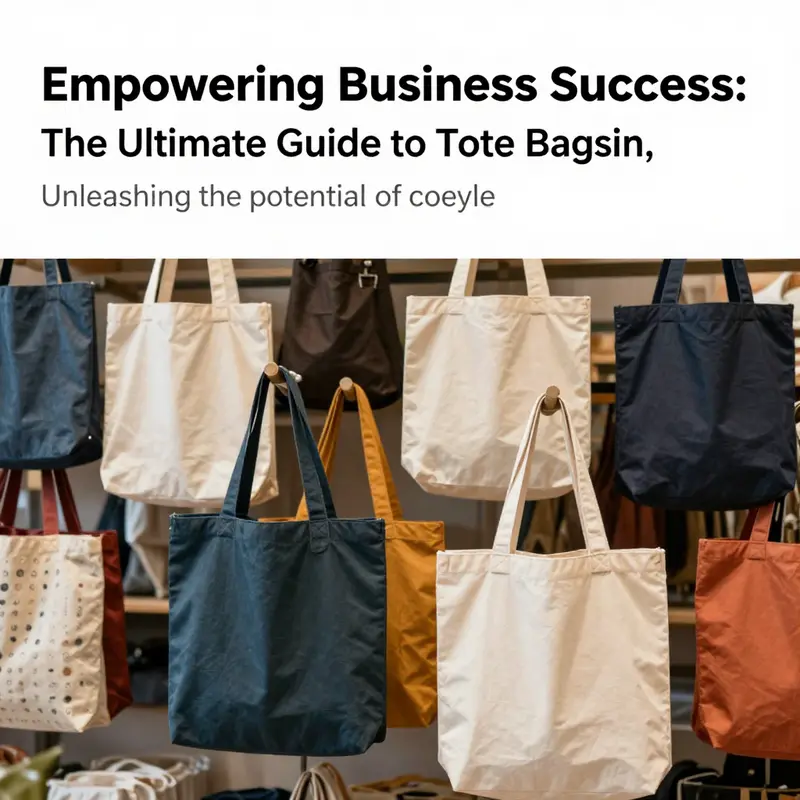
In today’s retail landscape, the choice of shopping materials profoundly influences both customer experience and business success. Tote bags, often seen as mere containers, have evolved into powerful marketing tools and eco-friendly options that resonate with conscientious consumers. This article explores the multifaceted benefits of choosing tote bags for shopping. We will delve into the eco-friendly advantages that elevate your brand’s sustainability profile, examine the practical design features that make tote bags indispensable, discuss comfort considerations for optimal customer satisfaction, and highlight the latest trends in stylish tote designs that appeal to modern consumers. By understanding these key aspects, business owners can make informed choices that not only enhance their operational efficiency but also align with the ethical expectations of today’s shoppers.
How Choosing a Shopping Tote Cuts Waste and Builds a Greener Routine
How Choosing a Shopping Tote Cuts Waste and Builds a Greener Routine
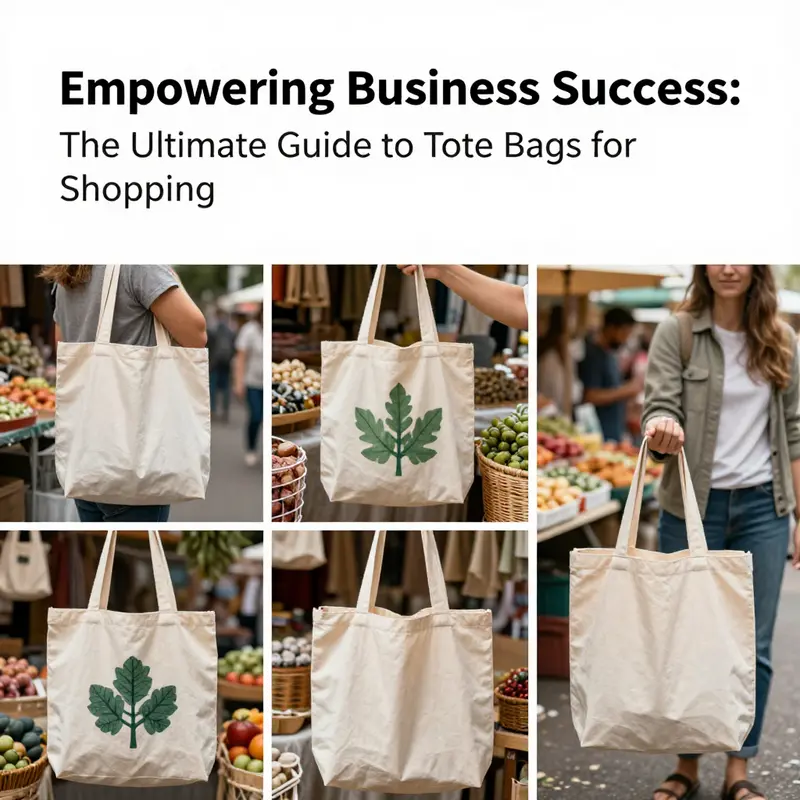
Switching to a reusable shopping tote is a tangible choice with clear environmental consequences. A tote is more than a bag. It is a simple tool that interrupts the cycle of single-use waste, lowers resource demand, and supports more thoughtful consumption. This chapter ties the environmental strengths of tote bags to everyday shopping behavior, and it offers practical guidance for getting the most ecological value from your bag over its full life.
One immediate benefit of using a tote is the reduction of single-use plastic bags. Billions of plastic bags are produced annually. Many of those never make it to proper disposal systems. They fragment into microplastics, enter waterways, and entangle wildlife. A durable tote replaces dozens, hundreds, or even thousands of throwaway bags during its usable life. Each shopping trip without a plastic bag compounds the environmental savings. The math is simple: frequent reuse multiplies the positive effect.
Material choice matters because not all reusable bags carry the same footprint. Natural fibers like cotton and jute, and newer options made from recycled textiles, offer different trade-offs. Cotton, for instance, can require significant water and energy to produce, but its durability often means a high reuse potential. Recycled fabrics use existing materials and reduce demand for virgin resources. Jute grows quickly with relatively low inputs and biodegrades more readily at end of life. Considering how you will use the tote helps determine which material strikes the best balance between lifetime impact and practicality.
Durability is the key to eco-effectiveness. A tote that falls apart after a few uses will not replace many disposable bags. Look for reinforced seams, quality stitching, and strong handles. Durable construction extends the bag’s lifespan and spreads its embodied impacts over more shopping trips. In practice, that means choosing a bag that can comfortably carry your typical load, including heavier grocery items. When a tote is used regularly and cared for, its environmental payback grows rapidly.
Versatility enhances longevity and reduces the need for multiple single-purpose carriers. A tote that works for groceries, library books, and errands streamlines daily life. Features such as a wide base, internal pockets, or a removable washable liner increase practical use. A waterproof liner, for example, prevents leaks from wet items and protects the bag’s inner fabric. Using such liners when transporting chilled or messy goods keeps the tote cleaner longer, delaying replacement and reducing waste.
Care and maintenance influence how long a tote will serve you. Regular cleaning prevents odors and stains that might otherwise force disposal. Follow recommended washing instructions to avoid damage. Air-drying and repairing minor tears or loose seams can extend useful life considerably. Small, inexpensive repairs are often the most sustainable choice when compared to discarding the bag.
How you integrate a tote into your routine also determines its environmental contribution. Folding a compact tote and keeping it in a purse or car increases the chances it will be used. Lightweight, foldable designs work well for occasional shoppers. For heavier, regular grocery hauls, a sturdier tote with reliable handles is more effective. Balance convenience with durability to ensure the bag is present when you need it and robust when loaded.
Beyond individual choices, adopting a tote fosters thoughtful consumer behavior. Choosing a quality, reusable bag often signals a broader commitment to reduce disposables. This ripple effect influences shopping patterns. People who invest in a durable tote are more likely to shop with intention, buy in bulk, and prioritize products with minimal packaging. The tote becomes a visual reminder to consider waste at every purchase.
From a resource perspective, reusables conserve raw materials and energy across the system. Producing single-use plastic bags consumes oil and often lacks effective end-of-life pathways. Durable totes, even when made from resource-intensive fibers, amortize their production impact across many uses. The greater the number of reuses, the better the environmental outcome. Simple arithmetic shows that a well-used tote can dramatically reduce per-trip resource consumption.
Recyclability and end-of-life planning close the loop on a tote’s environmental story. Some tote materials are recyclable; others biodegrade under the right conditions. When a bag can no longer be used, seek textile recycling options or donate for secondary use. Repurposing worn totes as cleaning rags, storage sacks, or craft material extends functional life and delays disposal. Planning for the end of life keeps the bag within the circular economy for longer.
Style and social norms matter more than they once did. A tote that aligns with personal style will be used more often. When reusable bags become fashionable, they encourage broader acceptance. That social shift reduces stigma around carrying a personal bag and increases the likelihood others will adopt the same habit. A stylish, well-built tote therefore supports both individual satisfaction and collective environmental benefit.
Practical choices amplify the tote’s value. Selecting the right size prevents over-packing or the need for supplemental carriers. Choosing handles that distribute weight reduces strain, making the bag comfortable to use on frequent trips. If you buy perishable goods often, consider a tote with an insulated or removable liner. That small feature helps maintain food temperature and reduces the need for additional disposable cooling materials.
Measuring impact helps maintain motivation. Track how many times you use your tote each week. Estimate how many single-use bags you avoided. These small records turn abstract environmental claims into concrete results. Over several months, the numbers add up and reinforce the behavior. Encouraging household members to carry their own tote creates a shared culture of reuse within the home.
Pricing and purchasing decisions deserve attention. A low-cost, low-durability tote may be affordable but less sustainable if it fails quickly. Investing slightly more in a sturdier option often results in a lower lifetime cost and environmental footprint. When budgets are tight, consider secondhand or donated totes. Many communities host exchanges or sell pre-owned bags at low cost. Buying used keeps materials circulating and avoids the impacts of new production.
Finally, understanding policy context can strengthen individual action. Many regions are moving toward bag reduction policies, such as fees or bans on single-use plastics. Choosing a reusable tote anticipates these changes and aligns personal practice with emerging norms. Reusable bag use reduces demand for disposable options and supports broader waste reduction goals.
Adopting a tote for shopping is an accessible, high-impact way to reduce waste and resource use. When chosen and used thoughtfully, a tote converts small daily actions into lasting environmental benefits. The key is to value durability, fit, and maintenance. By carrying a well-made tote, you support a practical shift away from disposable culture and toward a more sustainable routine.
For examples and inspiration on well-made everyday options, see this guide to useful canvas choices for shoppers: women’s canvas tote bags.
For more detailed guidance on reducing plastic bag waste, consult the EPA resource: https://www.epa.gov/recycle/reducing-plastic-bag-waste
Design That Carries You: The Craft, Comfort, and Eco-Conscious Promise of Shopping Tote Bags
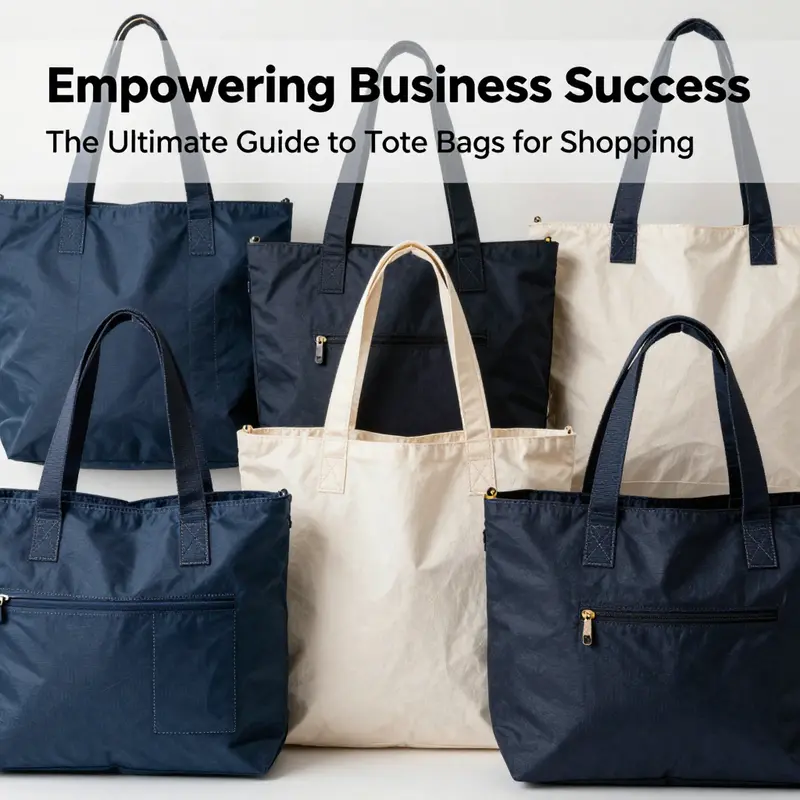
A shopping tote bag is more than a simple carrier for groceries or gear; it is a daily companion that negotiates space, weight, and style with every trip to the store, market, or office corridor. The best totes blend thoughtful construction with flexible use, so the bag feels both sturdy and approachable in ordinary life rather than being a brittle tool that only looks good on a showroom floor. This is where design becomes practical philosophy: how a bag is stitched, how its pockets are positioned, and how it distributes weight all matter not just for the moment you load it, but for every journey you take with it in the weeks and years ahead. In that sense, the tote bag for shopping is a design problem solved in real time by material science, human ergonomics, and everyday needs.
Durable materials anchor a tote’s usefulness. The most dependable options often pair strength with versatility. Canvas offers a classic, fray-resistant surface that accepts heavy loads with a natural texture that only improves with age. Nylon brings water resistance and lighter weight, making the bag easier to carry when it’s fully loaded and the weather is unpredictable. Recycled fabrics can offer a compelling balance of durability and environmental responsibility, turning a simple purchase into a statement about resourcefulness and care for the planet. Across these material families, one design constant remains clear: reinforced handles that won’t yield under stress. The attention to handle construction—whether the stitching is double-stitched, the fabric is doubled at stress points, or the attachment hardware is rugged enough to resist pull—translates into long-term usability. You may load a tote with stiff cartons, jars, a laptop, or a handful of perishable items; the bag should perform without deforming or compromising its shape.
Functional elements inside and out further elevate a tote’s practicality. Zippered compartments secure valuables or fragile items during transit. Interior pockets help organize smaller objects—keys, a wallet, a phone, or a compact notebook—so you don’t have to hunt through a roomy cavern for seven minutes at the checkout. Secure closures—magnetic snaps or zippers—keep the bag closed, providing a sense of containment and order as you walk through crowded aisles or busy sidewalks. The layout of these features matters: pockets placed near the top for quick access, a deeper main compartment for bulkier purchases, and a dedicated space for a water bottle or umbrella. In this way, the tote evolves from a single pocket into a small, well-organized system that enhances efficiency rather than complicating it.
Carrying options should adapt to varying needs and contexts. Some totes offer adjustable or removable shoulder straps, enabling a hand-carry, shoulder-carry, or cross-body configuration. The ability to switch between modes gives you flexibility as your loads change—whether you’re balancing a heavier basket of groceries, moving through an airport, or sitting on a crowded bus. This adaptability rests on a simple truth: weight distribution is central to comfort. When straps are too long, weight can pull downward in a way that strains the neck and wrists; when straps are short or fixed in a way that concentrates load in a single point, pressure grows on the hands. A well-designed tote distributes weight across multiple contact points and across both shoulders when possible. For testing at home, practical trials such as loading the bag with water bottles or canned goods can reveal strain points in fabric, seams, or hardware. If you notice strain beyond a comfortable bend in the fabric or looseness at the attachment points, that bag isn’t optimized for daily use.
Protective features quietly extend a tote’s lifespan beyond its immediate function. Bottom protection, through features like feet or a reinforced base, helps preserve the bag’s shape when placed on sidewalks, kitchen counters, or the floor of a busy market. This matters because the base is often the most abused part of a bag: it bears the weight of heavy groceries and sets the tone for how the whole structure holds up over time. A reinforced base tends to resist sagging and keeps corners from collapsing under pressure. In some higher-end designs, the combination of sturdy fabric and reinforced base is complemented by decorative yet durable elements like metallic accents or structured silhouettes that hold their shape even when the bag is empty. These details contribute to a balance between utility and aesthetics, making a tote not only resilient but also visually confident in urban settings and at marketplace stalls.
Aesthetics and premium features often intersect with function in ways that widen a tote’s appeal without sacrificing practicality. While many shoppers gravitate toward durable, utilitarian bags, others seek a touch of sophistication through design elements such as clean lines, refined hardware, and subtle tonal contrast. Premium touches can include higher-grade fabrics, reinforced stitching with visible craftsmanship, and interior linings that resist staining while remaining easy to wipe clean. Some designs incorporate protective, water-resistant linings or removable inner modules that transform a simple tote into a adaptable carrier for different kinds of purchases, from perishable goods to delicate items. It’s possible to find a delicate balance where style does not come at the expense of weight, bulk, or water resistance. A well-considered tote invites touch and repeated use: the way the fabric feels under the fingers, the way the seams respond to a sudden tug, the way the interior pockets align when you reach for a wallet at the register. The result is a bag that feels like a natural extension of your day rather than an accessory you carry for appearances.
To illustrate the range of design thinking in the tote world, think of a premium tote that emphasizes spacious interiors, robust construction, and a minimalist, versatile aesthetic. The focus is not on ostentation but on usability: plentiful internal storage options, a sturdy canvas or synthetic fabric that resists wear, and a clean silhouette that can transition from work to weekend without skipping a beat. This approach underscores a broader truth about shopping totes: they are designed to be durable enough for daily use while remaining adaptable to different shopping rituals. The best totes earn their place not through novelty but through tested, repeatable performance across countless trips. They are the kind of bags you notice only when they fail to perform—when a handle loosens after a dozen carts, or when a zipper struggles to close after a heavy haul. In those moments, the design choices become tangible proof of the bag’s value.
The conversation about tote design is inseparable from sustainability. Reusable totes reduce dependence on single-use plastic bags, a small but meaningful shift toward reducing waste. Materials chosen for their durability extend the bag’s life, further lowering environmental impact by delaying the need for replacement. The broader implication is not just personal convenience but a commitment to responsible consumption. The tote’s value grows as it endures, resisting the impulse to replace it after a few months because it remains comfortable, cleanable, and capable of adapting to new routines. A tote that lasts becomes a token of everyday sustainability, a practical tool that aligns with a shopper’s evolving needs—from weekly grocery runs to spontaneous street-market excursions.
Insulation and organization also broaden a tote’s utility. Some designs include removable insulated liners that convert a standard tote into a mini cooler. This feature is invaluable when you want to preserve the freshness of dairy, meat, or frozen items on longer trips or during warm weather. Insulation is not merely about temperature control; it’s a matter of confidence. It reassures you that the bag can handle perishable groceries and keep them safe until you return home. The idea is to remove the guesswork from shopping: you don’t need a separate bag for perishables; you can carry everything in one well-insulated, well-organized tote and still move comfortably through the day.
The interplay of size, weight, and capacity continues to shape how people select a tote. A bag that is too large may invite overpacking, while one that is too small may force you to juggle extra bags or multiple trips. The sweet spot is determined by your typical shopping profile: the volume of your weekly haul, the types of items you routinely purchase, and how much space you need for non-food goods like notebooks, a laptop, or a gym outfit. In practice, shoppers often arrive at a preferred size by trial: a medium-to-large tote that can shoulder a week’s groceries and a laptop, yet remains light enough to lift with one hand when you’re balancing a café light and a bus stop. The design goal is to create a bag that holds what you need without transforming into a burden during the journey. It’s a balancing act that blends physics with everyday life.
As the shopping landscape evolves, so do the ways tote bags are marketed and evaluated online. The descriptions you read and the images you see can offer meaningful signals about a bag’s design priorities—how pockets are placed, how seams are reinforced, and whether the fabric folds neatly when empty. Quality cues often surface in attention to small details: a dense stitch pattern that secures corners, a bottom surface with a protective finish, or a lining that resists staining and is easy to wipe clean. When browsing, readers should look for clear information about materials, weight tolerance, and care instructions. In addition, the ability to visualize how the bag will fit into daily life—how it sits in the trunk of a car, how it rests on the counter at a grocery store, how it feels when carried for a long walk—matters as much as any numerical spec.
For those who want to connect design with contemporary trends without chasing fads, a look at evolving tote styles can be informative. The catalog of options includes foldable, lightweight totes that fold down small for portability, as well as more structured totes that maintain their silhouette even when nearly empty. The versatility of the category means that shoppers can select a bag that aligns with their routine: a foldable tote tucked into a backpack for travel, a medium-weight bag for daily commutes, or a reinforced tote that doubles as a lunch-and-laptop carrier. The best bets meet a balance between practicality and personal expression, so a bag feels like it belongs to you and your life rather than simply matching a trend.
If you want to explore how tote design is unfolding in real time, the web offers a window into discussion and experimentation around trends and functionality. For a look at how tote styles are evolving, see the tote bags trending page. It brings together practical usage cues with stylistic considerations, helping readers connect the dots between what a bag can do and how it fits their daily life. tote bags trending
Beyond the practical and stylistic considerations, it is worth acknowledging the broader inspiration behind tote design: a desire to move through daily life with efficiency, comfort, and responsibility. The tote is a portable workspace, a grocery carrier, a shelter for a spontaneous purchase, and a fashion statement all in one. The most successful designs do not force users to choose between form and function; they demonstrate that durability, organization, and comfort can exist in harmony with style and sustainability. When you next pick up a tote, notice not just how much it can carry, but how it carries you—how it distributes weight across your shoulders and spine, how it opens to reveal an organized interior, how easy it is to wipe clean and maintain its fresh appearance. The right tote becomes less a tool and more an extension of daily life, quietly supporting the way you shop, move, and express yourself.
For an external perspective on design choices in premium totes and a deeper dive into construction details, you can view a design case study from a luxury tote resource. The link provides a look at durable construction and thoughtful interior organization in a high-end context, illustrating how the same design principles apply whether a bag is simple and practical or refined and premium in appearance. design case study
In sum, a shopping tote bag is not merely a container; it is a thoughtfully engineered asset that supports a daily rhythm. Its value lies in how well it merges material strength with ergonomic carry, how intelligently it organizes contents, and how gracefully it ages with use. From reinforced handles to insulated linings, from weather-resistant fabrics to low-waste materials, the tote embodies a balance between durability, practicality, and personal expression. When chosen with care, it becomes a reliable partner for weeks, months, and even years of shopping, commuting, and everyday adventures.
Carrying Comfort: How the Right Tote Bag Transforms Everyday Shopping
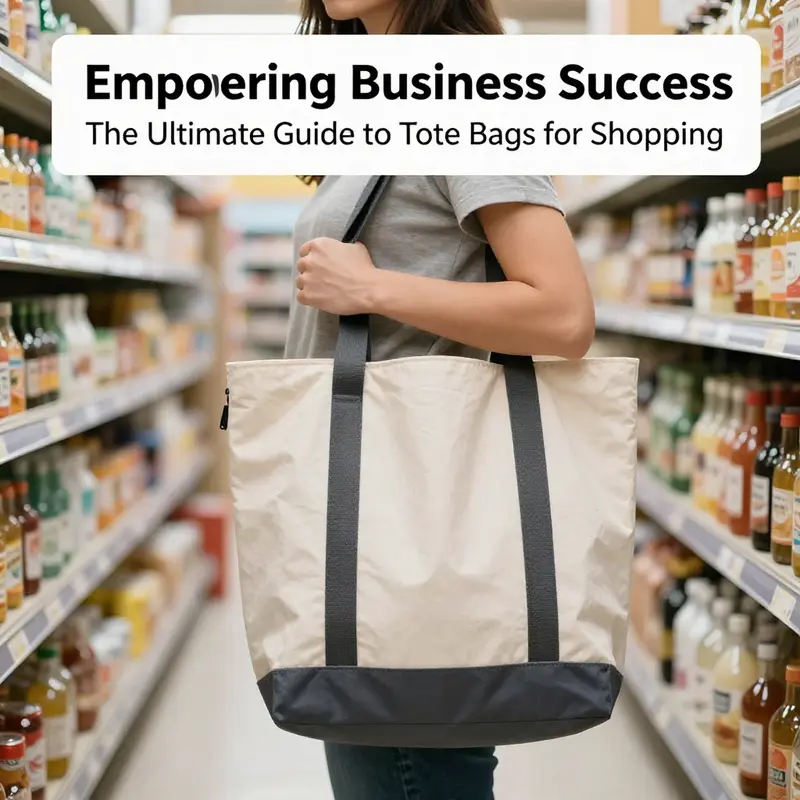
Comfort is more than a feeling when you head out with a tote bag for shopping. It translates into how smoothly a trip to the market unfolds, how much you can carry without shoulder ache, and how quickly you can recover after a long stretch of errands. The tote bag, with its open, generous shape, offers enormous potential for practicality, but that promise only pays off when comfort is built into its essential design. The very first decision—how much weight you expect to lug and how far you will walk—sets the tone for everything that follows. A bag that feels light and natural at the counter can become a fatigue-inducing chore after a few blocks, while a thoughtfully chosen tote can become a trusted companion, making heavy loads feel almost effortless. In this sense, comfort is not a luxury; it is a functional necessity that shapes your daily routines as surely as the bag’s capacity and durability do.
Size matters, but the right size is a balance, not a statement. A tote that is too large can become unwieldy, inviting overpacking and sloppy weight distribution. It can sag under the weight of groceries or bulk when the fabric has too little structure. Conversely, a bag that is too small will force you to leave items behind or squeeze perishables into tight spaces. The challenge is to match capacity to your typical load while preserving ease of carrying. The idea that size should only mirror trends is a trap, as Lena Patel, an accessory designer and lifestyle consultant, emphasizes: choosing the right bag size isn’t about fashion trends—it’s about solving real-life logistics. In practice, this means thinking through what you actually carry day to day and adjusting for variable trips. For urban errands that include a laptop, lunch, a jacket, and a few groceries, a tote around the middle range can strike the right balance between space and manageability. If you routinely fill a tote to the point of feeling like a duffel, the bag’s handling will suffer, and the load will begin to press heavier on the shoulders. In such cases, it may be worth considering a slightly larger option only if it also incorporates reinforced straps and better weight distribution—features that invite a calmer, more controlled carry.
The weight you carry is not merely a matter of the goods themselves but also of the bag’s own mass and its structural decisions. A tote that feels featherlight when empty may still become burdensome if its construction relies on flimsy seams or a soft, collapsible fabric with little rigidity. Conversely, a bag that has a firm base and well-stitched panels can maintain its shape even as the contents shift, reducing the effort required to reposition items and keeping pockets accessible. The material you choose plays a pivotal role here. Durable, lightweight materials like nylon emerge in discussions of practical shopping totes because they resist moisture and retain structure without adding excessive bulk. A 2025 guide on black tote bags highlights nylon’s advantages—its lightness, water resistance, and resilience. This combination supports frequent use in unpredictable weather and busy days, when the bag may be loaded with everything from a laptop to a bottle of dairy or frozen goods. The right material works in concert with shape: a structured design holds form under load, making it easier to see inside, retrieve items, and keep supplies separate.
Comfort also flows from how the bag sits on your body. The handles and straps are not mere accessories; they are the primary channels through which weight moves from your body to the bag. Padded handles can soften the contact points on your hands and forearms, especially when you carry heavier loads. Adjustable or crossbody straps distribute weight more evenly across both shoulders, reducing the risk of one-sided strain. The necessity of careful distribution becomes clear when you consider the common guideline that discomfort tends to appear when loads exceed roughly ten to fifteen pounds for extended periods. This rule of thumb is not a rigid boundary but a practical cue. If your shopping trips routinely push beyond that range, look for features that help spread weight more evenly: reinforced stitching, multiple carry options, and strap configurations that maintain balance even as you maneuver crowded aisles.
What about the bag’s interior and features? Comfort grows with thoughtful design that supports organization, easy access, and protection for sensitive items. Extra padding around the strap attachment points or on the top edges can prevent digging into the shoulders when the tote is heavy. Adjustable crossbody straps are particularly valuable for longer walks or transit corridors, where a secure, side-to-side distribution reduces fatigue and keeps hands free for steering a cart or juggling packages. In addition to strap design, a bag’s interior layout matters. A well-organized interior with separate compartments minimizes the need to rummage and reposition items. When you can locate a water bottle, a lunchbox, or a pocketknife without unstacking everything, you waste less energy and time. A reinforced bottom is another comfort feature worth prioritizing; it helps the bag maintain its shape and prevents sagging, which in turn reduces the need to constantly re-adjust items that migrate toward the opening.
Perishables add another dimension to comfort. A tote that can handle dairy, meat, or frozen goods without compromising integrity is not just practical; it is a confidence booster for shoppers who rely on groceries from nearby markets. A built-in insulated compartment or a removable insulated liner transforms a standard canvas tote into a versatile mini cooler, ensuring that perishables stay at their intended temperatures for longer. This kind of feature protects comfort by reducing the mental load—the worry that cold items will spoil or that you’ll need to juggle bags on the way home. The idea of insulation also intersects with everyday weather, because a water-resistant outer material can keep contents dry during unexpected showers, preventing items from overheating or getting damp. Comfort, in this sense, is about creating a stable environment for your groceries and belongings, so you can Focus on your day rather than on managing the bag.
From a testing perspective, comfort is best evaluated by real-world trials. The practical method is straightforward: load the bag with items representative of your regular shopping and observe how it feels. Do you feel strain after a mile or two? Do the straps stay in place, or do they slip and dig into your shoulders? Are pockets accessible without having to dump the bag on the curb? The point of this exercise is not to chase a flawless prototype but to identify the specific points of friction and address them before purchase. A simple at-home test can include packing a laptop or a heavy water bottle to simulate common loads. This exercise often reveals whether the bag’s stitching holds up, whether the handles are adequately reinforced, and whether the weight distribution remains comfortable as you walk, bend, or reach for items. The goal is not to exaggerate comfort with a bag designed for elegance alone; it is to confirm that the bag remains ergonomic across a range of conditions you are likely to encounter.
In modern tote designs, a blend of form and function has become the standard rather than the exception. A foldable, lightweight tote is especially appealing for those who want a flexible option for days when an extra bag might be needed, or when you want something compact to slip into a larger backpack or purse. Yet even foldable totes can compromise comfort if their materials are too flimsy or if their seams aren’t reinforced. The best choosing experience balances convenience with durability: the bag folds away neatly when not in use, but remains sturdy enough to carry groceries without collapsing or tearing at the seams. When choosing, consider whether you will need to compromise on softness for rigidity, or vice versa. Some people prefer a bag that feels cushioned against the skin, while others prioritize a crisp, structured silhouette that keeps items contained and accessible. Either way, the decision should rest on how the bag lives in your daily routine rather than on an isolated moment in a showroom.
Another practical dimension of comfort is the bag’s ability to minimize effort in daily routines. A tote with a longer strap that rests on the shoulder can be convenient for quick trips, but it may cause strain if the bag is heavy or if you walk extended distances. A shorter handle configuration might be more comfortable for longer carries, especially if the weight remains balanced. For heavier loads, a crossbody design that spreads weight across the torso can dramatically reduce fatigue. This consideration becomes particularly important for shoppers who walk from transit stops, stroll through busy streets, or carry a laptop and lunch as part of their day.
In the end, comfort is a holistic concept. It emerges from the synergy of size, weight, materials, and design that work together to create a bag that feels natural to carry. A bag that fits your load, distributes weight evenly, and resists weather and wear will not only reduce physical strain but also encourage more frequent reuse. The sustainability benefits of reusable totes rely on the consistency of their use; that consistency is more likely when the bag is comfortable enough to integrate into daily life as a routine rather than a chore. When you choose a tote that aligns with your typical shopping patterns, you are less likely to abandon it for a more convenient option. Your tote becomes a predictable, reliable partner—one that supports both your health and your environmental goals.
If size feels like the knob you need to turn, consider starting from a middle ground. A mid-sized tote can offer ample interior space while maintaining a manageable silhouette, reducing the risk of overpacking and strain. For more insight into how size choices can influence comfort, you can explore practical guidance about a Medium-size tote. This approach helps you balance capacity with practical handling, ensuring that the bag remains friendly to your shoulders, spine, and daily rhythms. Medium-size tote offers a useful reference point for testing hypotheses about what “just right” means in your life. As you refine your choice, keep in mind that comfort is not a static standard but a living metric that evolves with your routines and environments.
As you approach the decision-making process, it’s useful to remember that comfort also intertwines with maintenance. A bag that is easy to clean and quick to dry reduces the burden of upkeep, which in turn preserves the feel of comfort over time. Materials that resist staining and offer machine-washable options can extend the life of a tote, making it easier to keep clean after spills or muddy walks. Reinforced stitching and durable hardware contribute to longevity, lessening the sense of fragility that can create anxiety about overloading the bag on a busy day. When a tote maintains its shape and integrity under stress, it becomes a more intuitive extension of your body, enabling you to focus on the task at hand rather than on the bag’s performance.
Ultimately, the comfort of a tote bag for shopping emerges from the careful alignment of multiple factors: size that matches your typical load, materials that provide structure without unnecessary weight, and a design that distributes weight, protects contents, and supports easy access. The right balance makes shopping less about battle with a heavy, ill-fitting container and more about a smooth, confident experience that allows you to move through your day with ease. In this way, comfort is a practical investment in sustainability, health, and efficiency—a small but meaningful way to turn routine errands into a more comfortable and enjoyable part of life. If you’re curious about further practical tips and broader context on tote bag design and selection, a trusted outdoor and gear resource continues to be a reliable companion for expanding knowledge and options in this space. For additional guidance, see REI’s gear guide. REI’s gear guide.
Style Meets Purpose: The 2026 Tote Trends That Transform Shopping Runs
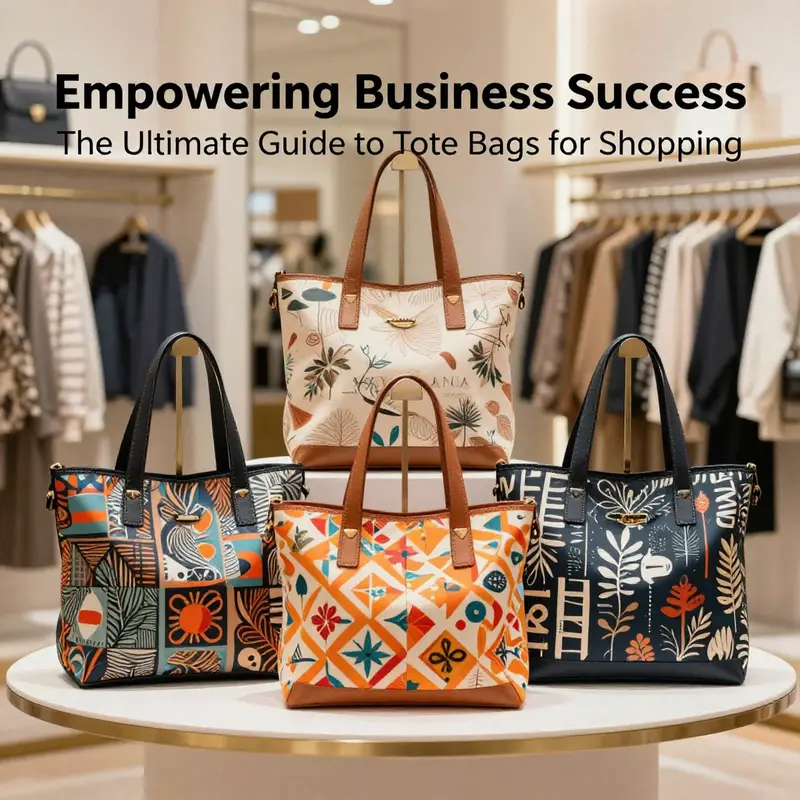
Style Meets Purpose
The tote bag for shopping has evolved beyond a simple carrier. This chapter explores how current trends fuse design, utility, and values. You will see why oversized silhouettes, structured bases, and personal touches dominate the market. These shifts reflect how people shop, move, and express themselves while carrying essentials.
Oversized totes lead the conversation because they answer a practical need elegantly. People want a single bag that holds groceries, gym gear, and a laptop. Designers respond with roomy interiors, reinforced seams, and refined shapes. The key is balance: a large main compartment without a sloppy look. This is achieved with sturdier fabrics, subtle shaping at the top, and integrated interior pockets. Oversized styles remain versatile. They move from market stalls to office floors without feeling out of place.
Alongside size, structure is a pivotal trend. The stand-up tote, featuring a rigid or semi-rigid flat bottom, changes the shopping routine. It keeps bottles upright and pouches visible. No more fishing for a receipt under a pile of produce. The upright base also enables purposeful compartmentalization. Shoppers can organize perishables, valuables, and bulky items separately. This structural upgrade makes the tote a more reliable tool for back-to-back errands.
Sustainability has shaped both materials and messaging. Recycled canvases, organic cotton blends, and regenerated nylon are now common. Many makers invest in higher-quality recycled fibers to ensure durability. Durability matters; a long-lived tote reduces waste more than a trendy throwaway option. Buyers look for visible signs of quality—tight stitching at stress points, doubled handles, and sealed bottoms. Certifications and transparent sourcing stories build trust, turning a simple bag into an ethical purchase.
Personalization continues to flourish. Subtle embroidery, printed lines of text, and artisanal patches let owners signal taste and memory. These touches function like private markers, enabling wearers to keep sentimental phrases or minimal artwork on everyday carry. Consumers increasingly treat a tote as an accessory that communicates values. Whether it holds a weekend market haul or a work notebook, a personalized tote delivers both function and identity.
Horizontal silhouettes also remain fashionable. The East-West tote, with its wide, low profile, fits tablet computers and dining trays with equal ease. It presents a modern, urban silhouette that complements tailored coats and casual denim. Designers refine this shape with narrow side gussets and secure top closures, keeping the profile slim while maintaining capacity. The result feels chic and capable.
Texture and artisan details add another expressive layer. Fringed edges, raw-leather accents, and hand-stitched trims bring craft-forward charisma to many collections. These elements nod to bohemian sensibilities, but refined execution keeps them current. Shoppers seek tactile contrast: a coarse recycled canvas with smooth vegan leather straps, or an organic weave accented by sleek metal hardware. These mixes push tote bags beyond basic function into statement territory.
Function-first features grow more thoughtful. Built-in insulated pockets let shoppers carry chilled groceries home safely. Water-resistant linings protect interiors from spills and damp produce. Removable liners transform the tote for picnic use, beach days, or frozen runs. These modular features extend the tote’s usefulness across seasons and activities. Consumers value this flexibility because it reduces the need for multiple specialized bags.
Comfort and ergonomics receive renewed focus. Long shoulder straps excel for light loads, but they can dig in when the tote is heavy. Adjustable straps, shorter carrying handles, and optional crossbody attachments help distribute weight. Wider strap designs lower pressure on the shoulder. Attention to handle placement—close to the bag’s center of gravity—reduces swinging and improves stability. Simple tests at home, like loading a tote with predictable weights, reveal how ergonomic a design truly is.
Practical organization remains a differentiator. Multi-pocket interiors, zippered compartments, and detachable pouches give the tote clarity. Many shoppers prefer a clear internal map: a secure pocket for keys and phone, a padded sleeve for a laptop, and a water bottle pocket that stands upright. Brands integrate hidden compartments to protect cards and small items. These choices make the tote a reliable daily companion rather than an unpredictable catchall.
Foldable designs retain a place for spontaneous shopping. Lightweight, packable totes that collapse into compact pouches still enjoy wide appeal. They act as backups—a sustainable substitute for single-use bags. Their revival hinges on improved materials that avoid the cheap feel of earlier models. Now, packable totes often feature sturdier fabrics and reinforced stitching, making them a credible everyday option, not just an emergency spare.
Aesthetic minimalism sits alongside more expressive options. Neutral palettes and tonal textures suit those seeking longevity in style. Conversely, expressive prints, cultural references, and lyric-inspired embroidery attract buyers who want storytelling in their accessories. The trend is not one-sided; shoppers choose a tote that aligns with a personal visual language. This diversity ensures a functional bag can still be an important style element.
Technology and protection are quietly integrated. Padded compartments protect electronics, and RFID-blocking pockets guard cards. Water-resistant coatings and anti-microbial linings address hygiene concerns. These upgrades are subtle but valuable. They let a shopping tote do more than carry items. It also safeguards them.
Maintenance and longevity influence purchase decisions. Machine-washable fabrics, replaceable straps, and repairable hardware extend a tote’s life. Many consumers now prefer pieces designed for repair and reuse. This mindset reduces waste and adds emotional value. A well-maintained tote grows more meaningful with time.
Market dynamics show a blend of small-batch makers and broader production. Limited-run designs prioritize artisanal details and customization. Larger runs focus on price-conscious shoppers who demand consistent quality. The live market reflects both values: craftsmanship for those who want uniqueness, and durability for those who want everyday reliability.
Styling tips help the tote transition across settings. For errands, choose a roomy tote with external pockets for quick access. For office commute, pick a structured base and a padded sleeve for a laptop. For weekend trips, select one with an insulated liner and detachable pouches. A single well-chosen tote can serve multiple roles if features match the primary use.
Online shopping for totes requires careful scrutiny. Without physical inspection, buyers must depend on detailed descriptions and reviews. Look for mentions of reinforced corners, the weight of fabric, and how handles are attached. Photographs showing the interior and the bag standing upright tell a lot about structure and capacity. Trusted descriptions include fabric weights, thread counts, and washing instructions.
Resale and circular practices are gaining traction. Some owners trade or resell gently used totes, extending their lifecycle. Others participate in repair programs or send unusable pieces back for recycling. These practices reward buyers who prefer long-term value over quick trends.
The overall trend landscape for 2026 favors tote bags that are durable, sustainable, and expressive. They blend utility with design, delivering bags that work hard and reflect personal taste. As these trends converge, the shopping tote becomes an essential, considered purchase.
For shoppers wanting to explore sturdy, eco-conscious fabric options, check out a focused resource on women’s canvas tote bags.
Further reading on a popular structured design trend can be found here: https://www.alibaba.com/product-detail/Stand-Up-Tote-Bag-Stylish-Sustainable-Durable-2025-Must-Have_1600397481475.html
Final thoughts
In conclusion, tote bags are much more than mere shopping aids; they are dynamic assets that businesses can leverage for sustainability, customer comfort, and brand identity. By choosing eco-friendly materials, practical designs, and stylish aesthetics, business owners can create a shopping experience that resonates deeply with consumers. As shoppers become more conscious of their purchasing choices, aligning your brand with sustainable and functional solutions like tote bags not only enhances your market presence but also fosters a loyal customer base that values your commitment to both style and environmental responsibility.