
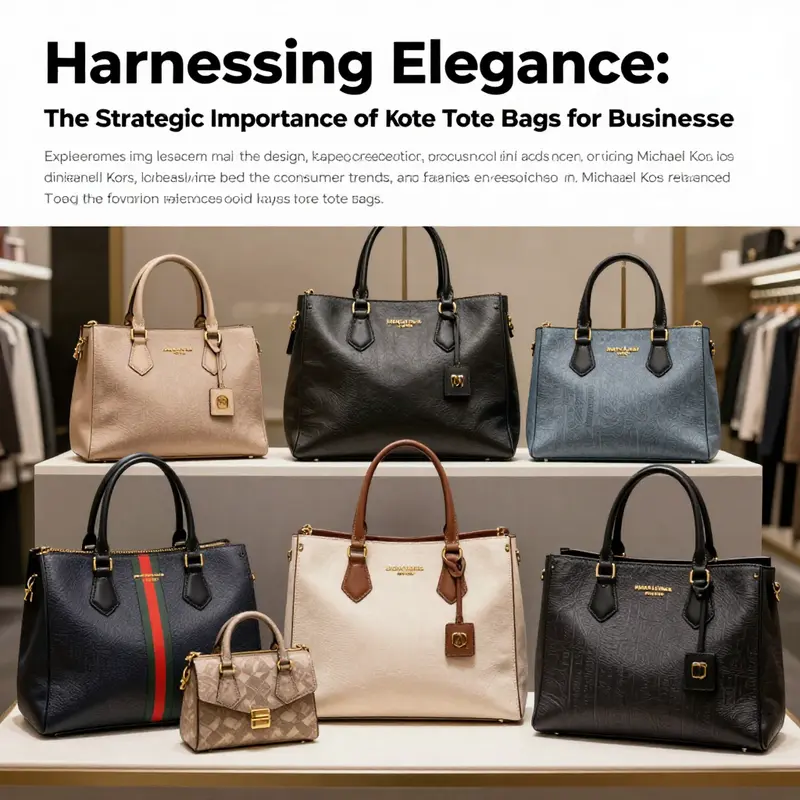
The Michael Kors brand epitomizes luxury and creativity in the world of fashion, particularly through its range of tote bags. For business owners looking to align their brand with quality and style, understanding the nuances of Michael Kors tote bags becomes paramount. This article delves into the intricacies of design innovations, the strategic pricing structure, evolving consumer trends, and the indispensable role these totes play in modern fashion. Each chapter aims to inform business owners on how leveraging these insights can enhance their market presence and customer engagement.
How Michael Kors Reimagines the Tote: Practical Luxury in Every Detail
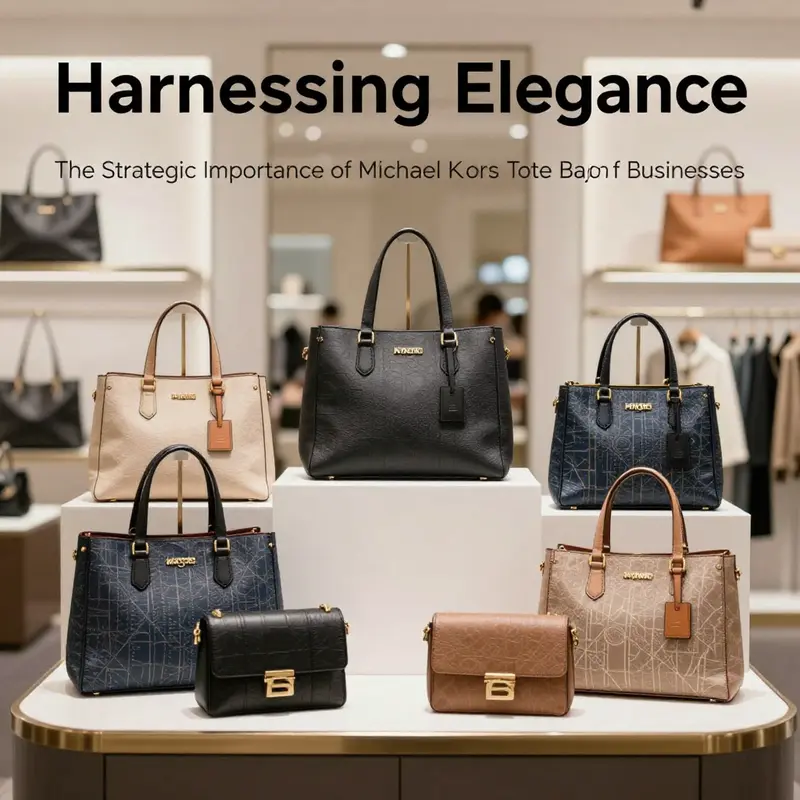
Design that serves and surprises. Michael Kors tote bags have evolved beyond simple carriers. They are compact systems of utility, material science, and subtle styling. Each design choice supports a lifestyle that demands both ease and polish. The result is a tote that reads as intentionally elegant while working quietly hard every day.
The brand treats the tote as a small architecture project. Lines are drawn to keep the bag structured under load. Angled seams and reinforced corners preserve shape and silhouette. These decisions keep packing efficient and predictable. A structured tote resists sagging and houses items where you expect them. That predictability makes the bag feel smarter, and also more trustworthy when commuting or traveling.
Versatility sits at the center of the design language. Fixed handles are paired with adjustable, removable straps. That simple combination converts a hand-held piece into a shoulder bag or a crossbody. The conversion is quick and secure, so the bag adapts to changing needs during the day. A professional meeting, a quick errand, or a long transit moment require different carry styles. This modular carry philosophy keeps a single bag useful across occasions.
Internal layout receives the same careful attention as the exterior. Designers avoid a single cavernous compartment. Instead, they craft a layered interior with zip pockets, slip pockets, and secure closures. A dedicated, zippered compartment protects valuables. Slip pockets hold phones and cards within reach. A perimeter pocket keeps travel documents convenient. These thoughtful pockets prevent the all-too-common bottom-of-the-bag search. They create visual order and reduce daily friction.
Security and access are balanced. Magnetic snaps, internal zippers, and discreet flap closures all appear, depending on the silhouette. The choices favor quick reach while preserving safety. For example, a central zip closure keeps contents contained on transit. A top snap maintains a neat profile for shorter errands. These small variations let users prioritize mobility, privacy, or aesthetics without sacrificing build quality.
Materials play a defining role. A signature coated leather with a fine cross-hatch texture offers a luxury look and marked resilience. The coating repels scratches and soft moisture. It also resists scuffs from handles and hardware. For warmer seasons, woven constructions with water-resistant finishes appear. These blends provide breathability, reduce weight, and shrug off light rain. The material palette expands further with fabric-lined interiors and leather-trim accents. Each choice is pragmatic, chosen to lengthen the bag’s usable life.
Hardware and finishing are deliberately restrained. Polished accents and compact logo treatments keep focus on proportions rather than branding. Metal feet on the base extend longevity when the bag rests on urban surfaces. Reinforced stitching and riveted stress points protect common wear areas. The result is a product that reads as discreetly premium, not ostentatiously branded. This approach aligns with a modern, restrained aesthetic that values quiet refinement.
Comfort is rarely an afterthought. Shoulder straps are shaped to distribute weight. Handles are designed with rounded edges that reduce shoulder and hand strain. Interior linings use soft, durable fabrics that cushion delicate items. The bag’s balance is tuned so it sits well whether empty or half-full. Ergonomic details like these make the difference between a chic accessory and a daily essential.
Portability and storage are considered together. Foldable panels and lightweight liners allow certain styles to compress for travel. Hidden loops and internal clips keep straps tidy when stowed. At the same time, reinforced bases mean the bag can hold heavier loads without collapsing. These opposing demands—collapsibility and structure—are addressed with careful engineering. The outcome is a tote that packs into a suitcase but behaves like a robust daily bag when deployed.
Color and finish choices are carefully curated. Neutral palettes dominate, with seasonal pops for those seeking contrast. Textural contrasts—matte leathers against glossy hardware, woven panels against smooth trim—create depth. These subtle variations sustain visual interest without overwhelming the wearer’s outfit. The brand’s color strategy preserves versatility and allows each tote to pair seamlessly with a wardrobe.
Sustainability appears in incremental ways across recent collections. Water-resistant finishes reduce frequent cleaning needs. Selected lines use natural fibers treated for durability. Repairable hardware and replaceable straps extend usable life. While not every tote claims full eco-transparency, the shifts toward longer-lasting materials and modular components reduce waste. These small improvements align the product with more conscious consumption patterns.
The user experience extends to thoughtful extras. Removable pouches and matching accessories often attach internally. These modular add-ons serve as mini organizers. Their presence elevates the single-bag solution into a multi-function system. A travel sleeve, for example, can fit a tablet and slip into the main compartment. A detachable coin pouch keeps cash within reach. These extras are modest but meaningful.
Production quality remains consistent. Edge paint, seam alignment, and zipper action receive careful inspection. These details affect how a bag feels in hand and how it stands up to use. A smoothly gliding zipper, a seam that remains true under tension, and evenly applied edge finishing all signal attention to craft. The combination of practical features and reliable manufacturing turns a tote into an heirloom of daily life.
Designers also anticipate technology. Compartments sized for laptops and tablets appear across multiple silhouettes. Padding is built into specific pockets to protect devices from knocks. Cable pass-throughs and easy-access pockets make charging and reaching gadgets effortless. These small accommodations ensure that the tote remains relevant for modern routines where devices are essential.
Finally, the brand’s approach to the tote balances trend sensitivity with timelessness. Silhouettes reflect contemporary lines without chasing fleeting fads. This restraint allows a single bag to feel at home across seasons and wardrobes. The design playbook leans into utility that looks considered and refined. The tote becomes not only an accessory but an extension of the user’s practical style.
For readers seeking a practical primer on how these design strategies manifest, consult this guide: michael-kors-tote-bag. It offers a focused look at styles, dimensions, and finishes that embody these innovations.
For additional reference on the brand’s current tote collection and specific product specifications, see the official collection here: https://www.michaelkors.com/en-us/women/bags/tote-bags.html
Price, Promise, and Purpose: Unpacking the Value of Michael Kors Totes in a Premium Landscape
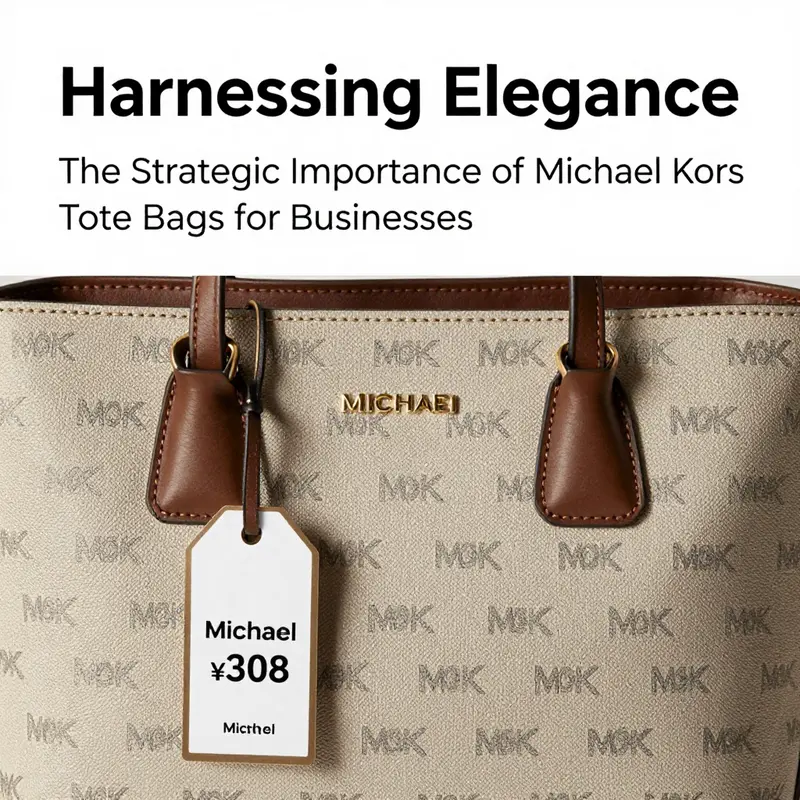
Totes from a global luxury lifestyle house have a way of telling a story beyond their stitching and hardware. They signal not just what you carry, but how you carry it—in the world of Michael Kors totes, price and value are interwoven with design philosophy, materials, and the shopping experience offered through official channels. This chapter looks closely at how the pricing structure works in a key market and why the bags earn their place in daily life for a broad set of users. It uses the brand’s official China online boutique as a case study, where a clear, predictable pattern for pricing and product presentation helps shoppers navigate a premium segment that emphasizes both style and practicality. At the heart of the discussion is the idea that value, in this space, is not simply a number on a tag; it is a bundle that includes craftsmanship, durable materials, functional design, and a trusted source that stands behind authenticity and post-purchase support.
The heart of the pricing conversation begins with the way the platform presents the price to the shopper. The term unmarked price operates as the current sale price visible on the device or screen when browsing the selection. It is the price that customers see first, the number they weigh against their own sense of value and budget. In the examples drawn from the official China store, the Dome large striped colorblock tote is listed at a price that signals premium positioning, while the Mercer large accordion tote sits at a slightly lower, yet still premium, level. The marketplace is designed to show a consistent price architecture across styles, underscoring the brand’s promise of quality and style without constant, disruptive price swings that can erode trust in an authentic luxury experience. The unmarked price is important because it anchors the perceived value of the bag—consumers compare it to a sense of what the item should cost given its materials, construction, and brand heritage. Yet in the background, the price is not fixed in stone. Promotions, time-limited discounts, coupon usage, and even gift card redemption can nudge the final checkout figure lower than the published tag. The system is deliberately flexible because it reflects the real mechanics of fashion retail: demand, inventory, seasonal campaigns, and regional pricing strategies all influence the final price a shopper actually pays.
Alongside the unmarked price, a curious artifact can appear in the listing: a crossed-out price that seems dramatically lower than the current sale figure. In the documented cases, this placeholder reading does not reflect a true original price or a standard MSRP. Instead, it appears to be a display artifact, an artifact of the online cataloging process rather than a meaningful reference for buyers. The presence of such artifacts can be a moment for shoppers to pause, recalibrate, and focus on actual value—what the bag offers in terms of capacity, durability, and everyday usefulness—rather than chasing a number that may not align with reality. It is a reminder that the “price” in fashion retail lives in two places: the tag in the store and the moment of purchase, when promotions and loyalty benefits can alter the final sum.
Value in this context is a composite of several factors. The Dome large striped colorblock tote epitomizes a contemporary fashion narrative with its bold color blocking and a generous interior footprint. Measuring approximately 40 centimeters in length, 14 centimeters in width, and 37 centimeters in height, the Dome is designed as a practical daily carrier that can accompany work routines, commutes, and short trips. The interior is organized to support diverse needs: a zippered inner pocket, multiple slip pockets, and a security flap. The combination of a detachable shoulder strap and a sturdy top handle provides versatility in how the bag is carried, enabling hands-free convenience without sacrificing a secure, confident grip. Material choices lean toward leather-look synthetic leather, which balances the premium look with a level of maintenance that many busy buyers appreciate. The gold-tone logo hardware adds a refined accent without leaning into ostentation, allowing the bag to pair with both professional attire and casual weekend outfits. The brand’s storytelling through this silhouette centers on how fashion can be useful, not merely decorative, and its measured approach to detailing reinforces the idea that a premium price point can be justified by a coherent experience of use, longevity, and timeless style.
The Mercer large accordion tote offers a slightly different proposition in the same family of products. With its dimensions around 32 centimeters in length, 14 centimeters in width, and 26 centimeters in height, the Mercer is a more compact option that emphasizes organization and daily practicality. The accordion construction yields a flexible interior that remains organized despite a busy schedule, enabling easy access to essentials like a phone, wallet, and keys. The main compartment is secured by a reliable zipper, and the interior layout includes thoughtful pockets designed to streamline routine errands or transit. The Mercer stands out in its material narrative: it uses genuine cowhide or leather split, delivering a tactile sense of quality and a natural patina as the bag ages. The contrast between the Dome’s leather-look synthetic and the Mercer’s genuine leather variants highlights the brand’s strategic use of material language to signal different little stories within the same family: one bag leaning toward a fashion-forward silhouette with a contemporary finish, the other toward classic, tactile luxury that invites touch and touch again. The result is a portfolio that speaks to diverse consumer preferences while remaining anchored in the same overarching promise of style, durability, and everyday functionality.
Beyond materials and dimensions, the design philosophy behind these totes reinforces the value proposition. Michael Kors, even within a luxury–accessible category, aims to craft bags that bridge fashion and function. The Dome’s generous interior space makes it a practical travel companion or everyday office bag, with multiple compartments designed to prevent clutter from eroding the user experience. The Mercer’s organization-centric approach responds to the need for a tidy, efficient carry, especially for those who juggle devices, wallets, and personal items in a structured way. The design language—clean lines, minimal hardware, and balanced proportions—ensures that both bags can transition smoothly between different settings, from boardrooms to casual evenings. This versatility strengthens the sense of value because the same item can fulfill multiple roles, reducing the need for a separate specialized bag for each scenario. The brand’s emphasis on quality hardware, secure closures, and attention to stitching details further supports the premium nature of the purchase, translating the price into confidence that the bag will endure daily use and maintain its look over time.
That confidence is reinforced by the official store channel itself. Purchasing from the brand’s own online boutique in a given market provides a level of assurance that the bag is authentic and backed by the brand’s service ecosystem. Consumers know that the product originates from an authorized source, and that returns, exchanges, and warranty considerations are aligned with brand standards. In practice, this translates into a more predictable and less risky shopping experience. The price, therefore, is not only a reflection of raw materials and construction but also of the security of the shopping experience, the availability of customer support, and the guarantee of genuine product quality. In a market where counterfeit concerns and variability in cross-border pricing can complicate decisions, the official store offers a degree of clarity that many buyers value highly. The price then becomes part of a broader narrative: you are paying for a curated experience that promises consistent quality, post-purchase support, and a product designed to withstand the rigors of daily life while remaining stylish across seasons.
The shopping experience itself is designed to help shoppers find what they need without being overwhelmed by options. The official store presents a clear filtering system that helps consumers compare different silhouettes, materials, and sizes, aligning product features with personal use cases. The integrations of price, dimensions, and material details in a single view are not merely informative; they empower decision-making. This facet of the experience is exceptionally relevant for a category where perception of value can hinge on how well a product fits one’s lifestyle rather than on abstract luxury symbolism alone. The Dome and Mercer exemplify how Michael Kors translates a luxury badge into practical tools for everyday life, making the cost feel well spent for many buyers who seek to balance aesthetics with functional needs.
For readers who want to explore the broader family of totes in this brand lineage, a compact overview is available in the MK tote bags collection. The collection page brings together the range of styles, including colorways, sizes, and finishes, showing how each bag aligns with the same core values while inviting personal interpretation. This reference helps situate the Dome and Mercer within a wider design language and demonstrates how small decisions—such as color-blocking versus refined leather finishes—can shift the perceived value for different customers. When readers approach pricing with this context, they may see discounts or promotions not as isolated hacks but as part of an ongoing conversation about style, utility, and long-term wearability. The price thus becomes a doorway into a longer, more nuanced relationship with a brand that seeks to combine luxury with practical everyday use, rather than a single, isolated purchase experience.
From a retailer’s perspective, the value proposition of Michael Kors totes is reinforced by the compatibility of pricing with the post-purchase journey. The brand’s official channels tend to emphasize authenticity and durability, offering reassurance that the investment supports not only a fashionable silhouette but also reliable customer care. That mix of perceived prestige and tangible utility is a key driver of customer satisfaction, which in turn informs repeat purchases and word-of-mouth recommendations. While the numerical price acts as a gatekeeper, the larger narrative—built around design integrity, material durability, and practical features—helps explain why many buyers are willing to pay a premium. The Dome’s bold silhouette may attract a shopper drawn to fashion-forward statements, while the Mercer can captivate someone who values organized practicality and a classic leather aesthetic. In both cases, the final price is less about the sticker and more about the total experience: the moment of purchase, the feel of the material in hand, the reliability of the zipper, and the bag’s ability to adapt over time to evolving needs.
For readers who want to see market dynamics in action, a practical takeaway is to view price as a reflection of the entire product experience. Promotions and loyalty programs can influence the final amount, but they do not erase the underlying quality signals that the brand uses to communicate value. The Dome and Mercer illustrate how a consistent design language can deliver variety within a cohesive collection, giving customers the option to select a tote that aligns with their daily rhythm while still carrying the brand’s promise of premium build and reliable performance. In short, the value of a Michael Kors tote is not a single metric; it is a synthesis of price clarity, product durability, stylistic versatility, and the assurance that comes from buying through an official channel that upholds the brand’s standards.
External resources can provide additional perspective on pricing practices, regional offerings, and the ongoing evolution of product lines in different markets. For readers seeking the most current pricing and availability, the official Michael Kors China website remains a reliable touchpoint for up-to-date information. External resource: https://www.michaelkors.cn
Why Shoppers Still Choose the Michael Kors Tote: Patterns in Preference, Price, and Practicality
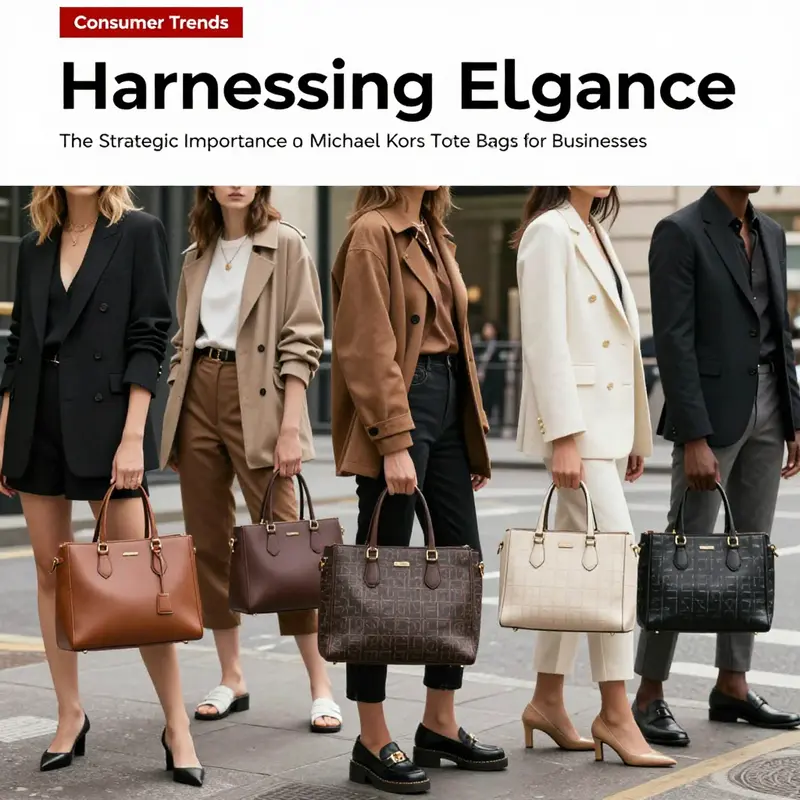
Why certain tote silhouettes endure comes down to a mix of visual cues, practical design, and shifting consumer values. Across markets, shoppers gravitate toward bags that signal brand identity without complicating daily life. They want pieces that read as timeless but behave like modern tools—spacious, adaptable, and reassuringly well-made. Observing purchase patterns for a leading contemporary luxury label reveals consistent themes: an appetite for signature aesthetics, a demand for multifunctional features, a rising interest in accessible luxury, and a countervailing willingness to pay more for upgraded materials and details.
There is a persistent hunger for designs that read as classic. Consumers favor silhouettes that balance familiar cues with clean lines. The appeal is not merely nostalgia. It is about predictability: neutral colors, a clear logo emphasis, and restrained ornamentation make a tote a reliable partner for work, travel, and everyday life. When a bag’s look suggests longevity, shoppers interpret the purchase as an investment. This perception influences buying behavior far more than fleeting trends. Consequently, styles that maintain a consistent identity year after year continue to perform well. These are the bags people recommend to friends, return to for subsequent purchases, and choose as go-to gifts.
Functionality sits at the center of modern decision-making. Aesthetic appeal alone no longer seals a sale. Consumers evaluate how a tote will handle actual work: can it carry a laptop, a water bottle, or a change of shoes? Does it include compartments for small essentials? Adjustable straps, secure closures, and adaptable carry options consistently emerge as valued features. Buyers look for flexibility that mirrors their daily transitions—from commuting to a midday meeting, to an evening out. A tote that can switch from handheld to shoulder wear, or one that offers an internal zip pocket for valuables, reduces the need for multiple bags. That single-bag solution appeals to a broad demographic, from young professionals to frequent travelers.
Price sensitivity and the quest for attainable luxury shape current market dynamics. Many consumers want the cachet of a designer name without paying top-tier sums. Promotional cycles, seasonal sales, and strategically priced entry-level models have opened doors for new buyers. This accessibility fuels discovery: someone may first buy a mid-range tote and later graduate to a more refined piece. Retailers who present clear price tiers are rewarded with a diverse clientele. For brands, balancing aspirational pricing with accessible options keeps the funnel moving. The appeal of a recognizable label at a moderate price is powerful. It signals membership in a style set while allowing shoppers to practice fiscal prudence.
Simultaneously, there is a discernible premiumization trend. A segment of buyers craves elevated materials and thoughtful hardware. They prioritize leather quality, refined stitching, and subtle brand detailing over conspicuous logos. These shoppers view a tote as a long-term wardrobe asset rather than a seasonal accessory. For them, texture and color depth matter. A well-constructed bag in neutral tones can palpably uplift an outfit. As disposable fashion wanes in appeal, this group shifts toward measured spending that rewards longevity. Retailers respond with limited runs, color-blocked leathers, and accessory enhancements like metal tags or detachable pouches.
Color trends show a pragmatic palette. Neutral and earthy shades dominate buyer lists because they promise versatility. Black, camel, beige, and muted browns endure as favorites. These tones integrate into existing wardrobes seamlessly and feel appropriate in varied settings. At the same time, lighter pastels and soft neutrals gain traction among those seeking a slightly fresher aesthetic. Seasonal editions occasionally introduce bolder hues, but most consistent sellers remain the easy-to-match colors. This conservatism reflects a desire for utility—purchasers want a bag that complements multiple outfits and keeps its utility across seasons.
Sustainability and ethical sourcing influence purchasing choices more than before. Consumers increasingly interrogate materials and production processes. Some seek eco-friendlier alternatives to full-grain leather. Others favor brands that communicate clear commitments to responsible sourcing and reduced waste. While not every buyer demands a fully transparent supply chain, the trend influences brand perception broadly. Labels that provide visible sustainability narratives gain favor among younger buyers and more conscientious shoppers. This pressure nudges mainstream brands to explore alternatives and to offer mid-priced options that align with environmental values.
Digital presentation has reshaped how shoppers evaluate totes. High-resolution imagery, accurate sizing details, and clear filtering tools reduce purchase hesitation. Online stores that provide consistent measurements and in-context photos—showing how a bag looks when carried—help buyers imagine real use. Filters that let shoppers narrow options by capacity, color, and strap style accelerate decision-making. Merchants who invest in clean digital UX see higher conversion rates, particularly among consumers buying luxury pieces online for the first time. The ability to compare models side-by-side cultivates informed customers, and it fosters return visits.
The secondary market reinforces brand desirability. Resale platforms offer a pathway for shoppers to own a coveted tote at lower cost. They also let owners recoup part of their investment, justifying purchase of higher-quality pieces. This circular economy effect encourages thoughtful buying. People feel more comfortable selecting a premium tote knowing it retains resale value. Consequently, classic styles with recognizable branding often command steadier prices on resale markets. The interplay between retail pricing and resale expectations affects how new collections are perceived.
Regional preferences shape what sells where. In some markets, minimalistic leather finishes reign. In others, fabric blends and logo-motif designs find favor. Retailers must tailor assortments to local tastes. For example, compact urban buyers prefer slimmer silhouettes, while travelers look for capacious, durable constructions. Understanding these nuances allows brands to stock regionally relevant inventories and to time promotions effectively. These differences also influence marketing language and imagery, ensuring resonance across diverse customer bases.
Promotions and strategic discounting remain vital levers. Seasonal sales, curated bundles, and targeted offers introduce new customers to the brand. Yet indiscriminate discounting can dilute perceived value. Savvy brands balance promotions with controlled inventory and exclusive drops. Entry-level models may see steeper discounts, while premium leather pieces maintain narrower markdowns. This tiered strategy preserves aspirational appeal while still nurturing new buyers.
Finally, the role of accessories and functionality enhancements cannot be overstated. Small add-ons such as removable pouches, interior laptop sleeves, and convertible straps boost a tote’s usefulness. These extras influence purchase decisions as effectively as color or finish. Shoppers appreciate a bag that evolves with their needs. Brands that design modular components increase the bag’s perceived value without substantially raising base prices. This practical elegance is a recurring theme across consumer feedback.
Taken together, these trends paint a clear picture. Buyers seek balance. They want a bag that is both familiar and functional. They value accessible entry points and aspire to premium finishes. They consider sustainability and digital confidence when choosing where to shop. For brands and retailers, the opportunity lies in delivering clear, layered value: consistent signature design, practical features, transparent storytelling, and a tiered price architecture. By aligning design and commerce with these consumer preferences, a tote becomes more than an accessory. It becomes a trusted daily tool and a quiet marker of style.
For those wanting to dig deeper into model comparisons, ownership guides, and sizing advice, a focused resource on the topic is useful. See this Michael Kors tote bag guide for helpful context and practical tips on choosing the right model: https://alltotebags.com/michael-kors-tote-bag/.
For further exploration of accessible purchasing channels, including wholesale and discounted options referenced in market analyses, consider this external marketplace: https://www.alibaba.com
Carrying Confidence: The Michael Kors Tote as a Modern Fashion Anchor
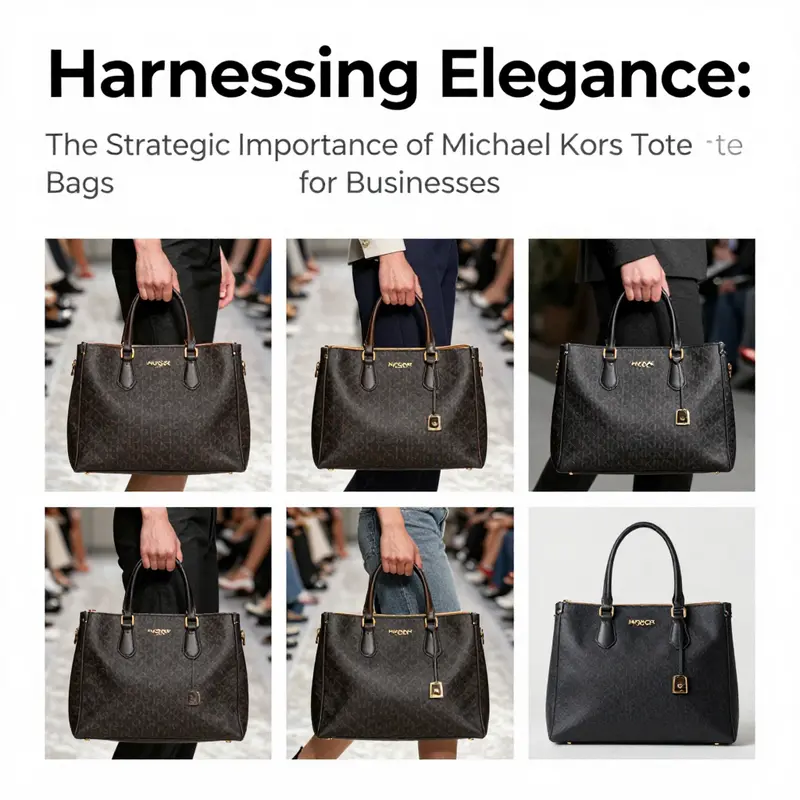
In the rhythm of a city day, a tote is more than a vessel for belongings; it is a companion that shapes how we move, how we present ourselves, and how we feel while navigating street and corridor alike. The Michael Kors tote, within this landscape, functions as a focal point where practicality and polish meet. It is designed to keep pace with a life that blends work, social engagement, and travel, offering a reliable platform for laptops, notebooks, cosmetics, water bottles, and the small moments that carry us through a crowded day. The bag’s presence signals a certain posture: organized, efficient, and ready to invest in the moment rather than merely endure it. In this sense, the tote becomes a microcosm of contemporary fashion where form and function are not opposites but partners in a single statement. The contemporary consumer values gear that can travel from meeting room to coffee shop, from a classroom to a conference, without missing a beat. A Michael Kors tote is crafted to respond to this demand with an understated architecture that does not shout but speaks with quiet confidence. It is not about ostentation; it is about a controlled elegance that remains legible and dependable across a spectrum of contexts. The tote is a constant in an ever-shifting wardrobe, a anchor piece that steadys a look while allowing limitless adaptability in mood and tone as the day evolves. The city, after all, does not bend to fashion’s whim; fashion must bend to the city. The tote helps this negotiation feel seamless and natural because its design respects both the wearer’s needs and the environment in which those needs arise. It is a tool as much as it is a symbol, a deliberately restrained piece that supports a liberated way of moving through daily life. The wearer is not defined by the bag’s name or logo; rather, the bag reinforces a personal standard of readiness—an almost unspoken creed that you can carry everything you need with composure and clarity. The Michael Kors tote embodies this balance, offering a chassis of structure that keeps contents in order, while preserving a sense of ease. The exterior silhouette is intentionally restrained—neat lines, clean edges, and a silhouette that reads as modern without chasing trends. This restraint has its own power, because it allows the user to express individuality through color, texture, and accessories rather than through the bag’s embellishments. In this way, the tote becomes a canvas for personal style rather than a billboard for the brand. The hardware, the stitching, the grain of the leather or the weave of fabric all contribute a shared vocabulary of quality that does not shout but persuades through consistency. It is this consistency that makes the tote a reliable companion across seasons and occasions, a piece that spectators can recognize not by a particular hallmark but by the quiet authority of its proportion and finish. The brand’s design philosophy around totes tends toward clean lines and functional detail. The goal is not to overwhelm but to elevate. A dual top-handle arrangement offers the elegance of hand-carrying, while a detachable, adjustable shoulder strap opens the bag to a second life: the option to wear it crossbody when the pace demands hands-free convenience. Inside, the interior is organized with purpose: zip compartments protect valuables; slip pockets cradle a phone or a passport; and padded sleeves can accommodate a laptop or tablet. These features are more than amenities; they are extensions of a mindset that values preparedness, accessibility, and efficiency. For the modern professional, this interior logic translates into fewer moments of rummaging and more time spent on the tasks that matter. For students, it means a safe harbor for textbooks and devices, with enough scope left for the daily miscellany that accompanies campus life. For travelers, it reduces the friction of transit, enabling a smoother passage through security lines and airports with a neatly arranged kit of essentials. The tote’s dimensional range matters here as well. A well-proportioned bag sits comfortably under an office chair or beside a desk, yet it offers substantial interior room when needed. This is not a bag that sacrifices capacity for appearance; rather, it achieves a careful equilibrium where space and structure reinforce one another. Materials play a decisive role in this equation. Premium leather, canvas, and durable synthetics provide a spectrum of tactile experiences that respond to different climates, use-cases, and personal preferences. Leather options, when chosen with a Saffiano-like texture or a similarly treated finish, resist scratches and scuffs while maintaining a refined surface that catches light in a controlled way. Canvas emphasizes casual versatility, pairing well with both denim and tailored separates. Durable synthetics extend longevity and price accessibility, broadening the tote’s appeal without diluting its sense of quality. The result is a bag that remains credible across years of daily wear, aging with character rather than losing it to fashion’s relentless churn. In the broader design conversation, Michael Kors totes are also defined by how they manage branding. The brand leans toward subtlety—an emphasis on clean typography, restrained logos, and a touch of metallic hardware that signals refinement without excess. This approach makes the tote adaptable to a wide audience: someone who favors a quiet, minimalist aesthetic and someone who enjoys a touch of shimmer in the hardware to catch the eye at the edge of a room. The color palette plays a crucial supporting role here. Seasonal updates refresh the lineup with hues that range from quiet neutrals to bold statements, including variants like cool grays, saturated blues, wine tones, and nude pinks. These colors work as a wardrobe language—offering a neutral base that blends with disciplined tailoring or adding a celebratory note to a more relaxed, street-chic ensemble. The strategic use of color aligns with a broader fashion principle: the tote should be a reliable base that can harmonize with a changing mood, rather than dictating the entire ensemble. These color updates also reflect a broader industry pattern of evolving consumer preferences, where versatility and wearability become as important as novelty. Brand identity remains anchored in the balance between legibility and luxury; the tote is recognized for its shape, its hardware, and its finish as much as for its color. This balance helps it sit comfortably in a crowded field where the choices span a spectrum from athletic-inspired totes to more formal, structured carry-alls. The Michael Kors tote, in this sense, occupies a nuanced middle ground—sophisticated enough for a professional setting while being forgiving enough for weekend errands or travel. This is not accidental. It arises from a deliberate design posture that seeks to accommodate a range of lifestyles without forcing a single narrative on every wearer. The tote’s adaptability reinforces a broader fashion philosophy: a modern wardrobe benefits from foundational pieces that endure rather than fads that perish. The tote becomes a practical core, a dependable backbone for outfits that shift with seasons, occasions, and evolving personal taste. Where some brands chase novelty as their core proposition, this tote concentrates on reliability and a quiet confidence that carries across years. Its value is not only in how it looks on a shelf but how it integrates into daily life. It is the kind of piece that can be layered with other items—sunglasses, a slim cardholder, a compact cosmetic bag, a notebook—without feeling overcrowded. It respects the wearer’s need for organization as well as the desire to streamline the routine. And because it plays nicely with other essentials—shoes, belts, outerwear—the tote becomes part of a cohesive, elevated capsule wardrobe. The result is a look that feels intentional, coherent, and easy to reproduce across different settings. When readers imagine the practicalities of ownership, they see a bag that invites careful usage rather than reckless exploitation. The design language makes it straightforward to care for: clean edges, a soft sheen, minimal hardware maintenance, and a schedule of simple cleanings that preserve texture and color. This is not merely about preserving an object; it is about prolonging a way of living—one that treats daily routines as opportunities for subtle refinement rather than as a churn of compromise. As fashion continues to redefine how individuals present themselves in work and leisure, the tote stands as a quiet advocate for confidence built on preparation, discipline, and taste. The Michael Kors tote then functions not just as a carryall but as a daily instrument that helps translate intention into action. It is the kind of accessory that makes the day’s effort feel seamless, even when the hours pile up and the tasks multiply. Within this narrative, the tote is less a symbol of status and more a tool of poise. It asks for attention only in the moment when you open it, revealing the thoughtful organization within. It asks for patience not in waiting for validation, but in the steady, repetitive motions of placing, stacking, and drawing forth what you need. The carry itself becomes a choreography—hands moving with the bag, the bag responding with a measured ease, a small ritual that marks a day as one you can navigate with calm assurance. For anyone building a practical, stylish, urban life, the Michael Kors tote offers a compelling blueprint: invest in a timeless silhouette, choose materials that align with your climate and lifestyle, and let color serve as a flexible accent rather than a fixed statement. The result is a bag that travels well across settings, seasons, and roles, a versatile anchor in a wardrobe that refuses to be limited by the clock. To explore the breadth of MK tote bags and see how the collection translates these principles into distinctive options, you can view MK tote bags. This reference point highlights how a single design language can accommodate a wide array of needs while preserving a coherent, recognizable vibe across different uses and personalities. For readers seeking broader context on tote bag collections and the evolving practices of luxury brands in this segment, the official tote bags collection offers a comprehensive overview of materials, sizes, and design refinements that continue to shape today’s market. External resource: https://www.michaelkors.com/tote-bags
Final thoughts
Michael Kors tote bags encapsulate the fusion of design, quality, and market strategy that business owners can leverage to enhance brand recognition and consumer loyalty. Understanding the intricacies of these products allows businesses to resonate with customers’ desires for luxury and functionality. By aligning one’s brand with the values represented by Michael Kors, companies can cultivate a sense of exclusivity and style that appeals to a sophisticated customer base. The strategic insights gained from this exploration can significantly influence branding choices and marketing efforts going forward.