
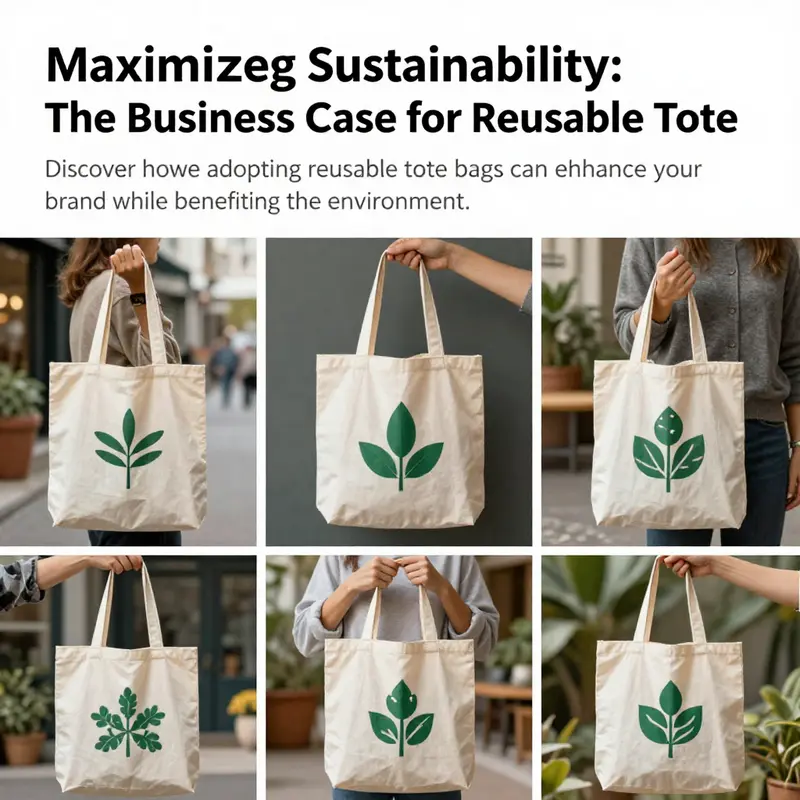
As businesses increasingly confront the challenge of environmental sustainability, reusable tote bags have surfaced as a key element in eco-friendly practices. These bags not only serve as a substitute for single-use plastic but also reflect a brand’s commitment to sustainability. This article explores the environmental impact of reusable tote bags, analyzes their materials, examines consumer behavior, and discusses economic considerations that can reshape business strategies. Understanding these facets can empower business owners to make informed, impactful choices in their operations.
When Reuse Counts: Measuring the True Environmental Cost of Tote Bags
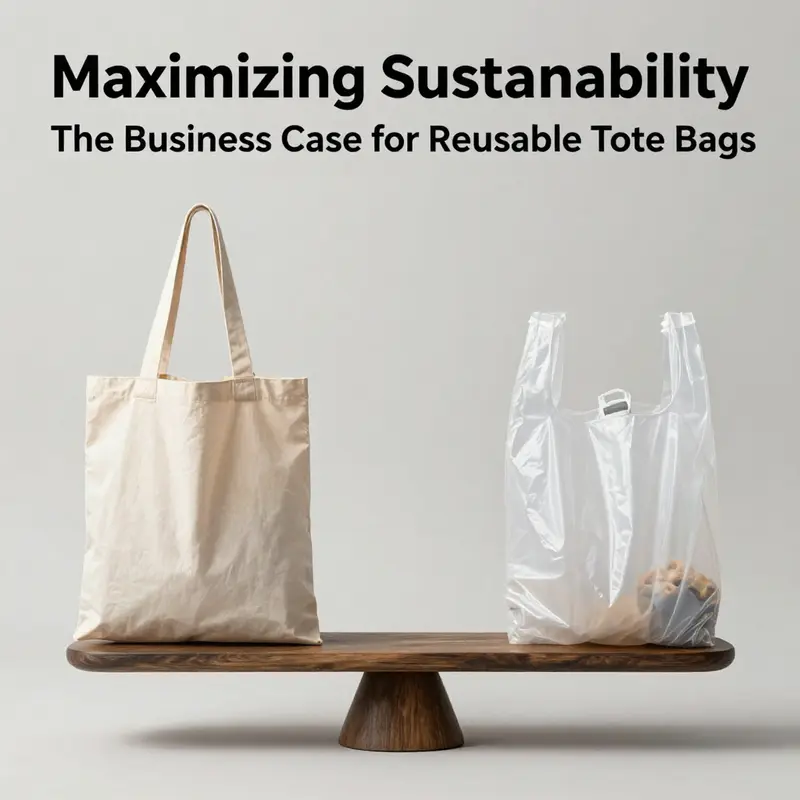
Reusable tote bags are framed as an easy win for the planet. The reality is more nuanced. A tote’s environmental value depends less on its label and more on how many times it carries groceries, laundry, books, or a laptop. That simple fact shifts the conversation from choosing a material to committing to a habit.
To understand why reuse matters, consider the full life cycle of a bag. Raw materials must be grown or extracted. Fibers are spun, fabrics woven, or polymers extruded. Bags are cut, sewn, shipped, stored, and eventually discarded, recycled, or repurposed. Each stage consumes energy, water, and resources. Some materials carry much higher initial costs. Natural fibers like cotton demand large volumes of water and land. Synthetic options such as non-woven polypropylene use fossil-based feedstocks but can be lighter and require less energy to produce. Paper has its own burdens, including deforestation, heavy pulping processes, and water use. The environmental math only balances out when a bag is used often enough to spread that initial cost over many trips.
A rigorous life cycle analysis illuminates these differences. One landmark study examined multiple grocery bag types across a range of environmental indicators. The results were stark. A conventional cotton tote must be used thousands of times to equate to the climate impact of a single-use plastic bag. Less resource-intensive reusable bags break even after far fewer uses. Those thresholds make clear that a bag tucked away after a handful of outings actually results in higher per-use impacts than a single plastic bag.
These findings challenge common assumptions. Cotton often gets high marks because it’s natural and biodegradable. Yet conventional cotton cultivation can consume huge volumes of water. It can also involve substantial emissions from fertilizers, field operations, and processing. A heavy cotton tote may feel like a sturdier choice, but the environmental debt accrued during its production is significant. Conversely, non-woven polypropylene (NWPP) bags are petroleum-based and do not biodegrade. Still, their lighter production footprint means they can become the greener option if reused consistently. Neither material is inherently superior across all metrics; the outcome depends on user behavior.
Paper bags illustrate another trap. They are biodegradable and recyclable, which appeals to many consumers. But the processes that make paper are energy- and water-intensive. Paper is often heavier than plastic, adding transport emissions. Recycling rates drop sharply when paper becomes contaminated with food waste. In those cases, paper that seems benign can emit methane in a landfill. Each bag type has trade-offs, and the smartest environmental choice is the one that gets used most often.
Beyond production, maintenance and end-of-life matter. Washing canvas or cotton totes removes dirt and bacteria, but each wash consumes water and energy. Frequent laundering can shorten a bag’s life if done with harsh detergents, high temperatures, or vigorous agitation. Simple care choices—cold wash cycles, air drying, spot cleaning—extend lifespan and reduce the bag’s cumulative footprint. Repair also plays a vital role. A stitched strap or reinforced seam can add years of use compared to replacing a torn bag. Designing for repairability, and adopting small mending habits, multiplies the environmental benefits of any choice.
Waste pathways determine final impacts. Some reusable bags are recyclable through municipal programs, while others are not. Synthetics risk contributing to microplastic pollution when they abrade during use or cleaning. Natural fibers will biodegrade more readily, but only under the right conditions. Mixed-material construction can complicate recycling and often leads to incineration or landfill disposal. Knowing how your local waste system handles textiles and plastics helps you plan a better end-of-life route for your bags.
Behavioral realities often decide the winner. A durable NWPP bag used dozens of times can deliver lower climate impacts than a cotton tote used a few times. A canvas bag that accompanies you for years, surviving dozens or hundreds of trips, becomes an environmental champion despite its heavier production cost. The decisive factor is cumulative uses. Small decisions—carrying a spare tote in your car, keeping one by the front door, or pairing a shopping trip with a deliverable errand—raise the odds that a bag gets used enough to offset its production impacts.
Practical strategies help convert intention into habit. Choose a bag that fits your life. If you buy fresh produce often, a bag with a big base and sturdy handles makes trips easier and reduces the temptation to grab a disposable bag. If you commute daily with a laptop, a tote built for that function is more likely to be used. Durability matters: strong straps, reinforced stitching, and robust fabric will survive frequent use. Lightweight bags are more portable, but extremely light options can wear out sooner. Consider trade-offs thoughtfully.
Adopt simple routines. Store a tote near the door you use most. Keep a compact spare in your everyday bag or car. Integrate tote use into existing habits, like placing it on the shopping list or setting a phone reminder. When bags get dirty, use gentle washing methods to prevent early failure. Mend rips promptly. If a bag becomes unusable for shopping, repurpose it for storage or carrying other items before discarding. Extending service life by even a few dozen trips can dramatically change a bag’s environmental profile.
Policy and retail practices shape behavior too. Stores that offer bagless pickup or incentives for customers who bring their own bags encourage reuse. Programs that accept used bags for recycling or that provide information about care and durability help consumers make better choices. Likewise, clearer labeling about a bag’s materials and its estimated reuse threshold would anchor expectations and promote smarter decision making. Without that information, consumers often choose based on feel or aesthetics rather than environmental performance.
Finally, think beyond a single bag. A small fleet of dependable totes can reduce failure risk. If one is dirty or damaged, another can fill in. Rotating bags also reduces wear on any single item, potentially extending their collective lifespan. Encourage reuse socially by gifting durable totes or sharing repair tips. Collective norms influence individual behavior. The more common it becomes to carry and care for reusable bags, the more likely each bag is to reach the reuse threshold that makes it environmentally superior.
The most important conclusion is behavioral: sustainability requires follow-through. Materials matter, but they do not determine outcomes alone. A heavy cotton tote unused after a few trips will cost more to the planet than a lightweight synthetic used hundreds of times. Conversely, a cotton bag that endures for years can deliver excellent environmental value. The choice that matters most is the one that gets used consistently. Commit to reuse, choose a bag suited to your lifestyle, and care for it well. That is how a tote becomes a genuine environmental asset.
For readers who want to dig into the data behind these assertions, the comprehensive life cycle assessment used here details reuse thresholds and production impacts for a range of grocery bag types. It is a solid foundation for understanding how often different bags must be used to offset their initial environmental costs: https://www.mst.dk/~/media/MST/Sites/DanishEnvironmentalProtectionAgency/English/Reports/2018/180903LCAGroceryBags.pdf
For practical inspiration on durable cloth designs, see this resource on women’s canvas tote bags which highlights styles built for repeated use: women’s canvas tote bags.
Adopting reusable tote bags is not about a one-time swap. It is about turning intention into long-term practice. The planet benefits when a bag earns its production footprint through consistent use, careful maintenance, and thoughtful end-of-life choices. Make reuse count.
Material Truths Behind Reusable Tote Bags: Strength, Footprint, and Everyday Reuse
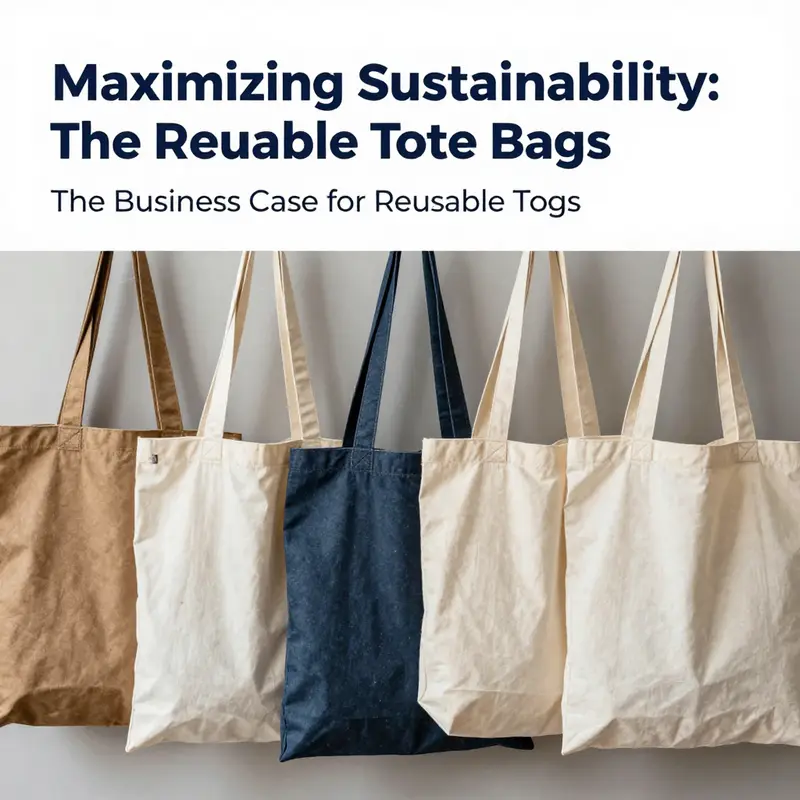
Reusable tote bags have entered everyday shopping and errands as a practical alternative to single-use plastics. Yet their real impact rests not in a single material choice but in how they are used, cared for, and integrated into daily routines. The wave of options—from natural fibers to synthetic blends and recycled fabrics—reflects a broader aim: to combine durability with a lighter environmental footprint over time. In crafting a narrative about these bags, it helps to begin with the materials that dominate the shelves and the lifecycle decisions that really drive sustainability. The public often treats material choice as the decisive factor, assuming natural fibers are inherently kinder to the planet. But life-cycle thinking reveals a more nuanced picture. It is not merely what a tote is made of, but how often it is reused, washed, repaired, and finally disposed that determines its ultimate environmental cost. As a result, any honest assessment must balance material properties with behavior patterns across the bag’s entire life.
Cotton canvas is perhaps the most evocative material in this landscape. It carries a natural aura, recognized for its softness, texture, and perceived biodegradability. Yet the production chain behind cotton demands substantial water and land resources. The Danish Environmental Protection Agency’s 2018 finding remains a critical reference point: a cotton tote must be used about 7,100 times to offset its higher carbon footprint relative to a single-use plastic bag when accounting for farming, manufacturing, washing, and end-of-life processes. That stark figure frames a truth worth repeating. If cotton bags sit unused for long periods, their environmental advantage rapidly erodes. The long run requires a habit of frequent reuse, not simply a fondness for a natural material. When one envisions a daily routine that includes repeated errands, a well-used cotton tote can be part of a climate-conscious practice. But the same logic applies to any material if it fails to endure or if it invites excessive washing and maintenance.
By contrast, lighter, plastic-based alternatives such as non-woven polypropylene (NWPP) reveal a different cost-and-benefit curve. NWPP totes have a lower production footprint, which translates into a shorter break-even horizon. The 52-use threshold identified in comparative analyses suggests that, when employed regularly, these bags can be environmentally competitive with or even preferable to cotton totes. The caveat, of course, is that NWPP is a fossil-fuel-derived material and not biodegradable. Over time, it can shed microplastics, contributing to pollution in soil and water when discarded improperly or washed aggressively. The contrast between cotton’s water-intensive narrative and NWPP’s lighter manufacturing demands becomes an emblem for a broader truth: sustainability is most powerful when it emerges from consistent reuse rather than a wholesale material preference.
Other materials in the tote ecosystem bring their own strengths and compromises. Polyester, for example, emerges from fossil-fuel origins yet often benefits from high tensile strength and durability. A polyester tote designed with reinforced stitching and thoughtful construction can last for years of regular use, supporting heavy loads without failing at the seams. However, polyester is non-biodegradable, and if microplastics shed from fibers during wear or washing, those particles can contribute to environmental micro-pollution. The trade-off is clear: durability and long lifespan can offset some initial material costs, but environmental stewardship must include careful end-of-life planning and responsible laundering.
Jute adds another dimension to the material spectrum. As a rapidly renewable plant fiber, it offers respectable strength and natural biodegradability. Jute bags tend to be less common in standard retail sizes, but their eco-friendly profile appeals to shoppers seeking compostable or naturally degradable options. Jute’s strength comes with its own caveats: fiber quality can vary, and some blends may reduce biodegradability if synthetic components are introduced. Nonetheless, where available and well-constructed, jute totes provide a compelling option for those prioritizing end-of-life naturalness and a lower embodied impact from the outset.
Recycled fabrics widen the circle even further. Fabrics recycled from post-consumer waste or pre-consumer scrap help reduce virgin resource extraction and can lower overall environmental burden. The lifecycle advantages of recycled fibers depend on the energy used in collection, processing, and re-fabrication. In many cases, the recycled route minimizes new material input while preserving functional durability. The best examples maximize the proportion of recycled content without compromising strength, stability, or the bag’s ability to resist wear and tear through repeated uses. When combined with robust construction—double-layer bottoms, reinforced handles, and generous fabric thickness—a recycled-fabric tote can rival or exceed the performance of virgin-material options on daily carry and load-bearing tasks.
Whatever the material, the structure of the bag matters almost as much as the fiber itself. Durability hinges on strategic design choices: reinforced stitching along stress points, double-layered bottoms to distribute weight, and thicker fabrics that resist abrasion and tearing when carried over uneven surfaces or when filled beyond its ideal capacity. The capacity itself is telling. A well-made cotton or polyester tote can carry ten to twenty kilograms (roughly 22 to 44 pounds), depending on how evenly weight is distributed and whether the load includes sharp or heavy edges. This performance stands in contrast to the typical high-density polyethylene (HDPE) plastic bag, which often struggles beyond five to seven kilograms. The lessons here are practical: invest in quality construction, and you cultivate the physical resilience that encourages repeated use. That resilience translates to longer lifespans, fewer replacements, and, crucially, more opportunities to avoid disposable bags altogether.
From a manufacturing and sourcing perspective, the global supply chain for durable totes is a story of regional capability and material innovation working together. Regions such as Zhejiang, Sichuan, and Shanghai in China are known for hosting vertically integrated hubs capable of producing high-quality totes at scale. These hubs commonly employ certified organic cotton, recycled polyesters, and biodegradable jute blends. They also offer value-added services like digital printing and custom labeling, which can help retailers and organizations integrate sustainable kits without sacrificing performance or aesthetics. The availability of such capabilities means the environmental narrative of a tote is increasingly shaped by how it is produced and finished as much as by the fabric it carries. In this light, responsible sourcing, transparent supply chains, and a preference for materials with clear environmental credentials become essential tools for buyers who want to align product design with climate commitments.
All of this material complexity is tempered by a simple, practical insight about use. Consumers often ask what material is best and whether cotton is always the better choice. The answer is situational and behavioral. A cotton tote wins only when it becomes a daily workhorse—used, cleaned, and cared for with attention over many years. The environmental cost of washing cotton is non-trivial and can be magnified if the bag is rarely used or washed excessively. Dr. Amara Patel, an Environmental Systems Analyst, captures a core truth that underpins every material discussion: “Sustainability isn’t about swapping materials—it’s about changing behavior.” If users treat a tote as a one-off purchase rather than a long-term companion, the advantages of any material rapidly diminish. In other words, the material’s intrinsic profile matters, but it can only realize its potential within a pattern of frequent, careful reuse.
For those aiming to pair practicality with responsibility, the actionable takeaway is not to chase the “best” material in isolation but to select a bag designed for durable, everyday use and to commit to a routine that extends its life. Choose a tote with sturdy handles, reinforced stitching, and a bottom that can bear heavier loads without deforming. Favor fabrics known for resilience under repeated use, whether cotton, polyester, or blended fibers, while recognizing that end-of-life considerations are equally important. If the bag eventually shows signs of wear, assess whether minor repairs can extend its life rather than discarding it. A small patch or reinforced seam can add months or even years of service and shift the balance further toward sustainable practice. At the same time, maintain reasonable expectations about washing. Delicate care for natural fibers can be appropriate, but frequent hot washes or aggressive agitation can shorten a bag’s usable life. A balanced approach keeps a tote functioning effectively while minimizing energy and water use over time.
In the broader choreography of sustainable consumption, an enduring tote can be a keystone habit. It is not enough to switch from plastic to cotton if the new bag is used sparingly or stored away in a closet. The most impactful change happens when a bag is carried, rewashed, hauled with heavy loads, and brought along for routine shopping trips day after day. A durable tote’s environmental advantage then compounds, yielding meaningful reductions in disposable bag demand, resource extraction, and waste generation. When woven with thoughtful design and responsible materials, totes become instruments of everyday climate stewardship rather than mere accessories. The conversation, finally, circles back to the everyday choices that shape outcomes: the moment you decide to reuse your tote, you are choosing a path with consequences that extend far beyond the checkout line.
To connect practical choices with tangible options, consider the canvas option noted above as a common starting point for many shoppers. The material profile of canvas is appealing, but its viability rests upon a consumer culture of frequent reuse. For readers seeking a deeper dive into how to pair usage patterns with material realities, the journey starts with reliable, well-constructed bags and ends with a habit that translates into less waste and a smaller footprint. If you want to explore the canvas category specifically, you can learn more about canvas tote options here: canvas tote bags. This link offers a window into how textile choices translate into everyday functionality without overshadowing the necessity of consistent use and mindful care.
A final note on sourcing and transparency rounds out the material narrative. When retailers and designers seek to minimize environmental impact, they increasingly rely on materials verified for responsible production, recycled content, and lower embodied energy. Regions known for integrated capabilities, materials such as certified organic cotton, recycled polyesters, and biodegradable jute blends, demonstrate how production choices can align with ecological goals without sacrificing performance or aesthetics. The supply chain matters as much as the fiber, and honest reporting about energy use, water footprints, and end-of-life options helps consumers make informed decisions that reflect their values. For those who want to explore the broader landscape of sourcing options, a practical reference is the global marketplace that hosts a range of tote options—and is worth consulting for researchers and practitioners alike: https://www.alibaba.com/products/reusable-tote-bags.html. While this external resource showcases a wide spectrum of production possibilities, the key takeaway remains consistent: sustainability thrives when products are designed for durability, when usage patterns are steady, and when end-of-life pathways are considered from the outset.
Turning Intent into Everyday Practice: The Behavioral Science of Reusable Tote Bags
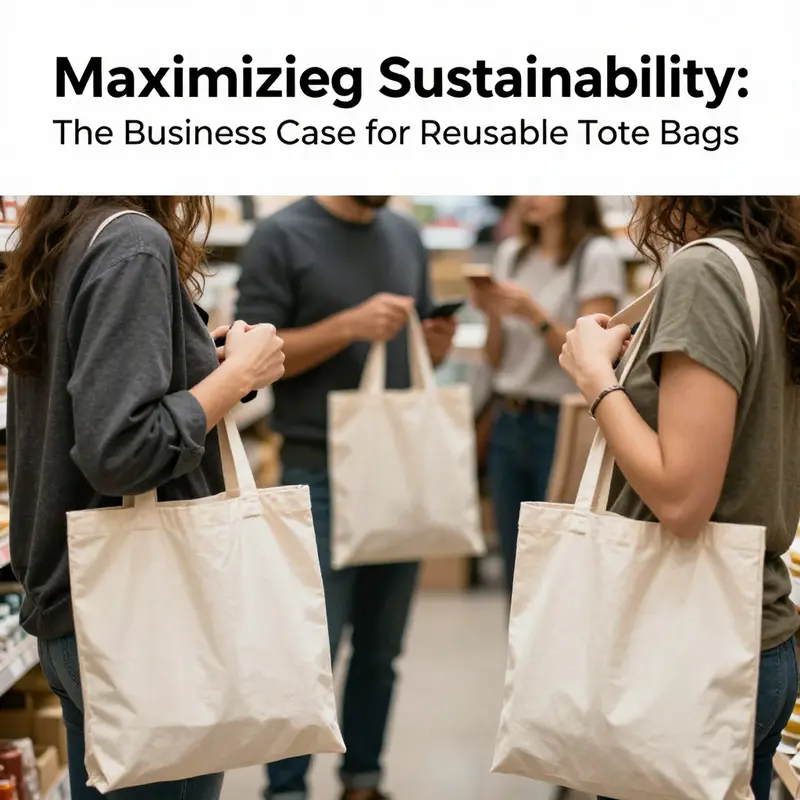
The rise of reusable tote bags has turned a simple shopping habit into a public statement about responsibility. But the real story is not merely what we own or what we believe; it is what we do over time. People often express strong ethical beliefs about reducing waste and supporting more sustainable supply chains. They describe using a reusable bag as an act of responsible consumption, a small ritual that aligns daily life with larger environmental goals. Yet the research landscape makes one thing clear: intention rarely translates into consistent action, and the environmental payoff we hope to gain from owning a tote depends as much on daily behavior as on the bag’s material. This gap between attitudes and everyday practice matters because a reusable tote’s value hinges on repetition. If a bag sits folded in a closet or gets left behind on a trip to the store, its favorable life-cycle math never activates. The Danish Environmental Protection Agency’s 2018 findings illuminate this point with stark clarity. When carbon emissions are the sole lens, a cotton tote bag must be used about 7,100 times to match the global warming potential of a single-use plastic bag. By contrast, a standard non-woven polypropylene reusable bag needs only to be reused around 52 times to break even. The difference is not just about material choice but about how often the bag actually serves its purpose. In other words, sustainability here is a function of use, not merely production. In this sense, the conversation shifts from “which material is better?” to “how can we design and adopt patterns of use that maximize the bag’s true lifespan?” A practical corollary follows: the more a bag is used, the more the environmental calculus tilts in favor of reuse. Yet even with NWPP’s lower initial footprint, the story includes a caveat. Plastic-based totes can shed microplastics over time, contributing to pollution. So the notion that a lighter or “synthetic” tote is automatically cleaner or more ethical is oversimplified. The most compelling conclusion is that sustainability rests on consistent reuse across time, and that means shaping everyday behavior, not simply selecting a different fabric. As Dr. Amara Patel, an environmental systems analyst, puts it with notable clarity: “Sustainability isn’t about swapping materials—it’s about changing behavior.”
Beyond the Price Tag: The Economic Realities of Reusable Tote Bags
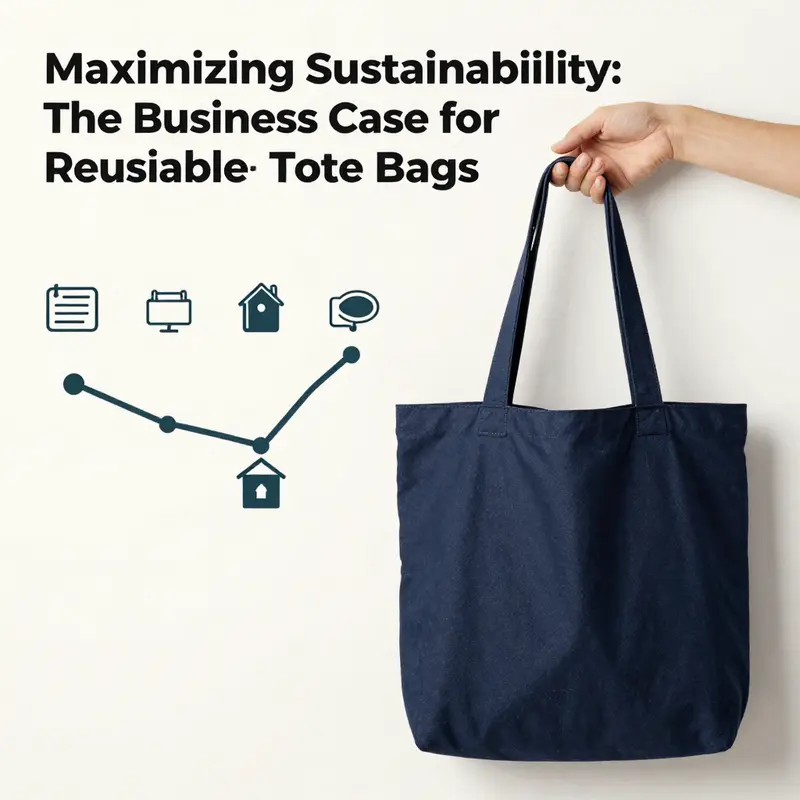
The shift from disposable to reusable tote bags has settled into the everyday rhythm of shopping and errands, but the economics behind that shift are not as straightforward as a single price tag. The appeal of a durable bag rests not only on its capacity to carry more than a few groceries but also on how its cost over time compares with the recurring expense of disposable options and the broader financial landscape around waste. In this sense, the economic calculus of reusable totes moves beyond initial purchase price and hinges on a lifecycle mindset. When households consider the lifetime cost of ownership, the story becomes less about material choice and more about use patterns, maintenance, and the opportunities created by policies that encourage reuse.
From the consumer’s point of view, the upfront cost of a set of durable totes can seem steep, especially when compared with the near-zero price of single-use bags at the checkout. Yet, the arithmetic often favors reusables for households that reuse their bags regularly. A simple scenario helps illustrate this: if a family uses one bag per week and purchases five sturdy totes for around ten dollars each, the initial outlay amounts to about fifty dollars. Over a year, that same family might otherwise spend on hundreds of disposable bags purchased in small, seemingly negligible increments. The cumulative expense of disposables can escalate quickly, and many retailers now charge for plastic bags, further nudging consumers toward reusable options. In markets where plastic bag fees are common, the economic incentive to bring a bag from home grows stronger, turning a small upfront cost into a long-term habit with tangible savings.
Yet the economic story is not a single-minded triumph. The broader production and distribution chain for reusable totes introduces costs that can obscure the apparent savings. The materials most commonly used in durable totes—cotton, polyester, and recycled fabrics—carry different price points and environmental costs that translate into economic considerations for manufacturers, retailers, and ultimately, consumers. The lifecycle cost is influenced by energy use, labor, and the capital required to keep production running at scale. A growing body of lifecycle analysis makes clear that the carbon and resource footprints associated with producing a bag are not uniform across materials. The same fabric that feels natural and appealing can carry a heavier environmental price when evaluated across a full production cycle. This is not merely a question of raw materials but of how intensively those materials are used, how long they last, and how easily they can be repaired or repurposed to avoid replacement.
From a producer and distributor perspective, the economics of reusables hinge on demand stability and the length of their business cycles. If demand dips, the amortization of fixed costs—the machinery, facilities, and skilled labor needed to produce durable bags—becomes tougher. Conversely, a stable demand can spread those fixed costs over many years of sale and use, improving unit economics. But even with strong consumer demand, manufacturers must manage the tension between quality and price. Bags that are too expensive to produce may deter buyers, while those that are cheap to produce may wear out quickly, leading to a higher replacement rate and a different set of environmental and economic costs. This tension explains why some analyses emphasize the break-even point in terms of reuse counts rather than just purchase price. A widely cited body of research shows that the environmental and economic payoffs of a reusable bag emerge only when it is used enough times to offset the initial expenditure and the cost of production.
Final thoughts
Incorporating reusable tote bags into your business strategy is not just about improving environmental credentials; it is a multifaceted approach that emphasizes sustainability, material selection, consumer engagement, and economic viability. By committing to the frequent use of durable bags, businesses can make substantial contributions to reducing waste and promoting a greener future. Ultimately, making informed choices regarding both product implementation and consumer education will position your brand as a leader in sustainable practices, fostering loyalty and trust within your customer base.