
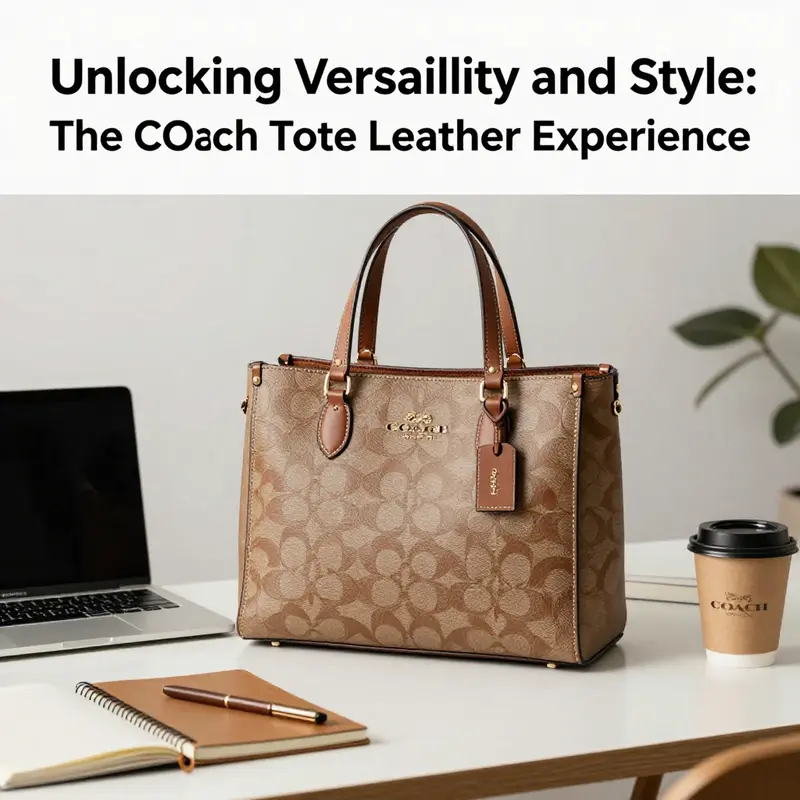
For business owners seeking a blend of practicality and elegance, COACH tote leather bags provide a remarkable solution. Since its inception in 1941, COACH has epitomized American fashion with its expert craftsmanship and timeless designs. This article delves into the materials and craftsmanship behind COACH totes, highlighting the design features that enhance usability and style. Additionally, we will explore the versatility of these bags, making them indispensable for busy professionals. Finally, we will take a closer look at COACH’s collaborations with artists that give each tote its unique personality, reinforcing the brand’s commitment to marrying function with aesthetic value.
Leather, Lines, and Legacy: Inside Coach Tote Materials and Craftsmanship
Leather, Lines, and Legacy: Inside Coach Tote Materials and Craftsmanship
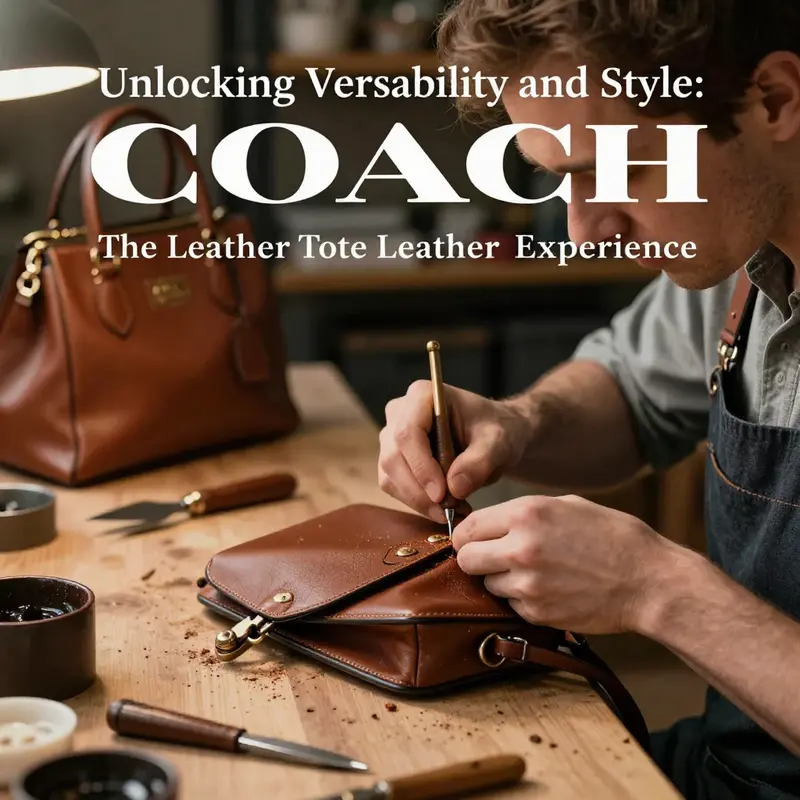
A tote’s appeal depends on material and making as much as on silhouette. For Coach tote leather, those two elements form a single conversation between heritage and daily life. The brand’s approach treats leather as a living surface. From selection to finish, every choice aims to balance softness, strength, and long-term character. Understanding that process reveals why these totes feel familiar the moment you lift them, and why they often become the ones you reach for again and again.
Most Coach totes begin with hides chosen for full-grain quality. Full-grain leather retains the outermost layer of the hide. That layer carries the skin’s natural grain, strength, and subtle marks. Rather than masking these features, the process celebrates them. The advantage is twofold: the leather resists wear better than corrected-grain alternatives, and it evolves attractively with everyday use. Over time, the surface develops a patina. That patina is not a flaw. It is evidence of use and a personal record of your routine. It softens edges, warms color, and adds depth to the original tone.
Not all leather needs the same texture, so multiple finishes are used across the tote collection. Polished full-grain offers a smooth, refined surface that catches light and feels luxurious to the touch. Crossgrain or pebbled finishes introduce structure. The tiny uniform ridges resist visible scratches while adding visual interest. Crossgrain leather also hides minor scuffs well, making it an excellent choice for everyday carry. Where a lighter, more casual feel is desired, leather is sometimes paired with durable canvases or textile linings. Those combinations create visual contrast and improve weight distribution.
Material choice is inseparable from construction. A well-made tote requires more than quality leather. It needs thoughtful structure and secure joining techniques. Coach tote bodies often start with engineered panels cut for optimal grain placement. That means the visible sections display consistent texture and direction. Panels are then reinforced at stress points. The base, corners, and handle attachments undergo additional treatments, including internal reinforcements and edge seals. Those measures prevent sagging and help the bag hold its shape even when it carries heavy items such as a laptop or a water bottle.
Stitching reveals much about craftsmanship. Even, tight stitches reflect skilled hand or machine work and ensure seams hold under daily strain. Many tote designs use twin-needle stitching on major seams. This technique doubles the thread where strain concentrates and adds a subtle decorative line. Thread type and color are chosen to complement the leather. Waxed, bonded threads resist abrasion and retain shape. Stitch spacing is neither too small nor too wide; both extremes compromise durability. The result is a seam that looks precise and performs reliably.
Edge finishing receives particular attention. Exposed leather edges are carefully treated to prevent fraying and moisture ingress. Burnished edges produce a smooth, slightly glossy finish that minimizes roughness. In other cases, edges are painted with color-matched seals to strengthen the exposed cut. When handles join the bag, the leather folds and is often stitched through with reinforced backing. That connection point receives layered protection, ensuring it survives repeated lifting, overloading, and the natural tug of daily use.
Hardware selection complements the leather and construction. Metal fittings must be both strong and well-finished. The hardware finishes are chosen to resist tarnish and maintain the bag’s aesthetic. Screws, rivets, and rings are placed strategically, not merely for visual balance but for mechanical advantage. Where hardware bears the load of the strap, it is anchored to the interior with a backplate or wrapped leather tab. That small detail keeps the visible side clean while preventing undue stress on the outer surface.
Interior planning is a hallmark of functional design. A tote made from excellent leather will be undermined by poor organization. Multiple pockets, zippered compartments, and dedicated sleeves help keep daily items in order. Linings are selected for abrasion resistance and ease of cleaning. Some interior panels are padded to protect electronics, while others are left flexible for bulkier items. The result is a bag that feels purposeful. Every pocket has a reason, and the arrangement reflects a clear understanding of how people move through their day.
Design harmony bridges aesthetics and utility. Minimalist silhouettes let high-quality leather and precise construction shine. At the same time, subtle design choices—such as slightly rounded corners, gusseted sides, or reinforced bases—affect how the tote sits, how it opens, and how it wears. Handles are proportioned to balance hand carry with shoulder comfort. Where adjustable straps appear, they include secure attachments and comfortable widths. A good tote design anticipates not only what you carry, but how you carry it.
Leather care is part of the conversation. Treated correctly, a leather tote ages beautifully. Simple maintenance routines preserve appearance and function. Regular wiping to remove dust, occasional conditioning to prevent dry cracking, and mindful protection from prolonged moisture or direct sunlight all extend service life. Many owners welcome the gradual darkening and softening that comes with daily use. These changes highlight the material’s responsiveness and tie the object to a personal narrative.
Sustainability and material stewardship increasingly influence leather selection and tanning methods. Responsible sourcing of hides and ecologically minded tanning techniques reduce environmental impact. Vegetable-tanned leathers, for instance, use natural tannins and often develop warmer patinas. Chrome-tanned leathers deliver consistent color and suppleness, but call for careful effluent handling. Transparent disclosure of sourcing and processing helps consumers make informed choices. When materials and methods are aligned with environmental principles, longevity becomes a sustainability benefit in itself.
Beyond the physical attributes, craftsmanship reflects a set of values. Attention to details such as corner reinforcement, thread choice, and hardware anchoring signals respect for function. These elements turn an object into an heirloom. A well-crafted tote withstands commuting, travel, and everyday movement without losing composure. It also rewards repair and continued use, whether through resoling, restitching, or hardware replacement. The ability to maintain and mend a bag extends its life and reduces waste.
A final point: design variations, collaborations, and limited editions often highlight the same underlying craft. Unique finishes, printed panels, or artist collaborations draw attention. Yet, the core principles remain the same. Quality hides, considered structure, precise stitching, and tested hardware create a reliable foundation. Decorative elements may change seasonally, but the workmanship that supports them remains constant.
For those choosing a leather tote, these insights help refine preferences. If scratch resistance matters, crossgrain finishes are sensible. If you want a leather that grows richer with use, full-grain surfaces are ideal. If organization is critical, seek designs with padded or zipped compartments. And when longevity matters, evaluate seam construction, edge finishing, and the method of hardware attachment. A tote built with these factors in mind rewards daily use and often becomes a quiet signature of personal style.
For additional reference on how the brand presents its large tote and carryall offerings, see this overview of the tote collection: coach bags tote.
For official material descriptions and details about construction methods used across the range, consult the brand’s product pages and care guides available on the official site: https://www.coach.com/women/bags/tote-bags
The Design DNA of COACH Tote Leather Bags: Timeless Form, Everyday Function
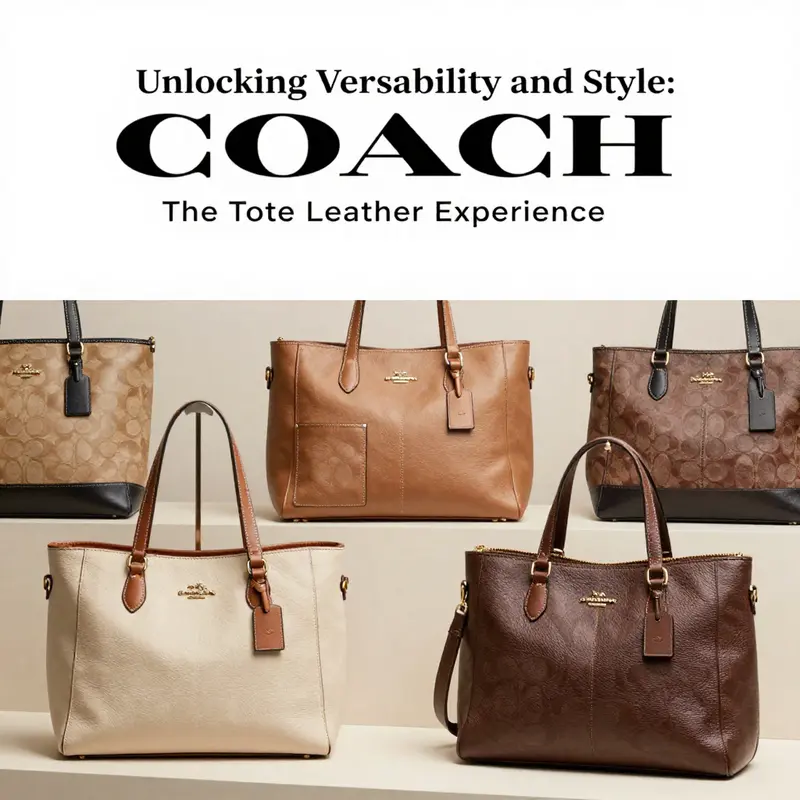
Across the landscape of modern accessories, COACH tote leather bags stand out as quiet statements of craft and purpose. They embody a design philosophy that refuses to chase trends while insisting on relevance in daily life. The chapter that follows dives into the design DNA of these totes—how material choices, construction details, and subtle, signature touches come together to create bags that feel both timeless and immediately useful. The aim is not merely to describe a product but to illuminate a way of thinking about design where form and function are inseparable, where the patina of use becomes part of the bag’s character, and where practicality never sacrifices elegance.
The core of COACH tote leather bags lies in premium materials chosen for their tactile appeal and long-term behavior. Natural grain leather—often with a semi-vegetable tanning process—offers a balance between softness and resilience. This leather invites touch; it responds to warmth and movement with a supple yield, yet it remains sturdy enough to carry daily loads. Over time, the grain develops a nuanced patina, a record of routes walked and hours spent in different rooms of life. The leather remains lightweight, a crucial consideration for a tote whose purpose is not to weigh down the wearer but to accompany them through the day. A crossgrain pattern is also employed in some styles, adding visual texture that mirrors the bag’s internal logic: a surface with quiet energy that does not shout yet rewards careful attention.
COACH’s minimalist aesthetic is not an absence of detail but a deliberate choice to let signature elements speak with clarity. Clean lines form the backbone, producing an uncluttered silhouette that pairs easily with both work attire and weekend denim. In this restrained frame, topstitching becomes a design feature in its own right, a visible line that traces the bag’s structure with precision. Brass hardware provides a warm contrast to the leather, aging gracefully as it encounters daily use. The emblematic logo plaque and the magnetic snap closure are not merely functional; they become focal accents that signal the brand’s identity without dominating the design. The result is a bag that can be worn with confidence in a boardroom or a coffee shop, its details calibrated to enhance usability rather than to shout for attention.
The interior of a COACH tote is a study in organized abundance. The design prioritizes accessibility and order without sacrificing generosity of space. Larger models offer enough room for a laptop—often up to 16 inches—alongside a wallet, a notebook, and a phone. The interior is typically arranged with thoughtful pockets and attachment points that help secure smaller essentials. A small interior pocket may hold coins, a cardholder, or a preferred lipstick, while a key ring or a small detachable pouch can be tethered within easy reach. Some configurations feature an optional middle pocket with a zipper or side compartments that create zones for different items. The aim is to reduce rummaging while keeping items protected from the day’s bustle. This internal logic mirrors the exterior’s calm, ensuring that the bag remains intuitive to navigate even after months of daily use.
Carrying versatility is another hallmark. The straps are adjustable and designed with an eye toward adaptability. An asymmetric buckle motif appears in certain lines, a small detail that strengthens the bag’s ergonomic fit while offering multiple carrying options. With detachable straps, the bag can be worn by hand, slung over the shoulder, or worn crossbody. The same silhouette can shift from professional settings to casual confidences with only a change in strap placement or angle. This flexibility is not an afterthought but a core principle: a tote should be ready to perform across occasions, not demand a new purchase for each use case.
Functional additions extend the bag’s lifespan and practicality without interrupting its elegant line. Protective feet on the base keep the leather from scuffing against floors and tables, a detail that signals the brand’s attention to real-world usage. Reinforced stitching at stress points contributes to longevity, ensuring the bag holds its shape and integrity after repeated openings and outings. Some models incorporate a removable webbing strap for an extra carrying option, a nod to the way people move through a day that includes stairs, transit, and varying loads. Exterior pockets provide quick access to items you reach for often—phones, transit cards, or a small umbrella—without forcing you to unthread the contents of the main compartment.
Sustainability threads through the design language as well. In keeping with a broader industry commitment to responsible materials, some COACH totes use natural fibers and cotton sourced from regenerative agricultural practices. This choice aligns with a broader ethos that values ecological stewardship alongside enduring quality. It is not about replacing leather but about integrating responsible choices where they fit, so the bag remains durable yet considerate of the environment. Such decisions reflect a design mindset that sees beauty and utility as compatible with responsibility rather than mutually exclusive.
The interplay of materials and detailing gives each tote its own personality while preserving a cohesive family look across the collection. Leather exteriors are balanced with fabric linings in some styles, a pairing that lightens the feel of the interior without diminishing structural integrity. The crossgrain textures, when present, catch the light with a quiet shimmer, signaling a refined attention to surface quality. Color options typically emphasize versatility—sunlit browns, deep navies, graphite blacks, and taupes that adapt across seasons and wardrobes. The finishes on hardware—polished, brushed, or intentionally aged brass—offer another layer of nuance, allowing the customer to choose a tone that harmonizes with personal taste and existing accessories.
What emerges from this constellation of decisions is a tote that feels correct from the first touch. It does not demand attention; it earns it through quiet confidence. The design avoids gimmicks and instead leans on a language of proportion: the bag’s height relative to its width, the cadence of its seams, the rhythm of its hardware—every element calibrated to deliver seamless daily use. This is how a tote becomes more than a container. It becomes a companion that moves through life’s rhythms with you, aging with a dignity that mirrors your routine.
The design approach also invites an interpretive engagement with the user. The bag’s silhouette invites a personal narrative: how it sits against the body, how the strap length sets the pace of a commute, how the interior organization adapts to your workday and weekend plans. In this sense, the tote is less a passive object and more a stage for daily practice. Its durability supports a stable wardrobe, while its refined finish keeps it from feeling merely utilitarian. The result is a product that can seamlessly accompany a morning meeting and a Saturday morning stroll alike, proving that a well-crafted tote need not choose between formal polish and casual ease.
As readers explore the broader catalog, a single thread remains constant: the idea that design should listen to use. The exterior may present a refined, unembellished profile, but the interior is engineered to respond to real-life demands. The balance between weight and capacity, between exterior restraint and interior generosity, is not an accident but a deliberate negotiation. The tote earns its place through a long arc of use, beginning with choice of leather, extending through construction details, and culminating in a daily experience that feels both luxurious and practical. This is the essence of COACH Tote Leather Bags: a design language that speaks softly yet carries a lasting resonance.
For readers who want to see how these principles translate into a richer product narrative, the signature tote handbags collection offers a direct lens into the brand’s ongoing dialog with form and function. You can explore how the collection frames these design decisions in a broader context by visiting the internal resource that gathers these styles under a single umbrella of signature craftsmanship.
External resources provide another layer of understanding for those who wish to study the design from a more technical or historical vantage point. The official site offers a window into the materials, finishes, and construction details that define today’s COACH tote leather family. For a deeper dive into the design language and to view current colorways and hardware options, see the official resource below. The interconnected web of product pages, brand storytelling, and material notes helps illuminate why these totes endure as everyday essentials rather than seasonal curiosities.
To further explore related discussions on how COACH integrates signature elements with minimalist design, you may examine related conversations about leather tote construction and the balance of aesthetics with utility. For a broader perspective on how luxury brands approach tote design with a view toward longevity, consider resources that map the evolution of leather goods and the sustainable practices that support them. These perspectives complement the detailed feature examination presented here and help frame the tote as a product of both craft and culture.
In sum, the design features of COACH tote leather bags converge to form an immersive experience: the leather’s tactility invites touch; the silhouette’s restraint invites versatility; the interior’s organization invites confidence; and the hardware, stitching, and feet invite longevity. The result is a family of bags that feels at home in a city rhythm and at ease on weekends, with a quiet authority that only grows more compelling as time passes. This is the essence of a well-made leather tote: a practical luxury designed to endure, adapt, and accompany. For a closer look at how these elements come to life in a broader wardrobe narrative, you can follow the path of signature totes within the broader catalog, and you may also wish to explore related discussions on tote design elsewhere in the ecosystem.
To learn more about the official design language and the craft behind these totes, visit the link to the signature tote handbags collection. signature tote handbags.
External resource: For a deeper understanding of current offerings and brand history, see the official site at https://www.coach.com.
Leather Totes in Motion: The Seamless Versatility of COACH Tote Bags
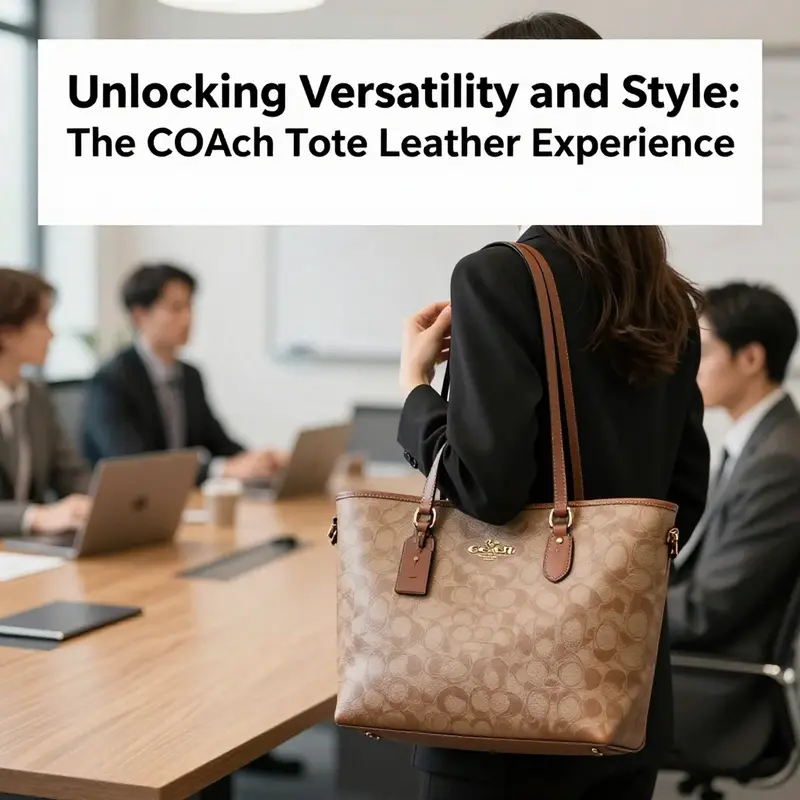
A tote bag, in its simplest form, is a promise: a single, reliable container that travels with you through the rhythms of a busy day. When that tote is built by a house with a long tradition of making skin and stitch work together as a coherent expression of American style, the promise deepens. The leather totes from this brand are designed to move easily from a crowded morning commute to a quiet desk at the end of the day, from a quick coffee run to a weekend errand spree, and they do so with a quiet confidence that comes from material choice, thoughtful construction, and a balanced sense of proportion. The heart of these bags lies in materials that feel both durable and humane, textures that age with grace, and a design language that remains cosily familiar while remaining open to contemporary needs. In short, the COACH tote leather collection embodies a practical elegance that travels with you through work, school, travel, and leisure alike.
The leather itself speaks first. Crossgrain hides and full-grain leathers are chosen not merely for their beauty but for what they offer in daily life: a supple hand that softens with use, a surface that resists scuffing, and a color that patinas with time rather than fading. Crossgrain, with its subtle texture, performs well under travel and daily use, presenting a refined sheen that does not shout for attention yet lends an air of understated professionalism. Full-grain variants, when present in the line, carry the narrative of the hide with a natural grain that evolves as it encounters the world—fingers, keys, train doors, rain—becoming a personal record of every place the bag has visited. The tactile experience matters as much as the visual one. A bag that feels like it has earned its keep during a long week invites a certain mindfulness from the wearer: you treat it with care, and it, in turn, becomes a partner in the routine of your days.
The volume of these totes is designed with the modern schedule in mind. They offer interior space generous enough to cradle a laptop ranging from 13 to 15 inches, with room left for a notepad, a planner, and an array of everyday necessities. The interiors are organized with intention: a secure zip pocket for valuables, open compartments for easy access, and smaller pouches that keep often-used items within reach without turning the bag into a jumble. A thoughtful balance of openness and security is crucial; it means you can locate your essentials in a heartbeat while keeping more valuable pieces away from wandering hands. The external access points, often a zip compartment or a quickly accessible pocket, are positioned for fast retrieval of items you might need on the fly—your transit pass, a compact umbrella, or a receipt you want to keep handy. These are not gimmicks; they are a language of daily life, where every pocket has a purpose and every seam reinforces the bag’s readiness for the moment you reach for it.
Capacity, of course, matters, and the design philosophy behind these totes does not force a choice between utility and elegance. They are roomy enough to carry a 13- to 15-inch laptop, a smartphone large enough to feel like a personal assistant, a wallet, documents, a water bottle, and cosmetics. The bag becomes a compact command center for a day that begins in the office and ends in a casual dinner. It is not merely a container for items; it is a system that helps you stay organized as you move through different environments. Yet there is a discipline in the way space is allocated. The bag’s depth and width offer a calm sense of scale—visible in how it sits on a table or rests against a chair without tipping over into bulkiness. The construction remains sleek, even when filled, which is the essence of a versatile tote: it holds what you need without looking like you’re carrying your entire life.
A crucial feature that elevates versatility is adaptability in the way the bag can be carried. The top handles allow a straightforward hand carry or a short shoulder wear, but the true flexibility comes from an adjustable strap, and in some designs an optional detachable strap that enables a crossbody style. This variation in carrying method is not a gimmick; it is an answer to different contexts. A crowded train platform asks for a strap; an air-conditioned office corridor asks for a hand on the bag and a longer stride; a coffee shop study session lends itself to the bag perched at your feet as you lean in to write. The ability to switch from tote to shoulder to crossbody with ease makes the same bag appropriate for a commute, a campus day, or a long weekend of travel. Carrying the bag in different ways also helps distribute weight more evenly, reducing strain on the shoulder and improving balance as you move through a busy environment. The result is a bag that does not demand a single posture but invites you to adjust your posture to the day’s tempo.
This is where the design philosophy of the brand becomes most visible in practice. The line’s aesthetics lean toward timeless simplicity: clean lines, minimal hardware, and a restrained, almost architectural silhouette that respects the contours of the body as much as the needs of the wearer’s schedule. This is deliberate: the objective is not to chase changing trends but to provide a dependable companion whose beauty is revealed through use and over time. The leather’s natural character—its grain, its sheen, its ability to tolerate scratches or scuffs that can be buffed away—contributes to a sense of authenticity. The hardware, when present, is chosen to blend with the leather rather than to shout; closures, if any, emphasize practicality rather than drama. The result is a bag that can pair effortlessly with a tailored suit or with a pair of jeans and sneakers, becoming a versatile anchor in a wardrobe that aims to do more with less.
Of course, organization remains central to the bag’s practicality. Inside, the presence of a secure zip pocket means important documents or a small charger can stay safely tucked away. Open side pouches offer quick access to a pen, a compact notebook, or earbuds, while exterior pockets can hold a transit card, a lip balm, or a pair of sunglasses for easy reach without exposing the contents to the world. In a sense, the bag teaches you how to be deliberate about what you carry. It whispers that the day’s essentials can be carried with grace, without turning the bag into a clunky tote that sacrifices style for function or vice versa. For students, this translates into a reliable home for lecture notes and a campus laptop while still accommodating a water bottle and a light jacket. For professionals, it means a polished alternative to a briefcase that can still accommodate documents and a laptop without forcing a bulky silhouette. For travelers, the same bag morphs into a carry-on companion—large enough to keep necessary items within reach during transit, yet compact enough to remain elegant and manageable in a hotel lobby or an airport lounge.
The bag’s endurance is not an accidental outcome but a consequence of the craft and the materials behind it. Leather totes crafted with high-quality hides maintain their character over time as the surface develops a patina that reflects a wearer’s journey rather than a pristine, showroom finish. The leather’s maturity—the way it softens, darkens, or gains a gentle sheen—becomes part of the bag’s narrative, just as the user’s routine becomes part of the bag’s. This aging process is not a loss but a gain: it tells a story of daily use, of occasional scrapes that are gently smoothed, of a strap that wears in and becomes more comfortable with each mile traveled. The durability of the bag’s construction—stitch work that holds under load, reinforced seams that resist fraying, and hardware designed to resist rust and wear—ensures that this companion remains reliable across seasons and years. It is a testament to the idea that true luxury is not the absence of wear but the confidence to wear and carry with ease, day after day.
In this light, the tote becomes more than a fashion accessory; it is a functional extension of a lifestyle that values efficiency, durability, and a sense of quiet confidence. It is no small thing to have a single bag that can transition from a morning meeting to a weekend market, from a campus library to a casual dinner, and still look appropriate in each moment. The blend of performance and poise—the practical and the aesthetic—embodies a philosophy worth considering for anyone who wants to invest in a piece that will travel with them through the many roles they inhabit. The bags speak to a practical elegance: a careful balance of space, accessibility, and durability, with an eye toward sustainable choices such as lighter-weight construction and responsible material handling that helps keep travel and daily routines efficient. They are, in essence, a reminder that a well-made tote can be a faithful partner, not merely a portable container, and that a single, well-considered design can support a life in motion.
For readers who wish to explore the broader range of options available within the tote category, there is value in examining the lineage of tote bags designed for modern life—how a brand’s leather economics and organizational logic translate into everyday usefulness. To learn more about the broader family of tote options from similar lines, you can visit a curated collection that highlights the balance of craft and practicality characteristic of these bags. See the page linked here: https://alltotebags.com/tote-coach-handbags/.
For those seeking an official reference to the design language and the technical details behind the contemporary tote line, an external resource offers a closer look at the construction and features that define these bags. The brand’s public-facing overview provides a sense of the materials, capacities, and methods used to ensure that the bags remain both stylish and functional through daily use. For an official overview, visit the brand’s page on a representative leather tote design: https://www.coach.com/gb/en/featured/gallery-tote-bag-49720.html.
When Art Meets Hide: How Creative Collaborations Elevate Coach Leather Totes
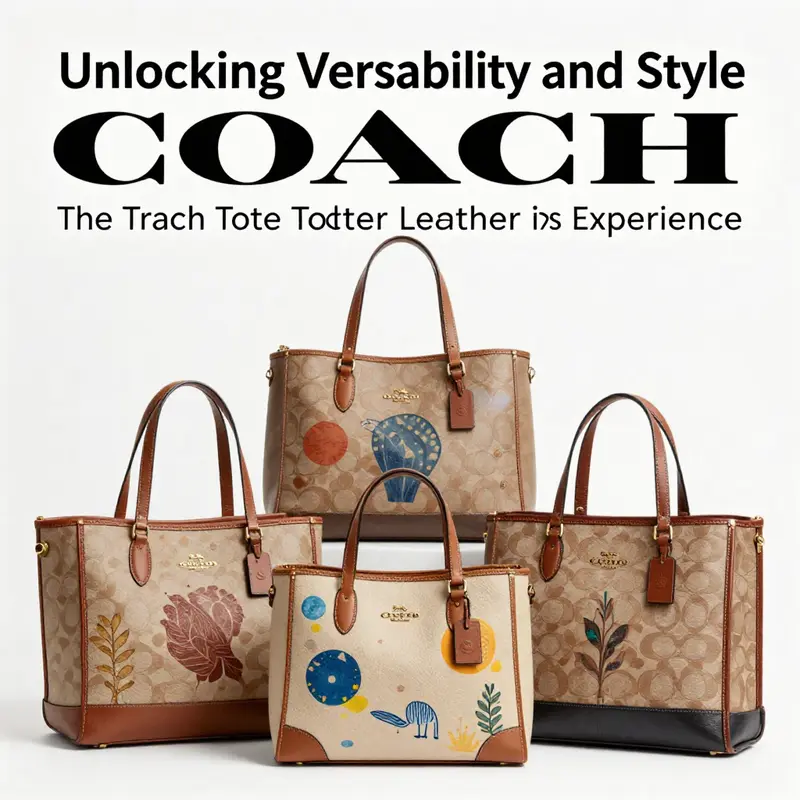
When artistry enters a workshop, a handbag becomes more than an accessory. In Coach leather totes, collaborations with artists and public figures translate vision into texture, pattern, and silhouette. These partnerships do not merely apply a surface print. They shape decisions about leather type, hardware, lining, and even stitch placement. The result is a tote that carries a cultural moment, visible in both subtle trims and bold motifs.
Coach has long balanced traditional leatherworking with timely cultural references. The brand’s core identity rests on American leather craftsmanship. That foundation allows collaborations to feel authentic. When a creative partner steps in, the house savoir-faire gives their ideas permanence. Leather, by nature, accepts and displays artistic intervention unlike canvas or synthetic fabrics. It scars and gains patina while showing print and emboss with depth. This makes leather an ideal medium for translating art into everyday objects.
Collaborations typically begin with a conversation about story. Designers and collaborators explore themes that align with both the artist’s voice and the brand’s heritage. Those discussions decide the palette. They determine whether the leather will be left natural, dyed, or textured with crossgrain for resilience. Decisions about finish affect how a print will sit on the surface. A matte, full-grain leather offers a different canvas than a pebbled hide. These material choices are never incidental. They shape usability, ageing, and the visual harmony between motif and tannery work.
Functionality remains central in this process. A tote must carry daily essentials, adapt to multiple carry styles, and withstand regular use. Collaboration pieces often incorporate practical upgrades. Designers add internal organizers, reinforced bases, or detachable straps so the bag becomes useful beyond its visual statement. In many cases the collaboration encourages small innovations in hardware or pocket layouts that later influence regular collections. This exchange becomes a two-way street, where artistry informs function and function tempers flourish.
Limited editions are a common outcome of these partnerships. Scarcity adds desirability, but it also signals a careful production run. When leather is involved, limited editions can mean extra attention to quality control. Tanners and stitchers work at a slower pace so prints align and seams match. Hand-painted details or appliqués require specialists. The narrative of rarity, therefore, rests on real artisanal labor. Collectors value these pieces for that labor as much as for the collaboration name.
A collaboration can shift a tote’s visual language without compromising longevity. For example, an artist might propose bold figurative prints. Craftspeople translate these into embossing, laser etching, or silk-screening appropriate for leather. Each technique interacts differently with the material and influences care. Embossed lines hold shadow and highlight as the bag ages. Printed graphics can soften with time, developing a lived-in charm. These aging processes become part of the piece’s story, a dialogue between maker, artist, and wearer.
Beyond aesthetics, collaborations expand the audience for leather totes. Fans of the collaborator approach the bag as a wearable piece of culture. Loyal shoppers of the brand may encounter a fresh perspective, which broadens their understanding of what a leather tote can be. This cross-pollination sustains the heritage of leather goods while inviting new creative directions. The brand’s classic silhouettes remain a stage for experimentation, and leather’s enduring appeal ensures these experiments have staying power.
The role of the creative director is vital in these projects. Acting as mediator, the director translates artistic intent into production reality. They protect the brand’s artisanal standards while allowing the collaborator’s voice to resonate. This balance keeps collaborations from feeling like surface-level marketing. Instead, they become genuine design dialogues, where leatherworking traditions and contemporary aesthetics find common ground.
Careful curation of collaborative elements keeps the tote wearable across seasons. Colorways are chosen to complement wardrobes. Motifs are scaled to avoid overpowering proportions. Hardware finishes are selected for longevity. All these choices reflect a desire for the piece to live in real life, not just in editorial spreads. A successful collaboration thus respects daily routines. It accounts for how shoulder strap width affects weight distribution. It considers pocket depth for modern devices. These practicalities anchor creativity in usability.
Collaborations also offer a platform for storytelling beyond the object. The campaign imagery, the launch events, and the packaging extend the narrative. For a leather tote, packaging can include specially designed dust bags or printed care cards that explain the artistic intent. Limited releases sometimes include certificates of authenticity or artist notes. These touches deepen the connection between owner and object and reinforce the idea that a bag is both tool and talisman.
From a consumer perspective, collaboration pieces ask buyers to consider value differently. Rarity, artistic authorship, and craft longevity factor into purchasing choices. A collaborative leather tote often commands premium pricing. That price reflects not only creative input, but also the extra time and expertise needed to produce the piece. Buyers seeking such pieces usually value the story and craftsmanship as much as the immediate visual appeal.
Sustainability considerations are increasingly relevant when leather meets art. Responsible sourcing and durable design extend a tote’s life. When collaborations introduce experimental techniques, teams must assess environmental impacts. Processes like specialized printing or hand-painting may require different solvents or finishes. Good stewardship means balancing artistic goals with responsible material practices. This includes choosing tanneries with transparent standards and selecting finishes that age gracefully without harmful treatments.
Styling a collaborative leather tote calls for balance. Because the bag carries a distinct voice, outfits often work best when built around a neutral anchor. Subtle textures and clean lines let the tote remain the focal point. At the same time, accessories that echo a color or motif can create cohesion. The flexible nature of classic tote silhouettes allows them to shift between office and weekend looks. This adaptability is part of their enduring charm.
Collectors and long-time fans experience collaborations as milestones. Each partnership marks a chapter in the brand’s design history. Over time, these pieces map the evolution of taste and technique. Auction markets and resale platforms sometimes treat notable collaborations as investment objects. Yet the more meaningful return is often intangible: the pleasure of carrying an artifact that embodies a particular collaboration moment.
For those deciding whether to buy a collaborative leather tote, consider a few practical questions. Will you use it regularly or preserve it? Does the leather finish suit your lifestyle? Can the hardware and seams withstand daily wear? Does the artwork align with your long-term aesthetic? These queries help buyers weigh impulse against enduring value.
Finally, collaborations demonstrate how leather remains a living material. It accepts, transforms, and converses with artistic intervention. Whether through subtle embossing or bold prints, a collaborative tote becomes a canvas that will age with you. The best partnerships respect leather’s nature. They enhance the carrier’s life while celebrating craft. In that convergence, art and hide find purpose together: a useful object, made beautiful by design.
For a deeper look at a notable partnership and how the collaboration was presented by the brand, see this official announcement: https://www.coach.com/inspiration/selena-gomez-collaboration
If you want to explore more about the brand’s classic silhouettes and how collaborative pieces relate to them, visit this overview of Coach signature tote handbags: Coach signature tote handbags.
Final thoughts
COACH tote leather bags serve as the perfect blend of functionality and style, essential for today’s business professionals. From the premium materials and craftsmanship that uphold the brand’s reputation to the diverse designs that fit any occasion, these bags make a compelling case for their worth. The addition of artistic collaborations adds a layer of uniqueness, making each piece not just a bag but a work of art. By choosing COACH, business owners invest in a product that reflects quality and sophistication, perfectly suited to elevate their professional image.