

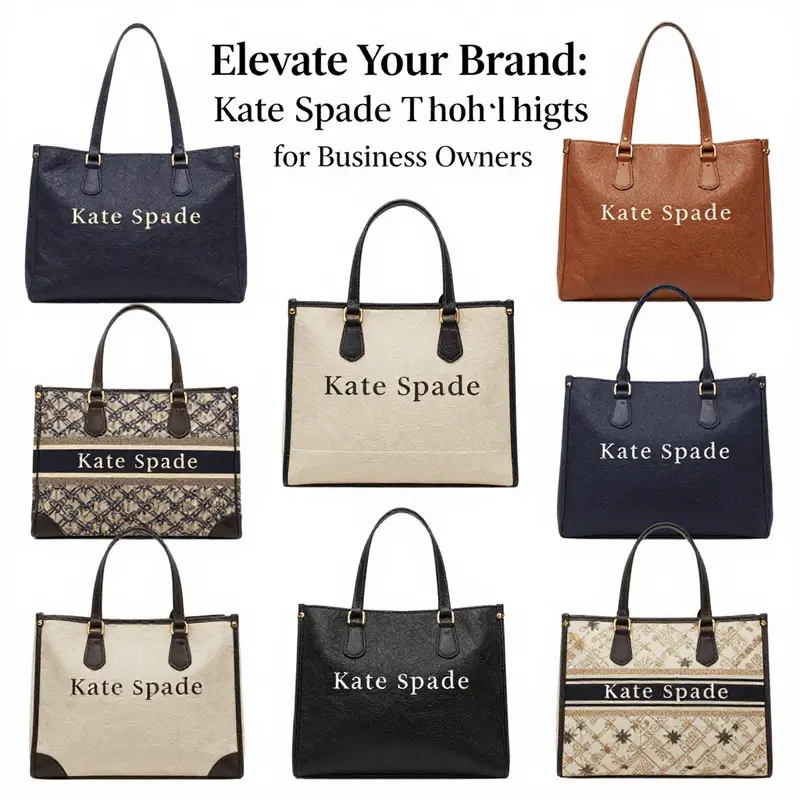
Kate Spade tote bags are celebrated for their playful yet sophisticated aesthetic. This guide offers business owners a concise overview of design characteristics, material options, pricing considerations, and everyday usability to inform branding strategies and consumer outreach. Each chapter highlights practical insights to help align tote bag selections with brand identity and customer expectations.
Kate Spade Tote Bags: Playful Sophistication for Everyday Life

Across city streets and transit hubs, the Kate Spade tote is more than a carrier; it is a statement of how modern life can balance practicality with whimsy. The totes communicate New York’s brisk rhythm through clean lines, thoughtful hardware, and versatile color palettes. The signature element—often a small metal emblem or plaque—acts as a visual cue without shouting. Materials range from smooth leather to durable canvas, chosen to wear well over time. Interiors feature organized compartments, secure pockets, and easy access to everyday essentials. The silhouette stays elegant, the straps comfortable, and the finishes resilient, enabling a bag that travels from boardroom to weekend café with ease. Color stories span neutrals and brighter hues, designed to complement diverse outfits and occasions. Craftsmanship is visible in neat stitching, reliable hardware, and durable zippers, ensuring the bag remains a trusted companion through daily routines. In sum, the Kate Spade tote embodies a design philosophy that values both practicality and charm, a reliable partner for the rhythm of urban life.
Material Matters: Texture, Durability, and Everyday Style in Kate Spade Tote Bags

When a brand pairs playful energy with practical luxury, the material choices behind its totes become more than cosmetic decisions. They shape how a bag wears, how it signals a mood, and how long it remains faithful to daily routines. In the Kate Spade tote line, material selection is a careful balance of texture, weight, resilience, and ease of care. The result is a collection that can transition from a busy morning commute to a weekend city stroll without missing a beat. The most common reality across the range is a supple, black pebbled leather. Its surface harbors a subtle grain, a touch more forgiving than smooth leather, and it does not shout with shine. That textural pattern hides scuffs and scratches while preserving a refined silhouette. It is the kind of material that looks equally at home under the glare of fluorescent office lights and the softer glow of a café counter. This understated texture helps anchor the tote’s form, making it feel sturdy in the hand even when the bag is not stuffed to capacity. The pebbled finish also catches light in a way that flat surfaces cannot, giving the bag a quiet depth that reads as polished rather than showy. Such leather remains a practical backbone for day-in, day-out use, striking a balance between carry-all durability and a refined, professional appearance that suits office corridors as well as after-work venues.
Yet the Kate Spade repertoire does not end with pebbled leather. The line also embraces smooth leather, suede, and water-resistant coated fabrics. Smooth leather is the opposite end of the spectrum: a sleek, minimalist sheen that emphasizes clean lines and a modern, streamlined mood. It captures light with a crisp edge, which makes a tote feel more architectural. This finish speaks to moments when less texture translates into a more formal, business-like presence. It can be particularly striking when the bag is paired with tailored pieces, where the combination of smooth surface and precise stitching communicates a calm confidence. But smooth leather demands careful maintenance—conditioning to preserve suppleness, and storage away from heat and direct sun to avoid drying out the natural oils that keep its surface supple.
Suede introduces a softer, more tactile aesthetic. Its plush nap invites hands to explore the fabric’s depth, providing a sense of warmth and casual charm. Suede works well in relaxed environments—weekend errands, casual coffee shop meetings, or strolls through a park on a clear day. The down side is its sensitivity to moisture and scuffs; suede breathes a lived-in persona that can mellow a formal look into something with approachable character. For anyone who loves suede’s tactile appeal, a Kate Spade tote in this finish rewards regular care: a light brush to lift the nap after wear, a protective spray to repel water and oil, and mindful storage to prevent flattening the texture over time.
Coated fabrics occupy a different niche altogether. They bring lightweight practicality, resistance to rain, and easy cleaning to the table. A coated exterior can shrug off damp days without soaking through, which makes it a smart choice for travel, city exploration during wet seasons, or simply for buyers who prioritize low-maintenance upkeep. The training wheel here is simple: wipe with a damp cloth, and the bag remains ready for travel or daily use without the ritual of deep cleaning. This fabric choice often keeps the weight down, preserving a bag’s balance when loaded with devices, documents, or everyday essentials. The range of coatings and finishes allows designers to craft a bag that stays crisp when new and remains resilient as it gathers miles.
The selection of material is never just a matter of texture; it is a strategic decision about how a tote holds its shape and how it behaves season to season. Pebbled leather tends to age with a quiet patina, developing a character that many riders of daily life appreciate. Smooth leather may darken subtly with use, taking on a moodier, more sophisticated tone that complements formal wear. Suede offers warmth, a tactile signature, and a casual ease that lifters the bag’s overall vibe toward weekends and social gatherings. Coated fabrics lean into versatility, especially when the bag is needed to endure rain or a packed itinerary with less fuss. The texture and weight each material brings influence how the tote carries itself—whether it feels springy and plump, or supremely slim and architectural. In practice, Kate Spade’s materials are chosen to maintain structure while allowing the bag to respond gracefully to daily demands. This synergy between form and function is essential for a product line that aims to be both fashionable and dependable.
Care and longevity also hinge on material behavior. Pebbled leather, with its rugged surface, resists minor dents and scratches more gracefully than many smooth finishes, but it still benefits from regular conditioning to preserve suppleness. Smooth leather, while elegant, can show markings more readily and may require a careful regimen of cleaning and conditioning to retain its refined luster. Suede asks for protective measures to guard against moisture and staining, along with periodic brushing to keep the nap even and lively. Coated fabrics invite straightforward maintenance: a quick wipe after exposure to rain or splashes keeps the color true and the surface released from grime. Across materials, the underlying aim is a tote that resists wear while preserving the integrity of its shape, because the brand’s modern design language depends on clean lines and a poised silhouette that can travel through daily life without looking worn.
The material palette also subtly communicates different occasions. The supple pebbled leather anchors the tote as a reliable office companion and a dependable commuter bag. It signals durability without shouting, a tone that can pair with a blazer as well as a denim jacket. Smooth leather speaks to refined, minimalist sensibilities and metropolitan chic, ideal for those days when the bag must ride in elevator lobbies or into meetings where restraint and polish are valued. Suede works for casual, tactile expression—the kind of texture you notice in a weekend market or a coffee shop where the aesthetic leans toward comfort and approachability. Coated fabrics offer a practical, travel-ready option that handles crowds, rain, and long days of exploration, with a lighter feel when the bag is not fully loaded. In combination, these materials enable a palette of tote options that retain identity across seasons and settings, making the Kate Spade tote a flexible companion rather than a single-purpose accessory.
For readers seeking practical context about how organization translates across material types, one can explore the broader category of laptop tote bags for women to understand how interior layout and external texture work in concert. The intended takeaway is that Kate Spade’s material choices are not merely about surface appeal; they are about how a bag performs in real life, how it ages, and how it carries essentials with a balance of form and function that remains faithful to the brand’s signature blend of modern design and timeless appeal. A reminder of this philosophy is that heavier, leather-lined interiors may offer a tactile premium and durable protection for documents and devices, while lighter fabric linings can reduce weight and invite brighter color contrasts inside the bag. These interior choices harmonize with exteriors to form a complete, everyday solution that looks as good when worn with a tailored suit as when paired with a relaxed top and jeans.
As the seasons turn, material options enable Kate Spade to stay relevant without compromising the essence of the brand. The pebbled leather can carry late-summer heat with a breathable confidence, while coated fabrics ensure weather-ready performance in the wet months. In spring and fall, suede brings a sense of warmth that aligns with casual but thoughtful styling. The dynamic interplay of texture, color, and weight means that a tote can be both a statement piece and a workhorse, capable of carrying a laptop, notebooks, and other daily necessities without losing its shape or its charm. The result is a collection that speaks to a diverse audience—professionals who need a dependable bag for daily tasks, travelers who require a light but durable carry, and style-conscious shoppers who value tactile detail as part of their personal wardrobe. The material options therefore function as a unifying thread through a broad spectrum of use cases, ensuring that each tote remains both aesthetically appealing and practically resilient.
External resource: https://www.katespade.com
Tote Pricing and Value: Decoding Cost, Craft and Everyday Worth

Tote Pricing and Value: Decoding Cost, Craft and Everyday Worth
Understanding the real value behind a tote requires looking beyond a price tag. A mid-range designer tote blends materials, construction, and usable design. Those three elements determine whether a purchase feels smart after a year of daily use. This chapter maps how prices vary, which features justify higher cost, and how shoppers can think in terms of cost-per-wear and long-term utility.
Retail pricing for similar silhouettes can vary widely across channels. Full-price retail is the baseline, reflecting brand positioning, overhead, and seasonal line costs. Department and brand stores typically hold firm on these numbers. However, online marketplaces, flash sales, and regional platforms often offer significant discounts. For instance, a recent collection piece listed on a popular Chinese e‑commerce platform was priced at ¥439.76 during promotional listings. That lower price point represents a meaningful jump in value for many buyers when compared with standard full-price tags.
Materials matter first. Canvas and coated fabrics sit at the lower end of price scales. They are lightweight, easy to care for, and ideal for casual use. Small canvas models can retail for under one hundred US dollars during sales. At the other end, structured pebbled or cross-grain leather and full-grain hides command higher prices. These leathers offer abrasion resistance, polished edges, and better wear patinas. When a tote features lined interiors, reinforced handles, and hardware like protective feet, the cost increases accordingly. A work-oriented, large-capacity leather tote designed to carry a laptop and documents will cost more, but it also serves as a long-term accessory investment.
Construction and detailing influence longevity as much as material choice. Hand-set rivets, leather-wrapped seams, and stitched linings are signs of careful craftsmanship. Edge painting and heat-sealed seams reduce fraying risk, which matters for daily commuters. Internal organization, such as zipped pockets, phone sleeves, and removable pouches, adds utility. Those features may not seem glamorous, but they reduce the need to replace the bag or carry additional organizers. In many cases, paying a premium for thoughtful construction yields lower lifetime cost.
Brand positioning shapes perceived value. A label that consistently presents a modern, playful aesthetic with restrained detailing tends to retain appeal. It sits between fast-fashion price points and haute-luxury exclusivity. For customers seeking a balance of style and endurance, this middle-ground positioning represents a compelling proposition. It does not carry the highest luxury premium, yet it offers better material and construction standards than mass-market options.
Promotions and platform differences create opportunity. Seasonal sales, marketplace discounts, and authorized resellers are where the best deals appear. Limited-time events often reduce prices substantially, making leather and well-built totes accessible. Conversely, marketplace gray-market listings can undercut retail but risk authenticity and warranty coverage. For buyers focused on long-term use, purchasing from authorized channels preserves return policies and after-sales support.
Resale and depreciation play into value assessment. Mid-range designer totes tend to hold modest resale value compared to high-luxury icons. Simpler, classic shapes in neutral colors perform best on the secondary market. Bold prints and seasonal novelty shapes lose value faster. Considering resale helps quantify cost-per-wear: if a tote can be resold at a reasonable fraction of its purchase price, the effective daily cost declines.
Cost-per-wear is the decisive metric for many. Divide the purchase price minus expected resale value by projected years of active use. A reasonably priced canvas tote used every day for commuting for two to three years can offer exceptional cost-per-wear. A leather work tote, though more expensive, can outperform cheaper options over time because it stays presentable longer and requires less replacement.
Practical buying strategies improve value. First, identify intended use: commuting, travel, or casual outings. Next, prioritize construction aspects that align with that use—reinforced bases and hardware for travel, padded laptop sleeves for work, and washable interiors for daily errands. Check dimensions against typical contents, so you avoid buying an oversized or undersized silhouette. Finally, monitor promotions and buy during discount windows where certified retailers participate.
Color and finish affect both price and longevity. Classic neutrals command steady demand and remain versatile. Seasonal hues show up at promotional price drops and are fun for short-term variety. Textured finishes like cross-grain leather disguise small scratches better than smooth leathers, reducing visible wear over years. Choosing finishes that age gracefully can be a silent value decision.
Small features offer outsized returns. Protective hardware at the base prevents direct abrasion. Removable pouches extend organization without sacrificing the tote’s core function. Adjustable straps let one carry the bag in multiple ways, increasing daily utility. These seemingly small investments enhance practical value more than flashy embellishments.
Warranty and aftercare matter too. A clear warranty and accessible repair service extend a tote’s lifespan. Many mid-range labels offer repairs or part replacements for hardware. That support matters for the buyer who prefers to keep a single well-made bag for years rather than rotate through weaker options.
Finally, think of value as personal resonance combined with practical performance. A tote can express a lively aesthetic while also surviving commuters’ demands. That dual role is where mid-range designer totes excel: they balance personality with utility. When a purchase aligns with daily routines and receives occasional maintenance, its effective cost per use drops dramatically.
For shoppers seeking deeper comparisons across similarly positioned brands and tote types, consult curated resources that cover tote features and price positioning. One helpful internal guide examines tote options for women and can help locate comparable silhouettes based on size and function: tote bag for women.
When evaluating a specific listing, weigh the promotional price against likely wear patterns and after-sales support. For example, a recent platform listing showed an accessible price point of ¥439.76 for a model from a current collection. That figure highlights the advantage of timing a purchase during promotions. If the piece aligns with your needs and comes from an authorized source, it often represents high cost-performance.
Understanding pricing and value turns buying into a strategy. Focus on materials, construction, and real-life utility. Track promotions, prefer authorized channels, and measure cost-per-wear. Those steps make a tote purchase feel less like a gamble and more like a considered wardrobe investment.
External reference: https://detail.tmall.com/item.htm?id=684123456789
Everyday Power: How a Kate Spade Tote Marries Practicality with Playful Style

Practical Design and Real-World Use
A well-designed tote should feel like an extra pair of hands. A Kate Spade tote aims to do exactly that, blending playful visual cues with functional choices you notice every time you use it. Long, comfortable straps make shoulder carry effortless. The strap length and width distribute weight evenly, so the tote moves with you without digging into skin. That simple comfort keeps the bag versatile enough for long commutes, a full day at the office, or quick weekend errands.
Inside, the layout prioritizes everyday access. A dedicated, easy-to-reach pocket gives smaller items their place. Pens, cards, keys, and a phone fit neatly and remain retrievable without emptying the bag. This pocket prevents the frustration of searching through a deep cavity for a single item. In practice, the organization translates into time saved and fewer interrupted tasks. For people who change roles throughout the day, this level of order keeps small essentials at hand.
Material choices shape how a tote performs. Canvas bodies provide durability and a lighter weight. They can handle heavier loads without losing shape. When canvas is combined with reinforced stitching, it tolerates repeated use and varied contents. Leather-trimmed versions add an element of polish while protecting stress points. The textured crossgrain leathers commonly used on the exterior resist scratches, helping the bag age more gracefully. These materials also influence how the tote pairs with outfits. Canvas lends a relaxed, approachable look; leather elevates the silhouette for more formal settings.
Capacity is another key advantage of these totes. The open-top shape and broad base allow for practical packing. You can carry a laptop, a charger, a notebook, and a water bottle with ease. For many, the tote functions as a carryall that replaces smaller, single-purpose bags. That said, when the tote is fully loaded, bulkiness becomes noticeable. The silhouette can become heavier and larger than anticipated. To manage that, many owners adopt a simple packing discipline: reserve the main compartment for larger items and use internal pouches for loose objects. Layering smaller pouches inside the tote keeps the interior tidy and prevents items from shifting.
Security features vary across models, and that impacts day-to-day confidence. Some versions prioritize easy access with open tops or magnetic snaps. Others include zippered closures for more secure containment. If security is a concern, a small, lockable pouch or a lined organizer can provide added protection for valuables. For urban commuters, combining a crossbody wallet or a zip-top insert with the tote’s open interior reduces the risk of accidental loss.
How a tote performs also depends on how you use it. For work, choose a tote with a structured base and internal divisions. These features protect electronics and create visual order. For shopping or travel, a softer canvas tote that expands with your load may work better. The same bag can be adapted across roles. Swap contents, add a tech sleeve, or tuck a compact pouch inside, and the tote transforms from a work bag into an overnight companion.
Maintaining a tote ensures it continues to deliver on both looks and function. Spot-clean canvas with mild soap and water, and air-dry away from direct heat. For leather accents, a gentle conditioner preserves suppleness. If the tote has metal feet on the base, they protect fabric from abrasion and help keep the bag upright. Simple maintenance extends the usable life by years.
Small design details have an outsized effect on usability. Reinforced seams at attachment points prevent strap tears. A slightly tapered opening improves access while keeping contents contained. A flat, rigid bottom prevents sagging under load. Each of these choices reflects a design language focused on longevity and real-world usefulness. They are the details you appreciate after repeated use, not necessarily the ones you notice the first time.
Beyond physical features, consider how a tote fits within your routines. If you commute by bike or public transit, prioritize secure closures and a snug fit against your body. If you frequently carry a laptop, look for a bag with internal padding or use a separate laptop sleeve. For parents handling multiple tasks, a tote that opens wide and stays upright makes retrieving items faster and easier. If you travel with the bag, test how it sits under an airplane seat or stows in overhead compartments. The right tote adapts to these routines without requiring constant adjustments.
Organizational habits amplify a tote’s usefulness. Use color-coded pouches or labeled compartments to segment categories. Keep charging cables in one pouch, makeup in another, and documents in a flat sleeve. This method reduces the need to unpack when switching tasks. A slim, RFID-blocking wallet improves security while staying compact. Small habits like these transform a roomy tote into a highly efficient system.
Style and function should not be mutually exclusive. The brand’s playful design cues bring personality to practical forms. A tasteful bow, a restrained logo, or a bright interior lining can all add delight without sacrificing utility. These accents make the bag feel less like a utilitarian object and more like a curated accessory. Choosing a color or finish that complements your wardrobe increases the bag’s versatility.
If you want the durability of canvas, explore options that emphasize reinforced construction. For those who need a professional finish, leather-trimmed or fully leather totes offer structure and polish. To decide, match the material to your lifestyle needs and aesthetic preferences. Casual daily use benefits from canvas. Formal settings often call for a sleeker leather finish.
Finally, consider small upgrades that resolve common concerns. A removable organizer can counteract bulkiness by consolidating smaller items. A detachable strap converts shoulder carry into crossbody wear, increasing security. A dedicated tech sleeve protects gadgets and ensures quick removal at security checkpoints. These modular solutions let one tote serve many roles.
For readers exploring canvas-specific options, a closer look at curated selections for fabric builds is useful. See this roundup on women’s canvas tote bags for comparative ideas and inspiration: women’s canvas tote bags.
Practical use and thoughtful design go hand in hand. A well-made tote supports daily life by balancing comfort, capacity, and style. With smart packing, a modest set of accessories, and basic care, the tote remains a reliable companion. For a direct reference to a widely available canvas model, view the product here: https://www.amazon.com/Kate-Spade-New-York-Canvas-Tote-Bag/dp/B08L1V3X4B?th=1
null
null
Final thoughts
In summary, Kate Spade tote bags offer a versatile, stylish, and functional solution for business owners looking to enhance their image and meet client expectations. Their design characteristics and material options allow for an array of possibilities, catering to diverse consumer needs. Understanding the pricing structures and value insights can guide business decisions effectively, while keeping up with trends ensures staying relevant in a competitive market. Thus, investing in the right Kate Spade tote can elevate both personal and brand appeal, marrying fashion with functionality in an exquisite manner.