
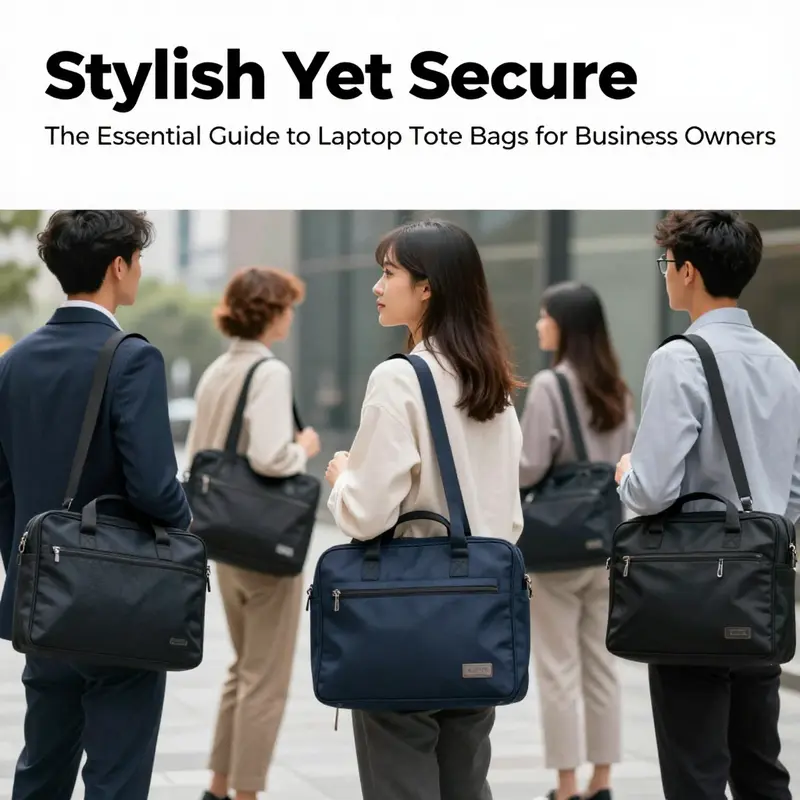
As the modern workspace evolves, business owners increasingly favor tote bags for laptops, merging style with functionality. Tote bags provide an elegant solution for professionals navigating urban landscapes, though it is vital to be mindful of their protective qualities. This guide delves into essential factors such as design considerations, protection features, and market trends for these bags, equipping you with the knowledge to select the right tote for your entrepreneurial needs.
Built to Carry: Designing Tote Bags That Protect and Support Your Laptop
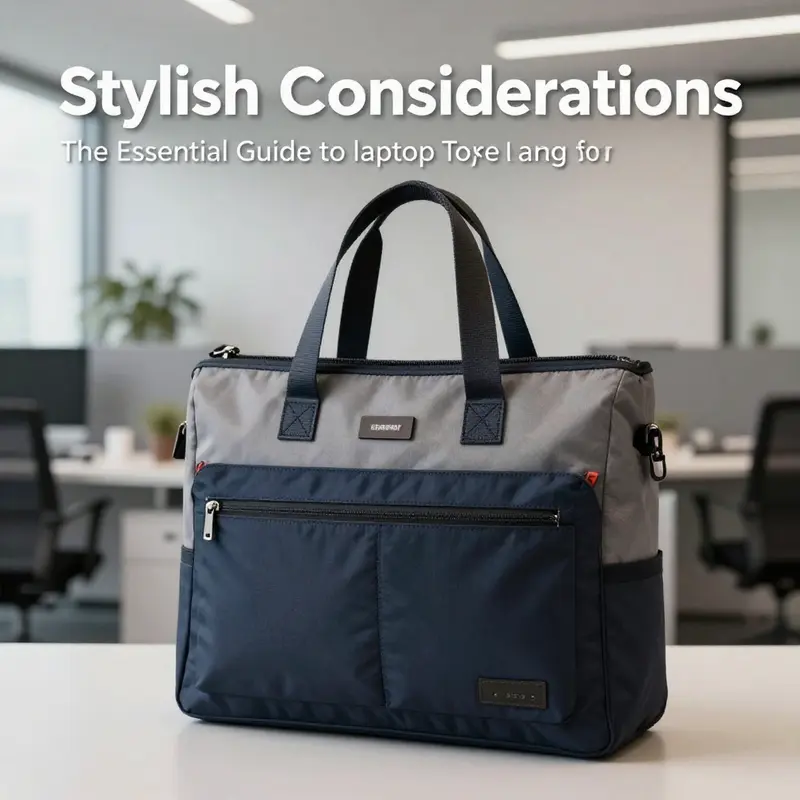
When choosing a tote bag for a laptop, buyers often weigh style against protection. A tote looks streamlined and professional. Yet a laptop is a fragile piece of equipment. The best tote designs reconcile those two demands. They protect the device without sacrificing the clean silhouette that makes a tote appealing. This chapter describes the thoughtful design choices that determine whether a tote safely carries a laptop, and how those choices affect daily use, comfort, and long‑term durability.
A tote’s protective capability starts with the compartment meant for the laptop. A dedicated sleeve that fits snugly prevents the device from shifting during movement. A snug fit reduces impact forces and scrapes. Ideally, the sleeve is not simply a pocket sewn into a soft wall. It should incorporate at least 5mm of dense foam padding, a semi‑rigid lining, or a double layer of high‑density fabric. Those elements absorb shocks and create a buffer against compression. Padding alone is not enough; the sleeve must be sized for the laptop’s dimensions. When a sleeve is too large, the laptop can slide and rotate. When too small, it may not close properly or strain seams.
Structural support beyond the sleeve is often overlooked. A bottom board or reinforced base keeps the bag from collapsing when placed on a seat or floor. It prevents other items from pressing directly against the laptop. Rigid or semi‑rigid bases distribute weight evenly, keeping the tote stable when set upright. Many modern designs use removable base inserts so the bag remains flexible when desired and structured when needed. The way the base integrates with the bag matters. A bottom panel that is stitched into a reinforced channel offers better protection than a thin pad merely glued to fabric.
Equally important is side protection and frame integrity. Totes with internal or external side panels that maintain shape provide vertical stiffness. This stiffness prevents harmful squeezes and reduces lateral movement of the laptop. A frame that allows the bag to hold an upright position also keeps liquid or debris from pooling near the device. For example, styles with an internal span or channel around the laptop pocket create a protected pocket within the bag. This pocket functions similarly to a safe area and isolates the laptop from other items.
Top closure choices alter exposure risk. An open top keeps access fast and seamless but increases vulnerability to spills, rain, and jostling in crowded places. Zippers, magnetic closures, or a flap with a secure fastener reduce those risks. A secure closure also helps the bag maintain shape and compressive resistance. If you prefer an open top for aesthetic reasons, consider a tote with a hidden zip or a removable inner compartment that zips closed. That allows the outside silhouette to remain sleek while protecting the laptop inside.
Strap design affects both comfort and structural performance. Narrow straps concentrate the weight of a loaded tote onto a small part of the shoulder. Wider, padded straps distribute weight better and reduce pressure points. Reinforced strap attachments are also critical. Heavy loads can tear weak stitching or hardware. Look for straps that are anchored through a reinforced channel or riveted into a base plate. Convertible straps are a valuable design innovation: a tote that can convert to a crossbody or a backpack lets the user change how weight is carried. This flexibility helps reduce shoulder strain and improves ergonomic balance on long commutes.
Weight distribution inside the tote influences how the bag behaves under real use. Internal organization — including a dedicated laptop sleeve, a tablet pocket, and separate compartments for chargers and cables — keeps devices from piling on top of one another. When accessories are loosely tucked in, they create pressure points that can compress the laptop. Velcro straps, elastic loops, and zip pockets that secure cables and chargers prevent them from sliding into the laptop’s space. A small, padded compartment for fragile accessories adds another layer of defense.
Material selection determines durability and resistance to environmental hazards. Dense woven materials such as ballistic fabrics and coated canvases resist punctures and abrasion. Water‑resistant coatings and taped seams protect electronics from rainfall and accidental spills. Natural materials like waxed canvas or certain treated leathers offer style and some water resistance, but they require maintenance and may not provide as much impact protection as engineered synthetics. A smart approach balances aesthetics with function: choose materials that look refined but include reinforced layers where protection matters most.
Hardware and closures are part of that functional ecosystem. High‑quality zippers operate smoothly and reduce strain at closure points. Metal or reinforced plastic zipper pulls add longevity. Magnetic snaps and buckles should be tested for secure engagement under load. Poorly designed hardware can fail first, exposing the laptop to damage. Reinforcement plates at stress points and riveted connections improve lifespan.
Thermal and electromagnetic considerations can influence interior design. Electronics are sensitive to temperature extremes. Linings that help insulate against heat or cold protect battery life and internal components. Some tote interiors include thin reflective layers or insulated compartments to help moderate temperature spikes, especially when a bag sits in a hot car or near heat sources. While electromagnetic shielding is rarely a standard feature, designers mindful of this issue may place pockets so that devices rest away from sources of interference or include materials that minimally attenuate radio signals.
Security features go beyond preventing physical damage. Zipped or closable compartments deter opportunistic theft. Hidden pockets close to the wearer’s body provide safe storage for essentials. Lockable zippers or integrated cable anchors for securing the bag to fixed objects can be helpful for users who move through crowded, public spaces. The choice of closure and pocket placement should balance quick access with protection and security.
Ergonomics matter in subtle ways. Carrying a laptop daily places repeated strain on the body. Totes that shift weight to the shoulder without distributing it lead to asymmetrical load patterns. Designers reduce this risk with shaped straps, load‑spreading padding, and options for alternative carry. Some tote designers incorporate a strap pass‑through for luggage handles, allowing the tote to ride on rolling luggage. That reduces the need to carry the bag on shoulder or arm during travel. Small adjustments in strap length and angle can dramatically improve how a bag rides against the body, reducing the risk of shoulder tilt and neck tension.
Maintenance and longevity are part of intelligent design. Removable liners and washable pads make it easier to clean spills and maintain the bag’s protective properties. Replaceable components such as base boards or strap pads extend usable life. Reinforced stitching on high‑wear seams and easily serviced hardware avoid early failure. Thoughtful designers anticipate that a bag will be used daily and provide access for repairs or part replacement.
A pragmatic design choice is the hybrid approach: pair a sleek tote with a separate, rigid sleeve for the laptop. The tote retains its aesthetic while the sleeve supplies robust impact resistance. A well‑fitted hard or semi‑hard sleeve can significantly reduce the risk of screen cracks and hinge damage. Some tote designs intentionally offer a removable, zippered inner compartment that functions as that protective sleeve. This hybrid option achieves the best of both worlds: the look of a classic tote and the protection of a specialist case.
Testing and quality assurance determine whether a design performs under real conditions. Shock absorption should be validated with drop tests, compression testing, and wear trials. Padding thickness is a measurable attribute; denser foam at a minimum of 5mm is a baseline. But foam density matters more than thickness alone. High‑density foams dissipate energy better than low‑density padding. Structural components should be evaluated for load distribution, seam strength, and hardware fatigue. A bag that passes lab‑style testing and a series of urban use trials will perform better where it counts.
Design also responds to lifestyle. A commuter who uses mass transit needs different features than someone who walks short distances. Frequent flyers want a compact carry that secures under a seat and slides onto luggage. Office commuters may prioritize a refined exterior and accessible pockets for business essentials. The best designs are explicit about intended use and provide features aligned with those needs.
Sustainability is an increasingly important factor in material and manufacturing choices. Recycled fabrics, low‑impact dyes, and ethically sourced components appeal to environmentally conscious buyers. Design choices that support durability also reduce waste. A longer‑lasting tote means fewer replacements and less material throughput. Transparent manufacturing practices and modular design for repairability complement durable materials.
A practical checklist captures these design priorities. At minimum, a protective tote should include: a dedicated sleeve with dense padding, a reinforced base, secure top closure, wide padded straps, durable and water‑resistant materials, and internal organization that prevents compression. Optional but valuable features are convertible straps, removable structural inserts, insulated linings, hidden security pockets, and replaceable parts. A clear size guide and compatibility notes help buyers match their laptop to the bag.
Finally, style need not be sacrificed for safety. Thoughtful aesthetic choices can conceal protective elements. Structured silhouettes hide internal frames. Seam lines and paneling realign stress points. Designers use contrast stitching and trim to signal reinforcement while maintaining a refined look. A tote that looks effortless on the outside can be engineered inside to resist drops, spills, and daily wear.
For readers interested in styles designed for specific demographics, explore a focused resource on options tailored to women, including compact and work-friendly forms, at laptop tote bag women. For further evaluation of current trends and expert roundups on tote designs, see an independent guide to the best tote bags: https://www.wired.com/story/best-tote-bags-2025/
By aligning padding, structure, ergonomics, materials, and organization, a tote bag can transition from being a fashionable carrier to a dependable laptop guardian. Careful design ensures the laptop remains protected without undermining the tote’s appeal. Thoughtful decisions in fabrication and feature set give users the confidence to carry their devices safely in urban and professional settings.
Smart Protection: How Laptop Tote Bags Keep Devices Safe Without Sacrificing Style
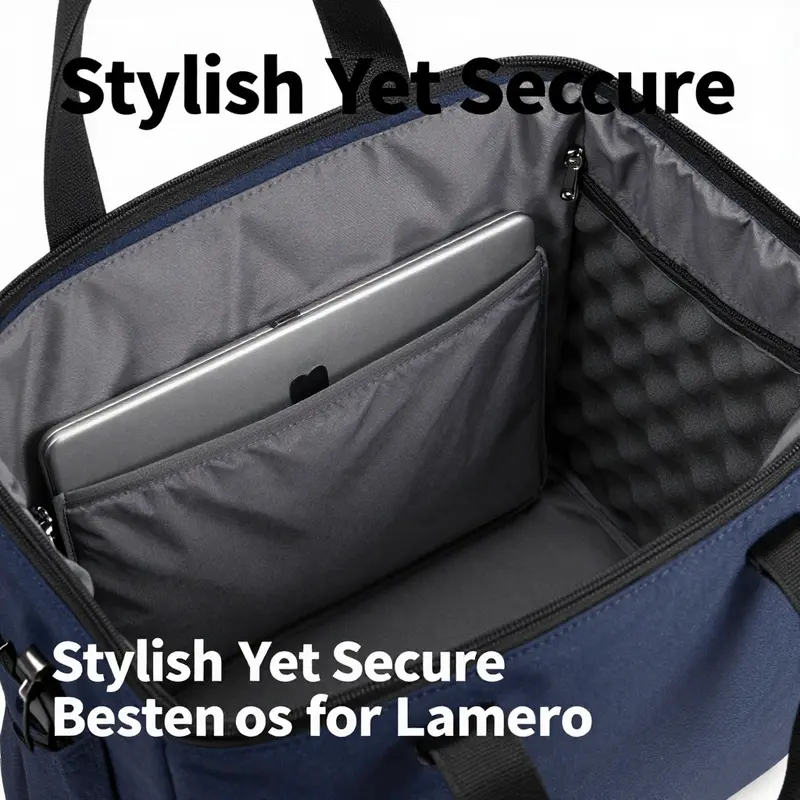
When choosing a tote bag for a laptop, protection matters as much as looks. A well-designed tote balances aesthetics with thoughtful engineering that shields electronics from everyday hazards. This chapter walks through the features that actually protect a laptop inside a tote, explains what those features do, and gives clear guidance on how to evaluate a tote before purchase. Read it as a practical map: it will help you spot useful protections, avoid false security, and combine style with sensible safeguards.
The heart of protection in any laptop tote is the padded compartment. A dedicated, padded laptop sleeve isolates the computer from the rest of the bag. It also absorbs shock from drops and reduces pressure from compression. Materials vary, but the best sleeves use resilient foams or soft, insulating liners. Common choices include neoprene, memory foam, and fleece-backed textiles. Neoprene resists punctures and rebounds quickly. Memory foam contours to the laptop and dampens impact. Fleece-like linings reduce abrasion and protect glossy finishes. Look for a sleeve that is cut to fit your laptop snugly. Extra space allows devices to slide and twist inside, raising the risk of impact and damage.
Padding thickness is a measurable safety factor. Thin, single-layer padding under 5mm offers only minimal protection. It softens a nudge, but it will not reliably stop a screen crack after a fall or a heavy compression event. In contrast, multi-layer systems that combine dense foam with a softer rebound layer absorb and dissipate energy more effectively. Some engineered sleeves incorporate a rigid plate or a semi-rigid insert to spread load across a larger area. Check product details for padding thickness and structure. If the label does not specify foam depth, ask the seller or inspect the bag in person. A sleeve with at least 5mm of quality foam is a basic threshold. For frequent commuters, aim higher or use an additional hard-shell sleeve.
Impact resistance depends on both material and geometry. A flat foam pad cushions direct blows. Reinforced corners and raised edges protect areas where laptops are most vulnerable. Suspended or raised sleeves keep the computer slightly elevated from the base of the bag. That elevation matters when a tote is dropped or placed on rough surfaces. Reinforced stitching and corner panels prevent deformation that could press inward on the laptop. Some designs add a thin internal frame or board to maintain the bag’s shape. That frame helps the tote resist crushing and distributes weight across the bag, rather than letting pressure concentrate on one spot.
Security features play a protective role too. A zippered closure or an internal drawstring reduces the chance of a laptop slipping free during a tumble. Zippers also lower exposure to spills. Open-top totes look attractive and allow fast access. Yet they leave the laptop exposed to rain, accidental spills, and pickpockets. If you prefer open-tops, prioritize models with an internal zippered laptop pocket or a secure flap. The stronger the closure, the better the protection against both environmental hazards and loss.
Water resistance and environmental protection are often underestimated. A light drizzle can soak through poor materials and damage ports or screens. Water-resistant fabrics and taped seams form the first defense. Fleece-backed or tricot liners inside the sleeve add thermal insulation, limiting temperature shifts and reducing condensation risks. For extra security, consider totes with water-resistant zippers and storm flaps. These measures protect against brief exposure to rain, commuting splashes, and accidental coffee spills.
Structural integrity combines organized compartments and robust construction. A tote with well-placed internal pockets prevents chargers and accessories from rubbing against the laptop or pressing into the screen. Zippered inserts and cable pockets keep items separate. Reinforced bases and corner panels help the bag sit upright and avoid sagging, which could let the laptop float into less-protected zones. The way a tote stands upright matters. Upright storage reduces chances of spills entering from the top. It also keeps weight balanced, lowering strain on handles and seams.
Handles and attachments are part of the protection story. Thin, weak handles transfer shock during impact and can break under a heavy load. Wide, padded straps distribute weight and reduce the risk of sudden drops when you put the bag down. If a tote provides a trolley sleeve or luggage pass-through, it reduces movement of the laptop inside the bag when mounted on rolling luggage, and thus lowers shock exposure during travel.
It helps to compare tote protection to alternatives. Backpacks and structured messenger bags often include thick, multi-layer padding and molded inserts. Many backpacks use suspended laptop compartments that keep the device lifted above the bag base. Those systematic protections reduce direct impacts and crush forces. Tote bags rarely match this level of engineering. However, a tote can still provide good daily protection if it combines adequate padding, a rigid or semi-rigid structure, and secure closures. For heavy urban commuting, assess whether the tote meets your routine risks, like crowds, public transit, or frequent stacking with other items.
If maximum protection is a priority, a hybrid approach works best. Use the tote’s aesthetic while placing the laptop inside a secondary, protective sleeve. A high-quality external sleeve can add rigid protection and extra padding. Choose sleeves that are shock-tested or that specify foam thickness and impact-reduction properties. Hard-shell sleeves protect against compression and pointed impacts. Soft multilayer sleeves enhance shock absorption and reduce scratches. The combination of a stylish tote and a technically advanced sleeve gives the best of both worlds: fashion and reinforced safety.
Evaluate real-world scenarios to choose the right features. If your commute is short and mostly by car, a moderate padded sleeve and water-resistant exterior may suffice. If you ride crowded transit, prioritize zippered closures and reinforced corners. If you travel by air often, look for totes with a trolley sleeve, strong handles, and a sleeve that can survive being placed under a seat. For those who carry multiple devices, pay attention to how the laptop compartment interacts with other pockets. Do power bricks, external drives, or a water bottle sit next to the laptop? Strategic separators and rigid inserts stop heavier objects from settling onto your laptop.
Durability and maintenance matter. Fabrics and padding compress over time. Repeated compression reduces shock absorption. Inspect padding for signs of permanent deformation every few months. Clean the bag according to manufacturer guidance to maintain water resistance. Replace liners or sleeves if they show wear. Reinforced stitching and high-quality zippers last longer and keep protective features intact. If the bag has a base board or frame, check its condition regularly. A warped or detached insert will not protect effectively.
Testing and verification are practical steps before buying. Try a simulated drop test in the store by placing a similar weight into the tote and setting it gently onto a firm surface. Feel for movement and observe the bag’s shape retention. Measure the sleeve thickness if possible. Check zippers and closures for smooth operation. Push gently at the corners to see if reinforcements are present. Assess the fit: a snug laptop compartment that closes without forcing the device will minimize internal movement.
A simple checklist helps during shopping. Verify the laptop sleeve is dedicated and padded. Confirm padding thickness or test foam resilience. Ensure the tote offers secure closures or an internal zipped pocket. Look for water-resistant fabrics and lined sleeves. Check for reinforced corners and an upright-supporting base. Test straps and handles for comfort and strength. Ensure accessory pockets prevent contact with the laptop. If you travel often, prioritize a trolley sleeve or luggage pass-through.
Finally, consider how protection fits your lifestyle and preferences. A soft, fashionable tote can work perfectly for low-risk, style-focused use. A more rugged, structured tote suits heavier daily demands. Whenever you choose a softer tote, pairing it with a robust external sleeve reduces the downside of a lightweight design. Combine that with mindful packing habits: keep liquids sealed and away from the laptop, place heavier items at the bottom of the tote, and avoid stacking the bag under heavy loads.
For additional reading on how impact forces affect electronics and how padding reduces damage, refer to the published impact protection studies produced by the independent lab TechShield Labs: https://www.techshieldlabs.com/impact-protection-studies
If you want a closer look at a tote bag with a built-in compartment designed for computers, see this detailed resource on a tote bag with computer sleeve: https://alltotebags.com/tote-bag-with-computer-slee/
With a clear understanding of padding, structure, closure, and materials, you can choose a tote that protects your laptop while preserving your preferred look. Evaluate features, test fit, and consider an extra sleeve for high-risk commutes. Those steps keep your device safe without forcing a compromise on style.
Carrying the Future: Market Trends Shaping Tote Bags for Laptops in the Age of Hybrid Work
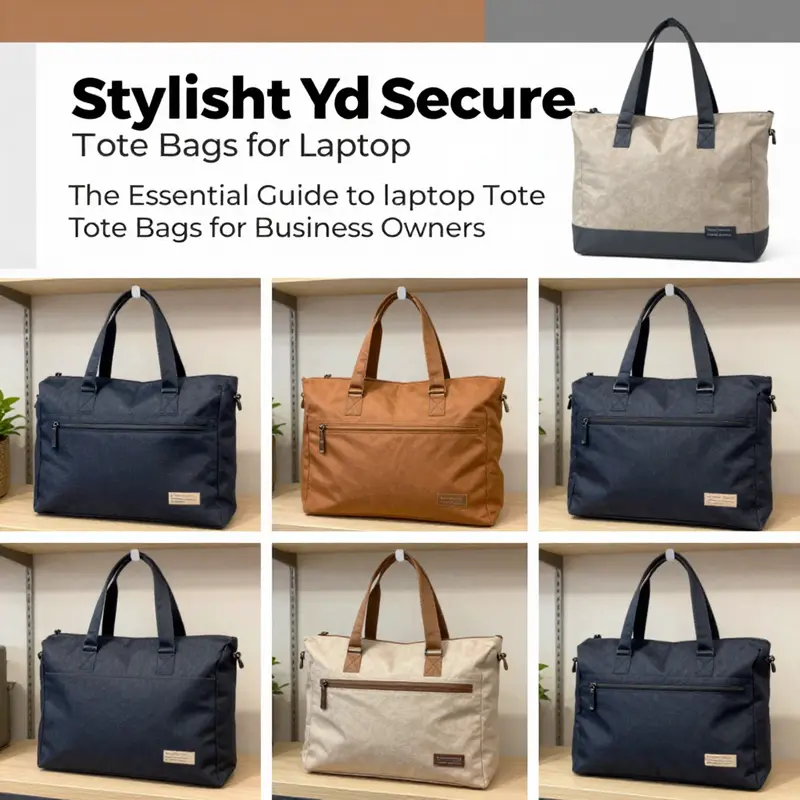
Across city sidewalks, in coffee shops, and along crowded commutes, a quiet transformation has reshaped how professionals approach the everyday act of carrying a laptop. Tote bags with dedicated laptop sleeves have moved from niche accessories to a visible, capable, and increasingly desirable choice. They offer a lean silhouette, a casual polish, and an open-top practicality that fits the rhythm of hybrid work: quick access between meeting rooms, a laptop at your side during a brief sprint to a coworking space, and the ability to slip a charger or a tablet into a separate pocket without sacrificing style. The attraction is not merely about aesthetics; it is about a portable mindset. A device that once tethered a desk to a desk can now ride the urban arc, slipping in and out of meetings as easily as a strap over a shoulder. Yet beneath the surface, another conversation unfolds, one focused on protection, durability, and the long arc of value as materials evolve and consumer expectations sharpen. This is the core tension that animates the current market: how to marry the light, accessible elegance of a tote with the practical protection demanded by today’s always-on devices and the unpredictable rhythms of modern city life.
The market data surrounding this shift is telling. The category has grown from a stylish add-on to a central, recognized segment within the tote landscape. Recent analyses place the global tote bags market at roughly USD 3.11 billion in 2025, with forecasts suggesting growth to about USD 4.92 billion by 2035. This trajectory is not a mere uptick in fashion; it reflects a broader realignment of work patterns, commuting habits, and consumer priorities. Remote work and hybrid arrangements have created a daily cadence that rewards mobility and accessibility. People want to move with their devices, not be encumbered by heavy, inflexible carrying solutions. The tote with a laptop sleeve answers that call, delivering immediate access to technology while allowing the wearer to present a poised, uncluttered appearance. In this context, the decision to purchase extends beyond the device itself and becomes a statement about how the buyer wants to navigate a cityscape that blends work zones, social spaces, and transit corridors.
As this market evolves, sustainability has moved from a trend to a baseline expectation. Consumers increasingly demand transparency in production and the use of materials that minimize environmental impact. Organic cotton, recycled fabrics, vegetable-tanned leather, and upcycled components are no longer niche choices but core considerations that accompany a bag’s design, weight, feel, and longevity. In discussing these shifts, Lena Park, a fashion industry analyst at StyleMetrics, emphasizes a fundamental alignment between trend and value. Trendiness is no longer only about the surface look; it is about the degree to which a bag reflects the cultural values that shoppers hold dear. Today’s buyers want bags that embody both style and responsibility, and brands that disclose sourcing and manufacturing practices often earn deeper trust and loyalty. The market response to this demand is visible in both material choices and the rhetoric of brands that foreground sustainability as a design principle rather than a marketing hook.
Beyond the materials narrative, design innovations are reshaping what a tote can do to protect a laptop without sacrificing the ease of use that makes totes appealing in the first place. Traditional totes have always offered a padded laptop sleeve, but the padding in many models remains modest. The modern iteration often upgrades these details with reinforced padding that uses multi-layer cushioning, water-resistant linings, and interior dividers that keep cords and accessories organized in a way that reduces the risk of pressure points or shifting during transit. A growing number of bags incorporate anti-theft features such as discreet, theft-resistant zippers and more secure closures, while some lines now include built-in USB charging ports. These enhancements help close the gap with more technically oriented backpacks, which distribute weight more evenly and offer robust shock absorption, even if they still cannot fully match the all-around protection that a structured backpack provides against side impacts and mid-air bumps.
Yet this progress comes with caveats. The allure of an open-top design, a hallmark of tote accessibility, can also expose a device to spills, rain, or inadvertent jostling in a packed train car. The market responds with a spectrum of solutions that balance convenience with protection. Some enthusiasts adopt a hybrid strategy: they keep the tote as the everyday carry and pair it with a separate, hard-shell laptop sleeve or case to cradle the machine for more rugged environments. This approach preserves the accessible, fashion-forward exterior while layering in a shield against shock and environmental hazards. It is a practical compromise for urban professionals who routinely move through busy transit nodes or crowded offices and who want a bag that can transition from desk to café to meeting room with minimal fuss. The option is reflected in consumer behavior and product development alike, as more designers and manufacturers explore modular concepts, where the tote can be augmented with protective inserts without altering the essential look and feel of the bag.
This phase of product refinement is also reflected in the broader design conversation about a bag’s internal structure. The tentative baseline for laptop protection has shifted from simply a shallow pocket to a thoughtfully engineered compartment that holds the device upright and evenly distributes weight. A common expectation now is a dedicated sleeve that remains stable during use, with additional padding to absorb shocks from accidental drops or bumps. The emphasis on upright storage is not merely practical; it also aligns with a more confident, ergonomic carry style. When a bag can maintain orientation even while walking or standing, it reduces the likelihood of screen pressure or hinge stress, two common failure modes that can arise from a bag that crushes the laptop under uneven load. The result is a more resilient, versatile tote that still embodies the clean, uncluttered lines that attracted buyers in the first place.
From a consumer standpoint, the decision often boils down to a balance between protection and accessibility. A key practical question is how much protection is necessary for daily life. The design response that seems to speak most to buyers is the 5-millimeter padding threshold—a benchmark that appears repeatedly in product discussions as a baseline for meaningful protection without adding excessive bulk. With at least this amount of padding, the laptop enjoys a buffer against minor drops and compressive forces that occur in crowded spaces. Still, the same conversations acknowledge that even with robust padding, totes cannot fully replicate the shock-absorption and weight distribution of purpose-built backpacks or cases with reinforced frames. In other words, the tote excels at quick access and a refined aesthetic but remains inherently lighter duty when the bag faces the most demanding transit conditions.
This reality is driving a broader consumer education effort, one that helps shoppers understand how to optimize a tote’s protective potential. A recurring suggestion is to be mindful of how the bag is loaded and stored. For instance, keeping the laptop compartment upright and avoiding top-loading configurations that invite spills are simple but effective habits. The open-top design that makes these bags so user-friendly can, in the wrong setting, become a liability. Consequently, shoppers who routinely commute through high-traffic areas often seek a more structured carrier for their device, or they invest in additional protective accessories. A popular hybrid approach includes pairing a sleek tote with a separate, hard-shell laptop sleeve [tote-bag-with-computer-sleeve], a link that points to a product category designed precisely for users who want premium style without sacrificing security. This strategic pairing illustrates how the market is learning to accommodate diverse use cases, from a quick trip to the coffee shop to a full day of back-to-back meetings on the go.
For manufacturers and designers, the current moment represents both opportunity and accountability. Sustainable materials continue to gain ground, but so too does the demand for transparency in supply chains. Shoppers want brands to reveal not only what a bag is made of but how those materials were sourced and how workers were treated along the way. This demand has propelled a wave of partnerships with mills and suppliers that prioritize ethical practices, traceability, and regenerative processes. The consumer is willing to pay a premium for stories of responsibility, especially when the product remains affordable enough for daily use. As these narratives gain traction, the investment in durable construction, repairability, and modularity becomes not only a design choice but a long-term business strategy. Bags that are built to endure and to be repaired—rather than discarded after a season—align with a broader cultural shift toward sustainable consumption. This shift also supports the growth of smaller, craft-forward labels that emphasize local production, artisanal detailing, and controlled quality, even as mass-market options scale up to meet growing demand.
In terms of market segmentation, the evolution of tote bags for laptops tracks closely with changes in how people work and collaborate. The rise of hybrid office environments and remote collaboration has broadened the appeal of a tote that can project professionalism without the stiffness of a traditional briefcase. The demand is strongest among remote workers, hybrid office professionals, and younger demographics who prioritize ease of access, travel-friendly form factors, and the ability to transition from a bus stop to a meeting room in seconds. The aesthetic appeal of a tote—its versatility in wardrobe pairing, its ability to sit naturally in a café setting, its unstructured elegance—continues to draw a wide spectrum of users. Yet for a subset of buyers, the corporate necessity of durability and protection remains non-negotiable, guiding them toward models that blend soft exterior lines with reinforced interior engineering or toward hybrid solutions that pair a tote with protective accessories.
An important implication for the retail landscape is the way product information travels online. The e-commerce ecosystem amplifies the value of clear specifications and demonstrable features. Consumers increasingly rely on detailed descriptions of padding thickness, material composition, water resistance ratings, and the presence of organizational pockets that prevent gear from shifting during transit. The online experience can educate buyers about the realities of tote protection in a way that a showroom floor cannot, empowering more informed choices and reducing after-purchase disappointment. This educational value supports a broader trend: the shift from simply cataloging a bag to offering a curated, user-centered narrative about how a bag fits into daily life, with all its movement, stress, and variety.
In the end, the market trends for laptop tote bags reveal a balanced, nuanced ecosystem. They show a product category that has learned to honor the elegance of a minimalist silhouette while embracing a practical, security-conscious mindset. They reflect a consumer base that wants both a refined presence and a reliable partner for a day that blends commuting, café sessions, and back-to-back meetings. They acknowledge the inevitability that fashion and function will never perfectly overlap in all situations, yet they also celebrate the elegance of a design that continues to push forward—adding reinforcement here, enhancing a zipper there, expanding a sleeve into a modular system that can adapt as a person’s needs evolve. As the category matures, it remains clear that tote bags for laptops are not merely a style choice; they are a flexible, responsible response to the way people live and work in the 21st century, a symbol of mobility that does not force a trade-off between form and protection. The street and the desk, once treated as distinct worlds, now exist in a shared space where a well-made tote can carry both a device and a declaration about how we choose to move through our days.
External resource: https://www.mordorintelligence.com/industry-reports/tote-bags-market
Final thoughts
Choosing the right laptop tote bag is a significant consideration for business owners aiming to merge aesthetics with utility. As you evaluate design aspects, protection features, and prevailing market trends, keep in mind the critical balance between style and safety to safeguard your technology while making a professional statement. Opting for a well-designed bag can enhance your organizational capabilities while also reflecting your brand’s identity.