
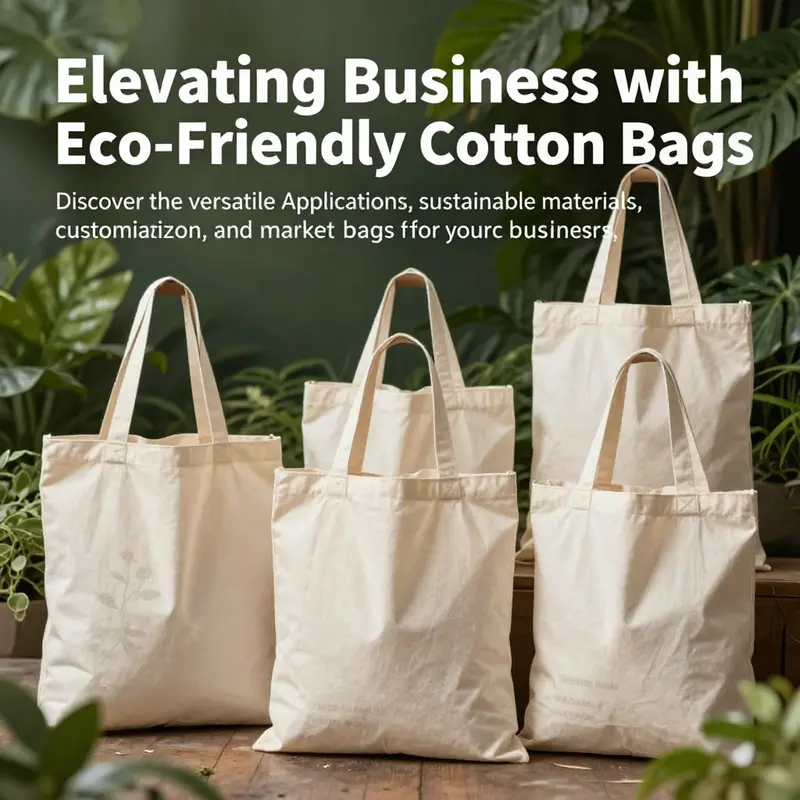
Cotton bags are becoming an integral part of eco-conscious business practices, appreciated for their versatility and sustainability. For business owners, recognizing the multiple applications of cotton bags can enhance customer satisfaction while contributing positively to the environment. From shopping and branding options to adapting to market trends, understanding cotton bags is crucial for aligning with modern consumer expectations. In the following chapters, we will explore how cotton bags can be used daily, delve into their sustainable materials, highlight opportunities for customization and branding, and finally, analyze the economic impact and emerging market trends.
Everyday Carriers: The Quiet Yet Crucial Role of Cotton Bags in Daily Life
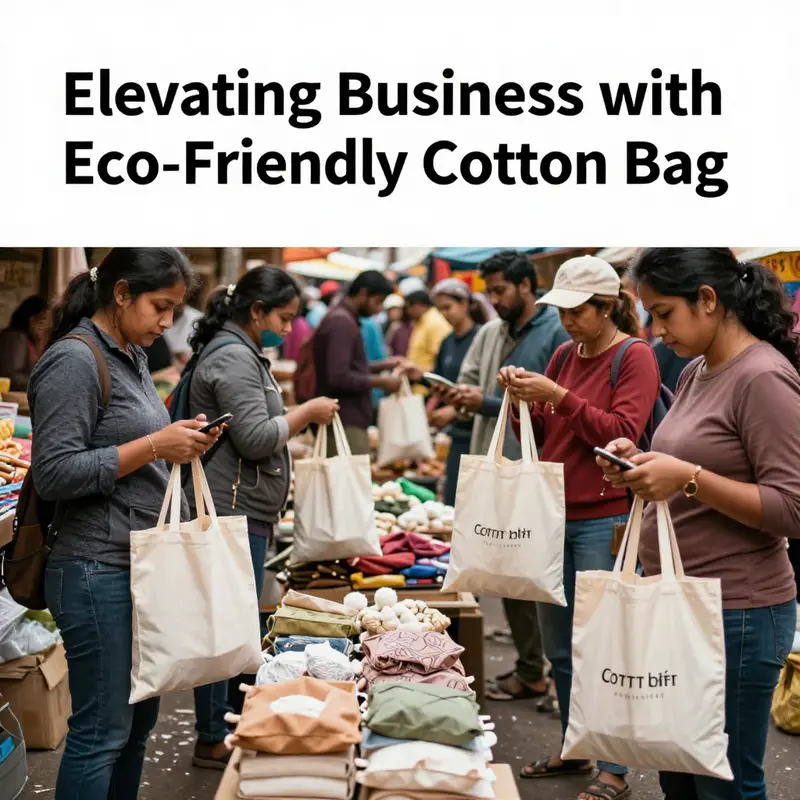
Cotton bags have quietly woven themselves into the rhythm of everyday life, moving from simple carryalls to reliable partners in a culture that prizes reuse, practicality, and a slower pace of consumption. They are the kind of object you notice only when you forget one or when you confront a wall of plastic alternatives at the checkout. Yet in truth these bags stand as a practical manifesto: durable, reusable, and adaptable to countless tasks. Their appeal is not purely practical; it is a gentle invitation to rethink what we carry and how we carry it. When you lift a cotton bag, you feel the balance between strength and lightness, the way the fabric holds its shape yet remains forgiving to the touch. It is this balance that makes cotton bags suited for daily errands, office commutes, weekend getaways, and everything in between. They are designed to endure the rough edges of daily life, to absorb the minor spills of a busy routine, and to be washed and reused without fanfare. In a world where packaging waste can stack up quickly, the cotton bag stands as a kind of emblem of continuity, a tool that helps us reframe small acts—like shopping or carrying lunch—as part of a broader commitment to stewardship of resources.
The material core matters as much as the bag’s silhouette. The most common baseline is 100 percent cotton, ideally organic, because it signals a non-toxic approach from seed to seam. Organic cotton is grown with fewer synthetic inputs, which reduces environmental impact and lowers the chemical load that can come into contact with skin and hands during daily use. The fiber’s natural breathability translates into comfort when a bag sits shoulder-strapped through a crowded commute or warms under a late afternoon sun on a beach towel. Breathability also supports practical durability: a bag that breathes dries more quickly after a spill or a wash, reducing the chance of mold or odor that can come with damp, poorly ventilated fabrics. Biodegradability is another quiet virtue here. When cotton bags reach the end of their useful life, many can follow a more natural path than blends or synthetic alternatives, returning to the earth with less lingering residue. In practice, these material choices influence not just performance but the feel of daily rituals, the sense that a bag is friendly to the body, the hands, and the planet.
Beyond the fiber, the design language of cotton bags tends to favor versatility. They wear well in a kitchen, at the market, or inside a workday environment, and they adapt to a wide range of loads. A typical cotton tote or shopper can carry groceries, books, gym clothes, or a laptop with a sturdy companion to spare. The capacity is often enhanced by thoughtful construction choices, such as side gussets that expand the interior without adding bulk at the opening. The practical effect is a bag that can accommodate a weekend’s worth of groceries or the printed modules and notebooks of a seminar without sacrificing form. The capacity, however, does not come at the expense of simplicity; many bags maintain a clean, minimalist exterior that suits both casual and professional settings. For those who want a little more structure or a touch of personalization, there are many customization options. Printing a brand logo, selecting colors, and choosing size and style can transform a bag from a generic carrier into a personal or corporate statement. To get a sense of how fabric choices translate into everyday wear and use, consider the example of fabric tote bags for women, which illustrates how material, color, and finish interact with daily routines. fabric tote bags for women.
The daily uses of cotton bags extend far beyond shopping. They are frequently pressed into office life as reliable, more sustainable alternatives to traditional carry-ons or briefcases. A well-made cotton bag can cradle a laptop, notebooks, and a charger with room to spare, all without sacrificing comfort or balance on the shoulder. For beach outings, a cotton bag handles towels, sunscreen, a book, and a few snacks with a lightness that plastic often fails to achieve after a day in the sun. When traveling, a cotton bag serves as a compact, washable, and adaptable storage solution for clothes and personal items, reducing the need for multiple plastic bags along the way. The same attributes that make them good for travel—washability, durability, and adaptability—also render them popular for organizing day-to-day life at home. One can see a cotton bag as a modular component of a sustainable household, capable of reordering itself to fit a gym bag, a toy bin, or a cosmetic kit depending on the moment’s needs.
Practicalities such as closures and compartments further widen their range of uses. Zip-top cotton bags, in particular, provide a sense of security that is welcome for liquids, cosmetics, or electronics, offering a barrier against spills and moisture while remaining easy to access. The closure adds a layer of reliability for busy days when things move quickly from one setting to another. Yet even with zippers, the line between function and style remains intact: a zipper can be discreet, not obtrusive, and the bag remains easy to open and close with one hand when needed. Washability adds another layer of practicality. Cotton tolerates washing well, and many users appreciate that the bag can be refreshed without losing shape or color, supporting a cycle of reuse that mirrors the broader aims of sustainable consumption. The ongoing ability to reuse is perhaps the most potent argument for cotton bags: each reuse compounds the environmental benefits, reducing the demand for single-use plastics and the need to produce new packaging materials.
Style and individuality have not been sidelined in this narrative of utility. Handmade cotton bags emerge as a powerful counterpoint to mass-produced items, offering designs that express personal taste while maintaining ecological considerations. Tie-dye, block printing, and tribal embroidery populate a spectrum of aesthetics that appeal to students, travelers, and professionals alike. These designs transform a practical item into a personal statement, infusing daily life with color, texture, and cultural reference. They function as a bridge between everyday necessity and personal identity, allowing people to carry their values outward in a form that is visible and tactile. The beauty of such handmade variations lies not only in appearance but in the story they carry—the story of artisans, of time-honored techniques, and of a consumer choice that supports craftspeople and sustainable practices. In this way, the everyday cotton bag becomes more than a container; it becomes a small cultural artifact carried through schools, offices, markets, and journeys.
The economic and market dynamics surrounding cotton bags also matter, because price signals influence adoption. In wholesale terms, price levels tend to be sensitive to order quantity. A typical range for moderate volume orders sits around a few tenths of a dollar per piece, with larger orders allowing for further reductions. The economics of customization can alter the equation as well: screen printing or heat transfer for logos, and the selection of fabrics, colors, and sizes all contribute to the final cost. Yet price is only part of the story. The real value lies in the bag’s longevity and in the degree to which it displaces disposable packaging. A bag that lasts a year, or several, while being washed and reappointed for different duties, compounds savings that go beyond the initial price tag. When a society systematically reduces the use of single-use plastics, the cumulative effect can be substantial, and the cotton bag remains an effective instrument in that larger transformation.
To understand the broader implications, it helps to consider the lifecycle and care of a cotton bag. Reuse timing is variable, of course, but a well-made bag can travel through different phases of life: from daily shopper to weekend tote, from gym companion to travel essential. At the end of its usable life, the fabric is still more likely to be recyclable or biodegradable than many synthetic alternatives, depending on the processing and dyes used. The care routines—gentle washing, air drying, and occasional reinforcement of seams—extend the bag’s lifespan and reduce the frequency with which new bags must be produced. In this light, the cotton bag becomes a practical instrument of habit formation: a small tool that nudges daily practices toward mindfulness about material use and waste. The everyday routine of opening the bag, loading it with errands or equipment, and returning it to a hook or shelf becomes a quiet education in sustainability, a daily reminder that what we choose to carry matters both in the present and for future generations.
While efficiency and practicality are central to the story, the social and cultural dimensions should not be overlooked. The rise of cotton bags aligns with a broader interest in local production, ethical sourcing, and transparent supply chains. Consumers increasingly want to know where a bag comes from, how the fibers are grown, and who crafted the product. In practice, this interest translates into clearer labeling, better documentation of materials, and more opportunities for designers and makers to participate in sustainable economies. The everyday bag thus functions as a touchstone for questions about labor, materials, and environmental impact—questions that matter whether one is shopping at a local market, choosing a bag for a corporate event, or simply replacing a worn item in a household pantry. As a result, the cotton bag embeds itself in daily life not merely as a tool, but as a conduit for ongoing conversations about sustainability, ethics, and the future of everyday objects.
External resource and references offer additional perspectives on how these materials and practices operate in different regions of the world. They illuminate the ways in which production systems, fiber cultivation, and textile traditions intersect with modern consumption patterns to shape what a cotton bag can be in a given context. For readers seeking a deeper technical understanding of how cotton bags are specified and applied in various markets, a detailed overview of India’s cotton bag specifications and applications provides a useful framework for evaluating quality, durability, and environmental considerations across a range of products. https://www.cottonbagindia.com/technical-overview-of-india-cotton-bag-specifications-and-applications
From Field to Tote: Materials, Practices, and the Real Sustainability of Cotton Bags
From Field to Tote: Materials, Practices, and the Real Sustainability of Cotton Bags
Cotton bags feel familiar and simple, but their sustainability depends on many choices made before and after you buy one. The fiber itself is a natural advantage. Cotton is renewable and biodegradable. It breathes, resists tearing, and holds ink and dyes well. These attributes make cotton a practical alternative to single-use plastics. Yet fabric and fiber are only part of the story. How cotton is grown, processed, printed, and cared for determines whether a bag is genuinely greener.
Conventional cotton production is resource intensive. It often requires substantial irrigation and heavy pesticide use. Those inputs affect soil health and local ecosystems. High water use strains arid regions and raises the hidden environmental cost of otherwise attractive cotton goods. Synthetic agrochemicals can reduce biodiversity and introduce residues to soil and water. For shoppers and brands that care, this makes a difference. Choosing cotton grown under better practices can greatly cut the lifecycle impacts of a bag.
Organic cotton addresses several of these concerns. Grown without synthetic pesticides and fertilizers, organic cotton uses crop rotations and natural inputs to restore soil fertility. These practices reduce chemical runoff and support pollinators. Many certified organic growers also use rain-fed systems or water-conserving irrigation methods. That lowers the water footprint. When a bag is labeled as made from certified organic cotton, the label signals a commitment to reduced chemical use and better stewardship of land.
Fabric weight, weave, and finishing also affect sustainability. Lightweight cotton may use less raw fiber, but it can wear out sooner. Heavy, tightly woven cotton lasts longer and withstands repeated washings. A well-made cotton bag that lasts for years replaces hundreds of single-use bags. Longevity is a crucial sustainability lever. A robust tote used for shopping, commuting, or errands reduces waste and the demand for continual replacement.
Production choices extend beyond the field. Spinning, weaving, dyeing, and finishing all consume energy and water. Natural dyes and low-impact mordants cut chemical loads. Water-efficient dyeing machines and closed-loop dye systems capture and reuse process water. Factories that adopt energy-efficient lighting and machinery lower greenhouse gas emissions. When brands disclose these practices, buyers can compare the hidden impacts of similarly priced bags.
Ethical labor and fair manufacturing are part of the sustainability equation. Cotton grown without exploitative labor practices and processed in workplaces with fair wages improves the social footprint of a product. Certifications and supplier audits are useful indicators. Choosing suppliers that publish social audits and worker welfare commitments reduces the chance that a low-cost bag relies on poor labor conditions. A sustainably made bag should protect both the environment and the people who produce it.
Customization and printing methods influence both aesthetics and environmental impact. Screen printing and heat transfer are common ways to add logos or artwork. Screen printing can be durable and uses water-based inks when done responsibly. Heat transfer may save water but increase energy use. Both methods vary in the types of inks used. Water-based, low-VOC inks minimize toxic emissions and make a bag safer for users and the environment. When ordering customized cotton bags, ask about ink types and printing waste management.
Another important, but often overlooked, element is the end-of-life plan. Cotton is biodegradable, yet a bag thrown in a landfill will decompose slowly without oxygen. Composting programs and textile recycling facilities can reclaim fibers. Advances in textile recycling are creating closed-loop systems that shred used cotton into new yarns. These systems still face technical and economic hurdles, but they show a path toward lowering demand for new fiber. Supporting brands that pilot take-back or recycling schemes helps scale infrastructure and reduces waste.
Care and maintenance determine how long a cotton bag lasts in real life. Gentle washing in cold water preserves fiber strength and reduces energy use. Air drying prevents shrinkage and cuts dryer energy. Repairing small tears extends service life and prevents premature disposal. These simple habits can multiply the environmental benefits of choosing cotton in the first place. A single bag that lasts five years achieves much more impact reduction than one replaced annually.
Cost matters when scaling sustainability. Organic and ethically produced cotton often come at a higher price. For organizations buying in bulk, the wholesale market shows variation depending on quantities. Investing in higher-quality or certified bags may increase upfront cost but lower lifetime environmental impact and improve public perception. For many buyers, a slightly higher unit price is justified by the longer lifespan and fewer replacements. Clear communication about these trade-offs helps consumers understand value beyond sticker price.
Transparency from brands and suppliers simplifies better choices. Look for third-party certifications for organic fiber and fair labor. Ask suppliers about water and energy use in finishing processes. Request details about printing inks and waste treatment. When brands publish supply chain information, consumers can make informed decisions and reward responsible actors in the market. Transparent sourcing also encourages suppliers to adopt better practices to remain competitive.
Design plays a role in reducing resource use. Simple, durable constructions require less material and waste fewer scraps. Design for durability—double-stitched handles, reinforced seams, and thoughtful gussets—extends service life. Designing for disassembly also helps: if a bag can be easily separated into recyclable parts, end-of-life processing becomes simpler. Thoughtful design reduces material waste and supports circularity.
Material blends deserve attention. Some cotton bags mix fibers, adding synthetic threads for stretch or durability. Blends can complicate recycling. Pure cotton simplifies end-of-life options and maintains biodegradability. When blends are necessary, clear labeling helps recyclers and consumers understand proper disposal paths.
Finally, consumer behavior is the last link in the sustainability chain. A high-quality, responsibly produced cotton bag has greater environmental benefits when it replaces many single-use bags. Using it consistently, caring for it properly, and choosing to repair rather than discard will magnify those benefits. Encouraging small, repeatable habits—keep a bag in your car, fold one into a purse, or keep a spare at work—keeps cotton bags in rotation and reduces reliance on disposables.
Choosing a cotton bag with a full view of its lifecycle unlocks real impact. Consider the fiber source, production methods, printing, factory conditions, and end-of-life options. Favor certified organic fiber and transparent supply chains when possible. Value durability and mindful design. Support brands that invest in recycling and closed-loop initiatives. And finally, treat the bag as a long-term tool rather than a disposable accessory.
For readers seeking practical examples of everyday cotton carriers, a close look at items like women’s canvas tote bags shows how material choice and construction influence durability and utility. For a selection focused on practical, sturdy designs, see this guide to women’s canvas tote bags.
For more on how different bag types compare to single-use plastics and alternatives, refer to the environmental analysis by the EPA: https://www.epa.gov/sustainable-management-plastics/understanding-impact-plastic-bags-and-alternatives
Branding on Cotton Bags: Customization as a Living Canvas for Sustainability and Style
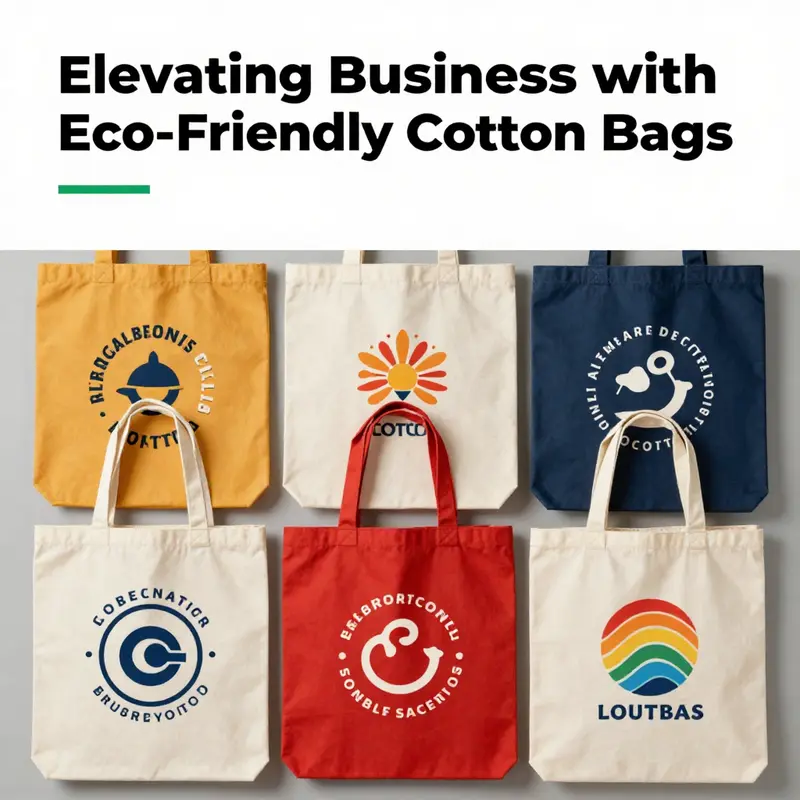
Cotton bags have moved beyond simple carriers to become living canvases for brand narratives. Their tactile warmth, natural texture, and perceived authenticity offer a distinct contrast to nonwoven or plastic alternatives. When a company selects cotton as the packaging surface, it signals care for the environment and a commitment to quality that customers can feel through touch and sight. The opportunity lies not only in placing a logo on fabric but in designing a reusable object that echoes the brand’s values long after the checkout moment. In this sense, customization on cotton bags is a strategic blend of aesthetics, function, and sustainable storytelling that can widen a brand’s resonance with today’s environmentally aware consumers. The result is packaging that performs as well as it looks, becoming a credible extension of the product and a mobile ambassador that travels with the customer from store to home and beyond.
A core driver of this opportunity is the broad range of printing and embroidery techniques that cotton supports. Screen printing remains a reliable workhorse for bold logos and dense color blocks, delivering durable results on the natural surface. Digital printing enables intricate artwork, subtle color gradients, and photo-like details that capture a brand’s personality with high fidelity. Embroidery, meanwhile, adds texture and a premium feel that can elevate even a modest tote into a statement piece. Each method has its own strengths in terms of color fastness, washability, and the tactile impression it leaves. Cotton’s fiber structure accommodates these methods without sacrificing breathability or softness, so the bag itself contributes to the overall brand experience rather than simply carrying a message. When a brand learns to align printing technique with the bag’s intended use—whether it’s a high-end gift, a retail carry-out, or a promotional giveaway—the investment yields returns beyond the first use. Consumers remember the moment of unboxing and the way the design integrates with the bag’s texture, color, and weight. That memorability translates into brand recall and discussion among peers, which in turn expands organic reach without relying solely on paid media.
Customization on cotton bags often extends well beyond a single logo on a flat surface. Brands can curate a color story that harmonizes with their identity by selecting from natural cotton shades or dyed hues. A raw, undyed bag can convey rustic authenticity, while a warm cream or ecru tone invites a minimalist elegance that complements metallic accents or bold typography. Different textures offer another axis of differentiation: a smooth bag can showcase high-contrast typography with crisp lines, whereas a woven or textured surface can introduce a tactile dimension that rewards close inspection. These choices are not merely cosmetic; they influence how customers interact with the bag. A bag that feels substantial can signal durability and value, while a lighter, pliable bag may feel more casual and approachable. Branded features deepen this interaction. Reinforced handles provide comfort during longer carries and communicate a commitment to longevity. Internal pockets or zip closures enhance practicality, allowing the bag to function as a small organizer for everyday items or retail purchases. Drawstrings, magnetic snaps, or snap closures can introduce an element of playfulness or sophistication, depending on the brand’s voice. Each functional addition is an opportunity to reinforce the brand story: a sustainability-focused label might incorporate a pocket designed for recycling tips or product care instructions, turning the bag into a discrete educational tool that customers carry with them.
The power of cotton bags as branding assets also lies in the way they invite sustainable storytelling. The bag becomes a platform to communicate the brand’s values and its commitments to materials, dyes, and supply chain ethics. A company can print a concise care guide, a brief narrative about sourcing, or a message about environmental stewardship right on the bag. This makes every use a mini-brand touchpoint, not just a marketing moment. Consumers who reuse the bag for groceries, library runs, or gym sessions encounter the brand repeatedly, reinforcing recognition and affinity through daily life. In this sense, the bag transitions from packaging into a small, portable ambassador for the brand, multiplying impressions far beyond a single purchase. It is this potential for ongoing engagement that differentiates cotton bags from disposable packaging and even from premium paper alternatives. The brand’s voice then becomes part of the bag’s own identity, visible in the typography, the color palette, and the practical details that address real user needs.
The long-term value of branded cotton bags also rests in their ability to cultivate loyalty and advocacy. When customers receive a well-crafted, aesthetically cohesive bag, they are more likely to value the purchase and to keep the bag for repeated use. The result is not just a one-off marketing moment but a sustained reminder of the brand’s care for design and the planet. A thoughtfully designed bag can become a personal favorite item—one that a customer chooses to carry on a daily basis rather than tuck away in a closet. In this way, the bag serves as a walking advertisement, amplifying brand visibility with every step. The emotional connection created by presenting a sustainable, stylish gift also aids sentiment toward the brand. The bag is both a functional object and a symbol of shared values, fostering a sense of belonging among customers who identify with the brand’s mission. Such loyalty compounds, as returning customers bring repeat business and brand-aware word-of-mouth recommendations that are particularly valuable in competitive markets that value authenticity.
Cotton bags prove remarkably versatile for a range of applications. In retail and e-commerce, they enhance the unboxing experience by providing a premium, reusable vessel for products. For events and promotions, they offer a cost-efficient yet high-impact channel to extend brand presence beyond the initial encounter. Gift packaging benefits in particular, where the bag itself can elevate the perceived value of a product through careful color, texture, and finishing touches. Corporate gifts gain a double return: a practical item that recipients will use and a sustainable signal about the company’s commitments. The same bag can be repurposed for everyday use, which means it travels through homes and offices, carrying the brand to new contexts and conversations. This breadth of application underlines the strategic nature of cotton bags: they are not mere wrappers but serviceable assets that align with a brand’s broader sustainability and customer-engagement strategies.
From a sourcing and production perspective, the market for custom cotton bags is robust and globally connected. Suppliers offering eco-friendly materials, non-toxic dyes, and FSC-certified or responsibly sourced cotton are consistent with brands that want to demonstrate accountability across the supply chain. The market supports a wide range of scales, from prototypes to large campaigns, with options for different bag sizes, closures, and finishes. This flexibility helps brands calibrate their investments to achieve appropriate impact levels without compromising on quality. It is not uncommon to see factory quotes indicating pricing that varies with volume: orders in the lower thousands per piece can be relatively economical, while larger runs secure even more favorable unit costs. Such dynamics empower brands to experiment with limited editions or seasonal campaigns, testing different colors or textures to discover what resonates with their customers while maintaining cost efficiency.
Design considerations are central to translating branding goals into tangible, durable products. Typography must be legible across sizes and distances, with contrast that remains readable in varied lighting and on different colored backgrounds. Color psychology can guide choices that align with brand personality—calm neutrals for a premium, understated look; bold tones for energy and modernity; or earth tones to emphasize sustainability. The choice between a pure cotton finish and dyed options influences how logos and taglines appear. The inclusion of natural textures, such as slub cotton or a twill weave, can add depth to the design and help a brand achieve a signature tactile identity. Engaging a design process that includes mockups, swatches, and durability testing helps ensure that the final product performs on par with the brand’s standards, especially in terms of wash resistance and colorfastness. That emphasis on durability matters because the true measure of a branded cotton bag is not the initial impact but the bag’s life in consumer hands. A bag that lasts longer and remains visually strong reinforces a brand’s value proposition and reduces waste—a practical demonstration of sustainability that customers can see and feel.
A meaningful feature set can also push cotton bags into premium territory without alienating price-sensitive segments. Consider reinforced handles designed to carry heavier loads, or internal pockets that organize items within the main compartment. Zippers or drawstrings can add security and convenience, turning a simple tote into a reliable everyday tool. Branding elements can be integrated into these features through stitched labels, embossed or debossed logos, or color-matched hardware. All of these details convey care and thoroughness, signaling that the brand pays attention to user experience from first touch to last use. The result is a product that becomes part of daily life and, by extension, a core channel for brand storytelling.
For brands seeking guidance on how to stay aligned with consumer expectations while pursuing efficiency, a quick explore of current tote trends can be informative. For insights into evolving consumer preferences and how they intersect with tote design, see Tote Bags Trending. This resource can help brands understand what shoppers are gravitating toward in terms of form, function, and aesthetics, informing decisions about size, color palettes, and feature sets that maximize impact without compromising sustainability.
In assembling a coherent strategy around cotton-bag customization, brands should view the bag as an adaptable platform rather than a fixed package. The process involves selecting materials, finishes, and features that reflect core values; choosing printing methods that preserve color and texture; and crafting a narrative that travels with the bag as customers move through their routines. It also means considering the lifecycle of the product—how it is used, how long it lasts, and how it can be repurposed or recycled at the end of its life. When these elements are thoughtfully integrated, the cotton bag becomes a low-cost, high-visibility gateway to a brand’s broader commitments. It anchors the customer experience in sustainability while offering a flexible canvas that can evolve with market trends and product lines.
External resources for broader context on suppliers and production practices can complement this approach. For example, external industry information discusses customized logo cotton tote bags and related manufacturing considerations in-depth: https://www.made-in-china.com/products/Customized-Logo-Cotton-Tote-Bags-DIY-Printed-Clothing-Luggage-Shopping-Bag.html
Cotton Bags in the Marketplace: Economic Forces, Consumer Momentum, and the Sustainability Trade-Off
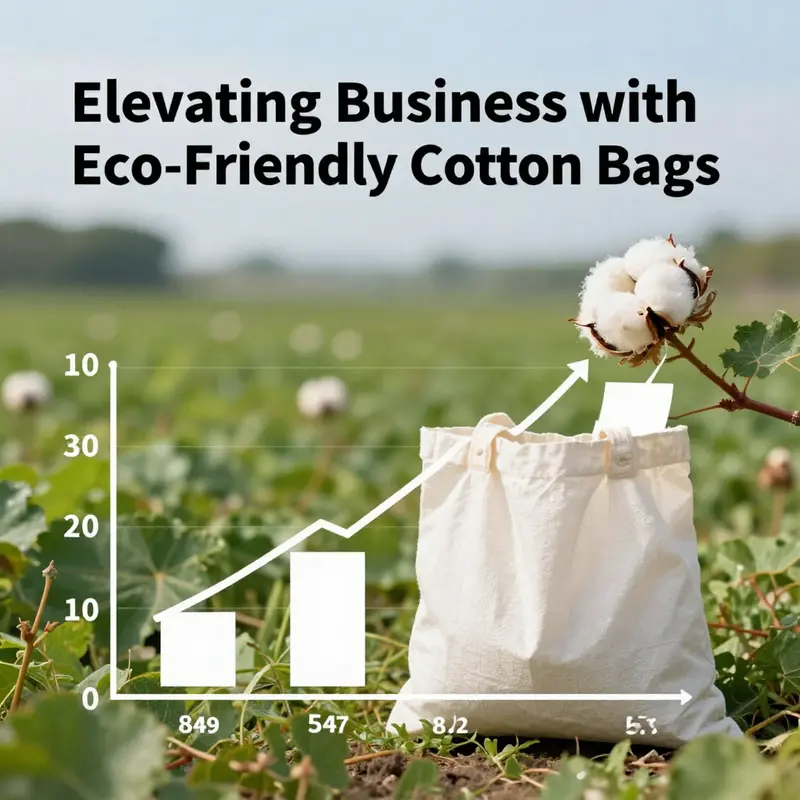
Cotton bags have become a visible symbol of modern consumption patterns, yet their economic story is more layered than appearances suggest. Demand is driven by shifting consumer preferences, policy nudges, and corporate branding strategies. Retailers prize cotton bags for their tactile appeal and perceived environmental credentials. Non-retail sectors use them for gifts, conferences, and promotional campaigns. This broad utility creates a steady baseline of demand while opening opportunities for scale and customization.
Markets respond to that demand with a mix of low-cost mass production and premium niche offerings. Wholesale pricing shows how scale changes the economics: bulk orders reduce unit costs substantially. For many suppliers, orders in the low thousands attract competitive pricing, and larger contracts push per-piece costs down further. Those simple arithmetic dynamics underpin entire business models, from so-called bargain canvas lines to higher-margin, ethically sourced collections.
At the same time, the cotton bag market is experiencing measurable growth. Analysts project a steady compound annual growth rate that reflects sustained consumer interest in reusable bags. This growth is not uniform. Urban centers and markets with active single-use plastic bans show faster adoption. Corporate procurement cycles and event merchandising add predictable spikes in demand. Merchandisers looking to capitalize on trends often rely on cotton bags as a versatile, printable medium for brand exposure.
Customization plays a central economic role. Screen printing, heat transfer, and other decoration methods add value and margin. Buyers can differentiate through color, size, and print quality. A plain cotton tote might sell cheaply, but a uniquely printed, well-constructed bag can command a premium. That margin supports investments in design, marketing, and sometimes higher supply chain standards. Innovation in decoration methods, such as lower-chemical printing techniques, reduces environmental externalities and may appeal to buyers who care about supply chain ethics.
Yet the straightforward link between cotton bags and sustainability is misleading. Cotton production consumes significant water and land, and it can generate high greenhouse gas emissions depending on practices. Lifecycle assessments have shown that the environmental burden of cotton can be substantial if a bag is not reused many times. Consumers and businesses buying cotton bags for their green image rarely factor in the full lifecycle impacts. The economic consequence is twofold: on one hand, demand keeps rising because of perceived sustainability; on the other, long-term consumer trust could wane if environmental claims are exposed as weak.
Producers and suppliers are responding. Some reduce risk by shifting to organic cotton or recycled cotton, though these inputs raise raw material costs. Others adjust by improving manufacturing efficiencies or investing in lower-impact decoration methods. These moves alter price structures. More sustainable inputs typically increase unit costs, requiring buyers to accept higher prices or to order larger volumes to achieve acceptable margins. For many brands, this trade-off is worth it because customers who value sustainability are more likely to pay for it.
Policy also reshapes the economics. Regulations limiting single-use plastics create markets by making reusable bags a normative choice. Public procurement rules often favor materials with verifiable environmental credentials. Tax incentives, subsidies, or import duties can tilt supplier competitiveness between regions. For manufacturers in cotton-growing areas, favorable policy can stimulate investment in processing facilities and local jobs. For buyers, certainty in regulation makes longer-term procurement commitments more attractive, enabling steady production runs and lower unit costs.
Global supply chains introduce volatility. Cotton prices fluctuate with weather, global demand, and commodity markets. Shipping costs and trade restrictions can significantly affect landed costs. Suppliers often hedge by diversifying cotton sources or by keeping inventory buffers. Larger brands and distributors can negotiate better logistics terms. Smaller buyers face more exposure to price swings, which can compress margins or force sudden price increases for end consumers.
Labor and land-use impacts are part of the economic calculus yet often hidden. Cotton cultivation supports rural livelihoods in many regions, creating economic benefits beyond raw product value. However, intensive cotton production can degrade soil and water resources, threatening long-term productivity. Investments in sustainable farming practices may raise short-term costs but can secure yields and reduce risks over time. Buyers and supply chain partners that engage with growers can find economic benefits in improved stability and traceability.
The market also reveals interesting consumer behavior economics. Cotton bags become economical only when reused many times. The number of reuses needed to offset the higher environmental impact of cotton compared to alternatives can be high. When consumers treat cotton bags as single-use promotions, the environmental and economic logic breaks down. Brands that encourage repeated use, through durable construction or second-life programming, increase both the perceived and real value of the product. Marketing campaigns that promote reuse raise the lifetime utility of a bag and spread production costs over more uses.
Circular economy initiatives are emerging as a response. Programs that collect used bags for recycling, repurpose them for other goods, or offer repair and refill incentives can close value loops. These initiatives require logistical investment and consumer participation, but they open new revenue streams. A collected, recycled fiber can be a feedstock for lower-cost lines or for blended fabrics that reduce virgin cotton demand. The economics depend on reliable return rates and efficient processing. When successful, circular systems reduce raw material exposure and create a narrative that supports higher price points.
Innovation also shifts competitive boundaries. Alternatives like recycled synthetics may outperform cotton on some lifecycle metrics when used intensively. Yet cotton retains advantages: biodegradability under proper conditions, strong consumer preference for natural fibers, and widespread infrastructure for textile processing. Manufacturers experimenting with blended textiles, improved printing methods, or water-saving production can capture market share by offering better-balanced products. Strategic investments in these innovations can deliver both environmental improvements and stronger margins.
For businesses considering cotton bags, several practical implications follow. Procurement strategies should consider total cost of ownership, not just unit price. That calculation includes expected reuse rates, disposal or recycling costs, and brand impacts. Scaling orders reduces unit cost, but it also raises inventory and storage considerations. Suppliers that offer transparent sourcing and quality assurances reduce buyer risk. Long-term contracts can enable both parties to invest in cleaner production methods.
Market opportunities remain diverse. Event organizers, retailers, institutional buyers, and promotional merchandisers all create demand. Premium segments can monetize sustainability with higher prices for certified materials. Mass-market segments compete on price and design. Niche makers can differentiate with local sourcing, artisan techniques, or traceable supply chains. Each path requires different cost structures and marketing narratives.
Ultimately, the economic trajectory of cotton bags hinges on usage patterns, policy, and technological progress. The material’s market success will depend on whether producers and buyers align on real improvements in lifecycle performance. Consumers must reuse and return, businesses must commit to better inputs, and policymakers must create incentives for circular practices. When those pieces fit, cotton bags can remain economically viable without undermining environmental goals. If they fail, the market may pivot toward other materials that better balance cost and impact.
For readers interested in the data behind cotton bag lifecycle assessments, see the detailed study on circular economy considerations for shopping bags here: https://www.sciencedirect.com/science/article/pii/S0956053X22004878. For trends in design and cultural adoption, the evolving conversation around tote popularity is captured in broader retail discussions such as tote bags trending.
Final thoughts
The rise of cotton bags as a sustainable alternative in daily life reflects both changing consumer preferences and the pressing need for businesses to adopt eco-friendly practices. By leveraging the versatile applications of cotton bags, embracing their sustainable materials, custom branding opportunities, and understanding market trends, business owners can strategically position themselves in a competitive landscape. Ultimately, choosing cotton bags not only reduces environmental impact but also strengthens brand loyalty and customer engagement.