
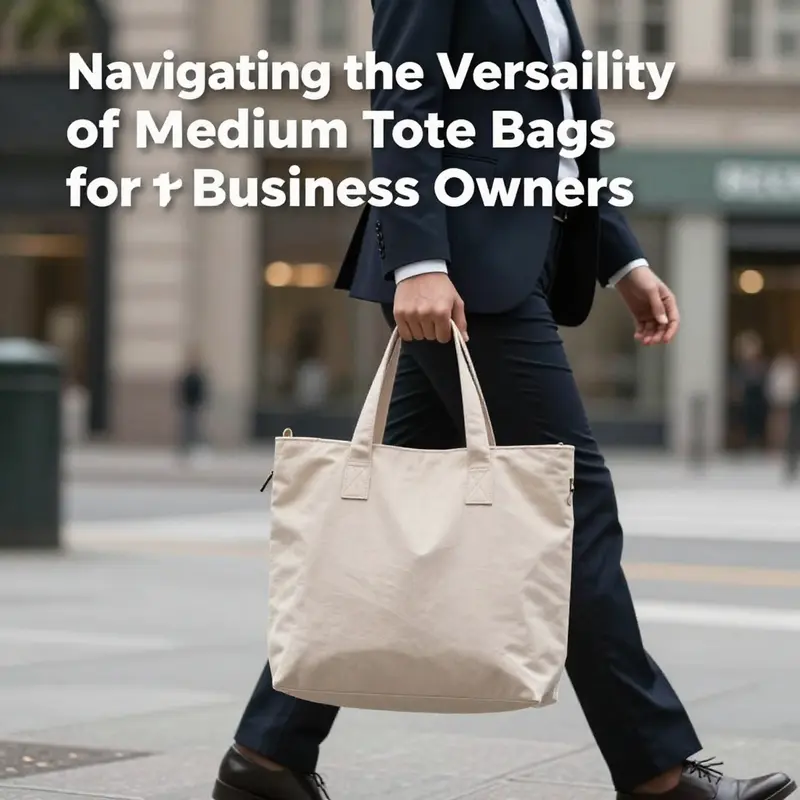
No matter the industry, medium tote bags have emerged as instrumental tools for business owners looking to combine functionality with style. Their ideal dimensions—typically between 12 to 16 inches in width, with a height of 10 to 12 inches—allow them to accommodate essential items such as laptops, planners, and personal effects without compromising on portability. This article will delve into the key features that define a great medium tote bag, explore various use cases tailored for business scenarios, and provide insights on how to choose the perfect bag for your needs, ensuring you are well-equipped for any occasion.
Medium Tote, Maximum Utility: What Makes a 12–16 Inch Tote Truly Versatile
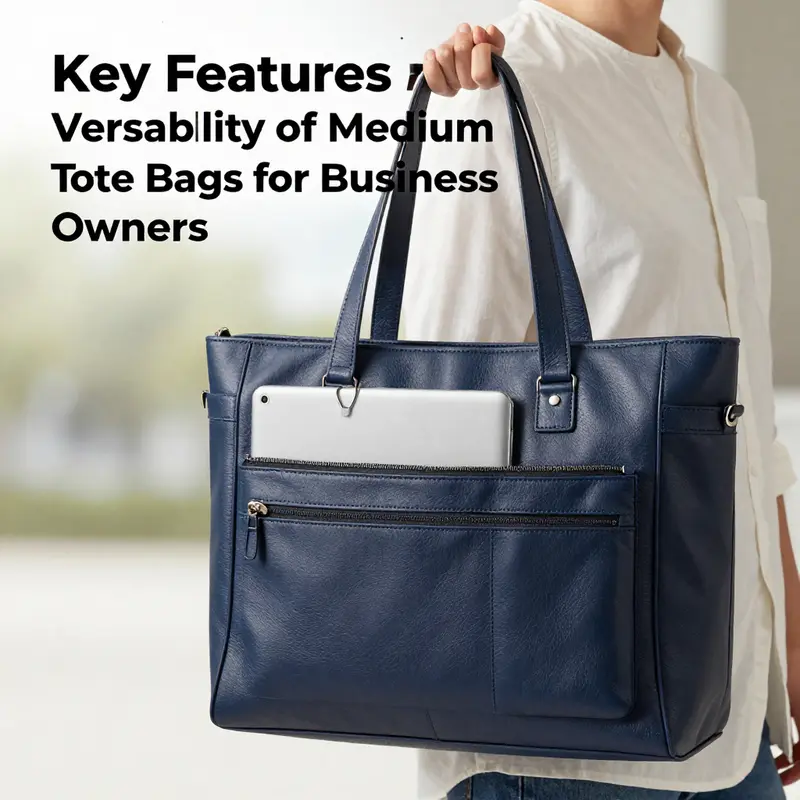
Medium tote bags hit a rare sweet spot. They are large enough to carry a laptop, water bottle, a small lunch, and personal essentials. At the same time they remain compact and comfortable to carry. This chapter walks through the practical features that turn a medium tote into a daily workhorse. Read this as a single, flowing guide that explains what matters and why it matters when choosing a tote in the 12–16 inch range.
A medium tote begins with size, but size alone does not solve everyday needs. The common dimension range of 12 to 16 inches wide, 10 to 12 inches high, and 4 to 5 inches deep sets expectations. These measurements give space for a 13–15 inch laptop, a notebook, a slim sweater, and a water bottle. Yet the internal layout and construction determine how usable that space will be day after day. A bag with generous raw volume can still feel chaotic if it lacks internal organization. Conversely, a thoughtfully designed medium tote can carry more useful gear while staying slim and tidy.
Material choice is fundamental to function and longevity. Heavy-duty canvas, waxed canvas, ballistic nylon, and high-quality leather each bring different strengths. Canvas provides breathability and ease of care. Waxed canvas repels moisture and ages with character. Ballistic nylon offers superior abrasion resistance and light weight. Full-grain leather lends structure and a refined look while requiring more care. Whatever the material, reinforcements at stress points are non-negotiable. Handles, base seams, and strap anchors must use double or bar-tack stitching. A reinforced base panel prevents sagging and keeps contents distributed evenly. These details are craft-level decisions that determine whether a tote survives years of daily use.
Internal organization transforms a roomy shell into a practical companion. A dedicated padded laptop compartment, sized for most 13–15 inch models, is the single most useful feature for commuters. It protects electronics and isolates them from heavier items. Alongside that sleeve, a mix of zippered pockets and slip pockets serves different items. Zippered pockets secure valuables like a wallet or passport. Slip pockets make phone and transit cards instantly reachable. A small, padded pocket for sunglasses or a delicate pair of glasses reduces scratching risk. Even an elasticized bottle holder or a shallow open pocket for a charger can make a big difference to daily usability.
A medium tote should maintain its shape. A structured silhouette prevents the bag from collapsing when set down. Some designs use an integrated stiffener or a removable base insert. Others rely on dense materials and internal panels. A stable base does more than look tidy. It keeps heavier items from settling into a heap and protects delicate contents. When structure is combined with a soft exterior, the result is a tote that feels refined while staying forgiving when packed full.
Carrying comfort matters as much as capacity. Wide shoulder straps distribute weight evenly. Padding under the straps prevents digging when the bag carries heavier loads. Handle length affects how the bag rides on the shoulder and whether it can be grabbed on the run. A medium tote that offers multiple carrying options scores extra points. A pair of sturdy top handles allows formal carrying. An optional, detachable crossbody strap gives hands-free convenience for commutes and errands. Reinforced hardware at strap attachments prevents wobble and wear, and makes the bag feel reliable.
Closure systems protect contents and influence aesthetics. A top zipper provides the most security and weather protection. Magnet snaps or zip-top closures keep the silhouette cleaner but may sacrifice full protection. Some tote designs combine an internal zippered compartment with an open main area, delivering both accessibility and safety. For those who use public transit, a fully zippered top is preferable. For casual use, an open top works well and allows quick access to commonly used items.
Weather resistance expands usability across seasons. Waxed or treated fabrics shed water, and coated zippers reduce moisture ingress. Leather can be conditioned to resist light rain. Seams sealed with a water-resistant tape improve performance near the base and zipper areas. For people who carry electronics daily, an exterior fabric that dries quickly is a practical feature. A weather-resistant finish also keeps the bag cleaner over time.
Durability is not only about materials. The construction method and small details indicate longevity. Bar-tack reinforcements at handle bases, riveted strap anchors, and internal boxed corners reduce strain where it matters most. A replaceable base insert or a modular internal organizer extends the bag’s service life. Even the choice of lining affects durability; a dense nylon lining resists abrasion from keys and chargers better than a soft cotton lining.
Weight matters. A heavy tote can defeat the purpose of being portable. That’s why material selection must balance durability and weight. Ballistic nylon and lightweight canvas provide a solid compromise. Leather brings weight but compensates with a long life and a polished appearance. If you plan to pack a laptop and lunch daily, prioritize a lighter shell with reinforced areas rather than a bulky, fully rigid frame.
Aesthetics are part of functional design. A medium tote should complement multiple settings. Clean lines and a restrained profile make it easy to carry from a desk to a café. Neutral colors hide wear better and coordinate with diverse wardrobes. Yet many well-made totes offer a pop of color or an accent trim for personality. The key is proportion: embellishments should not compromise practicality. External pockets are useful, but they must lie flat when unused. Hardware should be sturdy and unobtrusive.
Organization extends beyond pockets. Think about how items are arranged in practice. Place electronics in the padded sleeve at the back. Keep frequently used items in shallow front pockets. Store heavier items near the base. Use a small zippered pouch for loose cords and chargers. Grouping items reduces time searching and prevents damage from shifting contents. For commuters who change locations during the day, a tote that permits quick access to transit cards and keys saves time.
A medium tote should also be adaptable. Convertible elements like removable organizers, adjustable straps, and modular pockets let the bag fit different routines. A detachable interior divider can create separate zones for gym gear or a lunch container. A zippered pouch that doubles as a clutch offers convenience when only a few items are needed. These adaptable features increase the bag’s value and reduce the need for multiple bags.
Safety and security features matter for urban use. Secure zippered pockets, hidden exterior compartments, and RFID-protected pocket linings guard against theft and digital pickpocketing. A simple, secure place for keys that clips inside the bag prevents frantic rummaging. Reflective trims can add a visibility boost for evening commutes without creating a sporty aesthetic.
Sustainability choices influence long-term satisfaction. Many modern totes use eco-friendly materials. Recycled nylon and organic canvas reduce environmental impact. Vegetable-tanned or responsibly sourced leather can offer a smaller footprint compared to intensive industrial tanning. Some manufacturers use innovative plant-based leathers that mimic the feel of animal leather. Choosing a durable material also has environmental benefits. A longer-lasting tote reduces waste over time. Repairability matters too. Bags designed with replaceable straps or patchable panels extend usable life and support a more sustainable approach to consumption.
Practical maintenance is part of everyday reliability. Select materials that are easy to clean. Canvas and nylon wipe down or hand-wash well. Waxed canvas can be reproofed. Leather benefits from regular conditioning to prevent drying and cracking. Lighter linings show stains earlier, so a dense, darker lining often hides daily wear. Removable inserts and linings simplify deep cleaning and replacement.
Sizing tips make the buying process easier. Measure your most-used items before purchasing. Place your laptop on a flat surface and measure width and height. Add room for padding and a sleeve. Consider the depth of any lunch container, water bottle, or umbrella you carry. Don’t buy solely on advertised size. Dimension tables rarely tell the whole story. Look for listed internal dimensions or a specification that clarifies whether measurements refer to the bag’s widest point or its structured width.
Packing smart increases comfort and preserves the bag. Distribute weight evenly. Place heavy items near the base and against the bag’s back panel. Use small pouches to organize cables and chargers. A slim, insulated lunch container and a collapsible water bottle save space. Avoid stuffing the bag so full that it bulges. Overpacking stresses seams and reduces the bag’s ability to sit upright.
A final consideration is how the tote complements your routines. For frequent travelers, a tote with an exterior trolley sleeve simplifies airport movement. For cyclists, straps that stay snug and a low center of gravity prevent the bag from shifting. For office workers, a polished silhouette and a tidy interior present well in meetings. For students, pocketed interiors and a durable base absorb daily wear. The medium tote is not a one-size-fits-all solution, but its versatility means small design choices can align the bag with varied lifestyles.
One practical tip ties many of these ideas together: evaluate a tote by imagining your typical day. Lay out the items you carry, measure them, and then visualize how they would fit into the bag. Think about how you access your keys and phone on the move. Consider whether a top zipper is necessary. Check how the bag feels on the shoulder when loaded. A hands-on assessment beats glossy photos and marketing copy.
A medium tote that excels blends shape, function, and durability into a coherent whole. The right material and reinforcements support daily strain. Thoughtful internal organization protects and sorts essentials. Comfortable carrying options reduce fatigue. A reinforced base preserves shape and stability. Weather-resistant finishes and quality hardware increase longevity. When these elements align, the bag becomes an invisible helper, quietly simplifying routines.
For many, the medium tote becomes the default bag. It carries work tools, personal items, and occasional extras without becoming unwieldy. It transitions across settings with minimal fuss. By focusing on real-world features—padded sleeves, structured bases, reinforced stitching, adaptable straps, and durable fabrics—you invest in a bag that performs, lasts, and complements your life.
If you want a closer look at typical size ranges and practical uses for medium totes, explore a detailed guide to medium-size totes that outlines common features and real-world measurements here: medium-size tote.
For a concise reference on the common features and uses that define medium tote bags, see the style guide linked below.
https://www.britishfashion.com/style-guide/medium-tote-bag-features-and-uses
Everyday Scenarios Where a Medium Tote Truly Excels

Why a medium tote becomes the daily workhorse
A medium tote balances capacity and portability in a way larger or smaller bags rarely do. It holds a laptop, a notebook, a water bottle, and small personal items, yet it remains light enough for shoulder carry. That balance translates to practical advantages across many routines. Commutes, short trips, classes, errands and social plans all benefit from one dependable bag that adapts smoothly to the changing demands of a day.
When evaluating real-world scenarios, think of the medium tote as a flexible container that reduces the need for multiple bags. It performs best when it solves a recurring problem: carrying several distinct items without fuss. For example, a commuter who needs a laptop and lunch, a student with a tablet and textbooks, or a parent shuttling between activities will all find a medium tote more useful than a small crossbody or an oversized carryall. The size range commonly seen—roughly 12 to 16 inches wide and 10 to 12 inches tall—makes most personal items fit comfortably while still allowing organization features to shine.
The workday: organization without excess
In an office commute, the medium tote keeps essentials accessible and protected. A padded sleeve or compartment stabilizes a 13–15 inch laptop and prevents it from bouncing against other items. Interior pockets secure a phone, wallet, and cards. A central compartment leaves room for a planner, an insulated bottle, and a compact umbrella. That same space can hold a light sweater for chilly meetings or a small lunch container.
The structured medium tote resists sagging. It keeps the bag upright when set down, which makes retrieving items easy. Structured designs also look intentional. They slide under chairs more easily than bulky weekend bags. For those who need extra security, options with zip closures or a removable small pouch add peace of mind without sacrificing quick access.
Learning and campus life: compact but capacious
Students often juggle electronics, textbooks, and personal items. A medium tote accommodates a laptop and a couple of paperbacks without becoming cumbersome between classes. Durable fabrics and reinforced seams handle the repeated opening and closing that accompanies campus life.
Pockets and internal dividers matter here. A key pocket prevents rummaging, while a zippered inner pocket stashes important documents. A tote with a wide base stands up in lecture halls and study spaces. Shoulder straps that are comfortable and long enough for cross-body carry reduce fatigue when moving across campus.
Short trips and weekend carries: a lighter alternative to checked luggage
For short overnight stays or day trips, the medium tote works as a secondary bag. It holds toiletries, a change of clothes, a paperback, and snacks. When on public transit, its moderate size stays close to the body and fits under bus or plane seats. At a destination, the tote is flexible enough for exploring without needing a second bag.
Because many medium totes are crafted from durable materials, they survive being packed into a larger suitcase and then used solo for daytime activities. Choose a tote with easy-to-clean fabric for travel, and consider one with a zip top to keep items secure during transit.
Errands, markets, and casual shopping
A medium tote replaces multiple single-use bags during errands. It carries grocery items like produce and bread without stretching out of shape. The bag’s capacity is ideal for small shopping trips that don’t require a cart or basket. Built-in pockets keep receipts, keys, and payment methods quick to reach.
Look for a tote with a reinforced bottom or a removable base insert. Those features prevent the bag from sagging when heavier items are added. Handles should be wide enough to sit comfortably on the shoulder, and the length should allow the bag to rest at hip level while walking.
Gym and wellness routines
A medium tote works well as a compact gym bag. It holds a change of clothes, a towel, a water bottle, and basic toiletries. A ventilated pocket or mesh compartment helps keep damp items separate. The tote’s less sporty look makes it an excellent choice for those who move from workouts to meetings or social plans.
A bag with a removable pouch or wet-dry compartment keeps sweaty garments away from electronics and clean clothes. If a tote will double as a gym bag frequently, prioritize easy-care fabrics that can be wiped clean and dried quickly.
Parenting and caregiving on the go
Parents and caregivers often need to carry many small but essential items. A medium tote is large enough for snacks, wipes, a spare outfit, and a small toy, yet small enough to fit into a stroller basket when needed. Organization features reduce the frantic search for pacifiers, tissues, or keys.
A tote with exterior pockets offers quick access to frequently used items like hand sanitizer. Adjustable straps let the bag be worn in different ways, which helps when hands are busy. Reinforced construction and wipeable interiors are practical when dealing with sticky or greasy spills.
Style transitions: from day to evening
A medium tote’s silhouette easily transitions from daytime practicality to evening refinement. A neutral-toned, structured tote pairs with work attire. A canvas or patterned tote suits a casual afternoon, while a refined finish can match evening plans. The ability to carry essentials for both parts of the day—laptop and chargers alongside a small clutch—lets one bag cover multiple social settings.
Choosing a tote with subtle hardware and a clean line ensures it won’t look out of place at a dinner reservation. Conversely, a relaxed, unstructured tote fits better for outdoor festivals or beachside cafes.
Outdoor and seasonal uses
Medium totes adapt across seasons. In warmer months, they hold sunscreen, sunglasses, a hat, and a lightweight scarf. In colder months, they accept gloves, a knit hat, and a thermos without adding bulk. Fabrics such as waxed canvas or treated synthetics offer mild water resistance for rainy days, and leather or reinforced canvas provides durability in harsher weather.
If a tote will be often exposed to rain or snow, seek a model with a secure top closure. A tote that dries quickly and cleans easily will remain useful longer. Consider a tote with a detachable strap for times when it must be packed into another bag.
Events and gatherings: carrying essentials discreetly
When attending meetings or social gatherings, a medium tote’s capacity keeps essentials close without drawing attention. It conceals a tablet, an extra pair of shoes, and a folded light jacket, while pockets store keys, cards, and small personal items.
A slimmer, more structured medium tote is often preferable for events. It looks intentional and polished. A tote with a removable inner organizer doubles as a clutch if a smaller bag is needed during the event.
Sustainability and reusable practices
Beyond functional uses, medium totes often serve sustainable aims. Many people use them as reusable shopping bags to replace disposable single-use bags. A sturdy medium tote reduces fabric waste over time. Carrying one bag for both daily items and shopping eliminates the need to keep several specialized bags.
When choosing a tote for sustainability, prioritize durable fabrics and repairable hardware. Reinforced stitching and replaceable straps extend a bag’s usable life. A well-made tote that is cleaned and maintained properly will outlast many cheaper alternatives.
Packing smart: organizing a medium tote efficiently
A medium tote’s success depends largely on internal organization. Start with a padded sleeve for electronics. Add a small zip pouch for valuables. Use a slim organizer to separate chargers and cables from personal items. Keep frequently used items in an exterior pocket.
To maintain shape, place heavier items at the bottom near the bag’s center. Use rigid-sided containers for food. Fold soft items like a sweater and press them against the sides. Items you reach for often should live near the top. Periodically empty and reorganize the tote to avoid clutter.
Choosing materials and construction for real-life wear
Canvas, corduroy, reinforced synthetics, and vegan leather are popular materials for medium totes. Canvas offers breathability and an easy-care surface, while treated canvas resists stains and moisture. Synthetic materials often provide lighter weight and water resistance. Vegan leather offers a refined look without animal-derived materials. Stitching and hardware quality matter; well-stitched seams and sturdy zippers add longevity.
Look for a tote with reinforced corners or a double-stitched base. Metal hardware should be corrosion-resistant. If a tote has a removable bottom insert, it will better retain shape over time. A bag that looks good when empty often performs better when full.
Comfort features that matter day-to-day
Comfort begins with strap design. Wide, slightly padded straps distribute weight and reduce shoulder strain. A strap drop that allows the bag to rest at the hip avoids arm fatigue. For longer walks, a removable crossbody strap helps balance the load.
Weight distribution inside the bag is also crucial. Place heavy items closer to the body. Use internal pockets to prevent smaller objects from shifting and causing imbalance. When comparing models, try walking with a loaded tote to assess comfort.
Security and access: balancing openness with protection
A medium tote must allow quick access while protecting valuables. Top zip closures offer security but slow access. Magnetic snaps speed access but are less secure. A tote with an internal zippered pouch or removable pouch provides a middle ground. Consider the typical setting you’ll use the tote in. Urban commuters may prioritize zips, while someone who frequently hops in and out of restaurants may value quicker closures.
What to avoid
Avoid overly large tote designs that become awkward in public seating or crowded spaces. Extremely rigid shapes can be space-consuming and uncomfortable. Thin, unpadded straps will dig into the shoulder under load. Bags with flashy logos or excessive embellishments may draw unwanted attention in certain contexts. Finally, choose a tote that matches your daily load. A tote too small forces multiple bags; one too large creates unnecessary bulk.
A quick decision checklist
Measure your most-used items. Check laptop and notebook dimensions. Test strap comfort with weight. Inspect the interior for a padded laptop sleeve and organizational pockets. Evaluate materials for cleanability and durability. Confirm closure types meet your security needs. Choose a shape and finish that transitions with your style.
When a medium tote is the single bag solution
For many people, the medium tote eliminates the need to juggle multiple bags. It replaces a daily purse, a reusable shopping bag, and a small work bag when selected thoughtfully. The right model adapts to many parts of life without becoming a burden.
If your routine mixes work, classes, errands, and occasional social events, prioritize structure, protective features for electronics, and smart internal organization. If your days are more outdoorsy or involve damp conditions, favor treated fabrics or water-resistant synthetics. If you seek a tote for style and transition across settings, choose clean lines and neutral tones.
A medium tote can be both reliable and stylish. It answers the practical questions of capacity and protection while matching the look you want. When you pick a model that aligns with your everyday items and routines, it becomes a practical extension of your habits rather than a separate accessory.
For additional practical guidance on selecting the right size, refer to this concise guide on choosing an ideal tote bag size: medium-size tote.
For a broader overview of how to choose the ideal tote size, see this external resource: https://www.britishcouncil.org/education/insights/2026/01/how-to-choose-the-ideal-tote-bag-size
The Balanced Carry: Mastering the Medium-Size Tote for Work, Travel, and Everyday Life
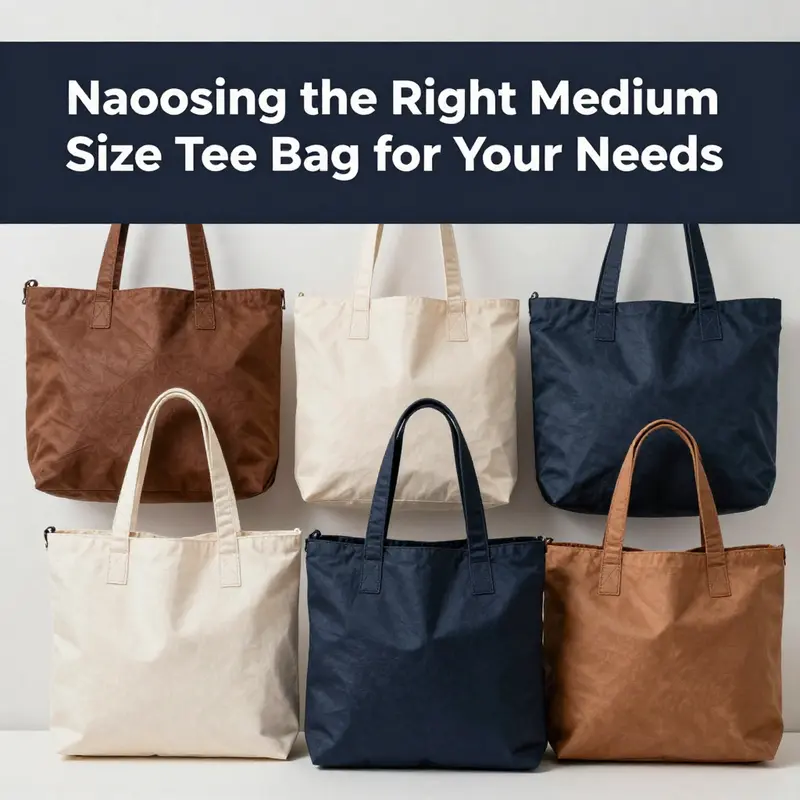
A medium size tote bag lives at the intersection of everyday practicality and personal style. It is the workhorse that never calls attention to itself, yet quietly stores the tools of daily life with a calm confidence. The medium tote is not about making a loud statement or about chasing the latest trend; it is about balance. It should feel light on the arm when empty and steady when full, ready to slip into the corner of a crowded train car or rest comfortably beneath a desk without crowding another chair. To understand why the medium size holds such appeal, begin with its proven dimensions. A typical medium tote measures roughly 12 to 16 inches in width, about 10 to 12 inches in height, and 4 to 5 inches in depth. Those numbers are not arbitrary. They reflect a sweet spot where capacity aligns with portability. They offer enough internal space to cradle a laptop or tablet in a padded sleeve, a planner or notebook, a water bottle, a lunch container, sunglasses, and perhaps a light sweater. They also remain compact enough to glide through urban corridors, slide under office chairs, and pass unnoticed in most social settings. In practice, this size supports a life that moves through workdays, errands, and weekend getaways with a single, reliable companion rather than a rotating drawer of bags that shifts with mood or season.
The appeal of a medium tote often begins with its versatility. For those who commute, the bag should feel like a second desk, offering a padded compartment for electronics and a thoughtful array of internal pockets for small items. A well conceived interior makes the difference between a bag that keeps essentials accessible and one that turns into a scavenger hunt mid commute. For errands and casual use, the tote remains sleek and light, carrying a phone, wallet, sunglasses, a compact book, and a reusable shopping bag without becoming a burden. When traveling, it can become a compact overnight kit, stowing a change of clothes, toiletries, and the elements of a compact itinerary. The nearly universal acceptance of the medium tote as a carryall makes it an especially good candidate for those who want one bag to do a broad range of tasks rather than a folder of specialty bags for specific activities.
The practical questions at the core of selecting the right medium tote begin with a simple inventory of one’s own daily life. What items travel with you as a matter of routine, and what items you would like to see accommodated more comfortably? Take stock of your most-used objects almost like a ritual. A laptop in the 13- to 15-inch category is a common anchor for many people’s workdays, and it is usually paired with a tablet or a notebook for meetings, notes, and draft work. A water bottle, a compact lunch container, a pair of sunglasses, and perhaps a light sweater or a compact cardigan often follow. If you rely on a planner or large notebook, that item must have a dedicated home. If you navigate public transit, quick access pockets for transit cards and phones become a convenience that saves seconds and reduces the day’s friction. If you balance a makeup bag or toiletries, a small zippered pocket becomes essential to separate moisture and cosmetics from electronics. In short, the goal is to map out your core payload and then translate that payload into a bag that can accommodate it with room to spare for the occasional rearrangement of items.
A useful starting point is to consider the medium tote as a modular system rather than a static container. A bag with a padded laptop sleeve offers instant protection for fragile electronics, while a series of interior pockets keeps keys, wallet, and phone aligned and easy to locate. The layout matters as much as the capacity. An interior zippered pocket provides a secure home for small valuables, while open pockets hold items you need to grab quickly, such as a transit card or a pen. The most durable interior configurations also feature reinforced seams and sturdy stitching at stress points, where the bag is most likely to bear weight and endure daily wear. The balance between structure and flexibility is critical: a bag that holds its shape when lightly loaded will sag when it carries more, which can make the contents shift and make locating items a chore. For this reason, a structured profile is often the hallmark of a well designed medium tote.
Material choice anchors both durability and aesthetics. Canvas and high density polyester offer rugged resilience and easier maintenance. They tolerate spills and stains with relative ease and typically clean up with a quick wipe or a gentle wash. These materials also tend to be lighter than leather options, an advantage when the bag is nearly full. For those who prize a more refined look, vegan leather supplies a smart compromise, delivering a tactile richness without the same care demands as animal hides. Leather and suede remain enduring favorites for a subset of users who value a more luxurious texture and a natural patina. They demand more maintenance and extra care against moisture, scuffs, and salt from winter roads. A coat of water resistant treatment or a protective liner can extend the life of leather or vegan leather totes in wet climates, turning weather into a manageable factor rather than a constant worry. A bag designed for daily use should also consider how materials respond to sunlight, especially in offices with abundant artificial light or sunny commutes that expose bags to UV rays. In all cases, the best mid sized tote combines a durable shell with a well designed interior and the kind of hardware that stays secure and functional after months of daily engagement.
The architecture of the bag matters almost as much as the materials. A medium tote that is thoughtfully reinforced at base and strap attachments will resist sagging and tearing under load. Look for reinforced stress points where handles meet the body of the bag, and at the junctions where a detachable shoulder strap attaches. If a bag carries a heavy dedication to organization, it may also feature an adjustable or detachable strap so you can switch from hand carry to shoulder or crossbody depending on your mood or route. This flexibility is not cosmetic; it is a practical response to changing environments, from crowded trains to a brisk walk to a coffee shop. A bag that can adapt to a variety of contexts reduces the need to switch bags throughout the day, which in turn lowers the cognitive load of carrying the day’s necessities.
In terms of style and silhouette, a medium tote thrives on restraint and clarity. Neutral colors—black, navy, taupe, gray, and ivory—offer maximum versatility and pair well with most wardrobes. They resist visible wear and remain easy to match with both casual and professional outfits. That said, a tote can also serve as a quiet anchor for a colorful or textured wardrobe, and a subtle accent in the form of a contrasting trim or a distinct hardware finish can reveal personality without shouting. The right design also respects aesthetics with practical details. External pockets that provide quick access to a phone or transit card can substitute for rummaging inside the bag, especially on the go. A clean, minimal look with understated branding tends to retain appeal longer than overt logo heavy designs, which is a useful consideration for those who value longevity over trend.
The process of selection should be guided by a careful assessment of internal space. A reliable medium tote will feature a padded compartment large enough to cradle a laptop or tablet sized 13 to 15 inches. The interior organizes into a hierarchy of pockets that separate essentials from bulk. Pockets for keys, cards, and a phone become a habit pattern that prevents everyday frustration. A zipped compartment for valuables keeps small items secure during transit. An additional set of smaller pockets can hold cords, chargers, and pencils, which helps to keep the main chamber uncluttered. The base of the bag should be sturdy, and some models incorporate a subtle base plate to maintain shape and resist wear on the bottom over time. Internal organization is not a mere luxury; it is a practical way to reduce the time you spend searching for items and to minimize the chance of misplacing something in a crowded space.
A common test in the showroom or online shopping journey is to consider what happens when you fill the bag and carry it for a moment. A well balanced medium tote distributes weight evenly, so the burden is not hung heavy on a single side. The handle length matters because it determines how comfortable the bag feels when resting on the shoulder or carried by hand. If the handles are too short, the bag may press against your forearm and feel intrusive. If they are too long, the bag can swing and become destabilizing in busy environments. A detachable or adjustable shoulder strap increases versatility and reduces fatigue for longer walking or transit periods. In addition to the ergonomic geometry, test how the bag feels when loaded with the typical payload. Does it pull toward one side or does weight settle evenly? Is the zipper or pocket closure easy to operate when the bag is full? Are there external compartments that allow quick access to frequently used items? These practical questions often separate good medium totes from truly dependable ones.
As you imagine your daily routine, consider a single, memorable criterion: the medium tote should disappear as an obstacle in your day. The ideal bag is almost invisible in the sense that it blends with the rhythm of daily life. It does not demand attention through flashy branding or excessive hardware. It stands by you as you move from a quiet desk to a bustling transit hub, from a sunlit sidewalk to a rain-slick street, always ready to protect your items and support your pace. In this sense the bag becomes part of your daily choreography rather than a focal point. It becomes a quiet partner whose value is measured not by how much space it claims but by how little cognitive effort it costs you to access what you need, when you need it.
For those who want to explore a broader spectrum of medium totes and compare options with different textures, sizes, and organizational layouts, a quick browse through the catalog of medium size totes can be illuminating. A compact guide to the terrain emphasizes the same fundamentals that ground the smaller decisions: space planning, durability, ease of use, and personal style. If you want to see examples that align with these criteria, you can visit Medium-size tote options. There you will find a range of styles that illustrate how the right measurements can translate into everyday usefulness. The key is to translate your daily routine into a concrete set of dimensions and features, then let the bag do the heavy lifting for you.
Beyond the interior layout and outer silhouette, consider the practicalities that protect the bag through time. Water resistance adds a layer of resilience to a busy life that spills little and dries quickly. A coated fabric, a water resistant liner, or a hydrophobic treatment can be your ally during damp commutes or accidental spills. This is where the choice between fabrics becomes more than an aesthetic preference; it becomes a decision about maintenance and longevity. The right combination of materials and finishes means you can wipe away a stain without worrying about the fabric swelling, fading, or losing its shape. The same logic applies to hardware and closures. Zippers should glide smoothly after repeated use, clasps should click securely, and the stitching around the handles should remain taut even as the bag grows heavy. A balanced tote is not a fragile object; it is a tool built to endure the friction of daily life.
The design language of a medium tote also intersects with the realities of wardrobe and lifestyle. A versatile bag can accompany you from a day at the office to an evening out with friends without looking out of place. Neutral tones provide the easiest transition, yet selective pops of color or texture can serve as a gentle highlight to an otherwise understated ensemble. The bags that endure tend to be those that maintain their personality without competing with the wearer. That is the essence of a bag that feels like part of you rather than a badge you carry. The best approach is to prioritize fit over flash, practicality over ostentation, and resilience over momentary novelty.
In making a final choice, the measure of a medium tote is how well it supports your life. It is not simply a container for items; it is an extension of your daily routines. When you unpack your day, the bag should still feel ready for the next chapter. You should be able to reach for the bottle, slip a card into a pocket, or slide a charger into a dedicated sleeve without a second thought. The bag should maintain its shape under diverse conditions so that it does not complicate your posture or your posture point of view. Above all, the right tote makes your day feel a little smoother, a bit less hurried, and a touch more organized.
For readers who want a concise set of criteria you can carry into your next shopping trip, remember these anchors: a padded laptop sleeve to cradle electronics, a structured silhouette to prevent sagging, multiple pockets for organization, durable hardware for years of use, and materials suited to your climate and care expectations. Pair these with a thoughtful strap arrangement that supports your preferred carrying style, and you have a bag that can adapt to work, errands, and travel with equal ease. If you are ready to examine real-world examples, the next step is to compare models against these criteria and test whether your daily life translates into a practical pocket arrangement and a comfortable weight distribution. In this sense, the medium tote becomes not a fixed product but a flexible partner, capable of growing with you as needs evolve.
External reading can deepen your understanding of how carrying comfort and ergonomic considerations intersect with carryall design. For a broader look at ergonomics in everyday carry and how it informs product design, see https://www.osha.gov/ergonomics and guideposts for how to think about comfort under load. This resource can offer a framework for evaluating weight distribution, grip comfort, and dynamic movement when you are deciding between several contenders.
Final thoughts
In summary, medium tote bags have become essential for business owners who value practicality without sacrificing style. By understanding the critical features, exploring real-world applications, and learning how to select the right bag, entrepreneurs can harness these versatile accessories to enhance their productivity and professional image. Equip yourself wisely, and you’ll find that a well-chosen tote can seamlessly integrate into your daily routine, elevating both function and fashion.