
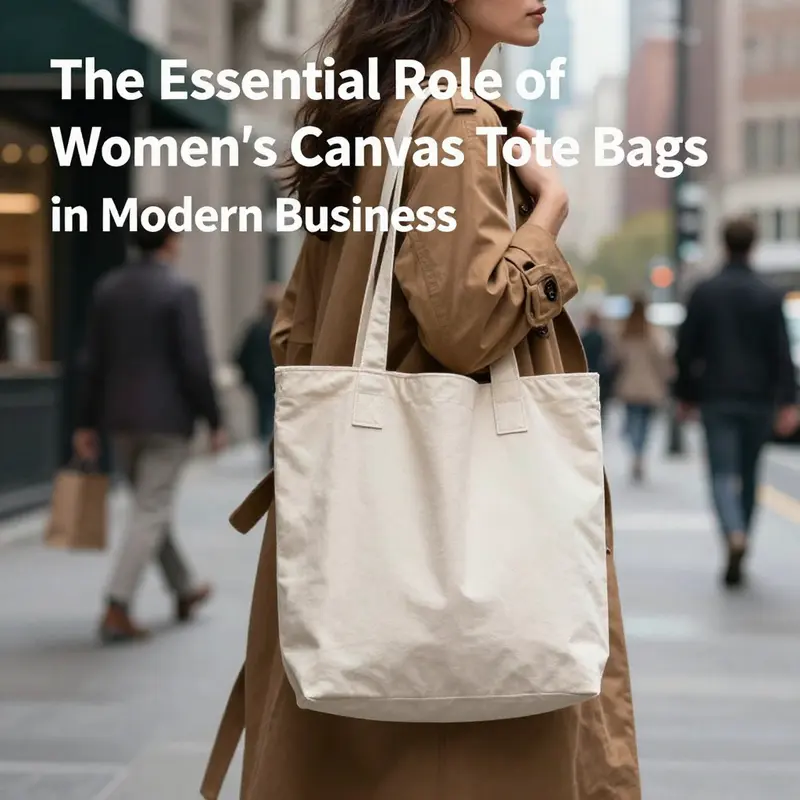
Women’s canvas tote bags are more than just a fashion statement; they represent a strong blend of practicality and style that can enhance a business’s image. With the growing demand for sustainable products, canvas totes have become a favorite choice among eco-conscious consumers. This article explores their significance through five key chapters: the sustainability aspect of canvas totes, their versatility in various settings, essential features for the modern user, current market trends and price ranges, and a comparative analysis against other bag types. Each chapter contributes to understanding not only the practicality of canvas totes but also their role in modern business strategies.
Weaving Longevity into Everyday Style: Canvas Tote Sustainability
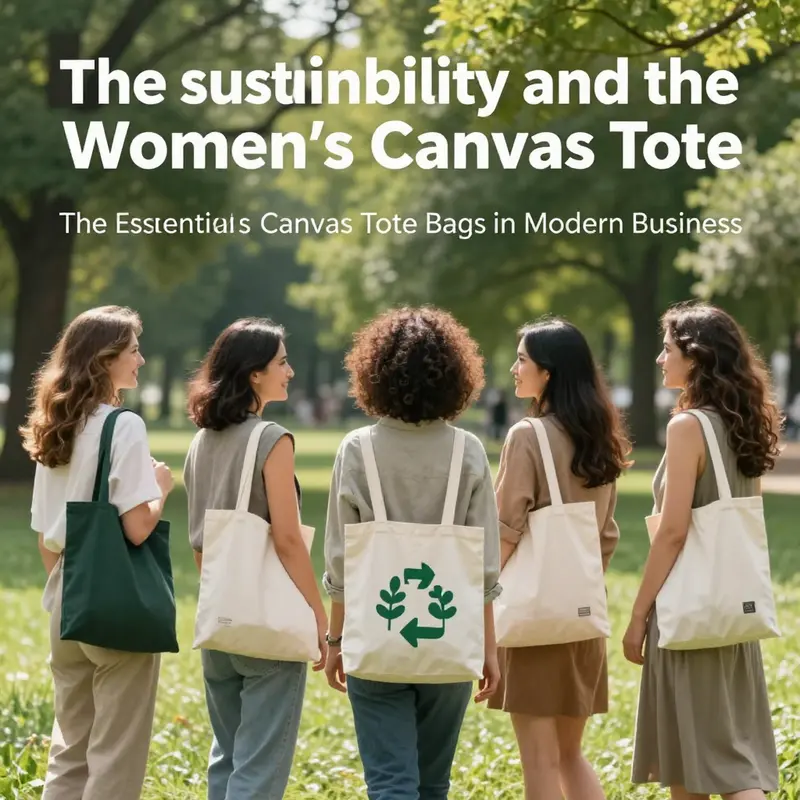
Across the wardrobe and daily commute, the canvas tote has quietly become a dependable ally in sustainable dressing. Made from durable cotton canvas, these bags stand up to daily wear while remaining light enough to carry through long days. Their open-top silhouette invites easy access to keys, notebooks, groceries, or gym gear, and their sturdy construction means they can be filled again and again without losing shape. The canvas itself is a robust material—heavy-duty enough for constant use, soft enough to fold away when not needed, and, when sourced responsibly, part of an approach to fashion that values the planet as much as the look. This is not a fragile or disposable item but a practical tool that supports a mindful routine, where everyday choices accumulate into lasting impact. What looks simple at first glance—an unstructured bag—unfolds into a quiet revolution when you consider the lifecycle and the ethics embedded in its construction and use.
Durability is central to sustainability here. A well-made canvas tote is designed for a long life, not a single season. Double-stitched seams, reinforced box stitching at stress points, and long-lasting handles built from cotton webbing or recycled fibers help the bag weather months or years of daily routines. These design choices translate into true environmental value because a tote that lasts longer reduces the need for frequent replacements. In this light, the canvas tote becomes less a disposable accessory and more a portable workshop for mindful consumption. The beauty of this approach is not only in the tangible strength but also in the quiet assurance that your bag can go places your day plans go—office, market, gym, weekend errands—without fraying or failing. A well-considered tote invites a slower, steadier rhythm of use, where the bag earns its place through reliability as much as through appearance.
As Lena Torres puts it, The beauty of the canvas tote lies in its duality—it’s utilitarian yet stylish, plain yet customizable. This dual nature is visible in the way designers treat the bag: understated colors, plain surfaces that welcome personal expression through patches, pins, or careful styling. The result is a product that can harmonize with minimalist wardrobes or serve as a neutral backdrop for identity signals—without courting fast-fashion gimmicks. The tote thus functions as a canvas for personal ethics as well as for fabric. The simple form becomes a platform for small acts of sustainability: choosing a bag that can carry you through years, repairing rather than replacing when wear shows, and resisting the urge to fill the interior with fashion fads that fade with the season. In this sense, owning a canvas tote becomes a daily reminder that style and responsibility can coexist, each reinforcing the other rather than competing for attention.
Beyond materials and construction, the sustainability story of the canvas tote rests on lifecycle thinking. If the bag is used for shopping trips, commute, and weekend getaways instead of being replaced, every purchase becomes more efficient in environmental terms. Some versions use recycled fibers in the lining or trims, further reducing the footprint. Even the product’s ability to fold flat when not in use adds to its practicality, encouraging people to keep a tote in the car, at the office, or by the door with minimal clutter. That simple organization habit helps shift consumer behavior toward long-haul reuse rather than short-lived novelty. When a bag is designed to be compact yet expandable, it supports moments of need without prompting a compulsive upgrade at every seasonal cycle. It is this nuance—the balance of resilience and flexibility—that helps a canvas tote slip quietly into a routine rather than dominate a shopping list.
Consumer demand is shifting toward items that align with personal ethics. People want products that reflect values around sustainability, mindfulness, and wellness. In response, brands are embracing subtle, message-driven designs that resonate with environmentally aware shoppers. Instead of loud logos, many totes rely on quiet graphics, nature-inspired motifs, or embossed text that speaks to intention rather than brand prestige. This trend may appear modest, but it carries real implications: when a product is both attractive and ethically conceived, it earns a place in a daily routine, not on the shelf of impulse buys. And those choices ripple outward, signaling a broader willingness to invest in goods that reward durability and responsible production practices. The conversation expands beyond simply choosing a bag to choosing a way of living—one that honors work, rest, and the spaces in between. A canvas tote becomes a tangible expression of a philosophy that values quality over quantity and care over convenience.
Size matters in sustainable style. For those juggling work documents, a notebook, a laptop sleeve, and gym clothes, the XL canvas tote can be a particularly compelling option. The larger format supports organization without sacrificing flexibility; its breadth accommodates a change of clothes, a market haul, or even a weekend bag for short travel. Its capacity invites a rethink of what ‘enough’ means in a bag. Rather than piling items into a fragile, single-use container, the canvas tote performs as a long-term companion, whose true value emerges through repeated use and careful care. Large bags also encourage a calmer approach to packing: fewer trips to the car, fewer plastic bags at the checkout, and less scramble in the morning as items migrate from desk to car to gym bag. The XL option is not just about volume; it is about enabling a more deliberate routine that aligns with sustainable priorities without compromising on convenience.
Care and maintenance are not afterthoughts but part of the design ethos. Simple routines—air-drying after a spill, spot-cleaning with mild soap, and avoiding harsh heat—extend the bag’s life. When not in use, keeping the tote folded or hung on a hook preserves its shape. The more a canvas bag is cared for, the less resource-intensive it becomes to maintain over time, reinforcing the idea that sustainability is a daily practice, not a marketing slogan. The goal is to make a tote that supports a circular approach: design to endure, use to reduce waste, repair or repurpose when it finally yields, and reuse again. A well-kept tote becomes a shared artifact of responsibility within a household, a reminder that the energy invested in care returns in the form of fewer replacements and more reliable performance across many seasons.
To explore current options and find a bag that matches a personal ethos as well as a wardrobe, many shoppers look for a dedicated collection of women’s canvas tote bags that emphasizes durability and responsible sourcing. See the women’s canvas tote bags collection.
Ultimately, the canvas tote embodies a practical philosophy: it offers space, resilience, and a quiet platform for self-expression without demanding a loud consumption narrative. It invites shoppers to think in cycles rather than in seasons. When you opt for a canvas tote with reinforced seams, responsible materials, and a design that invites personalization, you are choosing a bag that supports a lower-waste lifestyle. In a market that often encourages disposability, the tote stands as a deliberate counterpoint—a tool that travels with you through work, groceries, workouts, and weekends, while quietly reducing the environmental footprint of daily errands. The story of the canvas tote is not only about fabric or stitches; it is about choices that align daily routines with a broader sense of care for people and the planet.
Design in Motion: The Enduring Versatility of Women’s Canvas Totes Across Everyday Life and Special Occasions
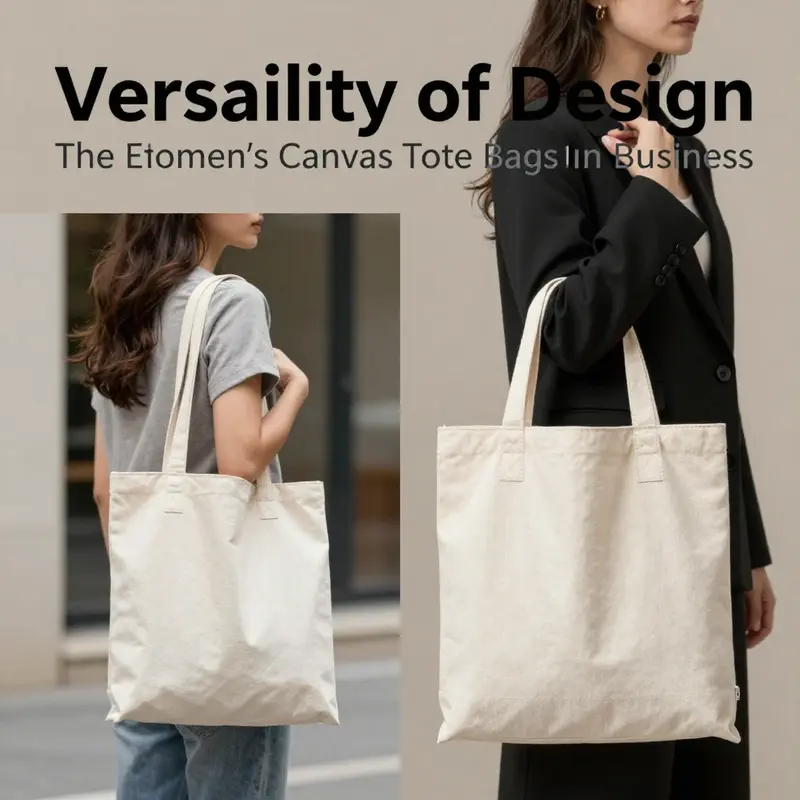
The canvas tote has earned a quiet authority in modern wardrobes, not by shouting for attention but by proving itself again and again in the rhythm of daily life. At its core lies a simple, robust material—durable cotton canvas—that has earned its reputation for strength and practicality. When sourced responsibly, this fabric presents an eco-friendly profile that resonates with a growing commitment to mindful consumption. The open-top design invites easy access, a feature that feels timeless yet remains incredibly relevant in a world that moves quickly. Yet the open silhouette is balanced by real substance: a canvas tote can expand to accommodate a week’s worth of groceries, a gym bag, or a laptop and folders for a commute. It is this paradox—the bag that feels unassuming but can bear a surprising load—that makes it indispensable. In a single, versatile silhouette, the tote bridges everyday chores with the occasions that demand a touch of polish, turning a practical accessory into a personal statement without ever shouting it out loud. The result is a flexible companion whose value grows with every use, across seasons and settings, a true workhorse that remains elegantly uncomplicated.
The aesthetic language of the modern canvas tote is refreshingly minimalist, yet it carries a surprising capacity for customization. Its plain surface acts as a canvas in the fashion sense—not a lack of personality but an invitation for interpretation. A tote can be paired with sneakers and a tee for a casual day, or with a tailored dress and sleek footwear for an evening out, and it remains credible in both contexts. The beauty of this dual existence was captured by a noted fashion voice who summarized the idea succinctly: the tote’s duality—utilitarian yet stylish, plain yet customizable—allows it to carry not just belongings but also a mood and a moment. A well-styled tote is less about asserting identity and more about enabling it, becoming a quiet stage for the wearer’s personality to unfold without overpowering the outfit. In this sense, the canvas tote is less a trend and more a foundational piece that anchors a wardrobe over years, not seasons.
Design and composition matter here, too. Some versions of the canvas tote lean into luxury cues, layering texture and material to elevate the overall effect. Though the base remains cotton canvas, designers experiment with accents like leather or faux-leather trims, subtle metal hardware, or reinforced corners that suggest durability and refinement. The result is a broad spectrum: from the simplest, most versatile models that slip under the arm with ease to more structured takes that hold their shape and lend an air of formality to a daytime agenda. The range exists precisely because the canvas tote is able to hover between casual utility and polished style without losing its essential DNA. In practice, this flexibility makes it an everyday staple that also holds its own at more refined events. It’s not about chasing a single trend, but about embracing a design that adapts across contexts and personal taste, so a bag becomes a constant rather than a revolving door of seasonal takes.
Beyond aesthetics, the internal architecture of modern canvas totes has evolved to answer the needs of commuters, travelers, students, and professionals alike. Interior organization—often overlooked in the rough-and-tumble of daily life—has become a defining comfort. A growing number of totes feature zippered closures to secure the main compartment, which is a boon for cities and airports where miles of crowds and sudden exposure to the elements are common. Inside, pockets offer dedicated space for a phone, wallet, keys, and small accessories, while key clips ensure that essential items stay within reach even on the busiest days. For those who carry digital gear, padded sleeves designed to cradle tablets or laptops help protect delicate tech while maintaining a clean, uninterrupted silhouette. The practical engineering here is not merely about function; it’s about enabling a smoother workflow and reducing the daily friction of rummaging through a bag to locate essentials.
The practical features extend to weather resilience as well. In many iterations, canvas is treated with a waxed or coated finish that provides a measure of rain resistance. This coating does more than guard against a sudden shower; it preserves the tote’s structure when braked for a moment on a slick city street or a windy train platform. The result is a bag that remains dependable in the weather-quirky realities of urban life, from a weekend farmers’ market sprint to an impromptu ferry ride along the coast. Material choices like waxed canvas also contribute to a tactile narrative—one that feels sturdy yet approachable, with the kind of texture that rewards touch. Such details matter because they translate to confidence. A tote that looks capable tends to be treated as capable, which encourages more intentional packing and better care over time.
Sustainability enters the conversation alongside durability and design. Canvas totes align naturally with a broader ethos of responsible fashion: their durability means fewer replacements, which translates into less waste. This longevity complements the ethical appeal of cotton canvas when sourced responsibly, reinforcing a shopper’s decision to opt for a bag that can endure for years. As environmental awareness expands, designers also explore alternatives that preserve the bag’s structure and style without compromising on ethics—recycled materials, cork composites, and plant-based leathers are increasingly integrated into the conversation without diluting the classic canvas foundation. The outcome is a tote that feels relevant not only for its practicality but also for its role in cultivating a more sustainable wardrobe. The result is more than a bag; it’s a small step toward reducing consumption while maintaining the conveniences people expect from a modern accessory.
If the design brief for a canvas tote is openness and adaptability, then the wearer’s wardrobe is the curriculum. The simplicity of a plain canvas bag allows it to play well with virtually any outfit, from casual denim to a tailored sheath, and from daytime errands to evening engagements with the right shoe and accessory cues. The color story supports this versatility, ranging from bright, energetic hues to more muted, timeless neutrals. Subtle textures—whether a hint of waxed surface, a matte coated finish, or a soft, brushed interior lining—offer depth without complicating the overall look. In the end, a canvas tote’s success depends on whether it can disappear into the backdrop of an entire ensemble while still fulfilling a practical role. It is this balance of invisibility in the sartorial sense and reliability in function that makes the bag a year-round friend in countless professional and personal scenarios.
For those who want to explore the breadth of options and see how different silhouettes coordinate with various lifestyles, a deeper look can be found in the collection of womens-canvas-tote-bags. This internal resource highlights how the simple canvas foundation can accommodate a wide spectrum of needs and aesthetic preferences while staying grounded in core practicality. The continuity across styles—without sacrificing the essentials of form and function—speaks to a central truth: a well-made canvas tote is not a single statement piece but a lifelong companion that grows with its owner.
The conversation about design, function, and sustainability would be incomplete without acknowledging how canvas totes fit into the broader shopping landscape. Retailers, both budget-friendly and premium, recognize the appeal of a bag that can travel from desk to dinner with equal ease. This broad market presence ensures that there is a canvas tote to suit almost every budget and taste, reinforcing the tote’s status as a durable, adaptable workhorse rather than a fragile seasonal accessory. In practice, this means a shopper can find a no-frills option for daily routines or a more refined version featuring refined hardware and premium accents for occasions that require a touch of sophistication. The continuity of use—packing, repacking, and repurposing—helps justify the investment, turning a simple bag into a long-term wardrobe solution.
Ultimately, the canvas tote embodies a philosophy of quiet confidence. It invites you to focus on what you carry, not how you carry it. The design choices—material, texture, hardware, and interior organization—combine to provide a frame for daily rituals while leaving room for the unexpected. The tote is a tool, a partner, and at times a small stage for personal expression. It can be a practical ally on a hectic Monday, a reliable carry-all on weekend escapes, or a refined companion for a social evening when the right ensemble is the goal. This is the essence of its versatility: a single silhouette that adapts to countless scenarios without demanding attention, allowing the wearer to move through life with ease and assurance. The journey of a canvas tote from simple utility to a refined everyday luxury is not about chasing novelty; it’s about embracing an enduring idea—that design can be generous, that function can be graceful, and that style can be built on reliability and restraint.
For readers seeking a concrete starting point on a budget or a broader sense of the category’s range, consider exploring the collection of canvas tote options available at this source. womens-canvas-tote-bags. This link is intended to offer a practical overview of how different configurations support work, travel, and leisure without committing to a single form or trend. The skyline of choices demonstrates that a well-made canvas tote can be both a workhorse and a canvas for personal style, and it reminds us that the simplest design often yields the most enduring results.
As the conversation about bags evolves, the canvas tote remains a reliable touchstone. It is a reminder that fashion can be functional, that simplicity can carry complexity, and that everyday practicality can align with tasteful elegance. The only requirement is an eye for quality, a mind for organization, and a willingness to let a favorite bag become a trusted partner in daily life. In the chapters that follow, we will look at how different weightings of material, hardware, and structure influence a tote’s character, and how these choices adapt when travel, work, or wellness routines take the foreground. The journey is not about chasing the latest trend but about honoring a practical, stylish companion that meets you where you are—and travels with you wherever you go.
External resource: https://www.walmart.com/search?q=women%27s+canvas+tote+bags
Built to Carry: Practical Features That Make Women’s Canvas Totes Indispensable

Built to Carry: Practical Features That Make Women’s Canvas Totes Indispensable
A women’s canvas tote succeeds when it feels effortless and reliable from the first grab. The right bag balances strength with simplicity. It opens wide for quick access, stands up to repeated use, and remains versatile enough for work, errands, and weekend escapes. Understanding the specific features that create this balance helps you choose a tote that truly fits your life instead of merely filling a niche in your closet.
At the heart of a dependable tote is the canvas itself. High-quality canvas offers a dense weave that resists abrasion and slippage. A fabric weight between mid and heavy gives structure without unnecessary bulk. This feel is what keeps a tote from sagging when loaded with books or groceries. Equally important are the reinforcements at stress points. Handles, corners, and the bag bottom should be double-stitched or bar-tacked to prevent tearing at the seams. Many well-made designs add a reinforced panel at the base to keep the bag from bulging, which protects both the canvas and the items inside.
Handles deserve focused attention because they determine comfort. Long shoulder straps allow easy wear over coats and layers. A strap drop of at least 24 inches is ideal for comfortable shoulder carry. The way handles are attached matters too: sewn-in webbing that extends into the body of the bag spreads weight evenly. When leather or a sturdier material reinforces the grip area, it reduces wear and improves hand comfort. For extended carrying, consider designs that offer a padded or wider section where the strap rests on the shoulder. This small addition makes a large difference when the bag is heavy.
Closure options change how a tote functions in daily life. An open-top tote gives immediate access and works well for short trips and frequent stops. When security or organization matters, a zipper or top flap adds protection. A zippered closure prevents spills and keeps valuables safe while commuting. Some bags combine both approaches: an open main compartment with an internal zip pocket for essentials, and a shallow external pocket for quick access items. The ideal arrangement depends on how you move through your day and what you carry most often.
Thoughtful organization within the tote transforms it from a simple carrier into a daily system. Interior pockets for phones, keys, and small electronics eliminate the need to rummage for essentials. A padded sleeve sized for tablets or small laptops protects fragile devices without requiring a separate case. Key clips keep rings in a fixed spot so they are never lost under receipts or snacks. When selecting a tote for work, look for a layout that separates documents from chargers and personal items. This separation keeps devices safe and papers crisp.
Comfort and ergonomics extend beyond handles. The weight distribution of a bag affects posture and shoulder strain. A tote with a structured bottom panel prevents heavy items from sliding to one side. Balanced strap placement and a modest internal frame reduce shoulder roll and encourage even carrying. Stitching patterns also play a role. Reinforced zigzag stitching offers more give under load compared to simple straight seams, reducing the risk of seam failure. These details are subtle, but they show up as longevity in real use.
Durability also means ease of care. Canvas that accepts spot cleaning and occasional machine washing will have a longer functional life. Natural finishes age gracefully, developing a lived-in character. When a tote uses vegetable-tanned trim, the leather darkens pleasingly with handling. That aging creates a personalized look that still performs. Look for canvas blends and finishes that balance stain resistance with breathability. A treatable canvas simplifies maintenance and helps keep the bag looking fresh for years.
Versatility is part of a tote’s charm. A minimalist exterior, neutral color, and clean lines allow the bag to pair with varied outfits and settings. The same tote can go from commute to lunch to a weekend market. External pockets in fabric webbing offer quick-access storage without interrupting the bag’s silhouette. Subtle design accents—contrasting stitching, a modest logo, or trimmed hardware—can elevate the bag without making it feel fussy. This versatility ensures the tote remains a go-to choice regardless of seasonal changes in your wardrobe.
Sustainability and materials choice increasingly influence selection. Durable canvas avoids single-use alternatives and reduces long-term consumption. When canvas is responsibly sourced, the environmental benefits multiply. Vegetable-tanned leather trims and uncoated hardware make repair and recycling easier. Choosing a bag built to be repaired—one with replaceable straps or visible stitching that can be reworked—encourages long-term ownership. This mindset turns a tote into a lasting tool rather than a disposable accessory.
Functionality must also meet lifestyle needs. For commuters, a tote with a padded laptop sleeve and a zippered main compartment offers protection and security. For parents or shoppers, a roomy interior and wipeable lining simplify life. Travelers benefit from a fold-flat design that tucks into luggage or doubles as a day bag. If you need a tote that multitasks, prioritize structure, pockets, and closures designed for the items you carry most.
A well-chosen canvas tote can also be an expression of personal style. Simple graphics, embroidered accents, or a splash of color can make a bag uniquely yours. Because canvas takes dye and print well, customization is easier than with many other materials. This makes the tote ideal for anyone wanting a base piece that can be personalized over time.
When comparing alternatives, remember what canvas does best. Unlike rigid cases, canvas collapses for storage and adapts to odd shapes. It will never offer the hard-shell protection of specialized luggage, but it compensates through flexibility and packing efficiency. The right canvas tote complements other bags in your rotation, filling roles from market haul to office carry.
Choosing the best tote comes down to matching features to daily realities. Evaluate the fabric weight, inspect the stitching, and check how pockets align with your essentials. Consider handle length and reinforcement. Think about whether you need a secure zipper or an open mouth, and whether a padded sleeve is required for devices. A few minutes of mindful inspection prevents a mismatch and ensures the tote serves you reliably.
For inspiration and a closer look at available styles, see the collection of women’s canvas tote bags. For current selection and pricing information, visit https://www.walmart.com
Pricing, Value, and the Market Pulse: Tracing the Price Range and Growth of Women’s Canvas Tote Bags
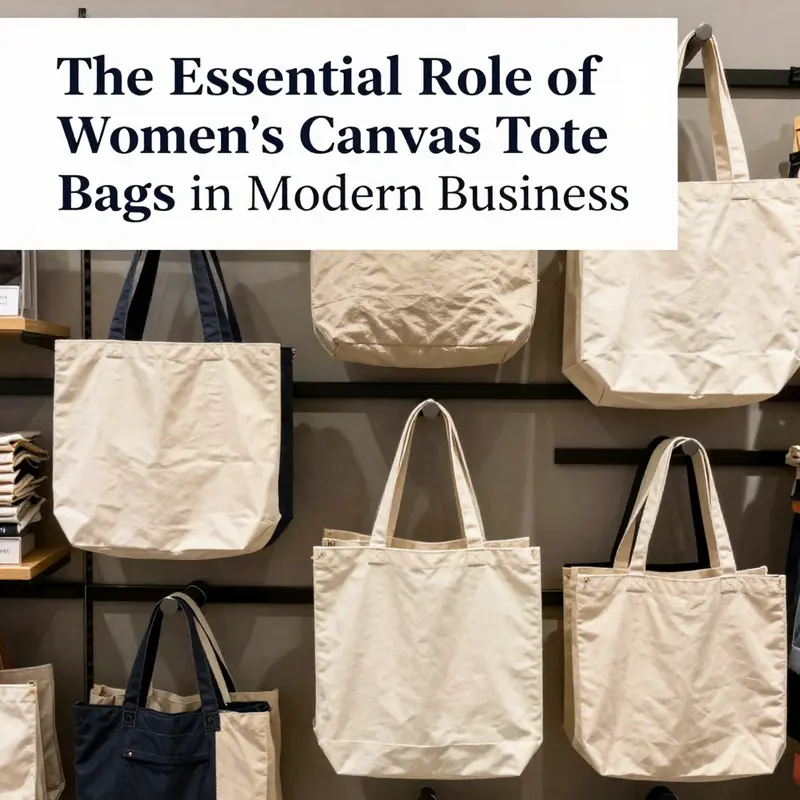
The price range of women’s canvas tote bags is more than a ledger of costs; it is a map of the markets they inhabit, the expectations shoppers bring to the shelf, and the lifestyle signals those shelves are meant to convey. On one end, wholesale quantities reveal a raw economic logic: plain, unembellished totes intended for bulk procurement. On the other end, retail shelves—whether online or brick-and-mortar—showcase a broader spectrum of design, features, and perceived value. Between these two poles lies a dynamic marketplace where material choices, construction details, and channel strategies converge to tell a story about how a simple canvas bag can be both utilitarian and expressive, affordable and aspirational, everyday workhorse and weekend companion. For readers tracing the arc from mass production to personal style, the price data that anchors this story is both precise and instructive, revealing how scope, quality, and design influence what shoppers are willing to pay while still aligning with sustainable, long-use expectations.
Wholesale pricing sketches the baseline of possibility. When orders scale to large quantities—think in the thousands—unit costs drop to remarkably economical levels. For basic, solid-color totes that emphasize durability and function over adornment, the published data show a price point as low as $1.57 per unit when orders reach 5,000 pieces or more. That figure is not merely a discount; it signals a product category designed for high-volume distribution, store-brand campaigns, and retailers seeking dependable staples with broad appeal. For smaller runs, such as 100 to 499 units, the unit price rises modestly to about $1.99. In wholesale terms, those numbers reflect relatively straightforward canvas, a simple open-top form, and minimal finery—a calculation that prioritizes practical value and mass accessibility. The practicality of these bundles is underscored by the knowledge that such totes are meant to be long-lived enough to replace disposable bags and to travel from market to commuter rail without demanding delicate handling.
As the scale shifts toward consumer markets, the retail price landscape expands widely, and the variation is telling. Among mainstream retailers and online marketplaces, the same silhouette can roam from budget-friendly to mid-range and into the realm of premium-feeling accessories. For example, in a representative European retail channel, a lightweight tote with a zipper and a quilted design can fetch around ¥251.86. A second iteration with an emphasis on zipper closures and refined aesthetics tends to be around ¥171.94. These figures illuminate how small design touches—zippered access, relative weight, lining texture, and the clever arrangement of pockets—translate into tangible price differences that customers register as value. At the higher end, even within the canvas tote category, price can climb toward ¥495.51 for a more premium, designer-inspired or artistically curated silhouette, underscoring how branding, perceived quality, and added construction details influence consumer expectations. In some cases, designer-leaning pieces with distinctive hardware, fancier finishes, and more intricate stitching push prices into another tier entirely. Across these examples, the market suggests a broad retail range—from a modest, no-frills entry point to a premium tier where craft and storytelling become part of the product’s value proposition. All these tiers sit within a wider retail band that roughly spans ¥11 to ¥500 and beyond depending on channel, design, and the collector’s mindset that some shoppers bring to the tote category.
To appreciate what these numbers mean in daily shopping terms, it helps to consider how a tote’s price aligns with its use cases. For many buyers, the canvas tote is a versatile, all-purpose companion: it carries groceries, gym gear, documents, a tablet or lightweight laptop, and flexible weekend gear. In this light, even the low end can be a practical choice for students or professionals who want a simple, durable bag that won’t demand careful handling or frequent replacements. Yet for those balancing fashion and function, the mid-range and higher-end options present a different narrative. They promise not only endurance but also a curated aesthetic, thoughtful organization, and a sense that the bag can transition from casual daywear to a more polished look without feeling out of place. This blend of practicality and design is central to the canvas tote’s enduring appeal and helps explain why price ranges vary so widely across retail channels and geographic markets.
Market dynamics reinforce why the canvas tote remains a compelling category for a broad audience. The latest cross-border pricing signals underscore broader market realities: a robust demand for durable, reusable carry solutions, the appeal of sustainable materials in a mass-market setting, and the appeal of minimalist silhouettes that can be dressed up or down. A significant driver, as echoed by industry analyses of tote bag markets, is the push toward eco-conscious choices. Canvas, as a material, anchors this shift because of its durability and the potential to outlast single-use plastics, reducing overall waste when used intentionally over time. When shoppers weigh the upfront price against long-term use and environmental impact, the canvas tote often emerges as a cost-effective, value-forward option—even when the initial price sits in the mid-range. In markets where fashion-conscious consumers seek everyday versatility, the bag becomes a canvas for personal expression, which in turn influences the willingness to invest a bit more for a design that offers a better fit with a lifestyle or a professional wardrobe.
Beyond the base materials and basic form, the price story of canvas totes is inseparable from channel strategy. Bulk manufacturing and private-label production pave the way for low unit costs, enabling large retailers or educational institutions to equip crews or programs with consistent, dependable bags. In contrast, the retail consumer experience—whether shopping on a marketplace or in a physical store—factors in brand perception, packaging, and post-purchase services. Even within a single product family, a zipper, a sleeve for a tablet, reinforced seams, or an internal pocket configuration can move a tote from one price tier to another, creating a ladder of options where customers can upgrade without abandoning the core canvas identity. This ladder is part of the canvas tote’s charm: a minimalist exterior that can accommodate a surprising breadth of internal features and external accents, letting shoppers choose a level of sophistication that aligns with both need and budget.
What does all this mean for someone building a wardrobe around a tote that’s meant to be durable and adaptable? The answer lies in recognizing that price is a guide to expected lifetime value. A bag bought at the lower end may require gentler use and careful maintenance, but it can serve well as a commuter daily driver or a grocery helper. A mid-range tote often balances durability with an elevated feel, offering more pockets, better hardware, and a color or texture that plays more intentionally with outfits. The higher-priced options, while not universal necessities, deliver premium touches, longer warranty windows, and a sense of ownership that resonates with those who want a signature piece that stays with them across seasons. The bottom line is simple: the canvas tote’s price spectrum mirrors a spectrum of needs, uses, and values, and that alignment is what sustains its popularity across different lifestyles and markets.
For readers who want to see broader assortments beyond the discussion above, a convenient way to explore the current options is to browse the collection of women’s canvas tote bags within the site’s dedicated section. This hub gathers a range of sizes, colors, and organizational layouts, illustrating how a single material can support many different looks and purposes. https://alltotebags.com/womens-canvas-tote-bags/
Why Canvas Wins: A Practical Comparison of Women’s Canvas Totes and Other Bag Types
Material matchups and practical trade-offs
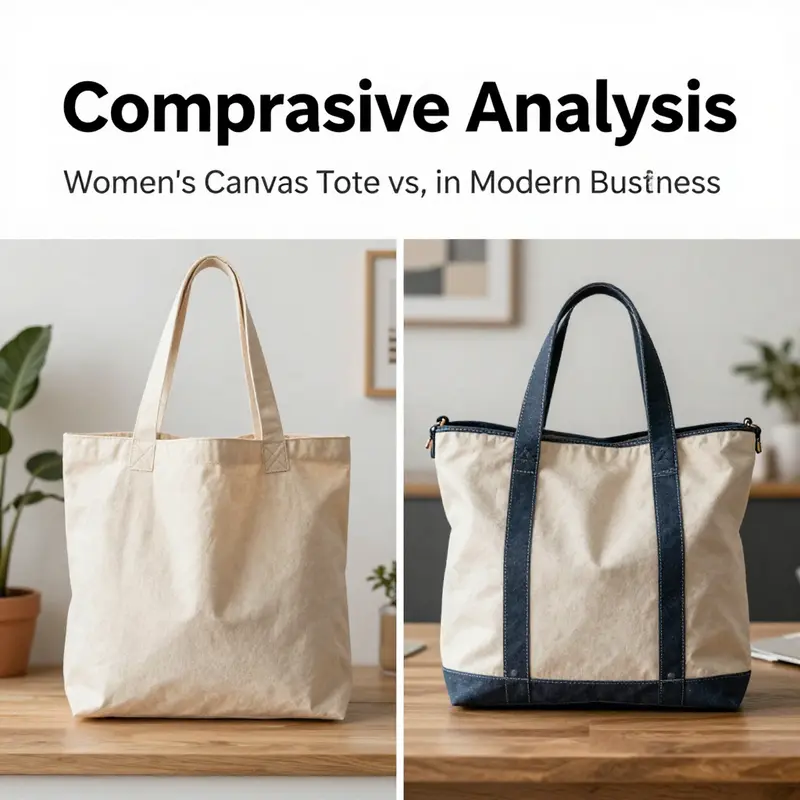
Choosing the right everyday bag is about matching material strengths to real routines. Canvas stands out because it balances toughness, weight, and style in a way few other fabrics do. A well-made canvas tote withstands heavy, irregular loads. Thick, tightly woven cotton or cotton-blend canvas resists abrasion and tears. That makes it a reliable choice for carrying laptops, books, groceries, and other daily essentials without deforming quickly. Compared to lightweight synthetics, canvas offers a sturdier base and better hold under weight. Compared to leather, canvas is lighter and more forgiving in design, though it will not develop the same patina over time.
Comfort and portability matter every day. Canvas tote bodies often weigh less than structured leather bags, and they fold flat when empty. That compressibility makes them easy to stash in another bag or luggage. Some modern canvas styles use padded straps or crossbody options to ease shoulder strain during long commutes. Synthetic materials like ripstop nylon and recycled polyester score higher on featherweight performance, and they often include water-repellent finishes. Still, they can lack the rigid support that canvas provides when carrying bulkier items. For anyone who alternates between heavy and light loads, canvas provides a middle ground: robust enough for groceries, yet manageable when lightly packed.
Functionality is more than fabric; it is thoughtful design. Canvas totes have evolved with features that rival those of other bag types. Reinforced bottoms, double-stitched seams, and boxed bases help maintain shape and increase load capacity. Interior pockets, zipped compartments, key clips, and padded laptop sleeves bring day-to-day organization into the canvas fold. Synthetics usually come with sealed seams and water-resistant linings, which appeal to commuters who face rainy weather. Leather options, on the other hand, often offer structured compartments and luxurious hardware, but they can be heavier and demand more upkeep. When choosing a tote, assess features first: a simple canvas shell with no pockets may feel pared down but will not replace the organized utility of a lined tote with compartments.
Sustainability and ethical impact are central to many buying decisions. Canvas made from organic cotton or recycled fibers has a lower environmental footprint than conventionally produced leather. Cotton canvas biodegrades more readily than synthetic textiles. Recycled polyester and ripstop nylon can reclaim plastic waste, but they may still shed microplastics over time. Alternative leathers crafted from plant fibers or cork offer lower-impact structure choices, but they rarely match canvas for load resilience. Canvas also benefits from longevity; a durable tote that lasts years reduces the frequency of replacement and the overall material demand. When sustainability is a priority, look for certified organic canvas or fabrics blended with recycled content.
Aesthetic adaptability gives canvas a unique edge. Its neutral base works with casual and semi-formal wardrobes. Plain canvas can be dressed up with leather accents or coated finishes. Waxed or coated canvas increases water resistance while adding a rugged, tailored look. Personalization is straightforward: embroidery, screen prints, and patches adhere well to the fabric, so the tote can reflect personal style or a brand identity. Designer leather bags may make a stronger fashion statement out of the box, but canvas allows far more customization at lower cost. For many users, that combination of affordable style and personal voice is decisive.
Maintenance and longevity play into the real cost of ownership. Canvas is generally easy to clean. Spot treatments and gentle hand washes resolve most stains. Coated canvas tolerates surface wiping, while untreated cotton may require more careful laundering to avoid shrinking. Leather demands specialized cleaners and conditioners. Nylon and polyester resist stains and dry quickly, but carelessness can shorten their usable life through fabric fatigue. A high-quality canvas tote with reinforced stitching and a sturdy base can serve reliably for years. That durability translates to lower lifetime expense and fewer replacement purchases, which is another form of sustainability.
Then there are situational trade-offs to weigh. For fragile cargo or items that need rigid protection, a structured, hard-shell bag is superior. Polycarbonate and molded cases protect delicate gear against impacts in ways that canvas cannot. For ultra-lightweight travel or minimalist packing, ripstop fabrics and ultralight synthetics save ounces and compress smaller. For formal events, a leather or structured tote may read as more polished. But for mixed-use days that combine work, errands, and leisure, a canvas tote often offers the best overall fit. It carries a laptop and notebooks, serves as a grocery or gym bag, and presents a casual, versatile aesthetic.
Purchasing decisions should hinge on a few simple checks. Inspect seam quality and strap attachment points first. Reinforced bottoms and boxed bases increase stability. Look for interior organization if you carry tech or small essentials. Choose coated or waxed finishes if water resistance is important. If sustainability matters, verify organic or recycled content certifications. Consider strap width and length to make sure the tote sits comfortably on your shoulder. A broad strap spreads weight better than a thin one. Padded sections or crossbody conversions are useful features for long commutes.
Finally, consider how a canvas tote fits into your broader bag rotation. Many people own a structured work tote for formal days and a hardy canvas tote for everyday needs. The canvas option works as a backup or primary bag because it adapts easily to changing plans. It accepts last-minute purchases, wraps around oddly shaped items, and folds away when unnecessary. In short, it fills the gaps that other bags leave open.
A practical way to explore these trade-offs is to compare real-world specifications. Capacity, fabric weight, seam reinforcement, and interior features matter more than brand names. A tote rated for 20 liters with a reinforced bottom will support heavier weekly shopping trips. One with a padded sleeve and several organizational pockets will better serve a commuter. Detailed product listings can highlight these attributes and make comparisons straightforward. For an example that illustrates many of the durability, organization, and eco-certification features discussed here, see this listing: https://www.alibaba.com/product-detail/OEM-Custom-Women-s-Canvas-Tote-Bag_1600708922768.html
If you want a deeper dive into canvas options tailored specifically to women, check a dedicated guide on women’s canvas tote bags for focused reviews and style ideas: women’s canvas tote bags guide. This resource can help match the material and features to your daily rhythm, whether you prioritize weather resistance, organization, or sustainability.
The comparative picture is clear. No single bag type wins across every category. Canvas stands out for daily versatility, a balance of durability and weight, design flexibility, and relative sustainability. When you need a single, reliable bag for diverse tasks, a thoughtfully constructed canvas tote answers most needs with minimal compromise.
Final thoughts
Women’s canvas tote bags are more than mere accessories; they embody sustainability, versatility, and functionality that align with contemporary business needs. Their eco-friendly nature appeals to a growing market of environmentally conscious consumers, making them an essential part of any business’s product offerings. As consumer preferences continue to evolve, incorporating canvas totes into your business model can enhance your brand’s image and appeal. Investing in these durable and stylish bags not only supports your customers’ needs but also reflects a commitment to responsible fashion.