
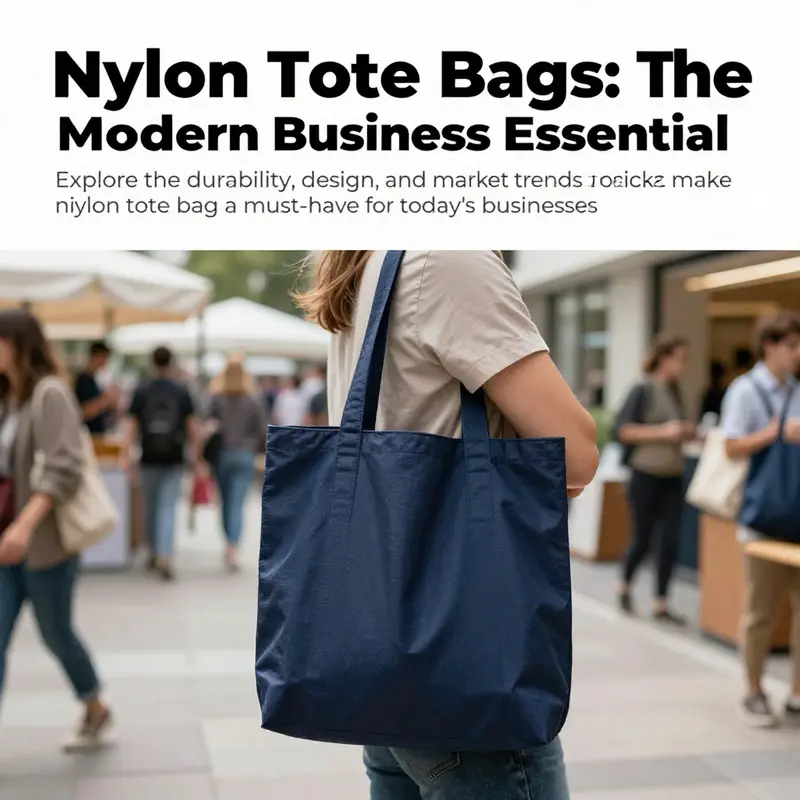
In the marketplace where versatility, durability, and appeal matter, nylon tote bags stand out as indispensable assets for businesses. These bags not only cater to consumers’ everyday needs but also enhance branding opportunities with their customizable designs. This article delves into the core aspects of nylon tote bags, beginning with their remarkable durability and construction materials, ensuring they withstand daily use and environmental elements. We will explore the myriad design features that make them functional for various business applications, such as corporate gifts or promotional merchandise. Additionally, we will analyze market trends and pricing strategies, helping business owners understand how to buy wisely and efficiently. Environmental considerations are also paramount, so we’ll review the sustainability of nylon and its impact on eco-conscious consumers. Lastly, we’ll compare nylon tote bags with other materials to underscore their superiority in various applications. Together, these insights aim to empower business owners with the knowledge to leverage nylon tote bags effectively.
Tough by Design: The Materials and Craft Behind Nylon Tote Bags
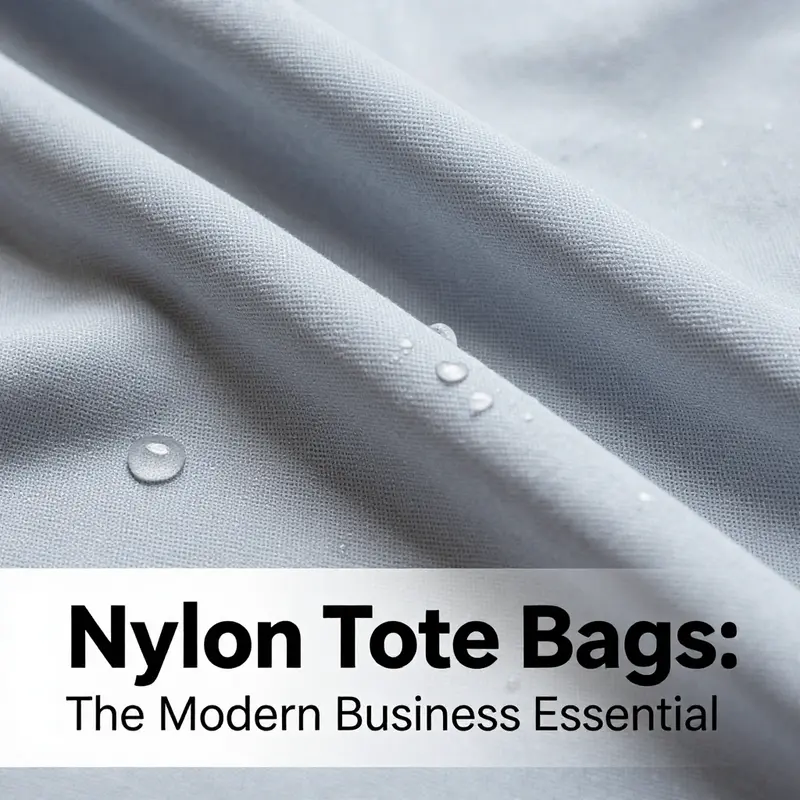
Nylon tote bags have quietly become workhorses of daily life, earning their keep in rain, heat, and crowded urban spaces. Their appeal rests not only in the lightness of the fabric but in how that fabric is woven, finished, and paired with careful engineering. Nylon’s reputation for resilience comes from both the fiber itself and the way designers knit, sew, and assemble it into a single, dependable carrier. Unlike canvas, which can swell, absorb moisture, and lose stiffness over time, nylon tends to hold its form and resist abrasion even after repeated exposure to moisture and rough handling. That durability translates into bags that survive a commute, groceries, a weekend away, or a sudden downpour with the contents intact and the exterior unfazed. It is the marriage of material science and mindful construction that makes nylon totes so consistently trustworthy as day-in, day-out companions.
At the heart of durability is the denier rating, a metric that might sound abstract but translates directly into real-world performance. For most practical tote uses, fabrics in the 420D to 600D range offer an ideal balance between weight and toughness. A 420D fabric keeps the bag light enough for easy shoulder carry and daily errands while resisting the kinds of scuffs and fatigue that accumulate through regular use. A 600D option leans into higher abrasion resistance and structure, making the bag feel firmer and more capable of absorbing the pounding that comes with longer trips or heavier loads. For travelers or people who frequently haul dense gear, 1000D ballistic nylon exists as a higher-end alternative, delivering peak resilience at the cost of extra weight. In everyday life, the 420D–600D band often hits the sweet spot, providing sturdy protection for a laptop, water bottle, books, and groceries without becoming a burden to carry.
The fabric construction itself has matured beyond a plain weave. Ripstop nylon, woven with reinforcement threads laid out in a grid, is a standout innovation in durability. When a tear starts, the grid acts like a restraint, preventing the damage from spreading quickly across the fabric. This feature is particularly valuable in high-use contexts: alleys, station platforms, crowded markets, or a bag knocked against a door frame. In addition to the weave, many nylon totes receive surface coatings such as polyurethane or silicone. These coatings are more than cosmetic; they significantly boost water repellence, stain resistance, and tear strength. They also help defend the material against UV exposure and chemical abrasion, two factors that can degrade fabrics that endure outdoor or travel wear. The coatings create a protective barrier that makes life with a bag a bit easier, whether you’re catching a rain shower, splashing through a spilled drink, or simply carrying damp items.
Structural integrity is where material strength meets practical engineering. The most durable nylon totes feature multiple stitches at stress points: the junctions where handles meet the bag, the top edges, and the attachment seams that bear the brunt of daily loading. Double or triple stitching reduces the risk that a single seam will unravel under pressure. Reinforced metal grommets help prevent wear from strap movement, and bar-tacked stitching in strap anchors further anchors weight without loosening. Hardware quality matters as much as fiber strength. Zippers, often from established brands, resist snagging and failure longer under repetitive use. When a bag is thoughtfully assembled, every seam, edge, and fastener serves a purpose beyond appearance—creating a reliable balance between form and function. As a practitioner in textile design notes, the best nylon bag is often more about the stitching plan and the choice of hardware than about any single material specification. The result is a well-behaved tote that feels capable rather than fragile, a calm performance under daily duress rather than a fragile promise.
Compared with other materials, nylon holds a clear advantage in performance metrics that matter for a practical tote. Cotton canvas, while attractive for its natural texture, readily absorbs moisture, leading to longer drying times, weight gain, and garment-like stiffness when damp. It also tends to degrade faster under repeated washing and exposure to humidity. Vegan leather has its place in style and sustainability conversations, but its long-term durability often hinges on surface coatings and can suffer from cracking or delamination in challenging conditions. Nylon, when properly finished and constructed, tends to offer a more resilient baseline for daily use. It also aligns with circular design concepts through programs that recycle used nylon into new fibers, closing the loop on end-of-life considerations. This combination of mechanical performance and potential for sustainable recycling positions nylon totes as durable, practical tools that can last for years when cared for appropriately and sourced with responsibility in mind.
The durability story is reinforced by empirical evidence that extends beyond anecdotal impressions. Independent durability testing has shown that nylon bags retain a substantial portion of their strength after months of routine use, while fabrics like untreated canvas can suffer notable degradation under moisture and repeated laundering. These data points reinforce what many users observe: the right nylon tote, built with ripstop geometry, proper denier, coatings, and robust hardware, delivers sustained performance across a broad spectrum of everyday scenarios. Of course, wear patterns will vary with how the bag is used and how well it is maintained, but the overarching trend is clear. The combination of engineered fabrics and disciplined construction can yield a carrier that remains dependable—even after frequent use in rain, sun, and crowded environments.
In everyday practice, how a bag feels when you open and close it matters as much as how it looks when it’s hanging on a hook. Interiors designed to organize without clutter contribute to durable, stress-free use. Interior zip pockets keep small items from tumbling around, while a padded laptop sleeve guards electronics against minor bumps. A top-zip closure seals out rain and dust while preserving quick access when needed. The material choice and coating will influence the interior environment as well; thicker fabrics with moisture barriers tend to protect sensitive contents from dampness and condensation, reducing the risk of damp paper, electronics, or chargers. A bag that makes organization intuitive and access easy can dramatically extend its useful life, because contents stay secure and the bag remains functional in all kinds of daily routines. For enthusiasts who value closure reliability as much as fabric strength, the practical takeaway is simple: prioritize robust zippers and proven stitching across all load points. If you want a concrete example of closure-focused design, explore tote configurations that emphasize zipper closures and reinforced seams. https://alltotebags.com/totes-bags-with-zippers/.
Durability also entwines with style and versatility. A bag that is built to endure should still feel appropriate in a workplace, a campus, or a weekend getaway. Nylon’s texture and finish can range from matte to slightly glossy, and colorways can reflect a professional aesthetic or a casual, urban vibe. The durability story then becomes a blend of practicality and personality: a tote that can carry a laptop and a lunch, withstand a light rain shower, and still look ready for a meeting or a night out. In practice, this means a thoughtful balance of fabric weight, reinforcement, and interior layout, all orchestrated to keep the bag performing across seasons and trends. The end result is a bag that does not demand constant replacement but rather earns a longer, more faithful service life through repeated use.
Sustainability considerations are inseparable from durability when viewed through the lens of lifecycle impact. A bag built to last reduces the need for frequent replacements, which is a meaningful contribution to resource efficiency. When manufacturers offer recycled nylon inputs and players in the supply chain commit to responsible sourcing and end-of-life stewardship, the durability story broadens into a narrative about responsible consumption. The practical takeaway for consumers is to look for signs of thoughtful manufacturing: ripstop grids that prevent tears from spreading, reinforced stitching at load points, coatings that protect from moisture while resisting breakdown, and hardware designed for longevity. With such attributes, a nylon tote can accompany you for years, aging gracefully and accumulating stories rather than becoming disposable clutter.
When considering your next nylon tote, remember that the material’s strength is never a standalone feature. It emerges through the entire design ecosystem: the denier choice, the weave pattern, the coating, the stitching plan, the hardware, and the interior organization. The result is a bag that not only endures but adapts to your life—whether you are commuting, shopping, or traveling. In this light, nylon totes are less about chasing the newest trend and more about recognizing a durable partnership between material science and practical craft. They are a reminder that everyday objects can be engineered with intention to stand the test of time, season after season, year after year, without sacrificing usefulness or style. For readers seeking deeper technical context, external researchers have documented nylon’s performance across conditions. External resource: https://www.sustainabledesign.university/research/textile-durability-study-2025
How Design Makes Nylon Totes Tough, Comfortable, and Ready for Anything
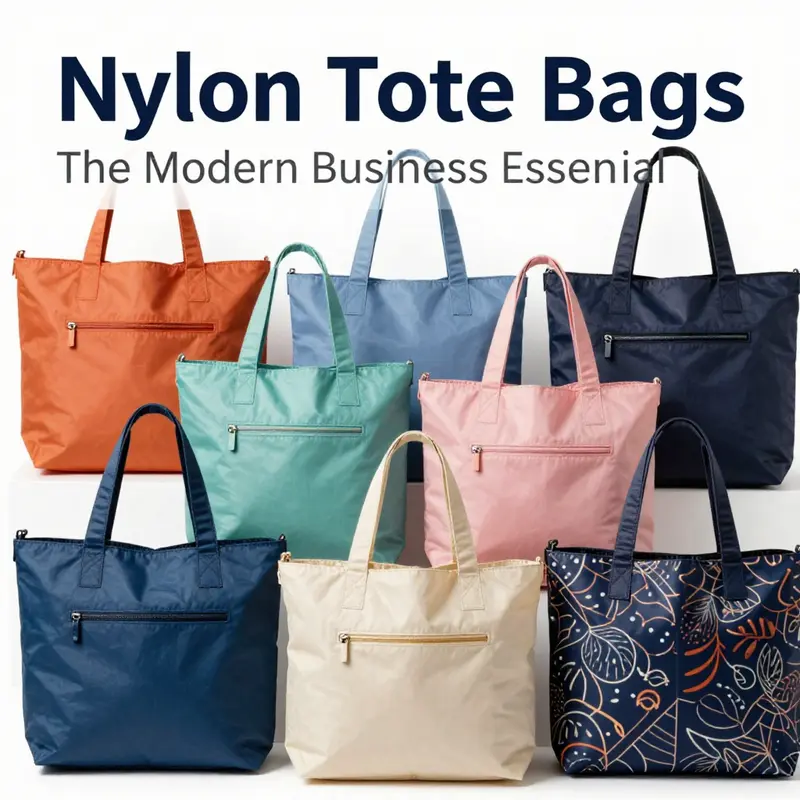
How a nylon tote is built determines how it performs. The material itself—nylon—brings lightweight strength and abrasion resistance. But thoughtful design turns that raw durability into a tote you can rely on day after day. This chapter walks through the design choices that matter most, explains why they matter, and shows how different features work together to create a balanced bag for commuting, shopping, travel, or outdoor life.
Every durable nylon tote begins with the fabric. Denier, weave, and coating all affect function. Higher denier yarns mean thicker fibers and better abrasion resistance. Common everyday ranges fall between mid-weight and heavy-weight deniers, which balance pliability and toughness. Advanced weaves, like ripstop or tightly woven ballistic-style constructions, stop small tears from spreading and resist scuffs from repeated use. A thin polymer coating—often polyurethane or silicone—adds water resistance without making the bag heavy. That coating also seals the surface against stains and dirt, though it will slightly change the hand and sheen of the fabric. The result is a material that keeps shape under load and shrugs off rain and splashes.
Construction details translate fabric potential into real-world performance. Reinforced stitching at stress points makes an enormous difference. Handles, base corners, and strap anchors should have bar-tack stitches or double-stitched seams. These techniques distribute load and prevent localized seam failure. Base reinforcements—either stitched panels or an internal stiffener—preserve structure and keep the bag from sagging when loaded. Grommets and rivets at handle bases reduce wear on the fabric and provide mechanical strength where threads alone cannot. High-quality zippers with sealed tapes or water-resistant teeth keep contents dry and improve security. When zippers are combined with top-zip closures, items stay where they belong and theft risk drops.
Comfort matters as much as durability. Padded shoulder straps and ergonomic handles reduce strain during long carries. Wider straps spread weight and cut pressure. The attachment points for these straps should be reinforced and anchored to a base plate or extra fabric layer inside the bag. Even a well-made strap can fail if its stitching is routed through thin fabric. Designers often add a short reinforced webbing layer where straps meet the body. That small detail extends life by preventing stress concentrations that lead to tearing.
Interior organization turns a simple tote into a versatile tool. Multiple compartments, zip pockets, and dedicated sleeves let you separate items and protect valuables. A padded sleeve for a laptop or tablet keeps electronics secure during daily transit. For commuters or remote workers, that sleeve is often sized to standard laptops and lined with soft fabric to resist scratches. Deep interior pockets with zip closures secure smaller items like chargers and keys. External pockets provide quick access to essentials without opening the main compartment. For users who carry food, insulated linings maintain temperature for short trips and are easy to wipe clean.
Portability and packability are signature benefits of many nylon totes. Foldable designs compress into small pouches that fit in a larger bag or a pocket. Seam placement and fabric paneling determine how compactly a tote collapses. Designers aim to preserve handle structure even when folded, so the bag is ready to use without fuss. These choices are most important for travelers and shoppers who need a backup bag that occupies little space until required.
Aesthetic choices are more than decoration. Nylon’s smooth surface accepts vivid prints, logos, and patterns with high-definition techniques like digital transfer or screen printing. Laminated finishes—glossy or matte—add visual polish and extra resistance to moisture and dirt. However, laminates can reduce breathability and add a slight stiffness. They also carry a small long-term risk of delamination if the bag sees heavy flexing or extreme heat. Designers must balance appearance with expected use and longevity.
Small functional additions show thoughtful design. Anti-slip bases help a tote sit upright and protect the bottom from rough surfaces. Reflective accents increase visibility for early-morning or evening commutes. Modular attachments—detachable pouches, key leashes, and snap-in organizers—add customization without complicating the core structure. For corporate or promotional uses, clean panels for logos keep branding crisp while preserving the bag’s look.
Material and hardware choices involve trade-offs. A thick polymer coating boosts water resistance but reduces the bag’s recyclability. Metal hardware increases strength and lifespan but adds weight. Plastic or polymer hardware reduces weight and resists corrosion. The best designs select components with purpose: reinforced webbing and metal rivets for heavy-load models, lighter buckles and thinner fabrics for ultra-portable versions. Buyers should consider their typical load and environment when weighing these trade-offs.
Testing and standards matter. A bag that meets textile performance benchmarks is likely to outlast a similar-looking competitor. Tear resistance, abrasion cycles, and seam strength tests predict how a tote will perform over months of daily use. While not all models list detailed lab results, specifications like denier, coating type, and the presence of reinforced bar-tacks give clear indicators of durability. For technical readers, industry standards provide a common language to evaluate materials and construction methods. You can consult textile standards for more detail on testing and benchmarks.
Choosing the right nylon tote comes down to intended use. For everyday commuting, prioritize a padded laptop sleeve, secure top-zip closure, and comfortable straps. For travel, look for a foldable structure, external pockets, and an anti-slip base. For grocery runs and heavy loads, select higher denier fabric, reinforced seams, and robust strap anchors. Aesthetic elements matter too; pick a finish that fits your style while matching expected wear. Small features—water-resistant zippers, insulated liners, reflective accents—can make a bag far more useful without adding much weight.
When you evaluate a nylon tote, inspect the seams, examine the strap attachments, and test zipper action. Check whether pocket stitching aligns and whether the base shows reinforcement. Feel the fabric: ripstop textures and coated surfaces signal durability. If a tote promises a laptop sleeve, verify its padding and dimensions. If packability is important, fold the bag a few times to see how neatly it stores. Attention to these design details reveals the difference between a short-lived bargain and a long-term companion.
Design is the bridge between raw nylon performance and everyday reliability. The right combination of fabric, reinforcement, hardware, and organization creates a bag that handles weight, resists weather, and remains comfortable to carry. Thoughtful choices by designers and careful inspection by buyers ensure that a nylon tote earns its place in daily life. For deeper technical guidance on textile performance and testing, see the ISO textile standards: https://www.iso.org/standard/74560.html
For examples of laptop-focused designs that apply many of these principles, consider models described in resources on laptop tote bags for women: laptop tote bags for women.
Nylon Tote Bags: Value, Sustainability, and the Price Spectrum
Nylon tote bags have evolved from simple daily carry to durable, lightweight companions that suit urban commutes, weekend escapes, and travel. Their weather resistance, quick-drying properties, and ability to hold shape make them practical in busy, variable climates. Designers pair ripstop fabrics with higher-denier nylons to deliver a balance of lightness and resilience, while finishes such as PU coatings enhance water resistance and scuff protection. The visual language ranges from minimal, clean satchels to performance-inspired totes that hint at outdoor heritage, all while maintaining a polished urban edge.
Sustainability is central to the current moment. Recycled nylon and closed-loop processes reduce resource use without compromising performance. ECONYL exemplifies how consumer demand for responsible fashion can align with durability and value. Modular designs, detachable pouches, and configurable interiors extend a bag’s lifespan by supporting multiple functions in a single piece. This adaptability matters as people juggle work, study, and leisure, and it lowers the need to own several specialized bags.
Market dynamics in 2025 and 2026 show nylon tote appeal across price bands. In cities with frequent rain or snow, nylon’s water-repellency, ease of cleaning, and long life translate into lower total cost of ownership. In parallel, transparent sustainability claims, recycled-content certifications, and brand narratives influence willingness to pay for higher-quality builds. Mid-range and premium versions emphasize durable constructions—600D or higher fabrics, reinforced stitching, bar-tacked anchors, and robust hardware—paired with refined aesthetics that preserve a professional look.
From a construction standpoint, the logic is simple: incremental investment yields tangible usability gains. Entry-level models focus on reliable everyday use, while higher tiers offer enhanced organization, secure closures, and premium hardware. Coatings—PU or silicone-based—further boost water resistance and abrasion resistance, expanding the bag’s usable life. This combination creates a perceived value that resonates with shoppers who expect longevity and versatility from a single piece of gear.
Looking ahead, price discussions are likely to hinge on durability, customization, and lifecycle thinking. Brands are experimenting with detachable components, interchangeable straps, and modular interiors that transform a tote into a backpack or messenger bag as needs change. As consumers become more conscious of supply chains and manufacturing ethics, the appeal of transparent sourcing and certified durability will persist. In short, nylon totes offer a compelling value proposition: a durable, adaptable, and responsibly produced carry that can simplify daily life while standing up to real-world use.
Counting the Cost: The Environmental Footprint of Nylon Tote Bags
Counting the Cost: The Environmental Footprint of Nylon Tote Bags
Nylon tote bags deliver clear utility: they are light, water-resistant, and long-lasting. Yet the environmental ledger for these bags is complex. The material’s advantages in durability and performance often obscure significant impacts that begin long before a bag reaches the store shelf. Understanding those impacts helps consumers weigh trade-offs and make choices that reduce harm while keeping the practical benefits of nylon.
Nylon production starts with fossil feedstocks. Transforming crude oil into polymer chains consumes large amounts of energy. The manufacturing process releases greenhouse gases, and a particularly potent byproduct is nitrous oxide (N2O). Nitrous oxide traps heat in the atmosphere far more effectively than carbon dioxide. Even small releases matter because N2O has roughly 300 times the global warming potential of CO2 over a century. When summed across the stages of polymer synthesis, extrusion, dyeing, and finishing, the carbon and greenhouse gas footprint of a nylon tote can be substantial.
Beyond greenhouse gases, synthetic textiles are a source of persistent pollution. Nylon fibers shed during use and laundering. Those tiny fragments—microplastics—pass through wastewater systems, reach rivers and oceans, and enter food chains. Microfiber pollution does not biodegrade on human timescales. It accumulates in sediments and tissues, posing uncertain but worrying risks to marine life and potentially to human health. Because nylon is engineered for toughness, its fragments persist as durable particles rather than breaking down quickly.
Longevity is the counterweight to these burdens. A well-made nylon tote can remain serviceable for years. Its resistance to moisture and abrasion helps it survive heavy use that would degrade natural fabrics more quickly. From an environmental perspective, a synthetic bag’s initial footprint becomes less significant the longer the bag is used. That said, the breakeven point—the number of uses required for a nylon tote to have a lower climate impact than alternatives—can be high. It depends on how often the bag is used, the weight and type of items carried, and what replacement would otherwise be used. If a nylon tote repeatedly replaces single-use plastic bags or paper bags, its benefits become clearer. If it is treated as a disposable accessory, those benefits vanish.
Comparisons with alternatives reveal trade-offs. Natural-fiber bags, such as cotton, tend to come with lower synthetic greenhouse gas emissions during polymer production. However, cotton demands water, land, and agrichemical inputs. Its own footprint varies widely by farming method and region. Recycled materials offer another pathway: recycled nylon or polyester reduces reliance on virgin feedstocks and can lower energy use and emissions. Yet recycled synthetics still shed microfibers and may require considerable processing. Consumers interested in avoiding fossil-derived textiles entirely often look to reputation and lifecycle analyses before deciding; for many everyday choices, the most sustainable option is the product that is used most frequently and repaired when needed.
Design and construction matter more than many shoppers realize. Reinforced stitching, high-denier weaves, and coated finishes extend usable life. A tote with bar-tacked handles or a reinforced base will tolerate heavier loads and more frequent trips without failing. Features that reduce wash frequency—water-resistant coatings, wipeable linings, or removable inserts—also reduce microfiber shedding and the energy used for laundering. Choosing a bag built to last increases the probability that it will replace single-use alternatives, thereby improving its environmental profile.
End-of-life options are often limited. Nylon is technically recyclable, but recycling streams are not always equipped to accept textile waste. Mixed materials, coatings, and hardware complicate recycling. Many nylon totes end up in landfills or incinerators, where they either persist for centuries or contribute to emissions when burned. Municipal textile recycling programs and take-back schemes can help, but these remain scarce and uneven. Where possible, repair, donation, and reuse extend the bag’s life and delay disposal.
Microfiber mitigation deserves practical attention. Simple changes in care can cut shedding. Washing bags less often, using gentle cycles and cold water, and employing a microplastics-catching device during laundry reduce fiber loss. Airing and spot-cleaning are effective alternatives for routine dirt. Choosing a slightly heavier denier or a tighter weave can lower the rate of fiber release during use. These are everyday behaviors that meaningfully reduce a bag’s contribution to microplastic pollution.
For consumers prioritizing lower environmental impact, options exist. Selecting a bag made from recycled materials reduces demand for virgin petroleum. Prioritizing construction that favors repair over replacement yields long-term benefits. Purchasing a durable alternative to single-use options and committing to years of use maximizes the environmental payoff. Those considering a shift to natural fibers should weigh agricultural impacts and local availability. For a quick comparison on natural options, see this guide to women’s canvas tote bags, which clarifies some of the trade-offs between cotton and synthetic fabrics.
Corporate transparency and policy play a role too. When manufacturers disclose life-cycle assessments, material sourcing, and end-of-life plans, buyers can make informed choices. Policies that expand textile recycling infrastructure and reduce emissions in chemical processing would lower the footprint of all synthetic textiles, including nylon. Until those systems scale, the environmental cost of producing nylon remains an important consideration.
At the individual level, the best practice is pragmatic: choose a bag built to last, use it to replace single-use alternatives consistently, maintain it to reduce washing and shedding, and seek repair or recycling options at end of life. Collective action—demanding durability, transparent sourcing, and accessible recycling—amplifies those choices. Nylon tote bags are neither inherently good nor bad for the planet. Their environmental outcome depends on how they are made, used, and disposed of.
For authoritative data on emissions from synthetic fiber production and related industrial greenhouse gases, see the U.S. Environmental Protection Agency resource on greenhouse gas emissions: https://www.epa.gov/energy/greenhouse-gas-emissions-data
Against the Grain: Why Nylon Tote Bags Outperform Canvas, Polyester, and Leather in Everyday Use
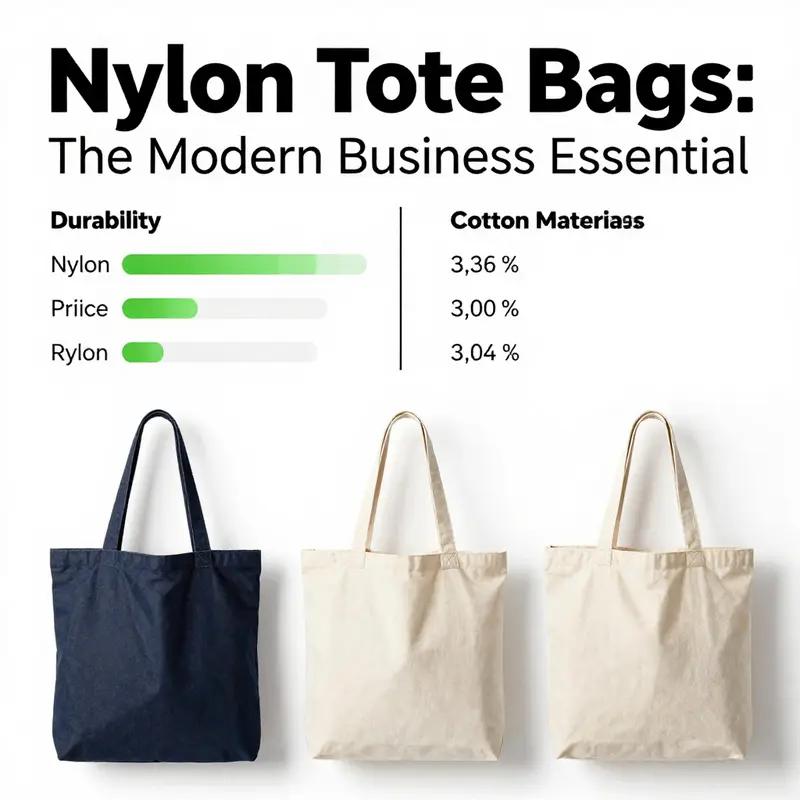
Nylon tote bags occupy a practical middle ground in the material hierarchy that defines modern carry solutions. When you compare them with canvas, polyester, and leather, nylon delivers a blend of lightness, strength, and weather resilience that often translates into real-world advantage. The conversation about tote bags often hinges on aesthetics or price, but the most important measure is performance under load, in changing weather, and across daily wear. In that landscape, nylon—especially in high-denier forms and with modern weaves—emerges as a versatile workhorse. The comparison with canvas, polyester, and leather is not merely academic; it is about how a bag behaves when it is packed with groceries, textbooks, or a laptop, and how it holds up after months of daily use, rain, and sun. The material story matters because it drives decisions about long-term value, not just initial appearance or a single season of use.
To begin, nylon’s most compelling technical advantages lie in strength-to-weight and resilience. High-denier nylon fabrics, typically 600D to 1000D, resist tearing and abrasion far more effectively than standard canvas. In practical terms, a bag made from nylon can bear heavy loads without fatiguing the fabric around stress points such as handles and seams. When subjected to tensile challenges, nylon often surpasses canvas in endurance tests, with higher psi thresholds before failure. A key consequence is that the bag can carry heavier items—groceries, gym gear, or textbooks—without the material becoming rigid or splayed. This strength is achieved with surprisingly little material bulk, meaning a nylon tote can remain compact and easy to shoulder, rather than ballooning in weight and bulk as canvas does.
The weight advantage is not incidental. Nylon’s inherent lightness means that for equivalent strength, you need less material than canvas. The result is a bag that feels less burdensome to carry, with less sagging when fully loaded. Sag is more than a nuisance; it can reduce the effectiveness of organization and protection for items inside. In a well-made nylon tote, the weight savings are complemented by structural design choices that keep a bag upright when set down and stable when carried, even on crowded commutes. This stability is partly a function of cut and seam engineering, but it is amplified by the fabric’s elasticity, which helps the material absorb and distribute loads rather than crack under sudden stress.
Water resistance marks another decisive advantage. Canvas, being cotton-based, tends to absorb moisture unless coated or waxed. Moisture intrusion can lead to mildew, staining, and slower drying, which, over time, weakens fibers and invites odor. Nylon, especially ripstop or ballistic variants, is engineered to shed water and resist dampness. Even without a heavy coating, nylon resists the kind of moisture that can degrade a bag’s shape and integrity in daily use. Coatings like polyurethane or silicone further boost water resistance and tear strength, creating a durable outer shell that remains pliable rather than stiff in wet weather. This resilience to rain and humidity makes nylon totes reliable for daily commutes, weekend trips, and unpredictable outdoor events alike.
The longevity story for nylon is underpinned by data from testing and long-term studies. In a comparative sense, nylon maintains its grip on structural integrity much longer than untreated canvas under repeated exposure to moisture and washing. A study from the Textile Performance Institute found that after six months of daily use, nylon bags retained about 92% of their original strength, while untreated canvas showed significant degradation due to fiber breakdown. Even when coated, nylon’s performance tends to exceed that of many natural fibers in terms of abrasion resistance and tear propagation. This means fewer visible signs of wear after months of regular use, fewer repairs, and a bag that continues to hold its shape with time.
Beyond the raw fabric, the way a tote is constructed determines its real-world durability. Double or triple stitching at stress points—especially at the handles and top seams—forms a backbone that resists pull and flex. Reinforced grommets, sturdy top closures, and well-executed bar-tacking at strap junctions all contribute to long-term reliability. The denier rating, typically in the 420D to 600D range for everyday models, signals that more material thickness translates to higher abrasion resistance. For heavier patterns of use, some premium nylon totes employ even heavier constructions, such as 1000D or specialized weaves, to extend service life further. A bag built with thoughtful construction patterns is less likely to fail at a single weakness, such as a seam in the corner where fabric meets strap.
A distinctive advantage of nylon is its ability to hold its shape and maintain a consistent outward appearance even after exposure to sun and heat. UV fading is a common concern with synthetic fabrics, but modern coated nylon resists sun damage well, especially when treated with protective finishes. In practical terms, this means a tote that can sit on a hot sidewalk or be left in a car on sunny days without a drastic color shift or compromised performance. The coating also adds to water resistance and tear strength, providing a layered defense against the elements. The result is a tote that remains ready for work, travel, or weekend adventures without requiring special care or conditioning.
The conversation about nylon often intersects with sustainability considerations, a topic increasingly important to shoppers. Nylon, like other synthetic materials, is petroleum-based and not biodegradable in the conventional sense. Yet there is a meaningful shift toward recycled nylon, sourced from post-consumer or industrial waste streams such as fishing nets. Recycled nylon helps reduce the total environmental footprint of the fabric, especially when paired with durable construction that extends the bag’s life. In contrast, while recycled polyester is common and versatile, nylon often carries a higher embodied energy in production. The choice between materials thus becomes a question of how long a bag lasts under real-world use and how much waste it generates over time. For consumers who want a lower environmental impact without sacrificing performance, recycled nylon offers a compelling route that aligns durability with a commitment to reuse and resource stewardship.
The visual language of a tote matters too, and nylon’s versatility accommodates a broad spectrum of design aesthetics. The same sturdy construction and weatherproofing can be wrapped in a minimalist, sport-inspired silhouette or a more refined, structured form. The ability to integrate interior organizational features—laptop sleeves, zip pockets, and dedicated spaces for cords or water bottles—fits well with nylon’s general adaptability. A high-quality nylon tote can feel professional enough for the office, casual enough for weekend chores, and rugged enough for outdoor errands. The materials story meets the design story, producing a bag that looks right in multiple settings and performs consistently across them. When this synergy exists, customization—through colorways, branding, or modular interiors—becomes a practical value-add rather than a marketing flourish.
In discussing material choices, it is also useful to acknowledge how nylon stacks up against leather and polyester. Leather offers durability that develops a patina and a unique tactile character, but it demands more care, is heavier, and can crack or stiffen in moisture. Nylon keeps a consistent feel and function with far less maintenance. It is also a lighter option for long days of carrying, reducing fatigue over time. Polyester, while similarly synthetic, tends to fade more under UV exposure, though it benefits from excellent resistance to shrinking and wrinkling. Nylon’s elasticity helps it recover from deformation and resist micro-tears after repeated use, making it a robust all-around performer. In sum, for everyday carry that must withstand variability—rain, sun, heavy loads, and frequent handling—nylon offers a practical balance that other materials struggle to match in one or more dimensions.
To translate these material traits into practical insight, consider the everyday scenarios in which a tote is asked to perform. A nylon tote must be prepared to handle heavy groceries without distorting the bag’s shape, protect sensitive electronics from moisture, and endure the rough edges of a crowded commute. The combination of high-density fabrics, resilient coatings, and reinforced construction makes this possible. The design thinking behind such bags emphasizes not just outward appeal but internal organization and durability at the points of greatest stress. Features like interior zip pockets and top-zip closures support security and accessibility, while a well-designed interior layout prevents items from shifting and suffering abrasion. When you see these features aligned with a robust nylon fabric, you witness how performance and practicality converge in a single carrying solution.
The practical takeaway for shoppers is straightforward. If longevity, weather resilience, and load-bearing capacity are priorities, nylon—especially in ripstop or ballistic forms with protective coatings—delivers more reliable performance over time than canvas. It remains lighter, maintains shape, and resists the wear that comes with daily use. Customization options allow brands to tailor a consistent experience with a touch of personal style, making nylon tote bags not only durable but also adaptable to different lifestyles and contexts. For those who value a balance of function, value, and long-term reliability, nylon emerges as the most versatile among common tote materials. The question is less about choosing a single winner and more about matching the bag’s construction and fabric characteristics to how it will be used day after day.
For readers looking to explore practical examples of design and function, consider how a zipper, a sturdy strap, and reinforced corners combine to create a reliable carry. A well-made zipper, in particular, is a small but pivotal detail that preserves security and accessibility without sacrificing fabric integrity during repetitive use. See how these elements come together in real-world tote designs at tote-bags-with-zippers. The point is clear: the most successful nylon tote answers both the tactile and the logistical demands of daily life, with a construction that supports dependable performance over time. When you pair that with the known advantages of nylon in strength, weight, water resistance, and resilience, you gain a strong case for nylon as the default choice for a durable, all-weather tote.
External reference for a broader, lab-tested comparison across materials can be found here: https://www.thesprucecrafts.com/nylon-vs-canvas-tote-bags-4773925.
Final thoughts
Nylon tote bags are more than just stylish accessories; they embody durability, functionality, and eco-conscious design that appeals to modern consumers. For business owners, understanding the significance of these aspects is crucial for leveraging their full potential in marketing and operational needs. The outlined chapters provide a comprehensive view of the materials, design features, market trends, environmental impact, and comparative advantages over other materials, empowering you to make informed decisions in your business strategy. Investing in high-quality nylon tote bags can not only enhance your brand visibility but also resonate with consumers looking for reliability and sustainability in their everyday carry solutions.