
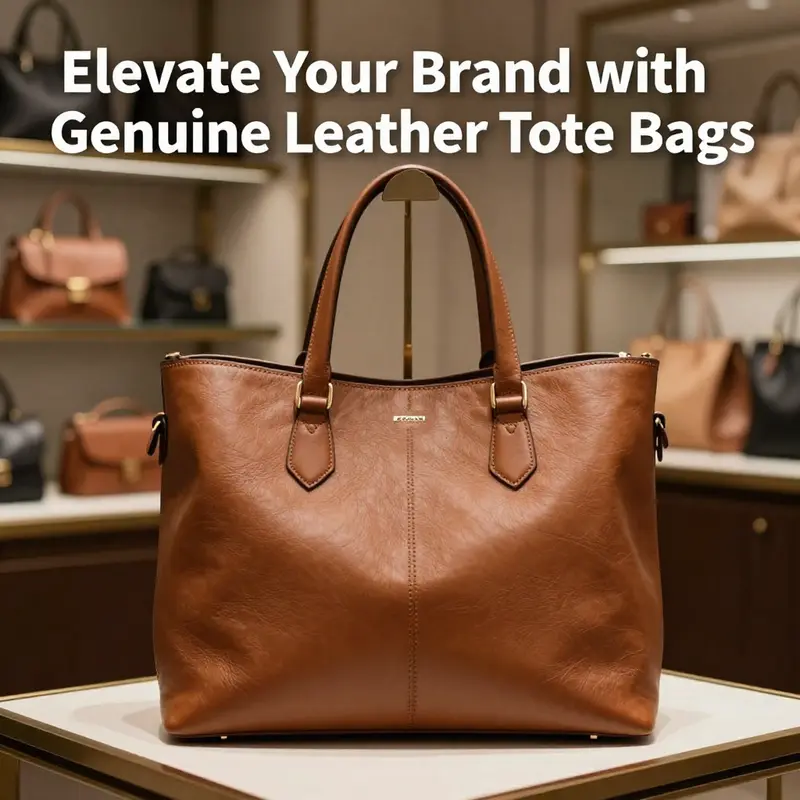
Genuine leather tote bags have become a staple in the fashion accessory market, cherished for their durability and timeless elegance. Business owners looking to incorporate genuine leather totes into their product offerings must understand the nuances of this material, which range from types of leather to market pricing. Each aspect impacts the product’s longevity and appeal to customers. This article delves into the characteristics of genuine leather, the importance of proper care and maintenance, current market trends, and effective strategies for selecting the right suppliers—all critical factors for anyone in the retail space.
From Hide to Handbag: Unraveling Genuine Leather Tote Bags, Their Types, and How Quality Emerges

Genuine leather tote bags carry a promise that extends beyond the surface. They are more than carriers for daily essentials; they are portable demonstrations of craft that age with their owners. Each bag begins as a raw hide, but the path from hide to handbag is a sequence of decisions about grade, processing, and finishing that determine not only how it looks in the shop but how it behaves on the street, in a crowded hallway, or across a long day of meetings. The appeal rests on a delicate balance between natural character and practical durability. A well chosen leather tote can absorb the wear of travel, the occasional rain, and the stress of daily use, while also developing a patina that tells the story of its owner. Understanding this balance requires a close look at the types of leather that most commonly appear in totes and the processes that shape their final character. It also means recognizing the signs that separate a product built to last from one that is likely to falter under the demands of real life.
The broad landscape of genuine leather begins with the type of hide and the amount of refinement the surface receives. Full-grain leather sits at the top of the hierarchy. It preserves the entire grain layer of the animal hide, including natural markings such as scars and insect bites. Those marks are not flaws; they are living evidence of the animal’s history and the hide’s authenticity. Because the grain remains intact, full-grain leather is exceptionally strong and naturally resistant to wear. Over time, it develops a warm, deep luster and a patina that is unique to the wearer. The grain’s irregularity is not a defect but a signature. A tote crafted from full-grain leather tends to age with grace, showing subtle character rather than conspicuous, uniform perfection.
Top-grain leather, a step below full grain in some catalogs, offers a refined look with a smoother surface. The top layer has been shaved and refinished to reduce surface blemishes. This processing creates a more uniform appearance, which many buyers associate with a polished aesthetic. Yet the sanding and refinishing remove some of the hide’s inherent strength and breathability. The result is a leather that is still durable and highly usable for handbags, but with less of the natural texture that marks the truly unaltered hide. In practice, top-grain tote bags strike a practical balance: they often present a consistently elegant finish while remaining capable of withstanding daily wear if cared for properly.
Lower-grade genuine leather, sometimes labeled simply as genuine leather, can be more challenging to evaluate. This category often involves the use of split hides—layers separated during tanning. These layers are then laminated or coated with synthetic or mineral finishes to create a usable surface. The outcome can be attractive and economical, but durability may be compromised, especially at stress points such as handles or corners. With lower-grade genuine leather, it is essential to look for signs of proper construction, including multiple layers of coating in critical areas, robust stitching, and reinforced hardware. When the surface feels flat and uniform or when the bag exhibits an artificial sheen that lacks depth, buyers should pause to reassess the claim of authenticity.
Distinguishing genuine leather from synthetic alternatives is a central task for anyone considering a tote that will partner with long days and varied weather. The texture of genuine leather is typically irregular and organic, with grain that breathes; each bag bears the imprint of its own history. In contrast, synthetic materials such as PU leather often present a uniformly smooth texture and a surface that can feel almost too perfect. Breathability is a hallmark of genuine leather; it allows moisture to escape and the material to settle with the wearer’s body heat. A well made leather tote ages rather than crisps; it darkens and softens in areas of regular contact. Over the years, genuine leather develops a patina—subtle shifts in color, sheen, and texture that tell the story of its use. Synthetic alternatives, by comparison, tend to show wear differently and may crack or delaminate after a few seasons of heavy use.
Beyond texture and durability, the investment argument for genuine leather tote bags rests on longevity and the value they deliver over time. If properly maintained, a well chosen full- or top-grain tote can remain functional and aesthetically pleasing for a decade or more. The payoff is not merely in initial appearance but in aging quality, character, and the absence of frequent replacements. Maintenance becomes a part of the story, a ritual that preserves the bag’s integrity and appearance. Conditioning with a product suitable for the leather type, avoiding excessive moisture, and storing the bag away from direct heat can help sustain its suppleness and color. Leather breathes, ages, and responds to care just as natural skin does, and this shared kinship is part of what makes leather goods feel more personal than synthetics.
Understanding the manufacturing standards behind a leather tote helps translate appearance into real-world performance. Premium bags often feature coating stacks that include multiple protective layers, which defend against scuffs and moisture without overly sealing the surface. A UV protective layer can guard against color fading when a bag is left near windows or under bright lamps. Embossing or texture might be employed to create a tactile and visual appeal that can also influence how the leather wears over time. The presence of thoughtful hardware, reinforced stitching, and well-seated closures contributes to the bag’s ability to carry weight and resist daily use. These details matter because they reveal how much the maker trusted the bag to carry the owner’s life, day after day.
Color consistency is another practical indicator of quality. A truly quality leather tote should exhibit a cohesive color across the entire piece, with only the natural variation that comes from the hide itself. Dramatic, perfectly uniform coloring may betray heavy dyeing or inconsistent finishing. A subtle, natural grain pattern should be visible through the finish, and the surface should not exude a strong chemical odor, which can indicate aggressive processing or lower-grade materials. The presence of a well-balanced finish helps the leather resist liquid makeup and other typical contaminants without completely sealing the surface, so the leather can still breathe and age gracefully.
From the shopper’s perspective, the right tote is a thoughtful synthesis of material and method. Look for tight, even stitching and sturdy hardware that won’t loosen with daily use. Consider the pocket layout and the bag’s opening: an open top offers quick access, but a zipper or magnetic closure provides security and structural integrity, especially under heavier loads. For a closer look at how closures influence longevity and everyday practicality, explore the practical considerations of tote bags with zippers. This reference can help you weigh convenience against accessibility in a way that aligns with your lifestyle.
Careful assessment of the leather’s surface can also reveal how much protection the piece has received during production. A robust finish often includes a breathable protective layer that can resist moisture and scuffing without sealing the leather entirely. If the surface feels slick or unusually stiff, it could indicate excessive coatings that suppress the leather’s natural breathability and diminish its aging character. Conversely, excessive softness or a wrinkled surface might signal insufficient protection or weaker structural integrity. As with any significant purchase, a balance between tactile cues and visual cues offers the most reliable path to a sound choice.
In addition to the material itself, the context of purchase matters. For buyers who intend to resell or curate a small collection, the reliability of the supplier can influence long-term outcomes just as much as the leather’s intrinsic quality. Reputable suppliers typically offer clear information about the type of hide used, the tanning process, and warranty terms. They may also provide customization options that allow a retailer to tailor features such as lining fabric, interior pockets, or strap length while maintaining core material quality. The ability to scale from smaller orders to larger batches without sacrificing consistency is especially valuable in wholesale contexts, where shop owners must balance inventory clarity with variety of choice for customers. In this landscape, a transparent supply chain and documented quality controls become part of the product’s value proposition rather than an afterthought.
Care and maintenance are the practical counterpart to all of this theory. Leather thrives with routine attention that respects its nature. Regular dusting and conditioning extend life by replenishing oils that the tanning process began with. The exact regimen depends on the leather type and the bag’s typical exposure, but a few universal guidelines apply. Keep the bag away from prolonged direct moisture, and wipe away spills promptly with a dry cloth before treating the area with a conditioner formulated for the specific leather category. Avoid harsh detergents and excessive moisture, which can push the hide toward stiffening or cracking. When a tote is not in use, store it in a cool, dry place, ideally in a dust bag that allows airflow while protecting it from dust and light.
The way a bag is stored matters as much as how it is carried. Filling the interior with soft stuffing helps the bag retain its shape and prevents the corners from bending under load. If the bag is to be stored for an extended period, consider using breathable covers; leaving leather exposed to humidity can encourage mold, especially in damp climates. A light touch of leather conditioner before long storage periods can help keep the surface supple and ready for immediate use once taken back into daily rotation. These practices are not mere maintenance rituals; they are a form of stewardship that preserves the bag’s beauty and utility across many seasons.
The decision to purchase a genuine leather tote is ultimately influenced by lifestyle and expectation. For those who need a robust daily carrier, the extra investment in full- or top-grain leather often pays off through years of dependable service and the ability to adapt to changing fashion sensibilities without appearing worn. For collectors and retailers, durability, finish, and the capacity to customize define a product’s long-term appeal. The best leather totes blend structural integrity with an aesthetic that remains timeless, allowing the owner to carry more than belongings—carrying a story.
Sourcing plays a role in shaping this story as well. Wholesale channels and customization services frequently cater to retailers looking for bulk options, colorways, and interior configurations. These relationships can influence the bag’s overall performance, from the hardware weight to the integrity of the stitching. In markets where leather goods are produced at scale, buyers often weigh the feasibility of secure payment terms, verified supplier ratings, and the ability to meet demand during peak seasons. The important lesson is to seek not only a leather bag that looks right but one that is backed by sound manufacturing practices and transparent, reliable support.
In the end, genuine leather tote bags are not just accessories; they are portable frameworks for the way people live. They hold the marks of daily use and celebrate the passage of time through subtle refinements in texture and color. The best examples refuse to sacrifice character for polish, instead reconciling both through careful selection, appropriate care, and a respect for the material’s natural tendencies. As you traverse a crowded day or a quiet moment of reflection, your leather bag becomes a partner in daily life, aging with you and proving that quality is a living tradition rather than a fixed standard.
External resources can further illuminate the nuances of identifying authentic leather and understanding its varieties. For a detailed, authoritative guide on spotting a genuine leather tote bag, see an independent reference that compiles practical insights and field-tested criteria. This broader perspective helps readers connect the dots between texture, finish, and performance across different brands and production contexts.https://www.bagsandpurses.com/guide-to-spotting-genuine-leather-tote-bag/
As the discussion extends to future chapters, the next focus can build on the foundations laid here by examining how different bag constructions influence everyday use, including how interior layouts affect organization, comfort, and longevity. The journey from hide to handbag is ongoing, and the more you understand the material, the more confident your choices become. The goal is not to chase trends but to align purchase decisions with practical needs and lasting beauty. To deepen the practical toolkit for shoppers and professionals alike, engage with sources that emphasize both tactile evaluation and historical context, and keep sight of the enduring rhythms of leather care and maintenance.
Guardians of Texture: Caring for Genuine Leather Tote Bags Over Time

A genuine leather tote bag carries more than its contents. It carries time, the memories of daily commutes, the sheen of a freshly polished surface, and the soft drama of patina that only honest hide can show. The care it requires is not a fix-it ritual but a quiet, ongoing conversation between you and the material. Leather is a living surface; it breathes, ages, and responds to touch, climate, and routine. When treated with respect, a tote can remain both functional and beautifully expressive for decades. When neglected, its surface dries, its color dulls, and its character can become brittle. This is not a manifesto about miracles, but a practical, intimate guide to preserving the very essence of genuine leather tote bags—their grain, their form, and their capacity to carry stories as deftly as groceries, laptops, or books. The path to longevity begins with understanding what kind of leather you own and how that leather asks to be treated.
To start, recognize that not all leather is created equal. The market presents a spectrum from full-grain to nubuck, each with a distinct personality and care needs. Full-grain leather, prized for its durability and its natural, unembellished grain, invites a gentle patina that deepens with use. It forgives a few scratches and marks, and with regular conditioning it maintains suppleness and resilience. Top-grain, while slightly more processed, still preserves much of the grain and offers a reliable balance between texture and durability. Semi-aniline leather takes a middle path: its light protective coating preserves the grain and enhances resilience, while still allowing some of the hide’s natural character to show through. In contrast, protected or pigmented leather wears a polymer layer on top. That coating makes stains easier to clean and the surface more resistant to moisture, but it also means the leather is less breathable and can feel more rigid over time. Suede and nubuck, with their velvety naps, carry a more delicate relationship with moisture. They respond best to specialized cleaning and careful moisture control, and they demand a gentler touch to keep their texture intact. Understanding these differences matters because the maintenance approach you choose should honor the material rather than try to override it. In practice, the knowledge shifts your daily routine from generic “care” to tailored stewardship; it informs how you handle, store, and restore your tote as it travels through seasons and years.
Care is not merely about cleanliness. It is about preserving the bag’s structure and the integrity of its seams, linings, and hardware. A well-made tote relies on a thoughtful balance of care and use. Heavy loads can strain seams and distort the bag’s shape, so the simplest habit—avoiding overpacking—has a surprisingly large impact on longevity. Rotating between several bags, when possible, gives each piece time to rest, breathe, and recover from daily wear. This is especially important for leathers that are not fully sealed with coatings; rests allow natural oils to redistribute and prevent premature drying at the highest stress points. The environmental context matters too. Direct sunlight, heat sources such as radiators or car dashboards, and consistently high humidity can fade color, dry out natural oils, or even encourage mold. A tote left in a car during a hot day faces more stress in a single hour than a well-cared-for bag endures in a week. Regular maintenance—wiping away dust, fingerprints, and skin oils with a dry microfiber cloth—keeps the surface balanced between cleanliness and breathability, ensuring the leather does not absorb oils from hands and lotions in an excessive or uneven way.
The cleaning craft itself deserves attention. When it is time for deeper cleaning, apply only cleaners formulated for leather and designed for your leather type. A soft cloth is usually sufficient for routine upkeep; for deeper cleaning, a pH-balanced cleaner helps preserve the leather’s surface chemistry without stripping its natural oils. Always test any cleaner on a hidden area first, such as a seam or pocket flap. For coated leathers—those with a protective layer that serves as a stain shield—do not use oil-based conditioners. Oils can bleed into finishes, creating greasy patches and weakening the protective coating over time. Conversely, conditioning should be used when appropriate, but not indiscriminately. The goal is to nourish without saturating or altering the finish. A leather care routine, therefore, resembles a skincare routine: it requires gentleness, consistency, and respect for the material’s needs at that moment.
The care philosophy also invites a mindful ritual around handling. Clean hands matter. Skin oils, lotions, and sunscreen can transfer onto the surface with repeated contact, especially on lighter shades where imperfections may become more visible. The guidance here is simple: wash hands before handling the bag, or use a clean, dry cloth to wipe your hands first. This small step reduces the cumulative effect of everyday use and helps maintain an even tone across the surface. For those who rely on their tote for work or travel, a practical touch is to consider the interior as part of the care equation. Debris and dust can collect inside, and crumbs or dry skin cells can transfer to the lining and seams. A periodic interior wipe—with a dry or barely damp cloth, followed by thorough air-drying—helps preserve not just the exterior but the interior fabric as well.
Storage is the quiet hero of long-term preservation. When you’re not using a tote, store it in a cool, dry place away from direct light and humidity. A breathable dust bag is ideal, allowing air to circulate and preventing the bag from developing a musty odor or sticking to itself. Avoid folding or crushing the bag. For structured totes, consider using a shaped stuffing form or tissue to help retain the silhouette. Storing on a shelf rather than a floor keeps it away from accidental water exposure and temperature fluctuations. If you must store for an extended period, check the bag periodically. A light wipe and a quick check of the hardware can catch early signs of wear that might otherwise go unnoticed in a routine daily cycle. This approach reflects a philosophy that leather care is a long-term relationship; it rewards patience, consistency, and a proactive mindset.
The quality of care you give to a genuine leather tote also hinges on choosing materials and finishes with attentiveness. When shopping, color consistency, a smooth texture, and a subtle grain are usually markers of well-mated hides. A bag with an overly uniform surface or a strong chemical odor can indicate aggressive processing or lower-grade materials. That’s not a verdict on beauty alone, but a signal about how the bag will respond to care—whether it will age gracefully or require aggressive maintenance. You may hear about multiple-layer coatings, UV protection, and certain embossing as indicators of a premium product. These features tend to endure better under daily use and environmental exposure, but they also carry responsibilities: coatings can crack if the bag is bent or squeezed too aggressively, and UV protection helps preserve color against sun damage. In the end, care is less about chasing perfection and more about managing the interaction between the material and the world it inhabits.
For those who view their tote as a partner in daily life—carrying notebooks, a laptop, gym clothes, or groceries—the way the bag is constructed can influence care decisions. A bag designed with practical interior organization, including a laptop sleeve or padded compartments, invites different rhythms of use. If you own a tote that doubles as a work bag, you may want to consider interior maintenance and the impulse to wipe down the interior surfaces after daily use to remove residues from office or outdoor environments. For readers who are curious about the ways interior design and exterior construction converge to shape care, a practical reference on interior bag organization can be insightful: tote-bag-with-computer-sleeve. This link points to a resource that discusses how certain interior layouts and materials affect maintenance strategies, reminding us that the care equation spans both surface and structure.
Even with the best care, leather responds to time with a unique, individual story. A full-grain tote will develop a patina—a soft luster that narrates every outing and every weather change. A semi-aniline piece may keep more of its original glow under rain and sun, while a protected leather tote might resist stains more readily but feel less supple as it ages. Suede and nubuck tell a different tale: their texture invites tactile exploration and demands careful moisture control to preserve their velvety feel. The key is balance: maintain the surface, respect the grain, and monitor how it responds to your routine. As cautions from seasoned practitioners often emphasize, leather breathes; it ages; and it needs conditioning—much as skin does. The aim is not to force leather to behave like fabric but to learn its language and converse with it through measured care.
In practice, the path to longevity blends daily discipline with periodic refreshment. A weekly exterior wipe, a monthly check of seams and hardware, and a seasonal reset of storage conditions create a rhythm that blends seamlessly into a busy life. When the bag shows a scuff or a tiny crack in stitching, address it promptly. Small repairs, performed early, can prevent larger issues that threaten the bag’s entire structure. This approach aligns with a broader philosophy about materials: quality shines through when maintenance is predictable, not sensational. The smallest habits—hand hygiene before contact, a careful cleaning routine, proper storage—combine over time to produce the most enduring beauty. The result is not merely a bag that lasts; it is a bag that continues to feel intimate, familiar, and right in your daily routine.
For those who wonder how to translate this care into a practical plan, think of it as a living partnership with your bag’s material. You begin by identifying the leather type, recognizing how that type reacts to moisture and oils, and then tailoring your routine accordingly. When in doubt, opt for gentleness: choose pH-balanced cleaners, apply sparingly, and test before you commit. Never over-wet the surface, never saturate the seams, and never substitute a general household product for a leather-specific treatment. The aim is not only to preserve appearance but to sustain the bag’s capacity to carry what you need, whether it’s a laptop, groceries, or personal essentials, with grace and reliability.
In closing, the care and maintenance of genuine leather tote bags are less about chasing a flawless finish and more about honoring the material’s dignity. Leather teaches patience; it rewards steady attention; it ages with intent. When you treat it as a living surface that breathes, you will see a tote that ages gracefully, carrying its history along with your daily life. A thoughtful routine—underpinned by an understanding of the leather type, mindful handling, careful cleaning, and sensible storage—can transform a simple bag into a trusted companion that looks, feels, and behaves as well years from now as it does today. External resource: https://www.heritageleatherco.com/care-for-leather-tote-bags
Market Currents: Trends, Pricing, and the Real Value of Genuine Leather Tote Bags
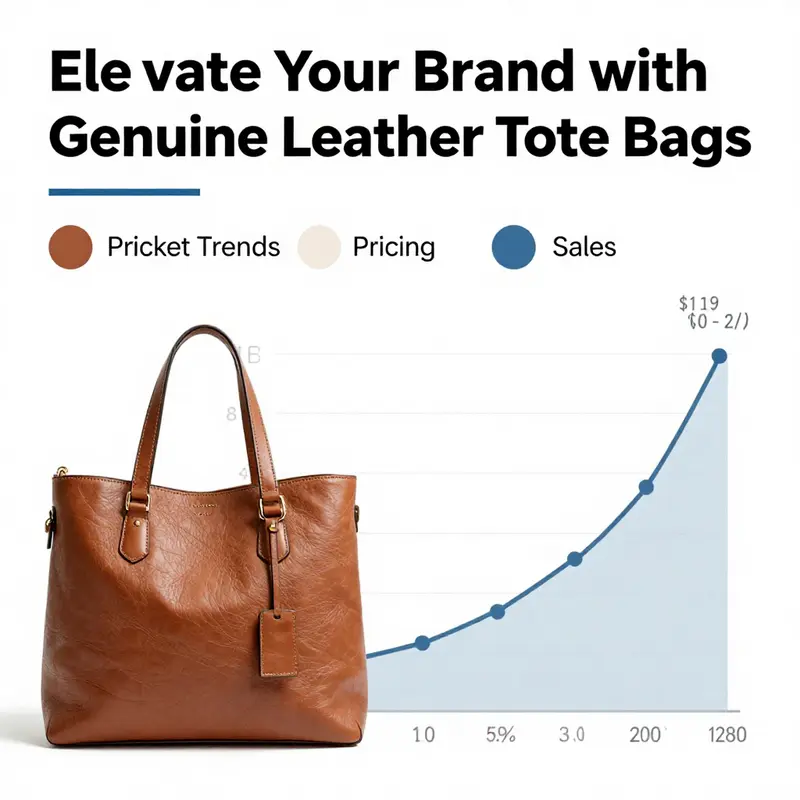
The market for genuine leather tote bags in 2026 resembles a carefully tuned orchestra, where craft, material science, and consumer confidence play distinct, recurring motifs. Demand remains strong for pieces that pair timeless aesthetics with everyday practicality. Consumers are drawn to bags that age gracefully, develop character, and remain reliable companions through shifting wardrobes and busy routines. In this landscape, the tote bag has evolved beyond a simple carrier into a statement of personal taste and professional readiness. The silhouette, once narrowly associated with utility, now embraces a spectrum that spans retro-inspired pocketbook cues and modern, unstructured forms. The result is a market that rewards both meticulous workmanship and versatile design. As buyers consider the array of options, they assess not only the immediate appearance but the long-term performance, the material’s life cycle, and the capacity to serve diverse roles—from commute companion to weekend carryall. In other words, the genuine leather tote is no longer a single-use accessory; it’s an investment in durability, texture, and ongoing relevance. This mindset shapes how values cluster around different price bands and how retailers strategize around supply and demand in a market that remains highly price-sensitive yet quality-driven.
The spectrum of offerings reflects a broad divide between mass-market accessibility and luxury craftsmanship, with price bands that make room for both everyday budgets and aspirational purchases. On the affordable side, wholesale batches can be sourced at modest unit costs, often in the low single digits when scaled to large quantities. Basic genuine leather totes are frequently priced to move, appealing to retailers seeking dependable margin in bulk. These options typically emphasize clean lines, practical layouts, and durable construction suited for daily use. For many buyers, that balance—reasonable upfront cost plus reliable, long-term performance—defines value in a crowded field. Even at this end of the market, the focus remains on material integrity and build quality. A consistent color, a smooth texture, and a natural grain pattern signal genuine leather quality that is more than skin-deep; it promises resilience against wear and the inevitability of patina over time.
In the wholesale and bulk space, buyers often encounter minimum order quantities that reflect scale and forecasting. A common scenario suggests prices in the range of a few dollars per piece when orders run into hundreds, with MOQs around 300 pieces. Sample designs, however, frequently start higher, with test orders or customization at around US$40 per piece. These figures illustrate a tiered market where flexible terms and customization options can tilt the economics in favor of retailers who want to differentiate their catalogs with private-label or co-branded designs. The capacity for full customization—from hardware finishes to interior linings and stitching colors—helps brands build identity without sacrificing the practical benefits of leather. In such cases, the producer’s capabilities—multi-layer coatings, precise embossing, and UV protection—become as important as the leather’s own traits. The practical takeaway for buyers is clear: the path to value lies not only in the base price but in the total package of design flexibility, material quality, and aftercare compatibility.
At the opposite end of the spectrum lies the luxury tier, where genuine leather tote bags command premium prices driven by exclusive materials, precise craftsmanship, and limited production. In this tier, buyers encounter prices expressed in high currency values and often in the realm of significant investment. The premium end is characterized by calf leather options that balance softness with structure, complex construction methods, and finishes that emphasize texture and depth. The pricing here reflects more than form; it encodes heritage, rare sourcing, and a craft-intensive process that includes hand-finishing, meticulous lining choices, and enduring hardware. The result is a market where the aesthetic of refinement is matched by the prospect of longevity, with owners expecting a bag that performs across many seasons and social contexts. When a piece is positioned as a luxury tote, the retail narrative emphasizes the intangible aspects of ownership—story, lineage, and the tactile pleasure of material interaction—that accompany the daily act of carrying a bag. In this space, the price becomes a signal of scarcity and expertise, rather than merely a cost of production.
Currency and geographic considerations also color the pricing landscape. Across regions, exchange rates, local demand, and import costs shape how a leather tote’s price is perceived and how retailers curate their assortments. The luxury segment often travels in a currency that reflects regional prestige and the perception of exclusivity; the mass-market segment, conversely, is highly sensitive to local competition, logistics costs, and promotions. The global texture of leather goods pricing is further influenced by macroeconomic forces that ripple through the supply chain. Tariffs, freight charges, and raw material costs compress margins and challenge the ability of manufacturers to sustain price parity across markets. In late 2025, a widely cited industry overview highlighted rising input costs driven by tariff changes and supply-chain frictions, with projections suggesting price increases across leather products in the near term. For retailers and manufacturers, this translates into a careful balancing act: maintaining competitiveness while preserving the perceived value that luxury segments demand and ensuring that mass-market offerings remain accessible enough to sustain volume. The result is a market where pricing moves with gravity around the twin poles of durability and desirability, with innovations in process and design serving as levers to retain both margins and consumer trust.
The mechanics behind the pricing of genuine leather tote bags extend beyond the sticker price. Quality cues in leather are essential for discerning buyers who want to understand what they pay for. Among the leather types, semi-aniline leather offers a practical balance: it retains much of the natural grain while receiving a light protective coating that improves resistance to wear and tear compared with pure aniline leather, which can be more sensitive to moisture and oils. This distinction matters because it informs not only the bag’s resilience but also its care regimen. As a master artisan noted, leather requires attention, not avoidance: it breathes, ages, and benefits from conditioning—much like skin. Such guidance helps a consumer gauge the long-term performance of a bag and decide whether a particular piece will age in a way that aligns with their expectations. When evaluating a purchase, buyers should look for consistent color and a smooth texture that preserves a natural grain pattern. Excessively uniform surfaces can hint at over-processed hides, while an overly strong chemical aroma may indicate aggressive finishing or lower-grade material. Beyond the surface, the manufacturing standards—coating layers, UV protection, embossing, and stitching quality—are the invisible scaffolding that supports durability and aesthetic integrity over time.
For those navigating wholesale channels or upfront design decisions, supplier capabilities become a decisive factor. A reliable supplier ecosystem typically offers full customization services and robust verification, including secure payment options and supplier credentials. In the wholesale space, many buyers favor partners who can handle larger batch orders while delivering consistent quality, color matching, and timely production. The ability to respond to market signals with flexible production, sample-ready iterations, and scalable logistics translates into shorter lead times and lower risk for retailers who must keep pace with evolving consumer tastes. This is where the value proposition of a supplier goes beyond price: it rests on reliability, transparency, and the ability to align with a retailer’s brand story without compromising durability or aesthetic coherence. The market thus rewards not only the tactile appeal of leather and the elegance of form but also the strength of partnerships that sustain both supply and long-term profitability.
To illustrate how trends translate into consumer choice, consider the current appetite for a silhouette that blends retro charm with modern practicality. The revival of the pocketbook-inspired tote signals a preference for compact compartmentalization, reinforced corners, and discreet branding that favors elegance over conspicuous display. Designers are experimenting with interior layouts that accommodate digital devices, everyday essentials, and a growing need for secure, padded spaces. In parallel, finishes that celebrate natural grain—whether left unembellished or lightly textured—signal a desire for authenticity in an era of mass customization. The result is a dynamic that rewards innovation in form without sacrificing the tactile satisfaction of genuine leather. Consumers who purchase these elevated pieces often assign value not only to what they can fit inside but to the way the bag sits at rest against the body, how it wears over time, and the sense of refinement it communicates in professional, social, and travel settings.
For readers seeking more direct observations of current silhouettes and finishes, a useful snapshot exists in the trend-focused catalogs of tote designs. See the tote bags trending page for a sense of how shapes, textures, and hardware are converging to create cohesive collections that feel fresh yet familiar. This resource helps bridge raw material quality with consumer expectations, offering a practical reference point for retailers who want to calibrate their assortments to reflect contemporary demand while preserving the timeless appeal of genuine leather. tote bags trending.
Retailers and brands also weigh the economic realities that shape both supply and pricing. While mass-market producers can leverage economies of scale to maintain accessible price points, luxury houses justify premium pricing through a combination of exclusive materials, couture-inspired craftsmanship, and scarcity. The tension between these segments is not simply about who pays more, but about how buyers perceive value in a leather product that promises longevity. In an environment where tariffs and supply-chain disruptions have raised input costs, manufacturers may reframe value by highlighting care rituals, repairability, and post-purchase support. Quality leather care—that is, conditioning and appropriate cleaning—extends the life of a bag and reinforces the idea that genuine leather is an investment that compounds value over time. In this sense, the chapter’s exploration of market trends and pricing becomes less about chasing price points and more about aligning product strategy with durable performance, compelling aesthetics, and responsible ownership.
Beyond the economics, the market’s evolution reflects a broader shift in consumer priorities. Today’s buyers increasingly evaluate a bag not only by its immediate utility but by how it fits into a sustainable wardrobe. Reusing, repurposing, and repairing become signals of a mature consumer approach that recognizes leather’s long life and the environmental logic of durable goods. Suppliers respond by offering enhanced care guidance, replacement components, and extended warranty options that reassure retailers and customers alike. The ability to sustain a bag’s beauty through multiple seasons requires a careful combination of leather selection, finishing processes, and thoughtful construction. For retailers, this means cultivating a reputation for reliability, not only in product performance but in service. It means establishing clear expectations around lead times, customization capabilities, and post-sale support—areas where the most resilient partnerships emerge.
The chapter’s synthesis of trends, pricing, and value availability aims to inform rather than simply describe. For the market to continue thriving, manufacturers must balance cost pressures with a clear commitment to quality and a transparent narrative about the material’s life cycle. Buyers should approach each potential purchase with an eye toward the total cost of ownership: initial price, care requirements, expected patina, and resale or repurposing potential. In a sector where both hardware innovations and surface finishes can influence perception, the most lasting impressions come from products that marry texture, sturdiness, and a confident design language. As the landscape evolves, the emphasis will increasingly be on how well a genuine leather tote resists the wear of daily life, how gracefully it ages, and how clearly the maker communicates the leather’s provenance and the care it requires. The chapter thus remains grounded in the tangible realities of material quality and the intangible advantages of thoughtful design, while recognizing that market trends and pricing are inseparable from the broader story of craftsmanship and consumer trust.
External resources can offer additional context on macroeconomic factors that influence leather goods pricing. For readers interested in complementary industry analysis, the CNBC report on U.S. leather goods price increases provides an accessible data point for how tariffs, supply chain disruption, and freight costs translate into retail pricing pressures across tiers. This broader perspective helps frame the chapter’s observations about the widening gulf between entry-level options and luxury offerings, while underscoring the importance of resilient sourcing and versatile product development in a price-conscious global market.
For more details see: https://www.cnbc.com/2025/12/25/us-leather-goods-prices-to-rise-due-to-tariffs.html
Finding a Reliable Leather Partner: Practical Steps to Source Genuine Leather Tote Bags

Finding a Reliable Leather Partner: Practical Steps to Source Genuine Leather Tote Bags
Sourcing genuine leather tote bags starts with a simple but vital premise: a supplier is more than a vendor. They are the maker of your product quality, the guardian of your delivery schedules, and the partner who scales with your business. The right supplier reduces risk, protects your brand, and elevates the finished bag. The wrong one creates delays, inconsistent quality, and costly returns. This chapter walks through the practical steps every buyer should follow to choose a supplier that delivers true leather quality, reliable production, and transparent communication.
Begin with geography and manufacturing capability. Leather clusters matter. Regions with long-standing leather industries offer vertically integrated processes, from tanning and finishing to cutting and stitching. These clusters concentrate skilled labor, specialized machinery, and tested supply chains. When speed and volume matter, large manufacturing hubs often provide faster turnarounds and competitive pricing. For buyers who prize heritage and handcrafting, select small ateliers in regions famous for artisanal leatherwork, where slower, small-batch production yields exceptional detail. Knowing whether you need high-volume efficiency or small-batch craftsmanship will guide where you look.
Requesting samples is non-negotiable. A sample is more than an object; it is a live proof of material, construction, and finish. Ask for a range that demonstrates the leather grade, edge finishing, stitch density, hardware, and lining. Inspect samples under different light to assess color consistency and grain authenticity. Smell the leather; genuine, well-tanned hide has a subtle, natural scent, not a overpowering chemical odor. Test flex points and hardware attachment points for strength. If possible, request a wear trial or detailed photos of stress points after use. A supplier who hesitates to provide detailed samples may be hiding inconsistencies.
Verify material transparency. Suppliers must give clear information about leather grades and tanning methods. Full-grain leather, top-grain leather, corrected grain, and split leather all perform differently and age differently. Full-grain offers the best durability and develops a patina. Top-grain has some correction but still provides longevity and a refined surface. Corrected grain or heavily embossed hides can look uniform and attractive, but they may hide lower hide quality. Ask suppliers for a breakdown that shows hide origin, thickness in ounces or millimeters, finish type (aniline, semi-aniline, pigmented), and whether the leather received any protective coatings such as UV inhibitors or water-resistant treatments. A transparent supplier will provide technical sheets and photos of the raw hide.
Assess manufacturing standards and sampling processes. Quality leatherwork depends on consistent pattern making, accurate cutting, uniform stitching, and secure hardware attachment. Review a supplier’s sampling lead time and their willingness to iterate. Good partners will produce a prototype, accept modification requests, and provide a pre-production sample for approval before mass runs. Ask about stitch counts per inch, thread type, edge finishing methods, and reinforcement at stress points. Inquire how they handle variations between batches—do they maintain color recipes and finish formulations? Can they match previous orders? A stable production process reduces surprises.
Understand minimum order quantities and pricing structure. MOQ often reflects a supplier’s cost model and production scale. Smaller MOQs may suit boutique brands, while larger MOQs fit retailers or distributors. Clarify whether MOQs apply per style, color, or material. Discuss tiered pricing for volume and for repeat orders. Transparent suppliers explain how costs break down: material, labor, hardware, finishing, packaging, and tooling. They should also outline potential surcharges such as color matching, special hardware, or expedited shipping. Avoid suppliers who offer only one opaque price without detail.
Clarify lead times and production capacity. Lead time affects inventory planning and cash flow. Ask for standard production cycles, peak-season adjustments, and the supplier’s maximum monthly capacity. Learn their response protocol for urgent orders and how they handle delays due to material shortages or machine maintenance. Reliable suppliers provide realistic timelines and document production milestones. Request references or case studies that prove they can maintain promised cadence alongside multiple clients.
Examine quality control and inspection regimes. Quality control must be systematic. Ask whether the supplier uses in-line inspection, final inspection, and third-party audits. Request examples of inspection reports that highlight accepted tolerances, defect criteria, and corrective actions. Determine their reject rate and how they handle rework. For higher-value leather goods, insist on random sample testing, tensile strength checks for straps, and hardware corrosion resistance tests. A supplier who welcomes third-party inspection demonstrates confidence in their standards.
Protect your design and intellectual property. Sharing designs with a manufacturer requires trust and safeguards. Use nondisclosure agreements and clear contracts before releasing prototypes. Ask how the supplier protects client patterns and whether they reuse tooling. Discuss ownership of molds, dies, and patterns. For private-label projects, confirm that patterns and toolings are released only to you or returned upon contract completion. Suppliers aligned with long-term partnerships understand the importance of IP protection and will support legal safeguards.
Review payment terms and trade assurances. Payment structure influences risk allocation. Standard terms vary from deposits with balance on shipment to escrow arrangements. Request clear invoicing procedures and payment milestones tied to production stages. For international buyers, check accepted payment methods, currency exposure, and whether the supplier works with secure trade platforms. Trade assurances such as verified supplier status, membership in industry associations, or third-party escrow reduce transactional risk. Consider payment terms that balance security with operational cash flow.
Inspect certifications and ethical practices. Leather production has environmental and social dimensions. Ask about tannery certifications, waste management, and compliance with local labor laws. Reputable suppliers will disclose wastewater treatment practices and whether they use chrome or vegetable tanning. If sustainability matters to your brand, insist on verifiable claims such as traceable hide origin or lower-impact finishing processes. Ethical sourcing includes humane treatment, fair wages, and safe work conditions. Suppliers transparent about these practices build trust and reduce reputational risk.
Consider customization and packaging capabilities. Your supplier should support your brand identity through options in customization. This includes embossing, stamping, lining choices, hardware finishes, and branded packaging. Discuss packaging minimums, labeling, and the ability to accommodate retail-ready presentation. Ask about color consistency across leather and hardware, and whether they can meet seasonal color palettes. Packaging that protects leather and communicates brand value is part of the product experience.
Evaluate communication and after-sales support. Clear, prompt communication is a competitive advantage. Suppliers should respond to queries within an agreed timeframe and provide a single point of contact. Good communication includes proactive updates on material availability, production milestones, and quality issues. After-sales support covers handling defects, returns, and warranty claims. Understand their policy for damages discovered on arrival, and whether they offer repair or replacement options.
Arrange a factory visit or remote audit when possible. An in-person visit reveals production reality. If travel is impossible, request a video tour and live interviews with production managers. Look for organized workspaces, clean finishing areas, and visible quality control stations. Observe worker skill levels at stitching stations and the condition of cutting dies and presses. Verify that the tannery or finishing partner meets the supplier’s stated capabilities. Transparency in facilities usually signals reliability.
Finally, build a phased relationship. Start with a small pilot order that tests the entire chain: sample approval, production, shipping, and arrival. Use the pilot to verify lead times, packaging, and post-shipment quality. If the pilot meets standards, scale orders gradually. Maintain open dialogue on continuous improvements. A long-term partnership benefits from mutual learning, joint problem solving, and shared investments in tooling or packaging.
Choosing the right supplier for genuine leather tote bags is a process of disciplined evaluation. Prioritize transparent material data, consistent production standards, clear communication, and ethical practices. Use samples, audits, and phased orders to minimize risk. When you select a supplier that combines technical skill with reliable systems, you secure not just finished bags, but a partner who safeguards your brand and supports growth.
For a practical, step-by-step buyer’s checklist and deep dive into vetting leather handbag suppliers, see this external resource: https://www.dropshippingguide.com/guide-to-genuine-leather-handbags
If you need examples of how leather tote design adapts for work and tech needs, review the guide to a women’s laptop tote bag for structural and finish considerations: women’s laptop tote bag.
Final thoughts
Incorporating genuine leather tote bags into your business can provide a unique value proposition to your customers, combining quality with functionality. Understanding the types of leather, caring for the products, keeping an eye on market trends, and selecting the right suppliers are essential steps toward successful integration. As the market continues to evolve, staying informed on these aspects will not only enhance your supply chain management but also fortify your brand’s position in the competitive retail landscape.