

Cotton beach bags have transitioned from mere accessories to essential tools for eco-conscious businesses. As consumer awareness surrounding environmental issues grows, incorporating sustainable products, like these stylish and durable bags, presents an attractive branding opportunity. This article will explore the numerous benefits of using cotton beach bags, offer guidance on selecting the right one for your business needs, detail various customization options for branding, outline proper care practices, and analyze market trends and pricing. Understanding these aspects can empower business owners to make informed decisions, support environmentally-friendly practices, and enhance customer retention.
Weaving a Greener Shoreline: How Cotton Beach Bags Fortify Eco-Friendly Living

Tucked between the squeak of sand and the hush of waves, a simple cotton beach bag carries more than towels and sunscreen. It carries a philosophy. In communities increasingly alert to the footprints left behind by daily choices, the canvas tote emerging from natural cotton embodies a practical, durable, and genuinely low-impact approach to beachgoing and everyday errands alike. The bag’s appeal rests not only in its ability to ferry a day’s essentials but in what it represents: a shift away from disposable convenience toward materials that harmonize with the planet’s cycles. When we reach for a bag made from breathable, biodegradable fiber, we are choosing a product that aligns with a broader promise of sustainable living. This is not a trend stretched thin by fashion; it is a deliberate reimagining of how we equip ourselves for outdoor life and how we dispose of what remains once the last shoreline sunset fades.
Cotton, at the heart of the bag, is a natural fiber known for its resilience and its gentle, non-toxic profile. Unlike plastics that linger as invisible polluters for centuries, cotton, under natural conditions, breaks down into water, carbon dioxide, and organic matter. The end-of-life story for a cotton beach bag is cleaner by design, which matters more than most people realize. Even before it foliage-branches into its final state, cotton’s qualities contribute to a lower environmental strain. A bag fashioned from durable cotton canvas—often in medium to heavy weights—can shoulder heavy loads without fraying, a practical advantage that reduces the need for quick replacements. The thickness and weave, typically around 12 to 16 ounces per square yard, translate into a product that stands up to towels, snacks, a book or two, sunscreen, and sun-warmed water bottles without sagging or tearing. This strength is not mere bravado: it is what allows a single bag to accompany countless outings, steering a consumer away from multiple disposable bags over time.
The choice of cotton also has implications for consumer safety and comfort. Natural fibers tend to be gentler on skin and less likely to transfer chemicals when carrying food or drinks, a consideration that becomes acute on hot beach days. The fabric’s softness, coupled with its pliancy, makes the bag easy to pack and unpack. It folds compactly for travel, slips into a larger suitcase, or slides into a car trunk with minimal fuss. It is this tactile ease that makes cotton bags practical for everyday routines beyond the beach: farmers’ markets, weekend picnics, library runs, and spontaneous road trips where a single sack must perform multiple tasks. In an age when convenience can tempt people toward single-use options, cotton beach bags remind us that practical versatility—combined with a commitment to reuse—can be a meaningful form of everyday environmental stewardship.
Durability is the quiet engine behind the eco-credibility of cotton beach bags. A robust canvas, selected to endure repeated washing and frequent use, can resist the wear of salt, sun, and humidity that mark seaside living. Careful construction—reinforced handles, sturdy stitching, and thoughtful pocket placement—contributes to longevity. The payoff is not merely functional; it is ecological. Each bag that lasts longer reduces the cumulative demand for production, transport, and end-of-life disposal. This is a core principle of sustainable consumption: maximize usefulness, minimize waste. When owners of cotton beach bags treat their tote with care—avoiding prolonged direct sunlight to preserve color, washing gently with mild soap and water when needed, and storing it away from moisture and heat during off-season—the bag remains a reliable companion for many seasons. It becomes part of a lifestyle that prizes reuse over replacement, a habit that compounds positively with every trip to the shore.
For many, the practical fit of a cotton beach bag goes beyond its material benefits. The bag is adaptable to personal taste and branding, turning a simple utility item into a canvas for values. Customization options such as logo printing or color variations let businesses and communities express their commitment to sustainability in a way that is both visible and durable. The opportunity to tailor a bag for events or campaigns offers a tactile reminder of environmental goals, reinforcing a shared ethos without sacrificing utility. In spaces where promotional items can flood the market, a well-made cotton tote stands out for its reusability, its comfort in daily use, and its honest material storytelling. This blend of function and message helps to normalize sustainable choices in everyday life, encouraging others to follow suit as they prepare for a beach day, a farmers’ market run, or a weekend excursion.
An evolving landscape of fabrics and blends also broadens the sustainability conversation. While 100 percent cotton remains a sturdy, classic choice, some producers are experimenting with blends that incorporate natural fibers like jute or recycled materials sourced from post-consumer plastics. These innovations aim to preserve the bag’s usability while reducing the environmental footprint tied to resource-heavy cotton farming. Such developments reflect a growing willingness in the industry to balance performance with responsible sourcing. They also underscore a larger truth: eco-conscious living is rarely a fixed destination. It is a continuum of improvements, each step designed to make a tangible difference without compromising everyday practicality.
Beyond the physical properties of the bag, the lifestyle it supports carries its own weight in the sustainability equation. Choosing a cotton beach bag can help steer communities away from disposable plastic alternatives that contribute to litter, microplastic contamination, and long-term ecological disruption. When a community embraces reusable bags for beach outings, it reduces the cumulative demand for single-use options and the associated carbon footprint of production, transportation, and disposal. The impact of this simple swap multiplies as more people participate, turning a routine purchase into a quiet act of environmental advocacy. As environmental advocates often emphasize, replacing even a modest number of disposable bags with reusable cotton totes can remove substantial quantities of microplastics from ecosystems each year. Such statements remind us that individual choices, when scaled across a population, translate into real shifts in pollution and resource use.
Supporting a circular mindset, many cotton beach bags are designed to be easy to clean and maintain. Mild soap and water suffice for routine care, and the fabric’s resilience means washing won’t quickly degrade its strength. Proper storage, kept away from moisture and heat, guards against mildew and fading, preserving both form and function. The long life of a cotton bag, paired with the option to repair or recondition stitching and handles, helps minimize waste and prolongs its usefulness. In turn, this fosters a broader cultural shift toward mindful consumption, where products are valued for durability and reparability rather than for the novelty of a short-lived trend. It is a subtle but meaningful reframing: a bag is not merely a purchase but a lasting integration into a low-waste lifestyle.
For readers navigating the practicalities of choosing a cotton beach bag, the landscape offers a balance of durability, care, and customization. Seek a bag that uses sturdy cotton canvas in a weight appropriate to your needs, with reinforced handles and well-stitched seams. Consider pockets or internal compartments that help organize sunscreen, small snacks, and keys, turning a tote into a portable mini-system that minimizes the need for additional bags. While aesthetics matter, the true value lies in a bag’s ability to perform well season after season, resisting the wear of salt air and sun while maintaining its shape and color. In this sense, a cotton beach bag is less of a single-use accessory and more of a companion for responsible, continuous use—an anchor for a lifestyle that values the ocean, health, and the small, steady acts of conservation that accumulate over time.
As the conversation around sustainable materials evolves, the conversation about cotton beach bags also intersects with branding and community identity. When a local shop or event chooses cotton totes as part of its material footprint, it communicates a clear message about values: durability, practicality, and responsibility matter more than transient trends. The bag becomes a portable ambassador for environmental ethics, a reminder that everyday rituals—packing a towel, a bottle, a book, or a snack—can align with planetary well-being. In this light, the bag is not merely a vessel but a symbol of a broader commitment to greener shorelines and cleaner ecosystems. It invites conversations about how we source, use, and dispose of everyday items and how these decisions ripple outward through families, schools, and neighborhoods.
For those who want to explore further, the broader discourse around cotton bags often emphasizes the material’s environmental advantages over plastic alternatives, including biodegradability and reduced microplastic release. While this chapter highlights the practical benefits and lifestyle implications, readers may find value in exploring external analyses that compare the environmental performances of different bag materials. Such resources can deepen understanding of how a simple tote fits into a larger environmental strategy—whether for personal use, corporate branding, or community outreach. The central idea remains consistent: thoughtful, long-lasting, natural-fiber bags support a more sustainable rhythm of living, where everyday choices reduce waste, conserve resources, and protect natural spaces for future generations. By embracing cotton beach bags, individuals contribute to a culture that values renewal, resilience, and responsibility at the shoreline and beyond.
Internal link: For a broader look at related tote options that blend function with style, see tote-beach-bags-for-women.
External resource for further reading: For deeper insights into the environmental implications of bag materials, refer to the National Geographic analysis on cotton bags versus plastic bags, which offers a well-rounded perspective on biodegradability, pollution, and lifecycle considerations: https://www.nationalgeographic.com/environment/2025/01/cotton-bags-vs-plastic-bags-environmental-impact/
Weaving Sand and Sustainability: Choosing the Right Cotton Beach Bag for Your Beach Lifestyle
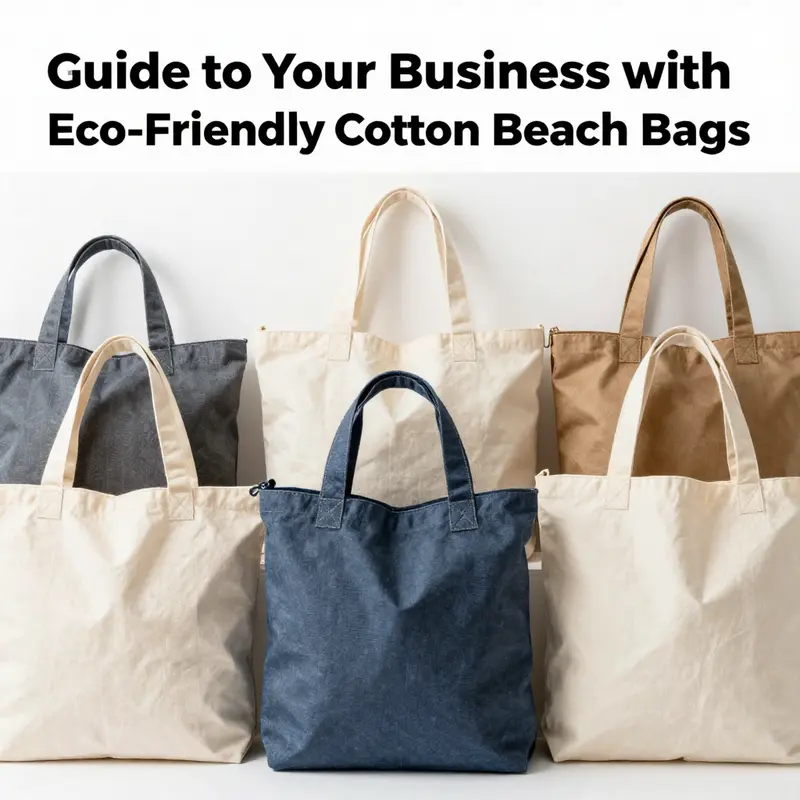
A cotton beach bag carries more than towels and sunscreen; it carries a philosophy of reuse, simplicity, and longevity. When you reach for a bag that feels breathable and sturdy yet light enough to sling over a shoulder after a long day, you’re choosing more than a carrier. You’re choosing a companion that can withstand sun, salt, and sand while staying true to a sustainable ethos. The appeal of cotton lies in its natural texture and tactile warmth, a fabric that invites touch and participates in daily routines with quiet resilience. Yet this appeal comes with practical considerations. Cotton is inherently porous, comfortable, and flexible, but in a beach setting it encounters moisture from sea spray, condensation from drinks, and sunscreen residues that can stain if left unattended. The key is to balance material properties with design features that protect contents, preserve aesthetics, and make maintenance manageable over time.
Material choice matters deeply here. A typical cotton beach bag uses canvas woven from medium to heavy-weight fibers. The balance between weight and flexibility is crucial: fabric in the 8–12 oz per square yard range tends to offer enough strength to carry a full beach load while still folding neatly when empty. Heavier fabrics can bear more weight but may feel cumbersome in warmer weather or when carried for long distances. A well-made cotton tote also relies on construction details that extend its life. Double-stitched seams, reinforced base corners, and sturdy handles are not luxuries; they are prerequisites for longevity when a bag routinely holds damp towels and beach toys. If you ever wonder why some bags feel sturdy while others look fashionable yet flimsy, examine these seams and reinforcements. They tell the story of how a bag will perform after dozens of trips to the shore.
Durability and moisture management go hand in hand. Cotton, by its nature, absorbs moisture. That can be a drawback in a beach environment, where sunscreen, water, and wet towels are common. This is where thoughtful design makes a difference. A water-resistant coating or a treated cotton fabric can dramatically improve performance by resisting minor spills and drying more quickly. Such treatments help prevent stubborn stains from sunscreen and keep odors at bay, especially when a bag is used repeatedly over a long season. When evaluating options, look for features that align with your beach rituals: quick-dry fabrics, a lining that can be wiped clean, and gussets that offer generous space without widening the bag’s footprint excessively. While a plain cotton bag exudes casual charm, a coating or treatment can tilt the experience from pleasant to reliably practical.
Size matters, not just for the bag’s silhouette but for how you actually pack and access what you bring to the beach. A compact option, under 12 inches wide, suits minimalist travelers who tote a sunscreen bottle, phone, wallet, a small towel, and a pair of sunglasses. It’s light on the shoulder and quick to reach into. Mid-size bags, spanning roughly 12 to 16 inches, strike a balance between capacity and portability. They accommodate a book, a light snack, a change of clothes, and perhaps a compact beach blanket. For full-day trips or family outings, an oversized design becomes a practical necessity. A wider opening and a deeper gusset keep towels, extra swimsuits, snacks, and even a water bottle neatly organized and accessible. When considering size, envision your beach routine: how many people you’re packing for, how often you’ll swap clothes, and whether you want to keep some items separate from others for easier retrieval.
Style and proportion influence not just how a bag looks but how you carry it. Cotton invitations the wearer to experiment with textures, colors, and shapes, yet personal proportion shapes how comfortable and fluid that experience feels. Taller individuals may naturally prefer larger bags that sit comfortably at the hip, while someone smaller may opt for a mid-size tote to avoid overwhelming their frame. The strap length matters, too. A well-chosen strap can transform the bag from a shoulder-dragging burden to a hands-free ally on a sun-drenched stroll along the water. Thoughtful designers recognize this, often incorporating adjustable straps or multiple carry options to suit different bodies and outfits. The aesthetic side—color, pattern, and finish—adds personality but should never compromise function. A practical bag prioritizes easily wipeable surfaces, a simple inner pocket for small items, and a sturdy interior layout that keeps valuables safe and dry.
From a user’s perspective, capacity and access are intimately tied to the bag’s internal geometry. Depth, gusset width, and pocket placement determine how comfortably you absorb and rearrange your beach cargo. A wider gusset distributes weight more evenly and prevents the bag from flopping open when you reach inside. Internal pockets, even if modest, help separate wet towels from dry clothes or keep sunscreen upright so it doesn’t tip and leak. These design details reduce the time you spend rummaging through a bag and increase the likelihood that you’ll keep your belongings organized—an underrated benefit when you’re chasing kids, dodging gusts of wind, or scrambling for a parking ticket in a crowded lot.
Care and cleaning routines are not afterthoughts but ongoing parts of the bag’s lifecycle. To maximize longevity, avoid prolonged sun exposure, which can fade colors and weaken fibers over time. When a bag needs cleaning, a mild soap and cool water rinse usually suffices, followed by air drying away from direct heat sources. It’s best to address stains promptly, since cotton readily absorbs liquids. For persistent spots, a gentle scrub with a soft brush can lift residues without abrading the fabric. When storage time is on the horizon, ensure the bag is completely dry and stored in a cool, dry place to guard against mildew. If you anticipate heavy use in salty environments, you may consider rotating between two bags—one in use and one drying out—to preserve the fibers from sustained moisture cycles. The goal is simple: treat the bag as a living fabric that benefits from regular care, rather than a disposable accessory that will be discarded after a few outings.
Beyond individual practice, there is a broader value in selecting cotton beach bags that are designed with sustainability in mind. Reusable totes reduce reliance on single-use plastics and offer a tangible moral win for people who want to align daily habits with ecological responsibility. The market has responded with a range of customization options—logo printing, color variations, and even personalized packaging—that can transform a simple bag into a meaningful symbol for promotions, events, or personal branding. These features often come paired with wholesale pricing structures that reward volume. For large orders, prices can begin in the low pennies per unit range, and with increasing quantities, the unit cost declines further. Such economics make cotton beach bags not only practical but also attractive for organizations seeking sustainable marketing tools that still project a thoughtful, high-quality image.
If you want to explore a shape and style that matches your personal tastes, consider how a bag’s construction supports your daily routine. A tote that feels comfortable when worn across the body can free your hands for kids, sunscreen, or a snorkel, while a smaller handheld option may suit quick trips to the shoreline café. A well-balanced bag integrates form and function so that its silhouette complements your body and your activities, rather than competing with them. And because cotton is versatile, you can switch up appearances with relative ease—without sacrificing the underlying durability and ease of maintenance that make cotton beach bags a dependable choice year after year.
For readers curious about how fabrics quality grades translate into real-world performance, a concise guide on material composition and usage can shed light on the nuances that matter at the shoreline. See a detailed discussion on fabric grades, usage tips, and product specifications to understand why medium to heavy-weight cotton canvas is favored for beach-oriented totes. For a broader sense of how to compare sizes and evaluate usable space, you can also consult practical resources that emphasize real-world usage patterns and the geometry of bag design. If you’re drawn to the idea of a specific style that speaks to your lifestyle, you may want to explore related collections that highlight the broader category of canvas totes designed for everyday carrying needs, including beach-focused applications. tote beach bags for women
Ultimately, the choice of a cotton beach bag rests on a blend of practical performance and personal expression. You want something that feels good to carry, resilient enough to handle damp towels and sun-bleached days, and easy to care for when life gets busy. You want a bag that, in a few years’ time, still looks readable and holds its shape after repeated trips to the coast. The comfort of cotton—its breathability, its soft touch, its forgiving stretch—needs to be matched with deliberate construction and mindful maintenance. When those elements align, the bag becomes more than a vessel for gear; it becomes a trusted companion for countless seaside afternoons, quiet morning strolls along the boardwalk, and spontaneous picnics that spring up with the tide. In that sense, choosing the right cotton beach bag is less about a single purchase and more about a long-term decision to invest in sustainable practicality wrapped in a fabric that invites daily use.
External resource for further reading: The Ultimate Guide To Picking The Perfect Beach Beauty Bag Size For Your Needs offers a pragmatic perspective on how bag dimensions influence usability in different scenarios. https://www.bonappetit.com/story/beach-bag-size-guide
null

null
Care That Keeps the Sun Waiting: Long-Lasting Confidence for Your Cotton Beach Bag

A cotton beach bag is more than a simple carrier; it is a reliable companion that endures salt air, sun, sand, and the occasional splash of sunscreen. Its durability comes from the texture and weave of medium to heavy-weight cotton canvas, commonly 12–16 oz per square yard, which gives it the strength to haul towels, sun hats, a book, and even a spare swimsuit. Yet strength alone does not guarantee longevity. Like any fabric that spends summers at the shoreline, a cotton tote needs thoughtful care that respects its fibers. The care routine begins the moment you step off the sand. By treating it with patience and a few simple habits, you preserve the bag’s shape, texture, and color, letting it carry memories of many beaches rather than wear and tear from a single season. Salt, sand, and sunscreen are not just nuisances; they are participants in a conversation about upkeep, and listening to them carefully helps your bag stay useful and attractive year after year. Proper care also reinforces the bag’s eco-friendly appeal. A well-maintained bag reduces the need for replacements and keeps a sustainable option in rotation, aligning with the broader value of responsible consumption that has become central to beach gear today.
After a day at the shore, the most important step is also the simplest. Empty the bag completely and shake it well to dislodge any loose sand. Sand behaves like a natural abrasive that can wear fibers if left to grind against themselves in the weave. A quick shake is more than a courtesy; it is a first line of defense against long-term pilling, thinning, or small tears that accumulate with repeated use. If the bag has internal pockets or a liner, check those compartments as you empty the contents. A stubborn grain often hides in corners, waiting to cause small scratches or discoloration with every subsequent use. The routine of shaking, turning the bag right side out, and inspecting its seams creates a habit that protects the fabric before moisture and grime have a chance to set in.
Deep cleaning comes next, but it should be gentle and targeted. Turn the bag inside out to loosen surface particles that cling to the weave. Use a soft-bristled brush—a gently used toothbrush works well—to lift particles caught in the cotton’s natural grid. Avoid soaking or submerging the bag; excessive moisture can weaken fibers and encourage warping, especially where the handles meet the body of the bag. If you notice stubborn buildup around the seams, use a damp cloth to wipe along the stitch lines rather than scrubbing. This keeps the stitching intact while lifting the last traces of salt or sunscreen. The goal is not to erase every trace of a beach day, but to remove enough residue so fibers can breathe and recover after drying.
Spot cleaning is where the bag earns daily duty credit. For stains or discoloration, dab with a soft cloth dampened in a mild detergent solution. Gentle, patient dabbing prevents distortion of the fabric or loosening of stitching. Vigorous scrubbing can pull fibers and widen seams, especially near reinforced areas. For light discoloration that proves stubborn, an extremely mild solution of white vinegar and water—one part vinegar to three parts water—applied with a clean cloth in small amounts can lift some marks without harming the weave. Do not spray directly onto the bag, as droplets can pool in folds and cause uneven fading. After any cleaning, give the bag a final wipe to remove any detergent residue, which can attract dirt if left to dry on the surface.
Air drying is essential to preserve shape and color. Lay the bag flat or hang it in a shaded, well-ventilated area away from direct sun or heat sources. Direct sunlight can fade colors and weaken fibers over time, making the bag look tired after a few seasons. Even if you are tempted by a quick dry in strong rays, resist the impulse; a slow, even dry keeps the canvas supple and true to its original silhouette. If your bag has a removable inner liner, drying the liner separately ensures it does not trap moisture and encourages quicker, more even drying of the outer fabric. The goal is a natural, odor-free dry that preserves both color and texture—without risking shrinkage or stiffness from heat exposure.
A practical check while the bag dries is to inspect the handles. Handles are often the first point of stress on a canvas tote, where repeated lifting can loosen stitches or create wear along the grip. If you notice any loosening, address it promptly. Simple reinforcing stitches from a tailor or careful hand-stitching can restore strength and extend life without altering the bag’s look. If you notice small frays at the edges, trim them with scissors and tuck the threads back into the weave; this prevents further unraveling and keeps the tote looking neat. A sturdy bag with reinforced handles is not just a matter of aesthetics; it is a practical feature that translates to longer service life, fewer repairs, and less waste—an important consideration for conscious shoppers who prefer to buy once and use well.
Storage away from moisture, heat, and light becomes an ongoing habit that sustains the bag’s character. When the bag is completely dry, store it in a cool, dry place. Avoid cramped spaces that invite dampness, mold, or mildew, which can leave a musty odor and degrade fibers. If you store the bag with other items, place a breathable fabric cover over it to protect it from dust while maintaining airflow. If the tote includes pockets or a liner, ensure those features are clean and dry before tucking the bag away to prevent damp pockets from harboring mold. The idea is to create a climate where cotton fibers can rest between uses, preserving their integrity and stretch so the bag keeps its shape and comfort long after the last sunlit afternoon of the season.
Over time, you may notice color fading or slight patina from sun exposure and repeated handling. This is not a defect; it is a natural sign that a cotton canvas bag has lived through summers and weekends with equal measure. Managers of care often find it helpful to rotate bags if you own more than one, using one for beach trips and another for daily errands. This rotation reduces the wear on any single piece and gives you a chance to perform deeper seasonal care when the bag is not in use, such as a more thorough wash after the peak season. The canvas’s breathability remains a key strength here, as it allows moisture to evaporate quickly during drying, helping to maintain stiffness and texture that customers prize in durable tote designs. While the bag’s resilience is impressive, it is always best supported by consistent care that respects the fabric’s limits and its environmental promise.
For those who like to plan ahead, consider the practicality of features such as internal pockets and liners when evaluating care routines. A removable liner can simplify cleaning spills and sand buildup, allowing you to address messier moments without compromising the entire bag. Such features, while sometimes perceived as conveniences, are in fact practical tools for longevity, reducing the frequency of full washes and preserving the bag’s overall integrity. When you choose to invest in a cotton beach bag, you are choosing a reusable solution aligned with sustainable living; maintaining it carefully reinforces that choice by extending the bag’s life and reducing turnover. For readers who want to explore broader options within beach-ready totes, the category of women’s beach bags offers a range of sizes and styles that emphasize durability and care as core values. women’s beach bags.
In sum, the care routine for a cotton beach bag is straightforward: empty and shake, clean gently and patch-test when needed, dry away from sun and heat, inspect the handles and seams, and store cool and dry. This approach respects the material, preserves its aesthetic, and keeps the bag functional across seasons. While the practical steps may seem small, they form a disciplined habit that pays dividends in longevity, reducing waste and supporting a more sustainable beach culture. The result is a bag that carries not just towels and sunscreen, but a story of responsible keeping, time after time, season after season.
External resource for deeper care insights: https://www.theguardian.com/lifeandstyle/2026/jan/27/how-to-care-for-your-cotton-beach-bag
Turning the Tide: How Market Trends and Pricing Shape the Cotton Beach Bag Economy

A quiet, almost patient shift is reshaping how people shop for beach life. The cotton beach bag, once a simple accessory, has become a window into broader consumer values: durability, reuse, and a subtle commitment to reducing single-use waste. Market analyses point to a robust future for cotton bags, with a global bag market projection that sits around a double-digit growth rate annually from 2026 through the early 2030s. In the specific niche of beach bags, this momentum is driven not just by eco-consciousness but by the practical appeal of a product designed to stand up to sun, sand, and sea. Consumers increasingly seek totes that can handle heavy loads, resist abrasion from salt air, and retain structure when filled with towels, sunscreen, books, and snacks. The trend toward sustainable, functional accessories has a direct bearing on how prices take shape and how design choices are weighed at the point of manufacture and sale.
Pricing in this space is a careful balance of material quality, design sophistication, and the sustainability story a bag carries. In bulk, wholesale pricing for standard eco-friendly cotton canvas tote bags often falls within a tight range, reflecting both the universality of the bag’s function and the variability of its construction. For orders around five hundred units, wholesale prices commonly hover from roughly US$0.30 to $0.85 per unit. These numbers can widen or tighten depending on the exact weight of the fabric, the density of the weave, and any add-ons such as reinforced handles, interior pockets, or a logo imprint. The economics become more nuanced at higher volumes: manufacturers and retailers frequently see lower unit costs as orders move into the thousands. For example, price points may drift downward toward the mid-range per unit as volume climbs into the five-thousand to ten-thousand bracket, while larger campaigns—tens of thousands or more—can push unit costs slightly higher again if premium features are included or if expedited production timelines are requested. The trade-off is clear: retailers and event organizers can maximize margins by leveraging bulk pricing, while still offering a bag that aligns with a sustainable brand promise.
Beyond base fabric and printing, regional dynamics shape perceived value. In parts of Southeast Asia, for instance, organic cotton tote bags command a notable premium over conventional cotton, with a roughly 28 percent uplift. This premium reflects not only the environmental benefits associated with organic farming but also consumer willingness to invest more in products that claim a reduced ecological footprint and longer life. For businesses, that premium translates into a pricing strategy that can differentiate a line in a crowded market while signaling commitment to higher standards of sourcing. It also signals a broader willingness among consumers to reward sustainability with tangible spending. The math here is not merely about sticker price; it concerns total cost of ownership. A bag that lasts longer, resists sand and moisture, and can be repurposed across seasons reduces replacement rates and the amount of waste entering landfills.
Design trends are not incidental to pricing. The market rewards functionality that translates to real-world use. Insulated linings, spill-proof interiors, and reinforced seams are increasingly common in premium or mid-range lines. Such features expand a bag’s utility for picnics, beachside gatherings, and family outings, where cold drinks and perishables often demand protection from heat and leakage. These upgrades do add weight and may raise the bag’s price point, but they also broaden its appeal to households and hospitality providers who prize convenience. The result is a pricing landscape that segments consumer expectations: entry-level models emphasize affordability and basic durability, while mid- to high-end options bundle performance, style, and sustainability in ways that justify higher wholesale and retail prices.
On the consumer side, the market’s dynamics are driven by a combination of practicality and purpose. Families appreciate the ability to carry multiple items in one bag without fear of tearing or fading after repeated exposure to sun and salt. Hotels and seaside resorts seek bags that endure heavy daily use, resist moisture, and maintain an approachable aesthetic that works for staff and guests alike. Promotional planners look for customization capabilities—color options, logo prints, and personalized packaging—that allow an organization to imprint its message while providing a tangible reminder of an event or brand. In all these cases, the bag becomes more than a carrying container; it becomes a portable, reusable symbol of a broader lifestyle choice. The value proposition thus rises beyond the sum of its materials to include the bag’s storytelling potential and its reliability under demanding environments.
For retailers exploring related product categories, understanding the broader ecosystem of women’s beach bags can illuminate merchandising strategies and consumer expectations. A channel such as the women’s beach bags segment demonstrates how fabric choice, color psychology, and printed branding influence purchase behavior. When a retailer leans into sustainable materials with a modern silhouette, customers often interpret that as a commitment to quality and responsibility, which can justify a higher price tier and foster brand loyalty. The beauty of this category lies in its adaptability: a single bag can serve as a practical everyday tote, a promotional item for a beach event, or a gift with a branded aura that travels beyond the store shelf into everyday life. Retail partners can harness this versatility by highlighting durability, washability, and the bag’s capacity to simplify summer routines, while also offering customization options that align with a client’s campaign goals. This approach creates a retail narrative that resonates with conscious buyers who seek value, aesthetics, and a reduced environmental footprint in equal measure.
The market’s forward trajectory also carries implications for sourcing and supply chain discipline. Cotton’s appeal rests on its natural origins, but the path from seed to tote is shaped by agricultural practices, manufacturing standards, and certification schemes that reassure buyers about claims of organic content or recycled inputs. Sustainability narratives increasingly intersect with traceability, enabling brands to tell a coherent story about where fibers come from, how they’re processed, and how the final product behaves in real life. Consumers who care about climate impact, water usage, and worker welfare are more likely to invest in a product that can credibly claim responsible origin and verified performance. For producers, that means balancing cost, price, and perception: the lowest price is rarely the strongest route to long-term growth when the audience values integrity and transparency. Instead, consistency in quality, dependable delivery, and clear communication about materials and construction often yield better market results and more enduring relationships with retailers and end users.
As the market continues to evolve, the future of the cotton beach bag appears bright for those who align product development with the twin pillars of sustainability and practicality. The growing emphasis on durability, sand resistance, moisture management, and UV protection will push designers to optimize fabric weights, weave densities, and finish treatments that preserve form and function in seaside conditions. Dealers and brand managers who can translate these technical considerations into tangible benefits—longer lasting color, easier cleaning, easier storage, and a clear eco-story—will convert interest into sales. The pricing ecosystem will respond in kind: as features that deliver real value become standard, the base price floor may drift upward to reflect material costs and the added performance. Yet the market’s appetite for bulk efficiencies remains strong, creating opportunities for careful buyers to secure favorable terms through larger commitments and long-term partnerships.
In sum, the cotton beach bag market is not simply about a towel-toting accessory; it is a lens through which consumers articulate values and retailers reflect those values back in commerce. The price readers should watch is not only the tag on a single tote but the whole package—the material choices, the design cues, the reliability in everyday use, and the narrative of sustainability that travels with every bag. When these elements align, the bag becomes both a practical beach companion and a durable reminder that choices matter. For readers seeking a broader perspective on market dynamics and pricing trends, a trusted external analysis provides a helpful map of where the category is headed and how price signals may shift in the years ahead. See the external resource below for a longer view of cotton bag market dynamics.
External resource: https://www.marketresearchfuture.com/reports/cotton-bag-market-34972.
Final thoughts
In summary, cotton beach bags represent a powerful alignment with the sustainable practices gaining traction among consumers today. Business owners can benefit not only from utilizing these bags in their operations but also from the branding potential they offer. By understanding the benefits, selecting the right bags tailored for their needs, leveraging customization for enhanced branding, following proper care instructions, and staying informed about pricing trends, businesses can successfully integrate cotton beach bags into their marketing strategies. Investing in eco-friendly products not only supports environmental sustainability but can also foster customer loyalty and positively impact the bottom line.