
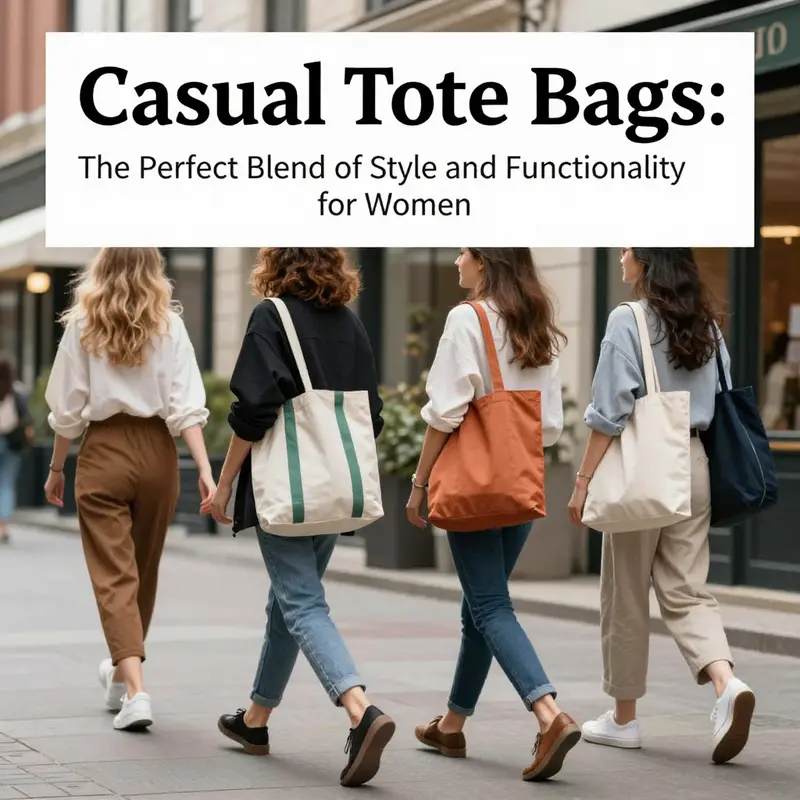
Casual tote bags for women have become more than just a practical accessory; they are essential components of contemporary fashion. Businesses catering to women’s fashion must consider the significance of casual totes in their product lines. This guide delves into the key features and materials that make these bags appealing, exploring the diverse design variations and their functional advantages. Furthermore, attention will be given to performance standards and selection tips crucial for businesses looking to sell quality products. We’ll also highlight the best places to buy these tote bags, ensuring readers have all the necessary information to understand this versatile item comprehensively.
Everyday Carry, Refined and Ready: The Quiet Power of Casual Tote Bags for Women
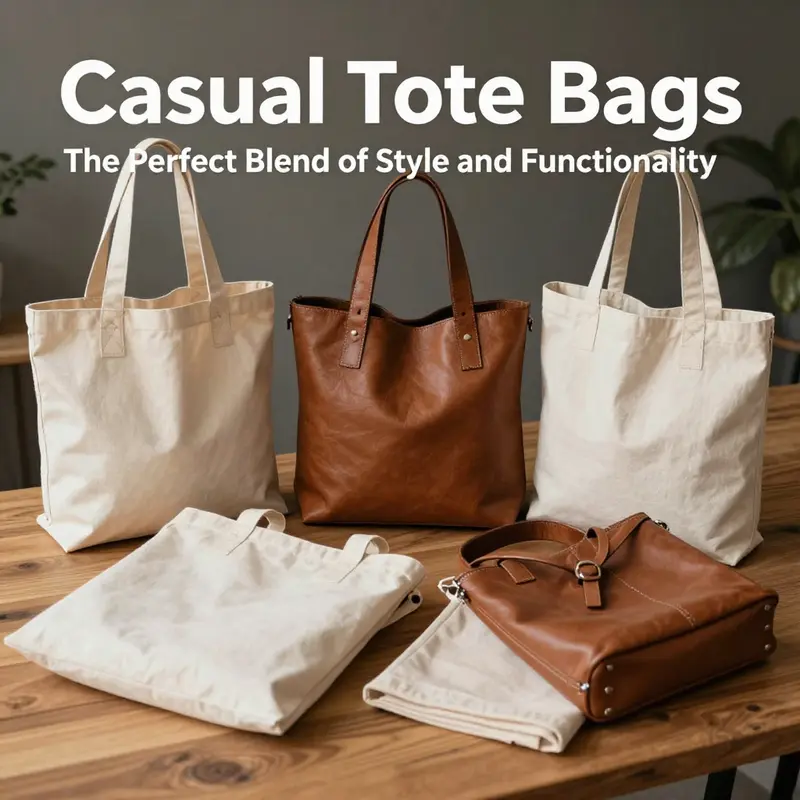
Casual tote bags for women are more than accessories; they are portable systems for daily life. They blur the line between fashion and function, performing across the commute, the classroom, the gym, and the weekend market. A well chosen tote translates busy schedules into less friction: keys, notebooks, a bottle, a spare sweater, even a small lunch. The best designs respect the demands of real days—wide openings for quick access, sturdy handles that won’t cut into the skin, and interior organization that makes every item instantly retrievable. Yet they also speak to personal taste, offering a visual tone from clean minimalist lines to expressive graphics. In short, casual tote bags for women are a flexible solution that complements a wardrobe’s tone while keeping essentials in orbit. They invite a casual confidence: the bag looks right, the contents are easy to reach, and the wearer moves with a little more ease. This balance of utility and style is why totes endure as a staple, season after season. The right tote for any woman is less about trend and more about trust—an everyday companion that remains calm under pressure and comfortable through long days alike. Material decisions matter in a way that often feels quiet but decisive. Cotton canvas remains a favored backbone for casual totes because it is lightweight, breathable, and capable of absorbing texture and color with a natural ease. When treated with a wax or coating, canvas becomes more weather-ready, standing up to drizzle and mist without surrendering its shape. The appeal is tactile and practical at once: there is a familiar softness under the fingers, a surface that wears in rather than wears out, and a structure that can be refined or relaxed depending on the mood of the moment. Yet the growing climate of sustainability has nudged designers toward options beyond traditional cotton. Recycled polyester offers durability and structure without adding bulk, while cork and plant-based leathers such as Piñatex bring a distinct texture and a low-impact footprint. These materials respond to a range of lifestyles—from the commuter who wants a bag that holds a laptop and a lunch, to the weekend wanderer who desires a resilient tote with a little edge. At the same time, leather totes—whether genuine or vegan—continue to enchant those who want a refined, investment-grade silhouette. A minimalist leather tote can carry the aura of quiet luxury into any setting, elevating casual wear to a moment of understated elegance. The tension between matte and sheen, between a clean, unadorned exterior and a subtly tailored interior, creates a sense of balance that many women find essential. On the other end of the spectrum, slouchy mesh carryalls and cotton totes decorated with bold prints, patches, or photographic designs offer a distinctly casual, DIY-inspired vibe. They celebrate personal expression and a sense of play, turning everyday errands into a small stage for creativity. The best totes recognize that the same bag can serve a professional purpose one day and a weekend outing the next, so the design language must be flexible enough to adapt without losing its core identity. The practical design variations reinforce this adaptability. Most tote bags embrace a spacious interior and open-top design, a pairing that invites easy loading and effortless access to laptops, books, gym gear, groceries, and personal items. The parallel handles—often constructed from sturdy canvas, leather, or reinforced synthetics—provide comfortable carrying options whether by hand or over the shoulder. The open top is a deliberate choice; it signals confidence in the bag’s organization rather than a preference for concealment. Yet not everyone wants to reveal contents at a moment’s notice, so many brands offer crossbody or detachable long straps in addition to the traditional tote. A crossbody strap can transform a tote into a hands-free workhorse for crowded commutes or rapid errands, all while preserving the bag’s generous interior. In some contemporary iterations, designers experiment with transparent PVC or nylon panels, which introduce a sleek, modern twist to the classic silhouette. These variations are not gimmicks so much as signals that a tote can be both utilitarian and expressive—an everyday tool that speaks to a wearer’s sense of self as well as her daily routines. In practice, the performance of a casual tote hinges on a few durable fundamentals. Material flexibility is a quick tell: when you bend a corner of the fabric, does it crack or feel brittle, or does it yield smoothly and spring back? Reinforced stitching is equally telling; well-sewn seams and robust corner reinforcement reduce wear in high-traffic zones. Handles should sit comfortably in the hands and rest securely on the shoulder, with enough width to prevent digging in over long carry sessions. Zippers and closures, when included, should glide with little effort and offer reliable security without turning a simple trip to the store into a tug-of-war with the bag. From a sourcing standpoint, suppliers emphasize fabric durability, grade consistency, and mechanical performance to ensure that bags withstand the rhythm of daily life—from a morning sprint to a late-night study session. These are not fancy credentials; they are practical assurances that the bag will hold its shape and contents under repeated use and exposure to the elements. The conversation around casual totes also reflects a broader arc in fashion: sustainability and ethics matter to many buyers and shape how bags are designed and produced. Eco-conscious options like recycled fibers, cork, and plant-based leathers respond to a demand for responsible choices without compromising on style or texture. The materials must not only look good; they must endure the rigors of everyday life. This concern for durability aligns with the practical realities of ownership—bags are investment pieces for many, to be worn daily, repaired if needed, and recycled with a lighter footprint when the moment comes to part with them. In this light, the tote becomes more than a carrier; it is a statement about personal standards and a reflection of an evolving wardrobe that values longevity and responsibility as much as color and silhouette. The aesthetic spectrum is as varied as its users. For some, a clean, unadorned surface offers a canvas for easy pairing with any outfit, while others seek a bag that makes a statement the moment the strap is slung over a shoulder. Graphic prints, patches, and photographic designs can transform a tote into a moving piece of personal art, a way to infuse daily errands with a sense of play and individuality. Meanwhile, the tactile appeal of natural fibers—soft cotton, rugged canvas, or supple leather—adds a dimension of texture that can be either understated or gripping, depending on the light and the way the bag wears over time. The best totes respect this diversity and invite experimentation. They are designed to be integrated into a person’s life, not just placed on a shelf as a decorative object. This is why the casual tote often feels like a confidant—there when needed, adaptable to the moment, and quietly dependable in how it carries what matters. Choosing a tote that fits a lifestyle involves paying attention to how a bag will be used in context. If the day demands a laptop and notebooks, a designated sleeve or padded compartment adds protection without compromising the bag’s generous interior. If errands stretch into the evening, a bag with secure pockets for keys and phone become essential to reduce the time spent digging. For those who bike or walk through unpredictable weather, a water-resistant finish and a durable bottom panel can extend the bag’s lifespan. The broad spectrum of materials, from cotton to canvas and from cork to vegan leathers, makes it possible to tailor a bag to climate, activity, and personal ethics without sacrificing aesthetic coherence. It is in this careful alignment of function, material, and style that the casual tote reveals its quiet expertise—the capacity to carry more than items and, in doing so, to carry a portion of a life with ease. To illustrate how a tote can function as a reliable daily partner, imagine the way it sits in a cafe corner between meetings, its wide mouth inviting quick stashing of a notebook and a water bottle. The interior layout matters as much as the outer shape. A practical tote often balances a simple partition with a few pockets that keep small objects accessible yet contained. The simplest version is endlessly flexible: a single open space that can be reorganized with pouches or sleeves, depending on what the day requires. For students and professionals alike, the tote’s openness keeps the mind uncluttered; you can see everything at a glance and decide what to pull first, instead of rummaging through a maze. The result is a sense of efficiency that becomes self-reinforcing: as tasks accumulate, the bag’s capacity and organization save time and energy, reinforcing the habit of preparation rather than haste. In the landscape of shopping and discovery, a single tone across a collection can read as cohesive and thoughtful. Yet it is equally valid to allow variety within a wardrobe—the tote as a signature that shifts with mood or outfit. If a person leans toward minimalism, a single-note tote in a neutral shade can anchor countless looks, while a more expressive approach might pair a graphic or color-blocked tote with a simple, monochrome outfit to create a deliberate focal point. The value here is not merely in the bag’s appearance but in its behavior: it holds the day together, carries what is necessary, and remains nimble enough to flow from one setting to another without forcing a change in routine. The ability to switch between carrying roles—professional, academic, fitness, and leisure—without swapping bags is a core advantage that makes casual totes so appealing to a broad spectrum of wearers. For readers looking to explore tangible options that align with these ideas, a practical starting point is to examine the range of options in women’s canvas totes and similar materials. These options tend to embody the balance between durability and airiness that many daily routines demand. You can explore a curated array of styles and colors at this resource: women’s canvas tote bags. This link offers a sense of how casual totes can retain a clean, versatile silhouette while providing enough personality to reflect individual taste. The point is not to chase a single perfect bag but to understand how different design choices harmonize with life’s varied rhythms. As you review options, consider how the bag will function beyond the surface: the feel of the handle, the weight of the bag when empty, the ease of accessing contents, and how the fabric moves with you through a day that blends meetings, errands, and a moment of rest. These are the kinds of details that reveal a tote’s real value—an understated ally that quietly supports your momentum rather than drawing attention to itself. In the end, casual tote bags for women are about the art of intelligent simplicity. They honor the everyday while enabling a sense of autonomy and comfort. They offer structure that adapts to weather, activity, and schedule, plus the possibility to express personal style through material choices, textures, and colorways. The conversation around them is not about following fashion so much as about embracing a practical philosophy: carry what you need, carry it with ease, and carry it with grace. The tote becomes a companion that ages with you, developing a patina that signals lived experience and the trust that comes from daily use. As a living accessory, it evolves with the wearer, never fully fixed, always capable of becoming more efficient, more resilient, and more expressive as life unfolds. And that possibility—that enduring blend of usability and aesthetics—remains the core appeal of casual tote bags for women, inviting continued experimentation and thoughtful selection rather than a quick, one-size-fits-all choice. External reference for standards and performance context: an authoritative overview of the standards, grades, and mechanical performance in casual handbag manufacturing—including tote bags, can be found here: https://www.supplierinsights.com/casual-handbags-for-women-suppliers-standards-grades-performance/.
Carrying Confidence: The Design Language and Everyday Versatility of Casual Tote Bags for Women
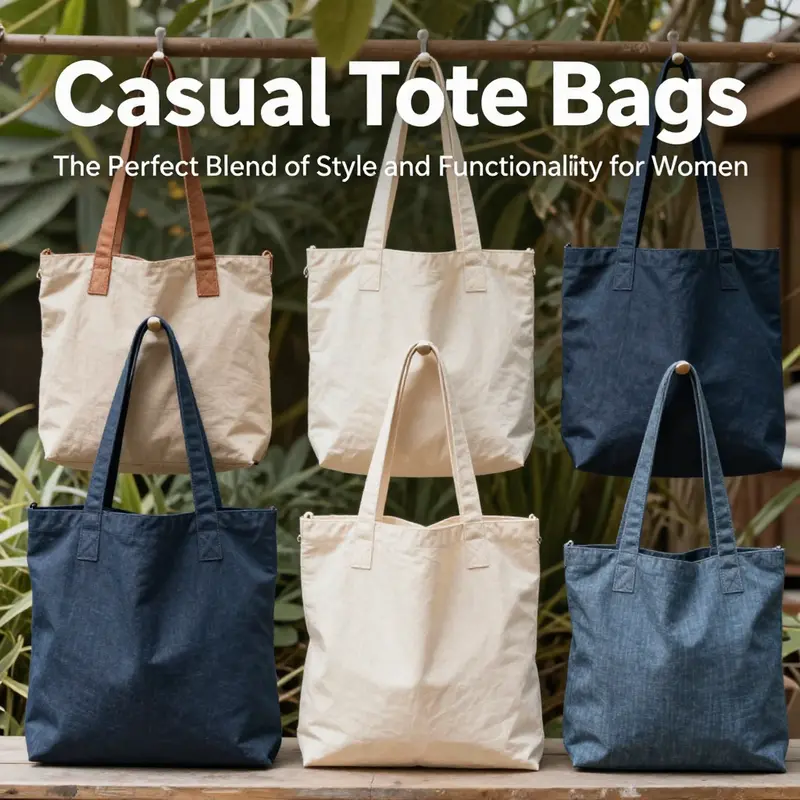
A casual tote bag for women is more than a container; it is a lightweight agreement between style and usefulness that commissioners of daily life seem to require without knowing they require it. The bag stands at the threshold of wardrobes and routines, ready to translate the energy of a morning commute into a composed, effortless look. It does not demand attention with flashy hardware or loud graphics; rather, it earns respect by proving that form can follow function without surrendering personality. In this quiet negotiation between aesthetics and practicality, the tote becomes a partner in motion—an extension of the wearer’s priorities rather than a separate accessory pulling focus. As we move through workdays and weekends, the tote’s evolving language—how it’s built, what it carries, and how it wears—maps a broader shift in fashion: accessories that admit complexity while keeping daily habits intact. The result is a category that feels both intimate and universally adaptable, able to morph with contexts from office corridors to market aisles without losing its sense of purpose.
Material choices anchor this balance between ease and endurance. Cotton canvas remains a workhorse, prized for its breathability, lightness, and rugged charm. Its fibers accept moisture and stress with grace, resisting the kind of wear that turns a bag into a fragile prop. Modern versions layer canvas with waxed or coated finishes, imparting water resistance that matters on damp streets or in sudden showers. Yet the material story does not stop there. Eco-conscious consumers are increasingly drawn to recycled polyester blends, cork, and plant-based leathers such as Piñatex, which offer structure and longevity while aligning with ethical expectations. These materials extend the tote’s appeal beyond aesthetics, inviting a conversation about responsibility alongside convenience. Even when a bag leans toward a more refined, minimalist look in leather, it carries with it a cinematic history of how texture and light play across a surface—quiet evidence of craftsmanship that values longevity as much as allure. While leather totes project timeless elegance and can function as investment pieces, they do so in a way that complements a broad spectrum of outfits and occasions, from tailored workwear to evening casuals.
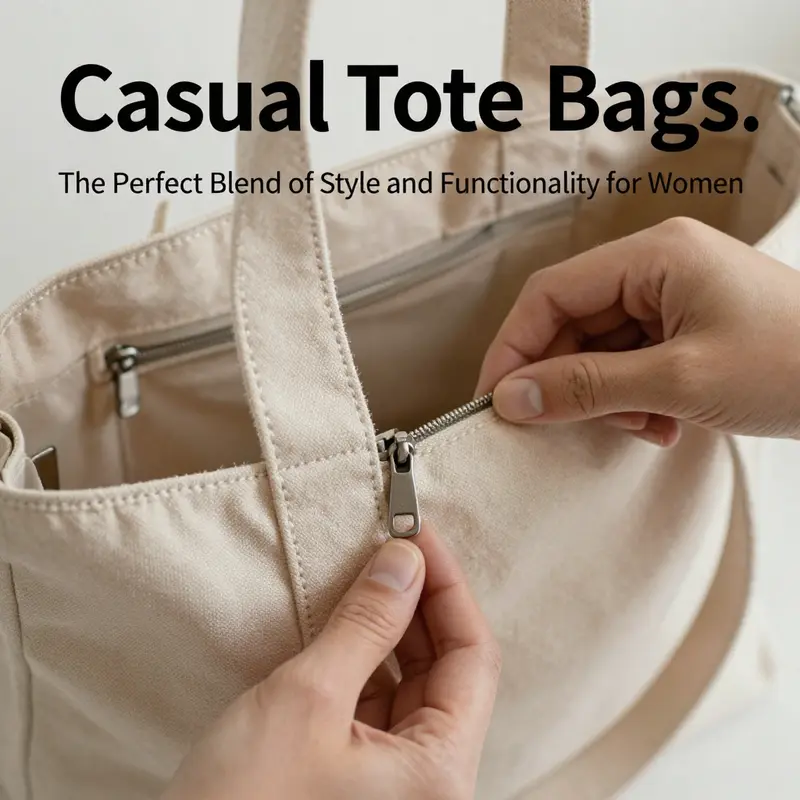
The design variations of casual totes reveal a spectrum of intent, all rooted in a shared need for spaciousness and accessibility. The classic open-top silhouette with parallel handles remains a reliable baseline: a generous main compartment that invites a laptop, notebooks, and gym gear to reside together without fuss. Yet even within this familiar frame, thoughtful details matter: the feel of a reinforced handle, the glide of a sturdy zipper, the ease of a wide mouth that invites grab-and-go access. In some iterations, the main compartment is paired with a secure internal pocket, creating a modular architecture that keeps valuables segregated from daily essentials. The internal zipper pocket, though small, becomes a crucial feature for wallets, phones, or keys, letting the wearer move through crowded streets or transit hubs with confidence. In parallel with these practical zones, the bag’s exterior often carries a quiet, expressive charm—minimalist leather edges that nod to refinement, or graphic prints and patches on canvas that signal a casual, DIY aesthetic. These variations matter not only for how a bag looks, but for how it feels to use it day after day. The tactile cues—the way fabric softens with use, the snap of a zipper, the subtle weight of a well-stitched seam—signal quality even before the bag is loaded with items.
Portability and adaptability also define a crucial set of features that extend the tote’s reach across contexts. The inclusion of an adjustable, detachable shoulder strap unlocks hands-free mobility while preserving the bag’s capacity and balance. A strap length up to about 120 centimeters provides enough span to wear the tote comfortably as a crossbody during busy commutes or as a shoulder bag when you need effortless swing. This versatility matters because daily life rarely happens in a single mode. You might ride the train with one hand free to guide a coffee, then shift to a brief stroll through a market where your bag rests securely at your hip. Good tote design respects that rhythm. The strap’s removal option, combined with reinforced attachment points, delivers not just function but a sense of security that the bag will stay in position as you move from step to step. Interior organization is another pillar of versatility. A thoughtfully placed internal pocket or two enables quick segregation of items—electronics, cosmetics, notes, and snack packs—so you can locate what you need without emptying the whole bag. It is these small, strategic arrangements that transform a roomy tote into a well-prepared partner for a day’s shifting priorities.
Aesthetic language matters not only for how a bag looks, but for how it integrates with a wearer’s broader wardrobe. Minimalist silhouettes with clean lines—where color and texture do the speaking—offer a timeless backbone that works with almost any ensemble. At the same time, a more expressive tote—featuring bold prints, patchwork, or photographic motifs—can capture a mood or personal interest while remaining anchored by practical design. The idea is not to choose between restraint and expression, but to balance them in a way that supports a complete routine. It is not unusual to find totes that borrow architectural cues for a modern feel while preserving soft handheld comfort and easy maintenance. Materials like PU leather bring a synthetic smoothness and water resistance that echo luxury without the price tag or upkeep associated with genuine leather, presenting a pragmatic alternative for everyday use. The accessible, everyday nature of casual totes makes them effective canvases for such material storytelling, where texture and color convey personality more potently than overt branding. In this light, the tote becomes less a fashion statement and more a practical extension of a person’s daily rhythms, a companion that knows when to be quiet and when to offer a little personality.
Quality, reliability, and consistency shape the expectations that shoppers bring to casual totes. As the market standardizes around meaningful benchmarks, suppliers emphasize durability, consistent fabric grades, and dependable mechanical performance. The durability test is as simple as a gentle bend: a bag that cracks or feels brittle at a corner is a sign of fragile construction. Conversely, a tote built with reinforced stitching, robust handles, and reliable closures tends to hold up to frequent use—carrying laptops, water bottles, and groceries without giving way. For buyers, this means looking beyond surface aesthetics to the bag’s architecture: the balance of weight between material and hardware, the security provided by a zipper or clasp, and the integrity of seams that will bear repetitive loading. From a sourcing perspective, the performance standards cover material strength, stitching integrity, and overall mechanical performance. These elements ensure the bag not only looks good in a catalog, but endures through months of daily wear in retail spaces, offices, gyms, and on travel itineraries.
In the broader design ecosystem, the casual tote is a reflection of how people live and move. It is a product of choices about sustainability, texture, and craftsmanship, applied with an eye toward universal utility. The everyday tote is not a luxury that you reserve for special occasions; it is a practical instrument that travels with you, an artifact of your routine that can handle a crowded bus, a brisk walk to a meeting, or a spontaneous weekend outing. Its strength lies in resilience—the ability to expand to accommodate a changing load, to protect valuables through subtle internal dividers, and to rebound after a day’s use with minimal care. The most compelling totes feel like a natural extension of the wearer, a space where items are kept orderly yet accessible, where the bag recedes into the background while still offering essential cues about what matters most in the moment. This is the quiet power of design: not to shout, but to harmonize with life’s pace, to offer calm in the face of bustle, and to do so with taste and practicality that endure beyond trends.
For readers seeking a deeper understanding of how the industry defines and evaluates casual handbags for women—beyond the look and feel of a single season—the following overview offers a detailed framework of standards, grades, and mechanical performance. It surveys how suppliers across the supply chain measure fabric durability, stitching quality, and overall performance with consistent criteria, creating a common vocabulary that helps shoppers compare options with confidence. To explore the field further, you can consult industry materials that discuss standards and performance in casual handbag manufacturing, which provide a rigorous context for what makes a tote truly dependable in everyday use. If you want to see how these ideas translate into practical shopping guidance and product layouts, consider exploring a curated collection that highlights the balance between capacity, portability, and durability in the realm of casual totes for women. And to connect with related categories and examples in the broader tote ecosystem, you can browse resources that present complementary styles while keeping sight of the core attributes that define successful casual totes: accessibility, resilience, and thoughtful organization. For a broader sense of this category, explore women’s canvas tote bags.
As fashion conversations continue to evolve, the casual tote remains an anchor. It models how design can be inclusive of diverse bodies, daily routines, and personal aesthetics without sacrificing performance. The bag’s story is felt in the interplay of fabric, hardware, cut, and proportion—the calm, confident line that makes a tote look at home on a morning train or a weekend city stroll. The practicalities are not afterthoughts; they are the guiding thread that weaves together comfort, security, and versatility. The result is a category that invites experimentation with texture, color, and silhouette while maintaining a shared standard of everyday reliability. The tote’s adaptability reflects a modern expectation: fashion should be flexible, respectful of the wearer’s time, and capable of evolving with changing responsibilities and venues. In this way, casual totes offer more than utility—they offer steady presence in a world where schedules are dense and choices are plentiful. The design variations and functional advantages discussed here illuminate why these bags continue to be trusted companions for women who balance work, family, fitness, and leisure with poise. External research on supplier standards and performance deepens this understanding and confirms that even the most approachable bag can embody thoughtful engineering and responsible production practices. For further reading on supplier standards and performance metrics in casual handbag manufacturing, see the broader industry reference at https://www.alibaba.com/product-detail/Overview-of-Casual-Handbags-for-Women-Suppliers_1601894734744.html
null
null
Everyday Carry, Elevated: The Subtle Craft of Casual Tote Bags for Women
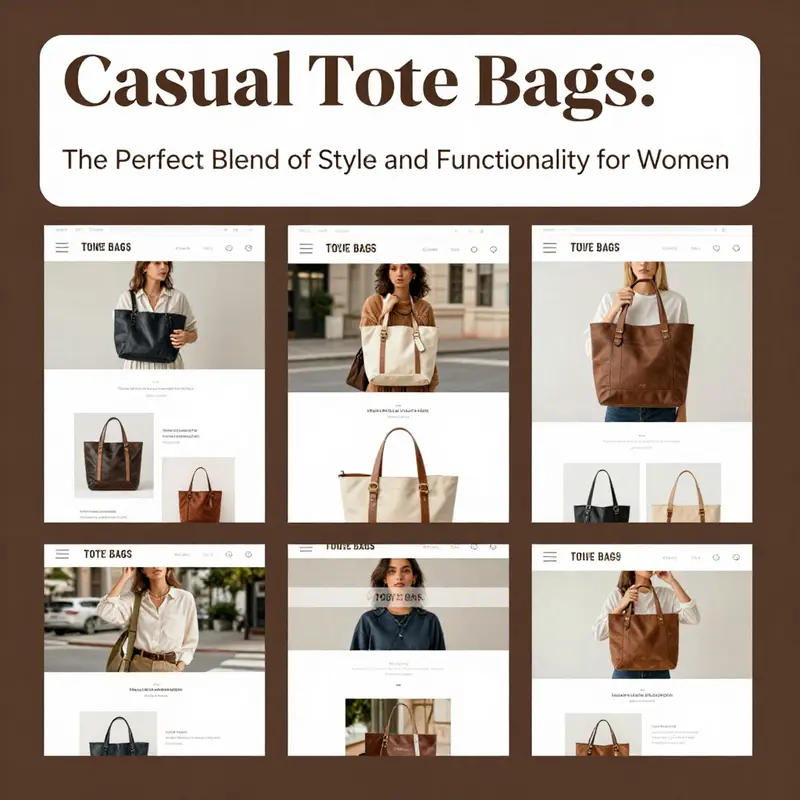
A casual tote bag is more than a simple container; it is a portable microcosm of daily life. For many women, the tote negotiates between style and practicality with a balance that feels almost instinctive. It accompanies commutes through bustling streets, carries groceries, holds a laptop or notebook, and becomes a companion on weekend explorations. The best totes do not shout their presence; they invite trust through quiet, deliberate design and durable construction. When you reach for one, you should feel ready for the moment you step into—whether it is a crowded train car, a sunlit park, or a quiet corner of a cafe where ideas are sketched on napkins. The ability of a tote to handle different tasks without demanding constant adjustment is what makes it essential. When a bag can adapt to an office, a gym, or a kitchen counter, it becomes part of a rhythm rather than a distraction from it.
Material choice sits at the core of this balance. Cotton canvas remains the backbone of many casual totes because it offers a reliable mix of durability, lightweight feel, and breathability. It is sturdy enough to stand up to daily wear yet flexible enough to mold to the contents it carries. Modern versions often feature waxed or coated finishes that improve water resistance, a practical advantage for unpredictable weather or a spill on a bustling day. Yet the canvas family has grown broader as consumers increasingly seek sustainable options. Eco-friendly alternatives such as recycled polyester, cork, and plant-based leathers provide structure and longevity with a lighter ecological footprint. These materials can simulate the heft and polish of traditional options while signaling a commitment to responsible choices. The narrative here is not about choosing a single material but about recognizing how different fabrics can support different lifestyles while respecting the planet’s finite resources. Leather totes, by contrast, offer a different kind of reward. Minimalist, well-constructed leather bags often become investment pieces, valued for their aging patina and timeless contour. They speak to a sense of refinement and durability that resonates with a more classic or professional aesthetic. The leather option emphasizes polish and longevity, serving as a versatile anchor in a wardrobe that seeks to balance casual ease with a touch of luxury.
Within this spectrum, there is also room for personality and experimentation. Slouchy mesh carryalls or cotton totes decorated with bold prints, patches, or graphic designs push the boundaries of casual carry, embracing a DIY ethos and a more expressive, subversive vibe. These options can infuse everyday routines with a sense of play and individuality. The choice between a clean, structured tote and a more relaxed, expressive version often reflects daily routines as much as taste. A bag that stands up to a laptop and a lunchbox while still wearing a confident graphic makes a statement about how seriously you treat the ordinary tasks of the day. The right tote acknowledges that style is not about shouting but about coherence across outfits, occasions, and moods. A dependable tote can become a quiet ally in the way it carries your belongings, organizes them, and invites you to move with ease through a busy schedule.
Design variations have evolved to address the demands of modern life without sacrificing the generosity of a traditional tote’s open-top silhouette. The classic tote’s spacious interior and parallel handles are designed to maximize capacity, which means room for a laptop, a notebook, a water bottle, groceries, or gym gear. The simplicity of the design is its strength: the open top makes access immediate, time-saving, and frictionless as you switch between tasks. To improve organization, many totes now include pockets, sleeves, and seams that carve out smaller zones for devices, chargers, and everyday essentials. For those who value hands-free mobility, crossbody variations have become increasingly popular. They retain the tote’s roomy feel while offering adjustable straps and additional pockets for quick access and security. The crossbody approach is particularly advantageous when commuting or traveling lightly, as it reduces the chance of shoulder strain and frees the hands for projects or bags within bags. Even within crossbody variants, designers experiment with transparency, mesh panels, and crisp lines that introduce a modern, architectural aesthetic to the timeless silhouette. In this way, the tote remains both familiar and forward-looking, a bridge between practical habit and contemporary style.
From a performance standpoint, there is a practical art to selecting a tote that will perform consistently day after day. The first test is the material’s flexibility. Gently bending a corner can reveal whether the fabric remains pliant or borderlines brittle with use. A successful tote should resist cracking and maintain its form under pressure. The construction quality matters just as much as the material choice. Look for reinforced stitching, especially at stress points like the handles where weight is concentrated. The handles themselves should feel sturdy, with a seam that is double-stitched or reinforced to prevent slippage. Closures, even when not always required, add a layer of security that matters when you carry valuables: a zipper, a magnetic snap, or a robust tab closure should operate smoothly and endure frequent use. The absence of such details can transform a bag from trusted companion to compromised companion in a matter of weeks. Beyond the bag’s edges, the overall mechanical performance—how the bag pulls and holds up under load—speaks to a product’s long-term value. This is why some designers emphasize a balance between lightweight fabric and internal structure, ensuring that even a full tote remains comfortable to carry and easy to stow when not needed.
In the broader context of sourcing and manufacturing, the emphasis on durability and mechanical performance has grown more pronounced. Suppliers discuss standards related to fabric durability, grade consistency, and the ability to withstand repeated bending, folding, and load-bearing conditions. A well-made casual tote is not merely about an appealing exterior; it is a product designed for a spectrum of environments—from a retail clerk’s daily rounds to a student’s library runs and a professional’s client meetings. These contexts demand different facets of performance, but the common thread is reliability: a bag that keeps its shape, protects its contents, and feels good to carry, even after a long day. The practical implication for buyers is straightforward. Before purchasing, consider how you will use the bag most of the time, what you will typically carry, and where you will be most of the year. If you live in a rainy climate, a water-resistant coating or a waxed finish can be a deciding factor. If you commute with a laptop, make sure there is a dedicated sleeve or compartment that cushions and organizes the device along with chargers and papers. If you are often on the go, a crossbody option with multiple pockets may save time when you need to find a phone or keys quickly. The goal is a bag that feels both generous and precise—generous in its capacity and precise in its organization.
The shopping landscape for casual tote bags reflects a broad spectrum of consumer needs and budgets. A walker’s daily ritual might prioritize comfort and practicality, while a student may seek a balance of style, capacity, and price. A professional might lean toward understated elegance and durable leather or high-grade canvas. In between, many shoppers appreciate the ability to customize or tailor a bag to specific tasks: a laptop sleeve that doubles as a tablet pocket, a water bottle holder that is easy to access, and internal dividers that reduce rummaging. The variety is not merely about aesthetics; it is about how a bag shapes daily routines. The right tote can subtly influence how smoothly a day unfolds, turning a mundane errand or commute into something that feels nearly effortless.
For readers looking to explore options without committing to a particular piece, a practical starting point is to consider material families and their corresponding care needs. Canvas totes may be the easiest to refresh with a quick wipe-down after a spill and can regain a crisp appearance with light steaming or gentle brushing. Leather totes require conditioning to maintain suppleness and color, though they reward care with years of wear. Eco-friendly fibers may respond well to air-drying and gentle washing when appropriate, with attention paid to color fastness and fabric stretch. Regardless of material, the bag’s interior layout matters as much as its exterior. A well-designed interior with a dedicated sleeve for a laptop or tablet, a secure zipper pocket for keys, and a broader open area for daily essentials can keep life orderly and accessible. It is the simple geometry of pockets, sleeves, and handles that makes everyday carrying feel almost effortless, even when the day is packed with meetings, workouts, and errands.
A subtle but important consideration is how the tote’s silhouette integrates with a wardrobe. The open-top structure gives a casual, inclusive mood that suits a wide range of outfits—from tailored pants and blouses to jeans and sneakers. The color story often drives a lot of the bag’s versatility: neutral tones like black, tan, gray, or navy typically pair with more looks, while earthier hues or muted pastels can add a soft focal point without overpowering an outfit. The choice of color can influence how often a bag is carried, which in turn affects its lifetime value through more robust usage. In adroit hands, a neutral tote can become a workhorse that still feels contemporary, while a more expressive pattern or color can act as a signature piece, declaring your personal taste in a quiet, nonverbal way. The best totes achieve a balance between the two, offering a stable backbone for daily life while allowing the wearer to infuse moments with personality through accessories, scarves, or outerwear.
As you navigate the options, a practical approach is to imagine a typical day and imagine which bag would arrive at each moment with the least friction. At the office, you might want a bag that slides beneath a desk with a laptop safely stowed, alongside a notebook and a charger. On weekends, you may prefer a lighter, more flexible tote that can collect groceries, a water bottle, a sweater, and perhaps a small notebook for sketching ideas. For gym trips, the capacity to hold a change of clothes, a towel, a water bottle, and a compact sneaker bag becomes essential. The truth is that there is no single perfect tote; there is a compatible choice for every rhythm, and that compatibility is what turns a bag from mere equipment into a trusted companion. If the wearer’s life moves across different contexts daily, a crossbody tote with stretchable pockets can be a remarkably adaptive option, offering both hands-free ease and roomy interior space when needed. Conversely, for those whose routines are more anchored in a single setting, a structured tote with a sleek profile may deliver the best mix of organization and longevity, maintaining a professional demeanor even when the day stretches late into the evening.
For those seeking a tangible starting point, exploring a broad range of fabrics and silhouettes can illuminate what best matches a given lifestyle. A quick, practical tip is to assess how the bag handles weight over time. Does the fabric sag uncomfortably when filled? Do the handles dig into the shoulder after a long walk? Are the seams reinforced where the most stress occurs? Answers to these questions reveal much about the bag’s long-term resilience. It is also worth considering how easy the bag is to care for in a busy routine. A tote that can be wiped clean after a spill and quickly dried is a definite advantage in everyday life. If you often navigate crowded spaces or weather shifts, a bag with a modest water-repellent finish will save you from repeating the same spill-cleanup ritual day after day. The aim is not to chase a fleeting trend but to select a companion that supports the day’s flow with minimal fuss and maximum reliability.
If you are curious to explore options in a broad catalog before narrowing to a few favorites, you can start with a general category of options that emphasizes versatility and practicality. For instance, a focus on versatile fabrics, functional interior layouts, and comfortable carrying experiences can guide you toward a practical core choice. From there, you can experiment with a few different silhouettes—perhaps a roomy, open tote for days that require flexibility, a classic leather tote for a more formal environment, and a crossbody version for travel or errands that demand mobility. The beauty of casual totes lies in their adaptability: each season, a new texture, finish, or color can refresh an existing wardrobe, or a timeless silhouette can anchor a changing collection. The goal is to develop a sense of what your daily rhythm demands and to choose a bag that is rooted in utility while still reflecting your personal sense of style.
For a starting point on canvas options, explore the broader category of women’s canvas tote bags to compare look and feel across textures, coatings, and colorways. You can browse broadly and then narrow down to those designs that align with your needs for durability, weight, and organization: women’s canvas tote bags. If you want to see how a more minimal, architecture-forward aesthetic can translate into everyday use, consider a crossbody version with a streamlined interior and a durable body, then pair it with a complementary everyday outfit. And if you are considering bulk purchases for a shop, team, or event, remember that the same design principles apply: durability, reliable closure systems, and thoughtful internal organization count just as much as the bag’s appearance. In all these considerations, the aim remains the same: to find a tote that expresses ease, resilience, and a sense of personal style without sacrificing the efficiency that daily life requires.
To provide a fuller context for the standards and performance aspects discussed here, and to explore how suppliers view the hierarchy of fabrics, finishes, and mechanical performance in casual handbags, you may consult broader industry resources. For a detailed overview of standards, grades, and mechanical performance in casual handbag manufacturing—including tote bags—please refer to an authoritative source on the topic: https://www.supplierinsights.com/casual-handbags-for-women-suppliers-standards-grades-performance/.
Final thoughts
In the dynamic world of women’s accessories, casual tote bags stand out for their versatility, style, and practicality. For business owners, understanding the key features, design variations, and performance standards is essential in selecting the right products that meet customer demands. By sourcing from reputable suppliers and focusing on quality materials, businesses can ensure longevity and customer satisfaction with their tote bags. Overall, investing in this category can enhance your brand’s product line and appeal to a wide audience of fashionable, on-the-go women.