
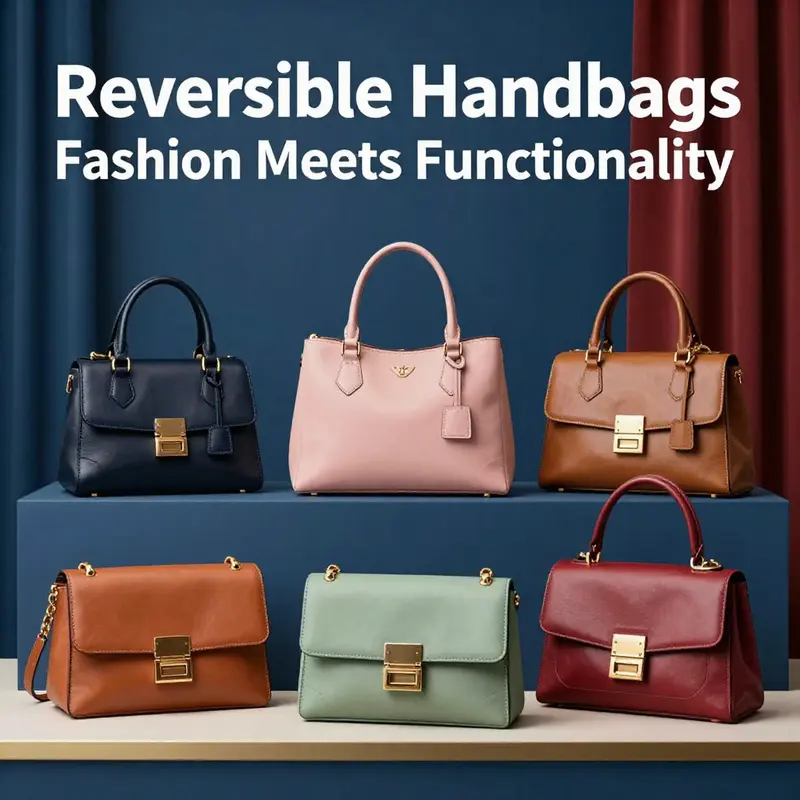
Reversible handbags represent a significant innovation in the fashion accessory market, blending style with practicality. As business owners in the fashion industry, understanding the trends, materials, and design innovations behind reversible handbags can inform your product offerings and marketing strategies. This article delves into five critical chapters—exploring design innovations, material sustainability, consumer preferences, practicality, and the DIY trend in reversible handbags. By the end, you will gain comprehensive insights that will empower you to leverage this rising trend successfully in your business.
Design Innovations in Reversible Handbags: Crafting Two Looks with One Carry
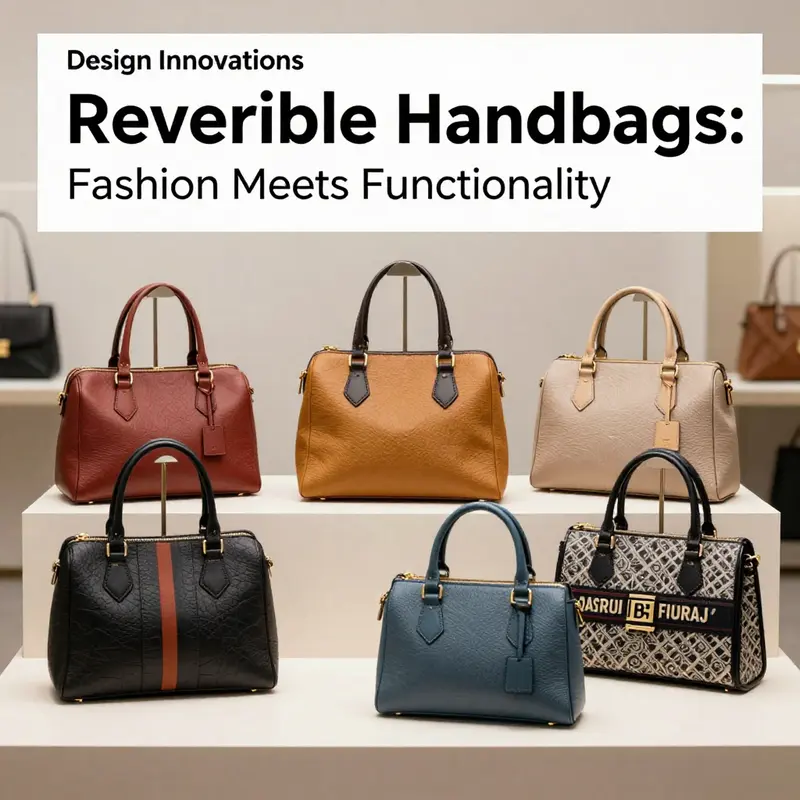
Two looks, one bag, a single act of design that invites the wearer to reimagine a daily routine. Reversible handbags stand at the crossroads of function and expression, offering not just a second side to flip to but a philosophy of versatility that challenges how we think about clothing and accessories. As fashion shifts toward pieces that can perform more with less, the reversible bag becomes a case study in how a single object can carry multiple personalities without demanding more space in a closet or more resources in production. The core idea is deceptively simple: two sides that share the same structural skeleton, yet present distinct aesthetics, sometimes even different textures or hues. The practical value of this concept lies in its potential to reduce impulse purchases and shorten the distance between intention and use. A bag that doubles its visual vocabulary can translate into fewer bags in circulation, aligning with mindful consumption while still feeding the appetite for change that keeps personal style fresh. In practical terms, the design must reconcile two sets of requirements that often pull in opposite directions. Aesthetics on one side must command attention when the bag is carried forward, while the opposite face should remain stable, balanced, and durable when displayed. This balancing act is where design innovation shines, revealing how thoughtful material pairing, precise construction, and clever feature sets can create a product capable of enduring both days at the office and nights out with equal polish. The concept also echoes the growing consumer demand for sustainability within fashion. If a single piece can be worn in two ways, it reduces the need for duplicate purchases across a season. This is not merely a matter of saving money, but of curbing the environmental footprint tied to fabric production, dyeing, and transport. When designers and developers approach reversible handbags with an eye toward lifecycle impact, the result tends to be more than two appearances; it becomes a manifesto about how to craft pieces that are as expressive as they are responsible. The conversation around design innovations in reversible handbags also intersects with how brands convey value in a crowded market. Consumers increasingly seek pieces that feel personal and adaptable, with a sense of durability that justifies a time investment in choosing the right accessory. A reversible structure invites shoppers to evaluate a single purchase not just through its first impression but through its potential to evolve with changing needs, outfits, and contexts. In this sense, the reversible bag behaves like a small wardrobe of its own, offering a discrete canvas for color, texture, or pattern swaps that reflect mood, season, or occasion. The engineering of these bags is where the concept becomes visible in detail. The two-sided requirement pushes designers to implement a common internal framework that is robust enough to withstand repeated flipping and daily handling while preserving the integrity of both surfaces. Reinforced stitching at key seams—especially along the compass of the bag where wear tends to accumulate—emerges as a staple, ensuring the bag retains its shape and balance across sides. Hardware, such as hardware components and closures, must be selected and positioned with symmetry in mind, so that the mechanism remains intuitive whether the tote is presented with one design facing outward or the other. In many executions, zippers, magnetic snaps, and pull tabs are matched across faces, so neither side looks intentionally secondary when the bag is in motion. The interior architecture also plays a decisive role. Removable inner pouches become more than convenience features; they are essential to the adaptability of the bag’s interior. A pouch on one side can be positioned to catch and separate items differently when the reverse side is in use, helping users reorganize essentials without sacrificing the overall balance of the bag. This small but meaningful feature reflects a broader design ethic that values modularity and user agency. The material choices reinforce the concept of duality. Designers frequently experiment with contrasting pairings, such as a soft, matte exterior on one side and a more polished, glossy finish on the other, or a tactile mix that combines pebbled or structured surfaces with smoother, more flexible fabrics. Pairing materials not only broadens the bag’s visual appeal but also informs its feel in the hand, its weight distribution, and its drape when worn. The juxtaposition of different textures can highlight both sides in distinct contexts, from a casual daytime look to an evening ensemble, without the need to switch bags entirely. A thoughtful approach to sustainability shapes these technical decisions as well. The use of vegan leather alternatives, recycled fabrics, and responsibly sourced trims demonstrates how a reversible concept can align with environmental values without compromising on luxury or desirability. Designers who champion cruelty-free materials often foreground the tactile and visual cues that compete with traditional goods, proving that ethical choices can harmonize with the precision and polish expected of a premium accessory. In this regard, the reversible handbag can function as a bridge between timeless silhouette and contemporary material science. The silhouettes themselves tend toward clean lines and structured forms, echoing the enduring language of modern design while inviting experimentation with color and detail. Tassels, decorative stitching, and understated hardware accents frequently appear as one side’s signature details, while the opposite face favors streamlined minimalism. This duality supports a broader narrative about fashion: the possibility to express both boldness and restraint, depending on the moment and the outfit, with a single carry. Inspiration for these designs flows from a variety of sources, including runway concepts, textile patterns, and the DIY culture that celebrates hands-on creativity. Platforms that curate user-generated ideas—such as Pinterest—showcase a spectrum of reversible bag concepts, from tassel-adorned finishes to variable strap configurations. The democratization of design insight feeds back into professional practice, encouraging brands to test new forms, validate materials, and iterate quickly. It also invites a more engaged consumer base, one that can imagine and value multiple identities within a single object. For those who enjoy pursuing do-it-yourself projects, tutorials and community-driven experiments illustrate how the core ideas of reversibility can be translated into home-friendly builds. A well-executed tutorial can demystify the process, providing practical tips on cutting, alignments, stitch density, and finishing touches that ensure both sides age well and maintain their integrity after repeated flips. It is important, however, to balance openness with high standards of craftsmanship. The practical concerns of usability—how a bag lies against the body, how comfortable it is to carry on the shoulder, and how easy it is to access contents—remain constant across designs. A reversible bag must feel as good to wear as it looks in a mirror at the end of the day. Consumers are sensitive to weight distribution and comfort, especially given the potential for the interior to carry more on one side than the other after editing contents. This means designers often build in balance checks during prototyping, testing how the bag behaves when filled with typical daily essentials. The result is a product that not only achieves two distinct looks but also performs consistently across those looks, with a sense of reliability that can convert curious shoppers into repeat buyers. The retail narrative around reversible handbags also favors communication that clarifies how the two faces translate into everyday use. Clear care instructions, durable finishes, and easy flips are often highlighted in product presentations, reinforcing the idea that the brand understands the consumer’s need for predictability and longevity in a single purchase. Within this framework, fashion media and retailers increasingly position reversible bags as versatile core pieces rather than novelty items, aligning the concept with a broader shift toward capsule-like wardrobes where a handful of well-chosen accessories can anchor many outfits across seasons. The ongoing challenge for designers is to stay fresh without diluting the essence of reversibility. The most successful executions emphasize a dominant feature on one side—perhaps a strong color block, a geometric motif, or a retro-inspired outline—paired with a complementary but distinct counterpart on the other. This strategy helps the bag become a storytelling device, a way to narrate mood, event, or setting through physical form rather than through an entirely separate purchase. For readers exploring how to enter this space, the journey begins with an assessment of personal style and practical needs. Consider which look matters most and which contexts demand that look. Consider also how the bag will be worn: will a single shoulder strap carry comfortably if the bag is not symmetrical when flipped? Do you prefer a tactile surface that invites touch and texture or a sleek, reflective finish that catches light on social occasions? These questions guide choices about structure, material pairing, and hardware that will produce a cohesive and durable reversible piece. In conversations about design futures, reversible handbags offer a meaningful lens to examine how fashion can be both expressive and responsible. They illuminate a path where form and function are actively in dialogue, where a single object can host multiple identities and still maintain a sense of coherence across a wearer’s daily life. As designers continue to push the envelope with new material technologies, modular components, and smarter interior systems, the reversible bag stands as a flexible platform—one that invites experimentation while honoring the practical needs that motivate people to carry bags in the first place. For readers who wish to explore how trends translate into tangible products, the evolving landscape of reversible handbags serves as a model of how aesthetics, fabrication, and consumer behavior come together to shape a fashion staple that is not only stylish but also deliberate and lasting. Internal link to trend-driven exploration can be a natural waypoint here: tote bags trending. External resources provide deeper context about design philosophies in the luxury market where vegan and cruelty-free materials are increasingly shaping the conversation about responsibility in fashion. External resource: https://www.stellamccartney.com/us/en/women/bags
Two-Faced Sustainability: Material Selection and Design Principles for Reversible Handbags
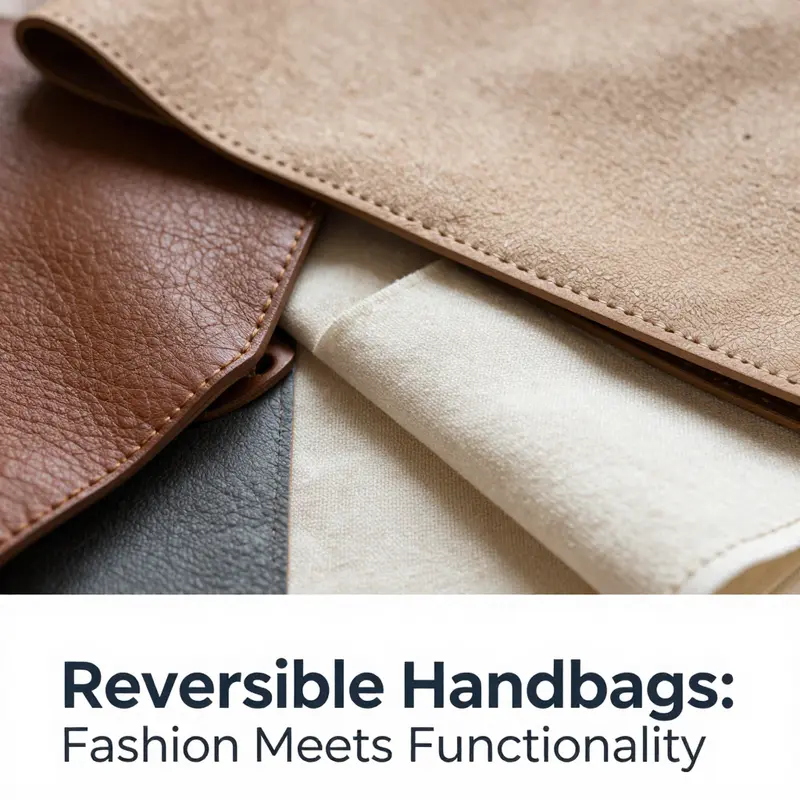
A reversible handbag embodies a practical paradox: two distinct looks folded into one accessory. The dual-face design expands styling options while keeping purchases down. But the promise of two appearances also raises design and material questions. Materials must perform across two surfaces that may demand different textures and protections. This chapter discusses durable, repairable, and recyclable materials and how finish, coating, and trims influence longevity and end-of-life options. Natural leather can add luxury on one side, while a more eco-conscious alternative can be used on the other, balancing aesthetics with accountability. Synthetic options like PU-coated fabrics offer flexibility but may wear unevenly with sun exposure; durable, repairable finishes and legible care instructions help maintain two-face usability. Recycled nylons, organic cotton, and TENCEL™ Lyocell provide renewability and lower environmental impact, though finishes must be chosen to maintain performance on both sides. End-of-life considerations encourage disassembly and recycling of components, with modular hardware enabling updates without discarding the entire bag. The guiding principle is longevity paired with recyclability; the material choice should support two-faced use, easy maintenance, and a path to circularity.
Double-Sided Impact: Market Trends and Consumer Preferences for Reversible Handbags
A reversible handbag does more than offer two appearances in one compact silhouette. It embodies a design philosophy that speaks to how people navigate a world where time, waste, and self-expression intersect on a single stage. The appeal rests not only in the novelty of flipping from one look to another, but in how that flip reframes a day’s whole wardrobe narrative. In this sense, the reversible bag becomes a microcosm of contemporary consumer behavior: a practical tool that doubles as a personal statement, a compact solution to clutter, and a conscious choice for a more efficient wardrobe. The chapter that follows this discussion explores why such a piece is resonating in today’s market and how its core attributes—sustainability, versatility, and self-expression—align with broader economic and cultural currents shaping the fashion accessory landscape.
Foremost among the forces driving reversible designs is sustainability. Fashion consumers are increasingly motivated to minimize environmental impact, preferring products that stretch value and reduce waste. Reversible handbags fit this ethos neatly. By delivering two distinct looks from a single item, they effectively double wearability, enabling a user to alternate styles without purchasing a second bag. The logic is simple but powerful: more value for less, with less textile waste and fewer resource inputs per outfit. This is especially compelling to younger shoppers and environmentally conscious buyers who track the lifecycle of what they buy—from production to end use. The market signals around eco-friendly materials reinforce the point. Recycled leather and plant-based synthetics have shown notable demand increases, with sales rising in the vicinity of twenty-three percent over recent years. Those numbers are not about a passing fad; they reflect a fundamental shift in how people think about the link between product and planet. A reversible design embodies that commitment at the point of purchase and, crucially, in the way it wears over time. It is not merely a two-face novelty but a strategic, long-term solution for a consumer who wants to do more with less.
Beyond sustainability, versatility sits at the heart of why reversible bags feel timely. Modern consumers prize functionality that adapts to changing contexts—work meetings that spill into after-hours events, travel itineraries that bend with every gate change, and social occasions that demand a different mood from the same carryall. A reversible bag delivers this adaptability with a simple flip, transforming a formal, neutral canvas into a bold pattern or color that signals a new intention for the day. The practical design elements that accompany this versatility—adjustable straps that shift from shoulder to crossbody, multi-pocket layouts for organization, and compact, expandable silhouettes—amplify the value proposition. This alignment with multifunctionality feeds into broader trends in the handbag world, including the rise of “East-West” silhouettes and larger, more relaxed totes. The reversible concept could evolve to encompass both a structured frame for professional contexts and a relaxed silhouette for casual moments, offering seamless transitions that mirror a wearer’s evolving schedule.
Personalization deepens the appeal still further. Today’s urban shoppers use accessories as a language of self-expression, a way to signal mood, role, or creativity in the moment. A two-sided bag makes personal curation effortless. One face can convey a minimalist, professional stance suitable for meetings and networks; the other can reveal an artistic or playful personality for evenings and weekends. The duality invites daily decisions—what to wear, what to carry, how to present oneself—without adding bulk or complexity. This micro-personalization is a growing preference in urban life, where people seek pieces that feel designed for them, not merely purchased off a shelf. A reversible handbag thus functions as a wearable canvas, inviting experimentation with color, texture, and pattern while preserving practicality. In a sense, it makes the shopper a designer in everyday life, guiding how style evolves from morning to night.
Market validation for this concept is evident even when the term “reversible handbag” is not treated as a standalone category. The broader luxury and premium-accessory segments show sustained interest in pieces that combine aesthetic appeal with long-term value. Growth in the midlife demographic, in particular, suggests that shoppers who value durability and versatility are more than willing to invest in a thoughtful, well-made item. The sales narrative in this segment points to a strong appetite for pieces that offer longevity, adaptability, and a clear sense of purpose. Reversible bags fit that profile: they are durable, they stay relevant across seasons, and they reduce the need for multiple purchases by consolidating two looks into one object. The message to designers and retailers is straightforward. Consumers are not chasing a gimmick; they want a well-considered item that answers real needs—ease of care, ease of styling, and a coherent, evolving sense of self. The reversible design ticks those boxes and, in doing so, reinforces the idea that style and sustainability can coexist in a way that feels natural rather than forced.
In practice, the appeal of reversible handbags also aligns with how people shop and communicate about their choices. The concept supports a streamlined approach to dressing that reduces decision fatigue. With two faces to choose from, a bag becomes a daily partner in coordination rather than a separate project. This resonates with travelers and professionals who juggle schedules and climates and still want to arrive feeling put-together. The built-in sense of value can also translate into simpler carry solutions, such as removable pouches and thoughtfully sized interiors that help organize essentials across both faces. The design logic is about harmony: a bag that performs consistently, no matter which side is facing outward, and a system of compartments that stay with you across flips. The practical side is complemented by an emotional appeal—the comfort of knowing you are carrying less while expressing more.
For readers curious about current tote and bag trends, the broader category itself offers a window into how reversible concepts are fitting into the narrative of contemporary fashion. The online exploration of tote options shows a marketplace eager to pair practicality with style. It reveals how shoppers are evaluating materials, silhouettes, and finish details that support two-way wearability. This context helps readers understand that reversible handbags are not an isolated novelty; they are part of a wider trend toward adaptable, durable, and expressive accessories. The trend report points to a continued interest in items that can quickly morph to fit different settings, a pattern that naturally elevates reversible designs as a practical embodiment of that demand. To glimpse current movements across the wider bag category, readers can explore the collection of options under the broader trends umbrella at tote bags trending. This resource offers a snapshot of how consumers cluster around features like versatility, material innovation, and cohesive design language, reinforcing why reversible handbags strike a chord with today’s shoppers.
As the market shifts toward more sustainable and flexible products, designers and retailers face a clear imperative: craft two-in-one solutions that feel intentional rather than gimmicky. The reversible handbag answers this call by marrying two faces with a shared backbone—quality construction, durable materials, and a thoughtful internal layout that remains consistent across both sides. It is not enough to swap color or print; the inside must hold its own discipline so that the flip never disrupts organization or function. This alignment of aesthetic duality with robust usability marks the reversible bag as a mature, forward-looking category. It invites ongoing experimentation with finishes and textures, encouraging material innovation that remains faithful to sustainability goals while expanding the expressive range available to wearers. Ultimately, the story of reversible handbags is a story of how modern consumers live—dynamic, connected, and grateful for design that keeps pace with change without demanding constant reinvention.
For readers who want to explore further and see how this concept sits within the larger ecosystem of bag design, the linked resource on current tote trends provides a practical anchor. It highlights the range of styles, silhouettes, and finish options that customers already associate with everyday versatility, while underscoring the opportunity for reversible designs to bridge classic elegance with contemporary boldness. In this sense, the reversible handbag is both a response to and a driver of market evolution—an emblem of how sustainability, practicality, and personal storytelling can coexist in a single, thoughtfully engineered piece. As continued attention to eco-conscious materials, adaptable silhouettes, and individualized expression grows, reversible handbags are well-positioned to maintain their relevance and expand their reach across diverse consumer groups and occasions. The next chapters will delve deeper into the material choices, construction strategies, and storytelling approaches that can help brands translate this dual-face concept into durable, desirable products that endure beyond a single season.
Two Faces, One Purpose: The Practicality and Functionality of Reversible Handbags
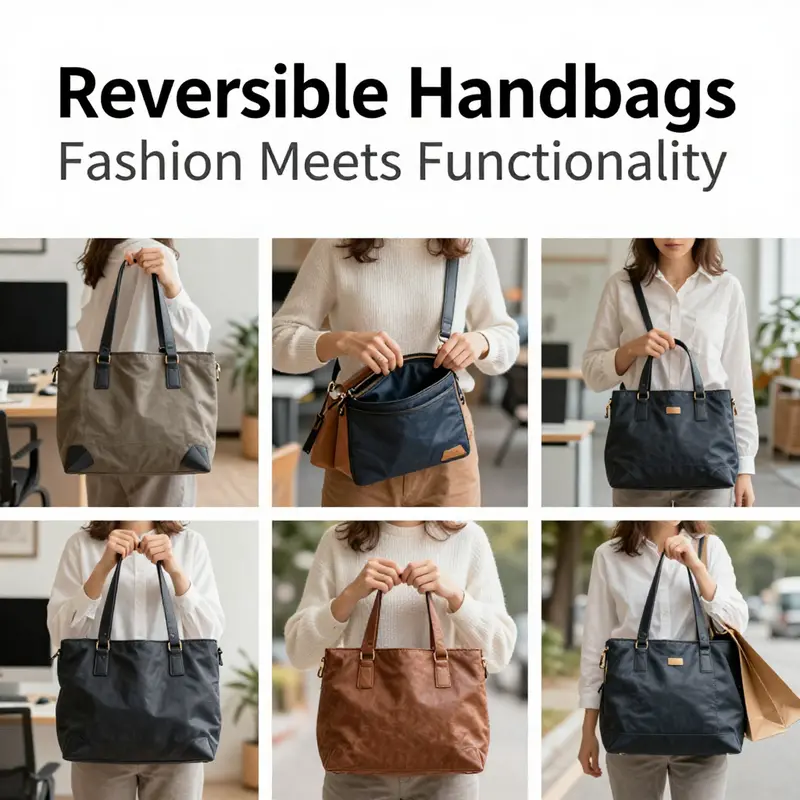
A reversible handbag presents a deliberately simple proposition with far-reaching implications. It is a single accessory that offers two distinct faces, each with its own mood, color, or texture. The idea rests on a straightforward principle: provide more options without adding bulk. In practice, this means a bag that can adapt to a workday, a weekend outing, or a spontaneous shopping trip by simply flipping to the other side. The practicality of this concept lies not just in variety but in the way it consolidates decisions. A person no longer needs to choose between a formal bag and a casual one; a single, well-made piece can bridge both needs, saving space in the closet and time in the morning routine. This duality speaks to a broader consumer desire for efficiency paired with self-expression. A reversible handbag becomes less about owning two bags and more about possessing a single, intelligently engineered tool for daily life.
From a functional standpoint, the versatility of a reversible tote is amplified by its structure. A well-designed reversible bag uses two complementary faces, each secured within the same silhouette, so the transition is smooth, secure, and low-effort. The materials are typically chosen for durability and weight, balancing the need for a lightweight daily companion with the demand for rugged everyday use. Faux leather, canvas, and other coated fabrics are common because they resist wear while maintaining a sense of tactility and style. What makes the construct particularly compelling is the careful attention to stitching, reinforcement, and hardware. Reinforced seams, robust zippers, and sturdy straps ensure that flipping between sides does not compromise longevity. In a product category noted for practical fashion, this engineering matters as much as the aesthetic shift from one face to the other.
Sustainability emerges as a central thread in discussions about reversible handbags. The dual-face concept inherently reduces clutter and supports a leaner wardrobe. When a single bag can serve multiple outfits and occasions, the impulse to purchase additional bags often recedes. This is more than anecdotal thinking; it reflects a broader shift toward mindful consumerism. A reversible tote aligns with sustainable fashion values by extending the life of a single item and simplifying the consumer’s access to varied looks without duplicative purchases. In industry commentary, this practical reduction in demand for extra bags is highlighted as a meaningful contribution to reducing textile waste and the environmental footprint of fashion accessories. The logic is straightforward: one bag, two styles, fewer new bags in circulation. The result is a practical example of how form and function can intersect with ecological considerations in everyday products.
The design vocabulary of reversible handbags embraces both restraint and expressive possibilities. Contemporary geometry can give a bag a modern, structured vibe through clean lines and symmetrical shapes. Think triangles, hexagons, and cubes subtly woven into the bag’s face motifs or the stitching geometry, lending a crisp aesthetic that feels deliberate and timeless. Conversely, bold animal prints or textured surfaces offer a more assertive, fashion-forward persona. The appeal here is not merely about surface decoration; it’s about offerings that let wearers signal mood and persona through an accessory that remains functionally identical at the core. This balance between geometric precision and expressive patterning demonstrates that a well-made reversible bag can be both a workhorse and a statement piece. In short, designers lean into dualism: one side for polish and restraint, the other for personality.
Material selection and construction underwrite the practical promise of reversibility. High-quality fabrics and finishes guard against wear at both sides, while reinforced stitching and durable hardware protect the bag through frequent flipping and daily use. The dual-face concept invites careful planning around weight distribution, so the bag remains comfortable regardless of which side is worn outward. A lightweight build supports everyday errands, morning commutes, and even longer shopping trips, where comfort is as important as style. The objective is not merely to look good when carried; it is to feel confident carrying it. Longevity is built into the design by design, with attention to how seams are joined and how the straps carry weight. The result is a practical, reliable tote that performs across environments—from a crowded train car to a sunlit sidewalk after work.
Beyond personal use, reversible handbags have proven attractive for branding and promotional contexts. The two-faced concept translates naturally into a marketing tool—two looks, one bag, an efficient canvas for logos, messages, or color stories. In wholesale or corporate settings, a reversible tote can function as a tangible gift with lasting impact, offering a dual-access point for brand visibility across events and campaigns. The practical logic remains consistent: a single product that travels farther in the hands of a customer or client, delivering twice the impression with half the inventory space. This makes reversible totes appealing not only to individual shoppers but also to businesses seeking adaptable, cost-efficient branding solutions for urban promotions and events.
An important nuance of this category is user familiarity with hardware and interior organization. Readers who value practicalities such as removable pouches, built-in compartments, and adjustable straps will find that the most enduring versions of reversible bags often feature these conveniences twice over—once on each side or in a way that allows one side’s while-the-bag-is-open organization to complement the other. A removable cosmetic pouch, zippered interior pockets, and configurable strap lengths are details that elevate the everyday usefulness of the bag. Such features translate into real-world advantages: easier packing, better organization, and greater adaptability for different activities. The wearer can customize the interior layout to suit a day at the office, a weekend market, or a night out, with the confidence that the exterior will still coordinate with the outfit chosen for the flipping-face moment.
For readers curious about the nuts and bolts of getting the most from a reversible tote, hardware matters. Zippers, magnetic closures, and clasp systems can influence how smoothly a flip is executed and how securely the face remains aligned when carried. A practical discussion—such as one that explores totes with reliable zippers and thoughtful hardware—helps clarify how form supports function. See a concise examination of totes with zippers for an actionable sense of how hardware choices can impact overall usability tote-bags-with-zippers.
The appeal also extends to a consumer’s daily workflow. A reversible tote can simplify the morning routine by reducing the number of accessories a person needs to juggle. Rather than selecting one bag for work and another for gym, the wearer can switch between sides that are optimized for different contexts. The practical payoff is tangible: fewer bags to manage, less decision fatigue, and a sense of preparedness that flows from a bag designed to meet shifting needs throughout the day. It is not accidental that many reversible offerings emphasize lightweight constructions and durable fabrics, aligning with the realities of urban life where bags face regular wear and constant handling. In this light, reversibility is not a luxury feature but a compact, everyday solution that respects the complexities of modern schedules.
The narrative of reversibility also invites a broader reflection on how we curate our personal belongings. If a single accessory can accommodate multiple looks, it challenges the assumption that fashion equates to owning a portfolio of products. Instead, the concept encourages thoughtful selection and responsible consumption, reinforcing the idea that style can coexist with restraint. The result is a balanced ecosystem of form, function, and sustainability—where the practical architecture of a bag supports a lifestyle that values efficiency without sacrificing self-expression.
As this chapter threads together the ideas of versatility, durability, and style, it remains clear that the appeal of reversible handbags lies not in novelty alone but in the tangible benefits they deliver day after day. The two-faced design is a thoughtful response to how people actually live: they move between venues, outfits, and errands with minimal friction. The bag becomes a quiet ally—an instrument of efficiency that makes space for what matters most while still carrying a personal, evolving sense of style. In a marketplace crowded with options, the reversible tote stands out by turning a simple idea into practical advantage, reminding us that well-engineered simplicity can be as powerful as bold fashion statements.
External reading and further inspiration on sustainable fashion and the practical benefits of reversible designs can be found here: https://www.aliexpress.com/item/1005005298732479.html
Double-Saced Style: How DIY Trends Are Redefining Reversible Handbags
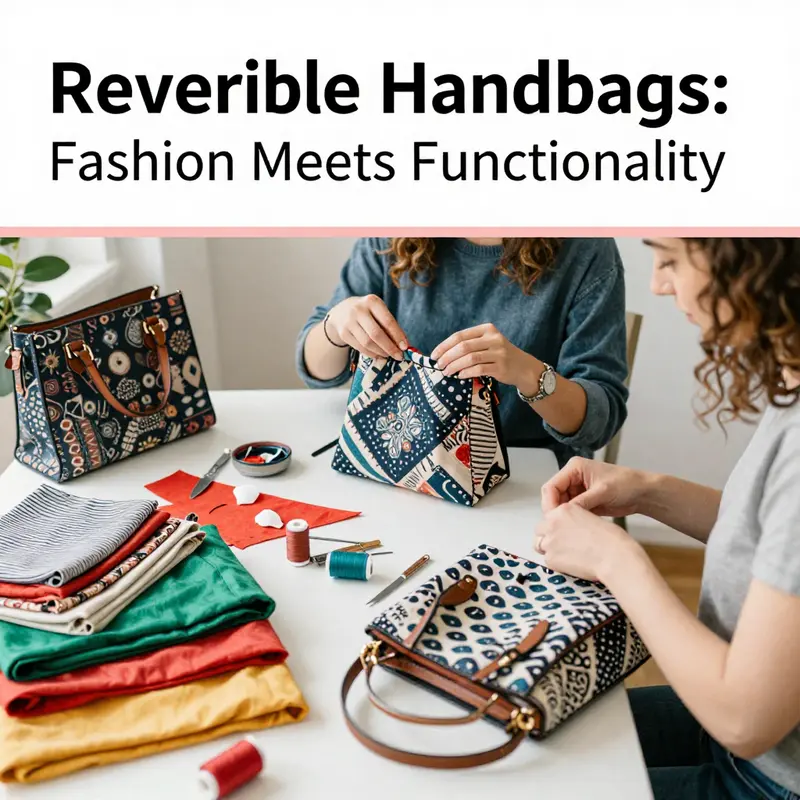
A growing DIY wave surrounds reversible handbags, turning a simple two-faced concept into a platform for personal storytelling. The flip from one side to the other becomes a design prompt, inviting fresh textures, colors, and moods. What began as a niche hobby for sewing enthusiasts has broadened into a visible practice on social feeds, where pattern-free guides empower beginners to start with minimal tools and still end with something wearable. The process emphasizes hands-on learning over strict plans, so mistakes become part of the creative journey rather than roadblocks.
This momentum sits at the intersection of 2026 fashion movements that favor multifunctionality, gender-neutral aesthetics, and modular thinking. A reversible bag embodies those ideals: it doubles its utility, helps reduce waste, and makes it easy to switch looks with a quick turn of the wrist.
In the DIY sphere, creators stress accessibility. Short, visual tutorials on platforms like TikTok show viewers how to sketch two useful sides and assemble them with basic stitches. The absence of a formal pattern means crafters learn by measuring, testing, and adapting. Beginners see a tangible result in hours, not days, which lowers the barrier to trying.
Construction choices matter. Crafters weigh materials that feel cohesive on both faces and plan how weight will distribute when the bag is carried. Many projects include a removable interior pouch or a slim liner to keep contents organized without complicating the dual-sided design. Seams must align so a visible edge on one side does not distort the other, and closures should function smoothly regardless of which face is outward.
Color blocking, texture contrasts, and small embellishments give each side its own personality while sharing a common backbone. A neutral side might invite subtle hardware, while the other can celebrate bolder hues or patterns. The aim is two distinct stories within one accessory, achieved by careful planning of stitching lines, anchor points for hardware, and a strap that feels balanced on both faces.
The community aspect is loud in these builds. Makers post progress, ask for feedback on fit and finish, and compare different methods. Pattern-free design invites experimentation, and the iterative loop—try, adjust, try again—builds confidence. Even when results aren’t perfect, the act of sharing an imperfect final piece often spurs new ideas.
Sustainability threads through every step. DIY reversibles encourage repurposing fabric scraps, thrift-store finds, and leftover zippers. Because you’re constructing two looks in one, there’s an inherent incentive to use what’s already at hand, cutting new-material demand. Some builders add a detachable interior pouch that can be used as a standalone mini bag, while others plan modular straps that switch length and style across outfits.
Durability remains essential. The dual-faced form doubles the opportunities for wear, so makers reinforce stress points, choose sturdy linings, and test closures for repeated use. They calibrate seam allowances and ensure that pockets and zippers perform well from both directions. The result is a bag that feels engineered for daily life rather than a quick novelty.
For a snapshot of current inspiration, tote bag trends offer a helpful barometer for what resonates in DIY circles. The emphasis is on versatility, solid construction, and easy customization. Trends shift quickly online, but the core appeal of a two-in-one accessory—practicality with personality—remains constant. tote bags trending.
Starting a reversible bag project means planning with both sides in mind. Decide which side will be the calmer counterpart and which will carry the expressive moment. Gather fabrics with similar weight, secure compatible closures, and sketch a simple interior pocket strategy. As seams come together, you’ll learn how to keep edges crisp, how the strap weight shifts, and how to ensure the final piece sits comfortably against the body when worn in different orientations.
The social dimension isn’t merely about showcasing results; it’s about listening to questions and adapting. Viewers wonder whether two fabrics can be joined with a single seam, or whether a magnetic closure holds up when used on both sides. The dialogue that follows becomes a practical guide, expanding what beginners feel capable of and helping seasoned makers test new ideas more boldly.
At its core, the DIY reversible bag trend is a meditation on taste, function, and responsibility. Two sides invite two moods; a shared structure preserves reliability. The approach asks for less waste, more choice, and a chance to curate an everyday tool in a way that mirrors a person’s evolving wardrobe.
To get started, look for two fabrics that wear well together and are similar in weight. Measure and cut with care, then stitch a durable base that can tolerate repeated folding and unfolding. A pair of compatible closures—zippers, snaps, or magnets—will keep both faces secure. When you add a removable pouch, you unlock quick organization and a little extra versatility. The goal is not perfection but progress, with each line of stitching bringing you closer to a finished piece you’ll actually use.
As DIY culture matures, the reversible handbag becomes more than a craft project. It’s a compact test bed for modular design, a reminder that fashion can be adaptable and responsible at once. By choosing materials mindfully and sharing the process, makers contribute to a broader conversation about how we assemble, reuse, and enjoy the objects we carry.
In the larger landscape of 2026 style, the reversible bag stands as a practical instrument for personal expression. It invites readers to think in two planes, to test ideas quickly, and to remix what already exists. Pattern-free guides, community feedback, and accessible techniques democratize the craft, turning two-faced potential into a daily habit of thoughtful making. External resource: DIY guide on TikTok.
Final thoughts
Reversible handbags exemplify the intersection of fashion and practicality, appealing to a growing consumer base seeking versatile accessories. By understanding the design innovations, material choices, market trends, and consumer preferences surrounding reversible handbags, business owners can better position their products to meet market demand. Additionally, the rising trend of DIY reversible handbags offers a unique angle for engagement and creativity within the industry. Embrace these insights to enhance your brand’s offerings and cultivate a more sustainable approach to fashion accessories.