

With the summer sunshine beckoning beachgoers, tote bags for the beach have become essential accessories for those seeking both style and functionality. For business owners in the tote bag industry, understanding what customers look for in beach tote bags is vital. This guide will delve into selecting durable materials, highlighting functional features, showcasing stylish options, and examining seasonal trends. Each chapter will provide valuable insights into what makes a tote bag an excellent companion for beach enthusiasts, thus allowing business owners to better cater to their clientele and boost sales during peak seasons.
Sea-Ready Fabrics: How to Choose Durable Materials for Beach Tote Bags
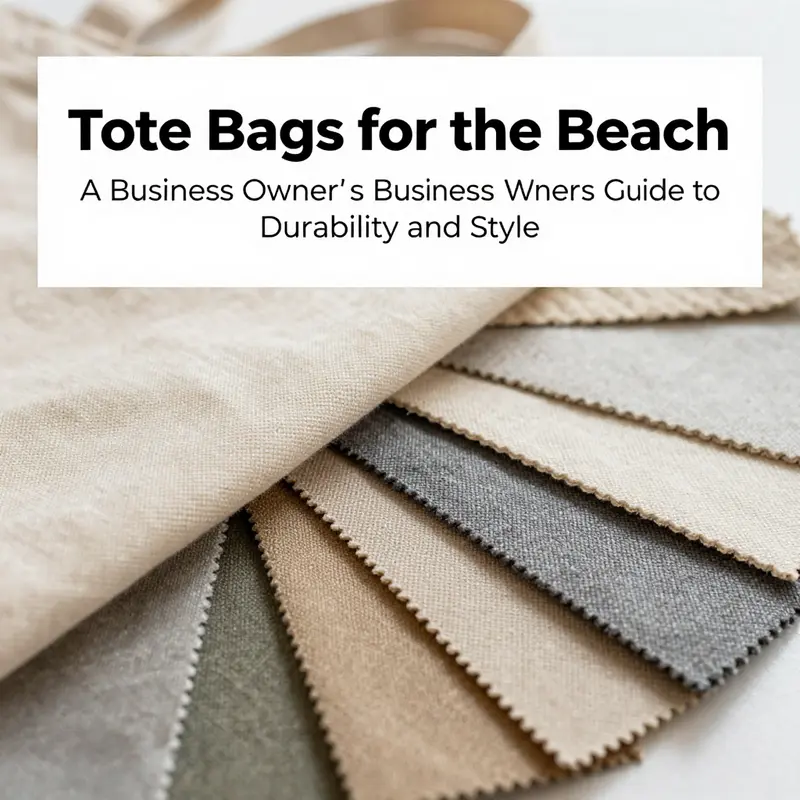
Beach days place tote bags under a unique set of pressures. Sand clings, saltwater splashes, and bright sun beat down for hours. The bag you choose must endure this environment while staying functional and easy to clean. A thoughtful material selection is the foundation of a tote that survives season after season, carrying towels, sunscreen, snacks, and a few beach reads without losing shape or appeal. To begin, a practical approach is to prioritize fabrics that resist moisture, dry quickly, and resist the harsh effects of salt and UV rays. The aim is not merely to keep water out but to manage moisture efficiently enough to prevent mold or mildew and to ensure that everyday wear does not dull the fabric’s strength or color. In this way, beach totes become reliable companions rather than disposable accessories.
Coated or treated cotton canvas stands out as a compelling option for those who want to preserve a natural textile feel without sacrificing water resistance. The cotton’s inherent strength provides a sturdy base, but the coating or treatment adds a barrier against splashes and a degree of water repellency. What makes this material particularly appealing for beach use is its balance: you retain the tactile warmth of canvas—a fabric that ages well with use—while gaining improved resilience to the damp conditions of coastal air. When you choose coated canvas, you often notice that sand brushes off more easily and damp items are less likely to leave behind moisture stains. It’s not completely waterproof, yet in most beach scenarios it performs well enough to prevent quick saturation during a light drizzle or a splash from a wave wobble. The natural texture remains pleasant to touch, which matters when you carry the bag in all kinds of weather and under bright sun that can heat plastic or synthetic blends in uncomfortable ways.
Another sturdy pathway is polyester-based canvas, which blends the best attributes of polyester with cotton’s familiar feel. This combination makes a tote that is inherently more moisture resistant and less prone to shrinking, two critical traits in salty, sun-drenched environments. Polyester’s resilience to UV radiation helps maintain color and strength even after repeated exposure to long beach days. The material dries quickly, a crucial advantage when you return home with damp towels or damp swimwear stuffed inside. It also resists fading more readily than natural fibers, so bold color palettes stay vibrant across many seasons. For a traveler who wants a bag that can accompany spontaneous weekend getaways along with beach trips, a polyester-cotton blend provides a reliable middle ground between comfort, performance, and price.
In the broader material landscape, heavyweight options—those around 12 to 16 oz per square yard—offer a higher degree of durability without necessarily adding excessive weight. The oz/yd² rating serves as a practical guide to strength: the higher the number, the more capable the fabric is of standing up to repeated load bearing, abrasion from sand, and the occasional snag from rough beach surfaces. A 12–16 oz range is frequently cited as especially suitable for beach totes, delivering a robust presence that feels substantial in hand but remains portable enough for everyday use. This emphasis on density translates into a tote that can hold thick beach towels, sunscreen tubes, water bottles, and a camera or book with less risk of the fabric fraying or the seams giving way under pressure. The durability is not solely about the fabric’s heft; it also converges with design choices that reinforce longevity.
Reinforced stitching is the quiet workhorse of any durable tote. The most practical approach is double or even triple topstitching along stress points such as the top edge and the handles. This kind of stitching helps distribute weight more evenly and resists the pull of heavy loads. For bags destined for sand and surf, sturdy handles emerge as a nonnegotiable feature. Handles crafted from thick canvas or even leather provide a reliable grip and improved load bearing when the bag is loaded with a beach towel and bottles of cold drinks. The combination of strong fabric and reinforced seams creates a chamber that can absorb daily wear, rough sand, and occasional drops without compromising the bag’s structure.
A well-designed interior can further protect the contents from moisture and grit. Waterproof linings help to shield the bag’s interior from splashes and damp items, while zippered compartments offer a secure place for valuables like keys, a phone, or a small wallet. These design choices matter at the beach when small items easily slip into hidden corners of a tote or when damp items leave a musty residual odor if they are left in contact with fabric for long periods. A water-repellent lining also makes quick wipe-downs more effective, turning a sandy, damp tote into a bag that can be rinsed and air-dried without lingering stains or odors.
The durability conversation should also include the tote’s base and silhouette. A flat, structured base helps the bag stand upright on uneven beach surfaces, turning the tote into a practical side table for a drink, a book, or sunglasses. The upright stance reduces the risk of the bag tipping over and spilling its contents, which is a small but meaningful convenience after a swim or a long walk along the shore. A structured base often means additional fabric or a subtle reinforcement layer, but it pays off in daily usefulness. As the base holds its shape, it also supports the bag’s overall load-bearing performance, making it easier to carry heavier items without the sides bulging or collapsing under weight.
Beyond the core materials and stitching, there is room for thoughtful extras that can elevate a beach tote’s practicality without compromising its durability. For some, a removable tray or a slim, easily cleaned surface can turn the tote into a portable beach picnic station. These accessories are not essential, but they illustrate how a well-made tote can adapt to varied beach rituals, from a quick lunch on the sand to a lazy afternoon with a novel and a cold drink. If you enjoy a touch of ambiance, consider options that do not add excessive bulk but enhance usability—features that respect the material’s durability while increasing daily joy. Light, unobtrusive touches like a small attachment for keys or a clip for a reusable water bottle can transform the tote into a more reliable companion without compromising its fabric’s durability or washability.
As you weigh color and pattern options, remember that durability is closely tied to how the fabric responds to exposure and care. Bold colors may fade over time with sun exposure, but choosing fabrics with UV-stabilized yarns or fabrics that have been treated to resist ultraviolet degradation can slow this process. The choice between natural earth tones and bright hues often reflects a balance between aesthetics and maintenance. Darker shades may be more forgiving of stains and sand, while vibrant patterns can be a personal expression of beach style. Either way, a high-quality fabric will maintain form and function far longer than a cheaper, lighter-weight alternative that may sag or fray after a few weekends.
In addition to the core fabrics discussed, recycled polyester and waterproof Oxford fabrics deserve attention for their performance advantages. Recycled polyester offers a durable and eco-conscious option that resists moisture and withstands the rigors of beach life. Waterproof Oxford fabrics take moisture management to a higher level, providing an even stronger barrier against damp conditions and making wipe-downs especially straightforward. These materials demonstrate how modern textile options can align durability with environmental considerations, a factor increasingly valued by beachgoers who want products that endure and reflect responsible choices.
For those who want to explore how material performance translates into real-world resilience, a deeper look into textile testing and performance standards can be enlightening. While brand stories may emphasize appearance and trend, durability rests on testing that simulates salt spray, sun exposure, and repeated loading. This is where external resources can give practical guidance on how fabrics are evaluated for endurance. For a rigorous, standards-based perspective on fabric performance, see the Textile Performance Testing guide. Textile Performance Testing.
If you’re drafting a shopping plan or evaluating a tote’s long-term value, consider how a material choice aligns with your beach routine. Do you tend to spend entire afternoons by the water, avoiding frequent landings for fresh bags? If so, a canvas or polyester-cotton blend with reinforced stitching and a waterproof lining might be ideal. Do you prefer minimalist setups with lighter loads and quick transitions from shore to cafe? In that case, a lighter 12 oz canvas with a simple interior may suffice, provided it has a dependable base and solid handles. The nuance here lies in choosing a fabric that balances weight, durability, and ease of care with how you actually use your tote on a regular basis. A bag that coordinates with your beach habits—standing up on the sand, resisting damp intrusion, and cleaning up quickly after a day in the sun—becomes more than a bag. It becomes a faithful, repeatable part of your shore routine.
To connect this discussion to practical shopping cues and ongoing conversations about fabric performance, one can explore related resources that catalog fabric types and their beach-ready properties. For readers who want to translate these durability concepts into tangible product choices, browsing a curated catalog of fabric-focused totes can help bridge theory and practice. A useful starting point can be found in discussions about fabric-focused totes that emphasize robust materials and practical designs tailored for everyday use. This connection helps readers move from abstract durability principles to concrete, everyday decisions about what to buy and how to care for it over time.
In sum, selecting a beach tote that lasts hinges on the material’s strength, water management, and resistance to sun exposure, combined with thoughtful construction details like reinforced stitching, sturdy handles, and protective linings. Coated cotton canvas offers a natural feel with enhanced water resistance, while polyester-based blends deliver moisture resistance and fade resistance that withstand long days in the sun. High-density weaves in the 12–16 oz range provide a durable core, and reinforced seams ensure load-bearing reliability. A flat, structured base elevates practicality, enabling easy standing on sand and use as a makeshift side table. Interior pockets and waterproof linings add another layer of protection for valuables and damp belongings. And as the beach ritual evolves, the possibility of lightweight add-ons or accessories illustrates how durable materials can support flexible, joyful experiences by the sea. For readers seeking more context on how fabrics perform under real-world conditions, the external guide on fabric performance testing remains a valuable resource to deepen understanding of textile durability and measurement standards.
To explore related perspectives on durable beach totes through a broader catalog of fabric-focused options, see the resource on fabric-focused totes for women, which delves into how different materials perform in daily wear and seasonal beach use: fabric tote bags for women. This internal reference helps connect the material science discussed here with a practical lens on consumer choices and design trade-offs. By blending material science with practical design considerations, you can approach beach tote shopping with clarity and confidence, selecting a bag that stands up to sand, salt, and sun while remaining easy to care for and enjoyable to use on countless seaside afternoons.
Shoreproof by Design: The Functional Anatomy of a Beach Tote
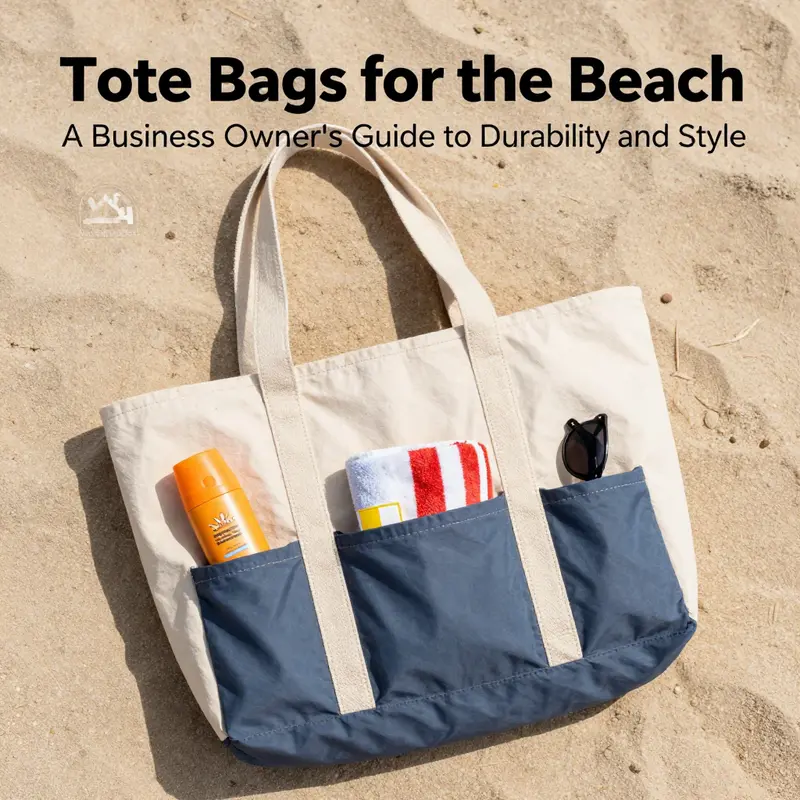
A beach tote is more than a sail through sunlit hours; it is a compact, weather-tested companion that stays reliable when the shore turns breezy, sandy, or sun-blasted. The best totes do not merely carry towels and snacks; they respond to a landscape that shifts with the tide and the crowd. A well-made bag anticipates this environment with a quiet, intelligent architecture—material choice, construction, and layout working together so that every grab, every stow, and every wipe-down takes less effort. When a bag feels designed for the sea, it invites repeat days at the beach rather than a hurried, last-minute scramble. In that sense, the functional features of a beach tote reveal themselves as a coherent philosophy: durability in daily use, organization that respects the pace of a shoreline day, and a comfort level that makes a long outing feel effortless instead of exhaustive.
Material choice anchors the experience. A tote that can weather salt spray and shifting sand starts with fabrics built for moisture and sun. Recycled PET fabrics—derived from plastic bottles—offer a durable alternative with a modern edge. They are typically woven into a sturdy face and finished with a water-repellent treatment that helps resist splashes and light rainfall. In the same family of practical textiles, waterproof Oxford or waxed finishes provide an extra layer of protection against wind-driven spray and damp sand. The practical aim is straightforward: fabrics that resist moisture long enough to wipe clean, rebound to their original shape, and dry quickly enough to avoid a damp, clingy interior. By contrast, untreated natural weaves can absorb moisture and cling to dampness, inviting a musty feel and a sagging shape when the bag is loaded with towels and swimwear. The material choice is not about chasing fashion trends but about building a dependable surface that endures, cleans easily, and keeps its form through many salt-scented rounds of use.
Sand resistance emerges as a defining test for any tote destined for the beach. A bag that sheds sand willingly reduces the daily chore of cleaning and helps maintain a tidy interior for valuables and essentials. A practical field test is simple: pour a small amount of dry sand into the bag and give it a few shakes. The best designs release granules through seams and openings rather than trapping them in corners or at the base. An upright stance is another indicator of sand-friendly engineering; a bag with a flat or minimally angled base distributes weight evenly and minimizes tipping when you set it down on a towel or blanket. Zippers and closures that glide with little resistance after a sunlit afternoon are a sign of meticulous detailing. When sand falls away with a gentle shake, you feel the difference between a bag that looks sturdy and a bag that truly functions in a challenging environment. This is why the geometry of the bag matters: if you can shake out most of the sand without wrestling the fabric, you have a bag built for long, sunlit days rather than a single excursion.
Accessibility and organization shape the daily rhythm of a beach visit. Exterior pockets become quick access points for essentials you reach for as soon as you step from the water or lay down a towel. Keys, sunscreen, and sunglasses deserve their own nooks, not a buried corner where sand and water can intrude. An exterior pocket with a secure zipper offers a speedy, sand-free retrieval path, while interior compartments and zippered pockets help you secure valuables, keep makeup or snacks separate, and prevent smaller items from drifting to the bottom with the bag’s weight. A removable pouch—useful for cosmetics or a spare swimsuit—adds versatility and reduces the temptation to rummage through a single cavernous space to find a single item. The ideal layout blends ease and security: it is possible to snap a car key back into a small clip, tuck a phone into a weather-resistant sleeve, and still have room for towels without the bag feeling crowded. To illustrate how a beach-focused approach can translate into design, consider a collection that emphasizes coastal practicality and resilience at the core, including a dedicated option for a practical, sun-ready lifestyle. For readers exploring examples that align with beach-ready functionality and everyday resilience, a curated option can be found at tote-beach-bags-for-women.
Capacity is essential, yet the form must sustain itself when filled. A large tote is attractive precisely because it promises to accommodate towels, swimwear, snacks, and reading material. But a tote that carries a lot must also hold its shape, or the moment you lean over to grab a water bottle you risk a collapsed interior or a toppled pile of items. A sturdy base helps maintain upright form even when towels are damp and bulky. A wide opening makes packing and unpacking effortless, particularly when time is tight or hands are sandy and tired. Some designers experiment with retro-influenced geometry to maximize capacity without sacrificing stability. The round beach towel bag concept, inspired by 1970s and 80s aesthetics, places the towel at the heart of the design. The towel itself acts as a lid, opening to reveal a cavernous interior for towels, sunscreen, and picnic essentials. The aesthetic nod to past decades is more than a visual flourish; it embodies the principle that a bag can be both playful and pragmatic. The challenge for designers is to integrate this kind of thinking without compromising everyday usability: a bag that looks clever should also feel intuitive when you reach for a snack or a book. The overarching point remains clear: the best beach tote balances generous capacity with robust structure, so you never feel as if you have to compromise on either space or stability.
Ergonomic design completes the package for those who walk across sand with weighty loads. Heavier on the shoulder or in one hand, a tote can quickly become fatiguing on long trips from the parking lot to the shore or from the water’s edge to a shaded spot. Backpack-style tote configurations offer a hands-free, ergonomic alternative that distributes weight across the shoulders and back. Padded shoulder straps and a supportive back panel reduce pressure and prevent rubbing or chafing after hours in the sun. Distributing weight evenly not only preserves comfort but also enhances stability on uneven terrain. This ergonomic approach is especially valuable for families or travelers who carry multiple items, including a reusable water bottle, a sun umbrella, or a lightweight chair. The goal of comfort is not luxury; it is reducing fatigue so the day can extend beyond a single swim or an isolated stroll. When this care enters the design, the bag becomes less a burden and more a trusted partner that allows you to stay active, relaxed, and prepared, whether you are moving along a boardwalk or wandering between beach blankets.
Care and maintenance are not afterthoughts; they are intrinsic to longevity. A robust tote should respond to cleansing with minimal effort, which encourages frequent use rather than deferred maintenance. Dirt and salt can accumulate, but fabrics that resist moisture and dry quickly simplify routine care. A wipe-down after a day at the beach, followed by air-drying away from direct sunlight, helps prevent color fade and stiffness. Storage matters too: a flat bag or a collapsible model that tucks into a suitcase or a closet keeps its shape for seasons to come. Coastal environments bring humidity and odor challenges, so fabrics with odor resistance can help preserve a fresher feel after repeated adventures. The result is a tote that remains reliable—day after day, season after season—rather than becoming a casualty of a single beach outing.
Beyond the shore, a thoughtfully designed tote can accompany you into city streets, poolside afternoons, and weekend picnics. A versatile tote that travels well with a wardrobe also strengthens its value as a long-term purchase. Exterior pockets and internal organization make cross-usage easy, while color and pattern choices—bright hues, bold stripes, or seaside-inspired prints—can translate beach practicality into daily style. The overarching aim is not to force a choice between performance and aesthetics; the best bags fuse both in a way that suits a shifting lifestyle. To orient readers toward designs that emphasize coastal functionality and everyday resilience, one practical reference point centers on a collection geared toward beach-ready versatility. Enduring features such as a secure exterior pocket, a flat base, and an ergonomic strap system remain standard markers of quality for audiences navigating both sandy shores and urban avenues.
For those seeking broader guidance on selecting the right tote for a stress-free summer beach routine, a comprehensive external resource offers tested insights and actionable advice. It explores how to balance material durability, sand-shedding capability, organizational layout, capacity, and comfort across different use scenarios: https://www.budgettravel.com/articles/how-to-choose-the-perfect-tote-bag-for-stress-free-summer-beach-trips
Shoreline Style, Everyday Utility: Crafting the Perfect Beach Tote for Fashionable Practicality

A beach tote is more than a carryall; it is a companion that travels from sunlit mornings to blue twilight evenings, bearing towels, sunscreen, books, snacks, and the small rituals that make a day by the sea feel effortless. The best options blend resilience with ease, marrying material science with coastal practicality. When you face sand that clings, salt air that pricks, and sun that bleaches color, a bag built to endure can become a trusted partner rather than a liability. To this end, the most reliable beach totes rely on materials that resist the elements and retain their shape after long days in sun or rain. Heavyweight canvas, typically around ten ounces or more, offers substantial heft and a tactile sense of durability. Waxed or coated fabrics provide a moisture barrier that helps shed damp sand and splashes, while recycled polyester and waterproof Oxford fabrics deliver quick drying and easy cleaning. Each of these choices has a distinct character, from the rugged matte of canvas to the slick sheen of coated textiles, yet all share a common purpose: to endure the beach’s friction and the daily wear of travel, shopping, and picnics without showing wear.
A well chosen tote also recognizes the realities of human movement at the shore. Reinforced stitching, especially along the handles and base, is not a luxury but a guarantee that the bag will hold up under weight and yardfuls of sand. Wide shoulder straps distribute weight more comfortably, reducing the strain that can turn a stroll into a muttered complaint. Interior pockets or pouches keep small essentials accessible and secure, transforming a chaotic jumble into a predictable organization. A flat, structured base is not just a design flourish; it ensures the tote stands upright on the boardwalk or hotel room floor, turning the bag into a stable surface for a phone, sunglasses, or a bottle of water without compromising balance.
Beyond sturdiness, the tote should adapt to a day of movement. A removable bamboo tray is a practical delight for those who want a simple, elevated surface for snacks or a drink without perching items on a towel. Some travelers crave a touch of ambient convenience, such as solar powered lights that illuminate the interior after dusk so keys and lip balm can be located in a quick, calm search. These touches are not essential for every shopper, but they illustrate a broader principle: a great beach tote can flex with occasions, from a spontaneous picnic on the dunes to a quick airport layover that spills into a seaside dinner.
Function extends to the way the bag interfaces with the rest of a trip. When a tote is designed for travel or frequent use, clever structuring becomes part of its appeal. A flat base that maintains its shape helps the bag stand on a towel or blanket, turning the surface into a makeshift table for a book or a sunscreen bottle. Internal organization inserts or modular pockets can isolate slippery items like sunscreen from electronics, while side pockets catch a spare chapstick or a small key. The ability to keep sand out of the interior, through thoughtful closure options or simple interior dividers, is another mark of usefulness. It is the difference between a bag that simply carries items and one that protects them from the day’s elements and the day’s demands.
Style and color play into the decision without diluting practicality. The beach has long been a canvas for pattern and hue, with waves, florals, and stripes that echo the surrounding landscape. A tote that nods to summer through color and print can elevate a simple outing into a personal statement, while remains robust enough to be your everyday carry. The choice of color and pattern is less about chasing trends and more about building a dependable, long lasting companion. A bright hue can increase visibility on a crowded boardwalk or in a crowded trunk, while a deeper shade may hide smudges and dust. The most effectively styled totes balance visual appeal with material integrity; the pattern or color should not wear away before the fabric does, and the finish should resist fading after repeated cleanings.
Color and pattern do not have to shout to be effective. A large capacity tote can accommodate a towel, a swimsuit, a bottle of water, a paperback or e reader, sunscreen, a small beach umbrella, and a light cardigan, without requiring a second bag to haul the same items. The most versatile options lean into a simple silhouette yet offer enough space to spread out a miniature picnic. When patterns are used, they tend to be bold but not overwhelming, so they remain compatible with different outfits and settings. The goal is to hit a balance where your tote feels cohesive with your beach wardrobe while still offering the practicality you need when the sand sticks to your shoes and the wind tosses a few stray grains.
For shoppers who want a sturdy everyday canvas option, many find value in exploring canvas totes that emphasize craft and durability. A reliable canvas tote can be especially attractive for long weekends or coastal day trips, where it proves hardy enough to withstand a round of seashells and souvenirs without losing its structure. For those who want a more modern edge, a water resistant fabric with a clean finish provides a contemporary aesthetic that still reads as beach friendly. The function remains the constant; the look shifts to suit personal taste and the context of use. To integrate this reality into a practical decision, it helps to imagine a typical day on the coast and outline the items you will carry. Think towels, sunscreen, a hat, a book, and a light sweater for the evening breeze. Then consider how many of those items can fit while still leaving room for a water bottle and a reusable bag of snacks. The mental test reveals the appropriate size and reinforces the principle of not overloading a bag with unnecessary weight.
As you refine your sense of the right tote, you might notice a practical pattern emerges. A bag with a smaller ecological footprint can still deliver immense utility if it leverages a few core design principles: a strong base, reinforced seams, a practical strap width, and well placed pockets. These elements create a package that feels tailored to the heart of beach life: sand, water, sun, and the slow pleasure of a day well spent. The open top of many patterned or coated totes is a deliberate choice, inviting quick stashes for items you reach for often and quick retrieval when you need to switch from sunscreen to sunglasses without fumbling. Yet an open top also requires careful internal organization. A simple, removable insert can add structure and help you carve out a dedicated space for keys, phone, and wallet, making the tote feel less like a beach hazard and more like a portable, personalized station.
In the same spirit of practical refinement, a handful of travelers gravitate toward gear that folds neatly away in a suitcase yet expands to full size on arrival. A waterproof beach tote that folds flat into a compact pouch is the rare combination of travel efficiency and on site readiness. Airlines appreciate bags that can slide beneath a seat because they keep your carry on close and your access simple. The design behind such a tote is straightforward: lightweight yet durable construction, a foldable structure, and a dimension profile that remains compliant with cabin restrictions. The result is a tote that can go from the airport to a seaside town with little change in gear, letting you arrive ready to enjoy the sand, the surf, and the simple rituals of a beach day.
Beyond the mechanics of how a tote is built and how it travels, there is a cultural dimension to beach carrying gear. Sudden showers, long strolls along the shore, picnic lunches, and sunset conversations can all become more memorable when the bag itself carries a certain poise. A bag that looks good in the sun and performs well in wind is a quiet act of preparation, much like selecting a reliable pair of sunglasses or a dependable sunscreen. The bag becomes a facilitator of comfort rather than a hurdle. It invites you to linger longer, to reach for a book, to share a snack, and to move with the confidence of someone who knows their gear has got them covered. When a tote achieves this balance of form and function, it dissolves the friction that otherwise makes travel feel like a chore. It is not simply a vessel for belongings; it is a flexible extension of your own intent for the day.
To anchor this discussion in a concrete, experience oriented approach, consider the open top pattern and the choice of fabric as two of the most consequential decisions. The fabric handles the day to day realities of sand and spray; the openness of the top invites quick access when you return from a swim or when you pause for a snack. The combination of structural integrity and ease of use creates a bag that feels appropriate for a wide range of scenarios, from a tranquil stretch of shore to a bustling seaside market. The end result is a tote that remains faithful to its purpose while presenting a polished, thoughtful appearance that can blend with different outfits and settings. As daytime light shifts and the shoreline grows more crowded, the tote stands as a resilient, stylish anchor for your beach experience.
Internal linking note suggests a practical route for readers seeking a particular type of durable canvas option. For a sturdy everyday canvas option, you might explore options described in a collection that features womens canvas tote bags. This pathway can help you compare capacities, stitching details, and organizational features across several silhouettes without sacrificing the sense of cohesion and practicality that makes a tote enduring.
External resource: https://www.example.com/polka-dot-weekend-bag
Seasonal Rhythms of Beach Totes: Color, Craft, and Coastal Versatility

Seasonal rhythms shape the tote that accompanies summer days at the shore. In the wake of spring, vacation planning accelerates and coastlines become backdrops for sunlit pauses, guiding the design and selection of beach totes. Across major markets May through August functions as a pulse year after year, a period when travel itineraries and weekends by the water coalesce into demand for bags that endure sun, salt, and soft sand. The window aligns search trends, consumer intent, and retail strategy, producing interest in terms like beach bag and tote bag for the beach. The pattern goes beyond capacity or style; it is about resilience under heat, ease of cleaning after a day near water, and the ability to reorganize essentials for a quick shoreline retreat.
Durability influences material choice: heavyweight canvas, coated fabrics, and water resistant finishes help a tote withstand sand and spray. Laminated or waxed textiles add weather resistance, while recycled polyester offers lighter weight without sacrificing structure. A flat, structured base keeps the bag upright on uneven boardwalks and sun warmed pavements, doubling as a tiny surface for magazines or sunscreen. Easy maintenance is a hallmark of the season, with quick wipe downs and air drying being standard expectations for daily use.
Functionality and versatility remain central. Wide straps distribute weight, interior pockets aid organization, and detachable components transform a tote into a day trip organizer or compact picnic basket. Some designs accommodate travel needs with sleeves for a bottle, map, or charger. The trend leans toward lightweight, structured forms that blend durability with style, enabling a bag to move from beach to boulevard with ease.
Color and print narratives also drive the seasonal story. Bright palettes, tropical hues, and bold prints signal mood and intention. In a seaside wardrobe, a tote can either blend in or stand out, depending on color story and texture. The result is a tote that feels like part of the vacation uniform, a versatile companion for sun, sand, and sea.
Final thoughts
As the demand for beach tote bags continues to grow, business owners must prioritize understanding their customers’ needs by focusing on durability, functionality, and style. By selecting the right materials and incorporating practical features, entrepreneurs can offer products that not only meet but exceed customer expectations. Additionally, staying attuned to seasonal trends will ensure that tote bags remain appealing year-round. Ultimately, a well-designed beach tote bag can be a lucrative addition to any business, especially during peak summer sales times.