
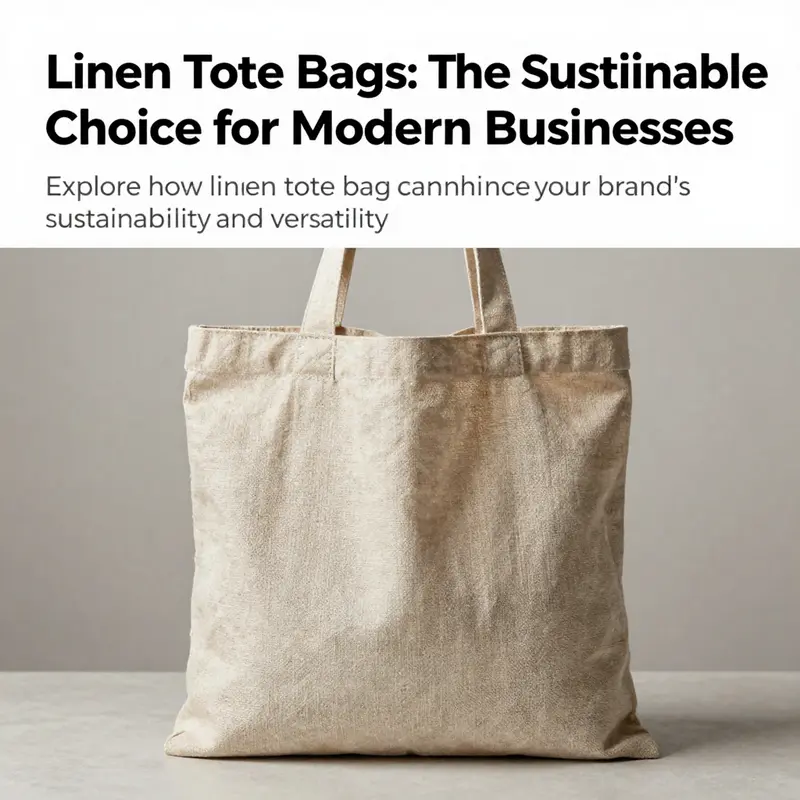
As businesses increasingly prioritize sustainability, linen tote bags have emerged as an eco-friendly alternative to traditional carry solutions. Crafted from the natural fibers of the flax plant, these bags not only contribute to environmental conservation but also offer a practical and stylish choice for consumers. In this exploration, we will delve into the sustainability and environmental impact of linen tote bags, examine their durability and practicality, and highlight their versatility and usage scenarios. Understanding these facets will empower business owners to make informed decisions that align with their brand values and customer demands.
Weaving a Sustainable Path: The Linen Tote Bag and Its Environmentally Mindful Footprint
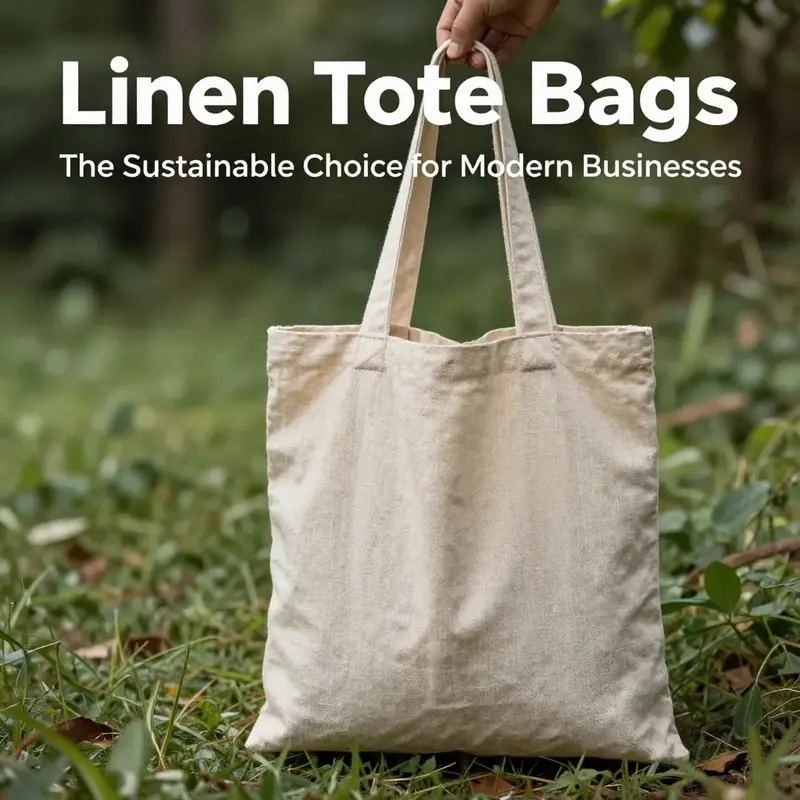
The linen tote bag sits at an interesting crossroads between utility and conscience. It is not merely a vessel for groceries, books, or a daily commute; it is also a reflection of how a simple, well-made object can align with a broader ethic of care for people, land, and climate. Linen derives from the flax plant, a fiber celebrated for its breathability, its quiet elegance in drape, and its reputation as a materially light touch on the planet. When you hold a linen tote, you can feel the optical coolness of a fabric that moves with a breeze and stays crisp in the heat—a practicality that makes linen a natural partner for warm weather and for the cadence of everyday life. Yet the true measure of its sustainability rests not in the tactile charm alone but in the life cycle that begins in the field and ends in a well-used bag that has reduced the need for disposable alternatives.
The journey of linen begins with flax, a plant that has earned recognition for requiring comparatively modest water inputs and for the potential to grow with fewer synthetic inputs than some other textiles. In many farming systems, flax can be cultivated with little or no synthetic pesticides or fertilizers, especially when farmers turn to organic practices. That absence of chemical intensity translates into a lower risk of soil and water contamination along the upstream chain, a small but meaningful component in the larger mosaic of a more responsible textile supply. Flax has a history of contributing to soil health through its growth cycles; as a crop, it tends to help aerate soils and leaves behind organic matter that can feed the soil ecosystem after harvest. For households seeking to minimize environmental impact, flax offers a compelling story of low-input farming that keeps the emphasis on long-term soil vitality rather than rapid depletion of resources.
The production thread that ties flax to the tote bag also carries a pragmatic note about energy use and processing. Linen’s manufacturing chain generally consumes less energy than many other natural fibers, particularly when the stages are optimized for efficiency and when renewable energy sources are available in the processing facilities. The fiber’s character—strong yet less elastic—calls for careful design choices in the bag itself. A dense weave and reinforced handles increase durability, allowing the bag to perform well for groceries, books, and daily essentials over an extended period. It is here that the sustainability equation becomes a practical matter of usage patterns: linen shines when it is used repeatedly rather than preserved in mothballed condition. A bag that travels from home to market and back again reduces the demand for new resources over time, especially when it is repaired or repurposed rather than retired after a single season of wear.
The end-of-life narrative for linen adds another layer to its environmental profile. Linen is biodegradable and compostable, a natural end-point that fits into circular consumption models. The fiber can break down in a composting environment, returning nutrients to soil rather than lingering in landfills. This biodegradability rests on the premise that the bag has not been treated with finishes or dyes that significantly impede decomposition. When designers and makers choose finishes with care—minimizing harsh bleaching or heavy synthetic dyes—the post-use phase of the linen tote becomes a cleaner story, one that can be woven again into the cycle of renewal. These aspects—low-input farming, energy-conscious production, durable design, and end-of-life biodegradability—are not isolated attributes but interlocking elements that shape linen’s overall sustainability footprint.
Yet the story is not without its tensions. Linen is inherently strong; flax fibers can outrun cotton in tensile strength, offering a robust base for a tote that must carry everyday loads. However, linen lacks elasticity, so it creases more readily and may sag under heavy weight if the weave is loose or if the bag is not reinforced at stress points. This is not a flaw so much as a design constraint that disciplines the bag’s form. A tightly woven fabric and reinforced handles, along with thoughtful seam placement, can mitigate sagging and preserve shape through repeated use. The practical implication is clear: linen tote bags designed for longevity tend to favor sturdier constructions, a consideration that has wide resonance for consumers seeking long-term value from a single purchase. In this light, the sustainability of linen is not merely about what is grown or how it is processed; it is about what we demand from our everyday objects and how those demands shape the choices made by makers and brands.
The conversation around sustainability also invites reflection on the broader system that brings linen to the street. Transportation emissions, a factor often overlooked, can account for a significant share of the bag’s overall carbon footprint if flax, yarn, and finished goods travel long distances between continents. The geography of production matters here: shorter, more regional supply chains can lessen transport-related emissions and strengthen the integrity of the farming and manufacturing practices involved. Where dyeing and finishing are concerned, the environmental weight of linen depends on the techniques employed. Sustainable dyeing processes that minimize water use and chemical discharge add a positive dimension to the fabric’s life cycle, especially when dye batches are carefully managed to avoid waste. The point is not to mistake linen’s clean-water aura for a universal exemption from environmental scrutiny; rather, it is to recognize that real stewardship is vigilant at every stage, from seed to seam to seam allowance.
The lifecycle assessment (LCA) conversation is an invitation to compare linen with other materials in a nuanced way. The truth is that there is no single material that outperforms all others in every dimension. Linen’s advantages—low water requirements in cultivation, potential absence of pesticides, energy-efficient processing, biodegradability, and long lifespan—work in concert with its limitations, such as elasticity and vulnerability to weight when not properly engineered. In practice, the best approach for a consumer who wants to support sustainability is to consider how a linen tote will be used, cared for, and maintained across years. A bag that lasts longer because it is cared for—kept out of damp storage, hand-washed when appropriate, and mended when seams loosen—achieves more with less, a core principle of sustainable consumption. In that sense, linen invites a slower, more deliberate rhythm of use: one in which an item’s value is measured not by novelty but by how many times it travels from hand to hand, from market to kitchen, and back again in a single, purposeful lifetime.
The discourse around linen’s environmental impact also touches on the choices that readers and shoppers can make when they seek a linen tote that aligns with a broader ethos. The option to pursue organic flax cultivation, for instance, means prioritizing farming practices that emphasize soil health, biodiversity, and reduced chemical inputs. For customers, the decision to support products with transparent sourcing and verified sustainability credentials can shift market incentives toward more environmentally sound options. In practical terms, this translates to selecting bags with sturdy construction, dense weaves, and durable hardware designed to withstand daily use without resorting to disposable replacements after a few weeks of wear. Linen’s capacity for repeated use is its most potent argument for sustainability: a bag that travels through seasons, never needing replacement as quickly as synthetic alternatives, can, over time, reduce the volume of waste associated with fast fashion and disposable carry solutions.
When readers think about integrating linen into a sustainable lifestyle, there is a natural curiosity about how linen sits alongside other fabrics. For readers curious about how linen sits alongside other fabrics in everyday bags, see a broader range of fabric tote bags for women. This internal reference provides a broader view of how linen can coexist with different fiber blends, finishes, and design strategies that emphasize longevity, repairability, and a gentle environmental footprint. The key takeaway is to see linen not as a solitary icon of green fashion but as part of a continuum of materials, each with its own tradeoffs and advantages. The most responsible choice often involves selecting a design that optimizes durability, minimizes waste, and aligns with the shopper’s daily rhythms and values rather than chasing an abstract ideal of sustainability in every situation.
The environmental considerations of linen become more robust when placed within the broader tapestry of material choices. A well-constructed linen tote may outshine a disposable or short-lived alternative in terms of cumulative environmental costs because of its long lifespan and repair potential. The conversation, however, remains resiliently practical: it asks not only how linen is grown or processed but how people use and treat it. A bag that is carried, cleaned with care, and stored correctly has a better chance of remaining useful across many seasons. While the allure of linen’s natural feel and drape draws many to its folds, the real measure lies in the daily decisions that keep the bag useful for as long as possible. The goal is not to proclaim linen as a perfect answer but to recognize its strengths and design around its weaknesses in ways that extend life, reduce waste, and honor the land that yields the flax plant.
In this sense, sustainability is less a single feature and more a practice of thoughtful consumption. It requires design choices that emphasize durability, materials that minimize environmental burden, and consumer habits that favor reuse over replacement. Linen tote bags, when produced with attention to dense weaving, reinforced handles, ethical dyeing, and transparent sourcing, become a practical embodiment of that philosophy. They offer a tangible path to reduce reliance on single-use alternatives, while inviting a longer, more mindful relationship with the things we carry. The real impact, in other words, is not only in the flax fields or the factories that transform fibers into fabric; it is in how a bag becomes a partner in daily life—how it travels, how it ages, and how it persists as a friend rather than a throwaway object.
The broader takeaway, then, is that linen tote bags embody a set of tradeoffs that can be navigated with intention. The fabric’s low-water, low-pesticide potential, its energy-conscious production, and its biodegradable end-of-life story combine to create a footprint that, with careful design and use, can be smaller than many alternatives. The durability of linen supports a long usage horizon, while awareness of weight and structure advocates for sensible load limits and reinforced construction. In effect, linen tote bags offer more than a practical utility; they present a narrative of care—care for soil, for workers, for water, and for the longevity of the objects we choose to surround ourselves with. They remind us that the way we carry our daily lives can echo a restrained and respectful approach to the world beyond our closets and markets. And as the conversation about sustainability grows deeper, linen remains a material that yields a thoughtful balance between beauty, function, and environmental responsibility. External reading that delves into broader comparisons among tote materials can provide a helpful counterpoint for readers seeking a global view of planetary impact: https://www.ecocycleinsights.com/sustainable-tote-vs-recycled-plastic-backpack/.
Linen in Real Life: Balancing Quiet Luxury with Everyday Durability in Tote Bags
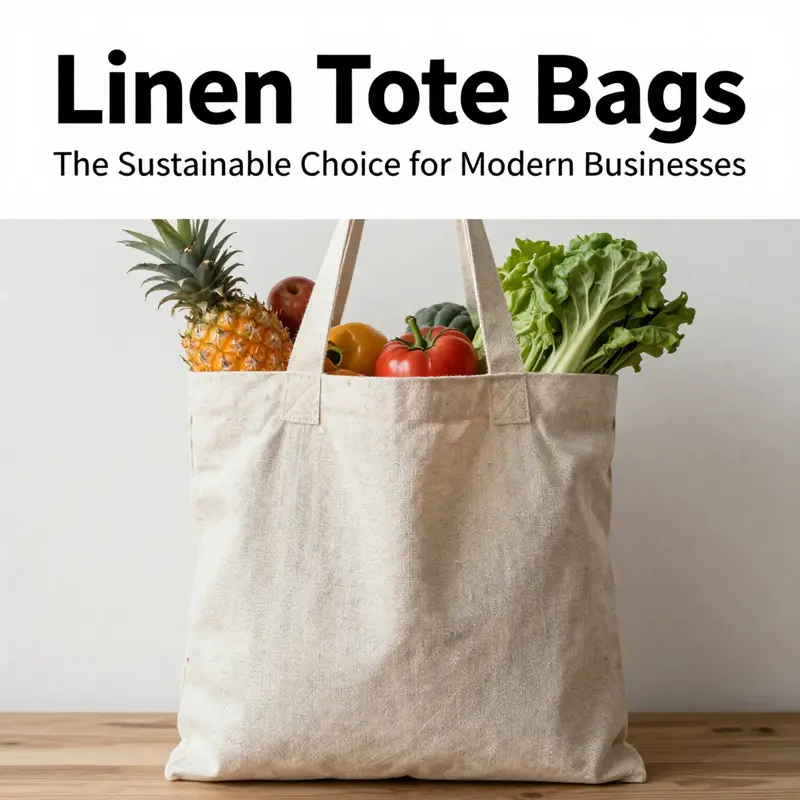
Linen tote bags carry an unmistakable air of quiet luxury. They invite the eye with a natural sheen, a soft yet tactile texture, and a drape that feels both effortless and refined. This aesthetic comes from flax, the plant whose fibers give linen its signature breathability and lightness. In warm weather, a linen tote seems to melt into the body’s rhythm: it is cool to the touch, it folds gracefully when emptied, and it gives back a little character with each crease and mark. But beauty alone does not decide how a bag will perform in the bustle of daily life. The practical question—how well does linen hold up under routine strain?—will shape decisions about when and where to reach for this fabric, and how to care for it so its life matches its promise. The answer lies in a nuanced balance between the fabric’s strengths and its limits, a balance that becomes especially clear when we weigh linen against the heavier, more unforgiving demands of everyday errands.
At the core of linen’s appeal is its intrinsic strength. Dry linen fibers are among the strongest natural fibers, and their tensile strength can exceed that of cotton in dry conditions. That strength matters, because a tote’s usefulness is inseparable from its ability to support weight without sagging or tearing. Yet the moment moisture enters the equation, the calculus shifts. Linen tends to lose strength when wet, with studies indicating a potential drop of up to about 20 percent. The practical upshot is not merely that a bag becomes heavier when damp, but that its structure can loosen under load or with wind-driven rain. This vulnerability is most visible at stress points—the junction where handles meet the body of the bag, and the corners where weight concentrates when the tote is set down or carried, especially if the weave is on the looser side. The flax fiber’s natural stiffness, which helps the bag hold a certain crisp silhouette on dry days, can become a liability when dampness softens the fabric and invites more deformation. In other words, linen’s strength is real, but it is not uniform across environments, and the fabric’s elasticity is intentionally limited, a characteristic that helps linen crease and fold rather than spring back into a rigid shape after use.
Beyond fiber strength, the structure of the weave matters a great deal. Linen’s weave tends to be looser and its thread count often lower than that of canvas, which is typically a tightly woven cotton or a dense blend. This looser weave gives linen its famous drape and a certain elegance, but it also means the fabric has less inherent rigidity and resilience when confronted with repeated bending, heavy loads, or rough handling. Over time, this translates into a tendency for the material to develop soft spots where stress accumulates, and for edges to fray with repeated contact against hard corners or rough surfaces. The difference between a linen tote and a canvas tote, in practical terms, often shows up in how each handles weight over days, weeks, and months of regular use. Linen may arrive with a crisp, minimal silhouette and a refined texture, only to yield a bit to gravity and load if used for heavy groceries or bulky items week after week. Canvas, with its denser weave and extra weight, maintains structure more reliably under similar conditions.
That divergence leads to a straightforward but important conclusion about practicality: linen wins on lightness, airiness, and an environmental ethos that many find compelling; canvas wins on everyday resilience and predictable form under more demanding conditions. For someone who values a clearly chic look, enjoys the tactile warmth of natural fibers, and carries lighter loads—books, a tablet, a handful of personal items, perhaps a small lunchbox—linen delivers a satisfying, durable performance that ages gracefully. The beauty of linen lies not only in the initial impression but in how it wears. A linen tote’s character deepens with use as natural creases mark time, the fabric softens, and the finish takes on a personal patina. That aging is part of linen’s appeal for many, a sign that the bag has lived a life rather than sat on a shelf. Yet that beauty comes with an important caveat: the same lived-in look is easier to sustain when the tote isn’t pushed to the limits of what it can carry.
In practical terms, the decision to choose linen should be guided by how heavy the daily load tends to be and how often the bag will meet damp conditions. For a commuter who primarily carries a few essentials—wallet, phone, a notebook, perhaps a slim laptop sleeve—the linen tote can perform with grace and durability if attention is paid to construction. A dense weave and reinforced handles are not just cosmetic features; they are functional choices that reduce the rate at which stress concentrates at vulnerable points. A bottom panel that is slightly thicker or a reinforced seam at the base can help the bag keep its shape as items shift during movement. Likewise, a lining adds a protective layer between the linen and stains or abrasion, preserving the fabric’s surface so it can continue to present well over time. A lining also helps keep damp items from directly contacting the linen, which can be a decisive advantage on days when an accidental spill or rain is possible. The upside of linen’s softness, after all, is that it introduces a level of comfortable practicality, especially in a climate where layering and breathable fabrics are preferred.
Care becomes central to extending linen’s life. Linen requires thoughtful handling to retain its look and function. Washing should be approached with care, favoring gentle cycles or hand washing when feasible, with mild detergents that respect natural fibers. High heat should be avoided because it can cause shrinkage and warp, diminishing both fit and silhouette. Air drying is ideal, letting the fabric recover its natural shape rather than forcing it to stretch into a new form in a machine’s drum. Stains are best treated with spot-cleaning rather than a full immersion, which reduces the risk of saturating the weave and inviting further deformation. When not in use, storing linen totes in a dry, breathable environment helps prevent mildew or yellowing from humidity. It is also wise to fold or hang linen bags in a way that minimizes sharp creases in high-stress areas; misaligned folds or heavy pressure on handles can lead to lasting distortions that are difficult to reverse.
This is where the practical calculus intersects with design choices. If someone desires linen’s signature aesthetics while also needing to tolerate more demanding daily wear, the most effective path is to seek linen bags that combine a denser weave with reinforced construction. A tight weave reduces the likelihood of abrasion, and robust stitching—particularly at the handles and the bottom corners—delivers a measurable improvement in longevity. Some designers also turn to hybrid approaches, incorporating a linen exterior with a protective lining or a blended fabric that improves abrasion resistance without sacrificing the chartered linen look and feel. These design decisions are not merely about function; they preserve linen’s core allure—its lightness, its natural texture, and its capacity to pair with a wide range of outfits—while extending the bag’s practical life and reducing the rate at which it loses shape under ordinary use. In other words, linen’s elegance does not have to come at the expense of function when thoughtful construction and mindful use align.
For many, the comparison with canvas remains the essential frame of reference. Canvas bags, with their heavier weight and more tightly woven fabric, resist deformation and abrasion more stoutly. They retain their shape after months of use and handle sharp edges and heavier loads with a steady hand. The contrast is not about superiority in a universal sense; it is about suitability to different lifestyles and conditions. A city dweller who plans weekend farmers’ markets, routine grocery runs, and daily urban commutes may prefer a more rugged canvas tote for durability’s sake. A fashion-conscious traveler, on the other hand, may seek linen for its elegant silhouette, its cooling presence in hot weather, and the feeling of natural fibers against the skin, accepting that it will require a bit more care and occasional restraint with weight. Linen aligns with a philosophy of sustainability that prioritizes natural fibers and fewer synthetic coatings, while canvas offers a practical insurance policy against heavy use and inclement weather. The decision, therefore, rests less on a binary of better or worse, and more on a nuanced fit between a bag’s purpose, the wearer’s environment, and a person’s willingness to invest in care as part of daily life.
In conversations about real-world performance, designers, retailers, and enthusiasts often point to the value of balancing expectations with conditions. A linen tote excels on days when the weather is dry and warm, when you want a bag that feels light in hand and sits comfortably on the shoulder or at the side. It shines when the aim is to present a look that feels effortless and timeless, a statement of craft and sustainability rather than a rushed utilitarian piece. When the plan calls for heavier loads or exposure to moisture, linen’s limitations surface, and the decision to switch to a more robust option becomes practical. The strongest message linen offers is that it can be part of a thoughtful, everyday wardrobe rather than a one-size-fits-all solution. It asks the wearer to consider how, when, and where the bag will be used, and to accept a degree of care as a trade-off for its elegance and environmental integrity. The path forward is not to deny linen its place but to acknowledge its niche: for lighter, more frequent use in favorable conditions, linen is an outstanding choice. For heavier, wetter, or more demanding use, canvas stands as the dependable alternative.
With these considerations in mind, a reader can translate theory into choice. The practical path to longevity begins with selecting a linen tote that emphasizes durability through material density and reinforced construction, followed by adopting care practices that respect the fabric’s strengths while mitigating its susceptibilities. It also helps to pair linen with thoughtful accessories—a protective bottom panel, a sturdy interior lining, or a reinforced seam at the base—that compensate for the fabric’s vulnerability without erasing its character. And while the urge to compare fabrics on a single dimension—strength or beauty—can be tempting, the wiser approach is to evaluate the bag within the context of daily routines. A linen tote may be your go-to bag on dry mornings, when a lighter carry is the rule and a touch of natural texture completes your outfit. It may also accompany you on city strolls, where its breathability and soft silhouette contribute to comfort during long walks or extended sightseeing. On weekdays that demand significant carting power, the same tote could be swapped for a canvas option or kept as a secondary bag for lighter items. The key is to recognize how a bag’s complexity—the fiber strength, the weave density, the construction, and the care regimen—collectively shapes its viability for different moments.
For readers who want a practical entry point into linen without sacrificing the aesthetic, the idea of considering a dense weave with reinforced handles is particularly worth emphasizing. When weight and weather demand more from a bag, a linen tote that has these attributes behaves closer to a reliable everyday partner, striking a balance between the fabric’s intrinsic elegance and the real-world needs of daily life. And if a shopper’s priorities tilt toward ongoing versatility, it’s natural to explore options in the broader tote category that offer the crisp linen look with canvas-like durability, or perhaps a linen-cotton blend that preserves the best of both worlds. In this way, linen can remain a vital choice in a diverse wardrobe, one that complements other fabrics and finishes while delivering its own particular benefits.
To respect the broader context of this article and its aim to illuminate durable, functional choices for everyday use, consider that a well-made linen tote, when chosen and cared for with intention, can be a daily companion for certain users. It embodies a philosophy that values natural fibers, sustainable practices, and the idea that form and function can coexist. The decision to favor linen over canvas is not a blanket verdict but a nuanced verdict grounded in how a bag will perform in given conditions, how it will wear over time, and how its appearance will evolve. In the realm of fabric choices, durability is not only about stiffness or strength; it is also about how the material responds to moisture, how it recovers after being placed under load, and how the user treats it day after day. Linen’s story is not simply about a delicate fabric meeting rough use; it is about a fabric that can age gracefully when the wearer attends to it with care and intention.
An external perspective helps situate this discussion within broader conversations about fabric performance. For readers seeking a more detached, comparative view of linen versus canvas across real-world scenarios, a well-regarded analysis provides a useful framework for thinking through daily wear, weather, and weight. The Spruce offers a comprehensive look at how linen and canvas tote bags perform in a variety of contexts, helping readers calibrate expectations against practical experience. This broader resource can be a helpful companion as you weigh the trade-offs between light-weight elegance and rugged reliability. The Spruce – Linen vs. Canvas Tote Bags
Internal linking consideration is also important in this narrative. For readers who want to explore options that complement linen aesthetics while offering greater load-bearing capacity, the broader family of tote bags includes many silhouettes that align with both style and utility. A practical route is to explore options that sit in the same ecosystem of natural fibers and durable construction, such as the range of totes designed for everyday use that emphasize reinforced handles and thoughtful fabric choices. A useful starting point, in terms of balancing appearance with practicality, is to explore a dedicated segment that focuses on women’s canvas tote bags. This route provides a direct contrast in approach, while still staying within the general universe of carry goods that prioritize durability, functional design, and everyday practicality. You can learn more about those options here: women’s canvas tote bags. By comparing linen’s light touch with canvas’s assured heft, readers gain a clearer sense of when each fabric earns its keep and how to select a tote that truly serves daily needs.
In closing, the story of linen tote bags is not a story of limitations alone but of a fabric that offers a living, evolving experience. Their strength is real, their beauty undeniable, and their practicality meaningful within the right contexts. A linen tote can be a daily fashion story—an elegant companion that travels with the wearer through work, weekend markets, and social moments—provided it is chosen with care and looked after with respect. The gradual creases and the softening folds tell a tale of use and time, a narrative many find deeply satisfying. Yet the decisions remain grounded in the realities of moisture, load, and wear. The choice to adopt linen is an invitation to you to consider how much weight you’re comfortable carrying, in what conditions, and how much effort you’re willing to invest in maintenance. If you honor those factors, linen can be a reliable partner for lighter, more refined daily routines, while recognizing that for heavier loads or frequent exposure to rain, a sturdier canvas might be the more faithful workhorse. The fabric’s charm endures because it asks you to engage with your tote as more than a disposable tool; it asks you to treat it as a partner in craft, a reflection of sustainable choice, and a companion that evolves with your days.”
Everyday Grace in Motion: The Versatility of Linen Tote Bags Across Life’s Moments
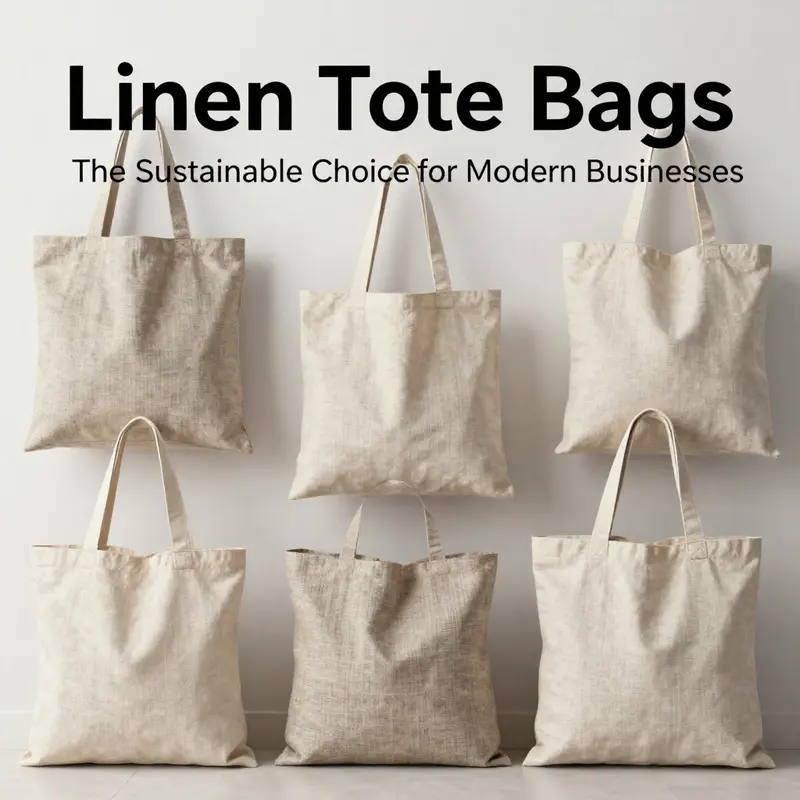
Linen tote bags sit at a quiet crossroads between craft and practicality. They are woven from the linen fiber, a material drawn from the flax plant that brings breathability, natural luster, and a drape that feels effortlessly refined. In many ways, this fabric embodies what people want from an everyday bag: something that looks polished without demanding constant care, something lightweight enough to carry through long city days, and something that nods to a slower, more sustainable approach to fashion. The linen’s inherent strength is notable—the flax fiber can surpass cotton in toughness on a per-fiber basis—yet the same material that lends resilience can also remind wearers that linen is not elastic. A bag made from linen will crease and may sag if the load grows heavy or if the weave is loose. It is this nuanced balance—strength paired with a lack of stretch—that shapes how linen tote bags behave in real life. They shine when used with thoughtful limits: moderate loads, careful packing, and a design that respects the fabric’s springy drape rather than fighting it.
The appeal of linen tote bags grows from the moment you pick them up and feel the fabric’s cool tactile finish and crisp hand. They are naturally breathable, which makes them ideal for warm-weather wear. In a season when the body tends to sweat and warmth can feel constant, linen’s moisture-wicking properties help keep the interior environment comfortable. Yet that same moisture-wicking behavior also means linen absorbs water and becomes heavier when exposed to rain or humidity, and the bag’s shape can shift more readily than a stiffer, more tightly woven alternative. The practical takeaway is clear: linen tote bags excel when carried with a light touch and a plan that respects their character. They pair well with casual outfits, carry a quiet elegance into more polished settings, and travel gracefully through daily errands, work commutes, and weekend mini-getaways. Their lightness translates into day-long comfort, while their organic texture adds a visual texture that signals sustainability without sacrificing sophistication. This blend of aesthetics and function makes linen totes a compelling option for people who want to carry less plastic and more personality on a daily basis.
From an usage perspective, the versatility of linen tote bags becomes most evident when you consider how life unfolds in different spaces. In casual urban settings, a linen tote offers enough capacity for the essentials—wallet, keys, a notebook, a compact umbrella, and a water bottle—without feeling bulky or overbearing. The bag’s open, unstructured silhouette invites spontaneous additions, such as a stray notebook or a folded sweater, yet a thoughtful design often includes a structured interior or a light lining to keep items organized. For daily commutes, where a shopper might balance a lunch container, a tablet or slim laptop, and a few personal items, the linen tote’s lightness becomes a practical ally. It won’t replace a heavy-duty, purpose-built laptop bag in all cases, but for lighter models or for days when you’re moving between meetings and cafés, a linen tote can be a stylish, unobtrusive companion. The fabric’s natural sheen aligns with contemporary minimalism, so the bag can serve as a professional-kitchen-sink option—enough space for the essentials and enough polish to feel appropriate in a casual business setting.
In broader lifestyle terms, linen tote bags speak to a more eco-conscious ethos. They stand as a minimalist alternative to bulkier synthetics and single-use bags, aligning with a growing emphasis on reduced packaging, longer product lifecycles, and a slower appetite for fast fashion. The texture and color variability of linen—from ivory to stone to pale sage—make each bag a quiet, artisanal statement. The appeal here isn’t merely aesthetic; it’s about identity. A linen tote signals an intention: a preference for natural materials, a preference for airiness and comfort, and a recognition that everyday bags can be built with sustainability in mind without sacrificing style. This is why linen totes often accompany weekend strolls, farmers’ market visits, and coffee runs with equal grace. They carry the week’s bread, the fresh-caught bouquet, a notebook for ideas, or simply the book you’re reading on the go, all while avoiding the bulk and sheen of synthetics. When paired with light summer wardrobes, the linen tote pops in a way that feels intentional rather than try-hard, a nuance that matters in a world where clothing choices project values as much as they support function.
The everyday moments in which a linen tote bag excels can be imagined as a sequence of small rituals. A Saturday morning begin with a trip to a farmers’ market; the bag holds a fresh baguette, a jar of honey, and a couple of sun-warmed peaches, with room for a reusable container that the vendor slips into the main compartment. A quick stop at a bookstore afterwards invites the linen tote to perform a second, more introspective task: holding a thermos of coffee, a notebook, and a paperback while you walk with light, unhurried steps. The bag’s light weight makes it easy to swing from shoulder to shoulder as you weave through pedestrians, and the linen texture catches the sun, lending a soft glow that complements summer attire. In urban settings, the same bag supports a lighter load—the essentials for a day’s errands, a slim tablet for notes, perhaps a compact lunch container—without weighing you down. The bag’s subtle breathability helps maintain interior dryness when you walk between air-conditioned offices and outdoor transit, a small relief in environments that oscillate between climate-controlled comfort and sun-drenched heat.
The linen tote’s beach-friendly side emerges when the bag is filled with sunscreen, a towel, a water bottle, and a snack, all arranged in a way that respects the bag’s breathing space. The fabric’s wicking keeps dampness away from your skin while letting the breeze glide through the weave. The bag’s natural color palette resonates with seaside landscapes, and the texture reads as effortless beach chic rather than contrived vacation styling. Even on a weekend getaway to a quieter town, the linen tote can serve as a chic carry-on or as a day bag for light exploration—an accessory that doesn’t demand attention yet holds its own against more formal options when paired with a simple summer dress or a linen shirt-and-kabric combo. This fluid adaptability is not simply about volume. It is about how the bag aligns with the day’s rhythm, how it accepts changes in pace, and how it refuses to get in the way when the moment calls for a last-minute change of plans.
Of course, there are limits to this versatility. Linen’s natural strength does not translate into endless elasticity, and a tote designed with a common, looser weave will begin to sag under substantial loads or long, uneven carrying. Heavy bundles—several bottles of water, bulkier groceries, or devices that demand extra protection—can pull the fabric and distort the bag’s shape over time. In practical terms, this means linen totes shine most when used for light to moderate loads. For daily routines that require carrying a laptop, a notebook, a camera, a water bottle, and perhaps a light cardigan, a linen tote can perform pleasantly well, provided the weave is reasonably dense and the handles are reinforced. A well-made linen tote with a reinforced strap can hold its form longer and distribute weight more evenly, reducing the risk of stretch and sag. The trade-off comes in the bag’s flexibility; since linen naturally lacks elasticity, the bag won’t rebound as quickly once a shape is altered by weight. This is not a flaw but an invitation to thoughtful design and prudent use: choose a density that suits your everyday load, and favor a bag with internal structure and robust handles to maintain the silhouette you enjoy.
Care and longevity hinge on a few practical steps. Because linen loves air and hates excessive moisture that lingers, proper drying and storage go a long way toward preserving shape. After a day of use, light cleaning to remove dust, oils, or light stains helps maintain the fabric’s appearance. When needed, a gentle hand wash or machine wash on a delicate setting with a mild detergent can refresh the surface, followed by air drying away from direct heat or sunlight that could fade color or weaken fibers. If your tote features a lining or an interior pocket, keep those components clean and free of moisture to prevent mildew and odor. The most important preventive measure is to avoid overloading the bag in the first place. If the weave and handles are built for light-to-moderate use, a reserved approach to weight will protect both the fabric and its shape. When not in use, store the bag flat or gently folded in a breathable, dry space. Avoid compressing or stuffing it tightly into a small bag, which can crease or distort the weave over time. The end result is a linen tote that remains gracefully pliant and retains its character across seasons, capable of carrying sunlight in a practical, stylish way rather than becoming a liability in rain or heavy use.
An additional design consideration deepens the linen tote’s versatility: the interior’s architecture. A bag that blends aesthetics with function becomes a better everyday companion when its interior is thoughtfully organized, even if the outer look remains minimal. A lightly structured interior helps maintain shape, and small interior pockets can offer security for valuables, reducing the need to rummage through a single large compartment for a phone or keys. For those who want to blend fashion with function, a linen tote can incorporate features that echo modern needs without undermining the fabric’s natural beauty. For example, a built-in sleeve for a tablet or a separate pocket for a charger can coexist with the bag’s open silhouette if the design is executed with careful balance. In this sense, the linen tote can act as a bridge between simplicity and practicality, offering space where needed while preserving the visual calm that makes linen so appealing in the first place. The combination of light weight, soft drape, and restrained geometry allows the bag to work as a day bag for a library visit, a coffee stop between meetings, or a weekend stroll along a riverside market.
The chapter’s deeper message lies in an honest acknowledgment of context. Linen tote bags excel where appearance, ease, and environmental mindfulness converge. They are not designed to replace all purpose-built carrying solutions in all situations but to offer a compelling, low-impact alternative for a broad range of everyday needs. The goal is to find a balance between aesthetics and behaviour: a bag that looks appropriate in a workplace setting or a casual coffee shop, while still delivering the practicality needed for errands and light travel. For users who prize both form and function, selecting a linen tote with reinforced handles, a denser weave, and a structurally attentive interior can fulfill many daily needs without sacrificing the fabric’s delicate charm. And for those days when the weather shifts or the load increases, linen remains adaptable—foldable, easy to carry, and ready to step into a new role as needed.
To illustrate the practical side of this versatility, consider the single daily ritual of starting a morning with a linen tote ready by the door. The bag’s natural color and texture invite a calm, unscripted approach to the day’s tasks. You step into the sun, feel the linen’s cool touch against your skin, and notice how the bag’s weight is balanced across your shoulder. You travel light through a city street, dropping off a few items at a local shop, picking up a loaf of bread, and pausing to chat with a friend on a corner bench. The tote does not demand attention; it supports your pace, holding what you need without intruding on your style. If a more urban, office-like routine takes precedence, the bag remains adaptable, holding a slim tablet, a notebook, lunch, and a small umbrella while pairing with a tailored blazer or a casual knit. The fabric’s subtle sheen and natural fibers pair well with both denim and linen, bridging two everyone-friendly aesthetics. It is this capacity to glide between contexts that makes linen tote bags so appealing to a modern, mobile lifestyle.
In the realm of design detail, it is useful to recognize that not all linen totes are created equal. The measure of adaptability lies in the weave density, the weight of the fabric, and the strength of the handles. A dense weave provides greater load-bearing capacity and shape retention, reducing sag over time. A bag with reinforced handles distributes weight more evenly, preventing early wear at stress points. A structured interior helps the tote keep its form when the contents shift. These are not mere fashion details; they translate into real-world performance that determines whether linen remains a reliable everyday option or becomes a more deliberate choice for lighter use. When a bag successfully blends these design elements with the linen’s natural warmth, it becomes a versatile character rather than a single-purpose accessory. It is capable of carrying groceries one week, a library book the next, and a beach towel the following weekend, all while harmonizing with a wardrobe that values quiet, eco-conscious charm over loud branding or heavy embellishment.
To connect practical usage with the broader conversation about sustainable fashion, it’s worth revisiting the idea that linen tote bags provide a minimalist, low-impact carry solution. The fabric’s life cycle, from cultivation to finished product, is often gentler on the environment than many synthetic fibers. This ecological advantage adds a layer of meaning to the everyday act of choosing a bag. When you select a linen tote, you are embracing a bag that supports a lifestyle centered on reuse, rethinking waste, and reducing reliance on disposable alternatives. It is a choice that resonates differently depending on your location, your season, and your daily routes—whether you are riding a bike to the market, strolling through a sunlit campus, or catching a train for a weekend escape. The moral of the story is not to shun other materials but to recognize linen’s value in contexts where its balance of lightness, breathability, and texture works best. In this way, linen tote bags feel less like a single-purpose novelty and more like a companion for everyday life, a canvas that changes with the weather, the trip, and the moment’s mood.
For readers who are curious about expanding functionality, a few subtle additions can amplify the linen tote’s versatility without compromising its essence. A bag that includes a dedicated sleeve for a laptop or tablet—paired with a restrained, clean interior—extends its range toward urban and professional use. If you prioritize that feature, you might explore options that emphasize a balance between soft fabric, interior organization, and a secure closure system. A well-chosen linen tote with these features becomes a reliable workday companion that also travels well for weekends or short trips. The beauty of linen remains in its quiet capability to adapt; it does not shout for attention, but it is always ready to take on a role in your day’s choreography. This subtle discipline of design—where form follows function without sacrificing the fabric’s organic charm—defines what many people value in a linen tote. It makes the bag a practical, stylish partner across seasons, still an echo of the natural world even as it travels through the city’s clamor.
In closing, the versatility of linen tote bags lies less in an abstract promise than in a daily practice of mindful carry. They offer a compassionate balance: light enough for comfortable everyday use, breathable enough for summer heat, durable enough for moderate loads, and aesthetically flexible enough to pair with a broad range of outfits. They are a reminder that fashion can be both responsible and refined, that everyday items can be both functional and beautiful, and that a single well-chosen bag can adapt to countless moments with grace. Their value grows as you map your days—markets, commutes, beaches, and weekend escapes—onto a fabric that breathes with the rhythms of the seasons and the tempo of your life. For those who want to explore how linen tote designs evolve to meet modern needs—incorporating pockets, sleeves, and light structure while preserving the fabric’s natural poise—there is a whole spectrum of possibilities to consider. And as you search for the right fit, remember that the best linen tote is not merely a carrier but a partner—one that respects the environment, enhances your personal style, and quietly supports the moments that define your day. If you want to delve deeper into how tote designs adapt to different lifestyles and occasions, see this external guide on choosing a versatile tote bag that matches diverse needs: https://www.betterlifestyle.com/choose-versatile-tote-bag-lifestyle-occasion. For readers seeking specific design nuances or examples of features that align with real-world use, a look at a tote with a dedicated laptop sleeve can offer practical insight into how functionality can merge with linen’s delicate charm. For a concise illustration of that particular feature, you can explore tote-bag-with-computer-sleeve as a starting point in the internal resources that accompany this article. These references provide complementary perspectives on how linen tote bags perform across daily life, travel, and work, enriching the conversation about versatility without pulling focus from the core material story. The chapter ends here with an invitation to imagine how your own routine might be upgraded by a simple, well-made linen tote and to anticipate how future designs will continue to honor the balance between beauty, practicality, and sustainability.
Final thoughts
Linen tote bags not only serve as a stylish and sustainable option but also reflect a business’s commitment to environmental responsibility. Their durability and practicality make them suitable for various usages, from grocery shopping to corporate events. By opting for these versatile bags, businesses can resonate with eco-conscious consumers while enhancing their brand image. Choosing linen tote bags is a step towards sustainable practices that benefit both the environment and your business’s reputation.