
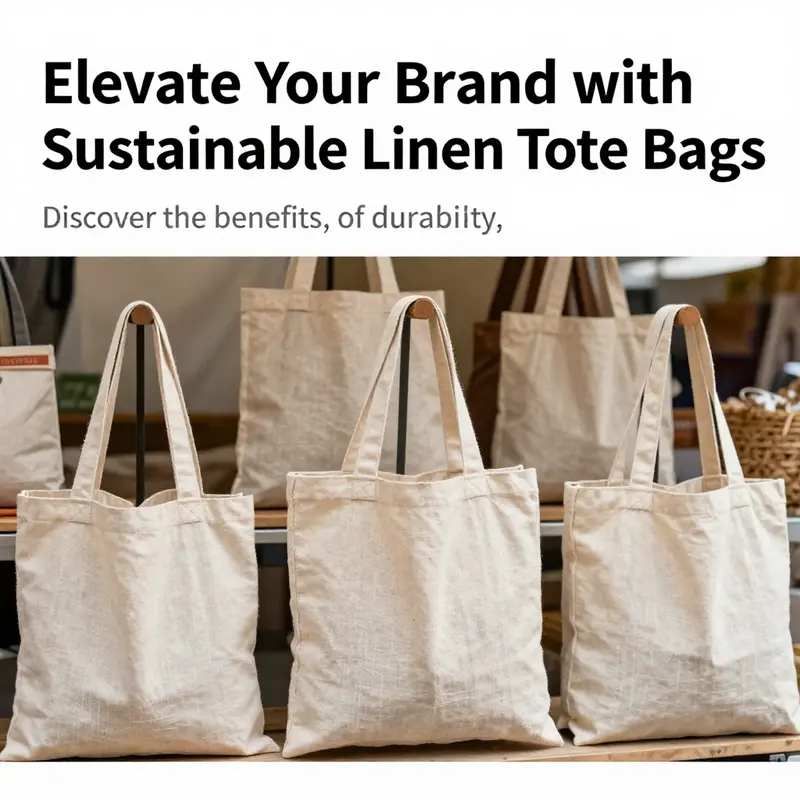
Linen tote bags, crafted from the durable fibers of the flax plant, are rapidly gaining popularity among eco-conscious consumers and business owners alike. Their lightweight, breathable nature, combined with an elegant aesthetic, makes them an ideal choice for a variety of uses—from shopping excursions to branding opportunities. However, understanding their unique properties and how they stack up against traditional materials like canvas is crucial for informed purchasing decisions. This article delves into the materials that comprise linen tote bags, evaluates their strength and durability, compares them with canvas alternatives, and highlights practical applications and considerations for business owners to maximize their value.
Weaving Strength with Softness: The Material Narrative Behind Linen Tote Bags
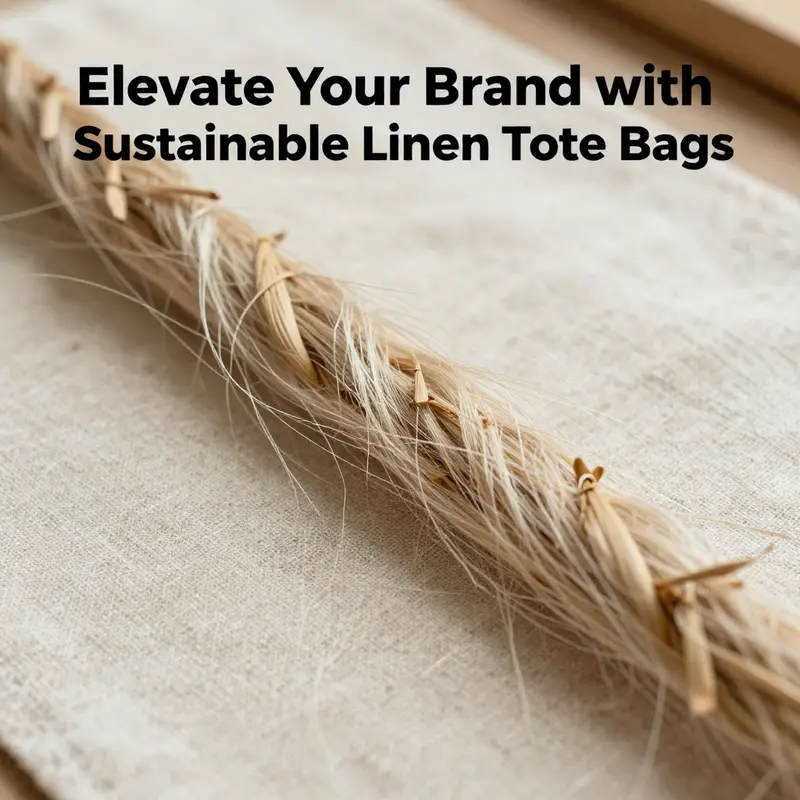
Linen tote bags tell a story that begins in a field and ends in a wardrobe. They are not merely containers for groceries or books; they are a practical expression of how a fabric can balance natural strength with lightness, breathability with structure, and an understated elegance that ages with character. At the heart of this narrative is flax, the plant whose long, smooth fibers are spun into linen. Flax fibers carry a history of textile knowledge that stretches back centuries, and those ancient fibers carry forward into modern tote bags that many people reach for because they want something that feels timeless, sustainable, and gently resistant to the rigors of daily life. Linen’s appeal lies not in flashy construction but in the quiet confidence of its material behavior: a fabric that is dry-supportive, crisp to the touch, and capable of a refined drape that still preserves a sense of airiness. This makes linen tote bags especially appealing for warm-weather errands, weekend markets, beach trips, or minimalist outfits where texture and simplicity do most of the talking. Yet every choice has trade-offs, and understanding those trade-offs—how linen behaves when it is dry, wet, loaded, or fatigued—helps buyers align their use with the fabric’s natural rhythms rather than forcing it into a role it cannot reliably perform.
To appreciate linen’s strength, it helps to imagine the flax fiber as a slender, resilient thread made to endure. Dry linen exhibits a high tensile strength that is notable among natural fibers, and it resists pilling, which means the surface retains a crisp, almost sculpted quality even after repeated handling. The fibers are long enough to be spun into a smooth, even yarn that yields a fabric with a characteristic stiffness and a luxurious texture. This stiffness translates into a tote bag that holds its own shape when empty or lightly loaded, providing easy access to contents and a tidy silhouette that complements a wide range of outfits. The drape—when the bag is carried on a shoulder or held by the top edge—has a refined flow that speaks to linen’s elegance without appearing coarse. It is this equilibrium between form and function that has made linen a favorite for boutique packaging, luxury gift bags, and seasonal carryalls that aim for an understated, sophisticated vibe rather than a loud, athletic look.
But the same crispness that gives linen its signature presence also reveals its limits. Pure linen is typically woven with a looser structure compared to canvas, often to preserve an airy hand and the breathability that makes linen so comfortable in heat. That looser weave has a consequence: linen readily absorbs moisture. In warm, humid conditions or during a sudden downpour, linen fibers swell as they take on water. The practical effect is weight gain and a temporary reduction in strength, which can lead to deformation under stress, especially at stress points such as handles or seams. In the worst case, a damp load—think wet groceries or a rain-soaked tote—can result in sagging or creasing that persists as the bag dries. This behavior does not negate linen’s appeal; it simply frames the material’s expectations. The fibers, while strong when dry, respond to moisture by becoming heavier and more pliable, losing some structural resilience in the process. For a consumer who expects a tote to carry heavy, damp items frequently, linen’s moisture cycle can be a limitation rather than a feature, which explains why many prefer canvas or other sails for heavier daily tasks.
The conversation between linen and water also highlights a broader design truth: fabric strength is not a single number but a spectrum of properties that shift with humidity, load, and time. Linen’s resistance to elongation under load makes it a capable carrier of modest weight without the bag yielding a sagging, undefined shape. It tends to resist plastic-like stretching and creeping, keeping a tote’s silhouette intact during ordinary errands. Yet that same rigidity can translate into a lack of elasticity—linen does not spring back easily after being stretched. If a tote is overloaded or pulled at awkward angles, especially when damp, the fabric may not recover its original form with ease. The lack of elasticity is not a defect but a character trait that rewards thoughtful load planning and mindful packing. The result is a tote that holds its structure well when used within its natural limits and that rewards careful packing with clean lines and a polished overall appearance.
This is where the weave density becomes a practical concern. Linen woven with a denser serging or reinforced stitching can offer improved longevity by distributing stress more evenly, while a looser weave preserves the airiness that keeps linen light and breathable. The balance is delicate. For fashion-oriented uses, a lighter linen with moderate weave density communicates a sense of modern minimalism—soft, almost ethereal at times, yet capable of carrying just enough to avoid crumpling under routine daily tasks. For everyday utility, especially in variable weather or with any heavier items, a linen bag may be complemented by hardware reinforcement at stress points and a sturdier handle construction that helps maintain the bag’s geometry even when dampness or weight attempts to distort it. This is not to say linen cannot be robust; rather, it asks for thoughtful construction and an understanding of when to choose linen over a more rugged alternative.
A key advantage of linen is its natural breathability and moisture management. The same pores that support air movement contribute to linen’s quick drying behavior when conditions shift, which can be a boon when the bag is used in warm weather or carried with damp items that need to shed moisture quickly. Linen also wicks moisture away from the skin, a property that endears it to fashion-conscious shoppers who want fabrics that feel cool against the body while remaining visually crisp. The tactile experience of linen—its smooth, slightly cool surface and its crisp hand—conveys a sense of luxury that many find appealing in everyday accessories. Over time, linen develops a lived-in patina that many users value: the fabric becomes softer with use, while its texture remains clearly linen rather than soft like cotton. This aging process can enhance the bag’s personality, make it look like a well-loved piece, and align with a lifestyle focused on durability and understated style rather than disposable fashion.
Care and longevity also play a meaningful role in the linen story. Linen does not resist wrinkling in the same way that some more tightly combed fabrics do, and slight creasing can become part of the tote’s character rather than an eyesore. For many, this is part of linen’s charm—a texture that signals a casual, everyday luxury. Proper care—gentle washing, air drying, and avoiding repeated, high-tension loading—helps preserve linen’s shape and prolong its life. Not all linen tote bags age in the same way, of course; the outcome depends on weave density, stitching quality, and how the bag is treated in wet conditions. A well-constructed bag with reinforced seams can maintain its silhouette even after months of use, while a looser weave might require more mindful handling to prevent distortion from heavy or damp loads.
The decision to choose linen versus other fabrics often comes down to the desired balance of sustainability, texture, and function. Linen’s environmental story is compelling: flax requires fewer pesticides than many other crops and can thrive in a variety of climates, contributing to a lower overall footprint when compared with synthetic materials or cottons with heavy water usage. The fabric’s natural properties—breathe-ability, moisture management, and a forgiving yet refined hand—align with lifestyles that prize simplicity, longevity, and an absence of high-impact manufacturing cycles. For those who want a bag that complements a capsule wardrobe and remains a stylish companion across seasons, linen can be a reliable ally. On the practical side, linen is not impervious to water or heavy moisture; it can thrive with proper care in drier climates but will demand a bit more attention in wet conditions. This reality often leads people to consider linen for lighter use or to pair it with a canvas or synthetic-coated variant when heavy loads or inclement weather are common in daily life.
Those considerations point toward a broader ecosystem of bag design where materials are selected to fit the context of use. If a shopper spends most days transporting light items in a favorable climate, linen offers an elegant solution with a clean, unforced silhouette and a tactile richness that pairs well with spring and summer wardrobes. For those who routinely cart heavier groceries, devices, or damp loads, canvas or coated alternatives often provide a more dependable baseline of performance, maintaining shape and integrity under stress and resisting the swelling effects of moisture more effectively. Yet even in those comparisons, linen remains relevant: it can be the preferred choice for gift bags, premium packaging, boutique storefront displays, or seasonal totes where the goal is to convey a sense of refined simplicity with minimalistic beauty.
In practice, when shopping for a linen tote bag, careful attention to weave density and stitching detail can make a meaningful difference in performance. A higher weave density can help resist tearing, keep the bag’s edges crisper, and improve load distribution across the handles. Reinforced stitching—especially at the base of the bag and at the junctions where handles meet the body—adds resilience against sagging and helps the tote retain its shape after repeated use. A well-made linen tote will feel durable while still offering the signature lightness and easy drape that characterize the fabric. The tactile experience of a linen tote—the crisp surface, the way it holds its form when empty, the softening texture that develops with age—invites daily interaction and a sense of familiarity that synthetic bags rarely provide.
For readers curious about how linen stacks up against other fabrics in everyday bags, consider exploring the broader family of fabric totes for women. The balance of aesthetics and practicality across different fibers can illuminate why linen remains a favorite for certain uses while others lean toward canvas or synthetic blends for heavy-duty tasks. This nuanced view helps shoppers align material choice with personal habits, weather patterns, and the kinds of loads most often carried. It also serves as a reminder that a bag is not simply a container but a tool whose value grows with thoughtful use and care.
As a closing thread, the linen tote bag embodies a philosophy of restrained elegance paired with functional restraint. Its dry strength and resistance to pilling ensure longevity, while its moisture sensitivity invites care and mindful handling. The fabric’s natural breathability and soft-aging patina reward patients who wear their bag as part of a lifestyle rather than as a mere accessory. In environments where lightness and a clean, streamlined aesthetic are prized, linen excels. In contexts where heavy loads or persistent moisture are routine, a tougher companion fabric may deliver superior reliability. Either way, linen tote bags hold a distinctive place in the spectrum of everyday carry options, offering a tactile reminder that good design begins with the simplest materials well understood and well used.
External resource: For a deeper technical comparison of linen and canvas tote bags, see this detailed analysis: https://www.thesprucecrafts.com/linen-vs-canvas-tote-bag-4157920
Stitch by Stitch: Exploring the Quiet Durability and Subtle Fragility of Linen Tote Bags
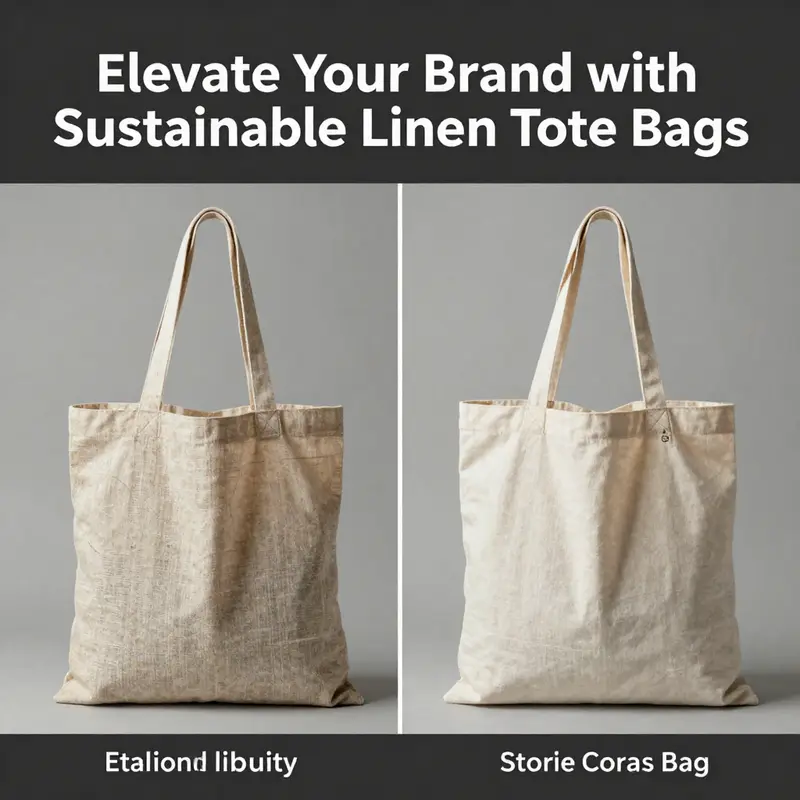
Linen tote bags are not merely containers for everyday items; they are a quiet study in how a natural fiber behaves when pressed into daily use. Crafted from flax fibers, linen carries a reputation for strength that feels almost self-evident in the weight of a bag lying at your side or swinging softly from your shoulder. In dry conditions, linen’s tensile strength shines. When tested in a laboratory frame, flax fibers can outmatch cotton in dry strength, and that advantage translates into real-world durability. A linen tote can carry groceries, books, and the occasional tool with a calm assurance that many synthetic totes struggle to match. The fabric’s natural stiffness gives a crisp drape and a refined texture that reads as premium, even before you add hardware or reinforcement. This sense of restraint and poise is part of linen’s charm. It whispers, rather than shouts, that you have chosen a material with a long view of wear and tear, a fabric meant to age gracefully rather than be discarded after a season of heavy use.
But a durable appearance does not tell the whole story. Linen’s apparent strength is most visible when the material is dry. The flax fibers stiffen and resist deformation, which helps the bag keep its shape around the edges of a tote or the seam that forms the handle. The texture itself—slightly irregular, with a subtle sheen that catches the light—appears to promise resilience. In practice, this means linen can feel almost as sturdy as canvas in the early days of ownership, which is why many shoppers gravitate toward linen when they want a bag that suggests practicality without sacrificing elegance. The strength comment becomes real in the everyday, where a linen tote can carry a moderate load with confidence.
Yet strength is not the same as elasticity. Linen lacks stretch in the way that some fabrics do. When a bag is packed with items that press against the seams, or when it is pulled to capacity, linen tends to hold its shape rather than rebound after the load is removed. The lack of elasticity means a linen tote can settle into a new silhouette after repeated use, especially if the weave is loose or the density is moderate. This is not inherently a flaw; it is simply the truth of a fiber that values crisp lines and a clean outline over the kind of recoverable stretch you might see in fabrics designed for the dynamic movement of the body. The upshot for everyday use is that linen often looks sharp longer, but it can become permanently stretched or baggy at stress points if overburdened frequently.
The moisture story is where linen’s performance becomes more nuanced. Linen breathes beautifully, a quality that makes it ideal for warm weather and crowded markets. It wicks moisture away from the body, keeping you cooler as you move through a sunlit street or a humid transit corridor. This same moisture responsiveness, however, shifts the bag’s behavior in wetter conditions. When linen fibers take on water, they swell, and the fabric’s strength can drop by as much as 20 percent. Weight increases as moisture adds to the fabric’s density, and the structural integrity can waver at critical stress points—handles, corners, and seams—that bear the brunt of daily use. The result is a bag that looks as refined when dry as it does burdened when damp, with a higher risk of warping or creasing in rain or mist.
The practical implication is not that linen should be avoided in wet climates, but that expectations should be calibrated. For a linen tote used primarily in fair weather for light shopping, a crisp linen surface offers a luxe effect and a comfortable carrying experience. If rain is a common companion to your day, you’ll notice the moisture penalty more quickly, especially at points where the load concentrates. The fabric’s natural tendency toward wrinkling and creasing can also become more pronounced with water exposure, reinforcing the idea that linen thrives with mindful use rather than as an all-weather behemoth. The perception of durability thus becomes a balance between dry strength and the reality of moisture.
In comparative terms, canvas and recycled nylon often emerge as sturdier options in high-friction zones. Canvas, with a tight, dense weave, resists abrasion and maintains its shape under repeated strain more readily than linen. It also tends to hold up better when damp, a practical advantage for groceries or errands that pass through rain or damp storage. Recycled nylon, with its synthetic blend, typically offers resilience against wear and tear, a lower tendency to warp, and excellent elasticity that helps it recover after loading. The linen alternative, by contrast, excels in breathability, a natural aesthetic, and a lower environmental footprint for many sourcing and processing scenarios. This trio of materials thus frames a spectrum: linen for light-to-moderate use with chic restraint, canvas for dependable load-bearing and weather resilience, and nylon blends for flexible, all-weather utility.
For those who want to retain the linen look while elevating wear resistance, blends offer a compelling compromise. A fabric that pairs linen with a higher proportion of cotton or other fibers can retain the aesthetic and drape of linen while gaining increased elasticity and stress-point strength. A common blend configuration, such as a linen-cotton mix, can preserve the crisp, natural feel and airiness linen lovers appreciate while reducing fraying tendencies and softening the risk of permanent deformation under heavier loads. The trade-off, of course, is that blends may not deliver the exact same dry-strength advantage as pure linen. Still, they offer a pragmatic path for anyone who values both style and durability as overlapping goals rather than mutually exclusive outcomes.
If you are weighing the choice today, consider not only the fabric but the weave and the construction. A higher weave density usually correlates with stronger performance and a more durable finish, especially around the handles and seams. Reinforced stitching at stress points—where the strap meets the body of the bag, where the corners bear weight, and where pockets or linings are attached—significantly extends the bag’s life. In linen, particularly, a thoughtful construction approach can compensate for some of the material’s elasticity limitations and moisture sensitivity. A linen tote with robust, well-finished seams and a denser weave can maintain its crisp silhouette longer, even as the contents shift and compress over countless errands.
From a sustainability perspective, linen remains an attractive option for those who want a bag that aligns with eco-conscious values without sacrificing daily practicality. Flax, the plant that yields linen, requires relatively little water and few chemical inputs compared with some other fibers. The fabric’s natural breathability and biodegradability add to its appeal for those seeking a lighter environmental footprint. Yet sustainability also means recognizing limits. If you choose linen for heavy everyday use or unpredictable weather, you might not gain the best return on investment in terms of longevity. In such cases, a heavier, more weather-resistant fabric or a blend can deliver a longer useful life, reducing the need for frequent replacement and lowering the bag’s overall environmental impact over time.
In considering how to navigate the options, it helps to think about the contexts in which you will most often reach for a tote. If your routine includes trips to farmers markets, weekend library runs, and island beaches where sun and wind are constants, linen can offer a refined yet practical companion that ages gracefully with minimal fuss. For rainy commutes or office-to-coffee-shop hops, a more robust choice may deliver better performance with less compromise. The choice is not purely about durability in a vacuum; it is about durability in the environments you inhabit and in the moods your days demand. The decision becomes a matter of aligning material properties with real-world needs, a balancing act that respects both a bag’s looks and its endurance.
If you want a broader view of fabric tote options and how they compare in daily life, you can explore fabric-focused discussions that highlight both form and function. For a broader look at fabric tote options for everyday use, see Fabric Tote Bags for Women.
In short, linen tote bags offer a compelling blend of strength, elegance, and environmental consideration, particularly for lighter loads and dry-day use. Their dry tensile strength is a core advantage, and their natural drape and breathability make them a pleasure to carry. At the same time, the material’s diminished elasticity and vulnerability to moisture demand respect for the bag’s limits. The best approach is to view linen as part of a spectrum, a stylish tool in your accessory arsenal that shines when matched to the right tasks and climates. When loaded with care and paired with thoughtful construction, linen can age with character, revealing tiny creases, softening edges, and a lived-in look that many appreciate as the sign of a bag that has truly joined a daily routine. The result is a tote that remains relevant through seasons, not merely a passing trend.
External resource: https://www.researchgate.net/publication/378512345ComparativeAnalysisofLinenCanvasandNylonToteBagsforDailyUse
null
null
Linen Totes in Practice: Everyday Use, Careful Craft, and the Subtle Trade-Offs of Sustainable Style
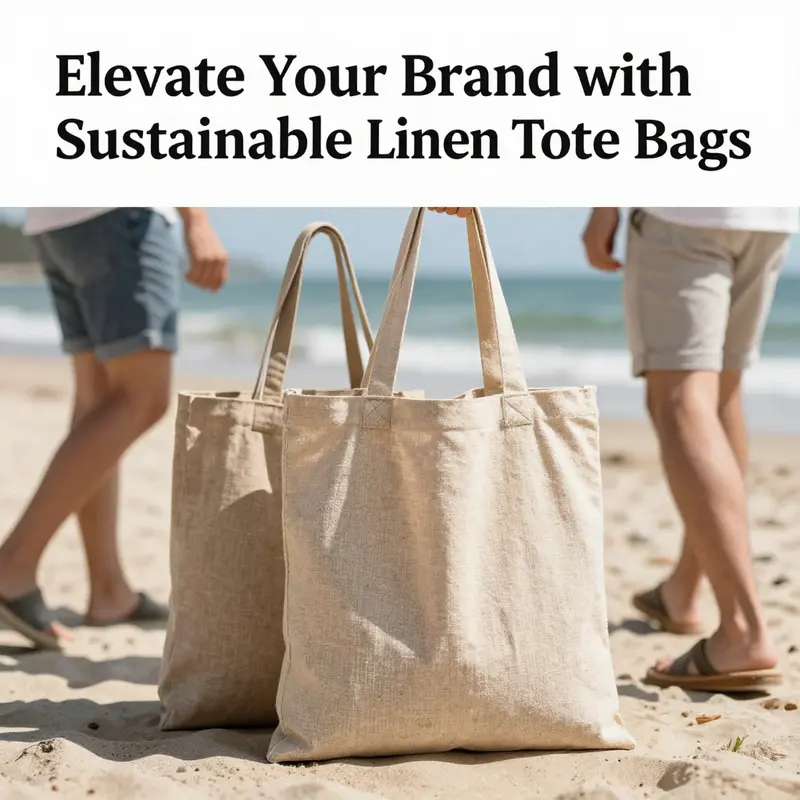
Linen tote bags sit at a curious intersection of timeless texture and modern practicality. They are born from the flax plant, and that origin gifts them a natural breathability and a crisp, tactile drape that many people associate with understated elegance. Unlike synthetics, linen welcomes air and movement, so on warm days a tote made from this fiber feels almost cooling to the touch. The fabric’s rougher, matte finish carries a sense of organic refinement, a texture that seems to improve with age as it softens and mellowly conforms to the items inside. Beyond aesthetics, the material hints at a lifestyle choice: a preference for renewable resources, minimal processing, and a bag that ages with a quiet confidence rather than following every rapidly shifting trend. For daily errands, weekend getaways, or a quiet, professional presence, linen tote bags offer a kind of versatility that resonates with travelers, readers, students, and professionals who value form as a partner to function.
The eco-friendly promise of linen is not merely a marketing line. Linen fibers are inherently biodegradable, and flax plants typically require less water and fewer chemical inputs than many other crops. This makes linen tote bags appealing to people who want their purchasing choices to align with broader environmental goals. The aesthetic of linen—its natural creases, its softening texture with washing and use, and its occasional “unfinished” edge—speaks to a design philosophy that favors authenticity over perfect uniformity. This is not a bag that pretends to be something it is not; its charm rests in its honest texture and its capacity to age gracefully. In practice, that translates to a tote that is welcome in cafes, libraries, offices, and galleries alike, carrying documents, a notebook, groceries, or small personal items with a light, almost reverent ease.
Yet this ease comes with practical considerations that shape how linen tote bags are best used. The same breathability that makes linen attractive also makes it more sensitive to environmental changes. Dry linen delivers excellent tensile strength; flax fibers can outlast many cotton fibers when the material is dry. In that state, linen can be surprisingly sturdy for everyday tasks such as carrying a few books, a laptop sleeve, or a compact lunch. However, linen’s strength has its limits when the fabric experiences friction, heavy loads, or repeated stress along stress points like handles or seams. The crisp texture that gives linen its refined look can become a liability if the bag is continually stretched. Over time, especially with looser or medium-density weaves intended to preserve airiness, the fabric may sag or lose its shape when subjected to sustained loads. This is not to say linen cannot serve daily errands; it simply clarifies that a linen tote is often best suited to light-to-moderate trips, where it can preserve its silhouette and its grace.
In damp or rainy conditions, another aspect of linen’s character emerges. Linen fibers absorb moisture readily, which is a boon for comfort in hot weather but a challenge when weather turns wet. When wet, the fabric swells, the weight increases, and the strength of the fibers can drop—research indicates a reduction in structural integrity by up to about 20 percent under stress. The combination of increased weight, sagging tendencies, and creasing makes stressed areas like handles and seams particularly vulnerable. This is a reminder that linen’s airy charm asks for mindful use. If a tote is loaded heavily with damp groceries or is routinely exposed to rain, the risk of deformation grows. The bag may crease deeply, and the shape may not snap back as confidently as a more elastic or densely woven option would. In practice, this trade-off is manageable with attentive care: avoid heavy, wet loads, store the bag dry, and give the fabric a chance to recover between uses.
When comparing linen with canvas, the contrast becomes particularly instructive for decision-making. Canvas, usually a tightly woven cotton fabric, has a higher thread density and a more robust construction that lends itself to heavy, repeated loading. It tends to resist deformation better under constant use, which makes it a more predictable option for frequent, rugged errands like weekly grocery trips or commuting with multiple items. Canvas also tends to retain its shape when damp more reliably than linen and is less prone to fraying under friction. This contrast helps explain why some users reserve linen for lighter duties—weekend market trips, a few personal items to carry to a meeting, a stylish tote for travel days—while turning to canvas or other materials for heavier, wetter, or more demanding tasks. The choice, in turn, becomes a reflection of priorities: whether the wearer wants a bag that reads as an accessory and a lifestyle statement or a workhorse designed to bear weight without a constant need for adjustment.
Practical applications for linen tote bags reveal a quiet elegance in everyday routines. In office environments, a linen tote can carry documents with a refined silhouette that stays professional without shouting for attention. The fabric’s texture offers a tangible signal of sustainability and thoughtfulness, which can complement a minimalist wardrobe and a careful approach to packing. For business meetings or casual professional settings, the bag’s natural look can frame a calm, organized persona, especially when paired with a simple, well-finished interior. In travel, linen’s light weight and compact packing advantage are appealing; a bag that folds or rolls small can accompany a larger suitcase or act as a carry-on companion for day trips, souvenirs, and daily excursions. For formal events or special occasions, the linen’s crisp drape and the subtle sheen of the fabric can lend a refined touch that feels less bulky than typical tote materials, offering an understated complement to attire without overpowering it.
Linen totes are often used in multipurpose roles as well. They function as reusable shopping bags, gift carriers, and promotional items, partly because their natural presence aligns with sustainability narratives. The aesthetic communicates a message of eco-conscious sourcing and mindful consumption, while the practical details—such as a washable fabric, simple lines, and durable construction—support repeated use in everyday life. The flexible interior allows for personal items like notebooks, a tablet or e-reader, a compact umbrella, or a sweater, without the bag feeling heavy or rigid. The capacity to hold a handful of items with good air room is a hallmark of linen’s airy character. Yet that same airiness means designers often emphasize reinforced stitching and sturdier handle designs to compensate for potential sagging or fraying over time. In a sense, linen tote bags invite a careful partnership: the wearer gains a breathable, elegant carrier, and the bag earns a life of steady, thoughtful use rather than explosive, high-stress feats.
To maximize longevity, several practical design and usage strategies matter. First, reinforced stitching at the handles and stress points can dramatically extend the life of a linen tote. This not only protects against tearing but also keeps the bag’s silhouette intact as items are inserted and removed. Second, wider handles increase comfort and reduce the risk of pressure marks on the wearer’s shoulder or hand, especially when the bag carries heavier items or a longer load across a day. Third, a higher weave density can contribute to a stronger, more durable fabric without sacrificing the linen’s characteristic drape and breathability. A denser weave also tends to crease less aggressively, helping the bag retain a cleaner look between uses. Fourth, thoughtful interior organization—perhaps a simple sleeve or a small pocket—prevents internal items from abrading the fabric at seams and reduces friction that can lead to pilling over time. Finally, care and storage matter. Keeping the bag dry between uses helps preserve its shape, while gentle washing or spot cleaning, followed by air drying, helps maintain the texture and avoids stiffening or excessive wrinkling.
Careful handling remains critical in translating linen’s advantages into everyday practicality. The decision to load a linen tote should consider the weight and moisture content of its contents. Dry, lightweight items like papers, notebooks, and devices with a soft shell can ride safely inside without straining the fabric. When larger items or damp items must be carried, an extra cautionary step—such as distributing weight evenly and avoiding long-term heavy loads—helps maintain the tote’s shape and resilience. Ironing or steaming can help restore a crisp appearance after creasing, while hanging the bag in a dry space reduces the risk of deformation or mildew in humid environments. For those who shop weekly or frequently swap contents, the habit of rotating bags and paying attention to storage conditions becomes a form of maintenance that extends the linen tote’s life. In this light, the linen tote is less of a disposable object and more of a partner that demands a bit of care to preserve its character over time.
The broader takeaway hinges on balancing aesthetic preference with practical needs. Linen tote bags offer an alluring combination of natural beauty, breathability, and environmental appeal, making them well suited for lighter daily duties and purposeful, style-conscious use. For people who value a responsible, near-zero-waste narrative in their accessories, linen provides a compelling option that integrates seamlessly with a lifestyle oriented toward thoughtful choices. The trade-offs—lower elasticity, potential sagging under heavy loads, and reduced performance when wet—are not obstacles so much as guidelines that shape how a linen tote is chosen and used. When a user understands these limits, the bag becomes a reliable, stylish companion rather than a fragile accessory. The key is to align expectations with everyday contexts: favor linen for light-to-moderate tasks and comfortable, everyday commuting, while reserving heavier, wetter, or more demanding duties for sturdier fabrics like canvas or specialty coatings.
For readers who want to compare linen’s feel and function with alternatives, an exploration into canvas options can be enlightening. There is a practical sense in considering a more rugged alternative when your routine requires frequent, heavy carrying or exposure to damp conditions. If linen’s airy drape isn’t your priority, you can explore canvas varieties such as women’s canvas tote bags. The contrast between linen’s texture and canvas’s durability helps clarify what you want your tote to do in a given season or setting. This isn’t about surrendering one material for another, but rather about selecting a carrier that harmonizes with how you live, what you value in form, and how you want your everyday tools to age with you. A linen tote for everyday light errands, a canvas tote for rugged days, and even a blended or coated option for mixed weather—these choices reflect a thoughtful approach to personal style and practical resilience.
In closing, the linen tote bag remains a meaningful, versatile companion for those who care about craft, comfort, and a reduced environmental footprint. Its strengths lie in its dry-year strength, its breathable charm, and its capacity to complement a calm, intentional wardrobe. Its limits remind us to shop with intention and to use our bags with care, avoiding overloading and damp storage. The result is a bag that carries more than items; it carries a narrative about how we choose to live with materials, how we respect the earth, and how we carry ourselves through days that demand both practicality and presence. For those seeking more precise technical standards and broader applications of sustainable tote materials, an external resource offers deeper exploration of the standards and practicalities that shape tote bag design and usage. https://www.ecofriendlytotes.com/guide/wholesale-tote-bags-technical-standards-and-applications
Final thoughts
Adopting linen tote bags holds significant promise for business owners aiming to enhance sustainability while providing a stylish and functional product. As this article outlines, understanding the material properties, strengths, and weaknesses of linen compared to canvas helps in making informed decisions tailored to specific consumer needs. The unique qualities of linen add both aesthetic appeal and eco-consciousness. By weighing these factors against the demands of your business, you can effectively leverage linen bags as a valuable asset in your accessory lineup, promoting your brand’s commitment to sustainability.