

The Marc Jacobs The Traveler Tote has become a cornerstone piece for professionals seeking a blend of style and functionality in their day-to-day endeavors. Featuring a clean design made from durable cotton canvas, this tote not only meets practical demands but also speaks to a sophisticated aesthetic that resonates with the modern business owner. In the following chapters, we will delve into the details of its design and features, examine its versatility and style options, and discuss the tote’s market position and pricing strategy. This comprehensive exploration will showcase how the Traveler Tote can serve as both a functional accessory and a stylish statement for business professionals.
A Traveler’s Companion: Unpacking the Design Language and Everyday Versatility of the Traveler Tote
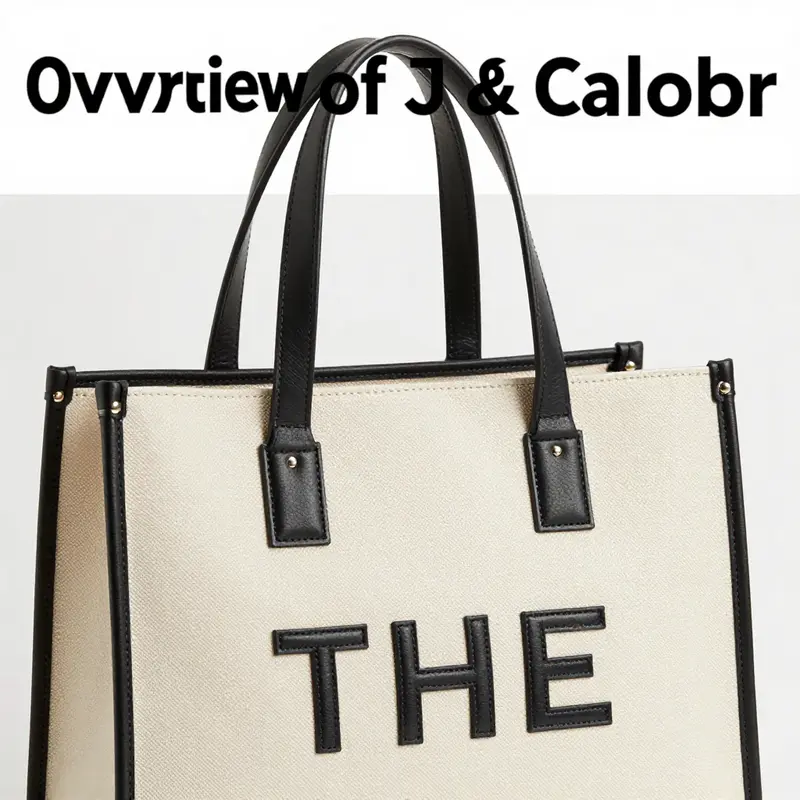
The Traveler Tote is more than a bag; it is a design language translated into daily use. In a market crowded with different silhouettes, this tote speaks with quiet confidence and a commitment to practicality. Its identity rests on a dialogue between form and function, aimed at the commuter, the traveler, and the wearer who seeks an everyday bag that keeps pace with a busy life. The silhouette remains a classic square shape with clean lines, making it easy to pair with both formal and casual outfits. This adaptability reflects a design philosophy that values versatility and durability, anticipating roles from laptop carrier to gym bag or travel companion. The material choice – robust canvas with a practical finish – offers water and stain resistance while remaining supple. The bag’s branding is bold enough to be recognizable, yet restrained enough to complement an outfit without shouting. The interior layout centers on a single spacious compartment with a secure interior pocket for keys, phone, and wallet.
Size and capacity are practical: roughly 42 cm long, 16 cm wide, and 34 cm tall, designed to accommodate a 15-inch laptop and A4 documents. A smaller version, the Small Traveler Tote, measures about 30 x 14 x 41.5 cm and includes a detachable shoulder strap for crossbody or handheld use. Color options span neutrals like black, beige, and khaki to more expressive tones; the palette is meant to suit a wide range of wardrobes and occasions.
Beyond daily errands, the tote works as a gym bag, a carry-on, or a day bag during travel. Its sturdy construction endures the pace of modern life, while its restrained hardware preserves a calm, organized aesthetic. The Traveler Tote embodies a philosophy of balanced minimalism: a single, well-considered form that carries the weight of daily rituals and adapts to changing contexts.
All of these elements come together to position the Traveler Tote within a broader ecosystem of totes—an accessible luxury that respects time and space. It demonstrates how a strong silhouette, durable materials, and a readable logo can coexist with practicality, creating a signature piece that remains relevant as needs evolve. In short, the Traveler Tote is a reliable partner for everyday life, offering generous capacity, thoughtful detailing, and understated style that ages gracefully.
Versatility in a Signature Tote: Style, Function, and the City

In the modern whirlwind of city life, a tote bag can be more than a carrier; it can be a quiet partner that shapes how we move, how we present ourselves, and how we balance the demands of work, travel, and everyday errands. The signature tote from the house in question has become a focal point in that conversation, not merely for its lineage or branding but for the way its design translates into real-world practicality. It embodies a deliberate equilibrium between form and function, a bundle of details that, when taken together, tells a story about urban rhythm, personal intent, and the simple yet powerful idea that a bag can extend a person’s capacity without compromising poise. To describe this bag is to describe a way of moving through the day—calm, organized, and ready for whatever may unfold on the next street corner, on the next train, or in the glow of a late meeting that runs into the evening.
The silhouette of this tote is defined by its structured geometry. It presents as a square-ish frame with clean, precise edges, a shape chosen less for fashion novelty and more for the ease with which it holds a life’s worth of essentials. When you open the main compartment, you are met with a sense of orderly space rather than a mere void. There is a single, roomy interior that accommodates the most common business and personal items without forcing you to compress or rearrange. The large size, measured around 42 cm in length, 16 cm in width, and 34 cm in height, reveals its capacity: there is room for a 15-inch laptop, A4 folders, a notebook, and the everyday paraphernalia that makes up a working day. It is not a bag that asks you to curate what you carry; instead, it invites you to bring your routine along in a single, well-supported vessel.
Yet there is a deliberate flexibility here. A smaller version exists as well, offering a lighter, more nimble alternative for fewer items yet with the same quiet confidence. The smaller form is designed around daily essentials—phone, cosmetics, wallet—while maintaining a practical touch, such as a detachable shoulder strap. This strap opens up the possibility of shoulders or crossbody wear, letting you swap carrying styles to suit mood, weather, or the cut of the outfit you’ve chosen for the day. The inclusion of a detachable strap is more than a feature; it is a recognition that the way we wear our bags matters as much as what they hold. If a morning run to a meeting calls for hands-free ease, the bag becomes a companion that adapts rather than a constraint that dictates how you move.
The material choice for this line is a statement of resilience and practicality. A high-strength polyamide canvas forms the backbone of the bag, chosen for its abrasion resistance and water-repellent tendencies. In daily use, this means your bag resists scuffs from commuter stairs, office doorways, and the occasional rain shower. It also means that cleanup is straightforward: dirt wipes away with a quick pass, and the bag returns to its crisp, almost new appearance more readily than many fabrics would allow. In a world where weather, transit, and clutter are constants, this sense of durability is not about stubbornness; it’s about preserving energy for the things that really matter—the meetings you show up to, the notes you take, the conversations you have, and the small rituals of daily life that give a sense of continuity.
Color and texture play their own subtle roles in the bag’s appeal. A palette that ranges from classic black and white to more refined beige and khaki provides a spectrum that can anchor a wardrobe in day-to-day neutrality or lift it with a touch of color. The ability to select brighter hues, such as pink or light blue, adds a layer of vibrancy that makes the bag feel contemporary and inclusive in spirit, capable of complementing a broad range of styles and personalities. The front-mounted lettering motif—bold and unmistakable—acts as a visual signature that instantly communicates the bag’s identity and the wearer’s confidence. This branding, however, is integrated with restraint; it does not shout the brand name so much as assert a presence. It is a design move that merges recognition with a sense of timeless utility, allowing the bag to ride across seasons and trends without feeling dated.
Size, weight, and carrying comfort intersect in practical ways as well. The large tote is designed to support heavier loads with a sturdy balance, so your laptop, files, water bottle, and daily miscellany settle into place without tipping the bag into awkward angles. The understated hardware and reinforced stitching contribute to a sense of reliability; you feel the bag has been built with consideration for the miles you will put on it rather than merely the moments you’ll photograph it. The smaller version, though lighter, does not sacrifice the sense of structure. Its dimensions are thoughtfully chosen to keep the form intact while remaining easy to handle. For those who carry a lighter load, the smaller tote feels almost like a personal assistant you can sling over your shoulder when your day leans toward quick errands and a faster pace.
In a fashion landscape that often treats bags as seasonal adornments, this tote maintains a quieter durability that makes it a consistent daily option. It does not rely on novelty to justify its use. Instead, it pairs with a wide range of outfits—sharp suits and crisp shirts, relaxed denim, and everything in between—without clashing or competing with the wearer’s style. This is a crucial distinction. It is not merely about matching color palettes or trends; it is about a bag’s ability to step into a room with you and hold its own while quietly reinforcing your personal presentation. The result is a versatile aesthetic that reads as refined and practical at the same time, a combination that appeals to professionals as well as casual travelers who want a single bag to cover multiple moments in a day.
The decision to offer multiple size options and carrying configurations speaks to a broader insight about how people actually use bags. For many, a single tote must handle the tyranny of tasks: the laptop for work at one end of the day, the makeup bag and essentials for an evening out at the other. The design—particularly the large version’s capacity and the small version’s portability—acknowledges this reality. It invites a sense of security, the knowledge that you can rely on one object to adapt as your day evolves. The possibility of switching from a top-handle carry to a shoulder or crossbody style without sacrificing structure grants a level of freedom that is rare in a single-purpose product. This emphasis on adaptability reflects a broader philosophy—the belief that everyday objects should extend the wearer’s range of action without becoming a burden or a constraint.
The bag’s interior organization, though simple in appearance, is subtly functional. While the textural exterior speaks to durability and a clean, timeless look, the interior is designed to keep items accessible. A well-placed interior pocket holds smaller items like keys, notes, or a mobile device, ensuring that the main compartment remains uncluttered for the larger essentials. The combination of a clean exterior and an organized interior mirrors a broader lifestyle choice: one that prizes clarity of thought and smooth transitions between tasks. When time matters and the day demands quick, efficient moves, a bag that disappears into the background while still offering generous capacity becomes a quiet ally rather than a loud accessory.
The bag’s cultural resonance lies not just in what it can carry, but in what it represents. It stands for a balance between affordable luxury and everyday efficiency—a concept that has grown increasingly meaningful for urban professionals and travelers who want products that feel elevated without demanding extravagant expense. This balance is achieved through careful material choice, restrained branding, and a silhouette that remains legible and polished across contexts. The result is a tote that communicates confidence and practicality in equal measure, a tool that supports both the routine of the office and the spontaneity of a city break. It is the kind of bag that becomes a go-to piece because it offers a dependable platform for life itself, not simply a fashionable silhouette that looks good in a showroom.
Care and longevity are compatible with this mindset. The material’s resilience means the bag can withstand the damp, the dust, and the occasional brush with a rainy window without compromising its structure or appearance. Cleaning, when it is needed, is straightforward—a quick wipe to remove surface grime, followed by a gentle pat-down to maintain the finish. This is meaningful because it minimizes upkeep, allowing the wearer to invest energy in tasks that matter more than maintenance—meetings, conversations, and the flow of travel. The bag does not demand special care or obsessive caution; it invites everyday confidence and the sense that a well-made object can exist harmoniously within a busy lifestyle.
In contemplating the broader ecosystem of carry goods, this tote demonstrates how a single bag can become a useful anchor in a wardrobe without overshadowing the person who carries it. It resists becoming a mere prop and instead acts as a partner in movement—providing space where it counts, offering accessibility when needed, and doing so with a quiet, enduring style. The balance between the visual language of the exterior and the practicality of the interior is a subtle choreography, one that rewards repeated use. In this way, the bag becomes more than a container; it becomes a small instructor in time management and self-presentation, reminding the wearer that how one moves through space is as important as what one carries.
For readers who are curious about how tote trends evolve within the larger tapestry of accessory culture, a quick exploration of the broader category reveals a landscape that values versatility, durability, and a restrained sense of design. The conversation around bags trending today often centers on the ways in which form and function align to support varied lifestyles rather than simply stand out as a statement. To get a sense of that dynamic, you can explore the evolving terrain of tote options at this resource: tote-bags-trending. The article there traces how silhouettes, materials, and carrying systems adapt to the demands of commute, travel, and everyday life, echoing the design instincts that inform this signature tote. It is not a competing product narrative but a broader context that helps illuminate why a well-made tote remains a reliable choice across seasons and personal preferences.
The story of this bag, then, is not a single note but a harmony of details that speak to a common understanding of modern life. It is about appreciating the quiet confidence that comes with a well-made tool—the confidence that you can move from a desk to a train, from a conference room to a coffee shop, with your essentials secure and your appearance poised. It is about recognizing that, in a world that moves quickly, the best carry is one that stays steady, organized, and present without shouting for attention. It is about a relationship with daily routines that respects the wearer’s time and individuality, acknowledging that a bag is more than a vessel; it is a companion that helps you navigate the day with ease.
As the day closes and the city lights begin to glow, the value of such a tote is reaffirmed. It has proven itself not as a flashy accessory but as a dependable partner—one that can bridge the gap between work and personal life, between routine and spontaneity. It stands for a way of thinking about accessories that prioritizes usability, durability, and understated elegance. In that sense, the bag’s success is less about novelty and more about reliability, less about making a loud impression and more about quietly supporting the person who carries it. This is the essence of its appeal: a signature that feels like a natural extension of the wearer, ready to accompany you through the countless hours and countless moments that define a busy, modern life.
External resource: https://www.marcjacobs.com/women/bags/the-traveler-tote.html
Between Utility and Prestige: Positioning and Pricing of the Traveler Tote

Between Utility and Prestige: Positioning and Pricing of the Traveler Tote
The traveler tote sits at a quiet boundary where the demands of daily life meet the ambitions of a well-curated wardrobe. It is not merely a carried object; it is a statement that practicality can carry aesthetic value without shouting. The bag in question has earned a reputation for longevity, where clean lines and a restrained silhouette permit it to accompany both a tailored office look and a weekend backpacker’s denim and sneakers. What makes it compelling is a design language that feels timeless yet surprisingly versatile: a sturdy canvas or leather body, a single, well-proportioned compartment, and an interior pocket that keeps smaller items tidy without turning the bag into a maze of contents. The surface treatment—often a bold print or branding mark that reads with quiet confidence—reads as a badge rather than a billboard, inviting the wearer to feel at ease in both formal and relaxed settings.
The bag is produced in a spectrum of materials and sizes, allowing the label to address diverse routines—from a studio-bound designer on the go to a commuter who carries a laptop, documents, and a few everyday essentials. Canvas remains the most recognizable option, praised for its approachable texture and weight that’s not too heavy to carry through a day’s errands. Yet the line also extends into water-resistant nylon variants, which respond to the needs of unpredictable weather and active lifestyles. Leather versions, offered in a refined palette, signal a more formal or elevated use case, ideal for those who want a durable and protective shell for delicate electronics and documents. The design intent remains consistent across materials: durability without bulk, structure that helps items stay in their place, and a silhouette that lends itself to both professional attire and casual attire. The bag’s proportions—roughly a generous but not oversized frame—are chosen with the user’s intent in mind. The interior is sized to hold A4 documents, a 15-inch laptop, and the miscellany that fills a day’s schedule. The external surface carries a signature mark that is instantly recognizable to those who track fashion language, yet the mark never overwhelms the bag’s understated elegance.
Size and form have always mattered in the premium tote market. A medium or relatively large tote is not a luxury for its own sake; it is an instrument. It is an instrument that helps a person navigate the day and the journey—the daily commute, a stop between meetings to pick up a snack, a weekend trip to a client site, or a longhaul flight when a change of clothes and a few essentials must travel with the traveler. The traveler tote makes this possible with a sense of restraint and resilience. It is designed to resist creasing under weight, to hold its shape as it carries a laptop, a file, a water bottle, and perhaps a compact umbrella. The materials are chosen not just for their tactile appeal but for how they behave under pressure. A canvas body, treated to resist moisture to a practical degree, can wipe clean with a damp cloth, while a leather variation bears a patina that improves with time, telling a story of daily use rather than a one-season fling.
The market position of the traveler tote rests on its ability to fuse intent with accessibility. In the hierarchy of luxury fashion, it occupies a space that is both aspirational and practical. It is not priced within the upper echelons reserved for pieces that scream exclusivity; instead, it sits at a level where quality is evident, but the purchase remains a rational decision for a broad base of buyers. This is an important distinction: the bag’s presence in premium retail channels and its visibility in online marketplaces are consistent with a brand strategy that seeks sustained engagement rather than a short-term spike in demand. The approach invites a steady stream of new customers while maintaining appeal for those who return season after season with a wishlist in hand. The colorways, often including a timeless black or a rich green, and in some instances a more subdued gray or an earthy tone, are chosen to anchor the bag in a broad palette that resists the pressures of faddish trends. This deliberate restraint aligns with how the bag is expected to age and adapt to different wardrobes, rather than how it might alter to chase seasonal mania.
What makes the pricing structure coherent is a thoughtful segmentation by material and size, paired with a carefully curated aesthetic. The smallest version in a leather or leather-like trim tends to sit at a higher base price than the canvas sibling of a similar size, reflecting the material’s inherent premium appeal and the labor intensity involved in finishing. The leather edition may appeal to professionals who want a more formal carry that complements a tailored suit or a corporate wardrobe, while the canvas or nylon variants are pitched as accessible-for-everyday-use options that still carry the luxury house’s reputation for reliability and taste. Across the board, the price anchors a perception of quality without detaching from value. The small leather tote, for example, can sit around three hundred ninety dollars in some colorways. The small canvas edition tends to be priced a touch lower, in the range of roughly two hundred fifty to three hundred dollars, reflecting material and production costs while maintaining parity with other pieces in the line. When the collection expands into larger sizes or more elaborate finishes, the price point can drift upward or downward depending on how much structural support the design requires and whether a special hardware treatment is introduced. The result is a spectrum rather than a single fixed price, with the lower end representing everyday practicality and the upper tier signaling a refined investment in a long-lasting carry.
The consumer who gravitates toward this traveler tote is often at a crossroads of work and life. They need a bag that performs as reliably on the commute as it does on a short business trip. They want a silhouette that remains current without feeling ephemeral. They seek a product that feels thoughtfully made and capable of aging well. The professionalism of the bag’s lines resonates with the dress codes of many offices, but the item also has an easy compatibility with casual wardrobes that rely on denim and sneakers for everyday versatility. This duality—a sense of polish with the ease of casual wear—helps the bag occupy a stable position in a crowded market. It becomes a practical companion for a day spent moving between meetings, a night out with friends after a long day of flights, or a weekend picnic that requires carrying a laptop or a tablet along with a few personal items. Its existence in the luxury sphere is less about ostentation and more about a confident assertion that usefulness can be stylish, and that style does not demand apology for utilitarian design.
The distribution strategy for the traveler tote reveals a broader philosophy about value, availability, and relationship-building with customers. It is widely available through digital channels that reach the brand’s core audience, from flagship e-commerce platforms to curated luxury marketplaces. In this setting, the price is not merely a number but a signal of a consistent commitment to quality across different materials and sizes. Buyers who gravitate toward canvas editions accept a certain value proposition: a sturdy, easy-to-care-for surface that handles daily use with grace. Those who lean toward leather versions are drawn to the sense of refinement that a tactile, premium material can provide, along with a finish that suggests a more formal dress code. The cautionary counterpoint to this is price sensitivity. As with any premium item, consumers weigh a handful of factors—material durability, ease of maintenance, and the ability to justify an expenditure against the bag’s anticipated service life and its impact on daily routines. The brand’s approach to price acknowledges that the bag’s enduring appeal rests on more than a single season of usage; it rests on a predictable quality that stands up to the rigors of travel, work, and weekend exploration.
The design’s language—subdued branding, strong silhouette, and a practical interior—contributes to a layered perception of value. In a year when fashion frequently celebrates maximalism, the traveler tote offers a counterpoint: a sense that restraint can be a form of luxury. The printed wordmark, when employed, is a deliberate act of recognition rather than a loud claim. It signals that the wearer is aligned with a house that prizes timelessness and deliberate craft. The bag’s interior is engineered to maximize organization without adding weight; main compartment capacity is balanced with an inner slip pocket to accommodate smaller items, and the exterior form remains clean enough to wear with or without a structured coat. This balance matters, because it allows the bag to transition from a day in the office to a brief weekend trip with ease, a transition that is crucial to the tote’s market positioning in a category that often depends on how well a bag adapts to shifting responsibilities.
Color, material selection, and finish are not merely decorative details; they are essential signals in how the bag is perceived and valued. A black canvas might evoke a different sense of durability and formality compared to a gray leather finish; a green or cobalt version can serve as a signature piece for a wardrobe with otherwise restrained tones. The color choices are selected to be legible in a crowded marketplace, ensuring the bag stands out in a display but remains compatible with a wide range of outfits. The color palette supports seasonal campaigns and inventory planning, preventing overreach while preserving the sense that the bag is an investment in daily life, not a seasonal fad. That wise balance helps to sustain the product’s market position: it never looks out of place in an executive suite, yet it doesn’t alienate the weekend traveler who values flexibility and ease.
An additional dimension of the traveler tote’s appeal is its adaptability in back practices and urban rituals. Some versions offer a detachable shoulder strap, adding crossbody or shoulder carry options that liberate the hands for transit, coffee runs, or shopping trips between meetings. The ability to switch from a hand-carried tote to a crossbody or shoulder bag is more than a convenience; it is a reflection of how modern life often unfolds. People move quickly through airports, offices, coffee shops, and shared workspaces. The bag must be comfortable enough to wear for hours, yet precise in its fit to prevent fatigue. The structure helps distribute weight across the shoulder and torso, ensuring the strap, hardware, and seam lines perform without digging into the skin or causing wear on clothing. The optional strap options become a small but meaningful variable in how the bag is used, reinforcing its adaptability and resilience.
Within the broader market, the traveler tote competes with a spectrum of carry-alls that aim to offer similar utility. Some rivals emphasize even larger capacities or more rigid frames; others play with softer silhouettes and lighter materials. The traveler tote’s appeal lies in its measured approach: it does not chase size as a proxy for value, nor does it pretend that lightness alone solves every problem. Instead, it offers a robust middle ground—ample space for work papers, a laptop, a bottle of water, and a few personal items, with an exterior that resists signature wear and a construction that supports repeated use over many seasons. This is the kind of value proposition that resonates with buyers who want a reliable partner in their daily routines and travels, not a one-season wonder that demands excessive care or replacement after a year of heavy use.
From a pricing strategy perspective, the traveler tote reveals an important truth about the luxury accessory market: price reflects both material choices and the anticipated service life of the product. It is not merely about the sticker price; it is about the unspoken contract between the brand and the customer. The contract promises that the bag’s materials and construction will endure through daily movement and occasional travel, that it will not sag or tear at the seams under usual loads, and that the decorative appointments will remain intact after months of use. Where the small leather variant commands a price around three hundred ninety dollars, the canvas small and medium variants sit in a slightly lower band, typically within the two-hundred-fifty-to-three-hundred-dollar range. The larger canvas or black versions drift into a similar neighborhood, fluctuating with promotions and regional pricing, yet maintaining a sense of consistency across the line. Discounts, if any, tend to be contextual—seasonal sales, end-of-line promotions, or pre-launch previews—rather than repeated deep cuts that would erode the perceived value of the product. The aim is to maintain a price anchor that reinforces the sense of durable quality without implying that the bag is a pure discount commodity. This strategy mirrors how many brands approach their core products: a reliable baseline price that reflects the material reality and craft while allowing occasional promotions to attract new buyers who might be testing the category.
At the end of the day, the traveler tote’s market position and pricing can be understood as the result of deliberate decisions about form, function, and audience. The bag is designed to be a faithful instrument for daily life while still functioning as a wearable symbol of refined taste. Its price points, anchored in material choices and size, communicate a clear message about quality and longevity. The mid-range canvas options offer practical entry points for new customers stepping into the world of premium accessories, while leather editions welcome those who are willing to invest in a more formal tone for a workday or a special occasion. The design language remains spare enough to remain relevant for seasons to come, and the practical details—soft edges, sturdy handles, and inner organization—ensure that real life use lives up to the aesthetic promise. In a market that sometimes rewards novelty over utility, the traveler tote stands as a reminder that enduring design and thoughtful material selection can be a stronger draw than passing trend cycles.
For readers seeking a concrete sense of pricing across materials and sizes, the numbers can guide expectations and decisions. The gray small traveler tote, a variant marketed specifically to women, sits at about four hundred dollars in the current landscape, while a leather small tote in a gentle, muted tone is priced at around three hundred ninety dollars, having previously been marked down from a higher list. Larger canvas or black colorways are typically placed in the two-hundred-fifty-to-three-hundred-dollar zone, a range that positions the bag as a solid mid-premium option within the broader luxury accessories ecosystem. These figures are not absolute; they reflect the brand’s general strategy and current season’s supply and demand dynamics. Shifts in currency exchange, regional taxes, and platform margins can push prices up or down, but the core logic remains: material and size drive value, and the brand’s identity—wrapped in a clean, practical silhouette—lends a sense of confidence that resonates with buyers who want a dependable carry that does not demand constant maintenance of fashion.
The living marketplace is a crowded stage, and the traveler tote’s place within it rests on its consistency and adaptability. It does not chase spectacular novelty with every season, nor does it pretend to be something it is not—and that honesty is part of its appeal. For many customers, the bag signals a balance between a desire for beauty and a need for utility. It invites a purchase built on the expectation that the bag will perform across a range of daily tasks, not only on the day it is first unboxed. It remains practical in its care needs, straightforward in its maintenance, and resilient in its construction. It is these combination of attributes that keep the product in view as a long-term choice rather than a transient impulse buy. And as consumers become more discerning about the value of durable goods, the traveler tote’s value proposition becomes clearer: it is not simply a tool, but a companion—an extension of the wearer’s intention to navigate life with ease, style, and a sense of quiet confidence.
To bring one more facet into focus, consider the way some shoppers approach this product when they weigh the benefit of international travel or frequent commuting. The bag’s capacity sits at an ideal middle ground—large enough to hold documents and a laptop while compact enough to avoid overwhelming the wearer in crowded transit hubs. There is something about a thoughtful, medium-to-large tote that makes it easier to feel prepared, without the burden of lugging around a more substantial case designed exclusively for heavy travel. Its architecture respects the wearer’s personal space and clothing, which matters when carrying in crowded spaces, walking up stairs, or entering a room where first impressions count. In such contexts, the bag becomes more than a container; it is a partner in daily choreography, a piece that supports a reliable rhythm rather than disrupting it. The pricing and material choices reinforce this: you do not pay for pure showmanship; you pay for real-world performance.
For readers exploring purchasing options or trying to interpret an initial retail price, it is helpful to understand that pricing can reflect promotional history. A leather small tote could be presented as a near-to-original list price with occasional markdowns that bring it closer to parity with the canvas version, yet still preserve a premium aura. A brand could emphasize the durability of leather as a factor justifying the premium, while the canvas option might be positioned as a cost-conscious alternative that does not compromise the feeling of luxury. This approach supports a broader strategy of appealing to both entry-level luxury buyers and long-time enthusiasts who value a consistent, reliable carry. The result is a lineup that offers choices without turning the decision into a moral test of taste, fashion, or status. Instead, the customer is invited to consider how each version aligns with their everyday life, travel ambitions, and the way they want to present themselves in a range of social and professional contexts.
As the chapter closes, the traveler tote’s market position and pricing emerge as the product of a careful calculus. It is not merely about the surface aesthetics or the brand name attached to it; it is about the promise of consistent performance across the demands of work, travel, and daily life. The design, material choices, and internal architecture come together to create a bag that feels built to last. The price structure reflects this discipline, anchoring value in tangible attributes—durability, capacity, and ease of use—while leaving room for variations that accommodate different budgets and preferences. In the end, the bag succeeds because it refuses to be merely decorative or purely utilitarian. It lives in a space where both gravity and aspiration meet, where a person can carry a little of their world with confidence. And that is the essence of its market position: a well-made, versatile companion that remains relevant to the way people live and move.
For readers seeking practical guidance on options with laptop compatibility, there is a concrete reference worth exploring. A tote bag designed with a built-in computer sleeve offers a parallel approach to the traveler tote’s utility. See the concept here: tote bag with computer sleeve. This example helps illuminate the broader idea that a premium carry can harmonize protection, organization, and style without compromising on everyday wearability. The presence of such design choices in the market reinforces the traveler tote’s standing as a dependable, thoughtfully engineered accessory rather than a solely aspirational object.
External reference: https://www.lyst.com/product/marc-jacobs/marc-jacobs-traveler-tote-large-shopping-bag-in-black/
Final thoughts
The Marc Jacobs The Traveler Tote stands out as an essential accessory for business professionals looking for a stylish yet functional bag. Its thoughtful design, combined with its versatility across various settings, makes it an excellent choice for anyone aiming to enhance their professional appearance without sacrificing practicality. Understanding its pricing and market position further underscores its role as a prominent item in the era of luxury business accessories. By choosing the Traveler Tote, business owners can reflect their personal style while meeting their daily operational needs, making it a worthy investment for any modern professional.