

As summer rolls in, the demand for stylish and functional accessories surges, particularly tote bags that resonate with customers seeking vibrant and user-friendly options. For business owners, understanding the nuances of summer tote bags is crucial for creating offerings that enhance customer satisfaction while aligning with seasonal trends. This guide examines key aspects that make a tote bag ideal for summer, provides insights on where to find affordable options, compares summer totes with market bags, and explores why the shopper tote bag is particularly popular globally. Each chapter aims to equip business owners with knowledge that drives informed purchasing decisions, ensuring they stay competitive in the summer market.
Summer-Ready in Motion: Designing the Tote That Travels with Your Season

A tote bag that earns its keep in the heat isn’t just about color or a cheerful print. It’s a companion built for movement, ready to glide from a sun-drenched beach to a shaded corner at a farmers market, and then on to a weekend brunch with friends. The concept of a summer-ready tote starts with a simple premise: lightness without sacrificing function. In a season defined by long days and open-air adventures, a bag that feels nearly invisible when you wear it and nearly invisible to the eye when you set it down becomes a quiet essential. The right tote doesn’t demand constant attention; it earns it by staying comfortable, resilient, and stylish in equal measure.
This isn’t about chasing every trend or chasing a flame of novelty. It’s about choosing a tote that aligns with the tempo of summer—the way fabrics breathe, how surfaces shed moisture, and how color and texture catch the sun in a way that feels effortless. The season favors bags that move with you, that don’t weigh you down with unnecessary heaviness, and that can be cleaned quickly when small spills or salt spray appear. In that sense, a summer-ready tote is a portable toolkit of everyday rituals: a towel rolled for a beach stroll, a paperback tucked beside sunscreen and keys, a reusable bottle standing upright in a corner pocket. It’s a practical canvas for your personality, a blank surface that expresses your taste through texture, color, and the precise balance between durability and delicacy.
Material choice is where the idea of summer-readiness becomes tangible, and it is where your values can meet your style. Natural fibers such as canvas, raffia, jute, and cotton blends are prized for their breathability. They invite air to circulate, which helps prevent the bag from feeling clammy in the sun and when hands are damp after a dip in the waves or a spray from the hose at the market. A lining that resists moisture can be transformative on a humid afternoon, keeping the interior feeling fresh rather than damp. Heavier-weight canvas—think around a 12-ounce range—offers a reliable backbone for days that demand heavier loads, such as a towel, a book, sunscreen, and a water bottle. Yet weight matters even before you fill the tote; it matters in the moment you hoist it from the trunk or balance it on your shoulder when you’re navigating crowded streets. The lighter the base structure, the easier the carry.
Durability is an anchor for summer wear. The sun’s UV rays can degrade color and fiber steadily over days or weeks, and salt, sand, and humidity can test seams. A tote built to endure will often showcase materials with inherent resilience: canvas that’s tightly woven and finished, or raffia and jute that hold their shape while still bending gracefully around your daily errands. Cotton blends can offer a smart compromise between breathability and strength, offering a surface that remains comfortable when temperatures rise and you’re tempted to haul along a larger spread of summer essentials. If a bag’s exterior is deliberately weathered, a practical reality follows: the surface should be easy to wipe clean or resist moisture long enough for you to blot and dry. For beach days or poolside wanderings, it helps to have a bag with a water-resistant lining, so damp towels or sunscreen don’t leave a lingering odor or residue that’s hard to remove.
There is a growing appreciation for poly-fiber options that marry sustainability with everyday reliability. Recycled polyester, produced from post-consumer plastic bottles, has gained traction because of its moisture-shedding capabilities and quick-drying nature. This isn’t about promoting synthetic over natural; it’s about recognizing where a material can offer real upside for a season where moisture, heat, and sun are constants. RPET balances weight and durability and can be a practical choice for a tote that travels with you from early morning farmers markets to late-afternoon picnics. Yet even when you opt for synthetics, you don’t have to surrender the aesthetic you crave. Textures and finishes can mimic natural fibers or present a more modern, streamlined silhouette that still feels breathable and light under a bright sky.
The style language of summer totes is not a contradiction to practicality; it’s a dialogue. Transparent PVC or mesh inserts—and, in some cases, mesh panels—have become popular for poolside scenes or music-festival atmospheres. They offer a sense of playfulness while also letting you see what’s inside at a glance. It’s a design shorthand that says: I know where this bag is going and I’m ready for what I’ll carry. For daily life, this translates into an organized interior: a few well-placed pockets, perhaps a zippered section for keys and coins, a larger main compartment for towels and books, and a spill-resistant lining that handles hydration mishaps without drama. If your priority is sheer simplicity, a minimalist tote with a single, roomy interior can still feel tactile and summery when paired with the right textures and colors. Bold prints, bright solids, and natural textures—woven raffia, sun-bleached canvas, or a glossy rubberized finish—can all signal a season’s mood while remaining deeply functional.
Maintenance is the practical guardrail of a summer-ready tote. A fabric protector spray can be a friend during months when the bag will be near water or at markets where fruit juices and sauces appear as often as the sun. The spray helps repel moisture and stains without altering texture, preserving the tactile feel that makes summer totes so inviting to touch. Cleaning becomes a repeatable ritual rather than a dreaded task; a quick wipe-down or a light brushing can restore the tote’s fresh appearance after a beach day or a dusty roadside stall. It’s worth noting that some fabrics respond better to gentler care routines. A simple air-out after a few minutes of use and a careful hand wipe for stubborn spots can extend the bag’s life without compromising its form.
Color and texture do more than catch the eye; they work with light to sculpt the bag’s presence in your everyday wardrobe. A bag in a natural, unbleached tone can pair with any ensemble, from the softest linen dress to the crispest cotton tee and denim. A brighter hue can become a focal point that elevates a simple silhouette into a summer statement. Textured surfaces—canvas with a visible weave, raffia’s ridges, or jute’s coarse grain—add character and a tactile layer that makes the tote feel like an invitation to touch and use. If you’re someone who carries a lot of items, a tote with reinforced seams and a sturdy base will keep its shape as it fills. Conversely, a lighter, pliable form can create a relaxed silhouette that moves as you move without catching on clothing or crowding your arms as you walk.
Ultimately, the summer-ready tote is less about chasing a single trend and more about cultivating a carrier that shares your tempo. It supports you as you move through daylong rituals—coffee at dawn, the sprint to the bus, the stretch along a boardwalk, the pause at a shaded park bench, the glance at a storefront window, the return home with groceries in tow. It negotiates the demands of sun and breeze, humidity and heat, while keeping you feeling light and unconstrained. If you align your choice with the activities that define your summer, the bag becomes less a fashion statement and more a reliable ally. In this sense, the tote’s readiness is measured not by how many pockets it holds or how vivid its color, but by how confidently you can reach for it in the moment and know it will deliver, year after year.
For readers who want to explore options that balance practicality with style, a good starting point is to consider a versatile option among canvas tote bags for women. These bags offer a timeless, breathable surface that pairs well with warm-weather looks, while still accommodating a towel, sunscreen, water bottle, and a light book or magazine. The beauty of a canvas tote is its enduring simplicity: a sturdy fabric that wears in rather than out, a tone that softens with age, and a silhouette that never feels heavy or fussy. If you’re drawn to a particular look, you can test out textures—intangibly crisp or softly pebbled—and determine how your clothes interact with the bag’s color and weave. A tote that blends well with your palette quietly elevates every outfit without demanding attention. A practical tip is to choose a bag with a neutral base and add a seasonal flourish through accessory pouches or a scarf tied to the handles. The result is a bag that remains a year-round staple while still satisfying the summer impulse for lightness and brightness.
The search for a summer-ready tote, then, becomes an exercise in balance. It’s about weighing weight against capacity, breathability against structure, and splash of color against timeless texture. It’s about recognizing that the season asks for a bag that can ride along on a bicycle, perch comfortably on a sun-warmed curb, or sit upright on a sandy promenade without becoming a burden. And it’s about choosing a bag that reflects your own sense of taste and your own daily routines—whether you’re a market enthusiast, a beach lover, or someone who simply wants a bag that feels like a natural extension of a sunlit day. The end result is not a single item to own, but a reliable, adaptable tool you reach for as the days lengthen and the light grows warmer.
In this evolving landscape, the best advice is to assess how a tote will be used across a full week of summer rituals. Visualize the items you carry most often and the conditions you’ll encounter—salt spray, sudden showers, crowded sidewalks, spilled beverages, and dry, breezy afternoons. Then translate those situations into material choices, structural features, and care routines that make sense for you. The goal is a bag that feels effortless—one that looks like it belongs to a season, yet remains practical enough to accompany you beyond it. If you want a starting point that respects both function and fashion, consider how a canvas tote can accompany your daily routine, how a raffia panel can offer texture and charm, or how a recycled-fiber lining can deliver practical performance without compromising your environmental values.
To further explore the practical side of material selection, you can explore a broad range of options that emphasize durability, moisture resistance, and easy cleaning. For more on summer tote materials, you might find useful guidance at a reputable home and garden resource that outlines how different fabrics behave in summer conditions and what to look for in a bag’s weave and finish. This resource emphasizes the balance between breathability, weather resistance, and longevity, offering a grounded perspective on how to choose a bag that remains comfortable and functional across the season. It’s a reminder that the choices we make for summer accessories often have longer arcs than a single sunny afternoon, shaping how we move through warmth, light, and social moments throughout the year.
In sum, a summer-ready tote is a careful blend of lightness, material science, and everyday charm. It carries you through the season’s rituals with ease, preserves your belongings in the face of sun and humidity, and stays true to your personal taste. It’s a thoughtful, durable piece that earns its keep by improving your daily rituals. When you find it, the tote ceases to be just a container and becomes a trusted partner in the rhythm of summer.
Internal link example: For a practical perspective on textile options, consider exploring canvas tote bags for women, which offers insights into how natural fibers perform in everyday life and how texture and color influence pairing with seasonal outfits.
External reference: For deeper material guidance and a broader survey of the kinds of totes that thrive in warm weather, see The Spruce’s guide on Summer Tote Bag Materials, which provides a detailed overview of fabrics, finishes, and care considerations that align with the priorities outlined here: https://www.thespruce.com/summer-tote-bag-materials-4786035
Smart Shopping for Summer Tote Bags: A Timely Guide to Affordable, Durable Style
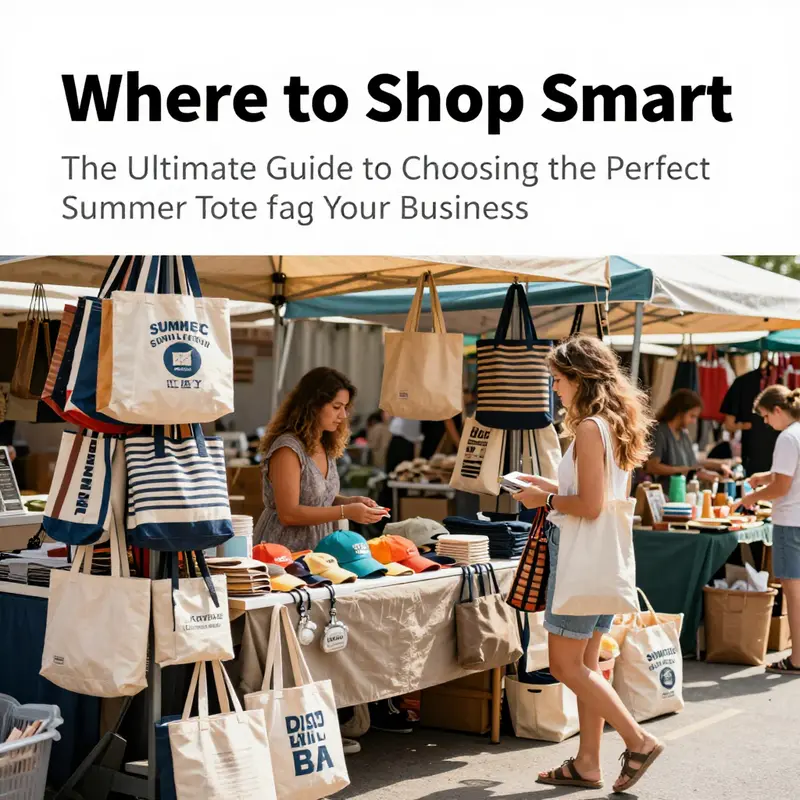
Summer invites a sense of ease, light fabrics, and a bag that can keep up with long days by the water, at the market, or along tree-lined streets. The right tote is more than an accessory; it is a companion that carries the sunlit probabilities of the season—towels, sunscreen, a book, groceries, a spare sweater for cooler evenings—without weighing you down. A thoughtful tote blends form and function, resisting the season’s moisture and heat while staying chic enough for brunch or a casual stroll. The challenge to many shoppers is not simply finding a bag that looks good, but finding one that remains reliable and affordable as trends shift. The good news is that you can time your purchase and choose retailers in ways that unlock substantial savings without sacrificing the qualities that make a tote truly summer-ready.
A practical approach begins with timing. The best deals often appear when the first hints of warm weather arrive and retailers clear older stock to make room for new silhouettes. Mid-spring and early summer promotions create a window where price reductions are more common, and shoppers who move quickly can secure a sturdy tote at a fraction of the peak-season price. This is not about chasing the lowest price alone; it’s about aligning value with use. A tote that stays light, dries quickly, and resists sun damage will outlast several short-lived seasonal purchases if you invest a little time in choosing the right materials and construction. The shopping mindset then expands beyond a single bag and into a small, curated rotation that suits weekend farmers’ market trips, beach outings, and everyday errands with a uniform sense of style.
Material matters, and that is where the conversation often begins when readers step into the world of affordable summer totes. Natural fibers like canvas, jute, raffia, and cotton blends are celebrated for their breathability and seasonal appeal. They feel right in a sunlit city and in a breezy coastal town alike. In addition to aesthetics, these fibers bring practical advantages: they tend to dry faster than heavier fabrics, resist fading under daily sun exposure, and clean more easily with a quick wipe or gentle wash. As the season progresses, you’ll notice bags that balance these natural fibers with lightweight linings that help manage spills and moisture. A tote with a water-resistant interior can be a lifesaver for pool days or sudden summer showers, making it usable even after an outdoor workout or a picnic that leaves a few crumbs and drips.
Another material conversation worth embracing is the growing appeal of faux leather and vegan alternatives. Advances in texture and stitching have allowed modern synthetic leathers to mimic the luxury look of traditional options while delivering a lighter price tag and improved ethics. The practical benefit is clear: these totes often offer reinforced seams and robust hardware that stand up to daily use, yet they remain far gentler on your budget than a premium leather piece. Importantly, the right faux leather tote will pair well with casual dresses, denim shorts, or a linen skirt, making it versatile enough for everyday summer plans without demanding a closet full of separate bags.
Size and weight are more than matters of preference; they define how a tote performs from dawn to dusk. The ideal summer tote is spacious enough to accommodate a towel, a book, sunscreen, a water bottle, and a phone without feeling like a carry-on. It should also be light enough to shoulder for long walks or an extended stroll through a weekend market. Look for a design that emphasizes clean silhouettes and minimal hardware that can snag on clothing or snag after a windy afternoon. For many shoppers, a tote with interior pockets is a welcome feature, providing quick access to essentials like keys, a small wallet, or a lip balm without rummaging through a cavernous interior. Yet the same bag should not become unwieldy when fully loaded. A well-balanced tote distributes weight without putting undue strain on the shoulder, even during a long day out in the sun.
If you care about sustainability, the choices become even more interesting. Eco-conscious shoppers prioritize materials that reduce environmental impact and brands that emphasize durability and repair options. Canvas or cotton blends, particularly those produced with recycled fibers, strike a compelling balance between style, resilience, and lower ecological footprints. A tote that offers a repair or refurbish program can extend its life well beyond a single season and reduce waste—an especially meaningful consideration as you plan multiple summers with a single investment. In this way, a well-chosen tote becomes a durable piece in a finite, seasonal wardrobe rather than a disposable statement that fades from relevance after a few summers.
Part of shopping smart is recognizing where value hides. It is easy to be drawn to glossy silhouettes or bold prints, but the most reliable summer bags usually hinge on thoughtful construction and materials that hold up under sun, salt, and spray. A sturdy built tote with reinforced stitching, a robust base, and a water-resistant lining can handle a range of activities—from beach bag to farmers’ market companion to coffee-run essential. The beauty of this approach is that you do not need to overspend to achieve a versatile, durable look. Instead, you invest in a bag that can shift seamlessly between different contexts, mirroring the way a summer wardrobe itself evolves with the days: light, airy, and readily adaptable to the moment.
As you plan the shopping journey, it is worth noting how the market now blends traditional ways of buying with digital convenience. Online marketplaces teem with options, and the best finds often come from small studios and independent makers who bring unique textures and colors to the table. The key is to filter for quality: examine seam finishes, consider the type of lining, test the zippers, and remind yourself that the most durable summer totes are those that balance easy upkeep with a sense of daily wear. Even when budget is a primary concern, there is room for personality. A tote can carry a signature color or a timeless neutral, and it can do so without becoming a rigid, one-note accessory. The goal is to cultivate a summer-ready toolkit of pieces that can mix and match with multiple outfits, rather than chasing a single trend that may fade by August.
Within this frame, it pays to engage with a few trusted sources that frequently reflect current style while maintaining practical pricing. The idea is not to rely on a single vendor but to leverage a small ecosystem of sources, comparing similar silhouettes and materials across channels. The result is a balanced approach: you capitalize on promotions and clearance cycles while retaining the confidence that the bag you choose will perform through several warm seasons. For readers who want a quick sense of what is catching attention in the tote world right now, there is a curated look at trending options that can guide decisions without locking in a specific product. See the tote-bags-trending page for a sense of what shapes, textures, and colorways are resonating with shoppers at this moment, while keeping the emphasis on value and longevity. tote-bags-trending.
Of course, there is always an appetite for guidance on where to shop, and the landscape is surprisingly forgiving for those who know how to navigate it. Large retailers often run seasonal promotions that include modestly priced totes, while outlet sections—online or physical—frequently carry last-season silhouettes at substantial discounts. The bags found here tend to be identical in quality and design to their current-season cousins, simply offered at a lower price because they are marketed as “last season” items. This can be a smart move for a consumer who values timeless silhouettes and robust construction over the latest trend. Likewise, discount-focused outlets serve as a practical gateway to durable materials and well-stitched interiors at a fraction of the full price. The strategy is to stay alert, compare similar builds, and resist the impulse to buy based solely on a fashionable finish. Instead, look for a tote that will age gracefully, developing a signature patina instead of collecting dust after a single season.
A final layer to consider is how to balance cost with the broader wardrobe narrative you are building for the summer. Your tote should harmonize with the colors and textures you prefer for your outfits—whether you lean toward airy neutrals or playful hues that echo the season’s flora and skies. The most satisfying purchases come from bags that offer cohesion with what you already own, thereby extending the utility of each dollar spent. When a bag resonates with your style and you can foresee multiple uses across different occasions, the price barrier begins to recede. You are investing not in a single flavor-of-the-moment piece but in a workhorse bag that can accompany you on desk-to-dock days, city strolls, and weekend getaways alike. In this way, affordability becomes a strategic advantage rather than a limitation, enabling you to enjoy the summer with a tote that feels both personal and economical.
For readers who want a broader perspective on value, durability, and the evolving landscape of affordable, stylish summer totes, there is external guidance that complements these shopping strategies. This resource offers additional context on how to evaluate materials, construction, and long-term wear while staying mindful of budget constraints. You can explore further here: https://www.fashionnetwork.com/insights/smart-tips-to-find-affordable-and-stylish-summer-tote-bags-without-compromise/.
The Summer Tote Dilemma: Balancing Style and Substance When Choosing Between a Tote and a Market Bag
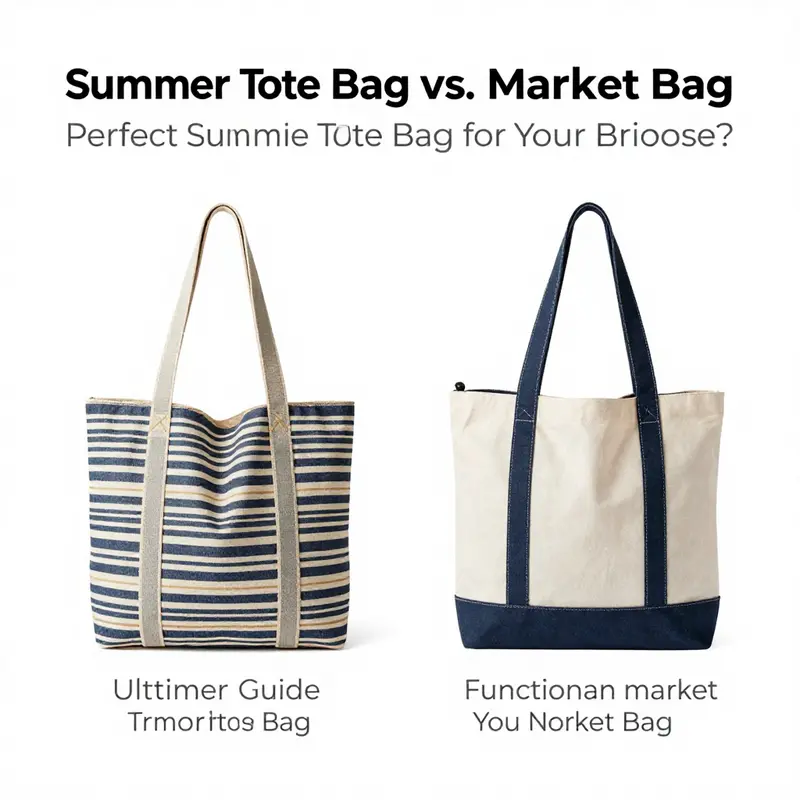
The air is warm, and the light seems to skim your wardrobe like a soft fabric. In this season of sunlit streets and open-toed adventures, the tote bag becomes less an accessory and more a daily companion. It should feel effortless to sling over your shoulder, carry through a stroll to the market, or balance on a chair at a sunlit cafe while you sip something cold. Yet in a world of bright prints and soft textures, a tote bag also carries the weight of decisions—the kind that shape how you move through a day. The question isn’t simply about capacity or price. It is about the rhythm of your summer life: do you want a bag that reads as a curated piece of your outfit, light and breezy, or a sturdy workhorse that can shoulder a week’s worth of groceries without wincing at the load? The choice between a classic summer tote bag and a market bag is more than a matter of aesthetics. It is a conversation between form and function, a negotiation between fashion and practicality, and a reminder that summer style thrives when you give yourself options that adapt to different moments rather than forcing one bag to perform everything at once.
A well-balanced summer bag should do several things at once. It should be light enough to carry all day without fatigue, yet durable enough to stand up to sun, sand, and spray from the splash of a beachside fountain. It should feel seasonally appropriate—textured, breathable, and in colors or patterns that echo the mood of long, sunlit days. Materials play a central role in achieving this balance. The lightest and most wearable summer totes often rely on fabrics like canvas, raffia, jute, or cotton blends. These materials carry a soft, relaxed energy that suits linen shirts and breezy dresses. They breathe in hot weather and resist moisture enough to handle a spilled drink or a damp towel without dramatic drama. For those who want a bit of edge, woven raffia or rattan textures bring a tactile sophistication that elevates an outfit from casual to chic, but those are best saved for lighter duties—casual city strolls, market visits, a casual brunch—when you aren’t hauling a full groceries list.
But summer is also a season for real life on the move: the beach bag that doubles as a towel carrier, the market bag that fits a carton of fruit and a bottle of sunshine. This is where the market bag earns its reputation. It’s built not for dainty elegance but for everyday reliability. These totes lean on sturdier construction and more robust materials. Thick canvas, reinforced fabrics, or recycled poly blends tend to be standard choices. They are designed to carry heavier loads and withstand more frequent use. The handles are often wider and more ergonomically placed, easing the strain on shoulders during long walks from car to curbside pickup to apartment steps. When you need a reliable carrier for groceries, bulk items, or the daily haul, a market bag performs with a calm confidence that a fashion-forward tote cannot always guarantee. The market bag’s strength is not simply its capacity; it’s the way it holds its shape under pressure and how easy it is to clean after a messy day at the farmers market or the produce aisle.
The key to a successful summer bag strategy lies in recognizing your own rhythm. If your days weave between sunlit brunches with friends and a daily stroll through a market, you will likely use both styles at different times. A fashionable summer tote can anchor a look for carefree weekends—when you want to be seen with a bag that complements a linen dress or a striped coverup. It can feature a lighter interior lining that dries quickly, keeping the bag from feeling heavy or damp when you’ve left it out on a sun-warmed patio. The outside might showcase a natural texture—raffia or canvas—that reads as seasonally appropriate and timeless. Yet as soon as you plan a grocery run or you return from a day at the seaside with a towel and sunscreen, you may crave something sturdier and more forgiving—an option that is practically designed to withstand moisture, UV exposure, and everyday wear.
The practical guide to choosing comes down to a few design and use-case benchmarks. First, consider the size and weight. A summer tote should be spacious enough to hold a towel, a book, a bottle of sunscreen, and a phone, while still maintaining balance when you carry it. If the bag feels bulky or awkward to lift, even at light loads, you will tire easily on longer walks. The market bag, by contrast, often emphasizes capacity and ease of handling. Its dimensions are optimized for bulk items and long errands, with generous interior space and a structure that resists drooping when loaded. The right balance lies in picking a tote that has a practical interior layout: a water-resistant lining helps protect against spills, while a few pockets keep smaller items organized without turning the bag into a labyrinth. A simple zip or magnetic closure can keep essentials secure while preserving quick access on busy days. A couple of exterior pockets or an open top for quick grab-and-go items can be a subtle win for both tote and market bag lovers, letting you reach for sunglasses or a map without unstuffing the entire bag.
Color, texture, and pattern matter too, especially in summer when the wardrobe plays nicely with warm tones and light, airy hues. Natural materials like canvas and raffia carry a neutral, sun-kissed vibe, while darker canvas or recycled nylon references a more urban, practical aesthetic. The fashion-forward choice often involves bold prints, bright accents, or a combination of textures that can tie a full outfit together. But the most important factor is that the bag speaks to your personal style while delivering the performance you need. This is where the advice from fashion curation comes in handy: for most summer scenarios, a balanced material—cotton canvas or recycled nylon—offers the best mix of style and practicality. They resist moisture and UV damage, and they dry relatively quickly after a summer rain shower or a splash from the pool.
Even within a single season, the market’s demand for bags shifts. Market bags in particular are thriving in contexts that prize durability and versatility. They are no longer just utilitarian fixtures; they’ve become fashion-adjacent carriers that can be worn to a farmers market and then to a weekend beach party with equal ease. When you are choosing, you may want to look for a model that bridges both worlds: something with a clean silhouette that reads as a tote but with reinforced seams and a water-resistant interior to handle sand and spilled drinks. This kind of hybrid design can be the perfect compromise for someone who wants both a bag that photographs beautifully at a seaside brunch and a bag that performs on grocery runs or during long commutes.
As you navigate the landscape of options, a quick read of seasonal silhouettes can be informative. Contemporary shoppers often look for designs that emphasize lightness and ease of care. Inside the bag, a removable pouch can be a small win, allowing you to separate sunscreen and lip balm from smaller items like keys and a charger. If you have a larger tote with a magnetic closure, you’ll enjoy quick access; if you prefer security, a zipper can help keep your valuables contained during a busy market or on a crowded bus or train. And while it must be easy to clean, it should not require a tedious maintenance routine. A bag that wipes clean and dries quickly will stay looking fresh all summer long, which matters when your schedule calls for back-to-back outings in bright sun and dusty streets.
The practical and the aspirational coexist in a single shopping trip. The market bag is the reliable backbone of everyday life—its strength lies in its ability to carry more and handle rougher treatment without showing wear. The summer tote is the voice of style—bright, expressive, and often delicate. The trick is to avoid leaning too heavily on one at the expense of the other. A well-rounded approach is to cultivate both styles in your rotation. For special occasions, the summer tote can anchor an outfit with natural fibers, a soft weave, and a touch of elegance. For routine days, the market bag can handle the heavy lifting—bulk groceries, rain gear, and notebooks—without losing its shape or comfort. With both in your collection, you’ll experience a seamless transition from a sunlit stroll to a weekend farmers market without sacrificing either polish or practicality.
In cataloging what makes sense for a balanced summer carry, it helps to be mindful of sustainability. Eco-conscious choices—such as cotton canvas or recycled nylon—quote a seriousness about both fashion and environmental responsibility. Cotton canvas is durable, easy to clean, and forgiving in daily wear, while recycled nylon often brings a lighter weight and water-repellent properties that are valuable in a summer climate where sudden showers can interrupt plans. If you lean toward the more decorative end, raffia or woven raffia totes are undeniably stylish and comfortable for lighter duties. They pair well with sun dresses and linen outfits but should be reserved for occasions where weight is not a critical factor. In all cases, selecting pieces from brands that use recycled materials or offer repair services can extend the life of your bag and reduce the need for frequent replacements. This is the kind of forward-thinking detail that transforms a simple carryall into a trusted companion of many summers.
For readers who want to explore a broader landscape of bag silhouettes and to glean how the fashion cycle is pushing summer totes into new directions, it is useful to survey current trends and see how different retailers interpret the idea of a tote. A quick look at the wider market can reveal silhouettes that balance the silhouette with practicality. If you want to see how bag trends are evolving, you can explore the broader landscape of options—see tote bags trending. This gentle nudge toward the evolving catalog of designs can help you identify the kinds of features you value most, from interior organization to material choices and handle ergonomics. It also underscores the notion that fashion and function can move in tandem across a single season, rather than existing as mutually exclusive choices. In this sense, the summer tote becomes not merely a container but a statement about how you want to move through the days between beach and brunch, market and park, heat and shade.
Ultimately, the wisest strategy may be to embrace variety rather than rigidity. A stable rotation, with a stylish summer tote for social occasions and a sturdy market bag for groceries and daily errands, offers the best of both worlds. You avoid the tension that comes from forcing one bag to cover too many disparate tasks. You also carve out space in your life for slow, considered purchases—bag choices that withstand a season of wear and remain attractive over time. If you prefer a single-bag approach, aim for a model that includes flexible features: a lightweight core, water resistance, an interior organization system, and a capacity that accommodates the typical daily load while still keeping the bag comfortable to carry. And remember that care matters. A simple wipe-down after a day at the market, a careful drying before you stash the bag, and a quick check of seams for wear can extend its life well beyond a single summer.
As this chapter closes, consider how you relate to the two bag archetypes in your own life. For some, the summer tote is a daily sculpture of color and texture, a way to celebrate the season’s lighthearted mood. For others, the market bag is a workhorse that makes errands easier, more economical, and more sustainable. Yet most readers will find value in a hybrid mindset—own both, and enjoy the flexibility that comes with choice. The goal is not to pursue a single perfect bag but to curate a small family of carryalls that can adapt to a day’s itinerary. In doing so, you can keep your style fresh while ensuring your belongings stay organized, protected, and easy to access. The summer tote bag, with its breathable fibers and sunlit charm, and the market bag, with its sturdy frame and practical design, together form a balanced toolkit for the season. They invite you to move through summer with intention, ease, and a sense of independence from the constraints of a single, all-purpose solution. And as you build your collection, you’ll discover that your choices reflect the way you want to experience the season—carefree and stylish, capable and dependable, light enough to float with you on a breeze yet strong enough to carry the weight of a long, sun-filled day.
Internal link note: For readers curious about how silhouettes are evolving and which combinations are gaining traction, a quick reference to broader bag trends can be helpful: tote bags trending.
External resource for further context: For a deeper comparison of the practical versus fashion-focused tote categories and real-world usage scenarios, see the external analysis here: https://www.thestrategist.com/beach-bag-vs-market-bag
From Beach Day to Boardroom: Why the Shopper Tote Has Rewritten Summer Style Across Global Markets
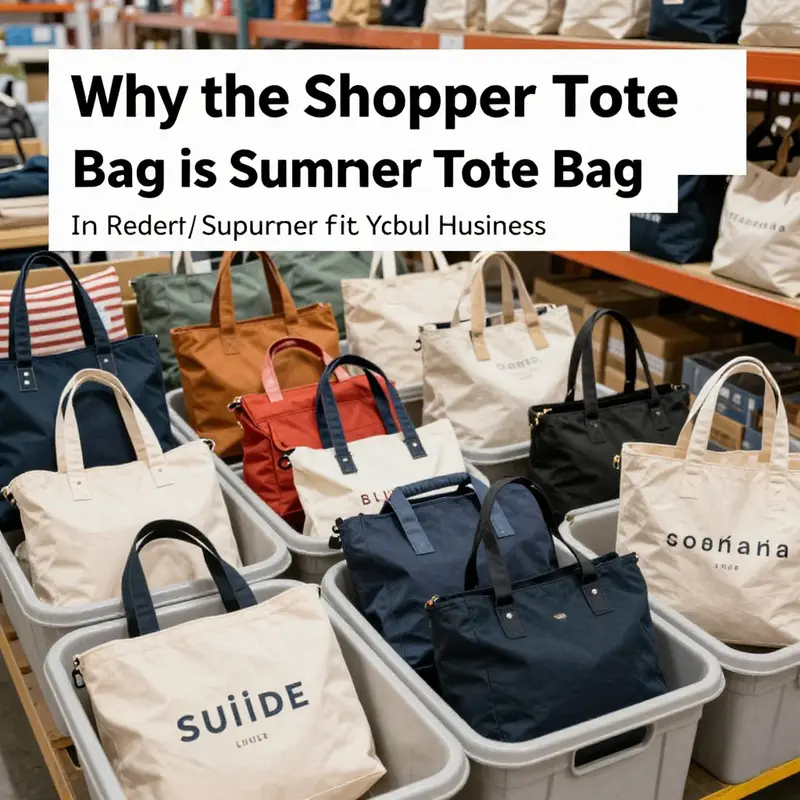
Summer tote bags have quietly become the flexible backbone of warm-weather wardrobes, a portable extension of the season’s easy confidence. The shopper tote, in particular, has traveled from markets and streets to living rooms and laptops with a momentum that feels less like a trend and more like a practical philosophy. It is not simply a beach companion or a run-to-the-store carryall. When designed with care, the shopper tote embodies a quiet sophistication: casual enough for sunlit days, durable enough for everyday errands, and thoughtful enough to transition into light professional settings as needed. In this sense, it isn’t a single product but a category that harmonizes function, sustainability, and style in a way that resonates across diverse markets and cultures. The summer tote is a mirror of how people shop today—more mindful, more versatile, and more connected to the rhythms of daily life than ever before.
At the heart of the shopper tote’s appeal is its proactive response to growing concerns about waste and single-use plastics. The shift toward reusable bags has moved beyond a simple nod to conservation; it has become a statement about choosing durability and reusability over disposable convenience. This mindset aligns neatly with the materials favored for summer bags. Lightweight fabrics such as canvas, cotton blends, and natural fibers like jute or raffia not only appeal to the season’s tactile aesthetics but also offer practical benefits. They breathe in heat, resist moisture to a useful degree, and accept routine cleaning without demanding the care of more delicate textiles. The result is a tote that can spend a full day at the beach, then pivot to a farmers’ market or a casual lunch with friends without looking out of place. The versatility of these materials is not merely about color and texture; it is about a bag that behaves well under a variety of conditions and that can be trusted to handle the day’s essentials—towel, sunscreen, water bottle, a notebook, perhaps a light jacket—without sagging or warping.
The modern shopper tote often leans into ecology without sacrificing style. Recycled materials, eco-conscious fabrics, and coatings that resist moisture and heat buildup are now common expectations. A canvas tote reinforced with a durable, water-resistant lining can shrug off a spill and wipe clean with minimal effort. Textured synthetics and vegan leather add a touch of polish that makes the bag feel more premium without the price tag. This blend of sustainability and design is what makes the shopper tote a seasonal staple with a surprising longevity. It’s a choice that feels right for many because it satisfies both conscience and curiosity. In an era when consumers increasingly seek products that can keep up with a busy life while minimizing environmental impact, the shopper tote becomes a practical symbol of that balance.
Design-wise, the shopper tote is all about thoughtful capacity without cumbersome bulk. The goal is to strike a balance: enough space for a towel, a book, sunscreen, a phone, and perhaps a light lunch, while keeping the silhouette slim enough to carry comfortably for miles of summer wandering. The appeal is also tactile. The textures of canvas, cotton, or raffia catch the light and echo the season’s natural palette. Subtle interior pockets and a secure closure add a layer of organization that reduces rummaging and keeps items accessible. Even the edges of the bag—the stitching, the handles, the finishing—are part of the story: durable enough to endure weekend trips and daily commutes, but refined enough to feel intentional rather than utilitarian. When these elements align, the tote transitions with grace from sunlit beaches to bustling farmers’ markets and then into a casual meeting, a cafe, or a coworking space that requires a neat, unobtrusive carryall.
Beyond the physical design, the shopper tote’s cultural resonance grows from its accessibility. The price point is a major driver of adoption. Across many markets, shopper totes are offered at approachable prices, often in the range of modest budgets that make a first purchase feel like a smart, practical investment rather than a splurge. A good tote at this price point can be a gateway bag—a versatile starter that proves the category’s value and encourages longer-term upgrades without breaking the bank. This accessibility is essential because the tote’s appeal is as much about democratizing style as it is about function. When a bag can be picked up in a weekend sale or found through a broad retail network, it invites more people to participate in a shared wardrobe language that feels both fitted to summer and adaptable to different life stages.
The global appetite for shopper totes mirrors broader market trends toward multi-use, sustainable accessories. The tote bag market has shown robust growth, driven by consumer interest in durable, eco-friendly lifestyle products. In this landscape, the shopper tote is positioned as a practical cornerstone rather than a seasonal ornament. It can be manufactured in a range of materials, including recycled canvas, which aligns with circular economy principles, or in vegan-leather alternatives that offer a similar look and feel with a different environmental footprint. The capacity for these bags to hold laptops or tablets—models designed to accommodate electronics up to roughly 15 inches—adds a professional versatility that broadens their appeal beyond leisure or shopping to everyday work routines. While the everyday office environment often demands a certain restraint, a slim, well-made tote with a padded sleeve or a dedicated laptop compartment can bridge casual and formal contexts with ease.
At a cultural level, the shopper tote’s rise reflects a broader democratization of fashion symbolism. In previous decades, certain items bore the weight of aspirational branding and luxury association. Today’s shopper totes can achieve a similar sense of identity without steep price tags, driven by social visibility, consistent styling, and the perception that the bag aligns with a practical, conscientious lifestyle. The “cult” factor, if one wishes to call it that, arises from a pattern of everyday use, shared experiences, and the bag’s ability to adapt to countless micro-stories. It is no longer about a single moment of purchase but about a series of moments—a bag that accompanies a morning commute, a seaside picnic, a weekend farmers’ market, and a spontaneous evening out—each adding to the tote’s evolving narrative. Even as some fashion-forward models experiment with bold colors or textures, the core appeal remains the same: a lightweight, durable, and reliable carry that respects the season’s energy and the user’s pace.
Function and style, in this sense, are not opposing forces. They are two sides of the same coin. The shopper tote achieves its best alignment when its form follows function yet learns to delight in small details that elevate daily use. A water-resistant lining, a reinforced base, and a durable shoulder strap can be the difference between a bag that looks fine in photos and a tote that endures a full summer of errands and adventures. The result is a piece that travels with the wearer—from a sunlit plaza to a shaded cafe, from a breezy boardwalk to a modest desk—without feeling out of place in any setting. This adaptability is precisely what has given the shopper tote its global appeal. It becomes a universal method for managing modern life’s pace, a reliable instrument for daily logistics that also invites personal expression through color, texture, and subtle detailing.
To those crafting or curating a summer wardrobe, the shopper tote offers a compelling blueprint: prioritize materials that breathe, choose capacity that respects movement, and embrace finishes that weather daily use. It invites shoppers to consider not just how a bag looks now, but how it will age and adapt as the season changes and life evolves. A timeless silhouette, combined with sustainable choices and practical features such as pockets, secure closures, and protective linings, ensures the bag remains relevant across summers and seasons to come. In software terms, it is the dependable workhorse that never needs reboot; in fashion terms, it is the quiet icon that grows with its wearer, gradually gaining stories and meaning with each use.
For readers looking to begin or expand their collection in this category, there is a clear path that honors both taste and practicality. Start with a base that speaks to eco-minded sensibilities—perhaps a canvas or cotton blend that’s responsibly sourced and easy to care for. Consider a bag that balances openness with structure, offering interior pockets for organization and a secure closure to protect belongings. Look for a design that can accommodate the essentials without becoming a burden—space for a towel, a book, sunscreen, a water bottle, and a device, with a little room left for a snack or a light sweater. The right tote should feel like a natural extension of the wearer’s daily rhythm: it carries what is needed, carries it well, and does so with minimal fuss. In this light, the shopper tote becomes less a trend and more a reliable companion for the season’s movements.
Within this broader frame, it is worth noting how accessibility and discovery play into the shopper tote’s momentum. The category’s growth is reinforced by a retail ecosystem that emphasizes both value and design. Consumers today often explore through online marketplaces and multi-brand platforms that curate diverse silhouettes—from classic canvas to glossy synthetic finishes and crosshatched textures. The breadth of options enables shoppers to tailor a tote to their own aesthetic and practical needs while maintaining a sustainable mindset. A well-chosen tote can reduce clutter by replacing several single-use bags with a single, durable carryall that works across scenarios. This simplification—fewer bags, more functionality—appeals to busy people who want efficiency without sacrificing a personal sense of style.
For those who want to see how this category looks in practice beyond the shelves, consider exploring options like women’s canvas tote bags. That kind of collection spotlights the marriage of simplicity and resilience that defines the modern shopper tote: sturdy material, straightforward design, and a timeless silhouette that invites daily use rather than occasional display. While the specifics of each bag will differ, the shared DNA remains. The tote’s structure, its proportion, and its finishing touch—whether a subtle logo embossment or an understated texture—tells a story about the wearer’s approach to summer: practical, curious, and quietly stylish.
In closing the capítulo of this chapter, the shopper tote stands as a practical manifesto for summer life. It is a carryall that honors the season’s lightness without compromising on readiness. It is a tool for freedom—freedom to roam between markets, beaches, parks, and cafés with confidence. It is a statement of sustainability, a daily reminder that durable, reusable options can be both affordable and chic. And it is a reflection of global markets that continually explore how one simple item can cross borders, cultures, and lifestyles while remaining true to its core purpose. The shopper tote has become more than a bag; it is a daily ritual that accompanies the summer, a companion that makes the season feel organized, expressive, and endlessly adaptable.
External reference: Global Tote Bags Market Report. https://www.businesswire.com/news/home/20260114005737/en/Global-Tote-Bags-Market-Size-Share-Growth-Trends-and-Forecast-2026-2034
Final thoughts
As the summer season approaches, the right tote bag can significantly enhance customer experiences and drive sales for your business. Ensuring that your offerings are lightweight, stylish, and functional aligns with consumer demands while maximizing profitability. By understanding the distinctions between summer tote bags and market bags, along with the benefits of shopping smart and focusing on trendy options like shopper totes, you can craft a product line that captivates your audience. Taking these insights into account will empower you to not only offer products that resonate with your customers but also foster brand loyalty and engagement throughout the summer months.