

Kate Spade Tote Bags are more than just stylish accessories; they represent practical solutions for the modern business owner. Known for their elegant designs, these tote bags combine functionality with a touch of luxury, making them ideal for a variety of professional environments. This article delves into the unique design philosophy behind the Kate Spade brand, explores its popular collections like the Voyage and All Day, discusses their practicality and usability, examines market presence and consumer trends, and provides essential care and maintenance tips. By understanding these aspects, business owners can make informed decisions that benefit their branding and customer engagement efforts.
Kate Spade Tote Bags: An Overview of Quiet Confidence and Design Philosophy
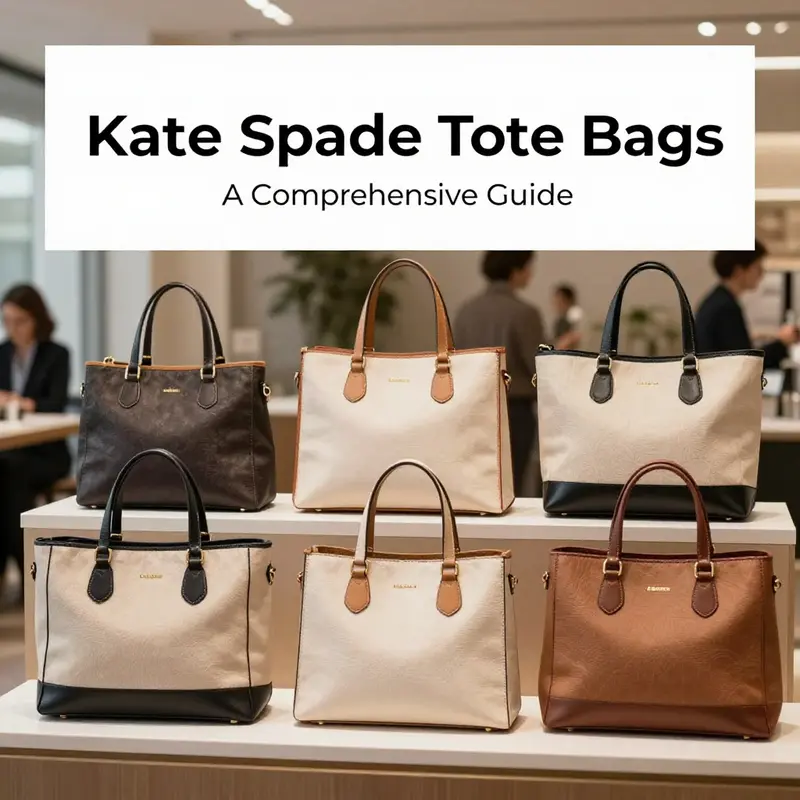
From the bustle of a city morning to the quiet corners of a coffee shop study session, the tote bag becomes more than a container. It is a portable moment of self-expression, a way to carry not just items but decisions about how we move through our day. In this chapter, we explore how Kate Spade’s tote bags translate the energy of New York into a form that is at once practical and playful. The collection’s enduring appeal lies in a carefully balanced design philosophy: simplicity that feels lived in, a respect for interior organization, and a light touch of whimsy that signals confidence without shouting. The result is a family of bags that can pair with power suits and denim alike, accompany a long commute, or serve as a reliable companion on a weekend errand run. The tote in this sense functions as a platform for life’s everyday rituals, not merely as an accessory but as a partner in how a modern woman organizes her day.
Material choice anchors this philosophy. The tote’s tactile language speaks first through texture. Textured leathers with a lychee grain offer a refined, durable surface that gathers scuffs and fingerprints but can be restored with simple care. Canvas versions introduce a lighter, more casual mood, yet still carry a sense of longevity through sturdy stitching and reinforced seams. This combination allows a bag to transition seamlessly from a boardroom to a brunch, from a library to a boutique, without demanding a change of bag. And because practicality is a core value, the interior layout receives just as much attention as the exterior silhouette. One often notices a roomy main compartment that accommodates a small laptop or tablet, a central divider to keep cosmetics and chargers in place, and a thoughtful mix of open pockets and zippered pouches for the items we reach for most—lip balm, keys, cardholders, and phones—so the everyday search for essentials becomes a quick, almost instinctive action rather than a scavenger hunt.
The silhouette itself is a study in restrained geometry. The lines are clean, the hardware deliberate but not flashy, and the color stories are soft enough to be versatile but nuanced enough to feel intentional. The aim is not to shout fashion but to acknowledge a woman’s need for a bag that looks as good in the café as in the conference room. In those quiet moments when a tote is opened to reveal its neatly arranged compartments, there is a small sense of control—an antidote to the chaotic rhythm of city life. The bag’s form follows this function: a wide opening for easy access, stability at the base to stand on a crowded train platform, and generous capacity that accommodates a notebook, a lunch tote, or a change of clothes without turning the bag into a bulky proposition. The result is a dependable tool that does more than hold things; it shapes how a person moves through her day.
A hallmark of the brand’s approach is the strategic use of subtle branding rather than overt logos. The exterior is typically restrained, letting the material texture, color, and silhouette tell the story. The interior, by contrast, earns its stage with practical detailing—a lined pocket for a phone, a zippered compartment for valuables, and sometimes a dedicated sleeve that can cradle a laptop or tablet with enough padding to cushion daily wear. This internal choreography mirrors the way people actually use bags: not to brag about what one carries, but to ease the experience of carrying it. The design ethos here embraces a modern romanticism—an appreciation for small, well-made touches that elevate everyday routines without demanding attention. Motifs and accents, when present, arrive in the form of refined hardware, subtle imprint patterns, or a hint of color on an interior zip pocket, reinforcing the idea that charm can be found in careful restraint.
In discussing design philosophy, it is essential to consider how such bags speak to a broad audience—students, professionals, and anyone who moves through city life with a constant checklist of needs. The tote’s scale is calibrated for that audience: large enough to hold a laptop, notebooks, and a water bottle, yet nimble enough to be carried across a campus quad or a crowded corridor with ease. The choices in materials and construction reflect a commitment to durability for daily wear, but they also acknowledge the long-term joy of owning something that becomes more cherished with use. The result is a product line that feels accessible without sacrificing a sense of craftsmanship. While some lines emphasize lightweight practicality, others celebrate a more refined texture and structure, allowing customers to select a bag that resonates with their personal sense of style and pace of life.
To speak further to daily practicality, many bags in the collection include internal compartments and pockets that enable a natural organization flow. The central divider helps separate items when the tote is filled with multiple necessities, reducing the need to rummage as you reach for your keys or your lip balm. A zippered pocket provides a secure harbor for small valuables, while the side pockets offer quick access to frequently used objects. This level of thoughtful organization is not merely a luxury; it is a practical response to the urban routine, where time is precious and attention must be efficiently allocated. For readers who want a concrete sense of how such structures work in real life, exploring a depiction of compatible laptop-tote configurations can provide a helpful benchmark. For instance, a versatile option designed with a dedicated laptop sleeve can be particularly appealing for students or professionals who cycle between classrooms and offices. This example underlines how the brand’s design language extends beyond aesthetics, offering a practical grammar for modern travel and work.
Care is also a component of the design philosophy. The brand often offers dust bags for storage, which speaks to the long-term care of leather and fabric. The existence of dust bags signals a respect for the material and the desire to protect it from dust, humidity, and light exposure when not in use. This small, practical touch aligns with the broader idea that a tote is not merely a disposable item but an investment that benefits from considerate maintenance. Even the simplest tote can endure years of daily use when treated with basic care routines—gentle cleaning of fabric, conditioning of leather, and proper storage in a clean, dry place. In this way, the tote becomes part of a sustainable relationship with the owner: an item that accumulates stories and memories rather than simply accumulating dust.
For readers who wish to connect with the broader ecosystem of tote bags while keeping the focus on the Kate Spade aesthetic, one practical step is to explore related options that align with the same principles of durability, organization, and style. A resource that highlights how modern totes balance laptop protection with everyday carry can be a useful benchmark. In addition, the brand’s emphasis on accessible luxury remains a compelling point of reference for consumers who seek a balance between price and quality without compromising elegance. As a practical note, for readers who want an impression of how such bags translate into everyday usage, a closer look at a dedicated page about laptop-oriented totes can offer useful context. laptop-tote-bags-women provides a relevant comparison while staying within the same design language of practical sophistication.
The storytelling around Kate Spade tote bags further benefits from looking at how color stories, texture, and detailing evolve across seasons, while still maintaining a coherent core: durable construction, useful interior architecture, and an air of cheerful refinement. The brand’s approach to materials—balancing the refined warmth of lychee-grain leather with the casual ease of canvas—speaks to a philosophy that values versatility as much as charm. This is not about chasing a fleeting trend; it is about delivering a product that can grow with a wearer through shifts in lifestyle, job roles, and personal taste. In this sense, the tote becomes a vessel for daily rituals, a small, dependable stage on which a woman performs her routines with calm assurance. The design language remains understated, but it persuades through reliability and a sense of light-hearted elegance that can brighten even a busy day.
External resource: for a broader context on similar products and their material details, see an external reference that provides an in-depth look at canvas and leather tote construction and user feedback. https://www.amazon.com/Kate-Spade-New-York-Canvas-Tote-Bag/dp/B07XQKZ5CJ
Two Faces, One Signature: The Everyday-Ready and Travel-Inspired Kate Spade Tote Collections

A tote bag can be more than a carryall; it can be a portable reflection of a life split between a busy urban schedule and the pull of distant horizons. For a fashion house known for its crisp lines, cheerful colorways, and a near-ritual ease of use, the tote becomes a kind of daily partner. The label’s tote iterations are not just about space or looks; they embody a philosophy that suits today’s multifaceted routines. In practice, this translates into two complementary archetypes within the same family: one optimized for everyday errands, commutes, and office hours, the other built to endure longer outings, weekend trips, and the small rituals of travel. Both share a common thread—refined silhouette, thoughtful organization, and the brand’s hallmark details—yet they cater to distinct moments in a modern woman’s calendar. Reading these two directions together reveals how a single accessory line can harmonize elegance with practicality, without forcing a choice between style and usefulness.
The everyday-oriented tote emphasizes a calm, disciplined silhouette that slides easily into a workday or a casual afternoon with friends. The language here is clean and modern: a straightforward rectangular form, soft yet durable materials, and hardware that glints with a restrained confidence. The materials often switch between supple pebbled leather and sturdy canvas, pairing the tactile warmth of natural textures with an architectural precision that keeps contents securely in place. Across this spectrum, the design keeps the opening generous enough for effortless access but arrives with internal zoning that makes sense of the chaos that follows a busy morning. A center divider, a zipped pocket for small items, and smaller sleeves for phones and cosmetics ensure that essentials have a designated home rather than being rummaged through at every lift of the bag. It is a lesson in restraint: a compact interior map that prevents bulk from blooming while preserving enough space for a laptop, a notebook, and a reader. The exterior reflects a similar discipline—softly structured lines, the familiar gleam of metallic hardware, and the old‑world confidence of a branded badge that announces quality without shouting.
In the same family, a more travel-ready iteration introduces a different rhythm. It stays faithful to the aesthetic that many consumers adore—the balance of polish and practicality—but it leans into features that respond to the unpredictability of longer days and itineraries. This line tends to emphasize materials with longevity in mind, such as weather-resistant coatings on canvas or reinforced, wear‑resistant textures that can shrug off the occasional scuff of a transit ride or a crowded platform. The hardware is still refined, yet often more functional: adjustable straps that can become a shoulder sling or a long crossbody, extra interior pockets that can hold passports, cables, and a compact umbrella, and a more deliberate attention to closure systems that keep belongings secure during busy moments. Aesthetically, the travel-focused version breathes a bit more life into the surface with patterns or motifs that evoke maps, place names, or travel-inspired graphics. The result is a tote that feels ready for exploration, with every seam designed to be as forgiving as it is precise. The appeal is not merely romantic; the design invites a form of confidence that comes from knowing a bag can shoulder both a laptop and a bottled water on a spontaneous day trip without surrendering structure.
What unites these two directions is a shared devotion to practical choreography. The internal architecture is a throughline: multiple compartments, a central zipper, side pockets, and sometimes a dedicated sleeve that accommodates a laptop or a tablet. The balance between open space and organized pockets is deliberate. Open-top access makes daily errands swift, yet the zipped center divider can protect valuables when the bag sits on a crowded bus or a busy café chair. The smaller pockets are sized with clever anticipation—room for lip balm, keys, and a phone, but not enough to turn the interior into a jumble of loose objects. This is design as a form of daily choreography, enabling the user to perform ordinary tasks with fewer interruptions and less mental clutter. The exterior consistent with the brand’s DNA—minimal branding, a poised silhouette, and a calm color story—ensures the bag remains versatile enough to pair with a blazer for a boardroom presentation or a denim jacket for a weekend brunch.
A practical shopper’s eye will notice how texture and tone play into the intended mood of each tote. The everyday version leans into a timeless, understated elegance. The palette tends to favor neutrals—creams, taupes, soft blacks—punctuated by a few warmer tones that soften the look without sacrificing sophistication. This choice makes the bag an easy partner for nearly any wardrobe, a reliable anchor that can anchor a businesslike suit by day and then transition to a smart streetwear blend by night. The travel-inspired line, by contrast, invites a richer vocabulary of color and surface. It may include brighter accents, deeper baselines, or patterns that catch the light in a way that suggests motion. The exclusivity here lies in how print and hue converge with utility—the pattern isn’t merely decorative; it signals readiness for changeable weather, a longer day, and a different rhythm of use. No matter the aesthetic, the hardware remains polished, the stitching neat, and the overall feel one of durable refinement.
Care and maintenance are part of the tote’s story as well. The everyday version rewards with ease of upkeep: spills can be blot‑dried, and light cleaning can revive its fresh appearance. The canvas variant benefits particularly from a light spray of protective coating, while the leather options respond to routine conditioning to retain their suppleness. The travel-inspired tote, given its propensity to encounter more perilous days—rain, buses, crowded stations—delivers care notes that emphasize routine safeguard: emptying out the interior to prevent water pooling, using a dust bag for storage, and keeping an eye on the bottom’s wear with a soft protective pad when the bag rests on abrasive surfaces. The brand’s approach to storage aligns with this, offering dust bags with select editions to preserve finish and shape, a thoughtful touch that speaks to long-term value rather than quick fashion turnover.
For readers who want to feel the cadence of these totes in a more tangible way, a quick exploration of the label’s broader tote family can be instructive. The practical, everyday silhouette speaks to the rhythm of a 9-to-5 routine, while the travel-ready version answers the heartbeat of a weekend escape or a city‑to‑city itinerary. This duality does not force a rigid split in a wardrobe; instead it creates a continuum where one bag can morph with the day’s demands. It is a subtle art—one that keeps finesse while accommodating the realities of modern life. And because the brand recognizes that many buyers value both durability and style, it offers a thoughtful range that respects different budgets, materials, and levels of care. The end result is a tote that can be someone’s constant companion, a trusted tool that never has to compromise on taste for function or vice versa.
Engaging with these options invites a deeper consideration of how a single accessory can anchor a wardrobe across seasons and scenarios. It is not merely about capacity or appearance; it is about how a bag translates hours and miles into a fluent, coordinated experience. The everyday option glides through a workspace, a coffee run, and a quick jog to the gym with equal poise. The travel-oriented version is a partner for longer days, a loyal companion when schedules lengthen and plans shift, and a demonstration that style does not surrender to practicality but rather thrives through it. If one evaluates the two directions side by side, the choice becomes less about exclusivity and more about the flexibility of life itself. In this sense, the tote family becomes a map of a lifestyle that migrates between routine and discovery, between order and spontaneity, all while wearing a single, coherent voice that remains unmistakably elegant.
For readers curious to see how these silhouettes translate to real-world use, the label’s tote collection for women offers a practical starting point. Discover more about Kate Spade tote bags for women and how the line balances form and function in everyday settings by visiting the collection page. Kate Spade tote bags for women.
External reference: https://www.amazon.com/Kate-Spade-New-York-Canvas-Tote-Bag/dp/B07XQKZ5CJ
Designer Totes in Practice: Melding Style, Organization, and Everyday Utility

A tote bag, in its simplest form, is a promise: a single, reliable home for the day’s essentials. In the rhythm of a modern schedule, where meetings roll into errands and errands slip into evenings, a well-made designer tote can feel like a quiet partner. It speaks first with its silhouette—clean lines, a silhouette that sits comfortably against the body, not aggressively bold but unmistakably present. Yet the appeal runs deeper than looks. The true measure of a tote lies in how easily it accommodates the hour’s demands, how gracefully it threads together work, study, and a touch of personal life without clutter or fuss. In that sense, the most successful designs balance aesthetic intent with practical purpose, creating a companion that remains unobtrusively capable as the day unfolds.
The practical core of these bags is space designed with intention. They are built to carry the modern professional’s laptop or tablet, a notebook or two, a makeup kit, and the everyday personal items that never seem to be in their designated place. The dimensions often hover around a compact yet generous footprint—enough height and width to keep items upright, with a depth that prevents the interior from feeling bargain-bin roomy or hopelessly cavernous. A typical interior arrangement helps this balance: a dedicated interior pocket and a central divider with a zip pocket provide a structured rhythm to the contents. Small items—lip balm, powder, a phone—find a home in pockets that keep them visible and reachable, while a larger compartment accommodates notebooks, chargers, and a slim laptop sleeve. The result is not a perfectly rigid system, but a flexible one that adapts to how a day actually flows: a quick stop at a cafe, a sprint to a meeting, a moment of quiet between tasks.
Durability is another essential axis of usability. The components are chosen with regular use in mind: reinforced handles that distribute weight evenly, sturdy stitching that resists daily wear, and materials that resist the inevitable scuffs and scuffs that come with city life. The goal is clear: a bag that can be picked up with confidence, carried through crowded corridors, and set down on office desks or café tables without flinching. This practical sturdiness underpins the bag’s longevity, letting it function as a dependable anchor through weeks of back-to-back commitments and weekend errands alike. The tactile experience matters as well—the heft of the handles, the smoothness of the interior lining, the ease of pulling a zipper trap from the bottom of a pocket. Subtle engineering, rather than loud claims, communicates quality in a way that feels right for daily use.
Yet every design carries trade-offs, and a thoughtful tote acknowledges them rather than pretending they don’t exist. When fully loaded, the bag can feel bulkier than its light, unoccupied state suggests. The same volume that accommodates a laptop and a notebook can also translate into a certain weight and a sense of fullness that makes long walks or multi-hour commutes feel less effortless. For some situations, that sense of bulk is simply a reminder of the bag’s generous capacity. For others, it becomes a practical prompt to pare down to essentials or switch to a lighter, more compact carry alternative for days that demand a lighter footprint. The interior layout, though designed for organization, occasionally offers limited built-in security. A day in a high-theft environment might feel unsettled by the prospect of open access to a large, reachable interior. This is not a flaw in the sense of defect, but a truth of design: bags built primarily for accessibility and speed can trade some security for convenience. The remedy is to plan around this reality—use compartments, keep valuables in zippered pockets, and consider an additional crossbody or smaller option when the setting calls for extra security.
In this sense, the tote’s usability shines through a flexible ecosystem of options. For moments that demand hands-free movement, crossbody versions provide a complementary path. They strip away some bulk and introduce a strap that can be adjusted for comfort during transit, especially on days filled with transit, stairs, and swift hallway transitions. The choice between a roomy tote and a crossbody often boils down to context: the tote for full-day labor or study sessions, the crossbody for travel, quick errands, or a crowded commute where maneuverability matters. The design language across these forms tends toward a streamlined front, with a clean, minimalist exterior that remains deeply adaptable to different outfits and occasions. The interplay between understated elegance and practical details—lined interiors, thoughtful pockets, and robust hardware—creates a sense of versatility that many women come to rely on as a daily constant.
Care and maintenance enter the practicality conversation too. Dust bags associated with many versions make long-term storage more straightforward, protecting the exterior from dust and the interior from makeup residue or scuffs when the bag returns to the wardrobe after a busy week. Such accessibility to care reflects a broader philosophy: that a well-loved piece should be simple to preserve, not a drain on time or money. The care routine is deliberate but painless, a few minutes here and there to keep the bag looking purposeful and thoughtful. With this in mind, colorways and finishes matter as well. A neutral palette that pairs easily with tailored workwear or casual weekend outfits can minimize the mental load of choosing what to wear and what to carry. The silhouette remains timeless enough to cross seasons, while the details—subtle branding, clean seams, and a refined finish—signal a sense of polish that elevates everyday dressing rather than competing with it.
For shoppers and commuters who value a clear sense of how the bag translates to real life, the interior layout becomes an essential narrative. It’s not only about capacity but about how quickly one can locate a charger, slip a card into a sleeve, or retrieve a lipstick without a game of hide-and-seek inside a cavernous main compartment. This is where the merits of organization truly reveal themselves. A practical tote offers a place for everything and a rhythm that mirrors a day’s flow. A laptop can slide into a padded sleeve, notebooks rest against the divider, and the phone remains accessible in a side pocket. These features translate into tangible time saved, a small but meaningful advantage when deadlines loom or schedules compress. When such organization is delivered with a refined exterior, the result is a bag that feels equally comfortable in a boardroom and at a weekend market—an attribute that makes it a staple in many wardrobes.
To connect the practical with the personal, consider the everyday rituals that elevate a bag from mere utility to trusted companion. The way it rests on a shoulder and the ease with which it is retrieved from a chair can influence a day’s pace. A well-balanced tote becomes a quiet cue to move with intention, to pause when needed, and to proceed with a sense of poised efficiency. It’s the subtle choreography of design and daily life, a reminder that style and function need not be at odds. For those who want to explore how this type of tote translates into real-world use, a detailed examination of dedicated pages can offer concrete insights into layout and organization, including practical examples of how pockets, dividers, and straps align with the demands of busy days. tote-bag-for-women-kate-spade serves as a representation of how these ideas come to life in product pages that emphasize interior structure and everyday usability, helping readers visualize the kind of organization that supports productivity without sacrificing elegance.
In the end, the appeal of a designer tote that gracefully fuses style with pragmatic thought lies in its ability to stay useful without feeling utilitarian. It becomes a dependable partner through the week’s varied rhythms, capable of carrying the day’s needs and still looking polished enough for a late dinner or a quick meeting after-hours. The promise is not a flawless, unchanging solution but a reliable framework that invites wear and personalization. A bag that prioritizes space, sustains durability, respects security concerns, and remains elegant in its restraint offers more than function. It offers confidence—confidence that the essentials will travel well, that complex days will remain organized, and that style will still feel effortless when the pace quickens. As wardrobes evolve and routines shift, such a tote continues to prove its value, quietly reaffirming why these bags endure as a staple in many modern lives. External resource: https://www.amazon.com/Kate-Spade-New-York-Canvas-Tote-Bag/dp/B07XQKZ5CJ
Tote as Signature: Market Presence and the Shifting Consumer Currents Behind Kate Spade Totes

Tote bags have long been more than mere carriers of daily essentials. In the realm of fashion and lifestyle, they function as a canvas where brand identity, craft, and practical aesthetics converge. For Kate Spade, this convergence has evolved into a resilient market presence that sits at the core of the brand’s premium accessories narrative. Across continents and consumer segments, the tote continues to symbolize a blend of playful design and disciplined craftsmanship. The brand’s ability to maintain relevance in this space rests on two interlocking forces: a steadfast commitment to a recognizable silhouette that can be reinterpreted across seasons, and a keener sense of how people actually use bags in modern life. The data points to a broader story about why the tote remains a pivotal product category for Kate Spade and why consumers keep returning to it as a reliable, stylish workhorse in their daily routines.
In fiscal year 2025, the brand reported net sales from women’s handbags reaching about $623 million globally. This figure is more than a statistic; it signals how tote bags, as a core product category, translate design philosophy into durable consumer demand. The tote’s appeal is not only about capacity or aesthetics. It is about a balanced proposition: structure that keeps items organized, an accessible price-to-value ratio for a premium label, and an elevated sense of play that makes everyday routines feel a little brighter. Such a combination sustains a consistent insistence on tote bags as a critical revenue driver, even as fashion markets pivot toward micro-trends and shifting regional preferences. This is the core reason why Kate Spade’s tote line remains strategically significant for the brand’s global footprint.
Consumer behavior in recent years has increasingly favored multifunctional and customizable accessories. The label’s Duo line, a notable example within its broader portfolio, embodies this trend by allowing customers to reconfigure a single design into multiple configurations—shoulder bag, crossbody, or waist bag—without demanding a second purchase. The adaptability of Duo aligns with how people move through work, travel, and social settings in a single day. It reduces decision fatigue, extends the utility of a single investment, and reinforces the tote’s role as a versatile carry system rather than a seasonal accent piece. This kind of modular thinking mirrors a broader consumer shift toward value-rich versatility, especially among urban professionals who juggle schedules, gear, and social obligations.
Brand storytelling has become as important as the product itself, and Kate Spade’s recent campaigns in key markets demonstrate how narrative depth translates into tangible consumer interest. In January 2026, the brand’s social media activity in China highlighted the Duo line’s configurability against evolving cultural moments, from Lunar New Year festivities to spring streetwear aesthetics. Influencer collaborations amplified a message: a tote is not just a bag but a flexible companion that can echo the mood of a moment. The marketing approach reinforces a core truth about tote culture today—the bag is a living accessory that adapts to occasions, outfits, and personal rituals. When a consumer can imagine a tote reshaped for a festive red theme or a casual daytime look, the product becomes less about a one-season statement and more about a durable, evolving relationship with personal style.
The experiential pivot in physical stores and experiential marketing also plays a meaningful part in sustaining consumer attachment. During the Chinese New Year period in early 2026, Kate Spade rolled out limited-time in-store experiences designed to deepen emotional engagement and foot traffic. One memorable feature was a “surprise delivery cart” that offered exclusive items like custom bag charms and shopping vouchers, turning routine purchases into moments of anticipation and delight. Experiences like these extend beyond the transactional, cultivating a sense of community around the tote and reinforcing emotional loyalty. In markets where social and shopping rituals intertwine with gift-giving and seasonal storytelling, experiences can turn a routine acquisition into a remembered event that people talk about with others.
A practical lens helps explain why these trends matter for the tote’s market presence. The tote’s internal architecture—ample space, organized compartments, and secure pockets—addresses real-life needs in commuting, campus life, and travel. The Voyage Tote, with its generous capacity and thoughtful internal organization, exemplifies a design that prioritizes what urban living requires: easy access to devices, cosmetics, and everyday essentials while maintaining a tidy silhouette. The All Day Tote, by contrast, leans into lightweight durability and clean, minimal lines, making it accessible for daily use without sacrificing the refined, high-quality feel that marks the brand. Such design choices affirm a crucial point: consumers gravitate toward bags that perform well and look polished in a variety of settings. When a tote can carry a laptop, hold a tablet, and still compress gracefully into a weekend bag, it becomes indispensable rather than optional.
The market dynamics around Kate Spade’s totes also reveal the evolving expectations of value in premium accessories. The net sales data point suggests that consumers are not simply chasing newness; they are seeking durability, reliability, and a sense of joy that complements their daily routines. The brand’s canvas-oriented All Day line, with its accessible price point and straightforward aesthetic, serves a different segment of buyers—students, early-career professionals, and budget-conscious shoppers who still want a premium brand experience. This diversification of the tote offering ensures the category remains inclusive within a premium framework, widening the potential customer base while preserving the aspirational aura that defines the brand.
From a merchandising standpoint, the tote category benefits from a clear continuity plan across seasons. The signature brand elements—subtle logo detail, colorways that range from timeless neutrals to fashion-forward hues, and durable hardware—create a recognizable, comforting footprint. Yet the real engine behind ongoing relevance is the ability to integrate seasonal narratives into product storytelling. The Lunar New Year and other cultural moments provide fertile ground for limited editions, exclusive accessories, and event-driven promotions that invite shoppers to participate in a shared cultural moment while reinforcing the tote’s central role in daily life. It is a strategy that binds product design, marketing, and retail experiences into a single, coherent narrative about how people live with bags now.
For readers seeking a concrete sense of the tote’s role in modern wardrobes, consider the consumer journey as a continuum rather than discrete moments. A shopper might begin with a practical canvas tote for school or entry-level professional life, then upgrade to a more structured version for work commutes, and finally embrace a configurable Duo model that multi-functions across travel and weekends. Each step reinforces the brand’s overall promise: a product that brings polish, organization, and personality to everyday routines. The narrative is not that the tote has changed but that consumer expectations have evolved in ways that reward versatility, emotional resonance, and consistent quality. In this sense, the tote remains a living, adaptable emblem of the brand’s enduring relevance in a crowded, fast-moving market.
Within this broader landscape, one can glimpse how the tote’s market presence will continue to be shaped by what shoppers value most: a sense of everyday luxury that travels with them, a design vocabulary that is both timeless and fresh, and a shopping experience—online and offline—that feels personal and thoughtful. For those exploring Kate Spade’s tote offerings, a closer look at the tote bag for women can provide a concrete sense of how these design principles translate into everyday use and long-term satisfaction. Kate Spade tote bag for women offers a starting point to see how the brand translates its identity into practical forms that fit the rhythms of work, study, and leisure across diverse lifestyles.
As the market continues to oscillate between premium appeal and accessible value, Kate Spade’s tote strategy demonstrates how a strong founding design can support a broad, evolving consumer base. The balance between iconic silhouettes and flexible configurations like Duo, combined with culturally resonant storytelling and immersive retail experiences, positions the tote as a durable flagship in the brand’s portfolio. The story is not simply about selling bags; it is about inviting people to participate in a lifestyle cue that blends playfulness with practicality, a combination that resonates with modern life’s tempo and texture. The data-backed confidence behind this approach suggests the tote will remain a central thread in the brand’s narrative for years to come.
External reference to context and data: https://www.statista.com/statistics/1457898/kate-spade-net-sales-by-product-category-worldwide/
Preserving Style, Preserving Signature: A Deep Dive into Caring for Your Kate Spade Tote Bag

A Kate Spade tote bag is more than a daily workhorse or a shopping companion. It is a quiet signature piece that accompanies a busy life, catching light in the hallways of your week and the corners of weekend errands. Caring for it, then, becomes a way to honor the design philosophy behind the bag: simplicity married to practicality, wit paired with durability. The care routine needs to be thoughtful, not obsessive, and tailored to the material of the bag. The brand’s tote family spans pebble leather and versatile fabrics, each with its own set of needs. By approaching maintenance as a long-term relationship with your bag, you keep its silhouette crisp, its hardware gleaming, and its interior organized enough to make every outing feel effortless. This is not about chasing perfection; it is about preserving a piece that already brings a sense of polish to everyday life. A well-cared-for tote remains a reliable partner, ready to carry documents, a laptop, cosmetics, or a quick grocery run with equal ease.
Pebbled leather, the more classic face of the line, is forgiving in daylight and at the office, yet it invites a deliberate routine to prevent wear from becoming visible. Light upkeep becomes a weekly ritual: a very slightly damp microfiber cloth can lift dust and smudges without abrading the surface. The goal is to maintain the soft grain and the bag’s supple feel, not to polish it to a high-gloss finish. When you notice a stubborn mark or a residual stain, approach it with a mild leather cleaner designed for nubuck or a pebble texture, applying sparingly and testing on a hidden area first. After any cleaning, a dry cloth helps remove excess product and begins the drying process. The bag should air-dry away from direct sunlight and heat sources, which can stress the leather and alter its hue over time. Conditioning comes into play only after the surface is completely dry. A small amount of mild conditioner helps restore moisture and flexibility, but the rule is light-handed. Over-conditioning can lead to residue or a slick feel that distracts from the bag’s natural texture. A quiet touch, then, becomes a long-term habit rather than a one-off treatment.
Storage turns another corner of care into a straightforward practice. When the bag rests for a period, it should be stored in a cool, dry place where the grain can breathe. If a dust bag is available, it becomes a gentle shield against dust and incidental scuffs, though leaving the bag in a breathable cover is preferable to wrapping it tightly in plastic, which can trap moisture and encourage mold. Filling the interior with tissue paper or a soft, fabric stuffing helps the bag preserve its shape, especially around the top opening and the structured sides. This simple shape maintenance goes a long way toward keeping the tote’s lines crisp so that a sudden wave of weather or a moment of overzealous stuffing doesn’t warp the silhouette.
For those who use fabric or nylon totes, the care vocabulary shifts a little, but the care mindset remains the same: keep stains at bay, dry thoroughly, and store properly. Spot cleaning with a mild detergent dissolved in lukewarm water is effective for most fabric surfaces. The aim is to lift, not saturate. Gently dab the area with a soft cloth or sponge, then wipe away any soap residue with a clean damp cloth. The goal is to avoid soaking and to let the bag air dry in a shaded area. Once it is dry, consider storing it in a cool, dry corner where sunlight won’t fade the color or wear the fabric at the seams. Exposing fabric to direct sun for extended periods accelerates color fading and weakens fibers, so a simple, practical routine keeps the tote visually fresh for longer.
If you regularly carry a lot in your tote, the internal structure matters as much as the exterior surface. The bags in this family often feature compartments and pockets that organize cosmetics, tech gear, and personal items. Wise use of these spaces helps prevent stress on the handles and the bag’s sides. A lighter daily load reduces strain on the hardware and the stitching around the top edge, preserving the bag’s professional drape and tactile feel. A small, damp microfiber cloth left in the interior is handy for quick touch-ups on minor spills, which saves you from allowing stains to set. These small, practical steps become the baseline of a long-term care routine rather than an occasional effort.
There is a practical edge to care that can seem almost mundane, yet it matters. If you frequently travel with your tote or use it during damp commutes, consider an additional layer of protection for the bottom or base corners. A sturdy, unobtrusive insert inside the bag helps distribute weight more evenly and reduces sagging, which in turn preserves the interior partitions’ alignment. When the bag is not in use, letting it breathe rather than sealing it away in a vacuum-like environment helps prevent odor buildup and keeps the interior fabric fresh. For the hardware—zippers, pulls, and logo plaques—a gentle wipe with a dry or barely damp cloth maintains their luster without harsh polishing agents that could wear away metal over time. The aim is gradual, consistent care rather than aggressive cleaning sessions that could strip away delicate finishes.
If you want to make your care routine more actionable without overcomplicating your day, think of maintenance as a cadence. A weekly light wipe for the pebble leather or fabric casing keeps dust from taking root. Every two to three months, perform a deeper evaluation and a careful cleaning session, focusing on any stubborn spots or areas that have shown signs of wear. Conditioning should follow only after a full drying period, and the conditioning product should be a mild formulation chosen for the bag’s material. These steps are not merely chores; they are a way to extend the life of a beloved piece and keep it looking thoughtful and well-made as the years go by.
In the practical world of modern work and weekend errands, a tote’s appearance signals an unspoken standard of organization and readiness. That is why even a seemingly small investment in care yields dividends in confidence. When you reach for the bag each morning, there is comfort in knowing the lines stay clear, the texture remains lively, and the interior remains accessible. The routine is a quiet ceremony of care, a daily affirmation that the bag and its wearer share a shared sense of durability and style. As you grow more comfortable with your ritual, you may find yourself choosing the tote not only for its capacity but for its resilience—able to handle a coffee spill on a rainy day, a crammed desk drawer, or a last-minute trip to the post office without losing its polish.
For those who consider a tote as part of a broader wardrobe system, the care approach becomes an extension of personal aesthetics. The material choice—pebble leather or fabric—speaks to different sensibilities and different life rhythms, but the underlying principle remains universal: treat the bag with respect, and it will return that respect in the form of a longer, more graceful life. If you ever want to explore protective accessories that complement your tote’s design, you can consider an option that supports easy transport without crowding the interior. A practical choice is to pair the tote with a sleeve that accommodates a laptop or tablet, preserving the interior’s organization and shielding electronics from incidental moisture or abrasion during transit. For an example aligned with this idea, you can explore a dedicated sleeve option here: tote bag with a computer sleeve.
Finally, for those who seek a deeper, professional perspective on care and leather stewardship, an external resource offers a detailed, expert guide on safely maintaining pebble leather bags and similar textures. The guidance from specialists complements personal routine and helps you refine your own care protocol. External resource: https://www.safetyleathercare.com/kate-spade-pebbled-leather-bag-care/
In short, caring for a tote bag that carries a signature like Kate Spade is a respect-for-materials practice. It is about noticing how the bag ages, understanding how different materials require different care, and choosing a simple, repeatable routine over episodic, dramatic cleaning. The result is a bag that stays true to its original silhouette, remains comfortable to carry, and continues to offer a sense of polish that elevates everyday moments into something a little more refined.
Final thoughts
Kate Spade tote bags stand out not only for their stylish appeal but also for their functional design that caters to the needs of modern business owners. By choosing these bags, you not only enhance your professional image but also invest in products that offer practicality and durability. Understanding the various collections and their unique features enables business owners to select the perfect tote that aligns with their lifestyle and branding. Additionally, caring for these bags ensures longevity, maintaining both appearance and function. Ultimately, integrating Kate Spade’s totes into your professional life can significantly impact customer perception and brand representation.