
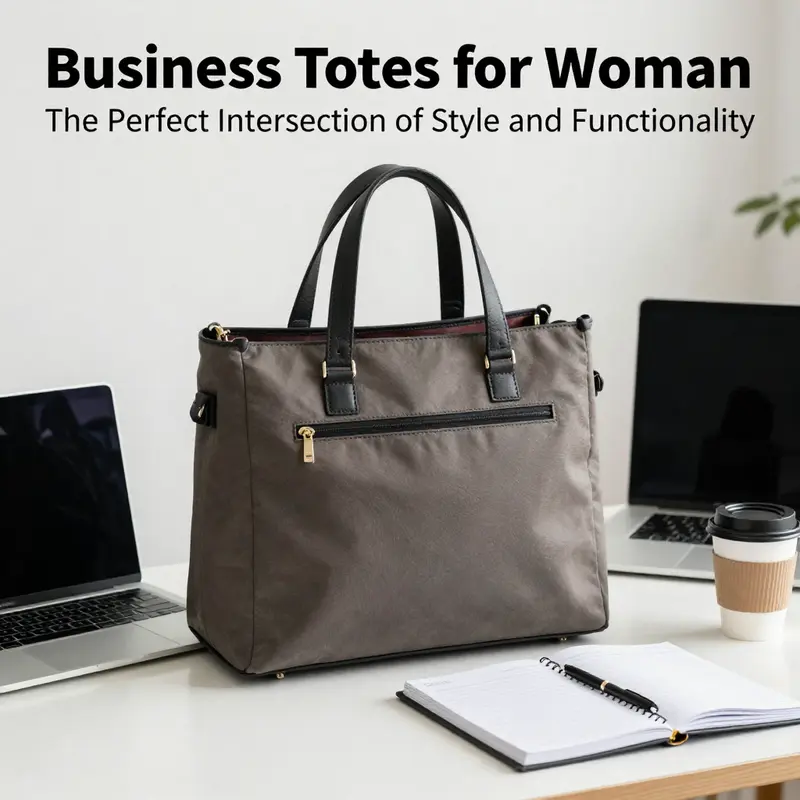
The modern business environment demands that women navigate their professional lives with poise and efficiency. A well-designed business tote is not just a fashion statement but a functional necessity for today’s businesswomen. Seamlessly merging style with utility, these bags have become essential accessories that reflect one’s professionalism while catering to practical needs. In this exploration, we’ll delve into the remarkable functionality and design of business totes, the materials ensuring durability, and the dynamic trends that shape their aesthetics, empowering business owners to make informed choices that elevate their working lives.
Carrying Confidence: The Architecture of Functionality and Style in Women’s Business Totes
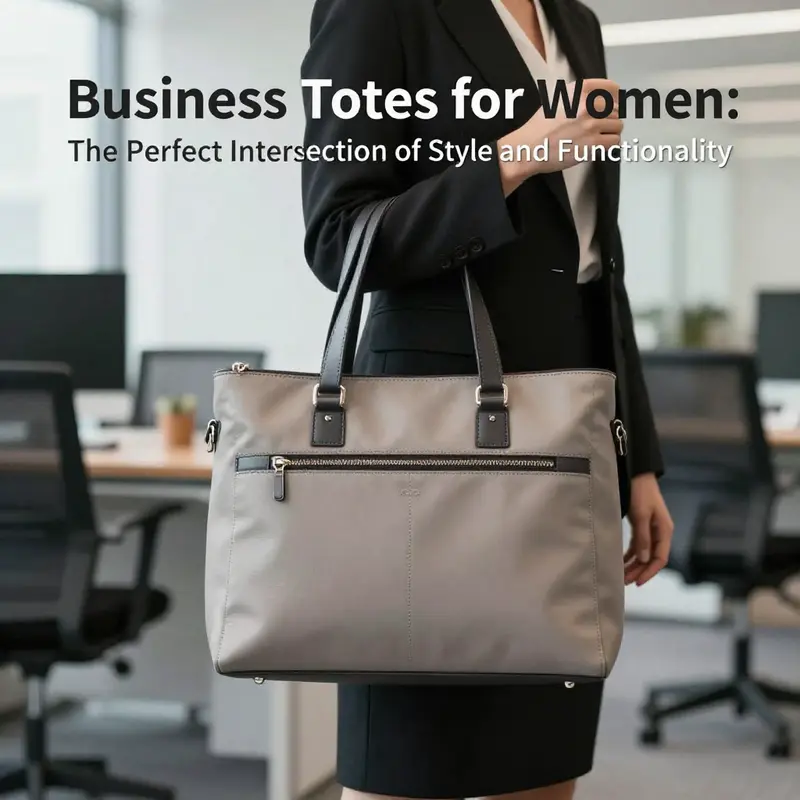
Functionality and design are not separate categories in the world of women’s business totes. They are two sides of the same coin, a practical philosophy that turns a simple bag into a daily tool for professional life. The best totes do more than carry papers; they organize the day, shield delicate tech, and present a composed impression in every hallway and conference room. In a modern workplace, a tote is as much a part of your routine as your calendar, your coffee habit, and the handshake you bring to a first meeting. The challenge for designers and shoppers alike is to reconcile appearance with endurance, to offer a silhouette that fits a tailored suit and the tempo of a busy commute. The result is a bag that feels invisible in the sense that it disappears from your attention as you focus on the task at hand, yet remains unmistakably present through its quiet competence. The subject is not vanity; it is utility with polish.
At the heart of any capable business tote lies organization. A dedicated interior compartment is not a luxury but a necessity. The padded laptop sleeve protects a device sized for most workstations on the go, while pockets designed for a phone, a wallet, and a set of keys prevent the jumble that can derail a productive morning. Even the most compact options incorporate clever storage, such as slim, easy to reach card slots or a small zip pocket for cards and receipts. Detachable zip pouches further extend the tote’s versatility: when a meeting ends and the schedule shifts to an after hours event, those pouches can transform into a clutch without requiring a separate bag. The aim is not merely to contain but to enable—your tools, your notes, and your moment to pivot seamlessly between tasks.
Size plays a pivotal role in this balance. A well considered tote sits at the intersection of capacity and carry comfort. For many professionals, a width of roughly 10 to 14 inches achieves this equilibrium. It is wide enough to cradle a standard notebook, a compact binder, or a compact tablet, yet compact enough to sit comfortably under a desk chair or rest at the base of a crowded elevator. This measured scale helps preserve posture by reducing the weight load that shifts into the shoulder on long commutes. Think of the tote as a saddlebag for the workday, a vessel that carries the essentials without signaling a boastful amount of gear. The content inside should feel accessible without appearing overtly stuffed, reflecting a calm efficiency rather than a rushed scramble.
The material palette for business totes speaks to both resilience and refinement. A modern tote must endure the daily friction of commuting, coffee spills, and occasional rain or shine. Durable options include water resistant canvas that holds its shape, reinforced nylon that shrugs off scuffs, and leather variants that mature with use. Premium full grain or top grain leather can offer a timeless appeal, its patina becoming a personal record of the bag’s travels. Yet sustainability has become a mainstream criterion as well. Eco friendly fabrics such as recycled polyester, cork, and plant based leathers like Piñatex make the same promises of durability while aligning with values that many professionals now hold central. The practical test here is simple yet decisive: the material should bend and flex without cracking, and the surface should resist wear that would reveal fatigue after months of daily handling. A well made tote invites you to treat it as a long term partner rather than a disposable accessory.
Design elegance follows function but does not surrender it. Clean lines and a structured silhouette convey professionalism, while a subtle texture or a faint gleam from hardware signals attention to detail. Neutrals like black, navy, beige, and taupe create a canvas that harmonizes with a wide range of office wardrobes, from a classic pinstripe to a modern monochrome. Yet the landscape of design also welcomes restrained experimentation. Some totes incorporate leather trim for a touch of luxury, and others experiment with textures such as quilted panels or a transparent PVC element that hints at contemporary confidence without screaming trendiness. The trick is to balance style with discretion; the tote must align with the outfit without overpowering it. In many cases, the right tote acts as a quiet partner that reinforces a professional image in the same way a well cut blazer does.
The practical and the aesthetic are further enriched by the bag’s hardware and detailing. Metal hardware in brushed nickel or matte black can carry a weighty look without drawing too much attention. Zippers and magnetic clasps are not mere mechanisms; they contribute to quick, reliable access in moments when time matters. A detachable, adjustable shoulder strap adds a dimension of versatility, allowing the bag to move gracefully from a formal conference room to a casual cafe where a quick email check becomes a moment of reflection on the day’s priorities. For those who navigate between office and client sites, this flexibility is not a luxury but a necessity, preventing fatigue and maintaining posture as the day unfolds. The beauty of such a tote lies in its ability to disappear into the rhythm of work while quietly enhancing efficiency.
Market trends reveal a broad spectrum of options designed to meet a spectrum of budgets and preferences. The category has grown to accommodate not only premium, designer inspired silhouettes but also affordable versions that democratize the look of sophistication. The result is a marketplace where listeners can pursue a refined aesthetic without sacrificing practicality. A wave of materials has broadened choices—durable synthetics with a premium feel, sustainable fabrics, and blends that balance cost with performance. This diversity enables women to curate a cohesive work wardrobe that includes a tote designed to complement the rest of the ensemble, from tailoring to smart casual. The ongoing challenge is to preserve the tote’s integrity over time; frequent use should not erode the bag’s shape, the padding around the laptop sleeve should not compress into a loose void, and the color should resist fading with regular exposure to varying light and climates.
Within this landscape, a well rounded tote becomes more than a container; it becomes a conduit for confidence. When you slip the laptop into its sleeve, place your notebook into the front compartment, and slide a compact water bottle into a side pocket, the bag asserts a routine: preparation, organization, and readiness. The presence of a tote like this signals respect for the work you do and the people you meet, in the same breath that a thoughtfully pressed shirt or a tailored coat might. The tote becomes a physical extension of your professional posture, supporting the way you project yourself to colleagues, clients, and collaborators. It is in these small, often overlooked details that the value of a business tote reveals itself—how it supports focus, how it minimizes cognitive load, and how it travels from morning to night with minimal maintenance.
For those who want a practical path toward understanding the landscape of tote design, there is a useful synthesis worth considering. A dedicated overview of laptop oriented totes for women can illuminate how compartments, padding, and fit interact with daily routines. This resource highlights the way a bag’s interior architecture can transform the simple act of packing into a deliberate, ergonomic process. It helps a shopper translate a personal style preference into a functional system that travels well through the workday. For a closer look at laptop specific compartments, see the resource on laptop tote bags for women.
Beyond the basic needs of everyday use, the tote’s compatibility with an entire work wardrobe matters. A well chosen tote does not demand a uniform, but it rewards a cohesive approach to dressing. It can be paired with a tailored blazer and a pencil skirt on a day when meetings cluster in succession, or with a smart cardigan and even a more relaxed ensemble when the schedule opens up for collaborative sessions in a co working space. The goal is not to force a uniform appearance but to create a sense of continuity. Neutral tones provide consistency, while subtle texture or tasteful hardware offers a signature touch without overwhelming the outfit. A thoughtfully designed tote becomes a versatile anchor in the wardrobe, one that can travel with you through multiple environments—quietly maintaining poise and practicality in boardrooms, airports, and street corners alike.
Finally, the broader cultural moment around professional women’s accessories recognizes the tote as more than a bag; it is a compact machine for daily life designed to be durable, respectful of the posture, and attentive to the small rituals that structure the workday. Designers who understand this harmony craft bags that feel as if they were built around the daily routine rather than simply placed into it. The result is a tote that endures, a tote that adapts, and a tote that quietly supports every conversation, deadline, and coffee break. In this sense, the best business totes do not merely carry equipment; they carry intention and momentum. They invite you to begin your day with confidence, and to conclude it with a sense of accomplishment that is as much about the person you are becoming as the results you produce. For a visual reference to the balance of form and function in tote design, see a curated collection on Pinterest that illustrates how these pieces live in real life. External reference: https://www.pinterest.com/pin/756238945381573474/
Built to Endure: How Materials and Craftsmanship Shape the Durability of Women’s Business Totes
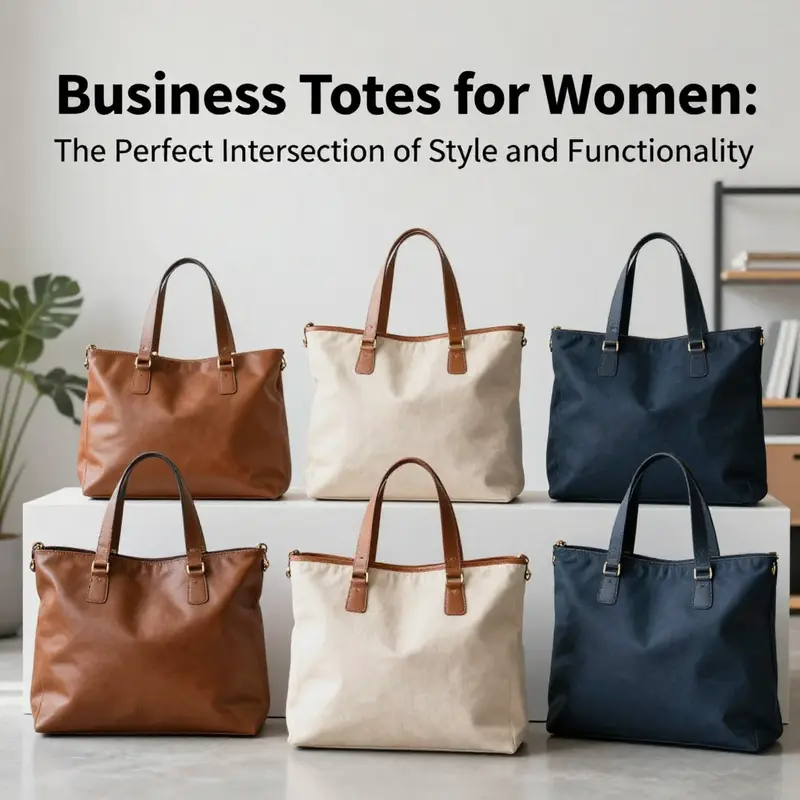
The tote a modern professional reaches for every day is more than a fashion statement or a simple carrier. It is a compact, portable workspace, a protective shell for electronics, a reliable zipper to secure important documents, and a smart organizing tool that helps a busy life stay in balance. In the world of business totes for women, durability and material quality are not optional extras; they are the foundation that determines how well the bag will fulfill its promises of organization, protection, and style. When we look beyond the surface, the choices in fabric, trim, and construction reveal a philosophy about how a tote should behave in the real world—how it should carry, endure, age, and ultimately justify its place in a professional wardrobe that is meant to last through seasons, travel, and changing roles.
Material selection sets the tone for performance. A well-chosen fabric can withstand the daily grind of a commuter schedule, the jolt of a crowded elevator, and the occasional rain shower, while still presenting a polished, professional silhouette. Among the most reliable options in today’s market is high-quality canvas. It offers an unsurpassed blend of durability and lightness, holding its shape under weight and resisting the fatigue that comes with daily use. Canvas is naturally forgiving; it flexes with movement, cushions the contents, and tends to age into a softer, more characterful patina with time. It is not without its caveats, however. Canvas requires mindful care to preserve its surface and color, especially when exposed to moisture or abrasive environments. A thoughtful tote will therefore pair canvas with protective features—water resistance in the fabric finish or a waxed treatment, reinforced seams, and a lining that can be wiped clean without introducing slick or slippery textures.
If canvas lays the groundwork for rugged reliability, PU leather accents layer in a refined polish that elevates the overall aesthetic without sacrificing practicality. PU leather, or synthetic leather, provides a surface that resists scuffs and moisture more readily than untreated fabric alone. It also offers color and texture options that can align with a professional uniform—from deep, enduring blacks and navies to warmer browns and taupes. The combination of canvas or textile body with PU leather trim creates a visual contrast that signals durability while maintaining a restrained, executive look. The wear pattern on these materials tends to be predictable: the canvas areas may show gentle creasing or patina with age, while the leather accents retain a crisp line that contributes to the bag’s perceived value. This pairing is a practical answer to the dual demands of appearance and protection, particularly on bags that are frequently opened and closed, clipped on train racks, or slid under office desks where scuffs are almost inevitable.
Beyond canvas and PU leather, other fabrics—nylon blends, high-density polyesters, and even full-grain or top-grain leather—appear in the lineup with varying balances of weight, water resistance, and tactile feel. Nylon and heavy-duty polyester, for example, bring excellent water resistance and lighter weight, which can be a meaningful advantage for a tote that must stay nimble while loaded with a laptop, charger, notebooks, and a lunch. These synthetic textiles can be woven tightly to resist abrasion, making them a dependable base material for daily commutes and office-to-client transitions. In premium iterations, nylon blends are treated to enhance stain resistance and can be molded into structured silhouettes that hold their shape even when the bag is half full. Leather, whether genuine or responsibly sourced, adds a line that many professionals find aspirational. Leather anchors the bag in a sense of permanence and craftsmanship; it patinas richly and pairs well with formal wear, yet it demands regular care to keep its surface hydrated and even-toned. The best totes use a restrained amount of leather as trim or in a few strategic panels, avoiding overemphasis that could make maintenance burdensome.
Durability in a business tote is not just about the fabric choice; it is also a function of design and construction. The most enduring totes employ reinforced stitching at stress points, double stitching along seams, and bar tack reinforcements at handles and corners. These details turn potential weak spots into reliable anchors that can handle heavy loads day after day. The handles themselves are pivotal. A tote with sturdy, well-attached handles distributes weight more evenly and reduces the risk of tearing at the base of the strap. Some designs incorporate a combination—top handles for quick pickup and a detachable, adjustable shoulder strap for long commutes. This flexibility matters because it minimizes the wear that comes from constant grabbing or awkward lifting; it also preserves the structural integrity of the bag when carried in different ways.
Structure is another crucial facet of durability. A tote that maintains its silhouette when filled communicates that the materials and stitching are doing their work. A structured frame—often achieved with a firm base panel or molded inserts—helps the bag resist sagging that can stretch seams and distort the opening. Conversely, a more slouchy or soft design can be equally durable if it features a reinforced bottom panel and a robust interior lining. The interior should include a dedicated laptop compartment sized for common devices, typically 13 to 15 inches, to cradle the computer and shield it from impact or movement during transit. This compartment not only protects electronics but also contributes to overall durability by keeping the load organized and reducing the chance that sharp edges or heavy items press against the bag’s interior fabric. Some totes extend the idea of organization with detachable zip pouches. These pouches can reorganize content and, when not needed, can be removed to reduce bulk or used as a separate clutch for after-work tasks. The ability to disengage components like these is a practical design choice that broadens a bag’s life across different settings—from daily office use to travel or weekend errands.
The functional design of a durable tote embodies a philosophy of multi-utility. A bag is not simply a container; it is a portable micro-environment that travels with a professional through a day that includes a quiet desk morning, a back-to-back meeting schedule, a coffee chat with a client, and a late train ride home. In this context, features such as a water-resistant exterior, a spill-proof interior lining, and a zipper system that stays smooth after repeated openings and closings become essential. A quality zipper is as telling as the fabric itself. The wrong zipper can snag, catch on threads, or separate under pressure, undermining days of thoughtful packing in a single misstep. In a well-made tote, the zipper glides without resistance, teeth stay aligned, and a rainstorm doesn’t threaten to turn an organized interior into a damp, inconvenient scramble. These realities underline a broader truth: durability is a holistic attribute. It arises from purposeful choices across materials, hardware, stitching, fit, and finish, all aligned to support a professional’s workflow rather than just a moment of design flair.
Care and maintenance play essential roles in preserving durability over time. Canvas responds well to gentle spot cleaning and periodic conditioning for color retention, while PU leather thrives when wiped with a damp cloth and treated with a mild conditioner that keeps the surface supple. For more premium materials, a careful routine is worth adopting. Leather accents benefit from conditioning to prevent cracking and drying, especially in dry climates or with seasonal temperature swings. Fabric surfaces may resist staining with a light spray of fabric protector; however, any treatment should be compatible with the bag’s interior lining to avoid discoloration or off-gassing that could affect the lining’s texture. The goal is to strike a balance between protection and breathability, ensuring that the materials retain their original feel and look. A practical tip is to empty the bag regularly, air it out, and wipe the interior with a mild, non-abrasive cleaner to remove dust and residue from daily use. Keeping hardware free of dust and moisture also helps preserve the bag’s clean lines and prevents corrosion on metal components.
From a consumer standpoint, durability is also about value. A tote that lasts longer provides a better return on investment, especially for those who rely on consistent performance. The cost of premium materials is not only reflected in the price tag; it is also reflected in reduced replacement frequency and lower maintenance demands over time. This is where the design language matters. A well-constructed bag can evolve with its owner: the canvas darkens gracefully, the leather develops a respectful patina, and the hardware remains functional even as the bag’s user life grows. A durable tote with a thoughtful layout can also reduce wear on the user’s body. Proper weight distribution, padded compartments, and a comfortable shoulder strap all contribute to a healthier daily routine by minimizing strain on the neck and shoulders during long commutes or travel. While performance is the first measure, the long arc of a bag’s life—the way it ages, the way it wears in, and the way its hardware retains a quiet luster—speaks to the craft behind it.
The broader market has begun to emphasize materials that balance longevity with ethical considerations. In recent analyses, brands that prioritize timeless design and industrial benefits demonstrate a preference for durable, multi-use materials that can transition from office to travel and then to errands without losing their core identity. Such design philosophy aligns with what many professionals want: a bag that looks composed across multiple settings and remains functional as tasks shift and seasons change. In practice, this translates to a careful blend of durable fabrics, resilient trims, and adaptable interiors that can be reconfigured as needs evolve. It also means recognizing that the most enduring totes are not built solely for the present moment but for several seasons of work life, with the ability to adapt to new devices, new work styles, and new travel patterns.
As you assess options, it helps to visualize the tote’s life in a typical week. A Monday might begin with a commute in which the bag carries a laptop, notebook, and a reusable bottle. Tuesday could include back-to-back meetings, requiring easy access to pens, business cards, and a charger. Wednesday may involve a site visit or a client lunch, where a structured silhouette keeps the contents from shifting, while the detachable pouch can be carried separately for a quick, casual post-work event. Thursday may bring rain, testing the exterior’s water resistance and the interior’s ability to stay dry. Friday could see a longer trip, requiring an insulated section for a lunch or beverages. In all these moments, the materials, stitching, and layout behave like an integrated system that supports the human element—anticipating need, reducing friction, and presenting a poised, confident appearance. That is the essence of durability in a women’s business tote: not merely surviving the week, but thriving through it with grace and precision.
The narrative around durability is also shaped by the stories bags tell as they age. The same surface that once reflected a crisp, untouched gloss may, after months of use, show signs of character: a corner that bears a soft crease, a leather trim that has mellowed to a deeper shade, or a zipper that has learned the owner’s rhythm. These marks are not blemishes; they are a testament to a bag that has lived a full professional life. They acknowledge that the tote has carried important documents, protected devices, and accompanied its owner through meetings, airport terminals, and after-work commitments. In short, durable business totes are designed to be honest partners in work life, quietly earning trust with every mile traveled and every item carried. The materials they embody and the construction techniques they employ are a language of reliability, a promise that the tote will remain a consistent backdrop to performance, presentation, and progress.
For readers who want to see this philosophy reflected in real-world choices, consider exploring the category that emphasizes practical materials and versatile designs. A good starting point is to survey options in women’s canvas tote bags, where the balance of resilience and lightness is often most pronounced. These selections illustrate how a fabric and its treatment can work in tandem with durable hardware and thoughtful interiors to deliver a package that looks professional and performs under pressure. As you examine features, you will notice the pattern of consistent, everyday reliability—stitching that holds, linings that are easy to wipe clean, compartments that keep critical items organized, and surfaces that resist wear over time. This reflects a design approach that respects not only how a bag appears at first glance but how it behaves after months of use in the hands of a busy professional. For a closer look at the kinds of options that exemplify this approach, you can explore resources such as the collection described at women’s canvas tote bags.
Careful material selection and durable construction create a feedback loop that benefits both designers and users. Designers who understand the long arc of a bag’s life will incorporate protective finishes, reinforced stitching, and interior layouts that prevent damage from heavy loads. Users, in turn, gain confidence in moving through a day that might include a late meeting, an elevator ride, or a quick stop at a cafe to prepare for a presentation. The result is not just a bag that carries items; it is a reliable tool that helps maintain productivity, a compact workspace that travels with the wearer and keeps up with the pace of modern professional life. This synergy between material science and everyday practice is the quiet backbone of durable business totes.
Ultimately, the best business totes balance premium materials with smart engineering. The most durable options deliver a calm, composed aesthetic while offering practical safeguards for devices, documents, and personal belongings. They present a clean, professional silhouette that remains relevant across seasons and trends. They handle weight gracefully, protect essential items, and stay organized in the bustle of a typical workday. They resist the kinds of wear that accumulate from daily use, yet they age with dignity, becoming more personally meaningful as they accompany a professional through a career. In a marketplace crowded with choices, durability becomes a guiding criterion that aligns with quality, longevity, and value—a standard by which a tote earns its place in a woman’s professional life.
External reading: For further context on how durability and design interact in practice, see the Best Work Totes Tested resource at https://www.womenshealthmag.com/fitness/a41378652/best-work-totes-tested/.
Sculpted Utility: Tracing the Trends and Aesthetics of Women’s Business Totes
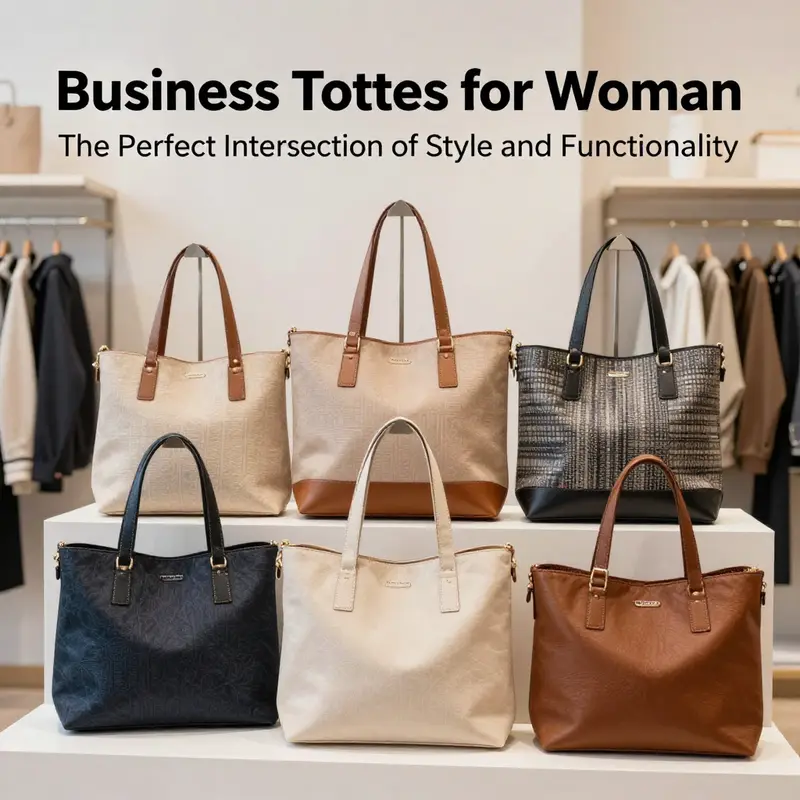
A business tote for women is more than a bag; it is a portable command center that carries not only notebooks and laptops but also the rhythms of a modern workday. The best totes integrate precision with polish, enabling a professional to move through a cityscape of meetings, trains, and impromptu planning sessions without a second thought about what to carry or how to carry it. In this landscape, design has shifted from mere utility toward a harmony of structure and sentiment. The tote becomes a visual manifesto of organization and poise, a subtle signal that the wearer values both efficiency and craft. This evolution is not a simple trend; it is a recalibration of what a professional accessory should do. It should protect sensitive devices, secure important documents, and still feel like an extension of the wearer’s personal style. The contemporary tote is expected to manage a demanding load—laptops sized for 13 to 15 inches, chargers, notebooks, water bottles, a small lunch, and personal items—without becoming bulky or gauche. It must also adapt to a changing day, shifting from a formal boardroom backdrop to a casual cafe corner where ideas take flight. In short, today’s business tote for women embodies a balance: it is both a workplace instrument and a fashion ally, designed to travel smoothly from morning press briefings to evening networking events. The result is less a single object and more a modular system of pockets, sleeves, and straps that can be tailored to the day’s task and the wearer’s mood. When we speak of trends in this space, we are talking about a visual language as much as a functional language. The lines, materials, and color choices describe character before a single word is spoken. A dominant trend now is structured elegance. The silhouette is crisp and purposeful, with clean lines and balanced proportions that project confidence in any setting. This aesthetic is achieved through materials that speak of durability and refinement alike—premium leather that develops a quiet patina with use, or designer-grade synthetics that mimic the depth and sheen of leather while offering practical advantages like lighter weight and greater water resistance. The goal is not ostentation but a controlled, almost sculptural presence. The bag appears tailored for the body and the day. It is not a statement piece in the loud sense; rather, it conveys a quiet authority that supports the wearer’s professional posture. In a world that prizes instant visual cues, the structured tote communicates a readiness to tackle whatever the day holds, from a high-stakes pitch to a late-afternoon coffee with a client that might become a collaboration. The result is a certainty that travels with the wearer, a tangible anchor in the fluid rhythm of work life. Color palettes have emerged from the safe, traditional anchors of black and navy to embrace more nuanced palettes that still perform in professional contexts. Muted earth tones—taupe, olive green, warm beige—offer a grounded, versatile base that pairs with a wide range of outfits, from charcoal suits to soft knits and denim accents after hours. These tones suggest reliability and warmth, qualities that can soften the rigid formality of a boardroom while maintaining a professional presence. At the same time, soft pastels—blush pinks and sage greens—have found a place in the tote world, especially in models that emphasize understated elegance rather than bold branding. The idea is not to shout color but to introduce a whisper of personality that can coordinate with a wearer’s wardrobe, allowing a bag to become a daily signature rather than a recurring accessory. Metallic finishes, too, have crept into the scene. Subtle silver or rose-gold elements—hinting at hardware, zippers, or lining accents—offer a touch of glamour without overshadowing the overall aesthetic. These metallic notes work particularly well with neutrals, adding a modern edge that still feels appropriate in a boardroom setting. In terms of detailing, minimalism remains the dominant philosophy. Designers favor clean silhouettes with restrained branding and streamlined hardware. This minimalist approach aligns with the desire for a bag that can transition seamlessly from day to night, from the conference room to a restaurant, without clashing with a broader ensemble. The external surface remains uncluttered; any signature is discreet, and functional elements are cleverly integrated. For example, laptop compartments are not bulky appendages but carefully concealed within the bag’s core structure. Organizational pockets are present, yet they do not disrupt the exterior’s sleek profile. The heart of the tote’s appeal in this aesthetic is its ability to appear calm and uncluttered even as it harbors a well-considered array of necessities. This balance—legibility at a glance and complexity within—defines the contemporary business tote as an instrument of calm, not chaos, in the professional day. A parallel shift in aesthetics is the move toward versatility in form. The modern tote is not a single-purpose carrier but a roomy, structured vessel whose inner architecture supports a flexible workflow. Wide openings and sturdy handles facilitate quick access, while compartments are strategically arranged to protect sensitive technology and fragile documents. The best examples feel substantial in the hand yet light in use, a paradox that reflects the demands of a busy schedule. This versatility is crucial because it enables the tote to function as more than a work tool. It doubles as a weekend companion, a travel carry-on alternative, and even a stylish accessory for after-hours events where a formal briefcase would feel out of place. The same bag can be equally comfortable lugging a lunch, a water bottle, or a spare sweater, thanks to careful material choices and thoughtful interior geometry. Customization has emerged as a meaningful extension of this trend toward personal expression. Monogramming remains popular for the professional woman who wants a bag to feel uniquely hers, while interchangeable straps and modular interior organizers enable a single tote to suit multiple scenarios. The concept of personalization aligns with a broader shift in women’s workwear: the desire for cohesive, curated outfits that reflect both taste and professional identity. In practice, this means a tote that can harmonize with a tailored suit as readily as with a smart-casual ensemble, preserving the integrity of the outfit while providing practical support. A well-made tote does more than store items; it subtly guides the wearer’s behavior. A well-placed laptop sleeve protects a delicate device during rough commutes, while dedicated pockets for chargers prevent cords from tangling in an unseemly tangle of cables. An insulated lunch or beverage section becomes a small but powerful concession to long days and back-to-back meetings, ensuring nourishment remains close at hand and temperatures stay stable. These features, when artfully integrated, contribute to a day that feels more controllable and efficient. The materials chosen for these bags deserve particular attention. Durable water-resistant fabrics—whether a high-quality canvas, a weather-ready polyester, or soft, treated leather—provide the backbone that keeps contents secure through rain, dust, and the daily bumps of city life. The tactile quality of these materials matters, too. Leather, with its natural grain and evolving patina, communicates longevity and care; premium synthetics offer consistency and resilience while often resisting the wear that comes from daily errands. The choice between leather and fabric often boils down to a wearer’s climate, wardrobe, and lifestyle. Leather, for instance, carries an immediate sense of gravitas and heritage; it pairs with formal attire while still aging gracefully with the daily routine. Fabric bags tend to be lighter, easier to maintain, and sometimes more affordable, yet they have advanced to offer almost the same level of structure and refinement when crafted with precision. The final design outcome—whether leather-rich or fabric-forward—speaks to how a tote integrates into a user’s life. It should feel like a trusted partner rather than a focal point. To accomplish this, designers pay attention to the bag’s silhouette, the consistency of its lines, and the balance of its hardware. The hardware, while necessary for function, is kept modest. Zippers lie-flat, metal accents are restrained, and stitching is even and durable. The result is an object that conveys discipline and taste without shouting for attention. This philosophy of restraint has a social value as well. In many workplaces, the presence of a well-made tote communicates a readiness to lead, to plan, and to collaborate. It signals that the wearer has invested in a professional routine, one that prioritizes preparation and clarity. When a colleague catches sight of such a bag, they glimpse more than a container for a laptop; they see a narrative about punctuality, respect for others’ time, and a proactive approach to work life. The bag’s ability to blend into diverse contexts—boardroom, coworking space, airport lounge, or a casual lunch—further reinforces its status as a core wardrobe component. The modern business tote finally earns its title not by ostentation but by reliability. It should not demand attention; it should sustain it. It should protect, organize, and elevate the day’s rhythm. It should be easy to carry, with both a top handle for a quick grab and a detachable, adjustable shoulder strap for hands-free mobility. It should feel balanced when it rests at the side while walking through revolving doors and should sit upright when opened on a conference table so that the interior remains accessible. The reader who follows this trend map finds a universe where form follows function and where function itself is elegantly refined. The tote ceases to be a mere vessel and becomes a portable workspace. It respects the wearer’s time, mirrors their taste, and harmonizes with the many roles a professional woman plays. In this sense, the aesthetic shift toward minimalist detailing, versatile form, and customizable features is not about fashion trends alone; it is about designing for a life in which work is ongoing and ever-evolving. For those who wish to explore related options while maintaining a focus on mainstream appeal and practical design, there is value in looking at blogs and catalogs that curate the current state of tote design. One useful touchstone in this respect is a trend-focused collection that highlights how the market is responding to needs for durability, adaptability, and quiet luxury. For readers who want to deepen their understanding of how these trends manifest in product lines and how to compare options without becoming overwhelmed by choice, a good starting point is a resource that distills what is trending in tote designs today. You may also explore ongoing discussions about how tote features translate into real-world benefits, from commuting convenience to post-work social functions. A bag that can carry a laptop, a lunch, and a few personal items, while still feeling light and balanced, becomes a versatile ally rather than a constraint. As the industry continues to refine these ideas, personalization and durability will likely remain central to how women select their work companions. The trend toward a refined silhouette, high-quality materials, and understated hardware will persist, but with adaptations to new work patterns and urban travel demands. The tote must continue to evolve: it should be able to withstand a transit ride, a client lunch, and a late-night flight all in one week, without losing its shape or its composure. In this ongoing conversation between aesthetics and practicality, the best totes are those that anticipate the professional day rather than react to it. They are designed to meet the obvious needs—protection for devices, organization for cords and notebooks, a place for meals—and the subtler needs, such as a sense of personal touch and a wardrobe-friendly color narrative. To stay connected with these evolving ideas, readers can consult trend roundups and shopping guides that distill what is most useful and stylish in a crowded field. For a practical look at how current aesthetics translate into product features, see the curated discussions on trending tote bags that highlight portability, durability, and refined silhouettes. This approach keeps the focus on the bag’s ability to support the wearer’s goals, rather than on the bag’s ability to shout about itself. The result is a modern tote that respects the wearer’s pace and context, while still offering room to express personality through tone, texture, and subtle details. For a perspective that combines design literacy with day-to-day practicality, consider how a bag’s interior organization aligns with typical work routines: a dedicated laptop sleeve sized for common devices, ample pockets to separate writing implements from electronics, and a softly insulated compartment to keep a lunch or beverage at a comfortable temperature. When these features are thoughtfully integrated, they do more than keep items orderly; they reduce the cognitive load of a busy day. The mind’s energy can flow toward problem-solving rather than rummaging through a bag’s interior. In this light, the business tote becomes a sponsor of efficiency, a quiet enabler of clear thinking, and a companion that travels with its owner through the ebbs and flows of professional life. The journey of these bags is not merely about what they can hold, but about how they help someone hold a day together with grace and discipline. As trends continue to evolve, the language of the tote—its lines, its colors, its understated hardware—will keep signaling a poised, capable voice for women in business. For readers seeking a snapshot of how editors balance function and fashion, a recent guide highlights work totes that endure day after day, with practical testing that illuminates what truly withstands the rigors of daily use. This perspective can be a helpful compass when weighing options in the vast market of totes designed for professional women. And because the market continues to respond to user feedback and evolving work rhythms, the tote will remain a flexible, enduring ally in the professional wardrobe, a reasoned integration of style and substance that travels as smoothly as the day itself. For a broader sense of how this landscape is shifting, consider the ongoing dialogue about design, utility, and the changing needs of modern workplaces. The conversations extend beyond color and shape to consider how bags interact with daily routines, how pockets organize information, and how materials age with dignity under daily use. Ultimately, what matters is not the bag’s novelty but its reliability—the guarantee that it will be ready when needed, with space organized thoughtfully, and with a finish that resists wear while aging gracefully. If there is a current moment to cite, it is the growing expectation that a business tote should serve as a portable workspace—capable, unobtrusive, and stylish—so that its owner can concentrate on ideas, conversations, and decisions rather than logistics. For those who want to explore current conversation threads around tote design and to see how real users respond to different styles, a culture of trend assessment continues to evolve, offering insights into what makes a tote truly fit for purpose in contemporary professional life. As the narrative of women’s business totes continues to unfold, it remains clear that the most enduring designs will be those that listen to daily needs and translate them into calm, efficient, and aesthetically refined experiences. In this sense, the tote is not just a choice; it is a commitment to work with intention, to travel with composure, and to present a personal, professional presence that can travel across a day’s varied landscapes with ease. For readers who want to dive deeper into current design explorations and to compare a spectrum of options, a concise reference on trending tote bags can serve as a practical guide. It offers a lens through which to evaluate materials, structure, and details, while keeping attention focused on how these elements translate into everyday usefulness. If you are curious to see how these ideas are framed in broader fashion coverage, you can explore a resource that captures editor-tested results and practical recommendations for the season. This kind of guide can illuminate how today’s totes balance durability, accessibility, and style in a way that feels authentic to professional life. Finally, as trends move forward, remember that the most successful totes are those that adapt to the wearer’s evolving needs without sacrificing core principles of care, order, and poise. They respect the value of time, the importance of organization, and the dignity of a well-curated professional wardrobe. The best tote for a woman is not merely a carrier; it is a collaborator—one that stays within reach, supports the day’s work, and quietly elevates how a person presents themselves to colleagues, clients, and the world. For readers seeking broader context on how trends develop in this space, a recommended external resource offers editor-tested perspectives on the most reliable and stylish work totes for 2026, illustrating how the balance of function and form continues to define the category. https://www.womenshealthmag.com/fitness/g29163754/best-work-totes-2026/ . In addition, those who wish to surface practical examples and product-curation options can consult the following internal reference that discusses current tote categories and how they align with different professional wardrobes: tote bags trending. This combination of external insight and internal guidance can help readers make sense of a market that remains dynamic while preserving the core principles of durability, organization, and style.
Final thoughts
Choosing the right business tote for women goes beyond mere aesthetics; it’s about merging practicality with style. Every functional detail, from laptop compartments to durable materials, plays a crucial role in enhancing daily productivity. As potential trends and upgrades perpetually evolve within the business accessories market, staying informed ensures that business owners can select totes that not only fit their style but also cater to their professional demands. Embrace the convenience and sophistication of a well-chosen tote, and elevate your business attire to new heights.