
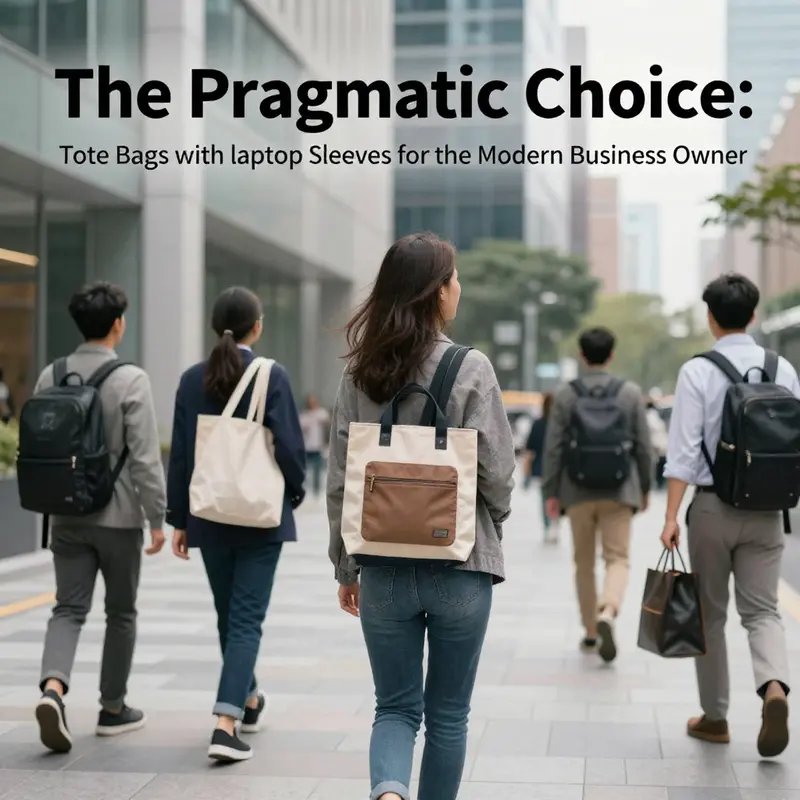
For business owners commuting through urban landscapes, the right bag is essential not only for style but also functionality. This article delves into tote bags featuring laptop sleeves, addressing vital concerns such as ergonomic considerations, impact protection efficacy compared to backpacks, and theft risks in bustling city environments. Understanding these factors is crucial for making informed choices that prioritize both professional appearance and device safety.
Carried with Care: Posture, Protection, and the Real Trade of Tote Bags with Laptop Sleeves for City Walks
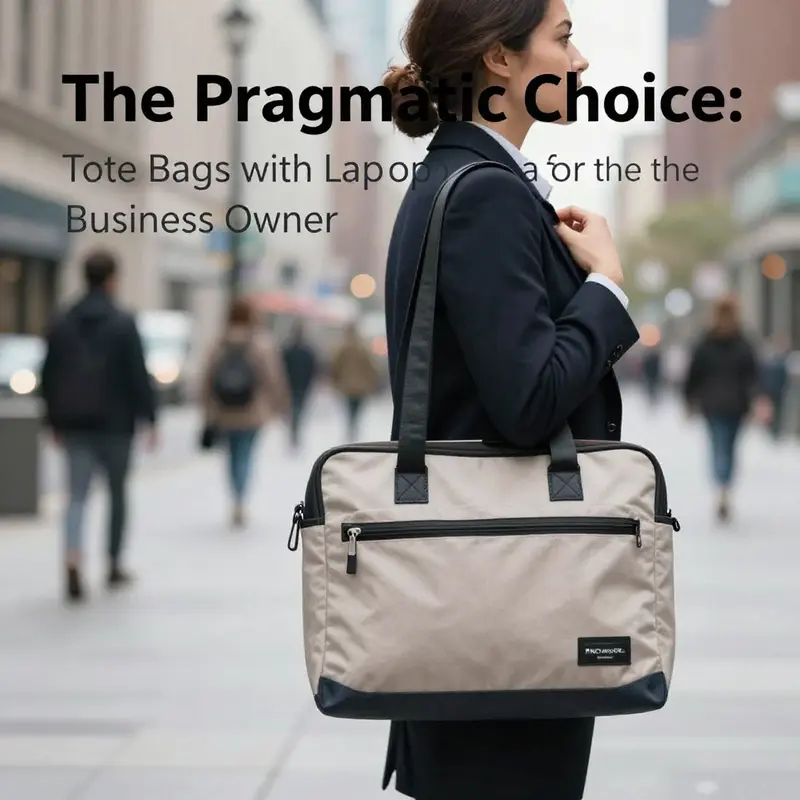
The echo of city rhythms—the clack of heels on concrete, the hum of buses, the lift of a turnstile—creates a particular choreography for people who carry a laptop into the daily grind. For many, a tote bag with a built‑in laptop sleeve feels like a quiet luxury: a slim silhouette, easy access, and the aura of a bag that says you can be polished and practical at once. Yet beneath the surface of that minimalism lies a set of ergonomic and protective questions that render the tote a very different carrying choice from a backpack, especially for urban commuters who move through crowded sidewalks, stairwells, and transit platforms. The balance between form and function is subtle but consequential, and the decision to rely on a tote bag for daily laptop transport is as much about biomechanics as it is about aesthetics. When designers and commuters talk about the ideal bag, they rarely mention the same word at the same moment: balance. And balance, in the context of hurried streets and packed trains, is not merely about how the bag sits against the hip, but about how the body responds to the weight it carries, moment by moment, step by step, day after day.
A tote bag with a laptop sleeve optimizes accessibility. You slide your hand into the interior for a quick grab, you lift the sleeve and snap it shut, and you’re ready to stride into the next meeting. The appeal is undeniable: a clean, professional line, no need to slouch into a rigid carrier or pull a shoulder strap into place with every door opening. In this sense, the tote’s open architecture and single-strap design are not just stylistic choices but ergonomic decisions—choices that influence how weight is felt and distributed across the body. Unfortunately, those same traits can become liabilities when the load grows or the day demands more movement. The fundamental ergonomic tension is simple: the bag is carried on one side, yet the human body is designed to stay upright with the core engaged and the spine stacked. When the load is heavier, the risk is not only pain but the subtle, cumulative distortion of posture over a long commute.
Weight distribution sits at the heart of this discussion. A backpack, by contrast, distributes load across both shoulders and the upper back, engaging a broader network of muscles to stabilize the spine and maintain alignment. This is not merely about comfort during a short walk; it translates into long-burn fatigue, the kind that accrues after hours of city travel on a daily basis. The tote’s unilateral load taps into a different biomechanical pattern: the shoulder on the loaded side bears most of the burden, and the torso must compensate. The pelvis may tilt, the ribcage may twist slightly to accommodate the chain of adjustments, and the neck may hold a higher carriage as the eyes fix ahead rather than downward to track the bag. Over weeks and months, these micro-adjustments can accumulate into a sense of persistent stiffness, shoulder tightness, or an early sense that the body is contending with an imbalance rather than simply carrying a load.
The open, accessible nature of many tote designs further complicates the ergonomic picture. The same features that support quick retrieval of a laptop—ample interior space, wide openings, and minimalist closures—also render the contents more prone to shifting during movement and more exposed to the pull of gravity when the bag is set down or bumped in transit. A laptop sleeve inside a tote offers padding, but it is often a soft layer, not a rigid barrier against impact. Real-world mishaps—slippage on a stair, a jostling in a crowded carriage, a sudden stop on a bicycle path—are not theoretical. They are part of the daily choreography, and they test the spine just as surely as the sleeve tests the device. In a controlled comparison of impact forces, a study by a leading protection institute reported that laptops carried in backpacks experienced substantially less shock during simulated drops than those in tote configurations. The structural integrity of a backpack—with its frame, its suspension system, and its back-panel isolation—creates a buffer against abrupt movements, while a tote tends to transmit some of that energy directly to the device and the carrier.
Protection, then, becomes a two-fold question: how the bag cushions the device from external shocks, and how it shields the wearer from the consequences of carrying a heavy, unbalanced load. In practical terms, a lot depends on the weight carried, the frequency of movement, and the route taken through the city. A commuter who walks briskly to a subway platform, climbs stairs, and then navigates a crowded train line will stress the torso in ways that are distinct from someone who travels by car with a compact, enclosed bag. The clipped, sudden stops that are part of urban life—crossing at a light, dodging a cyclist, bracing against a bus door—test both the bag and the body. A bag with a slender foam‑padding sleeve may feel protective for a few minutes of careful handling, but the math of momentum and impact shows that this protection is not equivalent to a more robust, structured solution. And it is not merely about the laptop; the pocketwork matters, too. Chargers, notebooks, and papers add mass and recency to the load, intensifying the asymmetry that already exists with a single shoulder strap.
The protection narrative is clear, but it comes with a behavioral counterpoint. If you choose a tote for the sake of ease and appearance, you can still adopt practical practices to mitigate risk. For example, limiting the total weight carried on a given leg of your commute helps. If your laptop, charger, and documents push you past a light threshold—roughly the five to seven pounds that many ergonomists flag as a tipping point for regular, extended carry—leaning toward a more even distribution becomes sensible. Ergonomists often recommend alternating shoulders when possible, or at least balancing the load by relocating heavier items to a front pocket or a secondary bag that can be worn across the body for part of the trip. While a tote does not inherently provide dual-strap support, mindful load management can reduce the likelihood of chronic strain and postural deviations. The body is remarkably adaptable, but adaptation has limits, and repeated asymmetric loading over time can become a source of discomfort that travels from the shoulder to the neck and down into the upper back.
In parallel with ergonomic concerns, the security and environmental exposure of tote bags warrant attention. An open architecture, even with a padded sleeve, makes the laptop more accessible to theft in crowded spaces. Zippers and RFID pockets can help, but they are not universal across tote designs. Commuters wary of theft recognize that a tote’s versatility can come at the cost of consistent security, especially on bikes, scooters, or in transit where the bag rests at the side or behind the body during movement. By contrast, backpacks offer a layer of environmental isolation. A back-turned pocket against a torso reduces direct access and, for rain or grime, provides a barrier that keeps the device and its contents drier and cleaner while the wearer remains mobile. The tension between accessibility and security is not novel; it is a matter of daily risk assessment that weighs personal safety, travel speed, and the environment through which the commuter moves.
Design implications flow naturally from these considerations. If a tote bag with laptop sleeve is chosen for its sleek look and quick access, it makes sense to select or design models that maximize even the smallest gains in ergonomics. Features such as reinforced handles that distribute some load away from a single shoulder, internal organization that prevents heavy items from shifting, and a sleeve that hugs the laptop with a snug fit can contribute to a more stable, balanced carry. Yet even the best internal padding cannot substitute for the biomechanical benefits of weight distribution across the body. Users who regularly carry heavier loads or travel long distances may find that the most reliable ergonomic choice remains a bag that distributes weight across the back and shoulders through more deliberate support structures. This is not a verdict against totes; it is a call to acknowledge form and function as a pair rather than as rival forces. In urban commuting, the bag’s role is to frame the journey: to protect the device while supporting the wearer’s movement rather than impeding it.
Those charged with designing city‑ready bags can reflect on the lived experience of daily movement to guide decisions. A tote might be made with a subtly stiffer base or an optional, detachable strap that allows the user to convert a single‑strap configuration into a two‑point load—and in doing so, to approximate the stability of a backpack without losing the bag’s identity. Materials also matter. Lightweight, durable fabrics with water resistance can reduce the risk of moisture exposure to both the device and the user, while a well‑padded interior can cushion minor impacts. But materials alone cannot fully address the dynamic realities of city travel. Lapses in posture, habitual leaning into the bag while checking a phone, or swinging a bag between doors can all contribute to misalignment. The body’s ability to absorb these forces depends on fitness, posture habits, and the frequency of such movements. A single misstep, as in a crowded station, is rarely decisive; it is the repetitive, incremental loading that shapes long‑term comfort and health.
Practically speaking, for commuters who prefer the tote’s aesthetics and accessibility, meaningful compromises can be found. Store weight in strategic locations—maximize the laptop sleeve fit to minimize rattle, place heavier items closer to the torso if the bag design permits, and use a compact secondary sleeve for chargers and cables to reduce loose bulk. Consider selecting totes that include a discreet, built‑in pocket for essential items that you need to access quickly, such as a passport or a transit card, while keeping the laptop area reserved for the device and a protective insert. The aim is to reduce movement within the bag that would otherwise translate into extra load on one shoulder. And for those who bike or ride scooters, cover the bag with a rain‑shielding layer that closes securely and maintains a stable position against the body—an adaptive choice that can protect both the device and the wearer from environmental hazards. In this way, the tote can be part of a broader strategy for urban mobility that includes posture awareness, weight management, and protective handling.
A subtle but important consideration centers on the social and psychological framing of bag choice. A tote’s perceived ease of use can encourage longer carry times and heavier loads as the user automates a sequence of moves: pick up the bag, swing it over a shoulder, jog down the stairs, and slip into the train with the same smooth rhythm. The risk here is that a user may forget to check their posture mid‑commute, assuming the bag’s design will compensate for the exertion. In practice, mindful movement becomes part of the solution. Regular posture checks, short mobility routines, and occasional breaks to adjust or switch the carrying method can make a meaningful difference over weeks and months. The city’s pace does not slow for ergonomic concerns, but individuals can teach their bodies to move with intention. This is not about fear of pain but about preserving functional endurance—what a professional lifestyle depends on in the long run.
As we trace the arc from device protection to personal biomechanics, a broader picture emerges. Tote bags with laptop sleeves respond to a need for elegance and immediacy in urban work life, yet their core trade‑offs center on weight distribution and external impact. The comparison with backpacks is not merely about preference; it is about how a design embeds safeguards into the everyday rituals of movement. When a bag becomes a partner in transit, its ability to support posture and shield the device becomes as important as its exterior lines. In the end, the question is not simply which bag looks right on a commuter. It is how a bag fits into a body’s habitual patterns, how it balances ease of access with the discipline of safe carrying, and how it supports a daily routine that is relentlessly dynamic. The tote, in its best incarnations, can serve as a bridge between professional polish and practical resilience; in its less considered forms, it risks becoming a source of strain and vulnerability. The urban traveler, therefore, negotiates not only the bag’s exterior but the body’s preparedness to move through space with confidence and care.
For readers who want a succinct practical takeaway, the core message is straightforward: if weight is light and movement is casual, a tote can be a capable daily carrier that respects both style and function. If weight is heavier or the route involves longer walks, stairs, and frequent stops, the evidence in favor of a more structured, bilateral load increases in relevance. This is not a universal verdict; it is a guide for matching the bag’s design with the traveler’s pattern of movement. It is also a reminder that ergonomic health is not a one‑time choice but a habit formed through deliberate decisions about what you carry, how you carry it, and how you move through your environment. The city rewards clarity of purpose, and so does the body when its load is managed with intention rather than left to the vagaries of fashion or haste.
In closing this reflection, the practical path forward for many urban professionals lies in balancing two imperatives: appearance and protection on the one hand, and biomechanical sustainability on the other. The tote bag with a laptop sleeve offers a compelling blend of accessibility and aesthetics, but it does not eliminate the need for mindful load management and posture awareness. A modest adjustment—switching the bag’s position when convenient, distributing weight with care, or combining the tote with a lightweight, secondary carrying option for longer commutes—can transform a stylish daily companion into a more resilient, long‑term ally. The city is a stage for quick decisions and rapid movements; the body, however, deserves a slower, steadier choreography that guards health while the laptop travels between meetings, cafés, and corner offices.
Internal reference excerpt for further exploration can be found here: tote bag with computer sleeve.
External resource: Mayo Clinic – Back pain: Causes, prevention, and treatment. https://www.mayoclinic.org/healthy-lifestyle/adult-health/in-depth/back-pain/art-20046368
null

null
The Theft Gravity of Tote Bags with Laptop Sleeves in Urban Environments
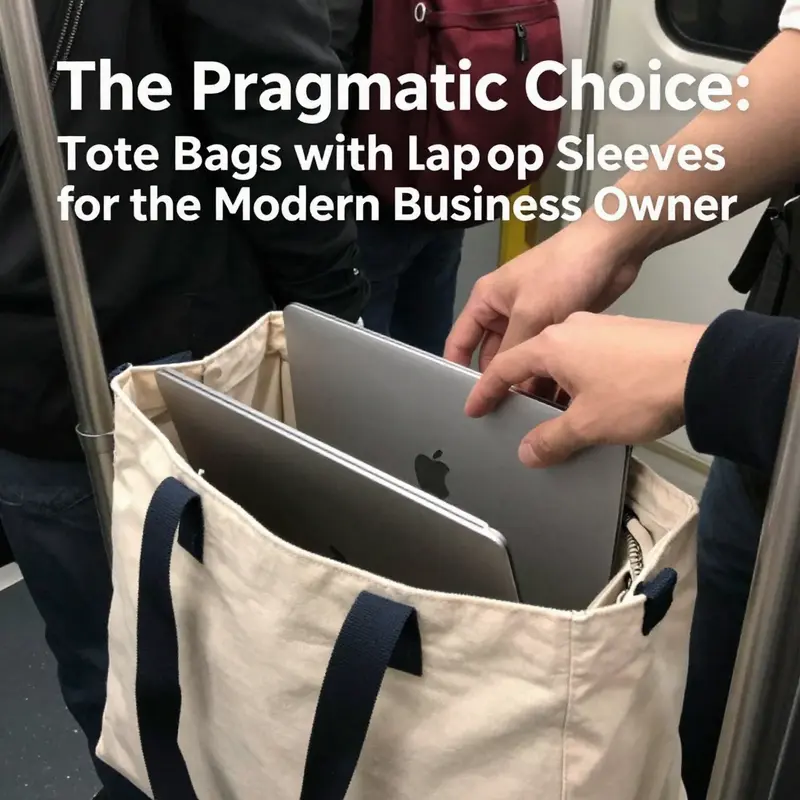
In the city’s daily choreography, a tote bag with a built-in laptop sleeve often slides into the pocket of routine as a convenient, polished companion. It sits on a single shoulder, or in the crook of an arm, its opening rarely secured as tightly as a backpack’s zippered enclosure. The result is a bag that looks effortless and chic, but also presents a particular set of vulnerabilities that most urban professionals would rather not acknowledge while rushing to a meeting or boarding a late train. The case for tote bags—clean lines, accessible interiors, and a sense of simplicity—sounds compelling until you examine what happens when the pace of city life meets the pace of a pocket-thief on a crowded platform. Under the glare of commuters’ attention, the tote’s open, one-strap profile becomes more than a style choice; it becomes a signal, a possible invitation to the wrong kind of attention. And while the lure of quick access makes the tote bag a tempting option for many, the reality is that the interplay of design and urban tempo creates a risk map that deserves careful attention, especially for anyone who carries a laptop or a tablet as an everyday companion.
The ergonomic picture is perhaps less controversial but no less important. Tote bags distribute weight over one shoulder and through a single arm, while the torso remains relatively free to swing through crowded spaces. The consequence, even for modestly sized devices and light chargers, is a pattern of asymmetrical load that can contribute to a lingering shoulder strain or neck tension after a day of transit, meetings, and back-to-back coffee runs. The contrast with a backpack could not be starker. A backpack rests on both shoulders, its weight shared across the upper back, and its frame can help stabilize a load during a quick step, a sudden stop, or a bus ride that lurches to a halt. The benefit is not only comfort, but also a form of protective buffering that reduces the chance that a jolt translates into a sudden pressure on the laptop inside. In the long arc of daily life, the difference adds up: better posture, less fatigue, and fewer visits to a chiropractor or a physio after months of commuting.
But the concern goes beyond comfort. The built-in laptop sleeve in tote bags often relies on a thin foam layer and a soft lining to cushion the device. That approach provides minimal shock absorption against hard drops or heavy stacking, and it assumes that the bag’s contents will not be subjected to significant external forces. Real-world scenarios tell a different story. A casual tumble onto a concrete floor, a shelf in a crowded locker, or a momentary slip while juggling a coffee and a briefcase can translate into a scratch, a dent, or, in the worst cases, internal damage to the laptop’s chassis or screen. In these cases, the tote’s lack of structural rigidity becomes obvious. In contrast, backpacks designed for commuter use frequently feature a more robust internal frame or at least a more rigid back panel and a padded, load-bearing sleeve placed against the wearer’s back. That combination helps to localize impact energy and reduce the transfer of shock through the bag to the device. A 2023 study from the Consumer Electronics Protection Institute quantified this difference in a controlled test, showing that laptops carried in backpacks experienced significantly lower peak impact forces during simulated drops than those carried in tote configurations. The difference was enough to shift the risk calculus, especially for professionals who carry their machines through varied urban environments—from rain-slick sidewalks to crowded subway cars.
Beyond the question of physical protection, there is also the matter of security. A tote’s open design invites attention in crowded spaces. The very openness that makes a tote easy to access can also make it easier for theft to occur. In transit hubs, on busy sidewalks, or in coffee shops that teeter on the edge of being more social than secure, a tote bag can become a tempting target for opportunistic grabs. The single-strap carry posture, while convenient, places a bag within arm’s reach and within sight, but not always within control, of a bustling crowd. This is not a speculative worry; it is a documented pattern. In urban environments, thefts from tote bags were found to be more prevalent than those from backpacks, particularly in situations where the bag rests at the side or sits on a floor in a waiting area. The exposed nature of the bag—whether slung over a shoulder, tucked under a chair, or left briefly on a floor while a phone is answered or a bag is searched for a meeting pass—creates a vulnerability that is hard to defend against with aesthetics alone.
Some tote models respond to this concern with built-in security features such as zippered closures, RFID-blocking pockets, or reinforced seams that resist casual tearing. Yet these features are not universal across tote designs, and the degree of protection varies widely. For a commuter who values minimalism, the question becomes a balancing act: how much security can be reasonably integrated without compromising the bag’s sleek silhouette? The research landscape offers a mixed answer. Anti-theft enhancements, such as lockable zippers or deeper main compartments, can help, but they require conscious user behavior—remembering to secure the bag’s opening, bringing a compact lock, or choosing a design that encourages closing the main compartment whenever the bag is set down. In the absence of these habits, even the most feature-rich tote can be left vulnerable. The broader point is that security is as much about design intent as it is about how a user interacts with the bag in a bustling urban setting.
For those who still lean toward tote bags because of how they look and how easily they access essential items, there is a pragmatic path forward. A combined approach—selecting a tote with at least a secure closure, maintaining a habit of keeping the bag in front of the torso when negotiating crowds, and pairing the tote with smart behavioral practices—can mitigate risk. A simple, practical upgrade to consider is a tote with reliable closures, such as zippers that run the length of the opening, reinforced buckles, or hardware that cannot easily be forced open with a single motion. See the discussion on tote bags with zippers for a sense of how closure quality correlates with perceived security and user confidence. This is not a panacea, but it is a meaningful step toward aligning a bag’s aesthetics with a more robust approach to security in public spaces.
Yet even with improved closures, the risk calculus remains incomplete without considering how the bag sits against the body. A tote carried on a single shoulder tends to ride with the edge of the bag pulling away from the torso as the wearer walks. This creates a situation where a quick tug or nudge can separate the bag from its secure position, enabling a thief to exploit the moment. The backpack, by contrast, envelops the torso more fully, creating a continuous physical barrier against opportunistic attempts. It also keeps the laptop away from direct contact with hands, objects, or surfaces as the wearer moves through stairs, turnstiles, and platform gaps. The mindfully designed backpack often includes a lay-flat or semi-rigid back panel that absorbs some energy and directs it away from sensitive hardware, while a tote’s interior sleeve is scarcely more than a padded pocket. The practical implication is clear: when security and durability matter as much as form and function, many urban professionals find themselves re-evaluating the basic choice of how to carry a laptop while commuting.
A broader takeaway emerges when we place these considerations in the context of urban life’s tempo. The city runs on rhythm—the cadence of trains, buses, and sidewalks. In this rhythm, a tote bag’s ease of access is a virtue, not a vice, during a focused, momentary task such as printing a document or sliding a card for entry. But the same rhythm can transform a simple moment into a window of opportunity for theft when attention drifts or crowds surge. For those who must navigate long routes with frequent stops, the cost of a single security lapse can be substantial. Accumulating micro-damages to a laptop, even if every incident appears minor, can erode a device’s resale value, its warranty protections, and ultimately a professional’s readiness for work the next day. In this light, the decision to use a tote or switch to a backpack becomes less about fashion and more about risk management across a day, a week, and a year of urban mobility.
The research results summarized in this chapter reflect a broader pattern seen in city life. A 2023 report from Urban Security Analytics presents a stark comparison: laptop thefts in tote bags in public spaces were about 40 percent higher than those in backpacks. The reasons are not purely speculative. The tote’s design leaves contents more exposed, its strap more easily manipulated by passersby, and its position closer to the hazards of sidewalks and transit floors. The security advantages of backpacks are not only psychological—hiding valuables in plain sight behind a torso is harder to accomplish with a bag that sits by the hip or dangling from a single shoulder. Anti-theft zippers, interior pockets hidden from public view, and slash-resistant fabrics all contribute to a defensive posture when a thief is scanning a crowd for a quick grab. While not every backpack delivers such features, the overall design philosophy leans toward concealment, containment, and sturdiness, especially when the user is required to traverse multiple transit modes or ride through crowded corridors.
This is not to insist that tote bags are unsuited for urban living. They are well aligned with professionals who prize accessibility, style, and a light touch for short trips or events that require a quick, clean aesthetic. The chapters that follow will explore practical strategies for balancing style with security, including how to assess a bag’s closure integrity, how to position the bag during transit, and how to train daily habits that reduce risk without eroding the confidence you feel when you leave home with your laptop in tow. A nuanced approach also considers the types of urban routes a person travels. If your days revolve around short hops in well-lit, predictable environments, a tote may be acceptable, so long as you remain vigilant and ready to reinforce security with a simple, consistent practice of closing zippers, keeping the bag in front of you, and avoiding setting it down in high-traffic areas for longer than necessary. If your commute spans nights or irregular schedules, or if your route includes multiple transfer points and crowded platforms, the balance tips toward a more protective carrying solution with built-in rigidity and safer weight distribution.
In the end, the choice is a balance between the comfort of a streamlined silhouette and the reliability of a protective system. The urban professional who understands this balance will not pretend that aesthetics alone can shield a device from risk. Instead, they will adopt a design-aware mindset: they will appreciate the tote’s elegance but also acknowledge its vulnerabilities and choose supportive, security-conscious practices. They will recognize that a bag’s fabric, its seams, and its hardware are not merely decorative but functional elements of a broader protective strategy. They will understand that a bag’s carrying method—how the weight sits on the body, how the bag sits on the floor, how the bag closes—collectively shapes the experience of risk in a city that never pauses to catch its breath.
Ultimately, the practical takeaway is simple and actionable. If you must carry a laptop in a tote bag, pair the tote with thoughtful habits: secure the closure before walking, keep the bag in front of you in crowded spaces, and avoid placing it on the floor or chair in public areas whenever possible. If you seek additional protections, explore designs with reinforced closures and consider styles that encourage wear on both shoulders or a more compact, chest-high carry to minimize exposure. And for those who prioritize maximum security and comfort during longer or more complex commutes, the evidence points toward backpacks as the more robust option. The data are not merely theoretical; they reflect observed patterns in real-world urban settings and underscore the value of aligning your bag choice with the realities of the city you navigate every day.
For readers who want to explore the security side more deeply, a quick consult of the linked resource on tote closures can offer a practical starting point. The topic is not about elevating fear but about elevating awareness and making informed decisions that reflect both personal comfort and the realities of urban risk. By integrating secure closures, mindful carrying practices, and a realistic appraisal of when and where you travel with your laptop, you can shape a daily routine that respects your need for style while acknowledging the city’s unpredictable tempo. The core insight—weight distribution, protective design, and the importance of situational awareness—remains consistent across chapters. A tote’s elegance need not be sacrificed to increase resilience, but it does require a more intentional approach to how you carry your device through a world that moves quickly and, too often, opportunistically. In that spirit, the chapter invites readers to adopt a balanced perspective: celebrate the tote’s minimalism, but also embrace practical security considerations that minimize risk without compromising everyday usability.
External reference: https://www.urbansecurityanalytics.org/reports/2023-public-space-theft-trends
Final thoughts
In summary, while tote bags with laptop sleeves offer a chic solution for urban professionals, their ergonomic shortcomings, limited impact protection, and theft risks cannot be overlooked. Business owners must weigh these factors against their commuting habits and priorities, opting for solutions that combine style with functional security. Ultimately, selecting the right carry accessory is crucial to safeguard not only essential devices but also comfort and professional image.