

In today’s dynamic business environment, the accessories chosen by professionals can greatly impact their brand image and operational efficiency. One such accessory that has surged in popularity is the women’s canvas tote bag. These bags seamlessly combine practicality with style, making them an ideal choice for business owners looking to enhance their personal and corporate aesthetic. This article will explore the versatility of women’s canvas totes in modern fashion, their sustainable benefits, and a range of popular brands and styles available on the market. By understanding these facets, business owners can make informed decisions about integrating these stylish totes into their professional lives.
Stitching Style and Utility: How Women’s Canvas Totes Shape Modern Wardrobes
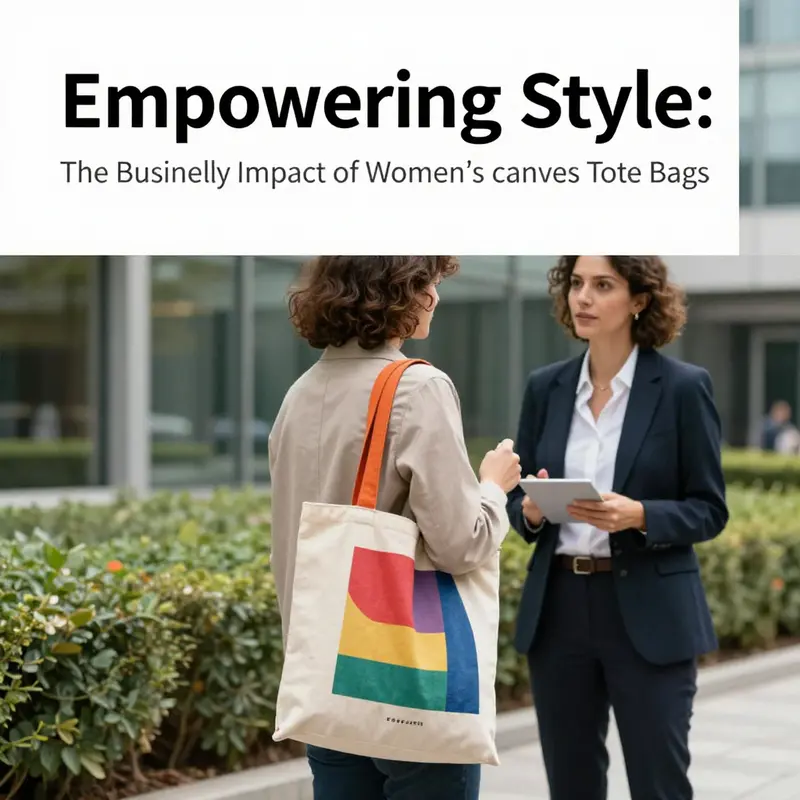
The canvas tote has moved far beyond its early role as a simple, practical carrier. In today’s wardrobes, it stands as a quiet partner for women who navigate multiple roles with ease—whether they’re balancing a commute, a classroom, a studio, or a weekend escape. A well-made canvas tote is more than a bag; it is a portable framework for daily life. Its durability, clean lines, and adaptable silhouette make it a constant in a world where outfits quickly shift from boardroom to brunch and back again. This versatility is not an accident but the result of intentional design, material choices, and a social shift toward accessible style that honors both form and function. The canvas tote embodies this balance with a poise that only a crafted, well-considered object can lend to a person’s overall look and sense of ease. In embracing this accessory, modern women are embracing a philosophy: fashion that serves, rather than complicates, the rhythms of daily life.
Design innovations have extended the canvas tote’s reach far beyond its grocery-store origins. What counts as essential in a tote is no longer merely capacity; it is the precision of how space is organized and how the bag carries weight over time. Contemporary versions now commonly feature zippered closures for security, interior pockets that keep small items readily accessible, and dedicated clips or loops for keys, preventing the usual pocket search during a rushed morning. Some bags include padded sleeves designed to cradle tablets or slim laptops, a thoughtful nod to the increasing need for on-the-go productivity. These features translate into a tote that can pair with a busier, more professional routine without sacrificing ease. The result is a silhouette that remains uncomplicated on the outside while offering a carefully considered system on the inside. For someone who values a tidy silhouette, maintaining clean lines is part of the aesthetic, and a slim laptop sleeve tucked within a tote keeps edges crisp when movement is frequent.
Material and construction play a decisive role in how long a canvas tote remains reliable under daily stress. The backbone of a sturdy tote is tightly woven canvas, typically 100% cotton or a cotton-polyester blend, chosen for strength and resilience. A dense weave resists abrasion and helps the bag resist the telltale signs of wear from long hours of use. Water-repellent finishes, even if imperfect, extend the bag’s practicality in rain or splash-prone environments. But beyond the fabric itself, the quality of stitching matters. Double or triple stitching at stress points, reinforced corners, and bar tacks where handles meet the body all contribute to preventing sagging and tearing under weight. These details are not mere afterthoughts; they are the difference between a tote that looks tired after a few months and one that remains dependable for years. When a bag is built with care, it earns a quiet respect from its wearer, who knows it can handle the jacket, the lunch bag, the notebook, and the extra sweater without complaint.
The aesthetic appeal of canvas totes is perhaps their most democratic strength. The material’s surface accepts color, print, or a natural, unadorned finish with equal ease. A canvas tote can speak softly through a refined, monochrome palette—think a crisp, neutral base that pairs with any outfit—or it can offer a more personal statement through natural textures, tonal depth, or a subtle pattern. The palette often remains timeless: black, khaki, white, or gray forms a dependable core that transitions through seasons and trends. What keeps the style feeling current is not an ever-shifting manifesto of colors but the tote’s ability to be customized in small, personal ways. Simple straps, contrasting rivets, or a discreet monogram can alter the bag’s presence without overpowering an outfit. The charm of the canvas tote lies in its restraint: it provides a literal and figurative platform for wearers to project their style with quiet confidence. In this sense, the tote embodies the idea that chic can be understated, purposeful, and enduring all at once.
Alongside the timeless form, the canvas tote’s shine comes from its role in a broader movement toward sustainable fashion. Reusable by design, these bags offer a practical alternative to single-use plastics and disposable carriers. They are easy to repair, easy to wash, and easy to adapt to new life phases without becoming obsolete. The ethos of sustainability that accompanies canvas totes is more than a set of practices; it is a philosophy about value. The bag’s durability means fewer replacements over the years, which translates into less demand for resources and less waste. This aligns with a growing cultural emphasis on longevity and responsible consumption. Yet the beauty of a canvas tote is not in its eco-cred alone. It also serves as a canvas for personal identity, an object that can be part of a daily ritual or a storytelling device. A tote can travel—from a city commute to a weekend road trip—and remain a familiar touchstone, a tactile reminder of one’s routine and priorities.
The cultural conversation around canvas totes is taught through both history and contemporary practice. Fashion historians illuminate how a seemingly simple object can democratize style by making practical options available to a broad audience without demanding sacrifice in elegance. The democratization of style is anchored in accessibility, sustainability, and expressive potential—an interplay that makes canvas totes more than just containers for belongings. They become portable expressions of who we are and how we choose to present ourselves in public spaces. This idea that everyday objects can be both useful and expressive resonates with a generation that seeks simplicity without surrendering personality. The tote thus exists as a small but meaningful artifact in the larger story of fashion’s evolution toward inclusivity and practicality.
From a stylist’s perspective, the canvas tote’s value rests in its ability to complement a wide spectrum of looks. It can anchor a minimalist outfit with a sense of grounded elegance, or it can lend structure to a more relaxed, deconstructed ensemble. The duality of plainness and customization makes the tote a chameleon accessory. Carrying a tote does not require a costume change or a new mood; it simply adapts to what the wearer already has in mind for the day. A tote can carry the city’s noise and bring it into calm, organized focus, especially when it holds a slim, well-placed laptop sleeve or a compact document organizer. Styling experts emphasize how crucial it is to select a bag whose proportions suit the wearer’s frame and the day’s agenda. A tote that is too large can overwhelm a petite silhouette or feel heavy on the shoulder, while one that is too small can disrupt the flow of what the wearer plans to bring along. The key is balance: enough capacity to carry essentials without tipping the scale toward bulk. In practice, this means choosing a tote with a clean, linear silhouette that works with a range of outfits. If you want a bag that plays well with a tailored blazer or a knit dress, a structured yet unfussy tote often proves the most versatile companion.
The conversation around these bags often returns to the question of how to select and care for them, ensuring longevity while preserving aesthetic appeal. A practical approach begins with an assessment of the bag’s weight-bearing needs: the kind of items people typically carry and the environments in which the bag will be used. If commuting involves carrying a tablet, a notebook, and a few personal items, a tote with a padded sleeve and multiple pockets becomes particularly valuable. If weekend errands dominate, a larger interior compartment and a simple zipper closure may contribute to ease of use and security. Care, too, matters. The best canvas totes respond to regular cleaning with simple methods, and the care routine should reflect the fabric’s composition. A quick wipe-down for surface dust, a spot-clean for stains, and occasional air-drying after exposure to moisture help maintain the bag’s color and texture. The goal is to preserve the fabric’s integrity and resist sagging at the corners, which can accumulate over time if the bag is consistently overloaded. When the bag demonstrates that it can hold up under stress and still look fresh, it earns a place in daily routines that rely on both reliability and poise.
Within this broader context, the canvas tote’s effect on a wardrobe is not simply functional; it is aspirational. It invites a slower, more intentional approach to fashion—one that values versatility and longevity over rapid turnover. The tote’s capacity to adapt to multiple contexts—office, classroom, travel, and casual social settings—encourages wearers to invest in one or two core shapes rather than chasing a flood of fast-moving trends. This approach aligns with a growing preference for “buy less, choose well” wardrobe strategies that emphasize quality, longevity, and personal expression. When a bag is chosen for its durability and its capacity to blend with a wide range of outfits, it reduces the need for constant replacement and encourages a more thoughtful approach to dressing. In this sense, the canvas tote is not merely an accessory; it becomes an anchor, a familiar constant that supports an evolving sense of style.
For readers seeking a broader sense of the tote’s practical inventory, a curated collection of women’s canvas tote bags offers a spectrum from minimalist solid colors to more expressive patterns. The collection is designed to accommodate different sizes, closures, and interior organization schemes, ensuring that there is a tote appropriate for a specific lifestyle or need. When choosing, consider how the bag integrates with your existing wardrobe: does it harmonize with your most worn shoes, your go-to outerwear, and your preferred backpack or companion bag? The best totes are those that extend the life of your outfits, serving as a neutral platform that elevates both casual and formal ensembles without competing with them for attention. This approach to pairing—where the bag quietly anchors but never dominates—helps cultivate a sense of cohesion across an entire wardrobe, a subtle but powerful contributor to personal confidence and ease in daily life.
As a practical aside, one can also approach the tote as a chance to support local or sustainable practices. While the broader market includes a wide range of producers, choosing items built with durable materials and responsible stitching practices translates into a smaller environmental footprint over the bag’s lifetime. The comfort of knowing that a single bag canbear years’ worth of belongings without needing replacement is a meaningful form of everyday sustainability. It is also a small, tangible way to align fashion choices with broader values. The canvas tote becomes a partner in a lifestyle that prizes consistency, reliability, and a restrained form of luxury—one that recognizes that great style does not demand constant reinvention but rather a thoughtful curation of the items that truly belong in one’s everyday life.
To explore a broader catalog that reflects these principles and offers a range of options designed for different needs, consider the women’s canvas tote bags collection, where you can compare sizes, closures, pockets, and overall proportions in one place. This resource helps you identify a bag that suits your daily rituals while remaining adaptable enough to carry through changing seasons and circumstance. For a broader catalog and a view into how these totes can fit into various outfits and occasions, explore the collection here: women’s canvas tote bags collection.
For readers who want to deepen their understanding of the design and cultural significance of canvas totes, a thoughtful external perspective offers context and nuance. The following guide explores styling strategies across occasions, emphasizing how a canvas tote can be integrated into a wide spectrum of outfits without overwhelming the wearer’s silhouette. It provides practical tips for pairing tote scale with body type, height, and personal preferences, along with examples of how to balance the casual energy of canvas with more formal ensembles. A deeper dive can be found here: https://www.fashionhistorian.com/guide-to-canvas-tote-styling
Weaving Responsibility into Everyday Style: The Sustainability Narrative of Women’s Canvas Totes
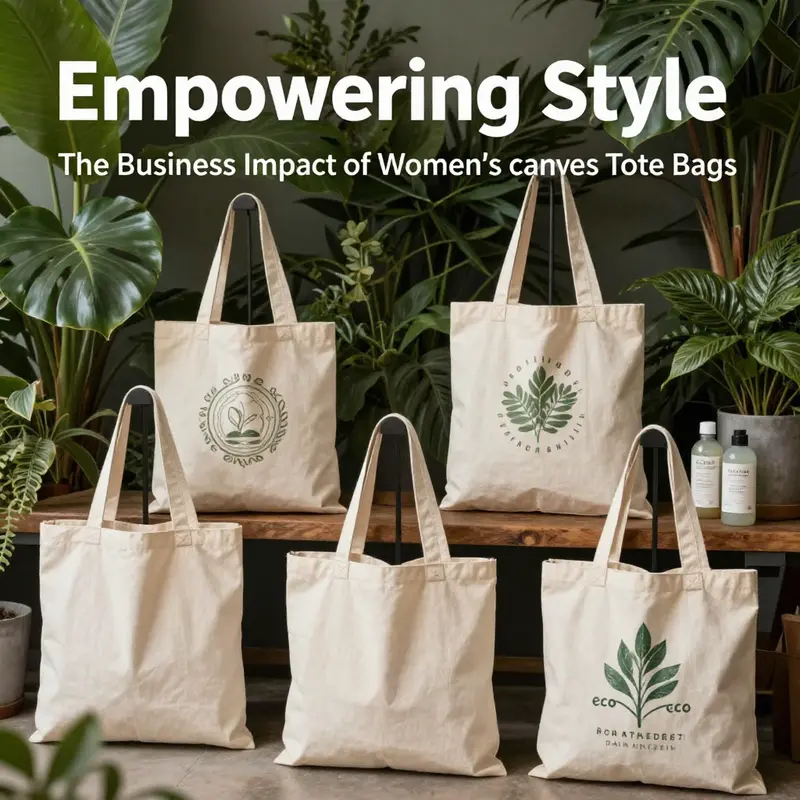
A women’s canvas tote is more than a functional carryall; it is a daily statement about how we live with the stuff we own. In its simplest form, a tote bag is a wide, open space with enough pockets to keep the essentials organized while leaving room for the unexpected—books, a laptop, groceries, a sweater, perhaps a notebook or a lunch bag. Yet when we pair practicality with a steady, understated aesthetic, the bag becomes a companion that travels with us through the rhythms of work, errands, and moments of leisure. The canvas fabric—soft enough to carry comfortably yet sturdy enough to resist the wear of daily use—encourages a mindset of repetition rather than disposability. This is not merely a design choice; it is a lifestyle practice that invites us to reexamine consumption patterns and waste in a way that feels honest and usable. The canvas tote has the advantage of being both approachable and adaptable. It can carry the heaviest load on a crowded commute and still look effortless in the coffee shop afterward. It can be pared down for a casual weekend stroll or dressed up with a simple scarf or a structured shape to elevate a more polished outfit. In other words, its appeal lies not just in its capacity but in its flexibility. Its duality—functional and fashionable, plain yet customizable—resonates with a growing audience that wants to align style with intention. A well-styled tote doesn’t merely transport belongings; it carries a personal narrative about how we value durability, reuse, and responsible choices in everyday objects. This is the quiet balance that makes canvas totes more than a transient trend and more of a practical ethos for modern life.
Yet the very appeal of canvas totes invites a deeper question: what is the environmental footprint behind a bag that looks so simple and natural? The answer is nuanced, because sustainability is not a single metric but a web of factors that connect the moment of purchase to the bag’s long life and eventual end of life. The canvas tote’s environmental profile begins with its material source. The most common iteration uses cotton canvas, derived from cotton fiber woven into a sturdy fabric. Cotton, in turn, has a well-documented set of environmental considerations that depend heavily on farming practices, geographic context, and processing methods. Conventional cotton farming often relies on significant water use and the application of pesticides. Water demand for cotton is notoriously high, with some estimates suggesting thousands of liters of water required to produce a kilogram of cotton. That figure matters because it reflects not only the water footprint of the fiber itself but also the broader resource demands of the farming communities that grow the crop. When cotton is grown with synthetic pesticides or in ways that degrade soil health, the downstream impacts can include soil erosion, waterway contamination, and biodiversity loss. In a chapter focused on sustainability, it would be easy to present cotton as an environmental villain. Yet the picture grows more subtle when we consider organic cotton and other materials that can be substituted within canvas blends. Organic cotton farming eschews synthetic pesticides and tends to use farming practices that emphasize soil health, crop rotation, and reduced chemical inputs. While organic cotton may still demand substantial water resources in some contexts, its overall environmental profile can be more favorable than conventional cotton, particularly when grown in regions with efficient water management and strong certification schemes. Beyond organic cotton, there is a growing interest in canvases produced with recycled content—fiber that begins life in a different form and finds a second purpose in a new product. Recycled cotton or recycled polyester, derived from post-consumer plastic bottles, can lower the demand for virgin fibers and help divert waste from landfills. Each option—organic cotton or recycled content—offers a path toward reducing some of the most pressing ecological costs associated with conventional cotton farming and synthetic production. The choice matters, not only for the bag’s own footprint but for the signaling effect it carries. When a consumer selects canvas constructed with organic or recycled content, that choice communicates an environmental value system: one that prioritizes resource stewardship, the reduction of synthetic inputs, and a commitment to keeping waste out of landfills. This signaling can influence broader market forces that reward sustainable supply chains and transparent practices.
But even with more sustainable inputs, the canvas tote’s environmental advantage hinges on how it is used. The environmental math that often travels with tote bags is straightforward in principle but complex in practice: the bag must be used repeatedly to offset the initial environmental cost of its production. Environmental analysts typically estimate a break-even point in terms of uses—somewhere in the range of 20 to 100 reuses—beyond which the tote’s carbon and water footprints compare more favorably with those of single-use plastic bags. If a canvas tote is purchased with the intention of using it only a handful of times, its production footprint may not be offset, and the bag could end up contributing more to resource use than a disposable option would. The true value, therefore, lies in durability and longevity, a facet that is built into both design and care. Canvas tends to wear well, taking on patina with use, softening and mapping the owner’s routines across months and years. Proper care—gentle cleaning, avoiding harsh treatments, and repairing small seam issues promptly—can extend a tote’s life, allowing it to carry groceries, textbooks, or gym gear day after day without losing its shape or strength. In addition to durability, the aesthetic longevity of a canvas tote is important. A timeless, clean silhouette with a versatile color palette resists the pull of fleeting fads. Minimalist design becomes an ally in sustainability because it encourages repeated wearability across different life stages and activities. When a bag remains visually relevant, it invites continued reuse rather than replacement. A well-made canvas tote that remains in good condition is not merely a practical item; it becomes a long-term companion that reduces the need to buy multiple bags for different occasions.
End-of-life considerations also shape the tote’s overall environmental impact. Canvas made from 100% natural fibers will biodegrade more readily than blends that include synthetic fibers, but even natural-fiber bags do not disappear overnight in a landfill. The pace of decomposition depends on environmental conditions, including moisture, temperature, and microbial activity. If a bag has been treated with certain dyes or finishes, those chemical residues can complicate decomposition or contribute to soil and water pollution during breakdown. The growth of circular economy thinking in fashion encourages brands and consumers to plan for end of life from the outset. In practice, this means selecting totes that are either fully natural or contain a higher share of recycled or post-consumer content, avoiding blends with substantial synthetic components that complicate recycling or disposal. It also means encouraging repair and repurposing, as values that keep a product out of the waste stream longer have tangible environmental benefits.
With these fundamentals in mind, what should a responsible consumer consider when choosing a canvas tote? First, prioritize material with a transparent supply chain. Certifications that attest to organic farming practices, fair labor standards, and low-impact dye processes provide stronger assurances that the bag’s production aligns with ecological and social values. Second, look for recycled content or post-consumer materials where possible. These options address waste streams and reduce new material demand, contributing to a more circular approach to fashion. Third, evaluate dye and finishing processes. Low-impact dyes and minimal chemical treatments lessen the bag’s potential environmental burden at both production and end of life. Fourth, assess durability, both in materials and construction. Double-stitched seams, reinforced handles, and even gussets or internal pockets designed for weight distribution all signal a product meant to endure. Fifth, consider the total lifespan. A bag becomes more sustainable as it crosses the threshold of repeated use, and its ongoing usefulness in varied contexts—from commuting to weekend markets—to reduces the demand for new bags.
This holistic view reframes the canvas tote from a simple accessory into a concrete example of how everyday items can embody sustainability in practical ways. It is not enough to claim an eco-friendly label; it is essential to demonstrate how the bag is sourced, how it is made, how long it lasts, and how it is disposed of when that moment comes. The conversation matters because tote bags are ubiquitous. They accompany people to work, libraries, gyms, and farmers markets. They travel across seasons and geographies, morphing with each owner’s life. The power of this ubiquitous object lies in its potential to seed a habitual mindset: buying once, using often, repairing when needed, and choosing materials that minimize harm. When this mindset takes root, the canvas tote becomes more than a bag; it becomes a small but meaningful act of everyday stewardship.
For readers who want a practical touchstone in navigating the marketplace, there are catalogs and guides that compile options based on material content and sustainability claims. These resources help distill the choices into understandable categories, making it easier to compare organic cotton versus recycled content, or to weigh the benefits of low-impact dye versus conventional dye. While such guides cannot erase all uncertainties in global supply chains, they can illuminate the trade-offs involved in different production pathways and encourage informed consumer behavior.
In seeking a balanced approach, many shoppers will discover that the canvas tote fits neatly into a broader wardrobe philosophy: less but better. The idea is not to shun affordable, mass-produced items altogether but to choose pieces that are designed for longevity and that invite ongoing use rather than rapid turnover. The tote, with its enduring silhouette and roomy interior, lends itself to this approach because its utility does not hinge on being flashy or novel; it thrives on consistency, reliability, and a quiet alignment with values that prioritize reuse and mindful consumption. The result is a kind of fashion that does not demand constant novelty but rather rewards thoughtful choices that fit the wearer’s daily routines.
Consumers are often helped by seeing the bag in real-life contexts over time: how it holds up under heavy loads, how it wears with age, and how easy it is to maintain without specialized care. The learning curve is modest, which is part of the tote’s charm. A durable canvas bag invites a straightforward routine: wipe or hand wash when needed, air dry, reinharden the edges with a simple fabric repair if the stitching loosens, and continue to use it week after week, month after month. The more a person uses the bag for a broad spectrum of tasks, the more the bag earns its keep, both functionally and environmentally. The idea is not to prop up a single purchase as perfect but to cultivate a practice that favors longevity, repairability, and a transparent narrative around sourcing and processing. When this view becomes part of everyday decision-making, the canvas tote stops being a generic tote and begins to symbolize a practical commitment to sustainability that anyone can adopt in a straightforward, repeatable way.
To further illustrate how a shopper might engage with the canvas tote in a conscientious way, consider how this bag sits within a broader collection of carry options. A well-curated set of bags can reflect a deliberate choice toward versatility over volume. The tote’s design invites a certain simplicity: it does not demand ornate hardware or flashy branding to convey its usefulness. It relies on a robust, clean construction and a fabric that endures. In this sense, a canvas tote can anchor a wardrobe that values flexibility, reliability, and an honest approach to materials. The wearer selects a bag that aligns with their routines, and over time, the bag responds by aging gracefully, collecting stories in its creases and stains, becoming a personal artifact of everyday life rather than a disposable accessory. If readers want to explore ways that canvas totes fit into a broader collection—from work-ready bags to casual companions—one practical path is to examine a dedicated range that focuses on everyday utility with a clear emphasis on sustainability. With a careful, informed choice, the tote becomes a long-term partner rather than a one-season fling.
For those who want a quick route to broader context while still appreciating the nuance of materials and care, a detailed catalog of canvas tote options can provide a useful snapshot of what is available on the market. You can explore a range of options that emphasize the intersection of durability, price, and ecological considerations, and you can see how design choices, such as strap width, interior organization, and color offerings, influence daily use and long-term satisfaction. This is not merely about picking a bag; it is about selecting a product that aligns with personal values and practical needs over several years. If you’re seeking a starting point that foregrounds the connection between product design and sustainable behavior, consider visiting a curated collection that centers on women’s canvas totes and highlights how the pieces balance form, function, and responsible materials. For a broader look into how these bags are categorized and presented in the marketplace, you can browse a comprehensive catalog that focuses on women’s canvas tote bags and their practical applications. It offers a sense of how different design choices—such as pocket configuration, reinforced seams, and color-blocking—support everyday efficiency without sacrificing timeless style.
In sum, the sustainability story of women’s canvas totes is not a single, definitive verdict. It is a landscape of choices—material sources, manufacturing methods, lifetime usage, and end-of-life options—that together determine the bag’s true environmental impact. The responsible path rewards consumers who ask precise questions, seek transparent information, and commit to using their tote for years. It recognizes that a simple tote can be a meaningful part of a larger habit: a habit that values durability over disposability, clarity over vagueness, and care over neglect. The canvas tote, when chosen thoughtfully and treated well, stands as a quiet emblem of practical ethics in everyday life.
To readers who want a quick, practical pointer amid this nuanced discussion, a clear takeaway is to prioritize bags made with certified organic cotton or recycled content, choose low-impact dyes, and commit to long-term use and repair. By focusing on these elements, a tote ceases to be merely a product and becomes a visible, everyday choice that strengthens personal responsibility and environmental stewardship. If you’d like a concise reference to a broader selection of canvas totes and their stylistic versatility, see the dedicated collection that highlights womens canvas tote bags. womens-canvas-tote-bags.
External resource for further reading: for a balanced, evidence-based perspective on the environmental footprint of cotton tote bags and the role of reuse, consult The Guardian’s 2025 analysis on how sustainable cotton tote bags can be. https://www.theguardian.com/environment/2025/mar/12/how-sustainable-are-cotton-tote-bags
Brand Signatures, Silent Sustainability, and Everyday Function: Navigating Styles in Women’s Canvas Tote Bags
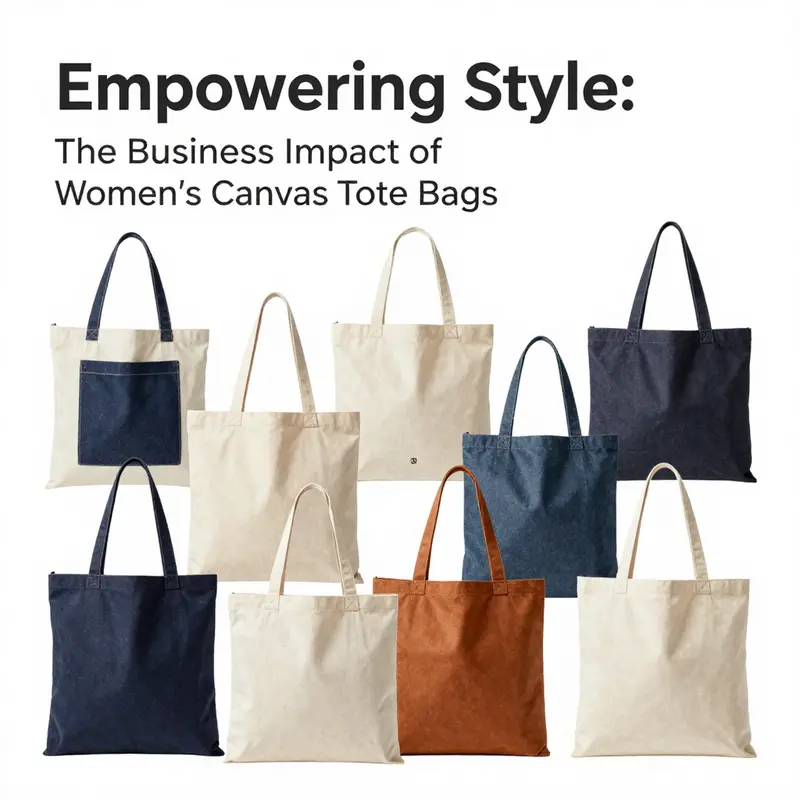
In the evolving conversation of women’s accessories, the canvas tote has moved from a simple, utilitarian carryall to a flexible canvas for personal expression, crafted identity, and responsible choices. The tote, with its sturdy cotton weave and broad silhouette, stands at a crossroads where craft meets culture, where a bag’s exterior speaks to a wearer’s values as readily as its interior holds the items of daily life. The contemporary market reflects this convergence through a spectrum of approaches. On one end, there are the houses with a long history of logo-driven, signature designs. These pieces lean into heritage, using a refined spectacle of minimalism paired with a clearly recognizable mark. They offer a sense of prestige and durability that appeals to buyers who want a statement that travels well from work to weekend. On the other end lie brands rooted in sustainability and quiet aesthetics. These tote bags emphasize natural tones, unadorned typography, and the absence of conspicuous branding. Their language is subtle, their materials are often sourced with attention to the life-cycle of the product, and their message centers on responsibility and longevity rather than conspicuous consumption. Between these poles lies a robust middle ground—functional, thoughtfully designed totes that balance capacity, organization, and an understated sense of style. This is the realm where many modern shoppers populate, choosing a bag not only for what it carries, but for how it carries a moment in their life.
To understand how these currents shape contemporary canvases, it helps to map three enduring tendencies that recur across categories and price points. First, there is the enduring appeal of a brand’s signature–a mark that signals a lineage of craft and a certain confidence in the wearer. These pieces often hinge on a crisp silhouette, premium materials, and precise construction. They are not merely bags; they are wearable statements about taste and discipline. The design language emphasizes restraint: a clean outline, a controlled color palette, and a placement of branding that feels deliberate rather than decorative. The result is a product that looks equally at home in a gallery opening and a commuter train car, projecting an aura of calm assurance rather than loud personality. The impact is less about shouting and more about a quiet, enduring recognition—an emblem that travels with the person who carries it, season after season.
Second, a surge of sustainable, minimalist lines reframes the tote as a practical instrument aligned with modern values. These designs often lean into the ethics of simplicity: natural fibers, undyed or lightly tinted canvas, and typography that is deliberately restrained. The goal is not to dominate attention but to invite confidence through clean lines and legible purpose. The beauty of this approach lies in its universality. With soft, neutral palettes and durable construction, these totes become reliable companions across a wide range of outfits and settings. They also signal a forward-looking stance: a commitment to slow fashion, to reducing waste, and to choosing items that endure rather than become disposable. In everyday terms, the care of such bags mirrors the wearer’s own routine—measured, mindful, and prepared for the week ahead.
Third, the market has embraced multi-functional designs that fuse utility with personality. In many cases, the added logic of organization—zippered compartments, interior dividers, laptop sleeves, and detachable pouches—transforms the tote into a compact office on the go, a shopping ally during a busy weekend, and a travel companion when days blur into schedules. These bags acknowledge the reality of modern life, where a single tote must carry more than just a wallet. They speak to a practical sensibility: easy-to-reach pockets, secure closures, and sleeves that safeguard devices while still feeling light and approachable. The design conversation shifts from merely carrying things to enabling a smoother rhythm of daily mobility. It is not about adding furbelows; it is about smart geometry—the way weight is distributed, how the handles balance with the body, and how a bag’s interior speaks to a user’s habit patterns.
Within this landscape, it is useful to reflect on how the bags are built, what motivates the buyer, and how these elements weave into daily life. A canvas tote’s core strength remains its material—cotton canvas that is tough, breathable, and easy to re-wash or refresh. Weight and weave thickness matter because they determine how a bag feels when it is empty and how it behaves when loaded. A heavier canvas typically signals resilience against wear and a longer lifespan, but it can also weigh down the silhouette if the design is not proportioned with care. The stitching becomes more than a telltale sign of quality; it is the quiet guarantee that the bag will endure the strain of daily use. When the handles are reinforced and the seams are double-stitched, the tote invites confidence: you can fill it with textbooks, groceries, or gym gear, and it will carry the load with grace. This is the practical essence of the canvas tote—durability without sacrificing ease.
The visual language of these bags also tells a story about the owner. A bag with a prominent brand mark or a glossy finish communicates a crisp, cultivated certainty. It announces a taste for timelessness and a willingness to invest in an artifact with a credible association. By contrast, a tote that favors natural leather accents, unbranded canvas, and understated typography creates an aura of quiet self-assurance. It implies a deliberate choice toward sustainability and minimalism, a belief that style is most persuasive when it does not shout. Between these approaches lies a broad spectrum of options that readily accommodate the mood of the moment. A day spent at a crowded market or a morning rush to meetings can be soothed by a bag that feels both sturdy and unpretentious, while a weekend excursion may reward the same tote with clever features and extra pockets that keep essentials in quick reach.
The decision matrix for shoppers tends to revolve around three questions: what will I carry, where will I carry it, and how much attention do I want my bag to command? The first question is practical. If the tote will hold a laptop, lunch, and gym gear, it demands a secure interior layout—perhaps a padded sleeve, a zipper for smaller items, and a roomy main compartment. If the tote will mostly hold books or groceries, a simple, open interior with a couple of pockets can optimize accessibility and speed. In either scenario, a thoughtful profile—the width of the base, the drop of the handles, and the overall balance of the silhouette—ensures comfort throughout the day.
The second question—where the bag is carried—bridges the design with the wearer’s daily rituals. A commuting professional, for example, might favor a tote with a structured base that stands up when set down and a strap drop that rests comfortably on the shoulder during transit. A student might seek a slightly lighter frame with multiple pockets that keep a notebook, a small tablet, and a water bottle organized in quick reach. The third question—the level of branding—has become a personal preference as much as a fashion statement. Some people enjoy the micro-glamour of a single, purposeful logo placed in a deliberate corner; others prefer a logo-free surface that acts as a neutral backdrop to any outfit. This spectrum matters: branding influences perceived versatility, resale value, and the sense of ownership one feels toward a bag.
As the field broadens, brands increasingly experiment with how a tote communicates its message. The most successful efforts are those that integrate meaning with material. A bag might carry a subtle nod to craft heritage through a traditional stitching pattern, or it might make a sustainability claim through the use of recycled textiles or plant-based dyes. The typography, when used, is deliberate—sans serif for modern clarity, or a serif that hints at refinement—positioning the bag within a narrative rather than simply as an accessory. In this sense, the canvas tote becomes more than its sum of parts; it becomes an artifact that can carry a mood as well as a load. This is what fashion editor and stylist opinion often call the duality of the canvas tote: utilitarian in function, but capable of signaling taste, values, and personality. The best designs embrace both sides—enough structure to organize a busy day and enough restraint to remain elegant with a casual outfit.
For shoppers seeking breadth and variety, the online and retail ecosystems offer a layered map of options. On one level, there are broad, category-spanning retailers that curate a wide range of canvases—from minimalist solids to patterned textiles. On another level, boutique labels and design houses push the envelope with artisanal touches, limited runs, or custom embroidery. The thrill for the consumer is the sense of discovery: a bag that feels like it was made for a specific season, or for a particular memory, yet still fits into everyday routines. It is this sense of occasion within the ordinary that keeps canvas totes perennially relevant. As wardrobe consultants often emphasize, the versatility of the tote makes it a reliable partner for a wardrobe that values interchangeability and cohesion. A tote can anchor a professional look with a calm, neutral surface, then transition to weekend wear with a quick swap of accessories or a change in color accents.
In keeping with the article’s broader exploration of the women’s canvas tote ecosystem, it is helpful to consider how shoppers interpret these signals when they step into a store or browse online. The experience is not just about choosing a color or a logo; it is about reading the bag’s personality and evaluating its fit with life’s responsibilities. For those who live at the pace of meetings, travel, and errands, a tote with clever organization and robust materials offers quiet assurance. For those who use a tote as a travel or work-day anchor, a design that balances capacity with ease of carry becomes essential. And for those who seek a touch of luxury or a nod to a designer heritage, a tote that communicates refinement through materials, finishing, and restrained branding becomes a coveted object.
The ongoing evolution of women’s canvas tote bags is a reminder that fashion is never static. The canvas is an unglamorous starting point that invites iteration. A plain surface can become a canvas for self-expression through color, typography, and embroidery. A bag can be a prop in a personal narrative—an artifact that marks a season of one’s life or a memory of a particular journey. The conversation about styles, materials, and brands is less about hierarchy and more about choice. It is about recognizing that a tote’s value comes from how well it supports daily life while carrying something larger than itself: a sense of purpose, a respect for resources, and a belief in the simplicity of well-made objects.
For readers seeking a broad sense of the market and a sense of the options available, a comprehensive overview of women’s canvas tote bags can provide a helpful map of styles, materials, and features across the spectrum of brands and price points. Take, for example, the wide range of designs discussed here and consider how a single bag could anchor a personal uniform across seasons. As you scan the shelves or scroll through online catalogs, you’ll notice that the most enduring totes tend to share a few common traits: durability, practicality, and a design language that aligns with the wearer’s life. They don’t merely hold items; they carry a philosophy of everyday elegance, a quiet confidence in everyday acts, and a commitment to making the everyday a little more organized and a little more thoughtfully considered. The canvas tote thus becomes a practical luxury—accessible, versatile, and deeply personal.
For further exploration of the broader landscape and to see a range of options that illustrate these principles, readers can visit a dedicated resource that curates women’s canvas tote bags. This hub serves as a gateway to understanding how silhouettes, sizes, and features converge with lifestyle needs, enabling shoppers to compare forms, evaluate details, and imagine how a chosen tote will accompany them through their days. The journey through brands, styles, and values is a reminder that even a simple everyday object can be a meaningful extension of how we choose to live, work, and connect with the world around us. The canvas tote, in its many iterations, remains a versatile instrument for personal expression and practical living alike.
Final thoughts
Incorporating women’s canvas tote bags into your business wardrobe can reflect your brand’s values of functionality, style, and sustainability. As we’ve explored throughout this article, these bags serve not only as practical tools for everyday use but also as statements of personal and corporate identity. Opting for sustainable and stylish accessories like a canvas tote can enhance customer perception, demonstrating your commitment to eco-conscious choices while remaining fashionable. Make the leap—integrate these versatile totes into your professional attire and enjoy the myriad benefits they offer.