
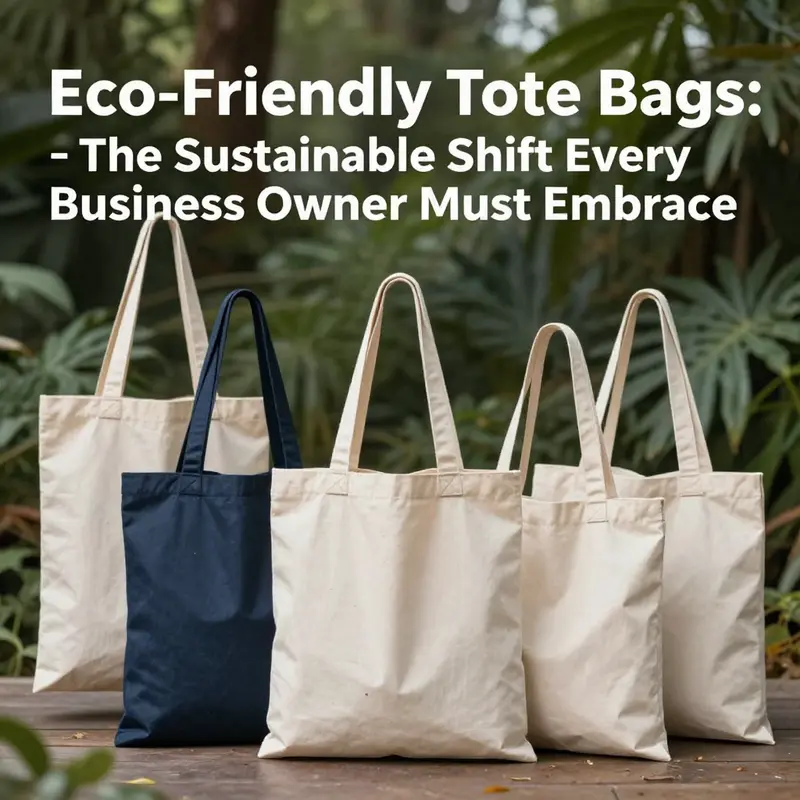
As the global economy continues to evolve, the prevalence of eco-friendly tote bags emerges as a decisive element in the retail landscape. For business owners, these bags are not merely an accessory; they symbolize a shift toward sustainability while providing a viable solution against the avalanche of plastic waste. From their diverse material compositions to their socio-economic impacts, eco-friendly tote bags present multiple avenues for brand enhancement and consumer engagement. This comprehensive exploration covers their composition in detail, the economic advantages they offer, societal impacts, their role in reducing plastic waste, and predictions for the future of these products in sustainable retailing. By the end of this article, business owners will gain a holistic understanding of why integrating eco-friendly tote bags into their operations is indispensable.
Weaving Sustainability: The Material Foundations of Eco-Friendly Tote Bags
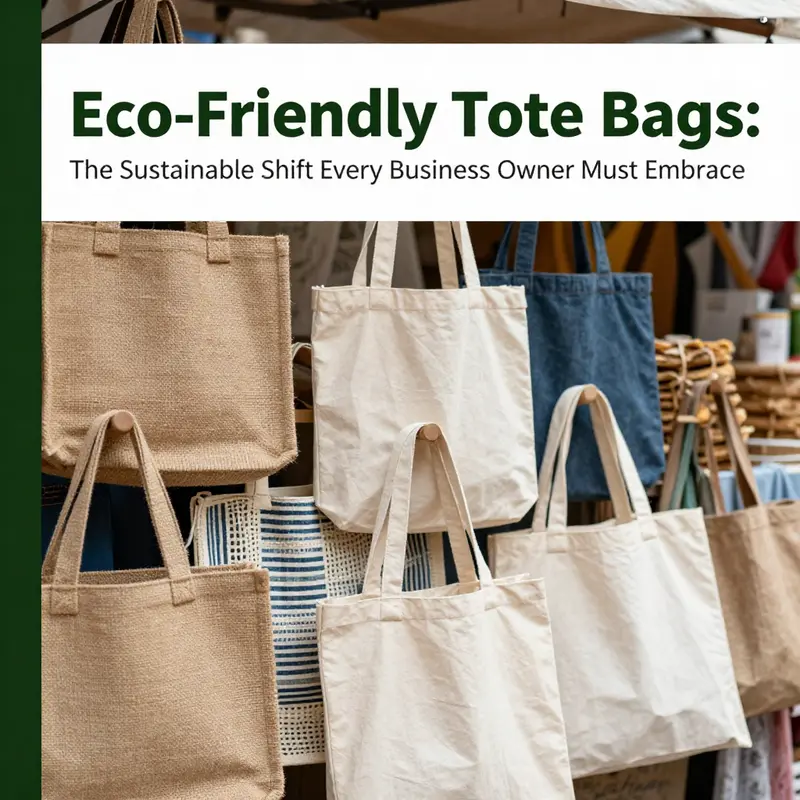
Every eco-friendly tote bag begins with a material choice that influences its performance, footprint, and daily use. The fabrics and polymers inside a bag are decisions about resource use, end-of-life options, and how a bag participates in a circular economy.
Organic cotton canvas remains a common baseline. It can be produced with regenerative farming practices, and its end-of-life potential is improved when the supply chain prioritizes soil health and water stewardship. Its durability comes from sturdy construction and well-made seams, enabling many refill cycles.
Recycled PET fabrics repurpose post-consumer bottles into durable, lightweight material. They resist moisture and wear, often at a lower weight than natural fibers. The trade-offs include recyclability depending on local streams and the fact that they are not inherently biodegradable.
Non-woven polypropylene totes offer lightness and cost-effectiveness, with durability that suits frequent reuse. End-of-life options depend on local recycling infrastructure, and real sustainability hinges on high reuse and proper disposal.
Hybrid designs blend fibers, such as jute with canvas, to balance strength and renewability. Seasonal options like straw or plant-based fibers provide renewability and low-energy production, but may limit load capacity.
Ultimately, material choice should support repairability and modularity, enabling mid-life updates and longer use. When bags are designed for longevity, they contribute less waste and a slower, more mindful economy.
Carrying Change: The Economic Ripple of Eco-Friendly Tote Bags
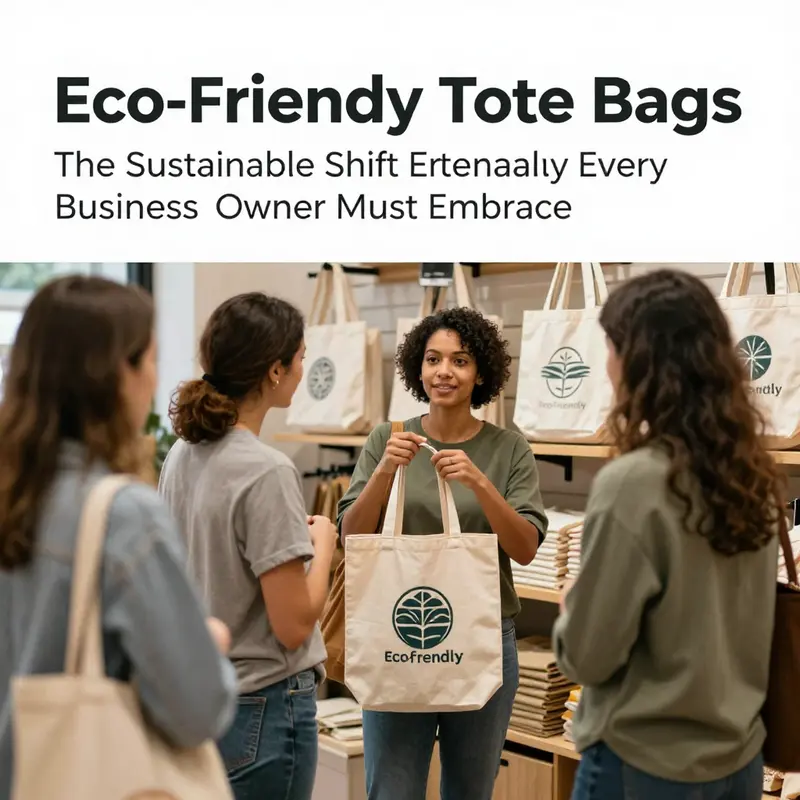
Economies do not measure value only in price tags. They measure in resilience, efficiency, and the capacity to reshape markets over time. The rise of eco-friendly tote bags illustrates this well. These bags, made from organic cotton, jute, recycled fibers, or other sustainable materials, invite a shift from disposables to durable goods. Consumers invest in bags that persist beyond a single season, and businesses tune their operations to meet this growing demand. The transition is not merely a consumer trend; it is a signal of deeper changes in how products are financed, produced, and sold. When shoppers choose reusable totes, they participate in a cycle that rewards long-term use, reduces waste, and strengthens local supply chains. The economic impact unfolds across households, manufacturers, and policymakers as they renegotiate costs, benefits, and responsibilities for the act of carrying everyday goods.
Initial cost comes into play. Eco-friendly totes typically demand higher upfront prices than single-use plastics or cheaper standard bags. Yet many shoppers and organizations recognize that this is a lower-risk investment. Durable fabrics and reinforced stitching extend life and reduce replacement frequency. Over two, three, or more years, the cumulative cost of owning fewer bags becomes evident. The math is not purely about dollars saved; it encompasses time, convenience, and waste management costs that households otherwise bear. When a bag lasts, it meaningfully lowers the need for mass production of disposables, easing pressure on waste systems and reducing pollution-related expenses in communities. The initial premium often translates into a long view: steadier supply in markets that prize reliability and a product that loyally accompanies routines from grocery runs to commutes.
Demand for sustainable materials has become a catalyst for innovation and employment. Growing markets for organic cotton, jute, hemp, and recycled fibers drive investment in farms, mills, and green manufacturing. This creates jobs and strengthens rural and peri-urban economies. In regions where plastic waste regulation tightens, local production of renewable and biodegradable bags can replace imports and reduce leakage of plastics into the environment. The economic opportunity is not just in the bags themselves but in the ecosystems that support them: soil health improvements from sustainable farming; recycling streams built to handle post-consumer textiles; and design new fabrics that balance strength with end-of-life options. Governments, NGOs, and industry players collaborate to scale capacity, improve yield, and lower unit costs through learning curves, standardization, and shared infrastructure, thereby widening access to eco-friendly options without sacrificing performance.
From a corporate perspective, the choice to adopt eco-friendly totes aligns branding with responsibility. Companies that present themselves as guardians of the environment can cultivate customer loyalty and justify premium positioning. The bag becomes a messenger of values, extending a brand’s narrative beyond the product it carries. At events, promotions, or retail spaces, reusable totes can substitute for disposable giveaways with a more lasting impression and a clearer social message. Moreover, supply chain decisions that favor reduced plastic reliance are increasingly valued by investors and lenders who monitor environmental, social, and governance metrics. When a business shifts toward durable, recyclable bags and curates materials that minimize waste, it lowers risk tied to regulatory changes and reputational exposure, while still delivering practical utility to customers. The result is a more resilient business model that resonates with buyers who care about stewardship as much as style. As markets tilt toward eco-conscious tote trends, insights can be seen in tote bags trending.
Price sensitivity remains a hurdle. While the long-term savings are real, many consumers notice the higher upfront cost. Retailers and manufacturers address this gap with tiered pricing, bulk discounts, and promotional campaigns that emphasize value rather than price alone. Education about life-cycle costs helps shoppers understand that durability translates into fewer replacements and less waste, which holds social and environmental value as well as financial. Yet care requirements can affect the real cost profile. Some eco-friendly fabrics demand gentle washing, air drying, or avoidance of harsh detergents to maintain strength and color. When care is neglected, durability declines, and the initial savings shrink. This reality pushes industry to invest in user-friendly care guidelines, more forgiving materials, and warranty programs that reassure buyers that a bag’s long-term performance is dependable under real-world conditions.
Market signals consistently show a preference for goods that marry usefulness with responsibility. Consumers increasingly reward brands that reduce plastic use and that communicate clear end-of-life options. This preference helps explain why many companies treat tote bags as more than carriers; they become portable banners for sustainability that travelers, students, workers, and shoppers carry daily. The economic consequence is a shift in how products are designed, priced, and distributed. It also nudges investors toward ventures that emphasize circular design, modular components, and repairable fabrics. In addition, the knowledge economy around materials science and supply-chain optimization accelerates as designers and manufacturers collaborate to extend product lifespans, reduce waste, and lower carbon footprints. For a deeper context on consumer preferences and economic trends related to eco-friendly bags, see the study referenced in the Journal of Sustainable Development.
Policy choices play a crucial enabling role. In places where governments restrict single-use plastics, local industries respond by expanding capacity for renewable and biodegradable bag production. This not only substitutes imports but also builds export potential for regions with competitive fiber crops and skilled labor. The Indonesian example mentioned in research results signals how regulation can catalyze a domestic ecosystem that blends farming, processing, and design into a coherent sector. The ripple effects include better soil stewardship, more stable farm incomes, and investment in training programs that raise the skill level of workers across stages of manufacture. Such policy environments can attract clean-tech capital, create apprenticeship pathways, and seed new suppliers who can meet growing demand while upholding sustainability standards. The result is a broader economic uplift that touches farmers, factory workers, designers, and logistics specialists alike.
Beyond borders, the economics of eco-friendly totes intersect with global supply chains and circular economy ambitions. The durability and recyclability of materials influence the cost structure of both producers and retailers. When bags stay in circulation longer, they reduce waste disposal costs and the need for frequent restocking. This has a favorable knock-on effect on logistics, warehouse space, and energy use. But interregional trade also introduces volatility: price swings for natural fibers, crop yields, and recycling streams can shift margins. Businesses address these risks with hedging strategies, diversified sourcing, and investments in local factories that shorten supply lines. The result is a more resilient footprint for the tote bag category, one that aligns economic incentives with environmental outcomes and that makes sustainability a driver, not a constraint, of growth.
Looking forward, the economic narrative around eco-friendly totes is less about a single product and more about a system where value is created through durability, responsible sourcing, and inclusive access. As consumer education deepens and policy mix evolves, the field rewards those who balance cost awareness with a commitment to quality and lifecycle thinking. The chapter framed here is a reminder that everyday items—carried, reused, and proudly displayed—carry economic weight that extends from the home to the boardroom. In the end, the real leverage comes from partnerships among farmers, manufacturers, retailers, and researchers who push materials science, logistics efficiency, and responsible marketing toward common goals. For readers seeking further exploration of how market dynamics shape the acceptance of eco-friendly bags, the broader literature offers a rich map of opportunities and challenges waiting to be navigated. That broader chart of opportunity invites new entrants and established players alike to reimagine how goods travel, how packaging can be lighter yet stronger, and how communities measure success not just by profits but by avoided waste and restored ecosystems. In classrooms and boardrooms, the tote bag becomes a case study in sustainable value creation, illustrating how everyday choices ripple through employment, energy use, and urban life. As data accumulates, policymakers and lenders increasingly require transparent life-cycle assessments, pushing brands to demonstrate real, verifiable progress rather than greenwashing. External reading: https://doi.org/10.5539/jsd.v14n1p1.
Carrying Change: How Eco-Friendly Tote Bags Shape Communities, Health, and Daily Habits
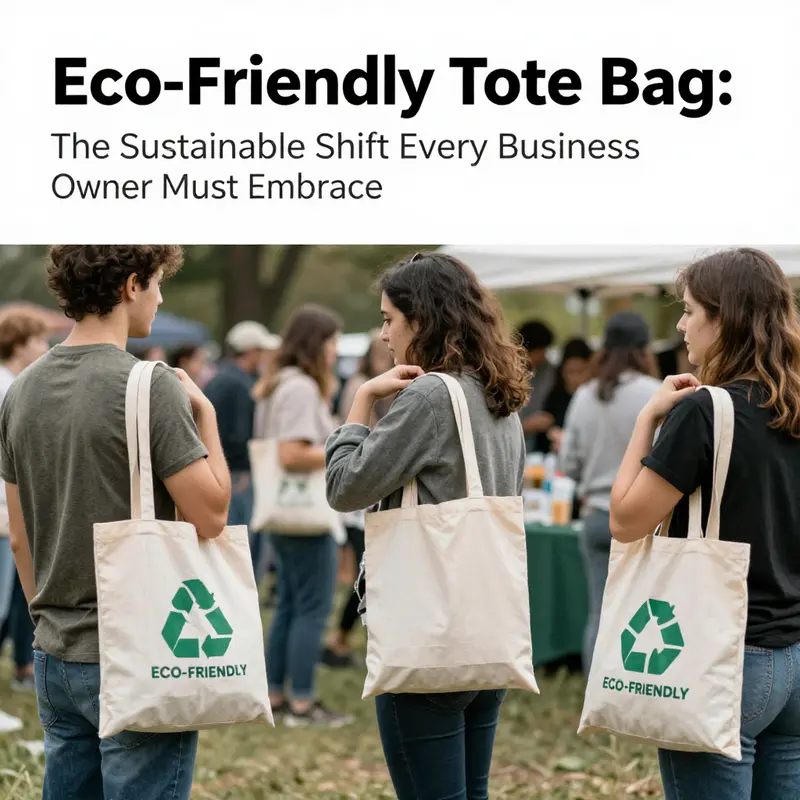
The act of choosing an eco-friendly tote bag extends beyond personal convenience; it becomes a daily gesture with social reach. When someone slides a sturdy bag over a shoulder or tucks it into a backpack, they are participating in a wider pattern of behavior that quietly rewrites how a community consumes, recycles, and regards waste. This chapter traces the threads of that pattern, showing how a simple carrying tool can influence public health, cultural norms, and local economies. The thread begins with waste, but it does not end there. It loops through health, education, and civic life, shaping a durable, shared resource: a sense that everyday choices matter.
A central, observable benefit is the dramatic reduction in plastic waste. Each reusable tote bag serves as a long-running counter to the steady stream of disposable bags that once filled curbside bins and littered streets. Over a bag’s lifetime, multiple dozens of single-use bags are avoided, and the cumulative effect across a city or region compounds quickly. This isn’t just about cleaner sidewalks; it touches the fossil-fuel equation behind plastic production. Fewer new plastics need to be manufactured when demand for disposable bags falls, and that shift nudges energy use and emissions downward. The broader implication is a community learning to associate resource conservation with everyday routines rather than abstract policy debates.
That behavioral shift produces a cultural ripple. When people consistently bring their own bags, the act becomes a visible cue of stewardship. It signals a shared value system: responsibility for the resources we use and for the ecosystems that sustain us. Retailers and organizations that embed reusable bags into their everyday practice amplify this message. The bag becomes more than a carrier; it turns into a portable reminder that shopping can be aligned with values, not just convenience. In practical terms, this often translates into branded or thoughtfully designed tote bags that people carry with pride, transforming mundane errands into acts of public courtesy. For those who want to observe how design can subtly reinforce habit, the broad category of durable options, including fashionably simple and functionally robust totes, offers a useful lens. In everyday life, the transition from disposable wisdom to reusable habit often plays out in the choice of what people carry, such as women’s canvas tote bags. This example underscores that durability and aesthetics can reinforce behavior, making sustainability feel accessible rather than punitive.
Public health benefits extend beyond eliminating chemical exposure from leachables in some plastics. Materials commonly used in eco-friendly totes—cotton, canvas, and recycled fabrics—tend to be inert and passively safer for food contact than certain plastics when items are warm or acidic. That inertness matters in everyday use, where groceries, lunches, and small purchases mingle with the bag’s surface. The reduction in disposable packaging also helps cities manage litter more effectively. When streets are cleaner, waterways benefit, and the urban environment becomes healthier for residents who walk, cycle, or commute on foot. In this sense, a single tote bag becomes a health instrument, reducing exposure risks and encouraging a broader culture of cleanliness and care for shared spaces.
Yet the societal benefits are not purely environmental or health-driven; they extend into social equity. Reusable tote bags democratize access to everyday resources by offering a reliable, low-cost, long-lived option for carrying groceries, books, or personal items. When bags are designed with affordability and durability in mind, they become a practical equalizer—helping students pack study materials, workers transport laptops and lunches, and families share reliable carry solutions across generations. The most successful designs account for diverse needs: reinforced stitching that withstands heavy loads, ergonomic handles that reduce strain, and sizes that accommodate varied payloads from produce to textbooks. Such attention to inclusive design makes the benefits accessible to a broader cross-section of society, not just a subset of shoppers.
Alongside design considerations, the economic implications of widespread tote usage deserve attention. When households invest in a single bag that endures years, the per-use cost of carrying groceries or other essentials drops dramatically compared with repeatedly purchasing disposable bags. This economy of reuse can free up household funds for other necessities and even support micro-entrepreneurship—local makers and crafters who respond to demand with durable, repairable products rather than low-cost disposable items. Communities that cultivate local production of reusable bags often see ancillary benefits: small businesses can partner with schools, markets, and civic groups to distribute bags, run repair workshops, or provide educational materials about sustainability. In turn, these programs reinforce a practical understanding of circular economies, where materials are valued for longevity and repairability rather than discarded after a single use.
Beyond commerce, the social fabric benefits from the narrative power of reusable bags. When people carry their own bags, they participate in a daily storytelling of stewardship. This narrative—one bag, many journeys—extends into schools, workplaces, and neighborhoods. It frames environmental concerns not as distant, abstract issues but as tangible, local routines. The bag becomes a portable billboard for sustainable living, inviting conversations about where goods come from, how they are packaged, and what kinds of impacts follow from everyday choices. In classrooms, families, and workplaces, discussions about waste reduction can start with a tote bag’s lifecycle and ripple outward into broader consumption habits, from groceries to gear for hobbies and travel. The capacity for a tote bag to carry more than items is symbolic: it transports a shared commitment to leave fewer traces on the land and water that sustain us.
This social dynamic also aligns with corporate social responsibility in the broader market. When brands or retailers support durable, recyclable, or repairable bag options, they participate in a collective culture of accountability. Their choices can influence product standards, encourage better materials, and support responsible manufacturing practices. Consumers observe these signals and come to expect more resilient, safely produced goods as a baseline. In this ecosystem, the tote bag becomes a concrete measure of a community’s willingness to invest in long-term wellbeing rather than short-term convenience. The effect is not merely ideological; it translates into real-world norms that persist across generations and across diverse urban and rural settings.
To understand the full societal resonance, it helps to frame tote bags within a broader narrative of public health, environmental stewardship, and social cohesion. When city planners, educators, and health advocates speak in concert about reducing waste, promoting safe materials, and encouraging responsible consumption, tote bags emerge as a practical, low-cost tool that complements larger policy efforts. They act as a bridge between individual action and collective outcomes, linking daily routines to measurable improvements in air quality, waterways, and neighborhood cleanliness. The beauty of this bridge lies in its simplicity: a reusable bag does not require high-tech infrastructure or heavy investment to begin its work. It starts with one person choosing to carry a bag that can be used again, again, and again, and it grows as that choice becomes a shared habit.
For researchers and practitioners seeking to quantify these benefits, the story is not merely qualitative. Life-cycle assessments and community health indicators can capture reductions in waste, energy use, and exposure to contaminants. They can also track social variables such as civic participation, school engagement, and local employment tied to bag production, repair, or distribution programs. The sum of these metrics paints a portrait of a society in which small, repeatable actions accumulate into meaningful change. The tote bag, in this view, becomes a micro-infrastructure of sustainable living—a portable unit that supports healthy individuals, thriving communities, and a more resilient environment.
External reference notes anchor this discussion in a broader conversation about eco-friendly tote bags and their role in sustainable life. For a broader view, see the National Geographic exploration of how these bags intersect with culture, health, and planetary stewardship: National Geographic – Eco-Friendly Tote Bags.
Carrying Forward a Cleaner World: How Eco-Friendly Tote Bags Cut Plastic Waste
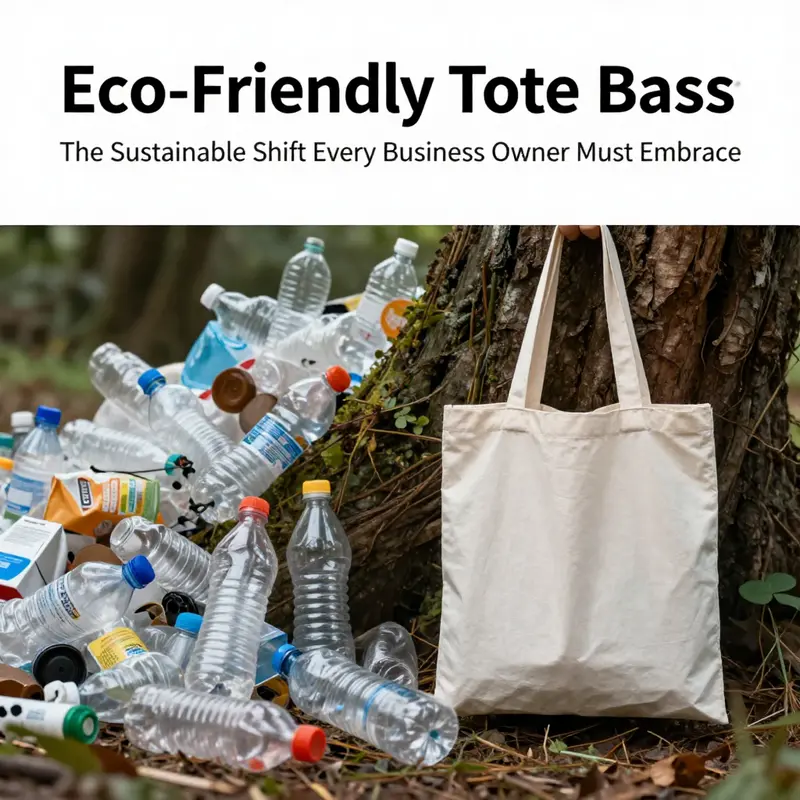
The appeal of eco-friendly tote bags rests on a carefully balanced equation of material choice, design, and social behavior. Material composition matters because it governs the rate at which a bag can be reused, repaired, or recycled. Many eco-friendly totes are crafted from organic cotton, recycled fabrics, or biobased polymers, each with its own advantages and challenges. Organic cotton offers a natural fiber that, when grown without synthetic pesticides, reduces soil and water stress relative to conventional cotton. Recycled fabrics close the loop by giving new life to discarded textiles, turning what would have become waste into a durable, functional product. Bioplastics promise a lower embodied energy in some cases and the potential for compostability, but their end-of-life pathways often depend on industrial facilities that may not exist in every region. Nonwoven polypropylene, another common option, is valued for its strength and light weight, though it must be managed carefully to keep it within a circular economy framework. These material families illustrate a broader truth: there is no single perfect option. The best choice depends on usage patterns, local waste management capabilities, and the willingness of producers to design for end-of-life handling. In all cases, the emphasis is on durability. A bag that can withstand hundreds of trips and heavy loads reduces the need for new bags and lowers the environmental footprint per use. The reinforced stitching and robust handles that appear on many eco-friendly totes are not cosmetic touches; they are essential features that enable a bag to survive the rigors of daily life, from hefting groceries to carrying books and work gear. When a bag fails early, it undermines the sustainability case by encouraging a return to disposable options. By investing in sturdiness, producers encourage long-term reuse and slow the pace at which materials enter waste streams. The result is a simple but powerful outcome: less plastic in landfills, less microplastic leakage into oceans, and fewer emissions associated with the repeated production of disposable bags. The durability story is intertwined with practical versatility. People use totes for groceries, but they also transport laptops, gym gear, and personal items. This adaptability helps embed the tote as a staple in everyday routines, rather than a niche accessory. In busy urban environments, where trips to stores are frequent and space is at a premium, a bag that can do double duty as a shopping companion and a professional or school bag becomes a pragmatic choice that syncs well with modern life. As consumer awareness grows, so too does the market for bags designed with ergonomic features in mind—longer handles for shoulder comfort, even weight distribution to reduce shoulder strain, and compartments that keep items organized without sacrificing capacity. The cross-pollination between fashion, function, and sustainability is not incidental; it reflects shifting expectations about how products should perform and what they should be able to endure. The broad adoption of tote bags is also driven by opportunities in bulk purchasing and customization. In promotional contexts, contractors and organizations can order durable totes with minimal minimums while aligning branding with a message of environmental stewardship. This is where the economics align with ethics: lower per-unit costs at scale, reduced waste through higher reuse rates, and a branding narrative that communicates a commitment to the environment. The dynamic is helped along by industry standards that emphasize reinforced stitching, strong handles, and materials chosen with end-of-life in mind. Standards and best practices suggest that eco-friendly bags should be designed to be recyclable or biodegradable, depending on their makeup, and that they should support safe handling of heavy loads without compromising integrity. This creates a practical pathway for retailers and manufacturers to deliver products that deliver real environmental benefits while meeting customer expectations for quality and reliability. The experience of the consumer then becomes a crucial piece of the puzzle. When people understand that replacing one plastic bag per week with a reusable tote can prevent more than fifty bags from entering landfills or waterways over the course of a year, the math becomes a vivid reminder of the power of everyday decisions. This arithmetic is not merely sensational; it captures a collective trajectory. If millions of households adopt reusable totes, the cumulative impact on plastic leakage and energy use associated with production and disposal can be substantial. The learning is not that one person saves the planet alone, but that shared behavior creates a downward pressure on the production of single-use plastics, nudging markets toward options that are more sustainable and more resilient to changing environmental conditions. Consumer education becomes a critical partner to product design. Even the most durable tote will lose its environmental value if it sits unused in a closet. Proper care—washing when needed, avoiding harsh detergents, and repairing minor issues like loose stitching—extends life and preserves performance. In turn, long-lived bags require fewer replacements and keep materials circulating within the economy rather than exiting as waste. The disposal story, conversely, deserves equal attention, because end-of-life choices determine the ultimate environmental benefit. Some eco-friendly bags are designed to be industrially compostable; others are meant to be recycled within existing textile or plastics streams. The reality in many regions is a patchwork of facilities and capabilities, which means consumer education must accompany product design. People should know whether their bag can be composted, recycled, or simply reused in perpetuity. This knowledge helps prevent bags from slipping into the wrong waste stream, where they can cause contamination or simply persist. The idea of a circular economy underpins the tote bag narrative: products return to the loop rather than becoming waste, or they re-enter production with a lower environmental cost than virgin materials. When brands embrace this logic, they often pursue closed-loop systems, take-back programs, or partnerships with local recyclers to ensure that bags can be redirected at the end of their useful life. The practical upshot is a more resilient supply chain: fewer raw material demands, reduced energy use, and less pollution. Market dynamics also shape adoption. Bulk purchasing incentives, accessible pricing, and customizable options lower barriers to entry for schools, workplaces, non-profits, and community programs that want to promote sustainable practices. A promotional tote does not have to be a throwaway gift; it can be a long-lived reminder of a shared commitment to environmental stewardship. For readers seeking a glimpse into current consumer interest and market momentum, see the section on tote bags trending, which captures how brands and individuals are aligning with sustainability narratives and aspirational lifestyles. This connection between desire, design, and duty helps explain why eco-friendly totes are not just a trend but a durable element of modern consumption. In addition to internal market trends, a careful look at external research supports the practical optimism around reuse. Foundational studies emphasize that replacing plastic bags with reusable options yields measurable reductions in plastic waste, reinforcing the case for design innovations that maximize strength and durability. These studies also remind us that the environmental benefits are maximized when bags are not only purchased but consistently used for many years, and when societies develop appropriate disposal pathways to maintain and recover the materials involved. The broader value proposition then becomes clear: eco-friendly tote bags connect personal actions to a cleaner environment through a straightforward asset with broad applicability. They are portable, adaptable, and capable of being produced at scale to meet diverse needs—from everyday errands to educational programs and corporate campaigns. They bridge consumers, retailers, and recyclers in a shared project of reducing plastic leakage and fostering responsible consumption. As global demand expands and production technologies advance, the sustainability promise of totes grows stronger, offering a tangible way to decouple everyday life from the throwaway culture that has historically characterized modern retail. For those seeking more depth on the science behind material choices and end-of-life pathways, the referenced study provides a rigorous framework for understanding how different materials perform across stages of use, disposal, and recovery. The chapter above is a narrative woven from these themes: durability and design enable long-term use; material choices influence environmental impact across the product’s life; consumer behavior determines the scale of benefit; and systemic end-of-life options unlock true circularity. Together, they illuminate why eco-friendly tote bags matter beyond fashion or convenience. They matter because they translate a commitment to a cleaner planet into daily practice—one bag, one trip, one decision at a time. For further detailed reading, refer to the broader study linked in the sources. External study and, to explore market momentum and trend context within the industry, see tote bags trending.
Carrying Change: How Eco-Friendly Tote Bags Are Steering Sustainable Retailing into the Next Decade
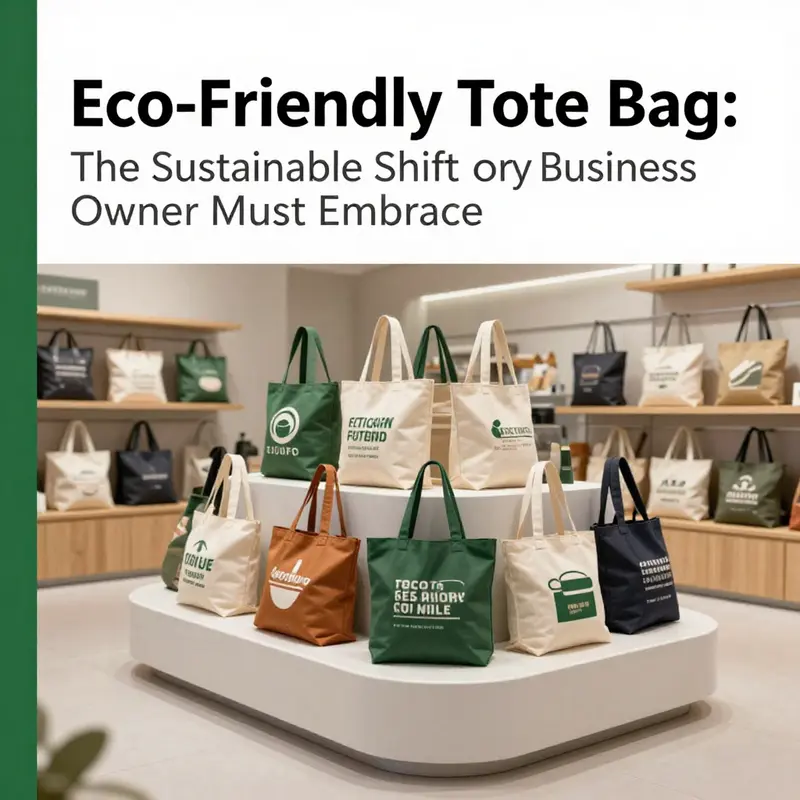
Retailers are noticing that a tote bag is more than a carrier; it is a wearable billboard for values, a token of trust, and a practical platform that travels from market to office to campus. The shift from disposable packaging to durable, reusable totes aligns with a broader movement toward circular economy principles. In many regions with strong environmental policies, bans on plastic bags have transformed shopper habits. Customers who once accepted thin, single-use bags now expect products that resist wear, endure multiple trips, and carry messages about sustainability as part of the shopping experience. The impact is not only ecological; it is economic and cultural, reshaping how brands communicate with customers, how stores design aisles and events, and how vendors differentiate themselves in crowded marketplaces. Material choices matter as much as aesthetics. The most common eco-friendly tote bag materials—organic cotton, jute, recycled fabrics, and nonwoven polypropylene—combine durability with lower environmental footprints than conventional plastics. Each material carries its own lifecycle considerations: organic cotton demands water stewardship and soil health; jute offers robust strength with a comparatively light footprint; recycled textiles close loops in textile waste but require careful sorting and processing to maintain performance. Across these options, reinforced stitching and strong handles are crucial, because shoppers rely on totes to carry groceries, books, laptops, or gym gear without fear of tearing. Recyclability or compostability, depending on composition, becomes the tie-breaker for end-of-life decisions. When a bag reaches the end of its useful life, the best outcomes are achievable through design for disassembly and an emphasis on facilities that can process the chosen material at scale. In the promotional and event spheres, the economics of tote production meets the psychology of branding. Customizable printed totes made from durable materials offer a low barrier to entry for small orders while delivering high visibility in real-world settings. The proposition is not simply about a bag that travels from place to place; it is a platform for storytelling. In practice, brands choose tote formats that match their public image—sleek, minimalist messenger styles for professionals; ergonomic, comfortable backpacks for students; robust, roomy totes for travelers. The ability to customize with logos, slogans, or color palettes allows a company to extend its identity far beyond a storefront. Even the supply-side of this equation matters: suppliers can offer low minimum order quantities, enabling organizations to test campaigns or seasonal lines without tying up capital. The idea of a cost-effective, bulk-printed tote is not just a logistics detail; it is a strategic tool for aligning procurement with sustainability values, ensuring every touchpoint from the cart to the checkout reinforces a responsible narrative. For readers exploring current design and trend directions, see tote bags trending, which illuminates how fabrics, silhouettes, and prints are evolving to meet consumer expectations while remaining faithful to ecological aims. Technology is nudging tote bags further into the realm of smart retail. Designers are experimenting with embedded codes, subtle RFID tags, or QR labels that connect a bag to a brand story, loyalty programs, or product provenance information. A customer could scan a bag at a store to access an extended warranty, learn about the bag’s materials, or contribute to a digital backstory that tracks its reuse over time. This fusion of sustainability and data creates new opportunities for retailers to measure impact and for customers to understand the real cost of ownership. It also raises questions about data privacy and user consent, reminding us that every innovative feature should be balanced with respectful data practices and transparent communication. Yet the potential is persuasive: when a tote bag serves as a conduit for education about sourcing, climate impact, or community initiatives, it helps convert a one-off purchase into ongoing engagement and accountability. Beyond the store, the tote bag is becoming a gateway to circular economy strategies. Reusable bags encourage shoppers to plan purchases, reduce impulse plastic consumption, and participate in local reuse programs. In settings such as farmers markets, campuses, or workplace cafeterias, the bag travels with the user into multiple ecosystems, thickening the social fabric around sustainable living. The lifecycle thinking embedded in thoughtful design—durability, repairability, and eventual recyclability—allows retailers to claim a coherent sustainability narrative across channels. This coherence matters because consumers increasingly expect consistency between what a brand says and what it does. When a store that sells eco-friendly totes also champions waste reduction in packaging and shipping, the customer experiences a aligned value proposition. The result is not a single purchase; it is a durable relationship grounded in trust, transparency, and shared responsibility. The future is not a distant horizon but a continuum that unfolds across policies, markets, and everyday choices. In regions with explicit plastic reduction targets, the demand for reusable tote bags is correlated with broader commitments to reduce packaging waste, to improve supply chain transparency, and to support local economies that prioritize sustainable materials and fair labor practices. The expansion of the reusable tote bag market is thus not merely a product trend but a reflection of a pattern in shopping that favors longevity and accountability over disposable convenience. As retailers and manufacturers pursue scope 3 emissions reductions, tote bags become symbols and instruments of that effort, a practical vehicle for communicating progress to customers who want to see proof of impact. Innovation here is not only about new textiles; it is about smarter product development, life-cycle thinking, and partnerships that move goods more efficiently from producer to consumer with minimal ecological burden. From a consumer experience standpoint, the tote bag’s role in retailing will hinge on how well it combines utility with identity. A bag is useful when it can carry a university laptop, a farmers market haul, or a weekend’s worth of groceries without sacrificing comfort. It becomes a personal statement when the design, color, or materials echo a shopper’s values—eco-consciousness, local sourcing, or social responsibility. The best brands will listen to customers about weight distribution, shoulder comfort, and the feel of the fabric after repeated use. In practice, this translates into products with reinforced stitching that resists fraying, wide and ergonomic handles that distribute weight evenly, and seams that can withstand thousands of open-and-close cycles without yielding. It also means choosing textiles that wear in gracefully, resisting pilling, fading, or stretching under load. The lifecycle conversation resurfaces here: how many trips will the bag make before it enters recycling channels? Will it be recycled domestically or diverted to a community re-use program? Answering these questions openly will help retailers demonstrate accountability. In parallel, the supply chain dimension of sustainable retailing is becoming more deliberate. Sourcing decisions increasingly reflect not only the environmental credentials of the raw materials but also the ethics and resilience of supplier networks. Fair labor practices, traceability, and the ability to scale production without triggering biodiversity loss or water stress are not mere add-ons; they are expectations that customers can sound out through brand storytelling and third-party certifications. The material blend chosen for a tote bag affects not just performance but also end-of-life options. A bag built from organic cotton may require composting streams that handle textiles, while a bag made from recycled fabrics may rely on sorting streams that reprocess textiles into new products. These choices influence the bag’s total environmental footprint and, by extension, the retailer’s sustainability claims. The industry’s trajectory in the next decade is likely to feature increased collaboration across brands, suppliers, and waste-management ecosystems, all aimed at closing loops and reducing the need for virgin resources. The vision is a retail environment where every tote returned by a customer can re-emerge in a new form, whether as a redesigned bag, a replacement, or as a material feedstock for other products. As this evolution unfolds, the broader retail ecosystem is watching. The gains in consumer adoption of reusable totes depend partly on convenience, but they hinge equally on trust. Brands that align product performance with transparent storytelling—sharing how materials are sourced, how colors are dyed with low-impact processes, and how stitching techniques ensure durability—will carve out a longer-lasting presence in a crowded market. The collective effect is a shift in consumer expectations: shoppers want functional tools that minimize waste and brands that help them measure and understand the environmental savings they achieve with each purchase. In this sense, the tote bag is not simply a carrier; it is a platform for participatory sustainability, inviting customers to participate in a shared mission while showcasing a brand’s commitments to the planet. External resource: For a broader market perspective on the growth of reusable tote bags, see https://www.marketsandmarkets.com/Market-Reports/reusable-tote-bags-market-198754745.html
Final thoughts
The shift towards eco-friendly tote bags encompasses more than just a response to consumer demand; it represents a proactive effort by business owners to foster a sustainable future. Through understanding the material composition, recognizing economic and societal benefits, playing a vital role in waste reduction, and envisioning future innovations, business owners are equipped to make informed decisions that not only enhance their brand image but also contribute positively to the environment. The adoption of eco-friendly tote bags is not merely a trend—it is a powerful movement towards better environmental stewardship that can enable businesses to thrive in a conscious consumer marketplace.