
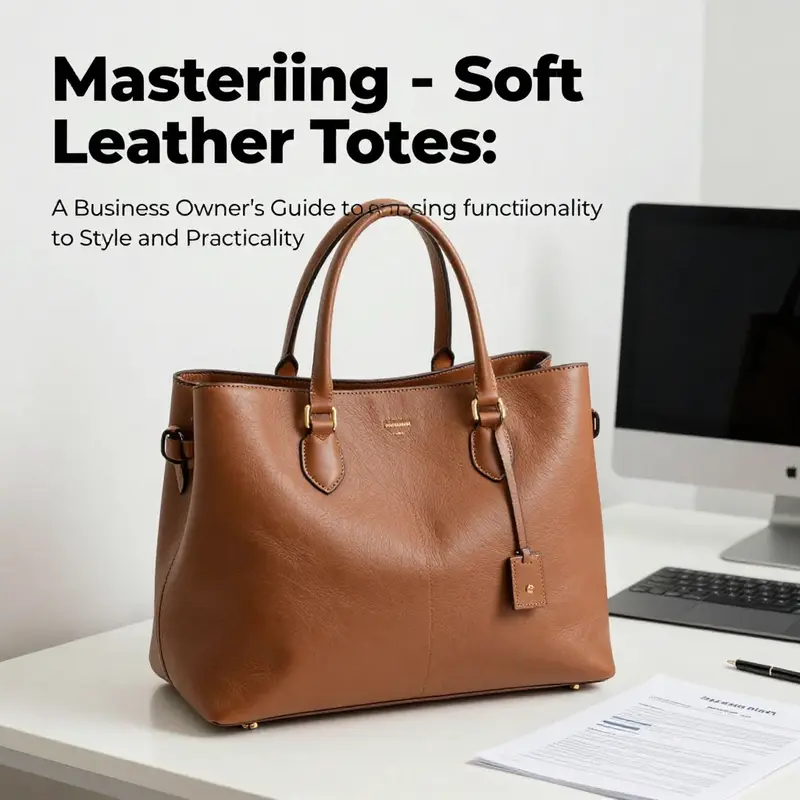
Soft leather totes have become essential accessories for business owners who desire a blend of elegance and utility in their daily professional lives. As unstructured bags made from supple leather, these totes not only enhance your business attire but also provide ample space for essential items. This comprehensive guide explores the intricate aspects of soft leather totes, focusing on their structure, care requirements, capacity, qualities, and styling strategies. By delving into these facets, business owners can make informed choices that reflect their personal brand while maximizing practicality in their endeavors.
The Anatomy of a Soft Leather Tote: How Structure Shapes Style and Use
Material, Structure, and Everyday Performance
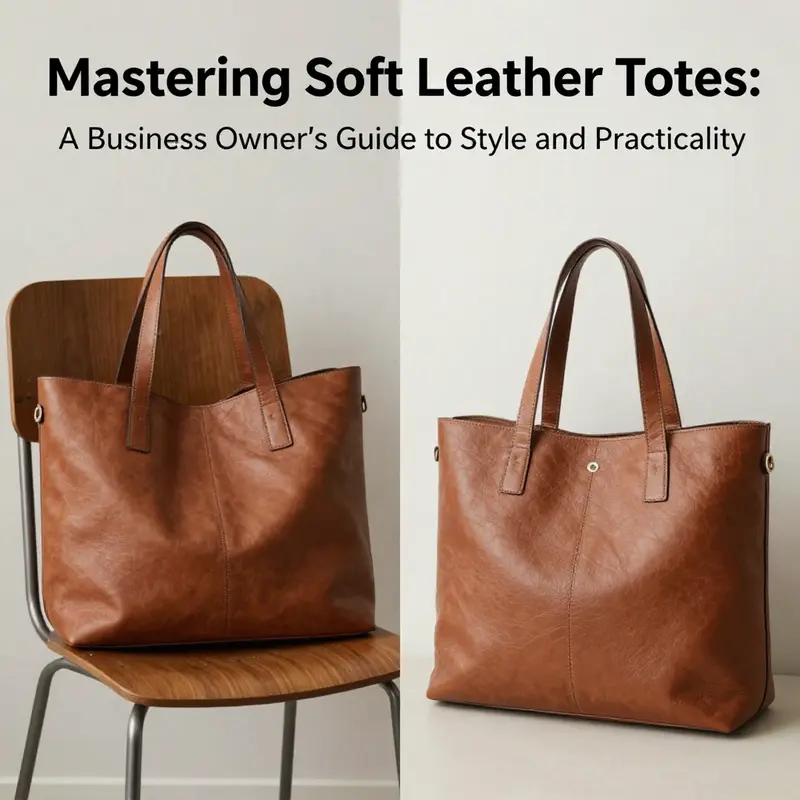
Soft leather totes are defined as much by what they lack as by what they feature. Unlike rigid, architectural bags, soft totes are made from supple hides that drape, flex, and respond to your movements. This gives them an effortless silhouette and comfortable carry, but it also alters how they perform with daily use. Understanding the anatomy of a soft leather tote helps you match its strengths to your lifestyle and avoid common frustrations.
At the heart of a soft tote is the leather itself. Craftspeople most often use top-grain or full-grain leather for these pieces. These leathers keep natural oils and fibers intact, which preserves suppleness. The grain accepts light creasing and develops a patina. That patina is desirable for many owners because it tells a story. But it also means the bag will change shape and surface texture with wear. The hand of the leather—soft, buttery, or slightly pebbled—dictates how it will drape when empty and how it will conform when filled.
Construction choices determine the bag’s behavior more than the hide alone. Soft totes typically omit heavy interlinings, plastic sheets, or metal frames. Seams are sewn without rigid edge-binding. Bases are either unstructured or minimally reinforced. Handles are often slotted into the body without bulky hardware plates. These omissions produce a bag that compresses slightly when empty and molds to your side or shoulder. The benefit: a bag that feels lighter and more natural against your body. The trade-off: less resistance to slumping, especially under heavy loads.
Weight distribution and strap design are crucial in soft totes. Because the leather yields, the way straps are attached changes how the bag sits. Thin straps concentrate pressure. Broad straps spread weight across the shoulder and reduce strain. Look for straps sewn into the bag with reinforcement that remains flexible. Reinforced stitching at stress points is a subtle but essential sign of good construction. Even if the body lacks rigid supports, durable seams prevent tearing and extend life.
Closures and access affect security and usability in soft designs. Open-top soft totes offer quick access and a relaxed look. But they expose contents and allow items to shift. Many designs compensate with a single top zipper or internal snap. Soft leather can obscure zippers when the bag slumps, so evaluate closure placement. Internal compartments and removable pouches add organization without sacrificing the bag’s flexible feel. If you routinely carry a laptop, consider a model with a padded sleeve or choose a separate insert. For help choosing roomy, protective options, browse curated lists of laptop tote bags that include protective sleeves and thoughtful pockets.
The base—often overlooked—defines stability. A reinforced base, even a soft one, prevents the bag from sagging into a puddle when loaded. Many makers add a thin layer of leather or a softboard at the base to hold shape while preserving the overall pliability. A structured base with stitched corners helps the bag stand upright. If you want upright performance without losing drape, seek a soft tote with a subtly reinforced bottom and flexible sidewalls.
Hardware and finishing details influence longevity and aesthetics. Lightweight hardware maintains the bag’s soft profile. Solid metal rings and discreet rivets at strap joins protect leather from tearing. Edge finishing—whether painted, burnished, or left raw—affects how the edges wear. Soft leather shows edge wear over time. Well-executed edgework and sealed seams slow fraying. Also note lining choices: natural cotton or canvas linings breathe and reduce condensation, while thin synthetic linings can trap moisture and accelerate degradation.
Predictable wear patterns help manage expectations. Soft leathers crease where the bag folds. Corners soften and take on character. Under heavy, repeated loading, the bag may develop permanent slumping. You can reduce these effects by rotating bags, avoiding constant heavy loads, and using internal organizers. If you prefer the lived-in look, minimal intervention enhances character. If you want a tidier silhouette, choose models with subtle reinforcements or provide removable inserts to restore shape when needed.
Functionality follows form. A soft tote excels when mobility, comfort, and large capacity matter most. It performs brilliantly as a daily carry for commuters who value comfort. It shines for errands, travel, and school days when contents change frequently. But for professionals who need crisp, document-ready presentation, structured options often work better. Soft totes can still serve in those roles if paired with internal organizers, laptop sleeves, or reinforced inserts.
Choosing the right soft tote means balancing priorities. Think about what you carry daily and how you carry it. Prioritize strap width and attachment method if you walk or commute long distances. Seek reinforced bases if you frequently set your bag down in meetings. Favor lined interiors and removable pouches if organization is essential. Evaluate hardware quality and stitch density—these details predict how well a soft tote endures repeated use. Small decisions in construction make the most difference over years of wear.
Aesthetic choices tie closely to structure. The drape of soft leather gives outfits a relaxed polish. It meshes naturally with casual tailoring, denim, and layered looks. Color and finish change perception: darker, matte finishes read more formal, while lighter tones feel casual and relaxed. The interplay between softness and silhouette allows a soft tote to be versatile across day-to-night looks. In essence, the bag’s structural choices shape how you wear and style it.
Understanding the anatomy of a soft leather tote clarifies why two bags of similar size can behave differently. One will sag and hug your hip; another will hold shape despite supple leather because of thoughtful reinforcement. That difference guides both buying decisions and daily care. If you want to dig deeper into the structural comparison between soft and hard totes, see this detailed industry guide on structure versus soft construction: https://www.bags.com/leather-tote-bag-guide-structure-vs-soft/
For practical browsing, resources highlighting protective, roomy options help if you carry electronics or need compartments. Consider looking through curated selections of laptop tote bags to find soft designs with built-in sleeves, pockets, and subtle reinforcements. These choices let you enjoy the comfort and patina of soft leather while maintaining the utility you need.
By focusing on material, construction details, and personal needs, you can choose a soft leather tote that truly complements your life. The right mix of suppleness and reinforcement gives you comfort without sacrificing function.
null
null
Stretching Space: Understanding Capacity and Everyday Functionality in Soft Leather Totes
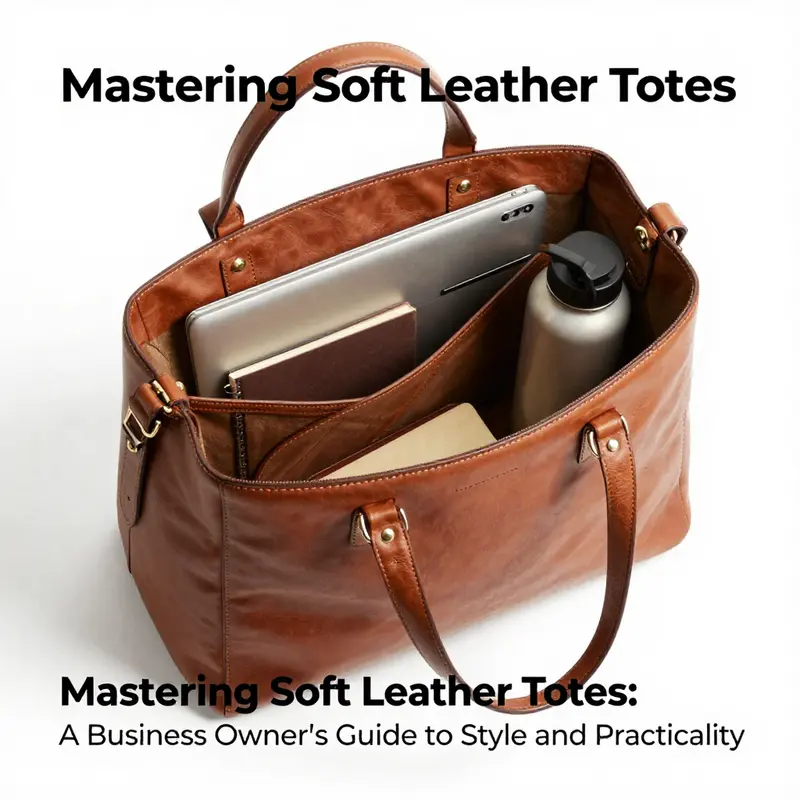
Capacity is more than a number on a tag; it is a living property of a bag that shapes how you move through a day. A soft leather tote, crafted from supple full-grain or top-grain hides, uses its material nature to guide how much you can carry and how easily the bag will respond to the weight inside. The drape of soft leather invites the bag to collapse gently when empty, then rise to meet your needs as you fill it. This pliability is its signature comfort: the bag becomes almost an extension of your body, sliding over your shoulder with a forgiving balance that reduces shoulder strain during long commutes or busy travel days. Yet that same flexibility carries a set of practical trade-offs. When you lay the bag down, its open, unstructured interior can create a visual reminder of what you carry. Without a rigid frame, contents tend to shift, especially if the bag is brimming with multiple items of varying shapes. You can feel the difference when you slide the tote from your shoulder to a chair—there is a moment of soft surrender as the leather yields to the weight, and then a gentle settle into the position that feels most natural for you. This is not carelessness; it is design that prioritizes ease of use, comfort, and a sense of effortless chic that looks better the more you use it.
Capacity in soft totes often feels expansive because the leather itself is permissive. A single, well-chosen tote can accommodate a laptop, books, a lunch container, a water bottle, and a repertoire of daily essentials like a wallet and keys, plus cosmetics or a small notebook. The interior behaves like a small improvisation, expanding toward the bulk and shape of its contents. In practical terms, many soft totes comfortably hold a laptop around 13 inches, a couple of books, a lunch item or two, and several personal items. The visual impression is generous; the bag appears to swallow space without a hint of strain. For people who move through life with a lot of items—commuting, studying, parenting, or simply carrying a day’s worth of gear across campus—the capacity feels liberating. It’s easy to imagine a single bag that handles a day’s worth of work and a shift of errands without the need to shift to a second bag.
This generous capacity, however, does not come with inherent organization. The same malleability that creates room also produces a tendency for items to slide and settle into a loose heap. Without internal dividers, a soft tote may present only one large, open interior, with a lack of fixed pockets or compartments to guide placement. And because many soft totes embrace an open design, there may be no zipper, no clasp, and no internal boundary to secure valuables. In public spaces, that openness can feel exposed, and the sight of a few items resting on top of others can undermine the sense of order you might expect from a bag that carries so much. The upside is that you gain quick access and a sense of spontaneity—no rigid compartments to slow you down. The bag makes space for you rather than forcing you to organize around its built-in structure. It is a trade-off, one that often puts comfort and casual elegance ahead of tight security and fixed organization.
When we compare soft totes to their more structured counterparts, the differences in functionality come into sharper relief. A hard-sided tote with a fixed base, reinforced sides, and internal dividers converts what could be chaos into a tidy protocol of pockets. A small zippered pocket for a phone, a padded laptop sleeve, or a dedicated pen slot can transform a crowded interior into a navigable map. For those who carry devices, documents, and a reliable set of personal items, that level of separation protects contents and enhances accessibility. Soft totes, by contrast, sacrifice some of that precision for a line of luxury that feels unforced and timeless. They shape themselves around your carry, rather than forcing your items to align with a pre-set grid. The result is a bag that exudes a certain fluidity—an aesthetic of ease that can feel more natural to daily life but requires a conscious approach to packing if you want to minimize clutter.
This is where understanding the temperament of soft leather becomes useful. The leather’s natural breathability helps protect contents from overheating and moisture buildup, a detail that matters when you carry a water bottle, cosmetics, or lunch items. The material’s tendency to soften with use can be a boon or a burden, depending on your habits. If you routinely overfill a tote or pile bulky items toward the top, the bag may sag, and the opening might become harder to manage. If, on the other hand, you pack with lighter, well-balanced items, the interior remains approachable and comfortable to work with, and the leather gradually develops a patina that signals years of dependable service. A respected restorer, Marcus Reed, has observed that soft leathers age gracefully when treated with care, much like a living accessory that learns your routine and your tastes.
Practical steps can help you maximize both capacity and functionality without surrendering the bag’s elegant silhouette. Start with a simple packing philosophy: heavier items go near the base, with lighter, more frequently accessed items toward the top. This arrangement helps balance weight distribution, reducing strain on the handles and on your shoulder. If you regularly carry a laptop, place it in a slim protective sleeve and position it against the base or center of the bag to anchor weight and protect the leather from scuffs. For smaller items, think in zones rather than compartments; use a few slim pouches or a minimal organizer that can be slid inside as needed. Even single, removable organizers can make a meaningful difference, letting you reclaim order when you need it and return to a carefree, open interior when you don’t. The beauty of soft leather lies in its adaptability; a well-chosen layer of organization lets you enjoy that adaptability without inviting chaos.
Internal organization, however, remains one of the soft tote’s most discussed limitations. The absence of fixed pockets means you must be deliberate about where you place items the moment you drop the bag on a desk or a chair. If you value privacy and security, you may be inclined to keep valuables toward the body of the bag or in a compact pouch worn inside another layer, rather than trusting the interior alone. Some bags in this category do include a small zip pocket or two, which can offer a measure of order without interrupting the exterior aesthetic. But the core idea remains consistent: the interior is a flexible canvas. It invites you to curate a personal rhythm of packing and retrieval that matches your day. That rhythm is part of the appeal, a subtle performance of style that aligns with a minimalist, effortless look rather than a fortress of organized compartments.
For those who want specifics to guide a purchase, it helps to imagine your day in segments and map those segments to bag capacity. If your routine includes carrying a laptop, notebooks, and a lunch alongside a handful of personal items, a soft tote offers a generous stage for that ensemble. If your day requires frequent access to several small items—such as a phone, keys, and cosmetics—without the distraction of constant rummaging, you may prefer to supplement the tote with a separate, compact organizer or a small crossbody for quick access. The market reflects this balance: soft totes deliver major capacity and a flattering silhouette, while structured options promise more contained organization and security. The choice hinges on your priorities—space, ease, aesthetics, and how you want your day to flow.
In the end, the decision about capacity and functionality comes down to fit—fitting your items, your routine, and your comfort with a bag that lives with you rather than against you. If your life requires carrying a sizeable daily load and you prize a style that feels natural and unforced, a soft leather tote can be a trusted companion. If you need to keep items distinctly separated and secured, you may find a more structured tote better suits your needs. Either way, the lesson remains clear: soft leather totes are not a compromise; they are an invitation—to travel lighter with more grace, to move with the leather’s natural sway, and to let your bag become an honest reflection of how you want to carry your day. For those who seek a practical example of carrying laptops and office essentials in a versatile, women-focused tote scenario, see the dedicated category that explores laptop-focused tote options. laptop-tote-bags-women.
As you weigh the possibilities, keep in mind the broader context of how you live with your bag. The open interior invites interaction; it invites you to think about what you truly need to carry and what you can leave behind. It also asks you to consider your environment: office desks, transit stations, campus hallways, hospital corridors, and coffee shop corners all influence how a bag behaves as you move through them. A soft tote’s capacity—the space you gain as you fill it—should feel liberating rather than burdensome. When used mindfully, that space becomes a quiet ally in a busy life, a gentle reminder that style and practicality can coexist in a single, elegantly draped piece of leather. External resources that explore large-capacity soft leather totes in practice can offer broader market context and lifestyle alignment. For a market overview, an external reference highlights how large-capacity soft totes appear in real-world listings and how buyers evaluate them against needs such as organization, durability, and price. https://www.alibaba.com/product-detail/Large-Capacity-Fashionable-Soft-Leather-Tote_1601289785545.html
Genuine Soft Leather Totes: Standards, Patina, and Everyday Mastery
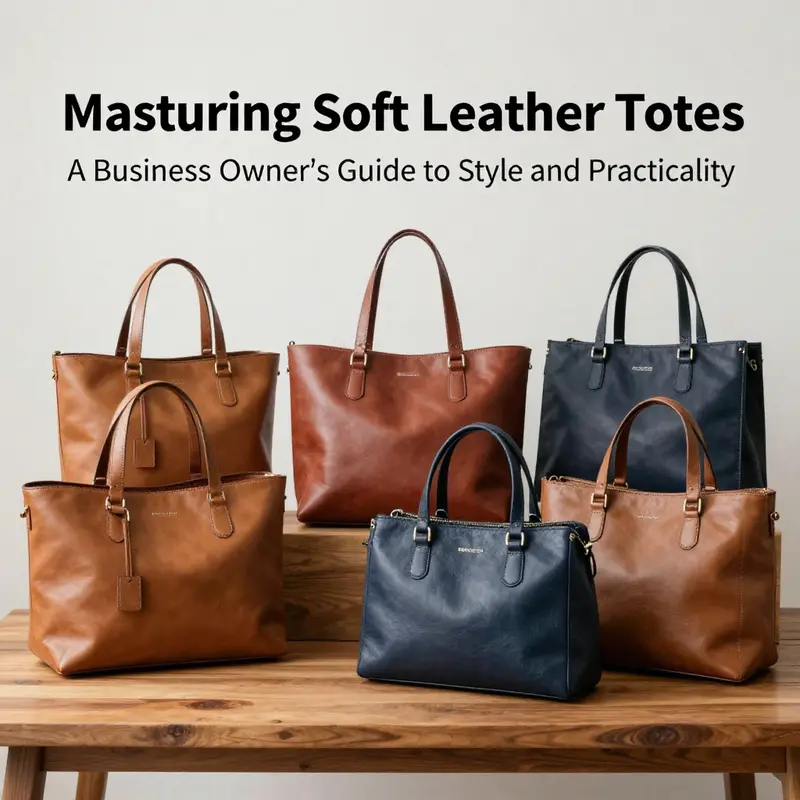
Genuine soft leather totes sit at the crossroads of heritage craft and everyday utility. When you reach for one, you are choosing a material that breathes, evolves, and tells a story with every mile it travels. The core idea behind genuine soft totes is the use of full-grain or top-grain leather, chosen for their natural strength and their ability to age gracefully. These leathers are celebrated for their pliability and depth of texture, which allows the bag to drape fluidly against the body and to mold itself to its owner over time. The contrast with hard, highly structured totes is telling: a soft tote yields to movement, becoming almost an extension of the wearer, while a stiff tote maintains a defined silhouette regardless of what’s inside. Yet the softness is not a sign of fragility; it is a design philosophy that prioritizes ease of use, comfort, and organic evolution over rigid predictability. In practice, a soft tote will collapse slightly when empty and attain its full shape as items fill the interior, a natural behavior that many users find more intuitive for daily commuting, campus life, and travel alike.
Genuine soft totes derive their authenticity from what lies beneath the surface as much as from the surface itself. The best exemplars draw on full-grain leather, whose outermost layer remains intact, or top-grain leather, which has been carefully refined for both feel and durability. Full-grain leather resists wear exceptionally well and develops a patina that is unique to each bag, while top-grain leather offers a slightly more uniform texture with a still-durable backbone. Both options reward patient care with longevity and a character that deepens with use. The standard by which these bags are judged goes beyond aesthetics. High-quality genuine soft totes are crafted with reinforced stitching at stress points, sturdy hardware that resists daily bumps, and consistent leather grading that ensures uniformity in color and texture across panels. In this sense, the bag is as much an engineering feat as an artistic piece, designed to survive the rigors of work, travel, and life’s small adventures without losing its essential elegance.
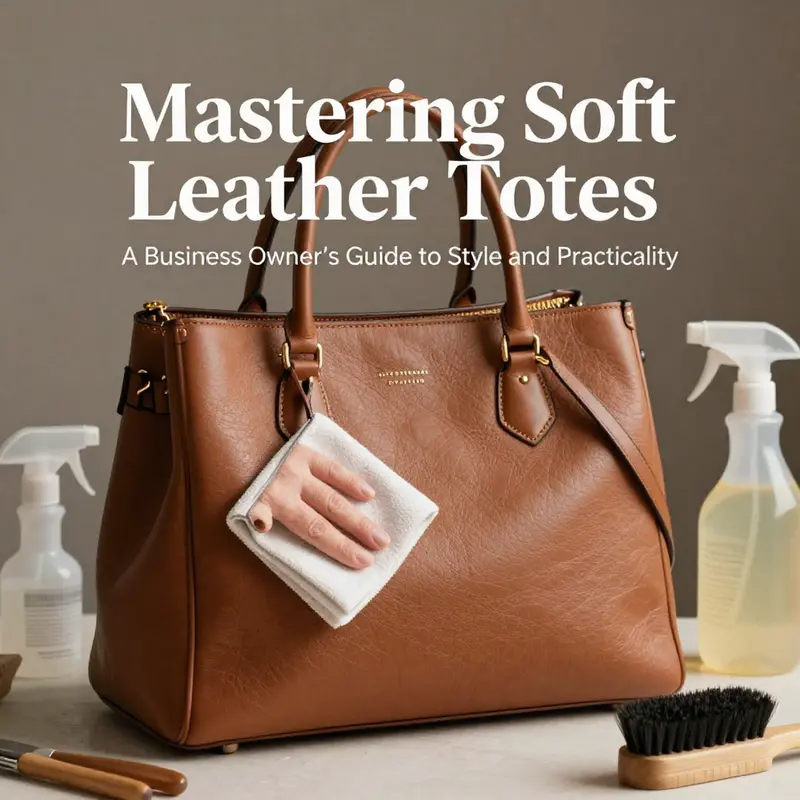
As the materials themselves age, their personality emerges. Leather is a natural material that breathes and reacts to its environment. Treating it like plastic will lead to premature aging. Care should be tailored to the leather you choose. Daily habits begin with simple, mindful actions: wash hands before handling the bag, avoid transferring oils, do not overload the tote, and store in a cool dry place when not in use. A light coating of a quality leather conditioner suitable for full-grain or finished leathers helps keep the surface supple and allows the natural oils to nourish without leaving a sticky residue. A routine like this pays dividends in durability and beauty over a decade or more.
The intrinsic properties of genuine soft leather totes deserve careful attention, because the same pliability that makes them so comfortable can also influence how they carry your daily load. Leather distributes weight with a supple ease that reduces shoulder strain, making soft totes appealing for long commutes, daily errands, or campus days when you carry a laptop, notebooks, and personal items. A well-made soft tote will accommodate a laptop and accessories with ample space while maintaining a graceful profile. Capacity is essential here: you want room for essentials and perhaps a few extras without turning the bag into a cumbersome burden. While soft totes excel in capacity, they often rely on a simple organization scheme with fewer compartments for a minimalist aesthetic and quick access.
Closures and security form another axis of consideration. A zip-top closure is practical for securing contents while preserving the open silhouette that defines a tote. The external simplicity of a soft tote means it is less about fortress-like organization and more about accessible serenity. You might find a few well-placed pockets or a slim internal zip pocket for keys or a small charger, but the emphasis remains on ease of reach and restraint. For tech-ready routines, pairing a generous main compartment with a dedicated sleeve or discreet interior sleeve can protect devices without breaking the tote’s drape. The idea is to balance security with openness, not to constrain the bag with rigid inserts.
Authenticity matters. The phrase genuine leather is common, but true investment-grade pieces are typically identified as full-grain or top-grain, reflecting surface integrity and aging potential. This distinction matters in a market where terms can be used loosely. A sustainable fashion consultant notes that real leather ages with character; faux leather tends to wear unevenly and often fails to develop the same patina. In corporate branding or events, the choice of leather becomes part of the story you tell about quality, sustainability, and craftsmanship. Custom wedding totes, for instance, can function as practical gifts that carry emotional resonance and a memory of the event.
Carefully selecting a genuine soft leather tote starts with understanding the material’s lifecycle. Breathability supports forgiving wear patterns; natural oils require regular nourishment. Avoid moisture-heavy environments or prolonged sun exposure. Conditioning should be done with products suitable for full-grain or top-grain finishes, applied sparingly and allowed to penetrate before buffing. If a small scratch appears, you can often rub the area with a finger in a circular motion to release tension in the grain and encourage an even patina. The patina is a signature of genuine leather; it narrates the bag’s use, the climate faced, and the hands carried. The more it is worn, the more it reveals its history in shade, texture, and sheen.
The applications of genuine soft leather totes extend beyond personal use. In professional settings, they offer an elegant, reliable statement that pairs with both tailored and casual wardrobes. In educational or organizational contexts, their capacity supports notebooks, a compact laptop, and daily essentials without sacrificing a refined silhouette. In travel, their flexibility makes them a lighter alternative to bulkier luggage while maintaining polish. The balance between capacity, comfort, and style is the core appeal of genuine soft totes; they are carriers and ambassadors of a lifestyle that values durability, tactility, and a slightly unpressed sense of sophistication.
Choosing with purpose means looking beyond first impressions. Examine stitching, assess hardware weight, test the ease of closing the zipper, and gently squeeze the leather to feel its resilience and pliability. If you need frequent access to small items, consider a shallow interior or a discreet pocket to preserve the bag’s calm look while providing practical access. And if longevity matters, commit to a maintenance rhythm that respects the leather’s living nature. A genuine soft tote should be treasured for years, not discarded after a season. With the right care, a full-grain or top-grain tote can be a faithful companion for many years, becoming a lineage piece that accompanies you through work, travel, and life’s changing chapters.
For readers exploring related options, you might consider a tote designed with a dedicated interior sleeve for laptops or tablets. This preserves the tote’s drape while keeping devices protected during movement. A tote with a computer sleeve can balance security and openness. The result is a timeless accessory that respects tradition while serving contemporary workflows.
In sum, genuine soft leather totes stand as enduring testaments to craft, patience, and mindful use. They invite a quiet luxury: the feel of supple leather, the beauty of a developing patina, and the confidence that comes from a bag built to move with you through diverse environments. They reward careful care with decades of service and evolving character. They celebrate the interplay between structure and suppleness, between secure closures and open accessibility, between the elegance of a minimalist silhouette and the practicality of generous interior space. As you consider your next tote, keep in mind the standards, the material reality of full-grain and top-grain leathers, and the thoughtful maintenance that will keep a genuine soft tote aging beautifully for years to come.
External resource for further reading: https://www.leather.org/what-is-leather/types-of-leather
Soft Drape, Sharp Pairings: Mastering Style and Compatibility with Soft Leather Totes
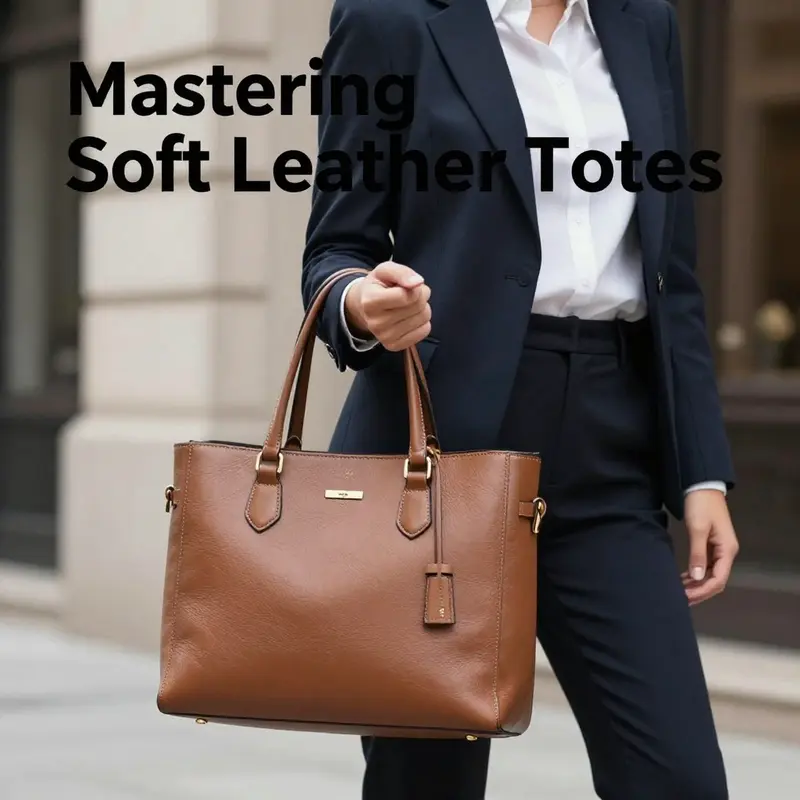
Soft leather totes are more than accessories; they are living partners in daily rhythm. Their supple drape invites a natural, almost organic movement through the day, from early coffee runs to late meetings and weekend errands. This ease of wear is not a shortcut to casualness but a deliberate design choice that invites thoughtful pairing. When a tote folds gently at the edges and forms a respectful silhouette only when filled, it becomes less about making a statement and more about supporting the wearer’s routine. The key to styling soft leather bags lies not in chasing a single look but in cultivating a practice of balance. The bag’s own softness can harmonize with a spectrum of wardrobes, provided we read its texture, weight, and color as parts of a whole, not as stand-alone features. Embracing this philosophy means recognizing that color, finish, and silhouette must converse with the clothes they accompany, much as a fine fabric does with its wearer’s posture. In that conversation, the soft tote can glide from boardroom to brunch without skipping a beat, carrying both the day’s necessities and the mood of the moment with equal grace.
Color is the most immediate language a tote speaks. For soft leather, neutral tones—black, tan, cognac, deep brown, oxblood, taupe, and olive—are the most versatile. These shades age beautifully and develop a rich patina that mirrors the wearer’s experiences. The palette is not merely a practical maxim but a design choice that subtly frames your entire aesthetic. A warm chestnut or earthier olive becomes a natural ally to denim, camel coats, or a charcoal suit, enabling the bag to recede when paired with louder elements and to rise in harmony when the rest of the outfit stays understated. The wisdom in this approach is often summarized by fashion experts who remind us that investing in neutral tones yields the broadest compatibility, allowing bold colors and quiet textures to mingle without clashing.
Texture matters as much as color. A matte, pebbled, or grainy finish avoids excessive sheen and keeps the tote approachable. Slight distressing or a vintage patina signals a bag that has learned from use, which can soften a formal look without compromising sophistication. If a soft tote arrives with an unexpectedly glossy surface, a gentle conditioning ritual can temper the shine and bring the leather closer to a casual, weekend-ready mood. The tactile relationship between hand and bag matters. When you run fingers along the grain, you feel the leather’s history—its strength and softness balanced in one natural seam. This is how texture becomes an ally, guiding your choices about when to pair the tote with crisp, tailored pieces or with looser, more forgiving silhouettes.
Pairing soft leather with the right silhouettes is a study in contrast and cohesion. For a polished, professional vibe, let the tote ride the line between softness and structure. Think a tailored blazer, sleek blouse, and wide- or straight-leg trousers in a subdued color, with the bag placed where its curves can echo the movement of the fabric. The goal is balance: the structured elements should anchor the look, while the tote’s drape introduces a human, approachable touch. Conversely, for weekend ease, let the tote speak in tandem with relaxed silhouettes. A flowy midi dress, soft cardigan, or linen pants can be elevated by the bag’s warm texture, creating an ensemble that feels intentionally unforced. This dynamic is not about one rigid rule but about a shared rhythm between garment and bag.
Skin to silhouette compatibility also means considering proportion and carry style. The strap drop, for example, should complement how you inhabit the space around you. A longer drop invites hands-free ease through a busy commute, while a shorter drop can contribute to a more compact, curated profile during meetings or social events. Carrying by hand, over the shoulder, or across the body changes the bag’s interaction with the wearer’s line. The soft tote, with its forgiving shape, responds to these shifts with grace, bending to the wearer’s tempo rather than imposing its own rigid stance. The result is a look that reads as intentionally effortless rather than accidentally frayed.
Quality leather is not just a promise of longevity; it is a gateway to evolving style. Full-grain and top-grain leathers, when chosen with care, offer a balance of strength and character that ages in a way that synthetic or bonded leathers cannot replicate. Full-grain leather preserves the surface’s natural imperfections and depth, allowing patina to build in a way that signals authenticity. Top-grain leather provides a slightly smoother finish while preserving the grain’s tactile appeal. Avoiding bonded leather is wise for frequent use, as it tends to peel or wear unevenly under daily stress. With soft leather, the patina becomes a visible timeline—each scuff, crease, or gloss shift marks a moment in the bag’s life with you. This is not damage to fear but memory to cherish, a narrative of daily wear that enriches the bag’s personality over time. A thoughtful purchase, therefore, is less about chasing a new appearance and more about choosing a material that will gain character as rigorously as it gains experiences.
Minimalism remains a guiding principle. Inside the tote, the absence of heavy dividers or multiple pockets can feel like freedom, but it also demands a mindful approach to what is carried and how it is organized. The carry logic matters: a single, well-chosen interior pocket for a phone and keys, plus a small pouch for cosmetics or chargers, can create an uncluttered, elegant silhouette. Organization, when kept simple, preserves the bag’s soft drape and easy accessibility. If security is a concern, opt for an exterior zipper or discreet closures that do not interrupt the bag’s natural line. The goal is to reveal what you need without inviting visual clutter or bulk that contorts the bag’s shape. In this light, the soft tote becomes not a casualty of convenience but a collaborator in efficiency.
The care routine for soft leather is a discipline in small, consistent acts. Regular hands-on care—clean hands before handling, careful patch testing of cleaners or conditioners, and controlled storage away from direct heat or sun—preserves the leather’s suppleness and prevents surface drying. A well-maintained tote ages with a quiet, believable elegance that complements the wearer’s evolving style. A short, practical ritual can be as simple as cleaning the surface with a soft cloth, applying a recommended conditioner to maintain suppleness, and storing the bag in a dust bag when not in use. These steps protect the gentle drape, guard against cracking, and keep the leather’s natural scent and tactile warmth intact for years.
The fashion landscape occasionally foregrounds trend-driven silhouettes, but the soft leather tote remains a timeless companion when paired with awareness rather than pursuit. To stay current without losing the bag’s inherent integrity, look to silhouettes that honor proportion and ease. A tote should support, not command, the wearer’s posture and mood. In this sense, the bag becomes a mirror for the wardrobe’s confidence—a quiet, supportive presence rather than an ostentatious punctuation. It is about choosing pieces that harmonize with the tote’s gentleness: a crisp, well-cut shirt, a tailored coat in a muted shade, or a texture-driven knit that echoes the bag’s grain. The result is an ensemble that feels cohesive yet unhurried, refined yet accessible.
The evolving conversation around soft leather totes also invites mindful exploration of trends and resources. As the fashion dialogue shifts, we can stay informed through curated perspectives on color, texture, and silhouette balance. For those who want to peek at current shapes and aesthetic directions, a quick look at the latest silhouettes and styling ideas can be instructive. See tote-bags-trending for a snapshot of how soft leathers are pairing with outfits across seasons. This is not a call to mimic but to understand how the bag’s natural qualities can harmonize with broader wardrobes. And to deepen the study of material authenticity, an external reference offers broader context on how experts view the craft of leather styling today. For a broader stylistic framework, see Vogue’s leather tote styling guide: https://www.vogue.com/fashion/leather-tote-styling-guide.
In sum, styling a soft leather tote is about honoring its generous drape and letting color, texture, and proportion do the talking. Neutral palettes provide the most flexibility, textures keep the look approachable, and a measured balance of structure and softness ensures the bag complements the wearer rather than competing with them. Carry style is about choosing a method that suits the moment, not a fixed rule. Quality materials and mindful care sustain the tote’s life and lore, as patina becomes a visible shorthand for character rather than a flaw to conceal. When approached with patience and curiosity, a soft leather tote becomes a reliable, evolving companion—an accessory that reflects the wearer’s taste while adapting to the day’s demands. The result is not merely a polished appearance but a practiced ease: a soft drape that allows sharp pairing, a bag that respects the silhouette, and a wardrobe that feels both timeless and truly ownable.
Final thoughts
In conclusion, soft leather totes are much more than simple bags; they are smart investments that harmoniously blend aesthetics with functionality. For business owners, selecting the right soft leather tote can enhance not just their personal style but also their professional image. By understanding their structure, committing to proper care, recognizing their capacity, and skillfully styling them, you can elevate your business presence and ensure longevity in your accessory choices. A soft leather tote is truly an elegant and practical addition to any business wardrobe.