
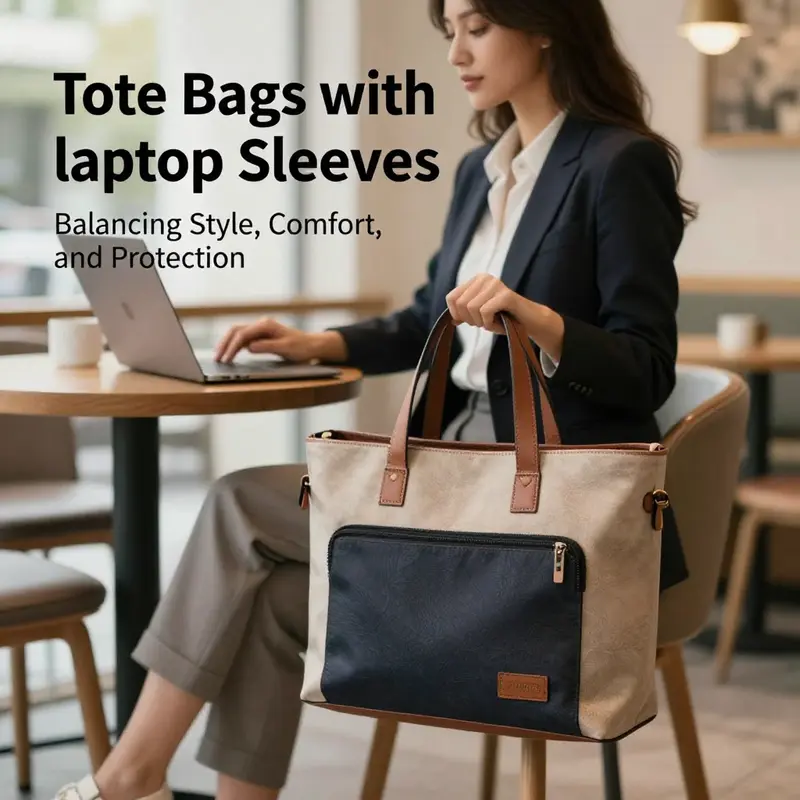
As a business owner, choosing the right bag for your daily commute isn’t just about style; it’s about function, comfort, and protection for your valuable devices. Tote bags with laptop sleeves are increasingly popular among professionals who appreciate their sleek, versatile design. However, there are essential considerations to keep in mind. This article delves into three critical aspects: the ergonomics of tote bags, their protection and durability for laptops, and the versatility and style they offer. Each chapter will provide valuable insights to help you decide if a tote bag with a laptop sleeve is the best choice for your business commuting needs.
Carrying with Care: The Ergonomic Realities of Tote Bags with Laptop Sleeves
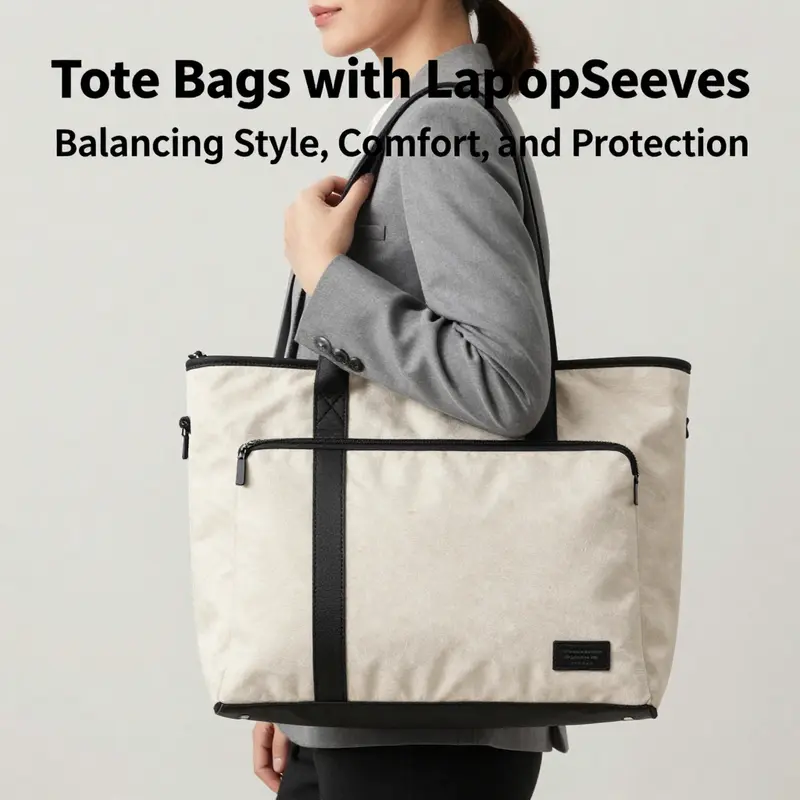
In a world where mobility shapes daily routines, tote bags with laptop sleeves present a compelling blend of style and practicality. They promise quick access to devices, a clean workplace aesthetic, and the flexibility to move from meetings to errands with minimal fuss. Yet beneath the façade of simplicity lies a complex interaction between bag design, human biomechanics, and the rhythms of urban life. This chapter explores how weight distribution, posture, and everyday usage patterns converge to influence comfort and health when a laptop, its charger, a notebook, and a few personal items ride inside a tote. The aim is not to scold the fashion-forward but to illuminate the ergonomic terrain so readers can make informed choices, whether they are designing a bag, selecting one for daily use, or guiding others in safer commuting habits. The core idea is straightforward: where and how the weight sits when you carry a tote changes how your body works, and those small shifts accumulate into meaningful differences in energy, fatigue, and risk of discomfort over time.
The most immediate ergonomic challenge in tote bags with laptop sleeves is uneven weight distribution. A sole shoulder strap, or a pair of handles that require you to grip and lift without a counterbalance, tends to channel a disproportionate portion of the load to one side of the body. The laptop itself is rarely the only heavy element; chargers, cables, a notebook, a water bottle, and perhaps a compact tablet or phone charger all add to the mass that must be supported by one shoulder. The cumulative load can press into the shoulder, travel up the neck, and push the upper body to tilt slightly toward the weighted side. Over a single commute, this orientation can feel innocuous. But across a day, a week, a season, or a career of routine use, the pattern can contribute to subtle changes in posture that, while not dramatic in isolation, accumulate into persistent musculoskeletal strain. This is particularly relevant in urban environments where walking paths are uneven and the pace of life asks for frequent accelerations and decelerations, turns, and brief stops. In such contexts, the body’s effort to maintain balance against an asymmetrical load becomes a repeated motor challenge, one that can influence shoulder height, neck tension, and even the angle of the spine as it compensates for the drag of the bag.
A related consideration is the weight threshold at which discomfort becomes a concern. The literature consistently points to a tipping point when the carried load on a single shoulder approaches around 10 to 15 percent of body weight. For a person weighing about 150 pounds, this translates to roughly 15 to 22 pounds as a threshold beyond which discomfort risk rises. Of course, this range is not a universal rule; individual strength, conditioning, prior injuries, and daily activity patterns modulate how one experiences load. But the principle holds: as the bag grows heavier, the likelihood of developing localized strain in the shoulder or neck increases, particularly when there is little opportunity for deliberate posture maintenance between movements. A well-balanced backpack or a tote with additional carrying options can distribute weight more evenly, reducing peak forces and supporting more natural spinal alignment during walking, climbing stairs, or navigating transit.
Design details in the bag itself interact with these biomechanical realities in meaningful ways. A laptop sleeve that sits softly inside a tote offers protection against incidental bumps, but the overall shell, padding, and interior geometry determine how much energy is transmitted to the user’s body during a drop or jolt. In many tote configurations, the interior is an expansive chamber where the laptop rests against a padding layer that is thinner than what a dedicated laptop backpack would provide. When the bag is dropped or bumped, the sleeve may absorb some impact, but the surrounding contents and the bag’s exterior materials contribute to the path that shock energy takes through the torso. By comparison, a well-engineered backpack positions a suspended laptop near the back, often with a padded panel and a structured frame that helps distribute forces along the length of the spine and across both shoulders. The difference is not merely about protecting the device; it is about shaping the movement of energy through the body as a person walks, climbs, or cycles, thereby influencing comfort and fatigue over time.
An additional dimension of this discussion is how aesthetics, convenience, and ergonomic safety converge in daily practice. A tote’s clean silhouette and refined color palette make it an appealing choice for professionals who want to project competence without appearing overly utilitarian. Yet the same aesthetic priorities can influence how people pack and carry the bag. The lure of ample space often invites adding items beyond the essential, tempting users to treat the bag as a small carry-on rather than a lean daily carrier. When the contents expand, the load may become less balanced, and the risk of one-sided strain increases. The challenge lies in maintaining the visual elegance while embracing carrying options that enhance stability and posture. Designers have responded in various ways, from strategic padding placements to modular components that can convert a tote into a lighter, more balanced carrying system when needed. A thoughtful design can preserve the professional look while enabling safer use across a range of activities, from a quick walk to a transit ride.
To translate these considerations into practical choices, it helps to think in terms of modularity, padding, and carrying options. A tote bag that offers a removable laptop sleeve or a detachable crossbody strap creates an adaptable platform. When the bag is used in a typical office-to-street routine, a detachable strap can transform a one-strap carry into a crossbody configuration, distributing weight more evenly and reducing the tendency to lean to one side. If the wearer is navigating crowded spaces or riding a bike, a detachable strap can stabilize the bag and keep it close to the body, lowering the destabilizing forces that can occur when the bag swings with each step. The longer-term benefit of such modularity is twofold: it helps maintain better posture during movement, and it preserves the bag’s sleek professional appearance when the situation calls for a lighter touch.
Packing strategy also plays a central role. Heavier items should be positioned closest to the body, ideally near the back panel of the bag, so that the center of gravity remains near the spine. Lighter items can occupy the outer regions, which helps limit the bag’s moment about the torso during movement. The laptop sleeve, while important, should not be the sole source of protection or the rigid anchor for all other contents. A sleeve that is well-padded and cushioned against the interior walls, with a secure fit for the laptop, reduces the chance that any item will press directly against the device during a jolt. Some bags address this by adding a secondary pocket or a shallow sub-compartment that catches and cushions items as the bag shifts during a walk or a ride. In environments with uneven pavements, the difference between a padded interior and a more rigid external shell becomes a practical safety feature as it helps dissipate some of the energy that would otherwise be transmitted to the laptop and to the wearer’s chest and neck.
The social dimension of choosing and using tote bags cannot be ignored. A tendency to prioritize speed and appearance can lead to a habitual one-shoulder carry, especially during quick transitional moments like slipping from a train platform to a stairwell or stepping into a meeting where a strap slips into an awkward angle. Changing such habits requires a combination of design features and mindful use. Ergonomic guidance suggests using all available options to reduce asymmetry: switch shoulders temporarily, adjust strap length to align the bag with the hips, or transfer the laptop to a lighter, more stable carrier for longer walks or bike commutes when feasible. Practically, a bag with a removable laptop sleeve supports a quick shift from a full tote for a long day to a lighter configuration for shorter trips, which aligns with the varied demands of modern work life. The end result is not just comfort; it is a more sustainable pattern of use that supports energy efficiency and less fatigue over the course of a workday.
From a design and procurement perspective, there are several concrete indicators of ergonomic value. Look for adjustable straps that enable the bag to sit just behind the hip line when worn crossbody or at a comfortable height on the shoulder. Favor modular configurations that allow quick reconfiguration between a tote and a more compact carrier. The laptop sleeve should be well-secured, with padding that shields against both vertical and horizontal impacts, and it should be anchored so that it remains stable even when the bag is swung or bumped. The interior layout should provide a sense of order that discourages contents from shifting during movement, thereby maintaining a consistent center of gravity. In short, the ergonomic quality of a tote with a laptop sleeve hinges on how well the design manages three variables: weight distribution, energy transfer, and the alignment of the bag with the wearer’s body in motion.
The practical upshot of this analysis is clear. A tote bag with a laptop sleeve can be a stylish, convenient daily carrier, but its ergonomic performance relies on deliberate design choices and mindful usage. For those who prize appearance as well as practicality, a hybrid approach—combining a stylish tote with a detachable or removable laptop carrier and optional secondary carrying options—often yields the best balance between aesthetics and safety. A detachable laptop sleeve can be used to reduce load when needed, and a crossbody strap can be engaged to keep the bag close to the body on longer walks or during bike commutes. The result is a flexible carrying system that preserves the professional look while supporting healthier movement. This adaptive approach makes ergonomic safety a feature of design rather than an afterthought, ensuring that the bag remains a partner in daily life rather than a source of cumulative strain.
For readers who want to explore how different designs balance these priorities in practice, a closer look at tote bags with computer sleeves offers a useful window into current configurations and trade-offs. The discussion highlights how small changes in padding distribution, strap geometry, and interior layout can translate into meaningful differences in comfort and posture over a typical workweek. Consider that a bag with a well-padded, securely anchored laptop pocket, combined with a detachable crossbody strap and a modest, balanced interior, can accommodate the laptop and essentials while remaining easy to maneuver through busy transit hubs. In contrast, a tote that relies solely on a soft sleeve without structural support may feel light in the moment but contribute to fatigue and discomfort after routine use. The takeaway is not to demonize any single design, but to recognize how ergonomic outcomes arise from the interaction between form, material choice, and the way users engage with their bags during movement.
To connect the practical insights here with broader health considerations, it helps to acknowledge ongoing research into carrying methods and musculoskeletal health. While the topic remains under active study, the prevailing guidance emphasizes distribution of weight, avoidance of one-sided loading for extended periods, and the use of supportive structures that keep the load close to the body. This aligns with practical recommendations for tote users: favor bags with flexible, adjustable carrying options; ensure adequate padding around the laptop; and develop packing habits that minimize asymmetry. The goal is not to eliminate all risk but to shift it toward a viewpoint where style and health reinforce one another. When the design supports safe carrying and the wearer practices mindful loading, the tote becomes a reliable companion rather than a source of strain.
For readers who want a concrete starting point, visit a resource that compares different bag types and their performance in real-world commuting scenarios. This kind of comparative lens helps readers translate ergonomic principles into everyday choices, reinforcing the idea that the best tote is one that respects both form and function. Within a single carry system, the options should exist to adapt to a wide range of daily activities without compromising posture or comfort. A subtle but meaningful balance emerges when style, practicality, and health considerations are treated as integral components of design and usage. In sum, tote bags with laptop sleeves hold potential as versatile tools for modern life, but their ergonomic value comes from thoughtful structure, adaptive carrying options, and disciplined packing habits that honor the body as a central, dynamic partner in movement.
Internal link note: For a more concrete sense of how a design like this translates into practice, see the concept of a tote bag with a computer sleeve and how it can be configured for safety and ease of use in everyday scenarios. tote bag with computer sleeve.
External resource: https://www.aaos.org/en/research/health-topics/carrying-weight-and-musculoskeletal-health
Guardians of the Slip: Durability, Protection, and the Quiet Engineering of Laptop-Sleeve Tote Bags
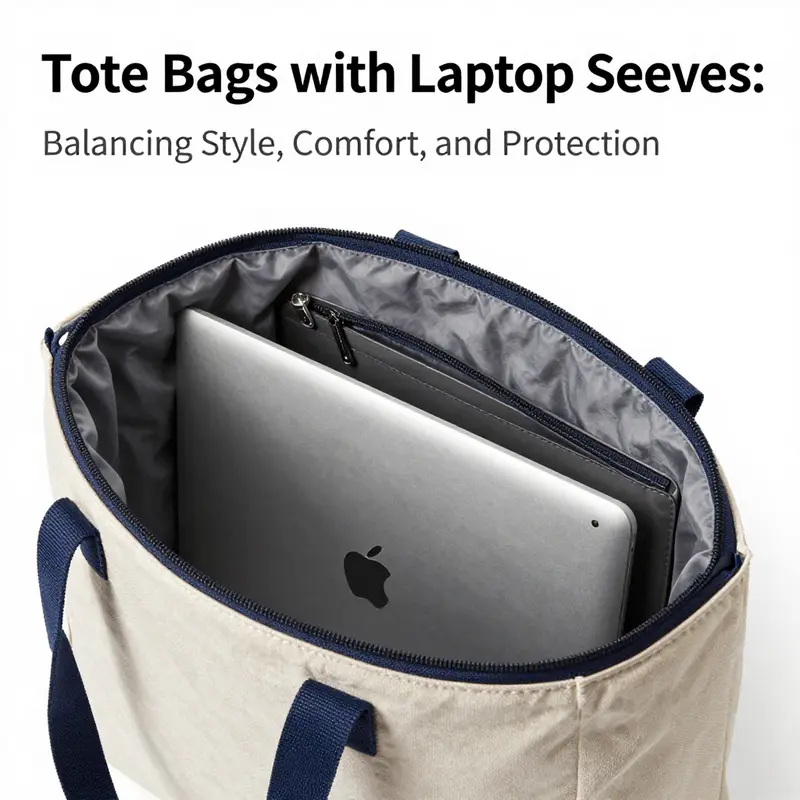
The tension between elegance and protection is most visible in tote bags that carry laptops. The same silhouette that conveys polish and ease of use also invites questions about how well a bag shields a fragile device from the bumps of daily life. In this chapter, we explore how protection and durability become a conversation between materials, architecture, and everyday behavior. Rather than treating these features as afterthoughts, designers embed protection into the fabric’s DNA and the sleeve’s geometry, aiming to create a bag that looks ready for a boardroom but withstands the commute home in rain, wind, and crowded transit. The result is a tote that behaves like a shield and an ally, discreet enough to slide into a conference room yet robust enough to endure a week’s worth of errands without losing its edge or its contents.
Durability does not hinge on one clever trick; it rests on a philosophy that marries high-performance materials with layered shock absorption and weather resistance. A core idea behind modern tote bags with laptop sleeves is that abrasion resistance, tear resistance, and puncture resistance should coexist with a protective interior that cushions a device from multiple angles. When you pick a bag armed with this combination, you are choosing a product that remains functional after a season of daily use, not just a pretty accessory for the commute. Among the most telling indicators of this approach is the use of industrial-grade fabrics that blend recycled content with high-tenacity fibers. A notable example described in industry discussions features a proprietary fabric blend that includes pre-consumer recycled nylon, standard nylon, polyurethane, and aramid fibers—an element sometimes marketed under a distinctive, high-performance label. This blend yields impressive resilience to wear and tear, which is crucial when you toss a laptop, charger, notebook, and other daily essentials into a single compartment. The surface of these fabrics is often treated with a specialized coating designed to repel moisture and deter corrosion from exposure to the elements. The coating, sometimes branded in the trade as Skylcoat, forms a protective shield that keeps water at bay and minimizes surface degradation from road salts, splashes, or humidity. The practical upshot is straightforward: the bag remains looking presentable after a rain shower or a dusty commute, while the interior is better protected against moisture infiltration that could compromise electronics.
This durability philosophy extends beyond the shell to the internal architecture that guards the laptop itself. In the most protective designs, the laptop sleeve is more than a simple pocket. It is a multi-layered cradle engineered to absorb shock from every direction. One model described in industry literature introduces a cushioned airbag system integrated into the sleeve, composed of specially engineered foam rubbers with hollow particles. These hollow particles are designed to absorb kinetic energy upon impact and then rebound, reducing the force transmitted to the laptop. The system is not merely a single cushion but a network of five-sided protrusions around the computer compartment. These soft airbag features wrap the device from bottom, sides, and corners, creating a continuous buffer that dampens impact before it can reach the delicate LCD or the drive bay. The principle here is clarity itself: in a drop or a sudden jolt, the sleeve behaves like a shock absorber, dispersing forces so the laptop remains cushioned and centered, minimizing the likelihood of misalignment or pinching that could cause a seam to fail or a zipper to jam.
But protection is not solely the product of an aggressive airbag system. Other implementations rely on multiple cushioning layers that complement each other. Elastic sponge, fleece-lined airbags, and extra-thick foam are commonly layered to create a spectrum of protection that tackles different kinds of contact. Elastic foam can yield to a mild impact and regain its shape rapidly, which helps when a bag is bumped against a rail or dropped onto a hard surface. Fleece-lined airbags provide a soft barrier against the device’s edges, reducing the risk of scratches or minor abrasions that accumulate during daily use. The combination of these materials, when strategically positioned around the laptop pocket, creates a cocoon that dampens vibrations and keeps the device pressed securely against the back of the sleeve. In practice, this means the laptop remains in a stable, near-centered position even as the bag is carried or moved from one location to another. A plush lining, sometimes referred to as 360° plush lining, adds a final layer of vibration dampening, further reducing the transmission of micro-movements that could wear the device’s edges over time.
Alongside interior protection, the exterior shell of these bags often features design choices that elevate durability without compromising aesthetics. The use of high-density polyester or moisture-resistant coated fabrics alongside the core blended material provides a second line of defense against rain, splashes, and rough surfaces. In urban settings, where incidental moisture, dust, and abrasion are constants, this exterior resilience is not cosmetic; it is functional. A bag that shrugs off a drizzle and a light spray while protecting its contents earns a longer life in daily routines that swing from a coffee shop to a conference room. The durability story is completed by design details that may seem small but matter greatly in the long run: reinforced stitching along stress points, double-stitched handles, and robust, ergonomically shaped straps that minimize strain on the user while distributing weight gradually. The goal is not to create a fortress that never shows wear, but to craft a bag that accepts the inevitability of daily use and continues to perform at a high level over time.
A particularly important dimension of durability is how well the bag remains usable in a variety of environmental conditions. The coatings and fabrics are tested for moisture resistance, but real-world use demands more. Exposure to sun, wind, and fluctuating temperatures can affect the fabric’s flexibility and surface finish. A robust tote bag is crafted to resist fading and cracking, while the interior remains dry enough to protect a laptop and its accessories. The protective sleeve itself is a critical transport layer; its materials must not only absorb shocks but also avoid transferring heat to the device. Excess heat inside a bag can undermine battery life and performance, so careful attention to ventilation and interior layout can contribute to both durability and device longevity. In summary, durability in a modern tote bag with a laptop sleeve is a multi-layered achievement: a tough exterior, a protective interior, and a sleeve design that cushions, shelters, and stabilizes the device under a spectrum of conditions.
When contemplating the practical implications of these protective features, it helps to consider how a typical day unfolds. A commuter might encounter a bike lane rain spray, a crowded train, and a hurried stair climb. A student on campus may encounter spill risk or frequent bag exchanges between classes. A business traveler could face rough handling during check-in and airport navigation. In each scenario, the bag’s durability and the sleeve’s protection act as a quiet resiliency—an assurance that, despite the jostling and the weather, the laptop remains shielded and the bag remains functional. This is not about fortress-like rigidity but about intelligent pliancy: materials that move with the user, cushioning that adapts to impact, and coatings that repel what could otherwise disrupt a day’s work. The result is a tote that looks as composed at the end of the day as it did at the start, even if it has carried a laptop through a city’s worth of micro-bumps and taller-than-usual shelves of stress.
In practice, a critical decision for consumers is to assess the interplay between exterior durability and interior protection. A bag may be built to resist abrasion and moisture, but if the laptop sleeve is thin or the cushioning layers are sparse, the device remains vulnerable to occasional mishaps. Conversely, a sleeve with extraordinary shock absorption can be underutilized if the outer shell fails under repeated stress. The most effective designs recognize this balance and optimize both sides simultaneously. They achieve a kind of synergetic robustness: the shell holds up to daily wear, while the sleeve interiors absorb and distribute impact. This dual-guard approach reduces cumulative stress on the laptop and lengthens the life of the bag itself, preserving both form and function through years of use.
For readers seeking more granular decision-making guidance, consider how the elements above align with your personal routines. If your commutes involve a lot of city walking or bike riding, prioritize materials with moisture resistance and abrasion tolerance, and favor a sleeve with multi-directional cushioning. If you travel frequently and encounter more handling, the five-sided airbag system and 360° lining can be decisive for protection during transit. If your routine is a blend—office days punctuated by errands—a bag that combines a professional exterior with rugged underpinnings offers the best of both worlds. In this sense, durability is not merely about resisting wear; it is about preserving the device it protects and the professional appearance it conveys, across diverse settings and conditions.
As you weigh these considerations, keep in mind an important, sometimes overlooked point: the strength of a tote’s protective story hinges on how well the sleeve integrates with the bag. A robust shell does not automatically guarantee complete protection if the laptop is not securely anchored inside or if the sleeve’s internal geometry leaves gaps where the device can shift during movement. Conversely, a sleeve with excellent internal padding can be undermined by a flimsy outer fabric that allows a violent impact to reach the cushioned interior. The best designs address both ends of the spectrum—outer resilience and inner safeguards—in an integrated approach. For readers who want a closer look at how sleeve integration works in practice, consider exploring a dedicated example that emphasizes the coupling of bag and sleeve in a single, cohesive system: tote bag with computer sleeve. This resource illustrates how a well-constructed sleeve can become an essential part of the bag’s protective ecosystem rather than a passive accessory.
Beyond the technical, the durability story is also a narrative about care and maintenance. Even the toughest materials require mindful handling to realize their full lifespan. Regular inspection of stitching at strap anchors and corners helps catch wear before it becomes a problem. Cleaning routines that remove grime from the exterior without saturating the interior are essential, especially when moisture exposure is a recurring possibility. Drying after exposure to rain or humidity is not merely about comfort; it’s a protective practice that guards the integrity of both the outer shell and the internal padding. When a bag is stored, it should retain its shape and avoid compressive pressure on the laptop sleeve. If a bag features removable sleeves, ensuring that the sleeve is properly stored outside the bag can prevent deforming or creasing of the protective cushion. Small maintenance habits accumulate into long-term durability, reducing the need for early replacement and preserving the investment in a tote designed to work as hard as its owner.
From a design perspective, the push toward durability does not sacrifice aesthetics. The most successful solutions marry performance with a professional, understated look that suits offices, studios, and travel alike. The fabrics, coatings, and padding are chosen not only for their technical properties but also for their tactile and visual qualities. When you run your hand over a fabric that has withstood daily use, you should feel confidence rather than concern. The same goes for the interior: a sleeve that remains snug against the device, with padding that does not intrude on the laptop’s space or key ports, communicates care and intention. The result is a tote bag with a laptop sleeve that does not shout about its protective features; instead, protection and durability become a natural extension of the bag’s everyday utility and style.
Ultimately, protection and durability in tote bags with laptop sleeves emerge as a practical art form. It is a discipline that requires careful material science, thoughtful interior geometry, and a clear understanding of how real people move through the world with their devices in tow. When the design succeeds, the bag becomes almost invisible in use: you reach for it, know the laptop is safe inside, and go about your day. The experience is quiet but powerful—a reminder that great protective design is less about spectacle and more about reliable, repeatable performance in the spaces we inhabit every day. In this light, durability is not a luxury; it is a basic feature, as essential as a secure laptop pocket and as enduring as the professional image the bag helps you maintain. For readers who wish to extend this inquiry into broader comparisons and expert opinions, a trusted resource that evaluates real-world performance, durability, and ergonomic design across bag types can provide additional context and guidance as you weigh options for your own routine.
External resource: How To Choose The Perfect Travel Tote Bag: Expert Tips For Style, Function And Durability.
Style, Subtle Protection, and Everyday Agility: The Enduring Versatility of Tote Bags with Laptop Sleeves
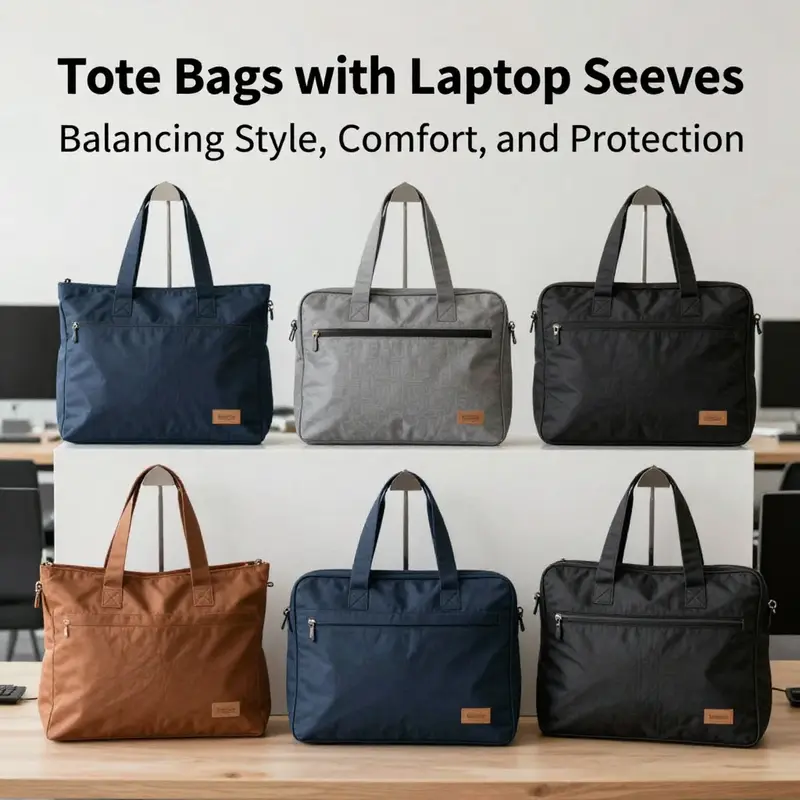
Across bustling city streets, in coffee shop corners, and between late-afternoon meetings, a single accessory often does more than carry a device. Tote bags with laptop sleeves have earned a quiet following among professionals, students, and urban commuters who want a look that is clean, restrained, and flexible enough to ride the line between office and weekend. This chapter traces not just what these bags hold, but how their design language—the open structure, the padded sleeve, and the range of materials—speaks to a lifestyle where style and practicality must coexist. They are not merely containers; they are statements about how we want to move through the day: deliberately, efficiently, and with a certain understated confidence. The appeal lies in a careful balance, a balance between accessibility and protection, between lightweight carry and the promise that one bag can travel with you through a string of errands, meetings, and moments of pause without demanding a full wardrobe shift in the process.
The core allure of tote bags with laptop sleeves begins with their open structure. This feature is not an accident of fashion so much as a material philosophy. An open-topped main compartment means items you reach for often—your notebook, a tablet, a charger, a slim notebook—come to hand with minimal rummaging. In a fast-paced day, where you may be switching locations more than once, that accessible interior translates into actual time saved and fewer moments of fumbling. The liner inside, while protective, remains secondary to the way the bag presents itself from the outside. Clean lines, unencumbered by heavy external pockets or visible hardware, offer a look that works just as well in a daylight meeting at a polished coworking space as it does in a casual weekend gallery stroll.
Within this seemingly simple exterior lies the other half of the equation: a padded laptop sleeve that can accommodate devices typically ranging from 13 to 15 inches. The sleeve is not an afterthought; it is a built-in guarantee of device safety amid the daily shuffle. Padding, often foam-based, cushions the device against minor bumps and jolts, and the sleeve’s snug fit helps reduce movement that could eventually abrade the screen or loosen internal components. Yet this protection is inherently limited when faced with more serious impacts or compression. The sleeve is designed to be a guardian against routine mishaps, not a full-blown shock absorber for drops from shoulder height or collisions with hard surfaces. This distinction matters because the type of risk you are most likely to encounter—whether you bike through city traffic, navigate crowded train cars, or step off a curb in a rainstorm—demands different levels of protection.
Material choice amplifies the bag’s personality while shaping its durability and resilience. Eco-friendly canvas offers a rugged, tactile charm that softens with use yet holds up to daily wear. Premium leather exudes a timeless, executive vibe that pairs well with tailored attire and can elevate a casual look alike. Recycled fabrics, meanwhile, carry a narrative of sustainability without sacrificing flexibility or form. The material palette enables buyers to express individuality—earthy textures for a practical mood, or sleek, glossy finishes for a more formal footprint—without compromising on the essential function: one bag that can transition as easily from boardroom to brunch as your calendar allows.
Organizational elements further enhance the tote’s charm and practicality. Additional pockets and compartments, often tucked into the interior or along the sides, help maintain order and quick access amid a busy day. A few small sleeves for a phone, a pen loop, or a slim external pocket for transit cards can turn a simple tote into a personalized command center. Yet the overall footprint remains lean. The absence of heavy external scutes or extraneous hardware means the bag stays light and unshowy, which is precisely why it can pair with both a sharp business suit and a minimalist streetwear look. When the weather cooperates and rain remains a distant worry, the tote’s lightweight construction and straightforward silhouette shine. In dry weather, a leather trim or waxed canvas can add subtle character, while a matte black or natural canvas finish keeps the look quietly versatile. The goal is a bag that integrates into daily life as a trusted ally rather than a loud statement piece.
This marriage of aesthetics and function, however, carries a set of trade-offs that are worth unpacking. The same open structure that enables effortless access to your belongings does not replicate the continuous, rigid support offered by dedicated laptop backpacks or messenger bags. The single strap design concentrates weight on one shoulder, an arrangement that can lead to uneven posture and shoulder strain after long periods of wear. The ergonomic cost becomes more pronounced as the load grows, especially when the bag is packed with a laptop, charger, notebook, tablet, and other essentials. The practical implication is that what feels comfortable during a short commute can begin to bite after a longer walk, a bike ride, or a sprint through a rain-slick station platform. Professionals who want both style and stamina may find themselves swapping or pairing bags depending on the day’s demands.
A telling counterpoint to this ergonomic caveat comes from broad research into how different bag designs distribute weight and absorb impact. A landmark comparison in the field of portable device protection noted that backpacks—by distributing weight across both shoulders and keeping the laptop nearer to the back—tend to perform better in simulated drop tests when momentum and lateral forces come into play. The study found that laptops carried in backpacks experienced substantially lower peak impact forces under controlled scenarios, a finding echoed by ergonomics experts who emphasize the buffer zone created by a well- suspended laptop compartment against the wearer’s spine. Translating that into everyday practice, the tote’s lighter weight and streamlined silhouette can be a reliable everyday choice when your day’s demands stay moderate and your route remains on smooth sidewalks or through air-conditioned indoor corridors. The reality is not a binary choice between form and function but a spectrum where the right bag depends on the context: short commutes, quick errands, or meetings that require a low-profile, adaptable aesthetic.
To those who crave the flexibility and flow of a tote without totally sacrificing protection, a hybrid approach often makes the most sense. A tote with a removable laptop sleeve can offer the best of both worlds: in the office, the sleeve remains inside for added protection and a neat, laptop-first priority; for a casual weekend outing, the sleeve can be detached to create a lighter, more versatile day bag that still retains a professional core. Similarly, a minimalist backpack with tote-like exterior cues can deliver balanced weight distribution while preserving the sleek, urban look that many professionals want. This pragmatic blend of design aims reflects a broader shift in how people curate their daily carry: not a single rigid solution, but a modular mindset that aligns with the tempo of modern work and life.
The social and stylistic value of these bags is also worth noting. In environments where mobility and appearance matter—co-working spaces, coffee shops, or informal meetings—the tote with a laptop sleeve can read as polished yet approachable. It signals that the wearer values efficiency and calm in how they present themselves, avoiding the more overtly technical look of a heavy-duty backpack while still offering a designated space for a device. The bag’s simplicity makes it easy to pair with a variety of outfits, from a tailored blazer to a clean, sneakers-and-jeans ensemble. This versatility is not about chasing a trend but about accommodating the modern workday’s fluid requirements.
For readers who want a practical reference point that merges accessible design with real-world usage, there is a simple way to visualize how these bags operate in daily life: imagine a bag that welcomes frequent retrievals but keeps the laptop shielded from minor scrapes and jostles. The padded sleeve acts as a cushion in a corridor, a platform on a crowded bus, or a resting point when you pause in a cafe between projects. The open structure fosters dialogue with your belongings rather than a war with them, inviting you to think of your bag as a workspace extension rather than a separate, burdensome object. When the day winds down and you remove your device, the bag’s interior remains a calm, organized sanctuary for the day’s paraphernalia—your notebook, a charger, a tablet, a few writing tools, and perhaps a water bottle stowed in a thoughtfully placed side pouch.
In considering the broader narrative of modern workwear and lifestyle branding, tote bags with laptop sleeves embody a trend toward minimalism that does not demand sacrificing practicality. They speak to a culture that values streamlined silhouettes, tactile materials, and a flexible silhouette that can adapt to a client meeting, a campus lecture, or a casual dinner with friends. They are a language of quiet confidence: a way to carry a crucial tool—your laptop—while preserving the understated confidence of a contemporary professional. The open structure and the possibility of removable components reflect a philosophy of modularity that resonates with people who want to avoid redundancy in their everyday gear. The choice to buy a bag like this, then, is not just about its capacity but about aligning with a lifestyle in which simplicity and adaptability are built into the daily rhythm.
A final note on context helps clarify why these bags maintain a lasting appeal. Their lightweight form and clean aesthetics suit environments that prize mobility and a non-intrusive professional identity. They work well in dry climates or controlled indoor environments, where weather resistance is less critical than weight and quick access. Yet urban life often includes sudden weather swings and crowded conditions, so the practical user will weigh the importance of weatherproofing and additional protective features against the allure of an unembellished, easy-to-carry silhouette. In this way, the tote with laptop sleeve becomes a flexible tool—an instrument that can be readjusted for given days, moods, and routes.
For readers who want to explore a concrete example of how this balance is achieved in practice, a helpful reference is the concept of a tote bag with a computer sleeve. See tote bag with computer sleeve for a practical model that embodies the principles discussed here: accessible layout, a secure laptop compartment, and a material palette that voices personal style while remaining suitable for professional settings. This link serves as a touchpoint rather than a product endorsement, illustrating how a single feature—the laptop sleeve—can be integrated with a broader design language that prioritizes ease of use and visual poise.
As we move through the landscape of bag choices, the tote with laptop sleeve remains a compelling option for those who value a streamlined silhouette, easy accessibility, and a professional aesthetic. It is not the strongest choice for every scenario, particularly where long days, heavy loads, or rough handling are the norm. But its enduring appeal lies in its ability to fuse style with everyday practicality, to keep a device within reach without overwhelming the wearer, and to adapt to changing activities without requiring a heavy or militant equipment mindset. In the chapters that follow, the examination broadens to contrast these qualities with other popular carry options, highlighting the nuanced trade-offs and contexts that determine the best bag for a given day. The overall picture is not a list of categories but a nuanced map of how design choices shape our daily routines and how we perceive the balance between form and function in the equipment that travels with us.
External resource: The Guardian sheds light on the broader cultural moment around tech accessories and everyday carry, offering complementary perspectives on why items like laptop sleeves and tote silhouettes have found a receptive audience in contemporary fashion and work culture. For readers seeking a media perspective that tracks these shifts, see the coverage here: https://www.theguardian.com/fashion/2026/jan/28/tote-bag-laptop-sleeve-tech-style-trend.
Final thoughts
In conclusion, tote bags with laptop sleeves are an appealing choice for business owners seeking a blend of style, convenience, and functionality. While they excel in offering a professional appearance and easy access to technology, attention must be paid to ergonomic considerations and protection levels for laptops. Evaluating these bags in relation to your daily commuting habits and the nature of your work will guide you in making an informed decision. A well-informed choice ensures not only a stylish presence but also the safety of your devices.