
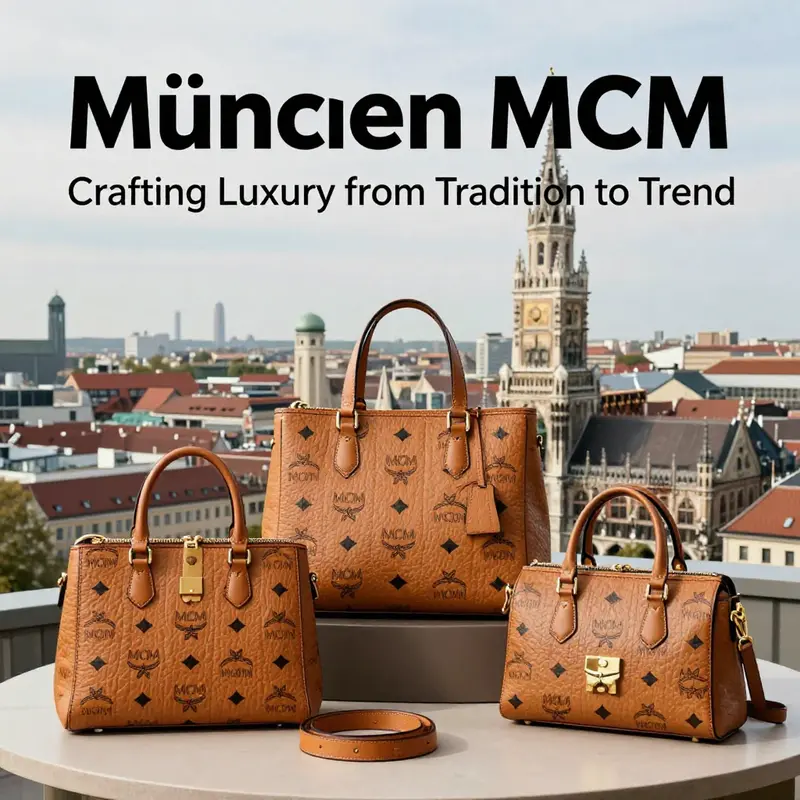
München MCM has established itself as a prominent player in the luxury fashion industry since its inception in 1976. With roots in the heart of Germany’s Bavarian city, MCM embodies a commitment to craftsmanship, quality, and innovative design. This article delves into the brand’s origins and evolution, its diversified product range from leather goods to contemporary fashion, its brand philosophy emphasizing artisanal quality, and its strategies in the global marketplace. Each chapter highlights key elements that contributed to MCM’s allure, particularly among young consumers and fashion aficionados worldwide.
München MCM: From Munich Craft to a Global Luxury Icon
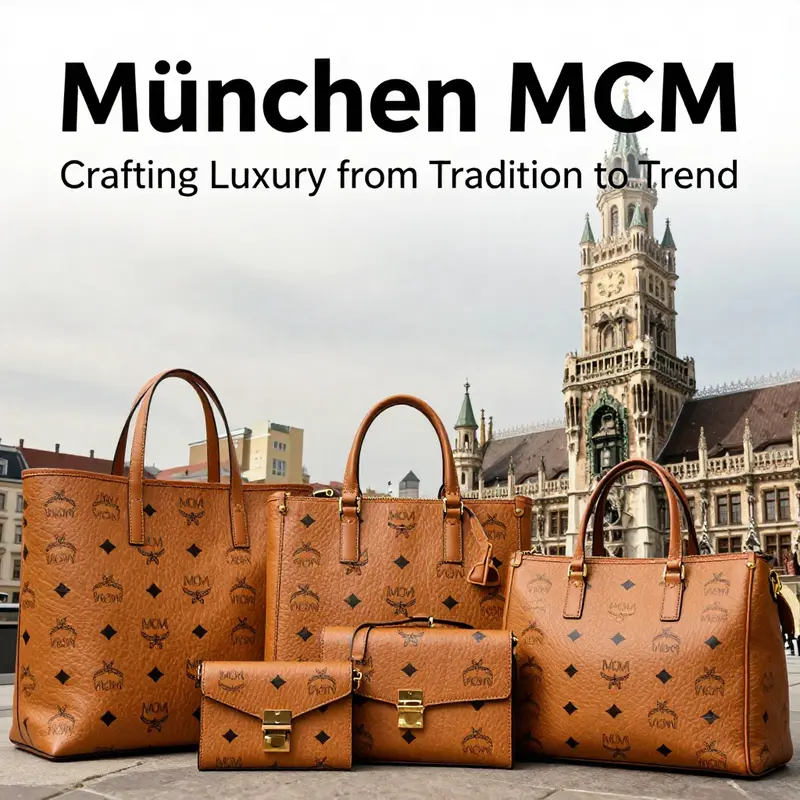
In Munich, a city where the workshop’s air carries the scent of leather and lacquer, a brand began with a practical conviction: luxury should endure real life. Founded in 1976 by Michael Cromer, the house that would become MCM anchored its identity in the city that bears its name. The choice of naming was more than nominal; it was a pledge. München, written into the brand, signals origin with every reference and frames the promise that what is born here is built to last. From the start, the design philosophy drew on a German instinct for efficiency and clarity: form follows function not as a restraint but as a source of elegant discipline. The early offerings focused on travel bags and leather goods, items meant to accompany a life in motion. The mood was not merely a collection of objects but a narrative of mobility, a tangible expression of a lifestyle that prizes durability, practical luxury, and an almost architectural line quality that never sacrifices usability for spectacle. Munich Crafted in Munich became more than a slogan; it was the operating creed that guided every stitch, every seam, and every hardware choice. The idea was simple and powerful: create goods that could be passed along, that would develop a patina of use rather than age into neglect. The craftspeople in Munich became custodians of a standard that valued precision, careful material selection, and a respect for the long arc of a product’s life. In this way, MCM did not rush toward trends but stitched a slow, deliberate growth into its identity. The brand’s early work thus served as a quiet manifesto about how luxury could coexist with resilience, how elegance could be married to practicality, and how the German artisan’s eye could translate into a global vocabulary that felt both timeless and modern. The mood it set was clear: luxury is not merely about supply and shine; it is about trust forged in the hands of people who know how to make something that remains meaningful over years and, perhaps, generations.\n\nIn the following decades, MCM expanded while preserving its core identity. In 2005, the Shinsegae Group acquired a stake in the brand, reframing its global reach while safeguarding Munich as its creative hub. The Munich base remained the creative nerve center, shaping a vocabulary that could speak to fashion capitals yet stay legible worldwide. The brand’s signature cognac-toned canvas became a unifying badge across bags, luggage, and accessories, and the product range widened into ready-to-wear, footwear, and fragrance. Collaborations with artists and contemporary labels injected new energy into the language without diluting its craft-centric backbone. This dual impulse—local origin, global ambition—remains the engine of MCM, allowing the house to stay relevant while keeping its German craft ethos intact.\n\nToday, MCM balances form, function and storytelling: a German heritage that travels across continents, translating its Munich precision into a cosmopolitan vocabulary. The result is a luxury brand whose objects are built to endure, to patina, and to accompany a life in motion, wherever that life may take its wearer.
München MCM Product Range: From Leather Craft to Runway–Ready Fashion
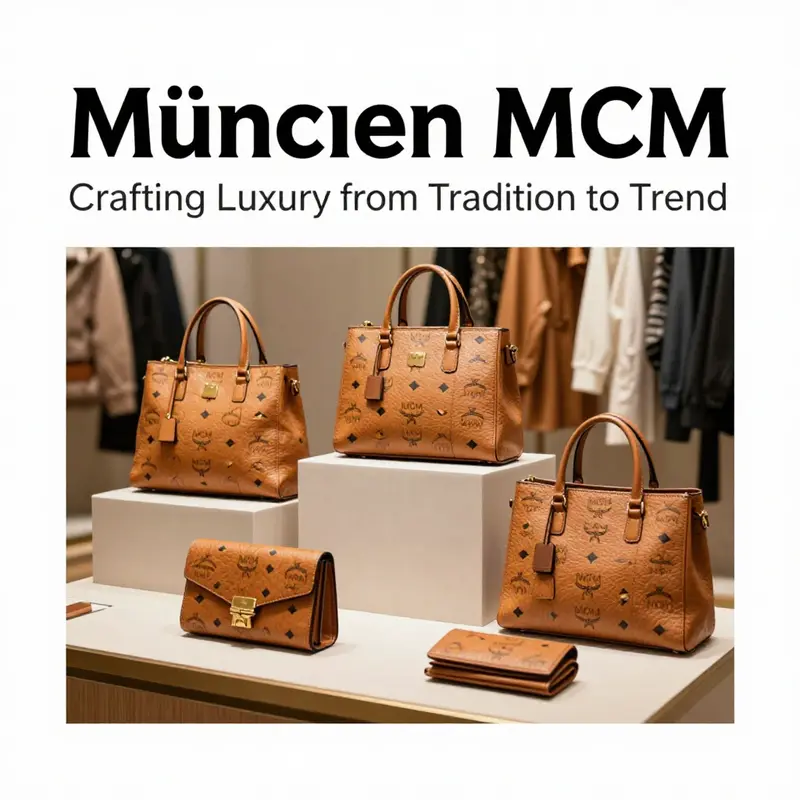
Modern Creation München began its journey in 1976, rooted in Munich, and quickly established a reputation for marrying Germanic precision with a forward-looking design language. The brand’s identity rests on a reverent respect for its origin—Munchen, the German spelling for Munich—while pushing outward toward a cosmopolitan audience that prizes both heritage and modernity. This tension between place and possibility has shaped a product range that reads like a story of travel, craft, and ambition. The core idea is simple, even audacious: products should be robust enough to withstand the rigors of daily life and travel, yet refined enough to command attention in the most discerning urban settings. It is a discipline of materials, finishing, and details, where each piece gains meaning from the way it is made and the purpose it serves. The result is not merely a catalog of items but a coherent lifestyle proposition that travels with its wearer from city streets to international airports and, occasionally, to the runway lights themselves.
Leather goods anchor the house. The collection’s backbone is built from high-grade hides shaped by artisans who understand the demands placed on luxury items meant to last. In every bag, the frame is reinforced for stability, the seams sit precisely where they should, and the edges are burnished to a smooth glow that catches the eye without shouting. The signature touches—the embossing, the hardware, and the quiet geometry—are meant to be legible at a glance and durable enough to endure years of use. The brand’s approach to leather is not merely about surface beauty; it is about a lifecycle where a piece accrues character and patina, becoming a personal artifact rather than a disposable accessory. The mood is vintage at heart but equipped for contemporary life, a duality that has broadened the allure beyond its European origins and into the hands of a global audience.
Within this leather-centric world, specific lines crystallize the house’s philosophy. One line—distinguished by its embossed logo and a robust, travel-ready silhouette—has become emblematic of how the brand translates travel tradition into contemporary form. Another series, named after the city itself, nods to the architectural and logistical logic of travel: a handbag silhouette with protective corners, supple Napa leather, and a carefully engineered weight distribution that makes every carry feel confident rather than burdensome. The interplay between form and function is deliberate. The hardware choices—a blend of modern alloys and classic brass tones—are selected not just for aesthetics but for longevity in varied climates and climates of use. The emphasis on sturdy zippers and reinforced corners reflects a long-standing commitment to durability, ensuring that the pieces remain practical companions for busy lifestyles while still signaling luxury through refined finish and silhouette.
A contemporary highlight in the leather portfolio is a versatile, drawstring-inspired bucket bag that has become a go-to for younger shoppers who crave an editorial edge without sacrificing practicality. Its form is playful yet structured, capable of holding a daily assortment of essentials while remaining approachable in daily ritual. The design language draws from a dialogue between the old and the new: the embossed monogram remains a quiet assertion of identity, while the texture and weight of the leather convey a sense of grounded, tactile luxury. The same dialogue appears in the tote family, where substantial capacity meets clean lines and resilient hardware; these pieces are designed to be worked hard, even as they look effortlessly refined. The craftsmanship behind these items is not decorative flourish; it is the guarantee that the user’s daily routine can unfold with ease and elegance, from morning commutes to weekend trips.
The fashion side of MCM extends this same philosophy into apparel and footwear. In the colder seasons, the line expands into knitwear and outerwear that emphasize material integrity and a keen sense of proportion. A wool jacquard sweater, for example, pairs a tactile weave with a disciplined silhouette, a reminder that luxury can be both comfortable and precise. The essential logo collection broadens the offer with streamlined pieces—jerseys, jackets, and pants—designed to layer with the brand’s leather goods while maintaining a unified look anchored by the iconic emblem. Even as the house explores more expressive textures and bold colorways, the ethos remains clear: pieces should be adaptable to a range of wardrobes and occasions, offering both impact and ease. Contemporary menswear and womenswear alike reflect a balanced approach, where technical fabrics meet minimalist lines and the connection to Munich’s craft heritage remains explicit in the finish and construction.
The brand’s footwear and accessory lines extend the same logic outward to the street and the studio. A rugged derby, crafted in rich neutrals, demonstrates how the brand translates the foundation of leather craft into a more casual, everyday language. The accessories, from petite pouches to larger carry-alls, are designed as modular elements of a daily uniform, each segment compatible with different bags and outfits. Think of these pieces as an extension of the leather family: they provide the finishing touches that make a look feel complete while standing up to travel demands and urban wear. The insistence on durable hardware, reliable stitching, and high-grade leather signals the same care that goes into the bags and jackets, ensuring that the entire suite reads as a coordinated lifestyle statement rather than a disparate assortment of products.
At the heart of the brand’s cultural identity lies a commitment to a timeless, almost architectural sense of luxury. The MCM emblem—the well-known initials—symbolizes victory and permanence, a quiet affirmation that the wearer is part of a story that spans generations. Each product bears a small brass or brass-toned plaque with a serial number, a small ritual that reinforces ownership and provenance. This detail—often overlooked in flashy fashion narratives—gives the product an aura of exclusivity and a tangible link to the workshop floor where careful hands once shaped the material. The philosophy that runs through the collection is clear: design should honor the past while embracing the possibilities of the future. The result is a luxury label that does not merely chase trends but invites its customers into a sustained dialogue about quality, utility, and belonging.
The Munich origin remains a living part of the brand’s narrative. The concept of “Munich crafted in Munich” is more than a slogan; it is a commitment to an ecosystem of skilled artisans, local sourcing, and rigorous quality standards that inform every piece. While the products are now distributed globally, the reference to Munich endures as a compass for the brand’s decisions about materials, production partners, and the tactile experience offered by each item. That local-to-global journey is reflected in the design vocabulary across leather goods, apparel, and footwear—a vocabulary that roots itself in a place yet remains open to an international audience hungry for a blend of heritage and metropolitan elegance. The outcome is a collection that can echo a quiet, refined charm in a European city and then translate to a bold, confident statement on a street in another continent.
If one imagines the product range as a single arc—from the earliest sketches to the latest seasonal pieces—the arc reveals a deliberate evolution. The line between bag and luggage, between travel companion and fashion essential, grows increasingly seamless. The luggage-inspired frame of many leather goods, including travel-ready totes and structured satchels, creates a synergy with the brand’s apparel and footwear, underscoring a lifestyle that is both well-traveled and carefully curated. This continuum is not accidental. It is a carefully choreographed narrative that invites customers to build a complete wardrobe around a central idea: that luxury is a mode of living—practical, durable, and deeply satisfying in its finish and presence.
For readers who want a concrete glimpse into how these ideas translate into a specific product, a widely circulated tote on one retailer’s platform offers a case study in the fusion of signature embossing, sturdy construction, and travel-ready proportions. The design language—embossed logo, corner protection, and a sturdy silhouette—reads as an almost architectural element, echoing Munich’s craft ethos in a form that remains distinct yet adaptable. This particular tote demonstrates how a single piece can carry the weight of a brand’s entire story while also serving as a flexible everyday solution. It is a compact microcosm of the broader range: a leather-dominant family reinforced by hardware, texture, and the quiet confidence of a well-made object. For a broader sense of how such pieces live within a consumer’s daily life, it helps to consider how the same logic threads through other categories—briefly described yet fully present in the line. The bags speak to the travel instinct; the apparel answers the need for dependable layering; the footwear completes the circle with materials and construction that withstand urban tempo.
The sustainability of this approach lies in the time-honored technique of German craftsmanship married to modern, forward-looking materials. There is a patience embedded in the making—materials are chosen not only for their beauty but for how they age, how they wear, and how they endure. The careful attention to hardware, zipper brands, and stitching precision ensures each item remains functional under repeated use. It is this discipline—careful selection, meticulous assembly, and long-term thinking—that sets the München MCM product range apart from transient fashion cycles. It invites customers to invest in items that offer more than surface appeal and that reward careful care with a longer, more meaningful life. Even as new fabrics and silhouettes emerge, the core values endure: durability, beauty, and a sense of place that anchors the collection in Munich while letting it inhabit a broader, global fashion conversation.
The thread that ties leather, ready-to-wear, and accessories together is less about uniformity than about a shared belief in meaningful details. Every fold, stitch, and embossing has a reason—the reason being to enhance durability, elevate tactility, and communicate a refined taste level without shouting. The result is an integrated product family in which a bag can pair with a jacket, which in turn can be worn with a pair of shoes, all while maintaining a coherent visual language. The München-inspired narrative does not simply imply a geographic origin; it speaks to a design ethos that values the synergy of form, function, and story. It is this synergy that allows the product range to function as more than a collection of items; it becomes a wardrobe that travels with the wearer—through airports, museums, and morning commutes—retaining a sense of identity and sophistication.
For readers curious about the breadth of the range, one glimpse into a specific product family helps crystallize how the philosophy plays out in practice. A standout within the leather goods universe is a classic drawstring bucket bag whose colorful, watercolor-like logo print teases a playful side without sacrificing the brand’s signature architectural clarity. It is a piece that resonates with a younger audience while remaining relevant to longtime admirers who value structural integrity and timeless textures. Its popularity speaks to the brand’s ability to translate heritage motifs into modern expressions—textured leather, brass hardware, and a silhouette that feels both fresh and familiar. Such pieces remind us that the München MCM ecosystem is not a frozen archive but a living, evolving conversation about how luxury products can accompany real life with style and reliability. The entire range, from the most tradition-minded leather goods to the most contemporary silhouettes in apparel and footwear, is designed to be as comfortable off the catwalk as it is eye-catching on the street.
As the chapter moves toward a closing reflection on how this product range aligns with the broader article topic, it is worth noting how the Munich origin threads through every decision, from material choices to the way the brand presents itself in a crowded marketplace. The house’s communications foreground the idea that luxury, when rooted in craftsmanship and place, remains relevant even as consumer expectations evolve. The product range is the most tangible embodiment of that claim—a tapestry of pieces that can be layered, mixed, and matched across seasons and contexts. In this way, the München MCM assortment becomes more than a lineup of products: it is a narrative about how heritage can inform modern fashion, how travel culture can inspire design decisions, and how a brand rooted in a single city can speak to a global audience with authenticity and restraint. The future likely holds further refinements—new materials, even more sustainable sourcing, and perhaps explorations into collaborative silhouettes—yet the core promise remains intact: to deliver leather craft, refined silhouettes, and a lifestyle that honors both Munich’s meticulous spirit and the dynamic pulse of the world beyond.
For readers seeking a tangible touchpoint within the broader catalog, consider exploring a representative item that encapsulates this balance of craft and modernity. Its enduring appeal lies in how it merges practical capacity with an unmistakable visual identity, and its form is a reminder of the house’s long-running commitment to building a cohesive ecosystem where leather goods, apparel, and accessories inform and elevate one another. The piece embodies the philosophy described here: a sturdy, well-considered design that ages gracefully, becoming a cherished part of daily life while remaining distinctly luxurious in its execution. In this sense, the München MCM product range is less a static lineup and more a living, breathing wardrobe that grows with its owners as they move through the world’s many spaces.
Internal link reference: For a tangible example illustrating how a signature MCM tote translates intent into a practical product, see the detailed presentation on the Diamond Tote. MCM Diamond Tote.
External reference: For official brand details and the latest product information, readers can visit the brand’s Chinese site to explore the München collections in their native market and language. MCM China site.
München in the Maker’s Hands: The Enduring Craft and Quality Behind MCM’s Global Aesthetic
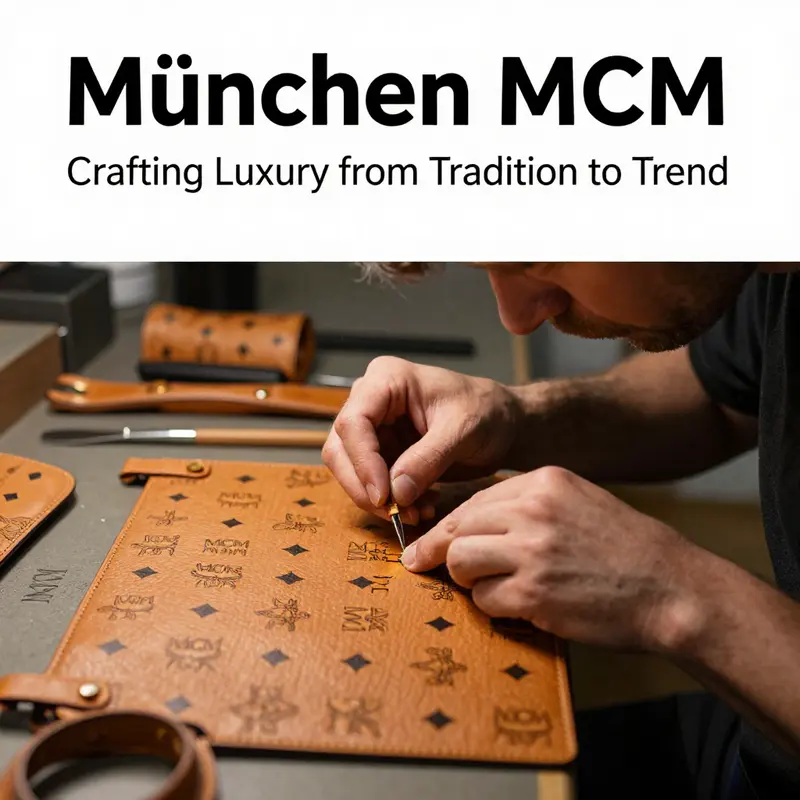
From the first spark of a workshop in Munich in 1976, a brand began to write its signature not in slogans but in the language of hands at work, in the careful alignment of grain, stitch, and seam. The story of MCM is not merely about what a bag or a suitcase can carry, but about what a city can endure in the form of a living craft. Munich, with its disciplined silhouette of railcars, red brick lanes, and a memory of precision, becomes more than a backdrop for this brand; it is the quiet mentor that shapes every cut and contour. The philosophy that unfolds here is not a marketing refrain but a working creed: Munich craftsmanship, Munich origin, Munich quality. The phrase Munich Crafted in Munich is more than a label. It is a declaration that the core of the work remains anchored in place, in a tradition that values function as the foundation of beauty, and durability as the quiet measure of elegance. In a marketplace that often rewards novelty over durability, this ethos invites a different kind of loyalty—the long view, the belief that a well-made object can accompany life’s journeys for years, even decades, without losing its voice or its shape.
This chapter does not celebrate a single emblem or a single season’s look. Rather, it traces a continuous thread that threads through materials, construction, and the choreography of product development. The materials chosen are not mere choices of texture or color; they are commitments to resilience and aging gracefully. Leather, if selected with care, responds to time rather than resisting it. It develops a patina that tells a story of use—how a hand has rested on its surface, how a city’s weather has brushed across its surface, how a traveler’s road map has imprinted itself in subtle wear. The best pieces, in this reading, reveal a dialogue between hand and hide, between the maker’s intent and the life the object will lead. That dialogue depends on something more durable than fashion—consistency in the quality of the grain, the evenness of the surface, the strength of the stitching, and the reliability of the hardware that holds the whole together. The brand’s emphasis on detail—careful topstitching, uniform edge coating, and a restrained, purposeful silhouette—speaks to a discipline that respects the customer’s trust. The craftspeople who labor in this tradition approach their work with a sense of responsibility toward the consumer, toward future owners who will carry these pieces through rain, airports, and late-night corridor conversations alike. The result is not merely a product that endures; it is a creation that remains legible as an artifact of its time, yet timeless in its essentials.
Year after year, the brand has woven its Munich roots into a design language that feels both retrospective and forward-looking. Its aesthetics draw on the energy of avant-garde exploration—the boldness of experimentation, the fearlessness of breaking conventional forms—yet every decision is filtered through a standard of quality that is distinctly German in character. This does not produce a sterile or clinical result. Instead, it yields a design that carries memory and momentum in equal measure. The line speaks to a sensibility that respects the past while inviting the present to participate in a new dialogue about travel, identity, and personal utility. The silhouette remains recognizable, but its edges and proportions are refined to support modern living. The bags and companions, whether carried as a daily essential or a statement for a cosmopolitan journey, are designed to be functional first, while still offering a quiet, unmistakable voice that signals a certain seriousness about the act of carrying. In this way, the craft becomes a narrative device, a way to tell stories about travel, work, and leisure without shouting or flaring the lights. The narrative is not a single moment of inspiration but a sustained practice: sourcing materials with an eye toward longevity, engineering closures and seams to withstand the demands of everyday use, and finishing with hardware and linings that resist wear and tarnish over time. The result is a proposition that invites users to invest in an object that ages with dignity, rather than one that invites a quick renewal with every new season.
The brand’s approach to design embodies a cadence that honors both art and industry. It looks outward—toward collaborations with artists and innovators who push boundaries in unexpected ways—yet remains inwardly disciplined, measuring each step of the process against a standard of built-to-last quality. The interplay between bold, avant-garde aesthetics and a deep, almost utilitarian craft ethos is not a tension but a conversation. The design language embraces contrasts: the tactile warmth of premium leather against the sharpened coolness of metal and geometry, the historic charm of Munich’s artisanal workshops set against the restless energy of global cities. In practice, this means products that speak in a refined dialect of modern luxury, where the logo’s presence is deliberate but never overpowering, where the hardware is sturdy and quiet, and where interior linings are chosen for longevity as much as for tactile pleasure. The careful attention to detail—how a zipper glides, how the internal compartments are proportioned, how the edges are burnished—becomes a continuous education for the eye and a constant reminder that quality is a lived experience, not a slogan to be recited.
A significant aspect of this philosophy is the way it treats materials and manufacturing as a complete system rather than a collection of independent parts. The leather is tanned, dyed, and finished to retain its natural character while gaining enhanced resilience. The wire and thread used for stitching are selected to resist fraying and color bleed. The lining is chosen not only for its aesthetic appeal but for its ability to endure the wear and tear of daily life—the friction of fingers, the dust of travel, the occasional spill. Such considerations reveal a factory floor philosophy: craftsmanship is not about flashy shortcuts but about baked-in processes that ensure consistency across batches and years. This consistency is the invisible spine of the brand’s identity, a promise that the same standard will be felt in a boutique visit, in a mail-order package, and in the everyday life of a customer who carries the item across continents. The brand’s attention to quality extends beyond the product itself into the experience that surrounds it. Retail environments, both physical and digital, are crafted to reflect an ethos of calm assurance; they invite customers to study the texture of leather, to inspect the line where panel meets panel, to understand how a piece is meant to function as a companion rather than as a mere accessory. The lighting, the ambience, the acoustics—all contribute to a sense of steadiness, a mood that says that luxury here is measured by care, not bravado.
In the conversation about technique and storytelling, the brand’s philosophy also invites reflection on sustainability. Enduring quality is, in its own right, an environmentally thoughtful stance. If an object lasts longer, its life cycle affects fewer resources over time. The design and production choices aim to reduce waste by maximizing longevity, repairability, and timeless appeal. This forward-facing commitment aligns with a broader industry shift toward responsible stewardship without sacrificing the pleasure of owning well-made goods. The narrative thus becomes a pledge: to create pieces that resist faddish cycles, that invite repair and maintenance, and that can accompany a customer through changing circumstances—whether seasons, career shifts, or shifts in travel norms. The brand’s own voice hints at this, implying that the most authentic luxury is not the loudest but the most enduring, the quiet assertion that care and precision matter more than spectacle.
The global reach of the brand is a natural outgrowth of its origin story. Munich supplies the culture and discipline; the world supplies the stage for the craft to travel and evolve. The storytelling around products frequently references art, music, technology, and the spirit of travel—an acknowledgement that modern luxury is not static but a pattern of experiences. A bag or a companion becomes a vehicle for these experiences, a portable atelier that can accompany a person on a creative expedition, a conference hallway, or a late-night conversation in a city café. Yet the underlying principle remains constant: quality, measured in the quiet language of material integrity and construction, should translate into confidence for the wearer. It is this confidence that marks a customer’s relationship with the brand. It is the sense that, when the product is placed in hand, it will respond with the same demeanor it offered at purchase: reliable, refined, and capable of aging with grace rather than breaking under pressure.
To illustrate how the ethos translates into a tangible practice without naming particular models, consider how a single piece can symbolize the broader philosophy. A well-crafted item, when used over years, becomes a partner in daily routines—the burden of a day’s load eased by well-placed pockets, the ease of a zipper that opens with minimal fuss, the steadiness of seams that show no sign of strain. This is not about creating a fashion artifact that fleetingly captures attention; it is about producing an object that earns quiet respect through repeated use. The brand’s approach encourages a relationship built on trust: trust in the material, trust in the workmanship, trust in the brand’s ability to sustain performance across different contexts, from urban commuting to longer journeys. It is this trust that makes the proposition attractive to a new generation of wearers who value durability and narrative depth as much as visual appeal. The resulting dynamic is a modern luxury experience grounded in the idea that quality is a form of time well spent, an investment in an object that will outlast trends and still feel relevant when revisit occurs.
The narrative of Munich-inspired craft is not a static myth but a living practice. It evolves as designers engage with new technologies, as sustainable materials evolve, and as new modes of travel demand smarter, more efficient organizational solutions in bags and accessories. Yet the core remains time-honored: meticulous attention to the smallest components, a disciplined design process that respects both the past and the future, and an unwavering commitment to functionality that never sacrifices beauty for utility. The result is not a handful of boastful claims but a consistent experience—an invitation to participate in a craft tradition that values the maker’s hands as much as the consumer’s appreciation. This is the essence of the München-based philosophy: a conviction that true luxury is the product of skill, patience, and a shared belief in objects that stand as witnesses to one’s life rather than mere adornments. For those who seek meaning in what they carry, this philosophy offers not a fleeting statement but a steady partner for the journeys ahead.
In the end, the brand’s commitment to craftsmanship and quality remains a promise, one that steps beyond the immediate season and speaks to a longer arc of life lived with intention. It is an invitation to notice the texture of leather, the quiet strength of a seam, and the confidence that comes with owning something thoughtfully made. It is a reminder that luxury, properly understood, is not about excess but about preparation—preparation for movement, for travel, for the daily awakenings and the late-night conversations that shape our days. It is a reminder that Munich’s legacy in craft, refined through decades of practice and a global perspective, continues to offer a roadmap for how beauty can be practical, how form can follow function, and how quality can remain a steadfast companion on the road ahead. For readers who want a window into the brand’s own articulation of this philosophy, the official site offers a current articulation of the values that have guided this Munich-born enterprise through years of change and growth. And for those who wish to explore a concrete example of how this philosophy translates into form, the piece linked here provides a tangible touchpoint that embodies the design language and the durable spirit discussed above: mcm-diamond-tote.
For a broader, official perspective on the brand’s craft philosophy and its enduring commitment to quality, you can explore the brand’s official universe at https://www.mcm.com. This external resource offers a complementary view that situates the Munich origins within a contemporary global framework, highlighting how the same principles continue to inform decisions about materials, construction, and experiential retail. As the chapter moves toward the next phase of the article, the reader is invited to carry with them (literally and figuratively) the sense that true craftsmanship—a Munich-born discipline—remains as relevant today as it was at the moment of inception, guiding conversations about design, sustainability, and the relationship between maker and user across cultures and continents.
From Munich Craft to Global Luxury: MCM’s Path Through Trends and the Gen Z Consumer
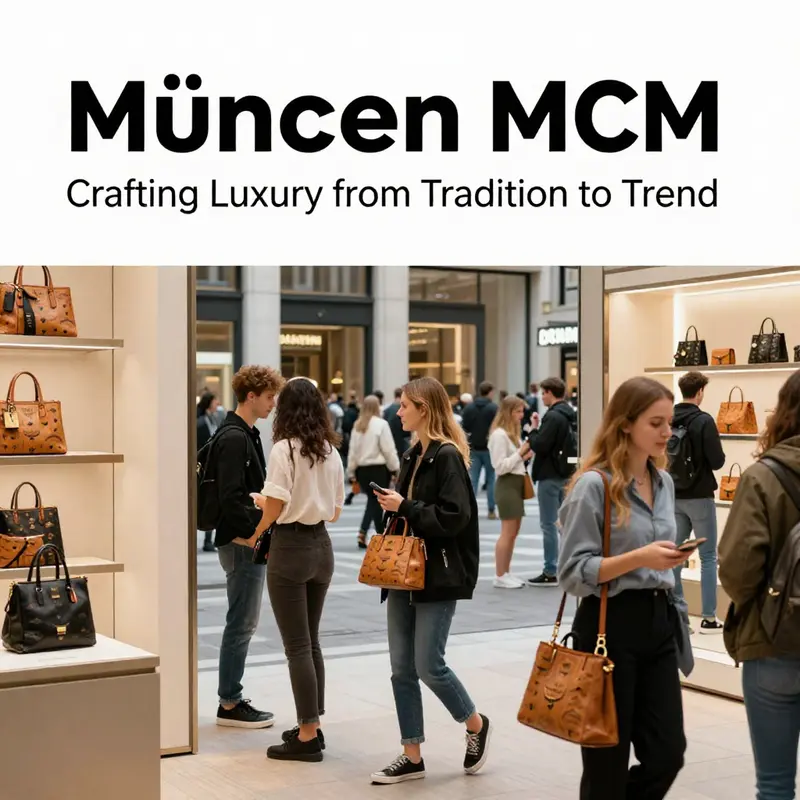
München MCM sits at a curious crossroads where a storied European craft tradition meets the rapid tempo of a global, digitally driven luxury market. The brand’s roots are inseparable from its birthplace, Munich, where its headquarters and a long-standing commitment to meticulous craftsmanship anchor a broader promise: luxury that is authentically German, thoughtfully modern, and relentlessly accessible across continents. On Maximilianstrasse 28, a location steeped in the city’s own history of luxury retail, MCM has built a narrative that travels far beyond its street-address origin. That narrative—less a single product line and more a philosophy of “German-born luxury”—threads through every corridor of the brand, from the atelier to the screen, from a boutique window into a user’s first online impulse. The challenge—and the opportunity—lies in translating Munich’s tactile warmth into a uniformly compelling experience for a global audience that reads luxury through the lens of immediacy, relevance, and obvious value.
Today, the brand operates with a robust physical footprint and a rapidly expanding digital presence. With more than six hundred fifty stores worldwide and around a quarter of those as standalone flagship spaces, MCM sustains a tangible, city-scale luxury presence across key markets. Yet the real acceleration comes from its omnichannel approach. A fully accessible online shop ensures that exclusive, seasonal items—many of them region-specific—can travel with the customer as fluidly as a shopper slides from a street in Shanghai to a café in Milan. The physical stores provide a stage for the brand’s craftsmanship and storytelling, while the online shop functions as a continuous loop of discovery, personalization, and purchase. In a market where a single image can shape a purchase decision, the ability to offer a seamless, cross-device journey is not merely a convenience; it is a strategic imperative. For a consumer who might first encounter MCM through an Instagram reel or a search on a laptop late at night, the online storefront becomes the doorway through which Munich-made luxury transitions into daily life across multiple time zones.
This global footprint is not simply about scale. It reflects a broader strategy to balance heritage with modern consumption patterns. The brand’s identity as “German-born luxury” positions it uniquely within the luxury hierarchy: it implies longevity, reliability, and a disciplined attention to materials and construction. Yet the consumer base it seeks to engage is not a monolith. It spans sophisticated shoppers who prize history and artisanal integrity, while also greeting younger, digital-native observers who demand speed, personalization, and a sense of shared values. This dual appeal is at the heart of MCM’s market strategy. It relies on a storytelling cadence that honors Munich’s craft legacy while narrating a modern luxury journey—one that harmonizes the tactile pleasures of leather goods with the immediacy of a personalized online experience.
A central influence shaping this trajectory is the rising significance of Generation Z in the luxury space. Projections by respected research firms suggest that by 2035, roughly forty percent of luxury consumers will be Gen Z. That figure—ambitious in its scale—speaks to a shift in preferences that prioritizes authenticity, sustainability, and meaningful brand storytelling. For MCM, this means more than a prettier interface or a clever social feed. It requires a recalibration of product development, a rethinking of how materials are sourced and disclosed, and a refinement of how the brand communicates its craft without appearing to sermonize about it. The Gen Z consumer is less impressed by a glossy claim of exclusivity than by a transparent narrative of creation, a clear traceability of materials, and a visible commitment to responsible practices. In response, MCM has been intensifying its digital touchpoints—without compromising the intimate, human-centered experience that defines Munich-made work. The navigation becomes more intuitive, search features more capable, and the recommendation engines more precise. The aim is not simply to push products but to guide a curious shopper through a curated journey that feels personal, yet effortless across a phone, a tablet, or a store screen.
The implications of Gen Z’s rise extend into design and identity. The brand’s visual language—its bold logo and the distinctive, timeless silhouette language—continues to signal luxury while inviting reinterpretation. Instead of relying on dated signs of elitism, MCM leans into a design vocabulary that can be domesticated by a new generation without losing its sense of place. The result is a hybrid aesthetic: classic silhouettes crafted in premium leather, updated with subtle, contemporary details, and offered in a palette that leans toward versatility for urban living and travel. The goal is not to erase legacy but to layer it—so that a visitor in Berlin experiences the same brand essence as a shopper in Seoul. In practice, this layering shows up in collaborations and limited editions that reframe the brand’s core language through new cultural lenses, while preserving the reliability of the materials and build. The brand’s heritage becomes a platform for innovation rather than a restraint on it, inviting younger consumers to see Munich as a living workshop rather than a museum.
The digital shift is not only about buying more quickly; it is about buying more intelligently. The online shopping environment is designed to be navigable and forgiving. It incorporates advanced search filters that help customers articulate their needs with precision, whether they seek a compact daily companion or a statement piece for travel. Personalized recommendations, informed by a shopper’s past interactions, enhance the likelihood that discovery leads to satisfaction. This is more than a marketing tactic; it reflects a broader philosophy of customer respect: the brand acknowledges that every decision—whether a premium leather choice or a well-timed refill of a travel essential—should feel considered and seamless. The emphasis on personalization is also a response to the broader luxury market’s demand for experiences that feel bespoke, even when the purchase is a tangible object. In this sense, MCM is not just selling a product; it is offering a guided, culturally aware experience that travels with the consumer—from the attic of a Munich atelier to a cosmopolitan hotel lobby, to the quiet moment of reflection at a destination wedding or a late-night layover.
Integral to this experience is the way MCM communicates its values. The brand’s craftsmanship—clear in the tactile weight of leather, the precision of stitching, and the durability of hardware—becomes a storytelling engine. It is a language that can translate across markets without losing nuance. Shoppers who crave sustainability are not asked to suspend disbelief; they are invited to understand the materials, methods, and responsibilities that underpin each piece. The story is not a single event but a continuity: how a Munich atelier pairs traditional handwork with modern production efficiencies, how a timeless silhouette is designed to endure season after season, and how a globally distributed network of stores and digital touchpoints ensures that that endurance is accessible to anyone, anywhere. This approach resonates with a generation that looks for longevity rather than frenzy, craftsmanship rather than transient trends, and brands that stand for something beyond immediate gratification.
In a market increasingly defined by sustainability claims, the Munich house reframes its commitments through the lens of accountability. Rather than presenting a single sustainability program, the brand emphasizes durable design, repairability, and the ethical stewardship of materials. The promise is not to chase every new eco-label but to embed responsible practices within its core processes. This aligns with broader luxury consumption patterns that prize quality and longevity. A product conceived as a long-term partner in travel and daily life reduces the pressure to replace it after a few seasons, which in turn supports mindful consumption. For Gen Z shoppers who weigh the environmental and social footprint of their purchases as part of the decision, such a stance carries equity. It says that Munich craftsmanship can endure not just because of its materials but because of a thoughtful, transparent approach to production and life-cycle management.
The interplay between Munich’s tactile craft and the speed of digital commerce also reshapes the brand’s distribution strategy. Physical stores remain essential as experience hubs—spaces where the story of German-made luxury can come alive through touch, scent, and curated service. Yet the omnichannel model ensures that the brand’s identity travels with the customer, whether they are browsing from a boutique in a fashion-forward capital or ordering from a quiet apartment in a distant time zone. This balance helps MCM maintain a stable anchor in the luxury ecosystem while remaining agile enough to capture shifting consumer attention across platforms. The result is a brand that feels both timeless and current—an appealing paradox for Gen Z and other discerning buyers who seek relevance as well as reverence in luxury.
A distinctive facet of MCM’s modern presence is its ability to translate the Munich atelier’s ethos into discrete, highly sharable moments. The house’s iconic patterns, clean lines, and carefully chosen hardware align with a broader storytelling strategy that emphasizes authenticity. In practice, this often translates to pieces that pair well with diverse wardrobes and settings, from career-driven days to weekend escapes. The emotional resonance is not built on hype but on a calm confidence—the confidence that comes from knowing where something came from, who made it, and why it matters. This is not nostalgia for nostalgia’s sake; it is a commitment to maintain relevance by leaning into what was once learned at the factory bench and applying it to modern needs and modern rhythms.
To illustrate the ongoing dialogue between heritage and innovation, consider how contemporary consumers encounter the brand’s craft tradition through a digital lens. A shopper who discovers a bag in a boutique window or through a social post will likely explore further via the online shop. The journey includes not just a purchase path but a window into the brand’s world: the materials, the artisanal techniques, and the collaboration stories that illustrate how Munich-made luxury can be transformed to fit a global, fast-moving lifestyle. This is the core promise of MCM in the current market: a fusion of place and pace, of time-honored technique and modern immediacy, of a Munich origin that continues to travel, adapt, and endure. The brand’s collaboration strategy—carefully curated, regionally attuned, and seasonally refreshed—further ensures that it remains a topic of conversation across digital and physical spaces alike. The goal is to sustain a conversation that feels intimate in its origin yet expansive in its reach, inviting new generations to become guardians of a legacy that is designed to be worn, used, and shared across the world.
Within this broader narrative, a specific, tangible touchpoint helps connect the past with the present. The house’s diamond-tied visual language continues to echo throughout its modern offerings, signaling continuity while permitting reinterpretation. For readers curious about how this lineage translates into current silhouettes and collections, a look at the modern tote category offers a useful lens. The design logic remains anchored in clean lines and durable construction, with a memory of Munich’s leather craftsmanship shaping every fold and seam. The tote, as a form, embodies the brand’s travel-ready mindset: a practical, everyday luxury that can accompany a day in the city or a night of exploration. In contemporary executions, this spirit is reaffirmed through subtle, high-quality hardware, carefully tempered colorways, and fabrics that age gracefully. For a concrete example of how the heritage translates into current design expression, consider exploring specific interpretations of the silhouette in the collection such as the diamond-tinted variants that have continued to resonate with buyers who value both tradition and novelty. See a representative piece here: mcm-diamond-tote.
As the luxury market continues to evolve, MCM’s strength lies in its capacity to maintain a narrative of craft, quality, and character while embracing the channels and behaviors that define modern shopping. The Munich origin is not a constraint but a compass. It points toward a coherent strategy that respects the slow, deliberate rhythms of true craftsmanship and also embraces the swift, responsive dynamics of online retail. The result is a brand that can claim a grounded, familial identity while simultaneously projecting a confident, cosmopolitan outlook. If the market watches closely, it will see that this duality—heritage paired with digital fluency—will not merely endure; it will define how a German-born luxury house continues to shape conversations about value, beauty, and the meaning of owning something that was made to last. For those seeking a deeper understanding of how the house frames its past and its future, the official history page offers a grounded, long-form perspective on its evolution and guiding principles. External resource: https://www.mcm.com/en/about-us
Final thoughts
München MCM has successfully navigated its evolution from a local luxury leather brand to a global power in fashion. By emphasizing craftsmanship, a diverse product range, and a keen awareness of market trends, MCM has captured the hearts of a younger, trendsetting audience. Its commitment to quality and strategic expansion continues to solidify its position in the competitive luxury market, making it a fascinating case study for business owners seeking to understand brand growth and consumer engagement in today’s international landscape.