
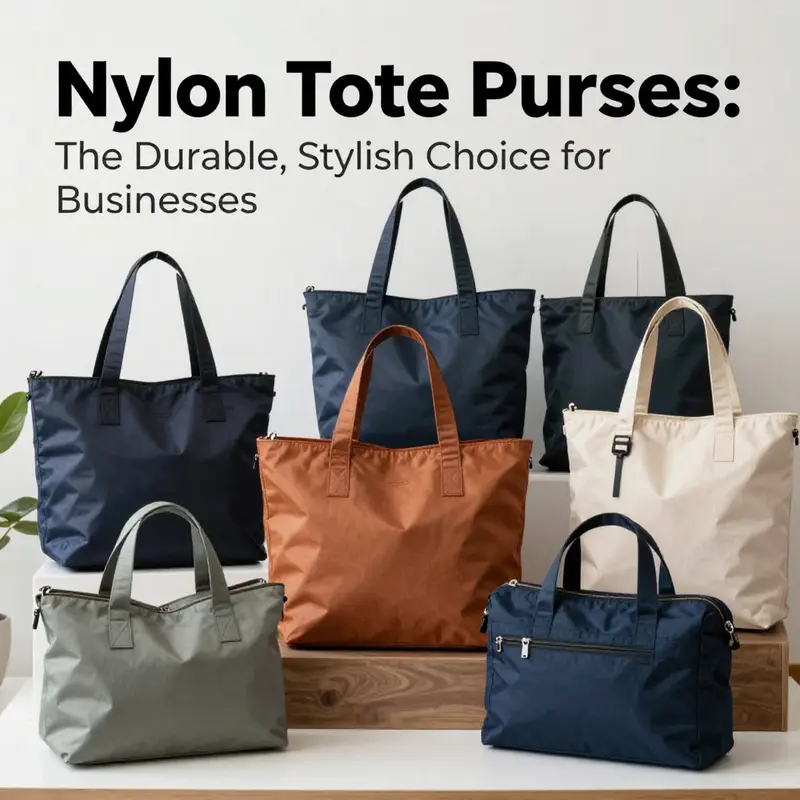
Nylon tote purses offer a compelling combination of durability, light weight, and versatility that makes them attractive for businesses aiming to improve both operations and customer experience. This guide explores their design advantages, environmental considerations, practical everyday uses, and the market dynamics driving demand. By understanding these facets, you can curate products that align with consumer values and reinforce your brand’s message.
Enduring Craft and Modern Style: The Durable Design of Nylon Tote Purses
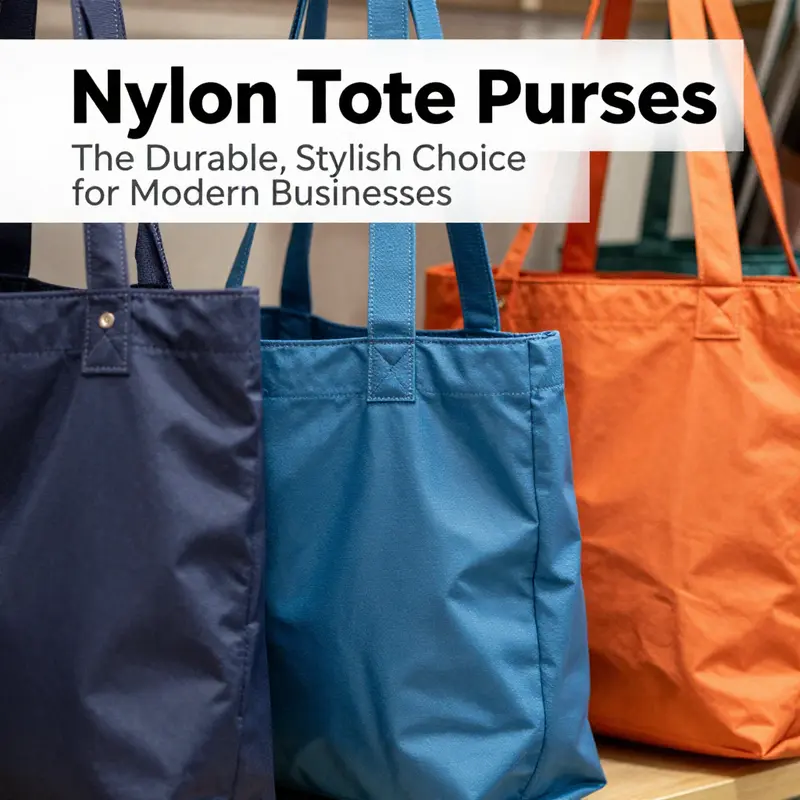
Nylon tote purses have evolved from utilitarian carry-alls into confident statements of everyday resilience and practical elegance. What makes them stand out is not just the material itself, but the way designers translate the intrinsic strength of nylon into forms that feel both lightweight and ready for anything a modern life can throw at them. In the years since nylon replaced woven cotton in many bags, a quiet revolution has occurred: durability is no longer a blunt metric of load-bearing capacity but a nuanced balance of fabric performance, construction precision, and thoughtful design details that keep the bag looking and functioning well through seasons of rain, heat, and the daily rhythm of travel between work, home, and spots in between. The result is a category of purses that can carry laptops, groceries, books, spare clothing, and everyday detritus without surrendering a sense of tact and polish. The story of nylon tote purses, then, is really a story about how materials science, craft, and style converge to produce a reliable companion for modern life.
Durability in nylon begins with the fabric itself, but it does not end there. The fabric denier—an index of thickness and weight—sets the baseline for how much daily punishment a bag can absorb before its appearance and structure begin to falter. In ordinary use, a bag woven from 420D to 600D nylon provides a favorable balance: it is light enough to feel almost weightless when carried empty, yet sturdy enough to resist the gnawing wear of abrasive surfaces, the snags that come from busy corners, and the occasional misjudged lift when a shoulder strap slips under a heavy load. For more demanding scenarios, some nylon varieties step up to ballistic-inspired deniers that reach into the 1050D to 1680D range. These are not the everyday option for everyone, but they show the design intent: create an edge of resilience that endures under heavy or uneven loads, such as when a tote must carry a laptop, thick textbooks, or a mix of groceries that includes glass bottles and canned goods. In practice, most daily-use totes strike a balance closer to 420D–600D because that range delivers real-world performance without adding unnecessary bulk or weight. The denier choice, then, is not a blunt signal of toughness but a carefully calibrated parameter that influences how a bag behaves when it is loaded, moved, squeezed, and left to rest on a subway seat or a café chair.
Beyond thickness, the weave itself matters. Ripstop nylon, with its characteristic grid reinforcement, offers a practical advantage: if a snag does occur, the tear is less likely to spider out across the surface. This is not merely a theoretical advantage; it translates into longer intervals between repairs and fewer visible scars on the fabric after months of use. The addition of advanced coatings—such as polyurethane or silicone finishes—further bolsters water resistance and helps tear strength without turning the fabric stiff. These treatments can make a significant difference when a bag rides through sudden showers or stands up to coffee spills that would otherwise leave a stubborn stain and an unhappy user. Taken together, the fabric specification and surface treatments provide a foundation that lets the bag retain its shape, resist moisture, and maintain its texture and color as it journeys through different weather and daily tasks.
But fabric alone does not ensure durability. The way a bag is sewn and assembled matters just as much. Construction quality is the invisible spine of long-lasting tote design. Double or triple-stitched seams at stress points—especially around the top opening, along the handles, and at corner joints—are not vanity; they prevent seam blowouts that would render a bag useless after a few heavy lifts. Bar-tacked straps are a small detail that makes a big difference in real-world wear: they help distribute weight forces along the strap’s attachment rather than concentrating them at a single point. Reinforced metal hardware—grommets, buckles, zipper stops—adds durability where fabric alone would eventually fray. When a bag includes zipper hardware integrated into an internal or external pocket, the zipper itself becomes a stress point; robust construction around zipper tracks and pull tabs can determine whether the bag remains serviceable after repeated opening and closing under load.
In the field, the value of craftsmanship is often most visible in the quiet, almost invisible choices that support longevity. As the dialogue between fabric and form evolves, expert voices emphasize the importance of material quality combined with precise manufacturing. Textile engineers remind designers that a well-constructed 420D bag can outlast a poorly made 1000D variant if the seams, stitching, and edge finishes are executed with discipline and care. That sentiment—craftsmanship paired with material grade—anchors the practical claim: durability is not a single metric but a performance profile built through multiple, coordinated decisions. The result is a nylon tote purse that can endure rain, coffee spills, mud, and repeated movements from commute to afternoon errands, all while maintaining its structure and presenting a tidy silhouette.
From the design perspective, nylon tote purses are more than utilitarian workhorses; they reflect a philosophy that favors both substance and style. The modern bag balances minimalism with function, offering sleek silhouettes that slip into a professional setting yet still accommodate everyday needs. Clean lines and restrained hardware speak to office environments, while more adventurous prints and color palettes invite weekend escape and beach days. The material’s inherent luster—often a smooth, slightly glossy finish that resists scuffing—reads as contemporary and fresh across seasons. The design language of these totes has evolved to include thoughtful interior layouts: slip pockets for a phone and keys, padded sleeves for laptops, and compact compartments that secure small items. Such features are not superfluous accessories; they are practical responses to the way people actually use bags day in and day out.
An important practical feature that often informs how users interact with nylon totes is their foldable nature. Many models are designed to collapse into a compact form when empty, allowing for effortless storage in another bag, a desk drawer, or a travel tote. Foldability is not simply about convenience; it is a conscious decision to reduce clutter and support sustainable habits. In places where space is at a premium—city apartments, commuter trains, or campus dorm rooms—a bag that folds neatly away becomes a more likely everyday companion. In addition to compact storage, the quick-dry quality of nylon makes maintenance straightforward. Spills can be wiped away, damp items can be left to air out without the fear of lingering dampness seeping into the fabric, and the bag dries faster than many natural fiber alternatives. This complements the lifestyle of people who move rapidly from one environment to another, whose bags must shed moisture quickly after a rainstorm or a splash at the shoreline.
Durability and design converge most effectively when a bag offers practical features without compromising comfort. For instance, the handle design plays a crucial role in how a tote behaves under load. Wider, slightly padded straps distribute weight more evenly across the shoulder, reducing fatigue during longer carries. The strap attachment points, often reinforced with bar-tacks or extra stitching, resist the strain of daily use. Where a bag might normally waver under a heavy load, reinforced seams and robust hardware help it maintain its shape and silhouette. In this sense, durability is not merely about resisting tears; it is about preserving the overall user experience—the way the bag feels in the hand, the way it sits against the body, and the sense of security that comes from knowing it won’t give way when the contents shift or when the bag is set down on a crowded bus.
Of course, every durable object has tradeoffs. In nylon tote purses, two practical considerations often surface. First, exposure to sunlight over long periods can cause some colors to fade gradually. The pigment stability of the fabric matters, and many bags rely on UV-resistant coatings or pigments to slow this process, but sustained exposure is still a factor. Second, while nylon is naturally water resistant, it is not a fully coated solution. In certain high-water or high-splash environments, the outer surface may still show some moisture penetration over time, particularly if the fabric’s surface finishes wear from abrasion. These are not fatal flaws, but they are reminders that even the most resilient materials require mindful care. Regular cleaning, avoiding persistent dampness, and storing bags away from direct sun when not in use can extend the life and beauty of a nylon tote.
Beyond the craft and the science, there is a broader context to durable nylon tote purses that is worth acknowledging: the lifecycle footprint. Nylon requires energy to produce and, in its manufacturing, releases nitrous oxide, a potent greenhouse gas. This reality means that the environmental calculus for a nylon tote must consider not only the bag’s long service life but also the broader impact of its production. Yet the logic of reuse—keeping a bag in circulation for years, rather than discarding after a season or two—remains compelling. A well-made nylon tote that endures can reduce waste and replace multiple shorter-lived bags over time. For consumers, the takeaway is a balanced approach: seek high craftsmanship, favor versatile designs that stay in use across seasons, and pair durability with responsible care to maximize the bag’s overall lifecycle benefits.
In practical terms, designers continue to refine both form and function by threading features that align with real-world needs. Internal organization remains a priority, with pockets and secure compartments designed to keep items accessible yet contained. The trend toward lightweight, foldable, and water-resistant nylon has opened up possibilities for bags that double as travel companions or daily work totes without carrying excess weight. Rather than being a single-purpose object, a well-made nylon tote can be a modular element of a wardrobe: a dependable shell that supports productivity during the week and adapts to leisure pursuits on weekends. And as the design vocabulary evolves, the line between performance gear and everyday purse blurs—yet the core promise endures: a nylon tote purse that is built to last, with stitching that holds under strain, material that resists moisture, and a design that remains relevant across seasons.
For readers who want to explore related features, many designers and retailers emphasize practical options such as internal zipper compartments that secure small items with quick access. If you are curious about how these zipper features are implemented in contemporary tote lines, you can explore further with the internal link to a focused discussion on zipper-equipped designs: tote-bags-with-zippers. This resource highlights how a simple addition—an interior zipper pocket—can dramatically improve organization and security without compromising the bag’s silhouette or weight. The integration of such features demonstrates how durability and design can cohere around daily needs, turning a reliable bag into a trusted partner through years of use.
From a consumer perspective, the practical takeaway is straightforward: when evaluating a nylon tote purse for durability and design, look for a thoughtful combination of material grade, construction quality, and adaptable design features. Check the fabric density and weaving pattern, verify reinforced stitching at key stress points, and examine how hardware and closures are anchored. Consider whether the bag offers a balanced mix of exterior protection and interior organization, and assess whether its foldable or compressible traits align with your storage realities. If you are active in environments where weather and movement are unpredictable, prioritize water resistance and quick-dry capabilities, along with a silhouette that can fluidly transition from commuter routes to weekend adventures. In other words, durability is not merely about surviving a rough day; it is about sustaining a reliable, adaptable, and stylish companion that fits the tempo of contemporary life.
In sum, nylon tote purses encapsulate a philosophy of practical luxury: the idea that everyday objects can be resilient, elegant, and easy to live with. They deliver meaningful performance through a synergy of fabric science, meticulous construction, and design that respects both form and function. The best versions are not loud statements but quiet allies—bags that hold up under pressure, dry quickly after a spill, and maintain their shape and color across seasons. They invite a straightforward trust: reach for them when you need a dependable carrier, and you will be rewarded with consistency, comfort, and a sense of preparedness for whatever the day asks of you. For readers who want additional expert insights on durable nylon tote bags, a comprehensive external reference provides a deeper dive into the factors that shape high-quality nylon totes and how to evaluate them in real-world use: https://www.thestraategist.com/2026/01/durable-high-quality-nylon-tote-bags
Carrying Responsibility: The Environmental Realities of Nylon Tote Purses
Every day, millions of nylon tote purses accompany people from commutes to markets, bearing groceries, laptops, and a pocket full of daily needs. Their reputation rests on light weight, durability, and water resistance, but the environmental story behind that practicality is nuanced. To understand the true footprint of a nylon tote purse, we must trace its lifecycle from cradle to cradle: the footprint of production, the benefits of longevity, the potential gains of recycled inputs, and the end-of-life pathways that determine how much waste is ultimately saved from a landfill. In this lifecycle, context matters as much as material choice. A tote that lasts several years and is often reused can outperform many disposable alternatives, but the starting costs of nylon production and its eventual disposal highly depend on how the bag is made and how its end of life is managed.
The production footprint sets the tone for nylon’s environmental narrative. Nylon is a synthetic polymer formed from fossil fuels through energy-intensive chemical processes. This synthesis consumes substantial energy and releases greenhouse gases. Among the emissions, nitrous oxide stands out as a potent greenhouse gas—nearly 300 times more impactful than carbon dioxide over a century—adding a weighty climate consideration to any assessment of nylon’s environmental performance. This initial cost is not a mere footnote; it establishes nylon tote purses as products with a higher upfront environmental price relative to some other materials. The magnitude of this cost is influenced by the specifics of the production chain, including energy sources and process efficiencies. In short, the environmental punch of virgin nylon begins long before the bag ever leaves a warehouse or a storefront.
Yet production is only part of the story. The most compelling environmental argument for nylon tote purses appears when we consider how long they last. High-denier nylon—think constructions 400D and above—offers remarkable durability. These fabrics resist tearing, abrasion, and moisture, and they maintain their shape and strength even when carriers are loaded with heavy or awkward items. When a nylon tote is well made, with reinforced stitching at stress points such as handles and seams, it can function effectively for five years or more with routine use. That longevity translates into a substantial reduction in the need for frequent replacements and, by extension, a reduction in the consumption of countless single-use bags that would otherwise fill landfills or linger as litter.
The contrast between high production costs and long lifespans is where nylon often demonstrates its most meaningful environmental advantage. The long lifespan turns a relatively carbon-intensive material into a potentially favorable option when viewed through a lifetime lens. The key idea is not to chase the lowest possible upfront footprint, but to maximize the bag’s usable life. When a nylon tote is trusted with regular use—whether for commuting, shopping, or travel—it can replace hundreds of disposable alternatives over the years. The result is a net environmental benefit that accrues over time, provided the bag is cared for and repaired rather than discarded at the first sign of wear.
A central question then becomes whether recycled nylon can further tilt the balance toward sustainability. Recycled nylon, often sourced from post-consumer or post-industrial streams such as discarded fishing nets or textile waste, can dramatically reduce the reliance on virgin fossil fuels. By reusing existing polymers, recycled nylon lowers the demand for new chemical synthesis and cuts associated energy use and emissions. The environmental story becomes even more favorable when recycled nylon is employed in production. A growing body of analyses notes that using recycled inputs can substantially shrink the overall footprint of nylon products, particularly when paired with robust design and long-lasting performance. The more a recycled nylon tote is used and the longer it remains in circulation, the more the embedded impacts of recycling are spread across its extended life.
The conversation around recycled inputs does not end with nylon alone. When comparing materials, the broader landscape of recycled content remains relevant. For instance, recycled polyester—often derived from used bottles and other plastics—generally has a lower production footprint than virgin nylon. This does not render nylon obsolete; rather, it highlights that choosing recycled content, regardless of material family, can be a meaningful lever for reducing emissions. The same principle applies to recycled nylon, which, by decreasing the need for virgin fossil fuels, helps close the loop in a textile economy that can otherwise generate significant waste. The takeaway is nuanced: recycled input materials are a powerful step toward sustainability, but the ultimate environmental impact hinges on how the bag is used, how long it lasts, and how, where, and whether it is finally recycled or repurposed. If a bag made with recycled nylon is used for many years and properly disposed of at the end of its life, its environmental advantage can be substantial relative to disposable plastics or poorly suited, short-lived alternatives.
End-of-life considerations provide additional texture to nylon’s environmental profile. Nylon, like many plastics, is not biodegradable in any practical sense, which means responsible end-of-life management becomes a crucial factor in conservation. Where facilities exist for recycling or repurposing nylon, these pathways can close the loop and prevent the material from ending up in a landfill. The potential for recycling nylon depends on regional recycling infrastructure, availability of specialized processing, and the economic viability of reclaiming the material in new forms. In regions where recycling options are still developing, a durable nylon tote may instead be used as a long-lived item, repaired if necessary, or repurposed for different uses, thereby extending its useful life and delaying disposal. The overall environmental impact, then, is a function of a system as much as of a material choice: the systems that collect, sort, recycle, and give new life to nylon play a decisive role in determining whether the tote’s lifecycle is gentle on the planet or merely a temporary convenience.
Careful design and use further influence the environmental calculus. A well-constructed bag with reinforced seams, durable hardware, and secure closures reduces the risk of premature failure. When a tote is designed to resist the wear and tear that accompany daily use, it is less likely to be discarded after a minor mishap. Simple maintenance steps—such as cleaning with mild soap, air drying away from direct heat, and avoiding prolonged exposure to harsh chemicals—can preserve fabric integrity and color, ensuring the bag remains functional and attractive for years. Consumers can also optimize environmental outcomes by selecting bags that emphasize recycled inputs or higher durability, thereby shifting the balance away from short-lived products toward durable, repairable, and recyclable designs. The lifecycle emphasis shifts from a single decision to a series of mindful choices across use, care, and end-of-life planning.
To connect practical usage with environmental outcomes, consider the way nylon totes handle varying weather and loads. Their moisture resistance helps maintain structural integrity when transporting damp items or traveling through rainy commutes, reducing the need for additional protective packaging. This built-in resilience means the tote can guard contents in transit with less reliance on disposable wraps or liners, further dampening the environmental impact of daily errands. Yet another layer of complexity emerges when weight-bearing is discussed. Heavy or uneven loads, common in groceries and travel, test a bag’s construction. The best nylon totes distribute weight through wide, reinforced handles and sturdy seams, minimizing the risk of failure and extending service life. In such ways, the environmental benefits of durable design intersect with real-world usage patterns to produce outcomes that are not solely about material selection but about how human behavior aligns with product design.
The chapter’s core message returns to the idea that no single factor can declare nylon tote purses universally sustainable or unsustainable. The environmental footprint of a nylon tote purse is a product of its production method, its durability and usage, and the possibilities available at end-of-life. When a bag is sourced with recycled nylon, used for many years, and retired through appropriate recycling channels, its lifecycle can be significantly gentler on the environment than many disposable or short-lived alternatives. On the other hand, virgin nylon’s footprint remains substantial at the outset, and the benefits of its longevity are maximized only if the bag becomes a staple in daily routines rather than a seasonal or one-off purchase. The nuanced truth lies in making choices that optimize longevity, favor recycled inputs where feasible, and engage with end-of-life solutions that prevent nylon from becoming waste. This approach reframes the nylon tote from a simple accessory into a deliberate environmental choice that mirrors broader shifts in consumer behavior and supply chain responsibility.
For readers exploring the practical implications of these considerations, there is value in looking beyond the surface of a bag’s features to the systems that shape its life. Shopping for a nylon tote purse with an eye toward sustainability means weighing how the fabric is sourced, how long the bag can reasonably be expected to last, and what happens to it at the end of its useful life. It also means recognizing that the environmental impact is not static; it evolves with the supply chain, the availability of recycled inputs, and the infrastructure that supports recycling and reuse. In this sense, nylon tote purses become case studies in how modern materials can participate in a more circular economy when designers, manufacturers, and consumers collaborate to keep products in use longer and out of the waste stream. For readers who want to explore related ideas about durability and material choices, the broader conversation around tote design and materials is a helpful companion on the path toward more sustainable everyday objects. To learn more about practical considerations that intersect with durability and closure systems, you can explore related discussions on tote bag features like zipper closures, which influence both usability and longevity. tote bags with zippers offers guidance on how secure closures contribute to protecting contents during daily use.
In sum, the environmental impact of nylon tote purses is not a simple ledger of pros and cons. It is a dynamic narrative that depends on where the nylon comes from, how long the bag lasts, and how it is finally handled. When designed for durability and made with recycled inputs, nylon totes can play a constructive role in reducing disposable waste and the demand for virgin plastics. The bigger picture reveals a continuum: responsible production, intentional use, and thoughtful end-of-life management together determine whether a nylon tote purse becomes a small but meaningful act of sustainability or merely another short-lived item in a disposable culture. As we weigh these factors, the choice to embrace recycled content and to extend the bag’s life emerges as a practical and impactful step toward greener everyday carry.
External resources can provide broader context about material trade-offs and lifecycle assessments. For those seeking deeper technical analyses, the discussion of nylon versus recycled polyester offers valuable perspectives on how recycled inputs influence environmental footprints. See the external resource for a broader materials perspective: https://www.sustainablematerials.org/nylon-vs-recycled-polyester
Everyday Versatility in Nylon Tote Purses: Practicality Woven into Style
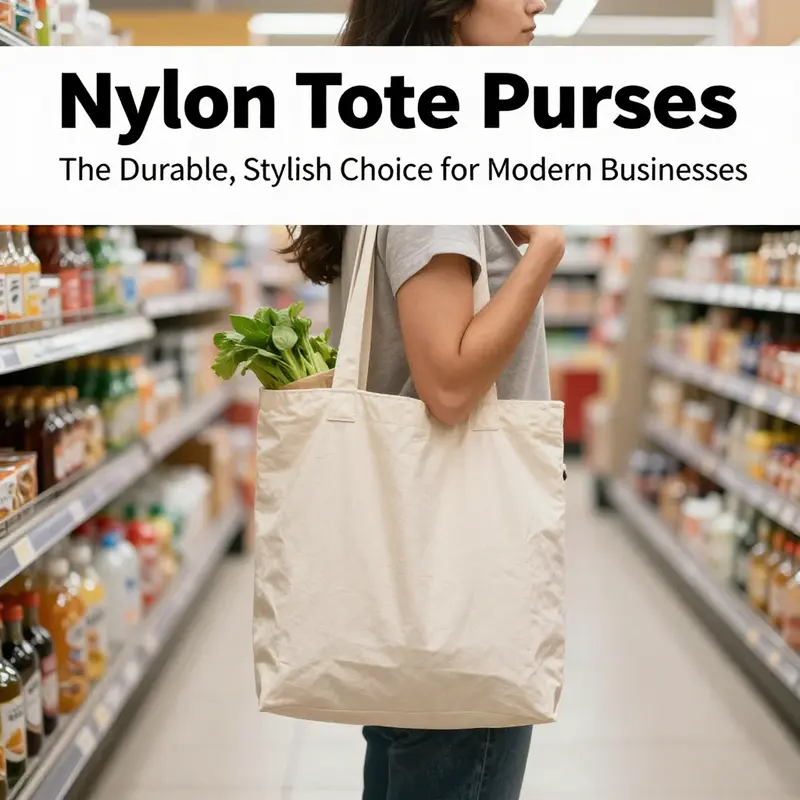
A nylon tote purse is more than a simple container for belongings. It is a portable system designed to meet the unpredictable rhythms of modern life. The material itself carries a history of durability, born in fields where strength, lightness, and reliability mattered most. Nylon, engineered for parachutes and rugged gear, translates those performance traits into a form that’s approachable for everyday use. The fabric’s inherent tensile strength, abrasion resistance, and low weight make it a natural ally for anyone who wants to carry more without feeling encumbered. When you pair nylon with ripstop or ballistic textures, the result is a tote that resists tears even under uneven loads, such as a grocery run that includes a few glass bottles or a weekend bag stuffed with compact travel essentials. In practice, this combination of resilience and lightness opens up a wide range of daily scenarios where a bag can do more than merely hold items; it can protect, organize, and adapt on the fly.
One of the most compelling advantages of nylon over other fabrics is moisture management. Cotton canvas can become heavy and slower to dry when damp or chilled items are inside. Nylon’s moisture resistance helps maintain the tote’s integrity during rainy commutes or when carrying chilled foods. This is not just a technical footnote. It translates into real-world confidence: you can stash a bottle of water, a container of dairy, or a snack without worrying about water seeping into the bottom or warping the fabric. The result is a bag that stays comfortable to carry and easy to clean after a spill, rather than turning into a soggy burden after a single rainy spell. Design engineers have also reinforced stress points—handles and seams—because those areas bear the brunt of daily use. Some premium models are built to support substantial loads, with careful seam work and durable thread that resist fraying, ensuring the tote still looks and works well after months of regular use.
In the broader family of nylon totes, there are variants crafted for different priorities. Ripstop fabrics weave in a reinforcing pattern that helps stop small tears from spreading, while ballistic nylon offers denser weave for additional abrasion resistance. These properties matter when the bag is pressed into service as a workhorse on busy days, as a travel companion on weekend trips, or as an eco-conscious alternative to disposable bags. The practical implication is simple: you can rely on a nylon tote to carry more items, more comfortably, for a longer period. The trade-off is typically a modest price premium, balanced by the bag’s longevity and the reduced need for single-use plastics. The result is a practical investment in daily life that respects both convenience and responsibility.
The design language of nylon totes often centers on utility with a dash of style. A common feature is reinforced stitching at the points where wear is most likely to occur—where the handles meet the body of the bag, and along seams that must sustain frequent opening and closing. This attention to detail helps the bag resist stretching and tearing, preserving its silhouette and function after repeated use. Yet, even within this utilitarian framework, there is room for fashion-conscious choices. The sleek sheen of nylon pairs well with both casual and professional attire, and color options or subtle textures can elevate a tote from a mere utility tool to a personal style statement. In essence, nylon tote purses are not just about carrying capacity; they are about carrying that capacity with poise and practicality, day in and day out.
For those who value organization as part of daily life, many nylon totes incorporate thoughtful interior and exterior features. Zip closures, multiple pockets, and compartmental dividers help users separate items by purpose—electronics, documents, water bottles, or personal care items—so nothing gets jumbled during a commute or a layover. A bag with a zippered top also adds a layer of security, preserving a sense of order when the world around us is fast and busy. If you like options that grow with your needs, you might explore models that offer thermal-lined sections or insulated pockets for keeping beverages at a stable temperature during transit. Such features expand the tote’s role from simply carrying belongings to actively supporting the preservation of food and drink on the move. For readers who want to see a representative design that emphasizes closures and pockets, there is a practical example worth examining: tote bags with zippers offer a clear blueprint of how a nylon tote can blend security with accessibility, accessibility with protection. For a quick reference to designs that emphasize this feature, explore tote-bags-with-zippers.
The everyday utility of nylon totes becomes most evident when we imagine the fabric in the contexts we already inhabit. In grocery runs, a heavy-duty nylon tote balances heft and ease. The material remains lighter than many alternatives, yet its strength is clear when weighed down by items like canned goods or bottles. Spills occur from time to time in a kitchen or a storefront, but nylon cleans up with minimal effort—one wipe or a quick rinse and the bag is ready for the next errand. The ability to wipe clean, rather than wash a bulky canvas bag or deal with milk stains in cloth fibers, makes nylon an attractive option for busy households. This practical cleanliness also reinforces sustainability. By replacing disposable bags with a reusable nylon tote, households reduce waste, and the bag’s durability compounds that benefit over time. Of course, this sustainability argument sits alongside the broader reality that production of nylon is energy-intensive, and so thoughtful consumption remains essential. The lifecycle of any fabric is a balance of trade-offs, and responsible use helps tilt that balance toward a more sustainable outcome.
When you travel, the nylon tote extends its usefulness beyond the ordinary. It can function as a daypack, a compact carry-on organizer, or even a lightweight, carry-on-friendly travel companion. The presence of interior and exterior pockets becomes a crucial advantage: you can separate boarding passes, passports, chargers, and toiletries in a dedicated pocket so you don’t have to rummage through the bag at security checks or while navigating a train station. For weekend getaways or business trips, the possibility of zip closures and secure compartments offers peace of mind in crowded spaces. Some models even incorporate thermal-lined sections that help maintain the temperature of food or beverages during transit, which is a thoughtful touch for travelers who prefer to bring prepared meals or snacks. The idea is not to complicate the bag but to add flexible organization that makes travel less stressful and more efficient. In this sense, the nylon tote becomes a compact, organized command center rather than a mere container.
Urban living amplifies the practical design of nylon totes. Commuters, students, and professionals all benefit from a bag that can withstand daily wear and still look polished. The light weight of nylon reduces shoulder strain, while the fabric’s resilience means the bag will survive countless trips on buses, subways, and sidewalks without heavy sag. The aesthetic of nylon—sleek, modern, and often glossy—pairs well with contemporary wardrobes, turning a functional accessory into a versatile component of daily style. For those who want an eco-conscious edge, some designs emphasize recycled nylon, offering a sustainable alternative without compromising durability or appearance. The result is a tote that fits seamlessly into an urban routine, complements outfits, and serves as a reliable, long-term companion for a life that moves quickly and often requires multitasking. In this vein, nylon tote purses can become the backbone of a practical wardrobe—an accessory that aligns with a busy schedule while signaling a commitment to efficiency and taste.
Beyond purpose and appearance, there is a quiet but powerful advantage in foldable or compact nylon totes. When not in use, they can be collapsed into a small footprint, turning an everyday bag into a spare option that travels in a tote or backpack until needed. This foldability is particularly valuable for spontaneous purchases, weekend trips, or emergencies that require extra capacity without demanding a second large bag. The compact form is a reminder that practicality does not demand a sacrifice in elegance. The best nylon totes balance both worlds: robust construction that can carry heavy loads and a design that remains refined as the day evolves from errands to meetings to meals with friends.
Choosing a nylon tote purse for daily life is about balancing needs with preferences. Consider your typical loads: groceries, a laptop, gym gear, or a few personal items for a commute. Look for reinforced handles and durable seams that won’t give way under pressure. Evaluate how easy it is to clean and dry after a spill or a rain shower. Think about closure types and pockets that keep essentials accessible yet secure during a busy day. If organization is central to your routine, a model with multiple compartments and a thoughtful layout can make a surprising difference in how smoothly daily tasks unfold. If security matters, a zipper closure and a few anti-theft features might be worth prioritizing. Whether you lean toward a sleek, minimalist look or a more textured, sporty vibe, nylon totes offer a spectrum of options that can adapt to almost any lifestyle without demanding a separate bag for every scenario.
The practical appeal of nylon tote purses rests not on one single attribute but on the way several benefits cohere in real life. Lightweight but strong, water-resistant yet easy to wipe clean, simple to store yet capable of generous capacity, and fashionable enough to complement a broad range of outfits. This convergence of qualities supports a habit of mindful, efficient carrying: you can consolidate multiple tasks into one reliable carrier rather than juggling several bags. That efficiency matters when schedules are tight, when weather is unsettled, or when travel plans shift at the last minute. In such moments, a nylon tote is less a fashion statement and more a practical ally, ready to adapt to the day’s demands while preserving dignity and order in the process.
To summarize, nylon tote purses offer a compelling blend of performance and style for everyday life. They embody a philosophy of carrying more with less effort, of being prepared without appearing overburdened, and of choosing a bag that can evolve with a person’s changing routines. The practical advantages—the heavy-duty yet light frame, the moisture resistance, the reinforced construction, and the nuanced design features—all contribute to a product that can genuinely improve daily efficiency. Coupled with responsible use and mindful purchasing, nylon totes can reduce waste and support a more organized, less cluttered life. The real value lies not just in what a bag can hold, but in how well it supports the flow of daily activities, from a quick grocery run to a longer journey, from a commute to a weekend getaway.
For readers who want to see how closure systems and pocket configurations translate into everyday usability, consider exploring designs that emphasize secure, accessible compartments. A practical point of reference is the subset of models that prioritize zipper closures and organized interiors. Such features are more than conveniences; they are tools that help people keep essential items secure and easy to locate in the midst of a busy day. By prioritizing these details, buyers can choose a nylon tote that not only looks good but genuinely improves daily routines. In this way, nylon tote purses become more than bags; they become companions that align with a lifestyle marked by efficiency, flexibility, and a refined sense of practicality.
External perspective on the broader trend can provide context to how a material choice fits into consumer values. For a broader view on the eco-friendly nylon tote bag trend, see this report: https://www.reuters.com/business/retail/eco-friendly-nylon-tote-bags-gain-popularity-among-consumers-2025-11-24/.
Durable by Design: How Nylon Tote Purses Weave Mobility, Sustainability, and Style into the Modern Wardrobe
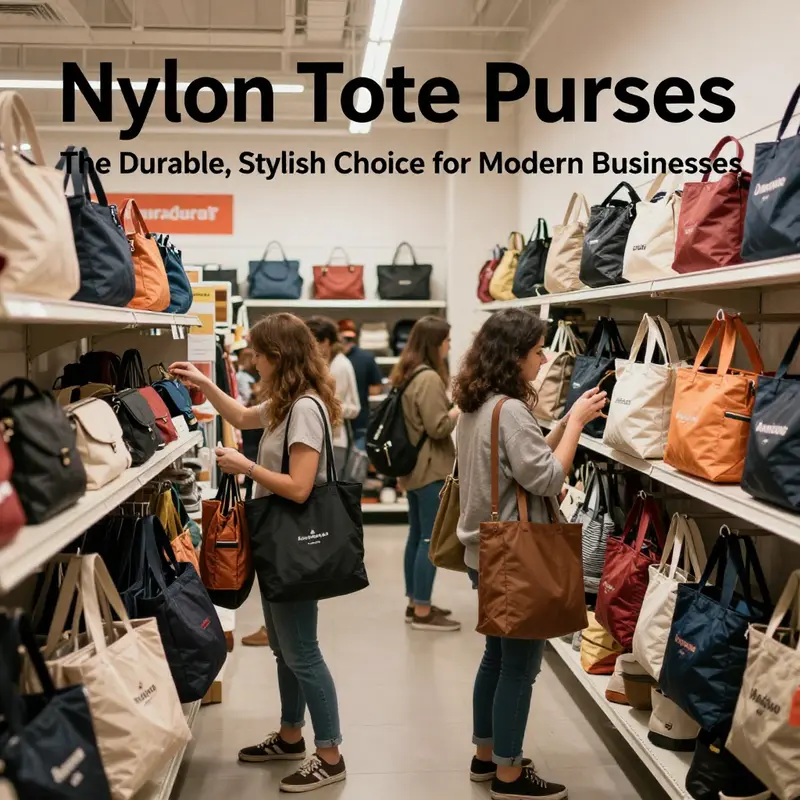
A nylon tote purse has emerged as more than a practical carrier; it has become a symbol of how modern fashion negotiates two steady pressures at once: the demand for lightweight, durable everyday carry and the growing insistence that what we carry should reflect conscious choices about the planet. The market for nylon tote purses is expanding not simply because these bags can shrug off abrasion or resist water, but because they align with a wider shift in consumer values and routines. People are looking for accessories that can keep pace with busy days—commuting to work, accompanying weekend getaways, doubling as a reliable shopping companion, and fitting neatly into the spontaneity of travel—without forcing them to choose between performance and polish. In this sense, nylon is not merely a material; it is a signal that resilience and flexibility can coexist with style and sustainability. The appeal rests on a triad of qualities that today’s shoppers increasingly expect: strength without bulk, dryness without drama, and a look that stays relevant across different settings, from office corridors to weekend markets. The practical benefits are well documented in the fabric’s lineage. Nylon’s development for parachutes and military gear established a baseline for high tensile strength and remarkable abrasion resistance. Modern iterations, including ripstop and ballistic variants, push that resilience further, allowing bags to carry heavy loads with minimal risk of tearing or deformation. When a person buys a nylon tote, they are choosing a companion that can handle everything from a laptop and gym gear to a week’s groceries, all while maintaining form and ease of carry. Yet the appeal is more nuanced than raw durability alone. Nylon’s moisture resistance stands out, especially when the bag meets damp weather or is used to transport chilled items. Unlike natural fabrics that can soak up moisture and become sluggish or heavy, nylon maintains its structure, which translates into predictable performance in daily life—whether navigating a rainy commute, a humid urban street, or a weekend farmers market where perishables rely on reliable containment. This combination of water resistance and load-bearing stability feeds directly into consumer expectations for versatile, go-anywhere accessories. It is a large part of why foldable nylon tote designs have gained traction in both retail and professional environments. The foldable concept solves a common friction point: storage. A bag that compacts into a pouch or a small footprint when not needed becomes an asset to urban dwellers who rotate between modes of transport, or to travelers who must reconcile limited overhead space with the need for secure packing. Yet when demand for compactness meets the reality of everyday use, what customers want most is a large-capacity option with robust closure mechanisms and reinforced stress points. The reliable zip closure has become a hallmark for a certain class of nylon totes, offering security and simple operation that suits the go-go pace of modern life. In practical terms, the robust stitching and reinforced handles you find in quality nylon totes are not mere design flourishes. They are calibrated responses to usage patterns that include frequent loading, uneven weight distribution, and repeated handling. A tote that promises up to substantial weight capacity but fails under stress defeats the purpose of a convenient, all-purpose carryall. The consumer’s everyday calculus is clear: how much does this bag weigh, how much can it carry, and how easy is it to clean and maintain? Nylon checks all three boxes with a quiet confidence. It dries quickly, resists staining, and, for many users, tolerates repeated machine washing or hand cleaning without losing shape or color. The ease of maintenance matters as much as the initial feel of the bag. A bag that remains fresh with minimal effort becomes a reliable presence in someone’s routine rather than a temporary accessory. Against this foundation of performance, style enters as a decisive, distinguishing factor. Nylon totes now come in an array of colors, textures, and silhouettes that are appropriate for office settings, casual weekends, and social occasions. The look has evolved to convey a sense of practical elegance rather than sportiness alone. The color palette, the texture of the fabric weave, and the hardware choices work together to create a bag that reads as contemporary and polished whether slung over a shoulder during a train ride or carried as a statement piece in a meeting room. In this regard, nylon tote purses are not merely utilitarian; they are designed to participate in personal identity. The growing emphasis on sustainability has further shaped what buyers expect from a nylon bag. There is a broad market movement toward recycled nylon and other eco-conscious materials that do not compromise the bag’s integrity. Recycled content reduces the lifecycle impact and aligns with consumer interest in items that can be used repeatedly, repaired if needed, and eventually repurposed rather than discarded. While no material is without its environmental considerations—the production of nylon involves energy-intensive processes and, in some formulations, nitrous oxide emissions, a potent greenhouse gas—the trade-off is often framed by longevity and reusability. A well-made nylon tote can serve for years, reducing the frequency of disposal and replacement that accompanies cheaper, throwaway alternatives. The math of sustainability here is not simply about the material; it is about lifecycle behavior. A durable tote that lasts longer and withstands daily wear can dramatically lower per-use environmental impact when compared to single-use plastics or more fragile bags. That is why brands are increasingly transparent about materials sourcing, recyclability options at the end of life, and the overall environmental narrative of their products. The market signals that guide these decisions are echoed across reputable market analyses. A 2026 LinkedIn report on the Nylon Pre-Opened Bags Market points to a surge in lightweight, durable packaging solutions and an accompanying shift in consumer demand for stylish yet practical carrier solutions. The logic is straightforward: if packaging must perform under travel, shipping, or daily commuting, then the same attributes translate well into fashion accessories that blur the line between utility and personal expression. This perspective is complemented by a 2025 Alibaba.com overview of the purse market, which emphasizes innovation and eco-conscious materials, including recycled fabrics and vegan leathers, as a core driver of contemporary design. The synthesis of these insights is evident in the broader Tote Bags Market Outlook for 2026–2034, which highlights a global preference for durable, reusable options that replace plastic with higher-performing materials that do not force a compromise between aesthetics and function. In practice, these macro trends reinforce a consumer segment that seeks no-sacrifice solutions: bags that are ready for a commute, a day of errands, or a spontaneous trip, yet that also align with a responsible, forward-looking mindset. The consumer base at the heart of this growth is diverse, spanning Gen Z and Millennial buyers who prize purpose-driven, statement-making accessories. The appeal lies not merely in a bag’s capacity or weather compatibility, but in its ability to convey reliability and values through design. A nylon tote that feels modern, neat, and composed—while remaining resilient and easy to maintain—functions as a wearable tool kit for contemporary life. The shopping journey for these buyers often begins with a reputation for quality and ends with a confidence that the bag will adapt with them across seasons and life changes. Color, texture, and silhouette become signals of personal taste rather than mere fashion statements; they express how a person wants to be perceived in a given moment, while the bag’s practical features quietly confirm the wearer’s preference for efficiency and clarity. The retail environment has adapted accordingly. Brands present nylon totes as versatile work companions, travel-ready carryalls, and everyday shopping partners. The messaging emphasizes hands-free mobility, ample organization through interior pockets, and the sense that the bag can be the one constant in a fluctuating daily rhythm. The design language is increasingly cohesive: a single bag can transition from a formal setting to a casual one with the right colorway and detailing, a testament to the material’s versatility. In this light, the value proposition for nylon tote purses becomes less about a single use and more about a reliable ecosystem of features that support a lifestyle. Where once a bag might have been judged on a handful of attributes, today’s shoppers expect a holistic experience—durability, weather resistance, ease of cleaning, capacity, security through closures, and a style that communicates a modern sensibility. It is not unusual to see consumers gravitating toward larger, structured totes with zipper closures for security and organization, while keeping an eye on compact, foldable designs for travel and spontaneous needs. The category benefits from thoughtful engineering that emphasizes reinforced stitching at stress points, robust handle construction, and interior layouts that maximize accessibility without overt bulk. Such details are not cosmetic afterthoughts; they are practical enhancements that extend the bag’s life and enhance user satisfaction. The ultimate picture emerging from these trends is one of a market that rewards thoughtful design, transparent material choices, and functional elegance. Nylon tote purses do not promise perfection in every context, but they deliver a practical, stylish, and resilient solution that can adapt to the evolving choreography of modern life. The consumer’s decision to purchase is often guided by a blend of rational assessment—weight, capacity, closure security, ease of cleaning—and emotional alignment with the brand’s values and aesthetic. As sustainability continues to mature as a category signal, nylon bags that incorporate recycled or responsibly sourced content become more than just accessories; they become expressions of a lifestyle choice. This is not mere marketing rhetoric but a reflection of how people want to live: less waste, more mobility, and a product that ages gracefully rather than becoming obsolete after a single season. The landscape is nuanced, and the market insights are evolving in real time. Yet one thread remains clear: the nylon tote purse is increasingly viewed as a dependable, stylish, and ethical companion that travels with the wearer through all seasons and all kinds of ventures. For those crafting or curating collections, the path forward lies in combining durability with intelligent design, transparency about materials, and a tone of accessibility that invites a broad audience to embrace a bag that is as much about performance as it is about personal expression. The dialogue between consumer expectations and material possibilities continues to shape what a tote can be. It is not simply a consumer good but a portable embodiment of a balanced lifestyle—one that respects the pace of modern life while honoring a responsibility to resources and the environments we share. In this light, the nylon tote purse stands as a practical emblem of how fashion can evolve in sync with mobility, sustainability, and style, proving that the best daily carry can be both rugged and refined. For readers seeking to explore this trajectory further, a closer look at industry discourse reveals why nylon is anchoring a generation of bags that aim to last, adapt, and remain relevant in a world where convenience, conscience, and craft converge. Internal links can enhance this exploration by connecting readers to related discussions on zipper closures and bag organization, guiding them toward understanding how thoughtful feature sets elevate everyday use. For instance, a deeper look at options featuring secure closures and well-structured interiors can be found in discussions about zipper-equipped tote designs, which underscore how a simple design detail can dramatically improve user experience and longevity. The bigger picture is that nylon tote purses are not a passing trend; they are a durable answer to a modern lifestyle, a material story that matches a culture increasingly oriented toward practical elegance and responsible consumption. External resource: https://www.linkedin.com/pulse/nylon-pre-opened-bags-market-trends-2026-2033-alex-johnson-1wqy8/
Final thoughts
Nylon tote purses are redefining the landscape of practical and stylish accessories for business owners. By understanding their durability, eco-impact, everyday utility, and market trends, you can effectively harness these attributes to attract customers and enhance your brand’s reputation. As consumer preferences shift towards sustainability and functionality, integrating nylon tote purses into your product lineup could be a strategic move for future growth and customer satisfaction. By prioritizing quality and eco-friendliness, your business can not only meet consumer demand but also contribute positively to the environment.