
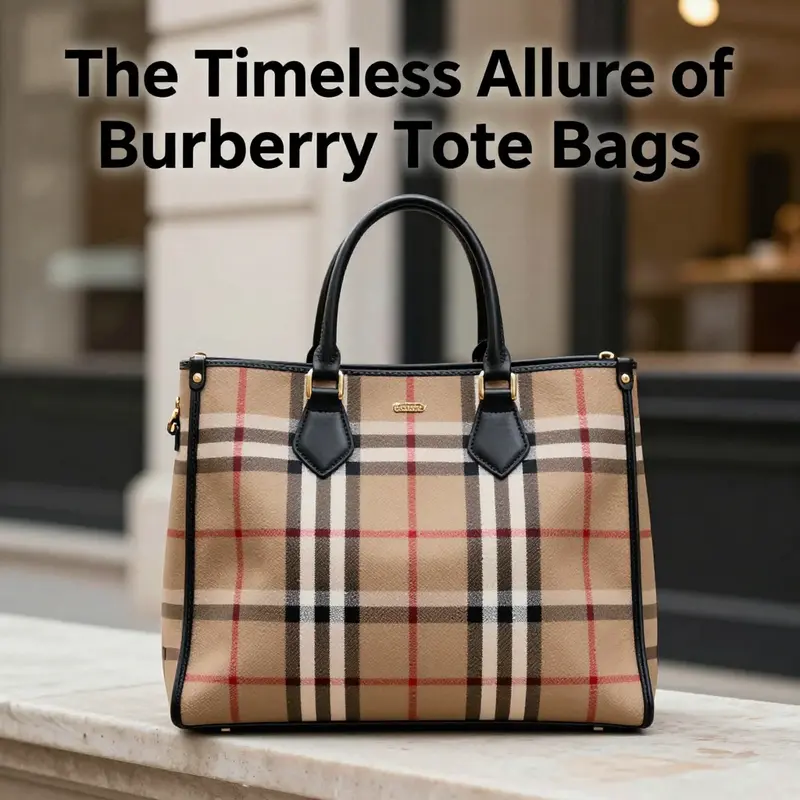
Burberry tote bags encapsulate a rich legacy of British design, practicality, and elegance that has fascinated fashion enthusiasts and business owners alike. This esteemed brand has evolved its tote designs over the decades, marrying traditional craftsmanship with modern sensibilities, allowing these bags to stand out in a crowded market. Each chapter of this article will delve into various aspects of Burberry tote bags, from their intricate design evolution to the functional features that make them ideal for business use and fashion trends that keep them relevant. Furthermore, we’ll explore their impact on the market and their cultural significance, ultimately highlighting how these bags can serve not just as stylish accessories, but also as essential business tools for those in the know.
From Heritage Silhouettes to Fresh It-Bag Identity: The Design Evolution of Burberry Tote Bags

Across Burberry’s accessory line, the tote has evolved from a simple carryall into a living record of the house’s design language. The check motif anchors its heritage, while the TB branding introduced in 2019 adds a contemporary dimension that can read with streetwear or tailoring. The Giant Tote, notable for its dual-faced design, invites wearers to switch moods with a flip of the bag, balancing tradition and modernity in a single silhouette. This approach reflects Burberry’s broader design philosophy: form that serves function, and craft that ages gracefully with use. The tote’s spacious interior, ergonomic straps, and durable materials privilege everyday practicality without compromising quiet luxury. Color and texture experiments such as seasonal patchwork or bold colorways expand the bag’s personality while keeping core dimensions intact. The result is an It Bag that can anchor both formal and casual outfits, echoing a brand narrative that honors history while inviting new audiences to participate in its evolution.
Carrying Burberry: The Functional Craft Behind the Brand’s Tote Bags
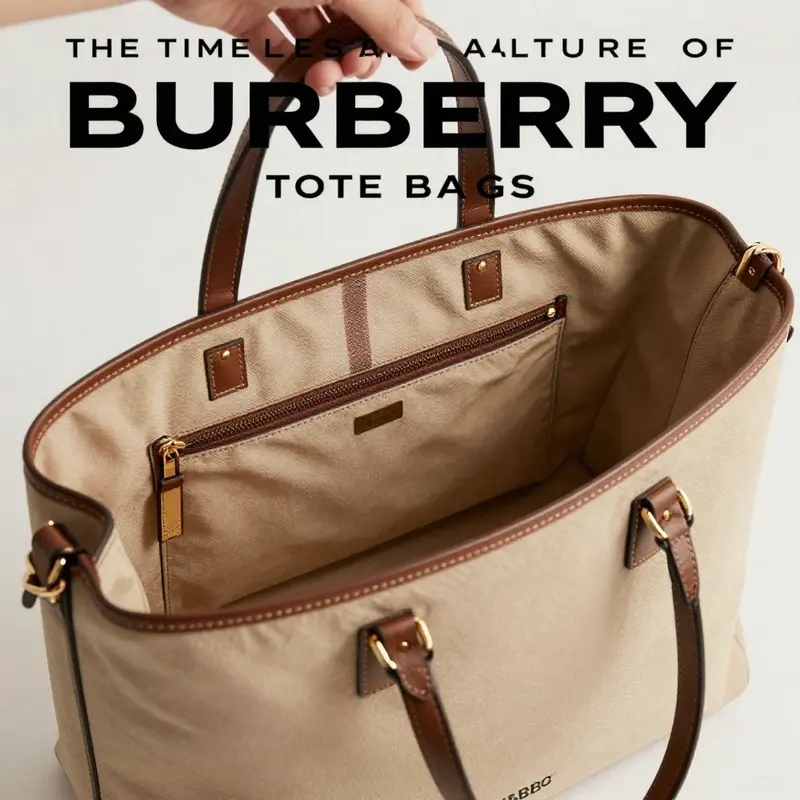
The tote bag from a heritage house is more than a carrier; it is a statement of how form can follow function without sacrificing the quiet poise of a classic silhouette. In the case of this emblematic bag family, the functional architecture is as carefully considered as the legacy that surrounds it. The result is a piece that feels effortless to the wearer yet reveals a depth of design that rewards daily use. What makes these totes feel distinctly Burberry is how every practical element is tuned to the rhythm of everyday life—commuting, studying, travelling—while still echoing a lineage of craftsmanship and a recognizable sense of British taste. The core of their practicality rests on material choice, internal organization, and the flexibility of how the bag is carried, all carried out with a restraint that lets the user decide how to shape their day rather than dictate it.\n\nThe material is the quiet backbone of the tote’s performance. A high-quality windproof canvas forms the outer shell, providing a practical balance of durability and lightness. This fabric is designed to resist the elements encountered in daily life—showers on the way to the station, a spill during a busy lunch hour, a rinse of city dust after a long day—without appearing rugged or coarse. It feels substantial in the hand, yet flexible enough to fold and tuck under an arm or slide into a larger travel bag when needed. The canvas keeps the tote approachable for a wide range of tasks, from carrying a folder of papers and a laptop to shouldering a few books for a long study session. The lightness of the material is crucial because it allows the bag to carry more without becoming immediately burdensome, which is an unusual virtue for a bag that wants to be worn daily. The care instructions are typically straightforward: wipe clean, air dry, and store in a cool place when not in use, a reminder that practicality can be paired with low-maintenance routines.\n\nInside, the bag reveals a calm, organized interior that does more than offer space. The main compartment is expansive and well-structured, designed to accommodate a laptop, documents, notebooks, and perhaps a casual change of clothes for a day away from home. The interior is not a featureless cavity; it is a thoughtful arrangement that makes everyday items easy to locate and access. The interior capacity is a nod to those who juggle multiple roles—student, professional, traveler—without needing a new bag for each scenario. The generous space encourages a minimal but efficient packing habit: one secure sleeve for technology, a few stacked notebooks, and a compact daily essentials pouch. When life calls for meetings and coffee breaks, the tote’s interior behaves like a reliable, invisible assistant that keeps you moving rather than slowing you down.\n\nThe way the bag is carried is a study in flexibility. Long, adjustable shoulder straps provide the option to wear the tote over the shoulder, cross-body, or simply on the shoulder for shorter, more temporary carries. A balanced carrying experience is achieved through the strap length and weight distribution, so the bag sits comfortably at the hip or against the side without pulling. For those who traverse many steps in a day or who need to switch between the bustle of a street corridor and the quiet of a quiet meeting room, the ability to adapt how the bag sits on the body is essential. Hand-held top handles offer a second mode of interaction, providing a poised, more formal option when the occasion calls for a quick hand-to-shoulder transition or when the bag needs to be kept close during a crowded commute. This dual-carry approach is not mere trendiness; it is a practical acknowledgment that an urban bag must respond to a wearer’s changing circumstances.\n\nInside the tote, an intentionally spare yet purposeful storage layout helps keep items categorized and secure. An inner zip pocket acts as a guard rail for valuables, a place to stow important documents, a passport, or a backstage stash of keys and coins. A dedicated phone pocket ensures the device can remain within reach without slipping to the bottom of the bag. The arrangement reduces rummaging and makes it easier to retrieve essential items in moments of need. The presence of organized compartments invites a consistent habit of tidiness; it is a design cue that rewards careful use with easier access and fewer distractions during a busy day. The combination of a clean main compartment and smaller pockets mirrors how Burberry has historically balanced a refined aesthetic with pragmatic problems of daily use. The result is a tote that invites routine organization rather than chaotic stuffing.\n\nThe visual language of the tote reinforces its functional core. While the silhouette is timeless enough to pair with tailored workwear or a casual weekend ensemble, the design does not shy away from a few contemporary signals that broaden its practical appeal. The TB logo and its distinctive buckle-like motif evoke a sense of heritage without complicating the hardware or adding fragility. Think of it as a quiet detail that signals provenance rather than shoutiness. The hardware is sturdy, selected to withstand frequent use, while the stitching lines are precise and even, a reminder that form follows function is not an empty maxim but a lived practice in the making of these bags. The result is a tote that feels trustworthy, a bag that one might reach for daily not out of obligation but out of expectation for a dependable companion.\n\nThe evolution of the line in recent years has shown how practical design can adapt to shifting tastes while preserving its core utility. Under the creative direction of a designer famed for blending streetwear energy with classic elements, Burberry introduced models that balanced boldness with practicality. A notable move was the infusion of vivid colorways and patchwork details within a familiar silhouette—a reminder that a bag can be both an instrument of daily utility and a canvas for personal expression. Yet even as the exterior choices become more adventurous, the interior remains a sanctuary for orderly use. The same roomy main compartment and the same careful pocketing structure persist, ensuring that the bag remains ready for the practical demands of the everyday and the occasional weekend escape. The result is not a departure from the brand’s lineage but an extension of it, where the functional ethos is carried forward by a fresh sense of proportion and an updated aesthetic.\n\nBeyond the larger tote, the brand has encouraged a suite of smaller accessories that complement the same functional philosophy. A compact cardholder, for instance, offers a streamlined alternative that doesn’t compromise the user’s ability to stay organized on the move. The synergy between the larger bag and its smaller companions speaks to a broader design philosophy: every item in the family should be able to perform its function well enough to justify its place in a coordinated outfit. This modular approach—one central tote paired with precise, well-thought-out add-ons—helps explain why the collection feels coherent even as it grows more adventurous. It is a concept that recognizes how urban life tends to demand both flexibility and focus. The wearer can choose the scale that best suits the day’s tasks, secure in the knowledge that the design language remains constant.\n\nFor those navigating practical concerns, the tote’s care and maintenance deserve emphasis. The windproof canvas is forgiving enough to withstand day-to-day wear while remaining dignified in appearance with proper care. Regular light cleaning, avoiding harsh solvents, and prompt attention to any stains keeps the material looking fresh. Interior organization encourages spacing out items to prevent bulking at the seams and corners, which can slowly erode the silhouette with heavy loads. The long-term value of such care lies in the bag’s ability to retain its shape and its ease of use across seasons and years. When fashion is most effective, it ceases to be a fad and becomes a reliable instrument in daily life. The tote embodies this ideal by offering a measured balance of capacity, ease of use, and tactile satisfaction—an everyday tool that also respects the wearer’s time and energy.\n\nFor readers seeking a practical path to exploring these features in context, one can find a broader view of Burberry’s tote family and its iterations on the brand’s official channels. The tote’s performance is consistently framed not only by its durable materials and spacious interior but also by the ways in which it supports a wearer’s routine, whether in the office corridor, on a school campus, or during a weekend abroad. The emphasis on adaptability—strap adjustability, multiple carrying modes, and a quiet but reliable organization system—ensures the bag remains relevant regardless of changing trends. It is a reminder that true luxury in functionality is less about flash and more about how a product makes daily life easier, more efficient, and more enjoyable.\n\nInternal link: For a closer look at one of the larger, capacity-focused variants in this family, see the Burberry large tote. Burberry large tote\n\nExternal resource: Burberry’s official tote bags collection provides the canonical reference for the brand’s current approach to longevity, materials, and construction. https://www.burberry.com/us/en/collections/tote-bags
Timeless Silhouettes, Modern Streets: Burberry Tote Bags at the Intersection of Heritage and Trend
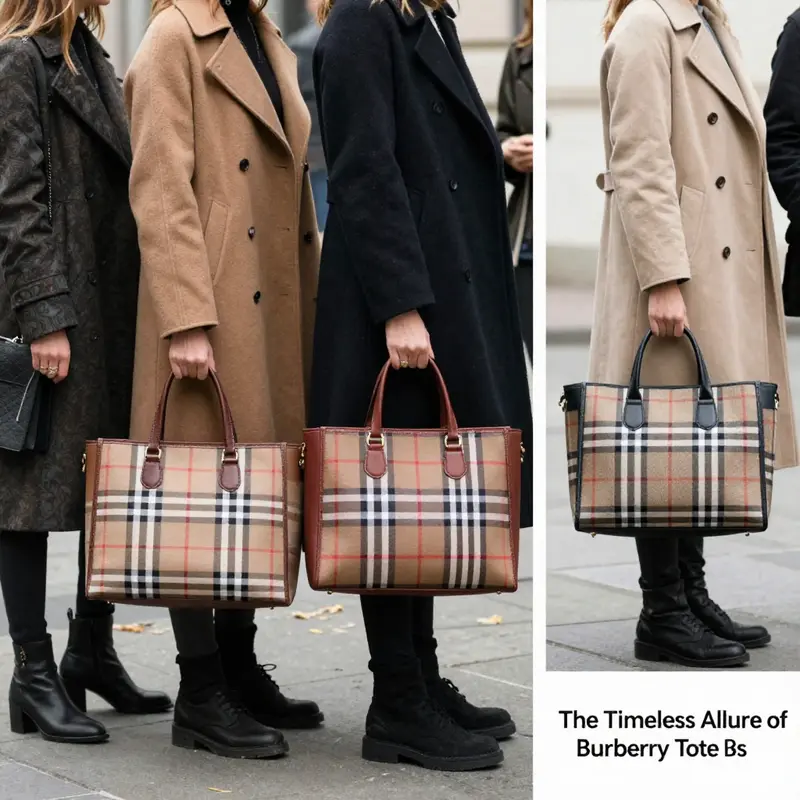
Across the fabric of contemporary wardrobes, tote bags from a storied house offer more than just a place to stash daily essentials. They embody a calculated fusion of heritage craft and urban practicality, a bridge between centuries of British tailoring and the kinetic tempo of city life. The tote is not merely a carryall; it is a silhouette that has grown with the wearer, a generous profile that accepts the weight of a busy day while staying poised and refined. In this sense, Burberry tote bags function as a living archive, a portable gallery of the brand’s enduring motifs. Their most recognizable features—an expansive interior, clean lines, and a disciplined silhouette—speak to a design philosophy that values restraint as a source of longevity. When carried, these bags suggest a narrative of steady reliability and quiet confidence, attributes that align with the evolving mood of fashion that prizes steadiness as much as statement. Their oversized form provides the space needed for work, for gym gear, for a weekend of travel, or simply for the habitual accumulation of life’s small, essential objects. The practicality of the tote is never at odds with its aesthetics; instead, it exploits that tension, offering a refined platform where utility meets a classical sense of proportion. In this way, the tote remains a constant in a seasonally shifting landscape, a reminder that beauty in fashion often resides in the discipline of restraint and the elegance of a container that knows its purpose.
The most enduring visual language of these bags is anchored in archival motifs that anchor the past to the present. The classic check pattern, with its grid-like cadence and confident symmetry, is more than a decorative surface; it is a signifier of heritage, a coded shorthand for a lineage of craftsmanship that has stood the test of time. The check has a scale and rhythm that can modulate itself to the wearer’s pace—from understated desk-to-dinner ensembles to more relaxed weekend wear. Imagery associated with the founder’s sketches adds another layer of legacy, offering a sense of origin and intent that makes the bag feel like a continuation of a story rather than a mere accessory. When designers steer a collection around such motifs, they invite the consumer to participate in a longue vie narrative—a continuity that links a history of British tailoring to modern routines and evolving preferences. The tote thus becomes a portable canvas where heritage is reinterpreted for contemporary life, allowing the wearer to project a sense of rootedness without sacrificing immediacy or mobility.
At the heart of the bag’s recognizability lies a design cue that has become almost iconic—the TB logo buckle that evokes a sword and shield. The buckle is not merely a hardware detail; it is a badge of identity, a visual cue instantly associated with the house’s storytelling. The geometry of the buckle—its crisp lines and balanced proportions—mirrors the clean architecture of the bag itself. This alignment between ornament and silhouette is deliberate. It communicates a confidence in branding that does not overwhelm the form but rather complements it, inviting closer inspection rather than loud proclamation. In a fashion sphere that is increasingly tuned to legible branding and discreet luxury, that balance feels refreshingly modern. It permits everyday wear to feel a touch ceremonial, as if one is carrying a piece of sartorial history in a way that respects both its origins and its present moment. The buckle also serves as a tactile reminder of the bag’s craft lineage; it signals that the hardware is not an afterthought but an integral part of the bag’s formal language.
In recent seasons the house has embraced a broader design vocabulary under a new creative direction, infusing streetwear signals with the house’s classic DNA. The tension between street energy and archival elegance has yielded models that feel both new and familiar, offering an appealing proposition to a generation that expects versatility without sacrificing identity. A striking example of this synthesis appeared in a bold patchwork check design, introduced in a Lunar New Year collection, that fused bright convergences of color with the familiar check scaffold. This design move did more than inject whimsy; it signaled a willingness to view heritage motifs through a contemporary, even rebellious lens. The effect is a tote that can anchor a street style rotation as easily as a professional wardrobe, a bag that refuses to be boxed into one mood or one setting. The energy behind these iterations is not simply about novelty for novelty’s sake; it is about showing how a storied silhouette can host a spectrum of attitudes, from restrained office refinement to expressive weekend experimentation. It is a reminder that fashion thrives when its most reliable elements are allowed to evolve, not simply endure.
The tote’s adaptability speaks directly to the realities of urban living. Its generous interior accommodates a laptop, a notebook, perhaps a gym set or a book, making it a practical hub for daily routines. The design typically favors long shoulder straps that distribute weight evenly across the body, a feature that reduces fatigue during long commutes or travel days. This ergonomic sensibility is not incidental; it is a recognition that form must follow function if a bag is to remain relevant across seasons and life stages. When the bag is loaded, the silhouette retains its refined line rather than ballooning into bulk, a testament to careful proportioning and thoughtful material selection. The result is a tote that can carry the essentials of a professional calendar, a spontaneous shopping run, and a weekend escape, all without demanding a costume change or two separate carriers. The everyday wearer is not asked to compromise; the tote promises coherence across moments, a single piece that can navigate a day’s full spectrum of activities with ease.
As fashion conversation shifts toward quieter luxury and more deliberate minimalism, the tote’s appeal deepens. The quiet luxury mindset prizes clarity of design, restrained branding, and the ability of a piece to age gracefully. Burberry tote bags deliver exactly that: an elevated presence achieved through precise materials, expert workmanship, and the intentional restraint of proportion and pattern. This is not ostentation; it is a refined assertion of taste that invites others to look closer and appreciate the subtleties—the finish of the leather, the stitch density, the way the check alignment remains immaculate at the seams. The result is a timeless proposition that converses well with the season’s otherwise bold statements. In editorial spreads and on street corners alike, the tote becomes a counterpoint to louder silhouettes, a calm center in a whirl of texture and color. It proves that the best fashion can quietly govern a look, lending a sense of order and poise even as outfits experiment with brazen color, oversized shapes, or sportswear cues.
This balance of heritage and modernity also reframes how the tote is paired with other accessories. A smaller companion piece, such as an Olympia cardholder or similar minimalist add-ons, can echo the bag’s restrained elegance while widening the wearer’s capability for organization. The portfolio of Burberry accessories, though emphatically careful in its own right, is designed to complement the tote rather than compete with it. The cardigan to the bag’s coat, so to speak, or the scarf to the tote’s confident stance. Together, they reinforce a semantic of curated taste—where the value lies not in the acceleration of trend but in the curated endurance of well-made pieces that grow more personal with time. It is this synergy that keeps the tote anchored within the seasonal discourse of fashion while ensuring its status as a staple for those who want to move through the city in both comfort and polish.
For those who want to explore more about how these bags are positioned within current consumer choices, one can look to curated selections where the house’s larger totes are highlighted within broader product assortments. A representative example is the Burberry large tote, which encapsulates the same principles of space, proportion, and archival resonance described here. This reference point can serve as a practical touchstone for readers who wish to visualize the scale and presence of the tote in real-world styling. Burberry large tote
In sum, the tote bag remains a reliable companion for a modern lifestyle that values both heritage and versatility. It is a vehicle for everyday confidence, a way to transport the map of a day while preserving the clarity of a personal style. The marriage of the house’s archival language with contemporary tailoring creates a product that does not merely endure; it evolves with its wearer, offering a quiet yet unmistakable assertion of identity. The street or the boardroom, the weekend escape or the daily grind, the tote stands as a constant—a trusted partner that evolves in tune with the world around it while preserving the dignity of its own history. As designers continue to recalibrate the line between tradition and experimentation, the tote bag stands ready to be both a faithful archive and a flexible, modern instrument of expression. This is the lasting voice of a silhouette that has learned to walk through time with ease, carrying the weight of memory while carrying the weight of today.
External resource: https://www.farfetch.com/shopping/women/burberry-tote-bags~2/
Raising the Standard: How Burberry Tote Bags Shape Luxury Market Dynamics
The market for luxury tote bags moves with a deliberate cadence, where the rhythm of seasonal collections, runway narratives, and social currency collides to push products beyond mere function. Among these, Burberry tote bags have emerged as a barometer of how design, provenance, and branding translate into tangible market momentum. They are not simply carryalls; they are statements of taste and markers of belonging. Their impact reverberates through luxury retail strategies, consumer expectations, and the broader tote-bag category, shaping what collectors, influencers, and everyday shoppers seek from a high-end accessory. At the intersection of heritage and reinvention, Burberry tote bags demonstrate how a classic silhouette can remain vital while responding to changing aesthetics and digital-driven demand. The result is a market story that goes beyond price points or resale figures and into the realm of cultural signaling, brand loyalty, and the aspirational pull of British design codified in modern streetwear sensibilities.
The financial landscape surrounding tote bags offers a backdrop that helps explain Burberry’s celebrity status within the luxury segment. Global market analyses show that the tote bag category reached about $2.75 billion in 2024 and is projected to climb toward $3.94 billion by 2032, growing at a compound annual rate of roughly 4.6%. These numbers do not tell the whole tale, but they illuminate the demand architecture that allows a storied house to monetize its heritage while expanding into contemporary codes. Luxury brands with enduring equity—Burberry among them—capitalize on this convergence of branding, craftsmanship, and design language. The tote, in this sense, becomes a flagship—not only for practical daily use but as a wearable showroom that travels between cities, events, and feeds, amplifying the brand’s presence wherever arms and attention reach.
What makes Burberry tote bags particularly influential is how their design language functions as a visual vocabulary. The classic Burberry check remains instantly recognizable, a graphical shorthand that signals lineage and quality to the well-heeled consumer. The textured allure of leather or canvas complements this identity, yielding a silhouette that is at once timeless and adaptable. The long shoulder straps, often proportioned for balanced wear on long commutes or weekend getaways, reinforce the bag’s practicality without sacrificing elegance. In this sense, Burberry tote bags occupy an irreplaceable niche in the high-end market: they offer both utility and a collectible aura, a combination that keeps demand high across generations and across geographies. Social media and red-carpet appearances continually reaffirm the tote’s aspirational status, turning a functional item into a wearable emblem with a life beyond its original purchase.
The cultural currency of these bags has become even more pronounced under creative direction that sought to fuse heritage with a new degree of audacity. The introduction of bold, vibrant iterations—such as patchwork checks and contemporary colorways—demonstrates how a storied house can invite younger audiences into its orbit without diluting its core identity. By embracing streetwear cues while preserving the integrity of the house’s signatures, Burberry signals that luxury can be both refined and expressive. These design evolutions do more than generate fresh sales; they broaden the audience that perceives luxury as a dynamic realm rather than a fixed paradigm. In a marketplace where scarcity, storytelling, and product cadence converge, the tote becomes a vehicle for brand expansion, inviting collaborations and limited drops that heighten desirability and perceived exclusivity.
From a retail perspective, the Burberry tote is a case study in merchandising strategy. It anchors seasonal assortments, yielding cross-category synergy with smaller leather goods and accessories that complement the bag’s silhouette and branding cues. The Olympia cardholder, for example, functions as a natural extension of the lifestyle narrative surrounding the tote, allowing customers to assemble a cohesive look that is still distinctly Burberry. This ecosystem approach—where a tote, its companion pieces, and the surrounding storytelling work in concert—helps explain how the brand sustains premium pricing and healthy conversion rates across channels. It also underlines why Burberry bags retain a degree of collectibility; every season adds a layer of narrative, whether through color, texture, or packaging, that heightens the perceived value and willingness to invest. In a market where functional bags exist at lower price points, Burberry demonstrates that narrative, provenance, and design integrity are powerful differentiators that translate into durable demand.
The market implications extend beyond the house’s own performance. Burberry’s tote strategies influence competitors’ investment calculus, nudging luxury brands to intensify their tote lines, push more ambitious designs, and experiment with limited editions that evoke urgency without sacrificing quality. This healthy competitive tension benefits the entire upscale tote bag segment by elevating standards for materials, craft, and presentation. It also reinforces consumer expectations for brands to deliver enduring value—products that not only meet daily needs but also carry a sense of occasion and identity. The resulting market environment rewards buyers who weigh the long-term appeal of a design against fleeting trends, encouraging a more thoughtful approach to luxury purchases and a deeper appreciation for the craftsmanship that underpins high-end totes.
The story of Burberry’s market impact is also a story of how modern luxury travels. The tote bag enters social spaces, travel hubs, and media circuits with an ease that traditional bags sometimes struggle to achieve. Celebrities and influencers showcase the bag at airports, on streets, and on red carpets, turning everyday moments into a spectacle of brand visibility. This visibility does more than generate impressions; it creates a reference point for what the contemporary luxury buyer expects from a tote. The bag becomes a touchstone for a lifestyle that merges practicality with fashion-forward posture. When a Burberry tote appears in a celebratory or casual setting, it signals not only taste but an alignment with a brand narrative that champions timeless design and a willingness to innovate. In turn, retailers notice increased traffic to flagship stores and a spike in inquiries for premium totes, a signal that the market is buoyed by reinforced brand equity rather than merely by seasonal promotions.
An important dimension of this market dynamic is the way Burberry integrates its heritage with digital storytelling. The brand’s historical motifs—such as archived check patterns—are reinterpreted for contemporary contexts, resulting in tote varieties that feel both familiar and fresh. This synthesis allows the house to maintain a consistent conversation with longtime aficionados while remaining accessible to new buyers who may be discovering the brand through fashion weeks, editorial features, or curated online experiences. In practice, this means that a Burberry tote bag often serves as a gateway product, inviting customers to explore the broader range of leather goods, small accessories, and ready-to-wear items that define the label’s current creative direction. The tote’s status as a first-to-spot item in social feeds amplifies this gateway effect: a striking bag prompts a cascade of interest, driving search traffic, showroom visits, and, ultimately, cross-category sales.
For those studying the economics of luxury, Burberry tote bags offer a blueprint for how heritage brands can maintain resonance while embracing contemporary culture. The balance between a time-tested design language and new, territory-expanding aesthetics is delicate. Yet when executed with precision—through material choice, construction quality, and a coherent storytelling arc—the result is a product that feels inevitable yet fresh. This paradox is at the heart of the tote’s market impact. It reassures existing customers that the brand remains faithful to its roots while inviting a broader audience to participate in its ongoing narrative. It also reinforces the sense that luxury is about curated experiences as much as about possessions. A Burberry tote is not just a bag; it is a curated moment of style that travels with the owner, becoming a touchpoint for memory, status, and daily ritual.
The interconnectedness of product design, consumer psychology, and market structure is why the tote category, led by brands with strong equity, continues to expand. The Burberry tote bag exemplifies how a single item can anchor a lifestyle proposition, a brand story, and a market segment simultaneously. It shows that luxury is as much about the anticipatory value created by new releases and limited editions as it is about the inherent quality of the product. As markets evolve toward more informed and deliberate consumer choices, the Burberry tote bag stands as a reminder that value in luxury today is built through a combination of design continuity, timely reinvention, and consistent narrative that resonates across generations. The bag is a catalyst for conversations about taste, quality, and the enduring appeal of an iconic emblem reinterpreted for a new era.
For readers seeking a tangible example of how such dynamics unfold in practice, a closer look at public-facing product assortments, seasonal drops, and store experiences can illuminate how the Burberry tote bag maintains its relevance within the luxury tote ecosystem. A convenient entry point for exploring related designs and current offerings is the Burberry large tote page, which showcases the scale and craftsmanship that define the house’s approach to this silhouette. You can explore that collection here: Burberry large tote.
In sum, the market impact of Burberry tote bags is not just about sales figures or category dominance. It is about how a storied house negotiates value, symbolism, and modernity in a crowded luxury landscape. It is about how a timeless silhouette becomes a dynamic platform for storytelling, collaboration, and personal interpretation. It is about the way a bag travels—from showroom floor to street to social feed—carrying with it the weight of history and the promise of future innovation. That is the essence of why Burberry tote bags matter in the current luxury economy: they fuse heritage with relevance, craft with culture, and utility with aspiration, shaping market dynamics in ways that contemporary brands both observe and emulate. External research reinforces this view, illustrating how the broader tote market evolves in response to design-driven demand and brand-driven desirability, a synergy that keeps the category vibrant and continually expanding. For further reading on the market trends that frame this narrative, see the Global Tote Bags Market analysis from Grand View Research: https://www.grandviewresearch.com/industry-analysis/tote-bags-market.
Wearable Heritage: The Cultural Significance of Burberry Totes
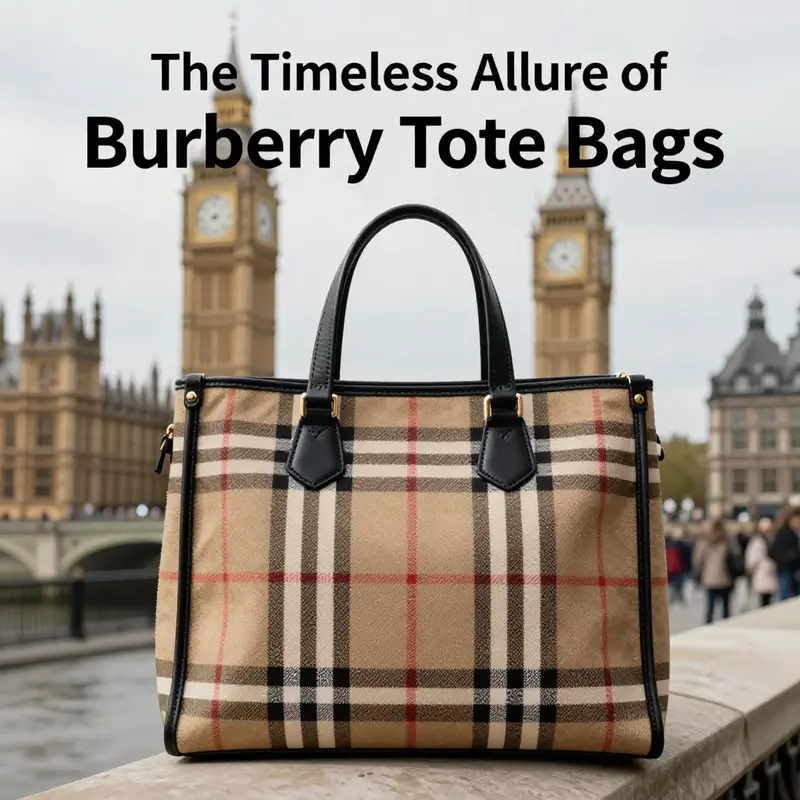
Cultural signs travel as reliably as luggage along a well-trodden itinerary, and within that travel, Burberry totes have earned a standing that borders on the iconic. They anchor a sense of British heritage not as a museum exhibit but as a lived experience—one that people wear in the form of a bag that can accompany them through a day’s errands, a weekend away, or a crowded fashion week corridor. The repeated appearance of the brand’s check pattern, often laid over a tote’s broad surface, has grown into a global shorthand for status and style. It is a print that invites recognition, yet it does so with a quiet seriousness that resists flashy novelty. The design language is deliberate: color, proportion, and a level of restraint that communicates confidence without shouting. When a tote is carried across the shoulder with its straps extending comfortably to the hip, it looks effortless, but the ease is earned through meticulous craftsmanship and thoughtful engineering. The integration of the TB logo buckle design, which evokes a sword and shield, adds a layer of symbolism that speaks to protection and prestige. It is not a brash statement; rather, it is a quiet declaration of belonging to a lineage of luxury that values durability as a form of elegance. This is why the tote remains a staple among those who seek a reliable partner for daily life and occasional splurges, a companion that ages with grace and grows richer as it accumulates stories of use.
The tote’s cultural resonance goes beyond its practical use. It is a vessel for social signaling, a wearable mark of refinement that can translate into social belonging. In a world where authenticity is prized as intensely as the product itself, recognizable luxury serves as a shorthand for credibility among peers and followers. People who carry such a bag are often perceived as having an eye for enduring quality and a certain restraint that distinguishes quiet confidence from overt display. The cultural dialogue surrounding these bags includes conversations about heritage, craftsmanship, and the brand’s capacity to remain relevant without sacrificing its identity. In this sense, a tote functions as more than a fashion accessory; it becomes a portable declaration of taste, a way to articulate a personal stance through material form. Celebrities, influencers, and industry insiders repeatedly appear with these totes in high-visibility settings—from fashion weeks to gala events—further reinforcing their role in the visual culture of contemporary style. When a bag travels with a person through a curated environment, it is not just the wearer’s image that is broadcast; the bag itself contributes to the story of a brand’s authenticity, a narrative built on consistency, heritage, and discreet luxury.
This layered meaning is reinforced by how the brand has evolved under changing design leadership. In recent years, the balance between archival reverence and streetwise vitality has become a hallmark of the house’s latest iterations. Under a new creative direction, models that blend streetwear sensibilities with classic elements have appeared alongside more traditional silhouettes, signaling a dialogue between the past and the present. One notable expression of this shift was the introduction of bold color-blocking and patchwork patterns that borrow from the label’s heritage while injecting a modern energy. A vivid red-yellow patchwork check from a celebrated seasonal collection illustrates how the tote can function as a canvas for youthful expression without discarding its core language of refinement. Such design decisions are not merely about trend status; they reveal a broader cultural willingness to allow heritage to breathe within contemporary street culture. The bag embodies a bridge, inviting a younger audience to inhabit a version of luxury that feels both rooted and dynamic. In this way, the tote’s cultural role expands: it becomes a vehicle for personal storytelling, a way to narrate one’s own tastes through a reliable, recognizable form. To those who follow the evolution of the house, the tote is a touchpoint where past ambitions meet present aspirations, a reminder that luxury can be at once ceremonial and approachable.
The tote’s place in popular culture is inseparable from the social rituals surrounding fashion weeks, red carpets, and upscale gatherings. It acts as a visible marker in a world where appearances are data points, spaces for interpretation in a crowded media landscape. When a tote crosses a room filled with cameras and chatter, it contributes to a shared script about elegance—an unspoken agreement about what it means to value craft, to value a brand’s story, and to invest in something that travels well across different contexts. It is precisely this ability to travel through meaning that helps the tote endure beyond seasonal fads. The bag’s presence at significant events reinforces a longer arc: a narrative of enduring quality that resists quick fashion cycles, and a sense of continuity—an assurance that good design can be part of daily life while still feeling special in moments of occasion.
Even smaller accessories connected to the same design language—like slim cardholders or compact organizers—participate in this cultural conversation. They extend the same vocabulary of materials, textures, and the quiet confidence that accompanies a well-considered ensemble. The idea that a smaller item can harmonize with a larger tote underscores a broader principle: luxury, at its best, is about coherent storytelling across pieces. This coherence matters in a crowded market where countless silhouettes compete for attention. The tote’s ability to anchor outfits, while offering useful features for modern living, elevates it from mere bag to deliberate stylistic decision. The wearer is not simply carrying belongings; they are carrying an identity that aligns with a tradition of elegance and a forward-looking sense of self.
For readers who wish to explore the design and heritage of these pieces more deeply, a deeper dive into the brand’s archives and collections can offer additional context about how the tote emerged as a cultural icon. In practice, this means recognizing how the patterning, construction methods, and emblematic details have evolved while retaining a consistent ethos. The result is a product family whose parts can be mixed and matched across seasons without losing the sense of belonging to a recognizable cultural project. When a person selects a bag that echoes this lineage, they are not merely choosing a color or size; they are subscribing to a language of refinement that has endured across decades. This is the essence of the tote’s cultural value: a living artifact that invites daily use while preserving a sense of specialness that makes ordinary moments feel a little more polished, a little more intentional, and, importantly, a little more personal.
The conversation around authenticity and visible luxury is not exclusive to fashion insiders. It resonates with anyone who values the idea that a well-made object can travel across time with dignity. The tote becomes a quiet beacon of taste, something that can anchor a mood, a wardrobe, and a moment in a public setting. It invites dialogue about what it means to invest in a piece that exists at the intersection of utility, symbolism, and heritage. In this sense, the bag is not just a product; it is a vessel for cultural memory, a wearable archive that encourages wearers to curate their own narratives within a broader collective memory of refinement and craftsmanship. As audiences encounter these bags on runways, in street-style photos, and in personal stories shared online, the tote contributes to a shared vocabulary of elegance—one that remains legible even as trends come and go.
For those seeking a tangible point of reference to explore the broader ecosystem surrounding these pieces, a prominent example of the catalog that illustrates the breadth of the house’s approach to carryall design can be found in specialized retail resources. Burberry large tote serves as a practical waypoint for understanding how the brand translates heritage into scalable, everyday functionality while maintaining the aura of prestige that accompanies a luxury heritage label. This continuity between heritage and modern utility helps explain why the tote remains a staple in wardrobes around the world, a durable embodiment of a story that began long ago and continues to unfold in contemporary city life. It is in the everyday use—the commute, the airport lounge, the city street—that the tote confirms its cultural significance: not a relic, but a living, adaptable instrument of expression.
External resource: https://www.burberry.com/heritage-and-collections
Final thoughts
Burberry tote bags represent more than just fashion accessories; they are emblems of brand legacy and cultural significance. Their design evolution reflects an ongoing commitment to quality and style, while their practical features make them suitable for today’s dynamic business environments. By understanding the impact of these bags in fashion trends and their market influence, business owners can appreciate their role in both personal style and professional presentation. Ultimately, Burberry tote bags continue to embody a blend of practicality and timeless elegance that resonates with modern-day consumers and business owners alike.