

In a competitive business environment, the right accessories can make all the difference in showcasing professionalism and style. Ted Baker tote bags are renowned for their sophisticated designs and high-quality craftsmanship, perfectly aligning with the needs of modern business owners. This article will provide an in-depth exploration of Ted Baker tote bags, focusing on their design features, exceptional material quality, versatility for various occasions, and the brand identity that positions them uniquely in the market. Understanding these aspects will help you make informed choices that reflect your business ethos, enhance your professional image, and cater to your personal style needs.
Structured Poise, Playful Flair: The Design Language of British-Inspired Totes
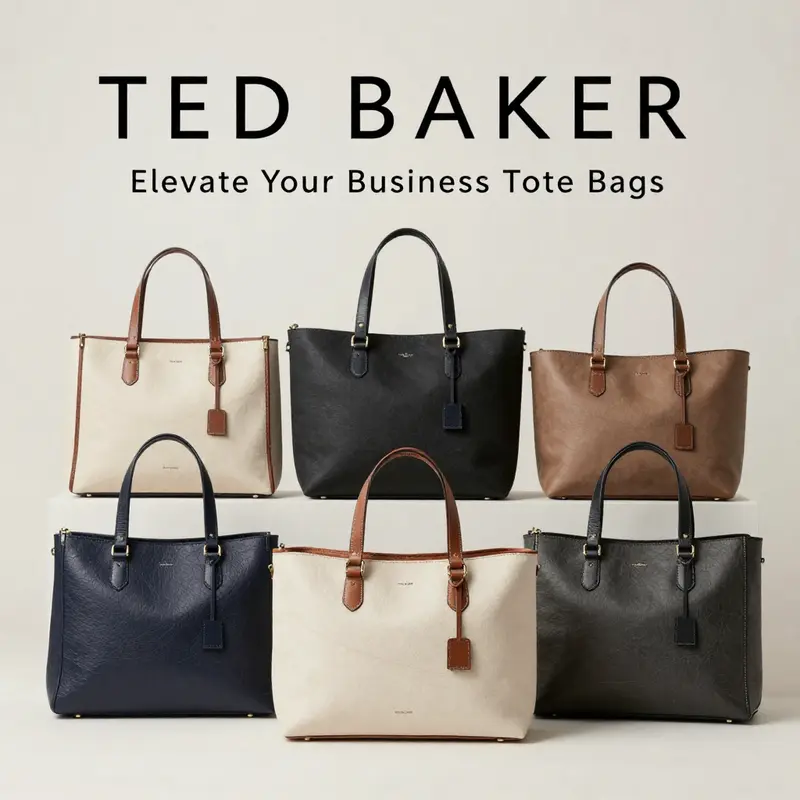
A tote bag stands at the crossroads of daily practicality and quiet luxury. In many contemporary wardrobes, it is less a mere accessory than a reliable partner for the day’s errands, meetings, and fleeting moments of travel. The design language that elevates a tote from a simple carryall to a statement of taste rests on a careful balance between structure and spontaneity. It is a balance that embodies a distinctly British sensibility, where disciplined lines and refined materials meet a sense of whimsy and subtle eccentricity. The result is a tote that feels grown-up and approachable at once, capable of serving a professional life while still signaling individuality through color, texture, and detailing. This fusion of poise and playfulness is not accidental; it is the deliberate craft of a design philosophy that treats everyday bags as usable sculptures rather than disposable containers. When we examine the design features of these bags, the pattern becomes clearer: a cadence of form, material choice, and finishing touches that together form a coherent, enduring aesthetic.
The first feature that commands attention is the way signature patterns and colors are orchestrated to produce an immediate sense of character without overwhelming the bag’s silhouette. Bold, vibrant patterns—floral motifs that feel both modern and timeless, geometric prints that catch the eye with quiet confidence, and artistic overlays that read as clever, slightly whimsical statements—are used with restraint. The overarching color palette tends toward rich tones that convey a sense of depth and longevity. This approach is not about loudness; it is about presence. The patterns act as a narrative thread, a small flourish that signals personality while the bag remains adaptable to a range of outfits and settings. In practice, this means choosing patterns and hues that complement both a neutral business wardrobe and a more expressive casual look. The effect is a bag that can anchor a wardrobe with understated sophistication or become a focal point with a well-chosen outfit. It is not merely decoration; it is a deliberate mood-setting mechanism, a way to communicate a certain mood before a person even speaks.
Underlying the visual appeal is the craftsmanship that gives the tote its staying power. High-quality materials are chosen for their durability and tactile experience. A sturdy canvas or premium leather often serves as the backbone, chosen for its ability to endure daily use, resist wear, and age gracefully. The texture of the material—grain in leather, a tight weave in canvas, or a subtle texture in a refined fabric—adds a tactile dimension to the bag’s personality. The craftsmanship then translates that material quality into form. Meticulous attention to detail is evident in every edge, seam, and panel, with precise stitching that holds both strength and an eye for symmetry. This meticulousness is not merely about aesthetics; it is about longevity. A well-constructed tote maintains its silhouette, feels solid in the hand, and forgives the occasional rough transport or busy commute without losing its shape. The result is a bag that you can trust to carry your essentials—work documents, a tablet or laptop, notebooks, and a few personal touches—without appearing worn or prematurely scuffed.
The silhouette of the bag often reflects an architectural restraint that reinforces its practicality. Structured shapes—boxy, rectangular lines or gently contoured corners—communicate a quiet confidence. Clean lines and well-defined edges offer a sense of order that translates well from the boardroom to a cafe corner. The silhouette is not so rigid that it cannot adapt to the real world; rather, it is engineered to hold its form while accommodating the user’s everyday needs. This balance between stiffness and flexibility is a hallmark of the design language: the bag looks poised, but the interior is ready to accommodate the unplanned, the spontaneous, the items that accumulate over a busy day. Structural integrity often extends to the hardware and reinforcement at stress points, such as reinforced handles or double-stitched strap attachments. These features speak to a belief that beauty gain is inseparable from reliability, a creed that guides every cut, seam, and trim.
Inside, the functional DNA of these totes reveals itself in a careful arrangement of compartments and sleeves that optimize organization without compromising the bag’s aesthetic. The interior design often features a main, roomy chamber that can swallow everyday essentials and more. Zippered compartments provide secure storage for valuables, while slip pockets offer quick access to items that need to be retrieved on the go—phone, keys, or a transit card. Dedicated laptop sleeves, when included, are sized to fit common devices with padding that protects while preserving the bag’s streamlined profile. The interior layout is not a random assortment of pockets; it is a thoughtfully conceived ecosystem that helps the user navigate a busy day with ease. When paired with the exterior’s disciplined silhouette, the interior becomes the counterpoint that makes the tote a truly integrated tool rather than a fashionable shell.
Hardware and detailing are where the tactile and visual language meet. Branded metal accents, contrast stitching, and subtle logo embroidery serve as signposts of identity without shouting. The choice of hardware—whether a matte finish, a lacquered sheen, or a burnished patina—plays with light and texture, enhancing the bag’s presence in a refined, adult way. These details contribute to a sense of quality that is both visible and wearable. They also offer practical benefits: reinforced handles for comfortable carrying, adjustable straps to switch between shoulder and hand carry, and water-resistant linings that offer protection in unpredictable weather. The practical benefits of these details are often what keep a bag relevant for years, allowing it to travel through seasons and trends with grace. In tandem, the hardware and finishing touches create a sense of luxury that remains accessible, inviting a daily ritual of choosing a bag with the same care used to choose a tailored outfit.
The beauty of this design philosophy lies in how the elements work together to support modern lifestyles. The tote is imagined as a companion that meets the demands of a professional schedule, a weekend escape, or a casual encounter with friends. It holds its own in a professional setting by projecting order and reliability through its silhouette and materials. At the same time, it can adapt to more relaxed moments—its patterns and textures add character to casual outfits and weekend wear. The versatility of a well-designed tote emerges not from a single feature but from the harmony among structure, material quality, interior organization, and detailing. This is how a bag earns the trust of its owner: not by a flash of novelty, but by a quiet, enduring presence that earns its place in a rotating wardrobe.
A central element of this design vocabulary is how the bag communicates a brand’s equilibrium between form and function. The exterior makes a clear statement of refinement, using tone and texture to signal sophistication. The interior speaks in the language of daily life, offering dependable compartments and sleeves that make sense in real time. The hardware and finishing touches serve as both tactile cues and mechanical assurances of durability. The color story—rich, complex, and often subtly nuanced—functions as a bridge between pieces and seasons, allowing a single bag to harmonize with a wide range of outfits. In a broader sense, these features reflect a design philosophy that treats a tote not as a fashion impulse but as a long-term ally in the wardrobe. The result is a product that feels curated rather than assembled, something that aligns with a lifestyle built on punctuality, effortlessness, and thoughtful self-presentation.
The practical magic of these design features also lies in their subtle adaptability. Adjustable straps enable shoulder or crossbody wear, which broadens the bag’s use from desk to train to dinner. A water-resistant lining adds resilience without compromising the clean lines that define the bag’s exterior. Reinforced handles address the daily heft of laptops, binders, and books, ensuring that grip remains comfortable even after hours of use. Zippers glide smoothly, pockets stay upright, and the interior remains organized enough to keep essential items within reach. These features are not flashy; they are the quiet engine driving the tote’s reliability and versatility. When a bag can be used to shuttle documents and a tablet to a meeting, or to carry a change of clothes for a weekend trip, its design has earned its keep in a world that demands performance as much as appearance.
In discussing the broader appeal, it is useful to consider how these design features translate into consumer confidence. A tote that looks well-made often prompts a similar confidence in its owner. The aesthetic cues—structured lines, purposeful color choices, and distinctive but balanced patterns—signal readiness and competence. The materials—whether leather’s depth and patina or canvas’s resilience and texture—carry a promise of durability. The interior arrangement—carefully placed pockets and sleeves—suggests a thoughtful approach to daily life. The hardware and finishing touches—branding that is subtle, details that are precise—convey a message of quality control and pride in craft. The wearer’s experience then becomes a dialogue between appearance and practicality. The bag looks trustworthy, and its many features confirm that trust in subtle, unforced ways. It is this synergy that makes the tote more than a container; it becomes an ally in the choreography of a busy day, an accessory that elevates rather than complicates.
For readers who want to see these elements in action within today’s market, a current catalog can provide a concrete sense of how the design language translates into real products. The catalog site offers a range of options that embody structure, material choice, interior organization, and detailing in diverse ways. To explore, you can follow this link: ted-baker-tote-bag.
Ultimately, the story of these design features is a story about balance. The tote’s success hinges on the ability to fuse British sophistication with a tasteful sense of whimsy, to pair durability with elegance, and to unite a defined silhouette with adaptable functionality. It is a design poetry written in leather and fabric, stitched into a daily routine. It asks nothing more than a moment of attention—the moment when the bag is picked up and carried, and the day’s plans begin to organize themselves around its quiet confidence. In that moment, the tote embodies more than utility; it embodies a lifestyle choice, a preference for quality that remains visible in everyday acts of carrying, choosing, and presenting oneself with calm assurance.
External reference: https://www.tedbaker.com
Material Craft and Longevity: The Subtle Signature of a British Designer Tote
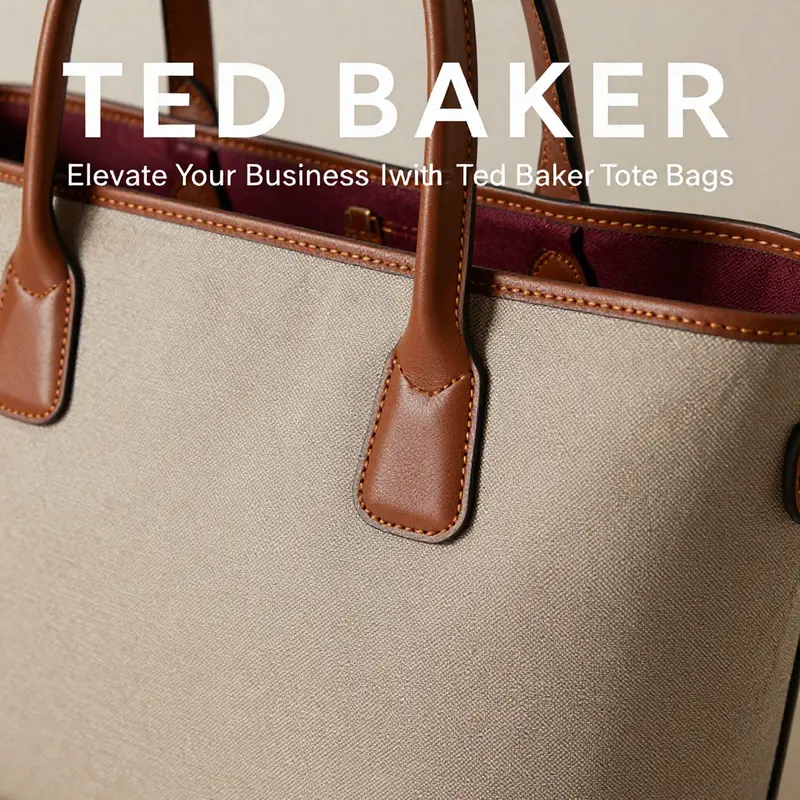
Material quality sits at the core of any tote that aims to be both a workhorse and a statement piece. Across a British designer’s tote collection, the material palette is not a backdrop but a defining language. It speaks of weathering through rain, daily commutes, crowded trains, and the careful ritual of dressing for the day. The best totes do more than carry essentials; they hold up to time, adapting to the wearer’s routine while aging with a quiet confidence. In such a collection, two materials recur as the stalwarts of durability and mood: a resilient, water friendly PVC that wears well with city life, and full grain leather that promises depth, warmth, and patina when the occasions call for something more refined. These materials are never merely about surface appearance; they shape structure, influence weight, influence warmth, and even guide how hardware and seams perform under everyday use. When you look closely at a well-made tote from this lineage, you discover an integrated system where material choice informs every other design decision, from silhouette to interior organization to the way the bag sits when carried on the shoulder or by hand.
A practical lens first clarifies the value of material choice. PVC, in the context of mainstream lines, delivers a combination of water resistance and easy maintenance that suits modern life. The surface shrugs off light rain and accidental spills with minimal fuss, making quick wipe downs an ordinary part of care. The sheen and texture of PVC range from matte to glossy, offering a modern, streamlined look that remains timeless enough to pair with formal wear or casual outfits alike. This versatility is one of its strongest selling points. For professionals who move between meetings and travel, the ability to wipe down the exterior after a long day can feel like a small but meaningful advantage. And because PVC holds color and form well, designers can experiment with bold prints, color blocking, or tonal finishes without sacrificing the crisp silhouettes that give a tote its legibility and presence on a crowded street or office lobby.
Yet there is an equally compelling narrative for the leather option in select pieces. Full grain leather, reserved for limited editions and higher-tier releases within the collection, brings a tactile warmth that PVC cannot quite replicate. It is a material that handles light scratches with a natural ease, developing a patina that speaks of time and use. The grain pattern is not an afterthought; it’s part of the bag’s charm, a living texture that grows more characterful as the years unfold. Full grain leather offers strength and longevity because the hide retains robust surface fibers that resist wear. It ages not merely with the wearer’s pace but with the seasons, absorbing oils and impressions that tell a personal story. For buyers drawn to craft and heritage, leather is a reminder that luxury does not have to be ostentation; it can be a quiet testament to enduring value. It is not the everyday option for everyone, but when a collection chooses to deploy it, the result reinforces the idea that material quality can elevate a tote from practical accessory to heirloom-like companion.
The decision between PVC and leather is rarely about one material alone. It is about how the two tones of a collection respond to different use cases, how they balance weight, how the interior supports are matched to the exterior, and how the bag holds its shape under load. A well-considered tote will use PVC in areas that require resilience and shape retention, such as the outer shell and the base. It may employ leather accents around the top edge or the handles to add a moment of tactile warmth and luxury. The hardware—zippers, buckles, rivets, and clasps—must harmonize with the chosen material to ensure smooth operation over years of daily use. When a designer combines durable exterior material with well-finished interiors, you feel the sum of many small decisions. The interior lining, the way pockets are sized, the deployment of magnetic or zip closures, and the method by which the bag is reinforced at stress points all respond to the material choices that frame the bag’s life cycle.
Care guidance is not an afterthought in this design philosophy. PVC requires minimal specialized handling. A damp cloth or a mild cleaner is typically sufficient to lift fingerprints, smudges, or dust from the surface. The aim is to maintain the surface integrity and color even as the bag endures daily wear. Avoid harsh solvents that can degrade surface finishes or alter color, and be mindful of heat exposure which can cause PVC to warp or lose its pristine edge. Leather, by contrast, invites a more nuanced routine. It benefits from periodic conditioning to preserve suppleness, especially in higher humidity or fluctuating temperatures. Leather care is not about creating a barrier against every possible mark but about supporting the hide’s natural aging process so that it develops a controlled, even patina. A gentle clean and a light conditioner, followed by proper storage away from direct sunlight, can help the leather retain its warmth and depth for many seasons. The dual approach to care mirrors the dual material strategy: respect the strength of PVC that handles daily life with ease, and cherish the warmth and aging potential of leather that rewards long-term attention.
What this translates to in practice for a buyer is not simply a matter of price or luxury. It is a matter of matching material expectations with lifestyle realities. If one’s routine involves heavy daily commuting, frequent exposure to rain, or the logistics of carrying documents and a laptop, a PVC-based tote offers practical resilience and straightforward maintenance. If the user’s day splits between formal settings and after-hours events, a leather-accented piece may provide the polish and texture that elevates outfits without compromising function. The brand’s approach to material distribution—where PVC can be employed broadly to deliver accessible elegance, while leather is reserved for special releases—speaks to a deliberate strategy aimed at covering a wide spectrum of needs while preserving a sense of exclusivity for the most premium options.
In the process of evaluating material quality, the mindful shopper looks beyond the exterior face to the details that reveal a bag’s true durability. The construction quality—the stitching, the seam allowances, and the reinforcement at stress points—must be consistent with the material’s strength. A PVC exterior that is crisp and even in color will look flawed if the stitching is uneven or if the edges are frayed. Similarly, leather surfaces should not show quick signs of wear around handles or corners, where hands and shoulders repeatedly apply pressure. A bag that openly communicates care in its assembly, where the edges are sealed neatly and the seams are straight, is typically a better long-term bet than one with a flashy finish but interior looseness or misaligned hardware.
As the collection evolves, the balance between material choices also reflects a broader conversation about accessibility and value. PVC-based designs serve as entry points to a refined silhouette and a reliable carrying experience without demanding the same level of financial commitment as leather-driven pieces. This approach allows more wearers to own a bag that remains presentable under diverse conditions, while those who desire a richer tactile conversation with their accessories can opt for limited leather releases that offer the asset of patina and a distinct texture. The interplay of these material stories within a single collection is not simply about aesthetics; it is about sustaining the design language across seasons, ensuring that the tote remains recognizable yet adaptable as trends shift.
For readers who want to explore the collection’s overview more closely, a concise entry point can be found at the internal resource dedicated to the tote line. This guide presents a snapshot of silhouette families, fabric choices, and practical features such as interior organizers and shoulder versus handheld carry options. It uses a consistent framework to help shoppers compare options without losing sight of the materials that define each piece. You can learn more at this overview: ted-baker-tote-bag. The link invites a straightforward read about the design language, the intended uses, and the care guidance associated with the tote line, while keeping the discussion anchored in the materials that support those functions.
Beyond personal use, material quality in a tote of this type also intersects with sustainability and lifecycle considerations. PVC, while durable and affordable, invites questions about production and end-of-life disposal. The best iterations of a designer label’s approach acknowledge these concerns and seek ongoing improvements in formulations, recycling pathways, and end-of-life options. Leather, with its own ecological footprint, benefits from traceability and responsible sourcing practices that are often highlighted in premium or limited editions. In both cases, the chapter’s core message remains constant: long-term value emerges when material quality aligns with thoughtful design, responsible production, and careful maintenance. A tote that ages gracefully is not just a badge of style but a quiet demonstration of craft, patience, and a commitment to usefulness that endures.
In sum, the material choices across a British designer’s tote collection reveal more than surface polish. They show a designer’s hand at work in the everyday. PVC brings resilience and a clean, modern edge that fits the rhythms of urban life. Full grain leather offers the warmth, character, and longevity that reward consistent care and time. The most compelling pieces knit these materials into a coherent system, where the exterior surface, the interior structure, the hardware, and the care practices all communicate a unified promise: a tote that will perform reliably, stay stylish, and grow richer with use.
External reference for further context on marketplace listings and material variations can be found here: https://www.ebay.com/itm/143795486724
Carrying Confidence: The Seamless Versatility of Classic Totes Across Work, Weekend, and Everyday Moments
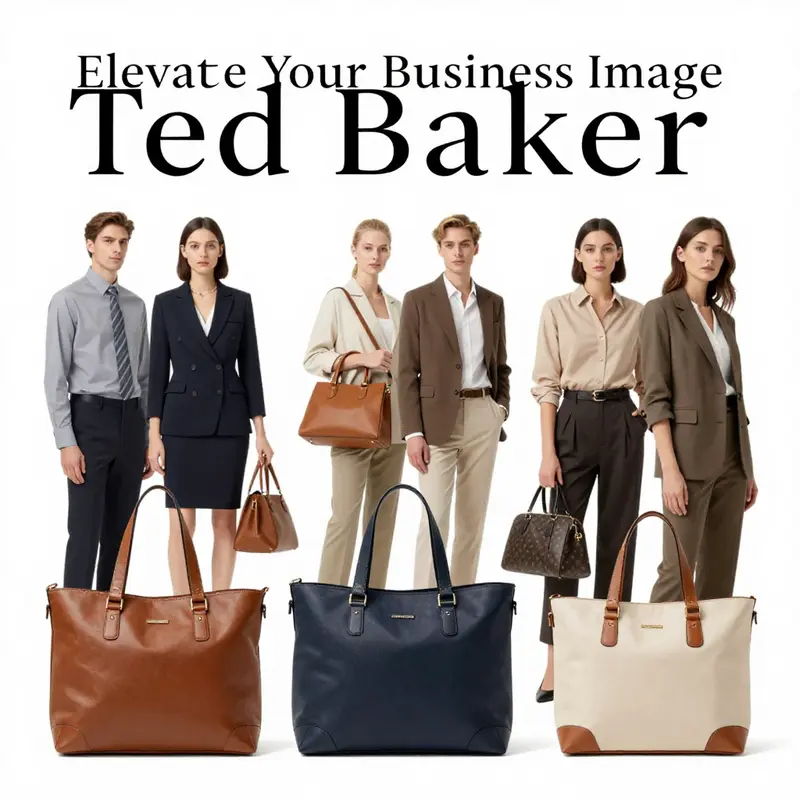
A tote is more than a stitched container for belongings; it is a walking argument for efficiency and poise. In the morning bustle you can slide your laptop, notebooks, and a spare sweater into a single, unassuming silhouette that refuses to shout. By midafternoon, that same bag becomes a polished companion for a meeting and a quick bite afterward. By evening, it has transformed from workhorse to statement accessory, its silhouette still structured, its interior still organized. The secret of this versatility lies not in flashy bells and whistles but in a deliberate balance of materials, proportions, and thoughtful details. A well-made tote marries elegance with practicality—premium leather that patinates gracefully, durable canvas that shrugs off light abrasion, or a textured fabric that catches the light with a quiet shimmer. Inside, generous space is subdivided by pockets and sleeves that keep items in their rightful homes. The most successful totes negotiate a careful hierarchy: a wide, accessible main compartment; a dedicated sleeve for a laptop or tablet; smaller pockets for cords, cards, and keys; and sturdy handles that stay comfortable when the bag is carried on the shoulder or in hand for hours on end. It is the clarity of this organization that makes the difference between a bag that asks you to adjust your life around it and one that bends gracefully to your life’s rhythms.
To understand why these totes feel so adaptable, it helps to imagine three core roles they routinely perform. The first is the daytime workday, when the bag must swallow a laptop, a notebook or two, a planner, a water bottle, and the inevitable stray items that accumulate between meetings. The second is casual daytime errands and social hours, when the same bag must offer freedom of movement without sacrificing style. The third is travel—short trips that demand a single, carry-on–friendly solution that can still look refined when you arrive. Across these scenarios, the ranges in texture and finish play a crucial role in signaling appropriate formality. A smooth leather with a matte finish often reads as restrained and professional, while a more rugged canvas or textile weave can pivot toward relaxed weekends without losing its refinement. Color plays a similar role. Neutral palettes—deep black, navies, beiges, and taupes—provide immediate compatibility with professional attire and office environments. Yet a tote doesn’t have to surrender personality to its utility. A refined prints or subtle metallic accents can elevate a casual outfit into something you’d wear for a weekend lunch or a gallery visit. The tote’s ability to straddle these moods lies in the quiet power of its design language: clean lines, balanced proportions, and carefully considered hardware that remains legible and durable across contexts.
In practice, the professional setting often benefits from a silhouette with a defined structure. The bag’s edges are crisp, its base reinforced, and its top opening guided by a form that suggests order even when the interior fills with documents, chargers, and a laptop sleeve. A generous interior is essential, but so is the possibility of quick segmentation. A few thoughtfully placed compartments let you separate a charger from a notebook, a spare shirt from a printed report. When the bag sits on a desk or slides onto a chair, its silhouette communicates a sense of readiness and reliability. This is not about ostentation; it is about predictability with poise. The neutral colorways complement a wide spectrum of professional attire, from navy suits to charcoal separates, ensuring that the tote remains a stable, dependable anchor as your day unfolds. The carry options further enhance versatility. A sturdy pair of handles accommodates shoulder carry for longer commutes, while a detachable strap can add a hands-free option for city travel or crowded venues. It’s the kind of design that forgives the inevitable changes in plans: a late meeting, a spontaneous coffee run, or a quick dash to a conference room with a change of clothes tucked in the lining.
Casual and social moments reveal another layer of the tote’s adaptability. The exterior often embraces more expressive touches—elevated textures, embossing, or subtle embellishments—that signal personality without sacrificing polish. A floral print, a geometric motif, or a shimmering finish can lift a simple weekend outfit from ordinary to unmistakably curated. Yet even when the exterior leans playful, the interior remains orderly. A well-placed zipper pocket or discreet dividers keep keys and cosmetics separate from bulkier items, preserving a neat silhouette that photographs well and travels well. The result is a bag that works as hard for a weekend coffee run as it does for a gallery opening after a day at the office. It becomes a confident companion, capable of pairing with sneakers and a denim jacket on Saturday and a smart blouse and tailored trousers on Monday, all without demanding a wardrobe overhaul. This balance—the capacity to support, rather than overshadow, the wearer’s look—defines the tote’s appeal for a broad range of personalities and events.
Travel and weekend escapes offer another lens through which to assess versatility. The best totes in this category feel almost itinerant in their function: they accommodate a spare change of clothes, a compact umbrella, a book or tablet for the journey, and the usual daily essentials. A well-configured interior that includes a padded laptop sleeve, a secured zipper compartment, and a discreet, easy-access pocket for boarding passes or a phone makes a big difference when you’re moving through airports or train stations. The exterior remains unfussy and durable, resisting the signs of heavy use and weather with quiet resilience. In these contexts, subtle features—an extra-wide opening for easy packing, a badge or badge-like detail that reinforces the bag’s identity without shouting, a base that keeps the bag upright on uneven surfaces—become invaluable. The design language shifts slightly toward practicality, but the sense of taste remains intact; you arrive with a bag that looks as though it has earned its place through experience, not flashy theatrics.
The textiles themselves play a crucial role in the bag’s behavior across conditions. Leather lends a timeless gravitas and a sense of refinement that softens with age, developing a patina that tells the story of countless days on the go. It is a material that demands a particular care routine—gentle cleaning, conditioning, and storage away from excessive sun exposure to preserve color and texture. Canvas and other durable fabrics, by contrast, offer resilience and a more casual appeal. They shrug off minor scuffs and can be refreshed with a quick wipe or a light clean, making them reliable for daily errands and travel alike. Textured fabrics add depth to the exterior while preserving a sense of tactility in the hand, contributing to the overall tactile experience that draws people to use the bag rather than simply carry it. The combination of these materials in a single tote—whether through panels, piping, or contrasting handles—can craft a nuanced aesthetic that remains faithful to both form and function across seasons.
Beyond materials and silhouette, the hardware and finishing touches convey both durability and character. Hardware that resists tarnish and remains smooth after months of daily use is not a luxury but a practical guarantee of longevity. Subtle branding is integrated into functional elements—zips glide easily, pulls stay comfortable in the hand, and metal accents catch the light in a way that’s refined without being loud. The interior lining, too, matters. A softly woven fabric in a light shade makes it easier to find items inside, while a darker lining can hide inevitable scuffs. A well-chosen lining can also reflect care for the wearer’s belongings, reinforcing the bag’s role as a reliable repository for daily routines and weekend experiments alike.
Because this is a category built for real life, versatility is also about how the bag harmonizes with a wide range of outfits. The tote’s line, whether through its shape, color, or texture, encourages a wardrobe that is both cohesive and flexible. An easy pairing with tailoring and a blazer can elevate a casual outfit to office-ready status, while the same tote drapes gracefully over a denim jacket for a casual commute. The beauty lies in its consistency: you don’t need to reinvent your look every time you switch contexts. You can swap shoes or jewelry to shift from corporate to casual, but the bag remains a constant, guiding through transitions with quiet confidence.
The gift potential of such a versatile bag cannot be overstated. When offered to a friend or family member, it speaks to thoughtfulness and practicality. It becomes a present that can be used in a dozen different ways, a small investment that yields a year’s worth of organized days. The broad appeal across ages and lifestyles rests on the tote’s ability to anchor an outfit while enhancing practical life. It is the kind of gift that says you understand the rhythms of daily living and that you value the intention behind well-made things.
For readers who want a closer technical look at the range and its particular configurations, a dedicated overview of the tote family can be explored through tote-ted-baker-bags. This link offers a snapshot of how different models approach space allocation, strap options, and exterior detailing while staying true to a core principle: design that serves the wearer, not the other way around. The path from casual to corporate to casual again is shorter when the bag’s design language remains consistent, predictable, and well executed.
As with any accessory that carries the weight of daily life, the value of a versatile tote is measured over time. It resists trend, not by ignoring change, but by embracing it in a way that remains legible and refined. It accepts the inevitability of a spilling coffee, a rain shower, or a late-night dash through a station with grace. It keeps your belongings readily accessible yet secure, and it does so without demanding the wearer to compromise personal style. The most successful totes become not simply objects but companions: you trust them to support you as you navigate hours at the desk, stroll through a park on a sunny weekend, or slip into a late-evening gathering with a sense of composure intact. In a world where the pace of life keeps accelerating, that quiet, dependable versatility is surprisingly rare—and invaluable. For those who prize elegance grounded in practicality, the tote is not just a bag. It is a well-considered framework for daily life, capable of carrying essentials, ambitions, and moments of ordinary joy with equal grace.
External resource: https://www.tedbaker.com/uk/en/women/bags/tote-bags
Elegance in Motion: The Brand Identity and Market Position of Ted Baker Tote Bags
Ted Baker tote bags stand as wearable embodiments of a brand that blends British wit with careful craft. Founded in 1988 by Ray Kelvin, the label has long carried a through-line of understated humor, refined design, and uncompromising quality. In tote form, this philosophy translates into pieces that are more than carriers; they are portable expressions of the brand’s character, pairing everyday practicality with a sense of cultivated ease.
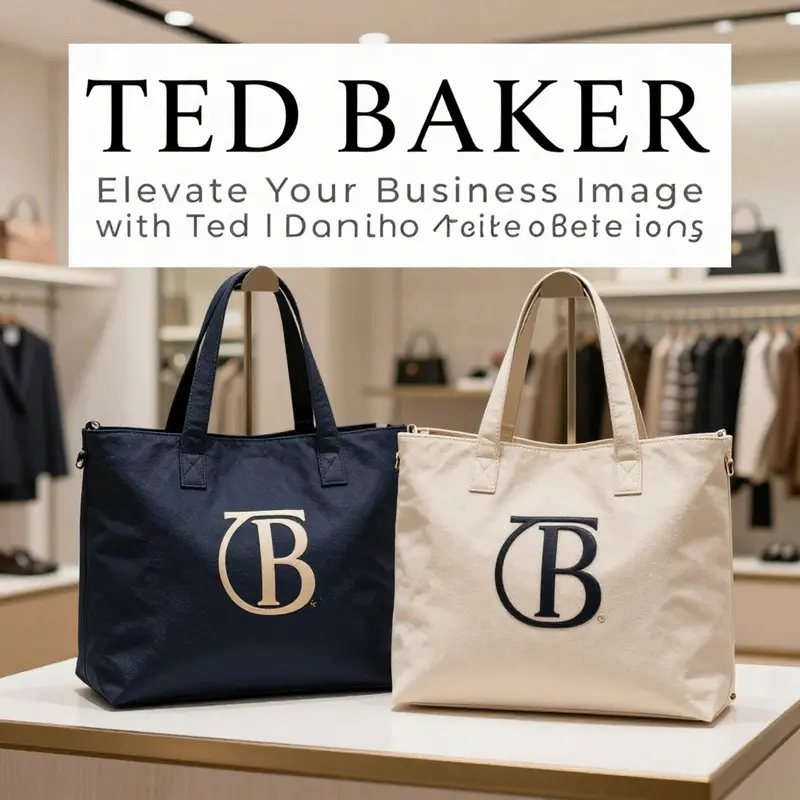
Design and material choices contribute to their distinctive character. A navy logo-embroidered tote or a minimalist silhouette typically features durable materials, sturdy handle geometry, and well-organized interiors with pockets and sleeves. The result is a bag that supports daily routines—from commutes to meetings—while maintaining a crisp, put-together look. The balance of utility and polish mirrors the brand’s broader approach to accessories: versatile, durable, and quietly premium rather than showy.
Market positioning hinges on accessible luxury. Ted Baker totes sit at a crossroads of wearability and recognizability, available through brand stores and curated luxury platforms. The messaging emphasizes quality and storytelling rather than ostentation, inviting professionals and style-minded shoppers to invest in a piece that signals taste and confidence without shouting. The presence across global retailers reinforces coherence: a consistent visual language, a signature British accent, and a commitment to longevity over fleeting trends.
Color, texture, and detailing reinforce this stance. Refined palettes—navy, charcoal, tan—are paired with subtle branding, craft-forward stitching, and hardware that feels refined rather than flashy. The result is a collection that can travel across contexts: from office to weekend, from city streets to travel hubs, always read as an intentional extension of the wearer’s style. In this way, the Ted Baker tote becomes more than a bag—it is a portable reminder of the brand’s promise: everyday luxury expressed through thoughtful design and practical usefulness.
Final thoughts
Ted Baker tote bags are more than just fashion accessories; they are a statement of style and professionalism for business owners striving to elevate their brand image. With sophisticated designs, top-notch materials, and versatility for various occasions, they blend perfectly into the lives of those who appreciate quality and elegance. Investing in a Ted Baker tote isn’t just about purchasing a bag; it’s about enhancing your professional identity and nurturing your unique style. As you contemplate your next accessory investment, consider how a Ted Baker tote can complement and empower your business endeavors.