
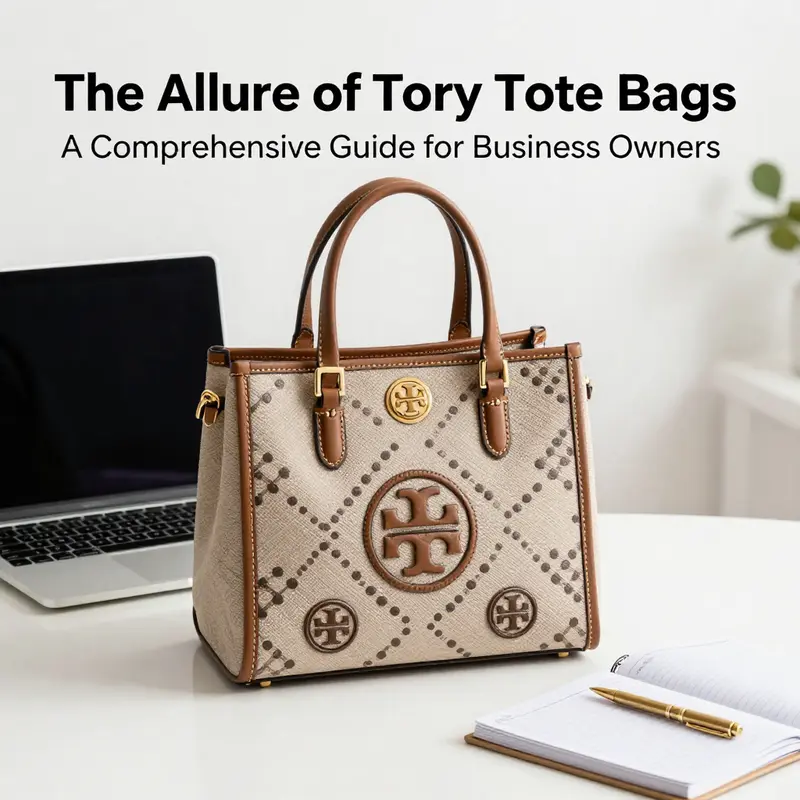
In a world where first impressions matter, a well-chosen tote bag can elevate a business owner’s professional appearance and functionality. Tory Burch, an iconic name in luxury fashion, offers tote bags that seamlessly blend style and practicality, making them a perfect accessory for entrepreneurs. This exploration examines the aesthetics and design of Tory Burch tote bags, their functionality and capacity, comparative pricing, and essential tips for ensuring authentic purchases. Each aspect contributes to understanding how these bags can serve as an extension of your professional persona.
Designs That Speak Softly: The Aesthetic Language of the Tory Burch Tote
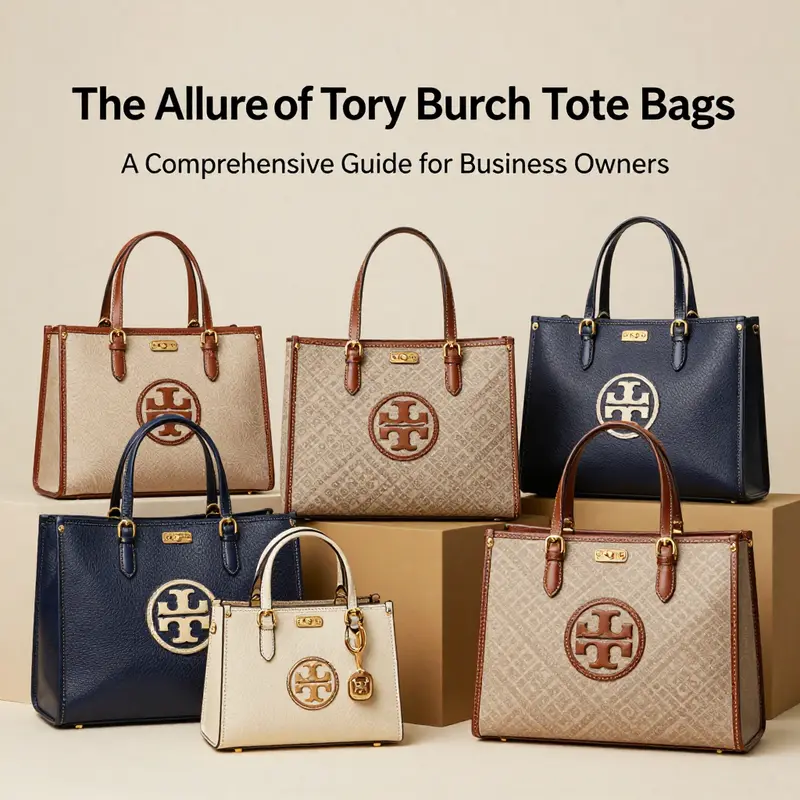
A tote carries more than a bundle of daily items. It carries a mood, a resolve, and a quiet assurance that the way we move through the day matters as much as the items we carry. The Tory Burch tote line embodies this philosophy with a design language that feels at once familiar and refreshingly restrained. It is not about shouting a logo from the street corner; it is about a conversation between silhouette, texture, and the rhythms of modern life. The result is a small revolution in everyday luxury: a bag that reads as sturdy enough for a commute and elegant enough for a dinner reservation, a piece that earns its keep by melding usefulness with a refined, almost architectural, sense of form. In this light, the tote becomes less a carrier and more a companion—one that patiently keeps pace with the day’s many turns while quietly signaling a certain poised confidence to the world outside the door.
The heart of the collection rests on a signature that is both visible and legible in the best possible way: a refined emblem that marks the bag without shouting. The double-letter motif, subtly woven into the hardware or debossed on a discreet panel, functions as a badge of identity that is unmistakably contemporary. It is a study in restraint, where the mark of the brand works in harmony with the bag’s own lines and textures. This approach resonates because it aligns with a broader truth about modern fashion: branding is most powerful when it serves the wearer, not when it dominates the eye. The result is a tote that speaks of independence and modern femininity through its presence rather than its proclamation. The emblem becomes a quiet handshake between bag and owner, a mutual acknowledgment that good taste can be a form of confidence rather than a loud statement.
Color and material choices in the tote line reinforce this philosophy. The palette leans toward the timeless and the versatile—navy blues, deep blacks, and other classic neutrals that promise longevity in a wardrobe. These hues are not merely practical; they are a language of sophistication that supports the bag’s daily journey. The textures, meanwhile, range from smooth, matte leathers to more tactile finishes that catch the light with an understated gleam. A diamond-quilted texture, often seen in certain seasonal iterations, adds architectural interest without sacrificing the bag’s overall restraint. This quilting provides a tactile payoff—an invitation to touch and a reminder that luxury can be felt as well as seen.
Inside, the care for detail is equally evident. The construction rests on premium leather with a cross-grain texture, noted for its durability and strength under daily use. Hardware—zippers, rivets, and clasps—are chosen for longevity as much as for their shine. The interior organization reflects a disciplined, almost editorial approach to everyday life. A well-designed tote should feel like a hand is reaching into a well-organized drawer: everything finds its place without fuss. A central, roomy compartment is often complemented by zip pockets and slender dividers that keep items from colliding. The result is a bag that can carry the usual essentials—phone, wallet, keys, makeup—while preserving a sense of order. The user experiences a quiet efficiency: the ease with which one reaches for a notebook, a lunch planner, or a water bottle without displacing other items speaks to a design that respects the rhythms of a busy day.
The versatility of the tote is one of its most compelling traits. It is designed to be at home in a formal setting as easily as in a casual one. Paired with a tailored blazer, it projects a professional poise, while worn with a relaxed dress or denim, it preserves a sense of polish and intention. The ability to adapt is not a trend; it is a core virtue of a bag that aims to be a daily staple rather than a seasonal accessory. This balance between refinement and practicality is achieved through a careful interplay of silhouette and proportion. The tote’s basic shape remains timeless, but its interior offers the flexibility modern life requires: adjustable strap lengths, optional shoulder carry, and, in some models, a chain-and-leather combination that adds a touch of urban glamour without compromising comfort. The overall effect is a bag that moves with the wearer, never fighting the wearer’s pace but rather enhancing it.
Size and variation play a crucial role in this philosophy. The line spans across larger totes that swallow a laptop, a thermos, cosmetics, and documents with ease, to smaller zip-top versions that slip into a car’s console or a work tote with less bulk. The range acknowledges different life moments: a heavy workday, a spontaneous weekend trip, or a city stroll that ends in a café with a notebook and a pencil. A key feature across the family is the sense of thoughtfulness in spatial layout. Multiple pockets, secure closures, and carefully placed dividers enable a sense of control that translates into confidence when navigating crowded streets or busy offices. The capacity is not just about volume; it is about a thoughtful approach to what an urban woman carries and how she spaces it out for quick access, safety, and ease when hands are full.
Even as the tote leans into heritage-inspired elegance, it keeps one foot in the present with contemporary materials and details. One modern alternative within the line embraces nylon or other lightweight fabrics while preserving the classic tote silhouette. This version offers a lighter touch for days when shade and weight matter more than formality, proving that a tote can be both practical and chic in different contexts. Its interior is realigned to accommodate the lighter, more flexible nature of its exterior, with fabric linings that still hold up to daily wear and tear. The result is a spectrum of bags that honor the traditional rubber-stamp beauty of a well-made tote while acknowledging the demands of today’s urban life. The wearer benefits from choices that feel coherent within a single family, enabling a personal dialogue with one’s own style and daily routines.
For those who seek a strong and consistent statement about quality and taste, the experience of owning a Tory Burch tote is partly ritual. It begins with a careful selection from official channels or authorized retailers—places where authenticity is verifiable and service aligns with the promise of the bag’s workmanship. The ritual continues with how the bag ages. The life of leather in a well-constructed tote does not behave like a disposable accessory; it develops a patina and a quiet character over time. The hardware, once polished, gains a subtle weight; the stitching remains precise; the inside lining resists wear but softens with use. This aging process becomes a narrative of the bag’s life, a personal chronicle of travel, meetings, and small everyday rituals. The result is not merely a bag that lasts; it is a trusted companion that accrues meaning along the way.
Carefully considered branding, materials, and construction are complemented by the brand’s ongoing presence in global markets. The tote line has found a fit with urban life in many cities, including major metropolitan hubs where fashion and practicality converge. The retail experience—whether in a flagship store, a dedicated counter, or an authorized online platform—offers clarity about authenticity and provenance. Buyers are advised to favor official channels and trusted platforms, where clear stamps, serial numbers, and labeling practices confirm the bag’s origin. The importance of these details goes beyond mere verification; they are the markers of a relationship built on trust. A genuine bag carries with it a traceable lineage: a clean logo stamp on the metal hardware, a precise interior tag with a unique number, and a discreetly affixed plate bearing the brand’s insignia. These signs help the wearer safeguard their investment and sustain the bag’s integrity through years of daily use.
The subtleties of design, materials, and craft are further enriched by the broader storytelling of the brand. A tote, in this sense, becomes a chapter in a larger narrative about modern women navigating work, family, culture, and travel with grace. The bag’s elegant lines do not shout their presence; they acknowledge the wearer’s need for space, function, and a sense of refined poise. It is this balance—between quiet luxury and pragmatic design—that makes the tote a reliable partner in a life that moves quickly. For readers drawn to the classic tote ethos, Tory Tote collection offers a spectrum that reflects both tradition and contemporary taste. The collection invites a personal dialogue about how one travels through the day: with a bag that remains constant in its elegance while flexible enough to fit shifting routines.
The practical and aspirational aspects of the tote live in a careful ecosystem of authentication and care that consumer guides reiterate. The identification of genuine pieces is not an afterthought but a part of the ownership experience. A true tote will present a clean, crisp logo steel imprint on the exterior, a unique serial number inside the lining, and a metal plaque that bears the brand’s emblem on the interior or on a removable tag. These elements are not merely decorative; they are safeguards against counterfeit goods and signals of the bag’s provenance. When a buyer understands these cues, the decision to invest becomes more confident and conscious. The careful attention to detail reflects the brand’s broader mission to craft objects that endure the fluctuations of seasonality and fashion dialog. It is this durability—both material and perceptual—that turns a tote from a temporary accessory into a trusted daily companion.
In the end, the Tory Burch tote stands as a study in how luxury can be approachable without compromising taste. It recognizes that the modern woman moves with speed and purpose and that her bag must answer those demands with poise. The design language—an understated emblem, a palette of classic hues, disciplined interior organization, and versatile carrying options—speaks to a wardrobe that values preparedness and ease. It harmonizes the look of sophistication with the feel of reliability, so every day presents a moment of quiet confidence when the bag slides over the shoulder or sits comfortably in the crook of an arm.
For a brand that still emphasizes clarity and restraint, the tote’s value is in its consistency. The same core ideas—balance, timelessness, and purposeful detailing—reappear across variations, ensuring that the wearer does not need to relearn how to use a new bag with every season. The tote remains a reliable anchor in a busy life, ready to support travel, work, shopping trips, and late-night urban adventures with equal ease. It is a practical luxury, a statement of taste, and a companion that invites a measured, confident stride. As modern life accelerates, the tote stands quietly at the intersection of form and function, an emblem of how a well-made object can be both beautiful and indispensable. The elegance of the design lies not in its flamboyance but in its capacity to adapt, endure, and quietly elevate the everyday.
For readers curious about authentic purchasing and the specifics of how to verify genuineness, official brand resources and professional guides provide clear steps. This emphasis on legitimacy is not merely about avoiding fakes; it is about honoring the craftsmanship and the time invested in making each piece. The best way to ensure a true tote enters one’s life is to seek out official stores or authorized platforms known for transparent provenance, where the full story of the bag—from materials to final finish—is documented and accessible. The result is a relationship with a product that respects both craft and consumer, a partnership formed between hand and horizon, between a bag that carries things and a life that carries on.
As this design philosophy continues to evolve, it remains anchored in its core strengths. The tote’s elegance is external—clean lines, refined materials, tasteful hardware—but its true power lies in what it enables: organized, comfortable living; a sense of control amid the bustle; and a daily reminder that style does not require excess. The bag becomes a practical luxury that you can trust in every season. It keeps pace with a life that refuses to slow down, while maintaining a standard of quiet grace that invites countless moments of unhurried ease. That is the essence of the Tory Burch tote—a modern instrument of elegance, built for real life and designed to endure with grace.
External resources and current collection details can provide additional context and authentication guidance. For a comprehensive view of the brand’s mainland China presence and seasonal updates, the official regional site is a valuable resource to consult, alongside trusted retailers and curated boutiques that uphold the same standards of quality and provenance. The conversation around tote design is ongoing, enriched by new materials, evolving silhouettes, and the enduring appeal of a classic shape that adapts without losing its essential character.
External resource: https://www.toryburch.com/zh-cn
Layered Functionality: The Capacity and Craft of Tory Burch Totes for Everyday Sophistication

Every season, a bag emerges not merely to carry things but to orchestrate the rhythm of daily life. In the realm of accessible luxury, Tory Burch tote bags have carved out a niche where practicality coexists with quiet elegance. They are designed for the city’s tempo—hours of commuting, meetings, spontaneous shopping, and weekend escapes—without asking the wearer to trade ease for style. The collection is a study in balance: wide openings that reveal order inside, generous volumes that swallow a day’s needs, and details that feel refined yet never fussy. To observe this balance is to understand how a tote can accompany a person through a full calendar, from dawn to dusk, and still look poised when the final email is sent. The best examples materialize in a trio of designs that have become touchstones for urban practicality: an expansive nylon tote with a streamlined silhouette, a chain-enhanced carry-all that invites travel and long workdays, and a compact bucket bag that excels at organization in a compact frame. Each one reveals a philosophy: that form should follow function, and function should feel as effortless as a well-fitted wardrobe piece. It is not merely about capacity but about the choreography of interior layout, the tactile cues of the materials, and the ease with which items glide from bag to hand and back again.
Take, for instance, the large nylon tote that emphasizes generous interior space without sacrificing structural calm. Its capacity invites the kind of everyday payload that most professionals carry—laptop, documents, a notebook, and perhaps a slim gym bag or a compact umbrella tucked alongside. The interior design follows a practical logic: a dedicated black logo jacquard lining to create a visual cue for organization, a slip pocket for quick-access items, and a zippered pocket that keeps valued essentials safe yet reachable. In daily practice, that translates to a simple routine: place the laptop in the main compartment, tuck chargers and cables into the zip pocket, and reserve the slip pocket for a phone, transit card, or a small notebook. When a bag’s interior is arranged with intention, the act of packing becomes almost meditative, a small ritual that reduces clutter and speeds up the morning routine. The generous opening plays a crucial role here. It makes it easier to see everything at a glance, to slide documents in flat, to reach for a water bottle or a snack without wrestling with a zipped enclosure. This is not just about size; it is about accessibility—the sense that you can locate what you need and proceed with confidence.
In parallel, a larger chain-tote design asserts a different kind of practicality, one that leans into travel-ready capacity and a more pronounced sense of depth. Its volume is deliberately generous, built to cradle the kinds of items that accumulate during a workweek or a weekend away: cosmetics kits, a small tablet, a pair of shoes or a compact change of clothes, and essential travel documents. The interior layout for this model often emphasizes fewer, more flexible pockets instead of an excessive number of tiny compartments. The result is a bag that feels roomy yet organized, capable of holding bulk items while maintaining a cohesive silhouette. The chain detail adds a tactile dimension that pairs well with the bag’s weight distribution, helping to balance heavy loads across the shoulder. The combination of chain and leather elements provides a visual cue that the bag can transition from a daytime office environment to an evening out, reinforcing a sense of versatility that modern wardrobes demand. The parallel between this tote and the everyday carry is not incidental; it reflects a broader design impulse: create multipurpose pieces that can move smoothly between different contexts without requiring a wardrobe shuffle.
A third silhouette, smaller in scale yet rich in function, often appears as a bucket-inspired shape that prioritizes interior organization with a compact exterior. This design may surprise with how much it can hold when thoughtfully laid out: a smartphone, a compact wallet, a lipstick, keys, and perhaps a small hydrating bottle—items that tend to accumulate in pockets but become awkward when carried loosely. The interior may feature a hidden zip compartment and a flatter open pocket, providing a discreet zone for personal items while keeping the main compartment clean and accessible. The hands-free option—an adjustable strap that allows crossbody or shoulder carry—adds to the bag’s practical appeal for city life. Even in its smaller form, the bucket-inspired model embodies a key principle: shape can propel function. A well-structured exterior helps preserve the silhouette even when the bag fills, and it reduces the strain of everyday use by distributing weight in a way that minimizes shoulder fatigue over long days of meetings and errands.
What makes these bags enduringly useful lies not solely in their silhouettes or materials, but in the thoughtful integration of interior design with real-world needs. A large main compartment that accommodates a laptop and documents must also accommodate a water bottle and a cosmetic pouch without turning the bag into an unmanageable lump. The zip pocket provides a secure home for valuables, while slip pockets create zones for items that require quick access, such as transit cards or earphones. The opening width matters, too. A wide mouth makes items easy to see and retrieve, reducing the ritual of digging and shifting. This functional intuition is what elevates the tote from a mere container to a daily companion. It also explains why the bags are particularly suited to the wide range of daily tasks that define modern city living—commuting, meetings, spontaneous social plans, and short trips that require dependable storage without bulk.
Materials also contribute significantly to the user experience. The nylon variants offer a lightweight, durable backbone that resists everyday wear and tear while maintaining a crisp, polished appearance. The hardware—whether in the form of a matte or a glossy finish—adds subtle cues of refinement without shouting. Leather trims, when present, provide a tactile anchor that enhances grip and longevity, and they age with a quiet grace that complements a refined, understated aesthetic. The interplay of materials is not simply about aesthetics; it affects daily practicality. A lighter bag eases shoulder strain during long commutes; a leather-trimmed bag offers a more durable frame for heavier loads; both are designed to weather the unpredictable rhythms of city life. And because these pieces are designed with urban routines in mind, the weight added by reinforced stitching or hardware is carefully balanced against the head-start of a bag that feels ready to go out the door at a moment’s notice.
The pairing of form and function becomes even more evident when considering how these totes align with a modern wardrobe. The color palette tends toward timeless appeal—neutrals that pair with suits or casual denim alike—while the silhouette remains adaptable to a range of environments. This flexibility is essential. It allows a tote to function as a professional accessory during a day of back-to-back meetings and as a practical companion for weekend city strolls or a spontaneous day trip. The design language—clean lines, deliberate proportions, and restrained hardware—speaks to a lifestyle that values consistency and reliability. It is a quiet confidence that comes from knowing one bag can meet diverse needs without demanding constant swapping or maintenance.
For shoppers who prioritize cadence and coherence in their everyday gear, the decision to choose a tote often centers on how well the bag integrates with the flow of tasks. A large, organized interior supports a routine of working with a computer, printing or carrying documents, and keeping personal items neatly corralled. A travel-ready design invites weekend getaways and overnight stays without forcing a change of bags mid-trip. A compact, highly organized piece makes a strong case for days spent in and out of meetings, running errands, or visiting friends where items must stay accessible yet secure. In each instance, the tote’s capacity is not merely about volume but about creating a cognitive map inside the bag. When items have designated homes—laptop in the main space, small electronics in one pocket, cosmetics in another—the act of packing and unpacking becomes a predictable routine that reduces stress and saves time. This is the essence of the broader philosophy at work: a well-designed tote should disappear into the wearer’s day, enabling momentum rather than interrupting it.
With the practical benefits laid out, considerations about purchase and ownership naturally arise. The decision to invest in a Tory Burch tote is often complemented by a preference for authentic channels and a desire for long-term reliability. In markets where the brand has a presence, including several major cities, shoppers are encouraged to buy through official counters and authorized retailers to ensure genuine materials, accurate serial tagging, and solid after-sales support. The typical indicators of authenticity—clear logo stamps, interior labels carrying unique serial numbers, and metal hardware with correct double-sided insignia—provide tangible safeguards against counterfeit goods. These cues become part of a buyer’s broader knowledge about how to navigate a premium accessory landscape, where the difference between a genuine piece and a carefully crafted imitation can be subtle yet meaningful. The brand’s continental presence has helped shoppers in various regions feel confident about trying a tote that promises both luxury and practicality. The decision to purchase becomes less about chasing a trend and more about aligning with a design that is built to support a demanding, ever-changing daily schedule.
As part of understanding this alignment, many readers may want to explore the broader family of Tory Burch totes and compare dimensions, weights, and pocket configurations. For a concise sense of the range and to view related silhouettes, you can explore one curated overview that highlights how sizes and silhouettes vary across the line. This resource presents a quick reference that can help you calibrate expectations about how a large nylon tote compares to a chain-tote in terms of capacity and weight, how a bucket-inspired bag modulates its interior organization, and how those differences translate into day-to-day practicality. Accessing this overview provides a practical bridge between intuition and specification, helping you visualize how the pieces could fit into your existing wardrobe and routines. tory-tote provides a concise snapshot, and it can serve as a stepping stone to a deeper understanding of how capacity is allocated across the collection, from open main compartments to zippered pockets and smaller internal dividers. In this way, the bag becomes less about an isolated accessory and more about a system designed to support a lifestyle that moves with speed and intention.
The thread tying these designs together is a shared commitment to making every carry feel straightforward, not complicated. A tote that offers ample space but remains easy to oversee translates into less rummaging, fewer dropped items, and a greater sense of composure when navigating crowded transit or meeting rooms. The capacity is more than a physical measure; it is a predictor of how much mental bandwidth a person can preserve during a busy day. When a bag respects the wearer’s attention—and does not demand constant maintenance—the wearer rewards it with a steadier pace and a more consistent sense of control.
Looking ahead, the conversation around functionality and capacity suggests a broader takeaway: the best totes are those that disappear into the day while still supporting everything you need. They are built with subtle thrift in mind—lines, pockets, and closures that do not complicate, but rather streamline. This is not merely about what the bag can carry, but about how readily the wearer can retrieve and return items, how comfortably the weight rests on the shoulder, and how the bag maintains its shape across a variety of loads. In short, the modern tote should invite a smooth, almost instinctive use, elevating the day-to-day rather than interrupting it. The models discussed here—whether a large, lightweight nylon tote, a spacious chain-tote ready for travel, or a compact bucket-inspired design with a smart interior—exist to prove a simple point: function and form can be harmonized without compromising one for the sake of the other. When that balance is achieved, the tote crosses from accessory to reliable partner, helping to choreograph the cadence of a busy urban life rather than merely accompanying it. If you want to see the broader spectrum of silhouettes and sizes, the linked overview provides a useful starting place, and it can be a doorway to deeper exploration of how these bags can align with different routines and wardrobes. For those seeking a deeper dive into authenticity and regional availability, official brand resources remain the most reliable touchpoint and can offer updated information about product lines and store locations. External resource: https://www.toryburch.com/zh-cn
Comparative Pricing of Tory Burch Tote Products: Craft, Value, and the Urban Wardrobe
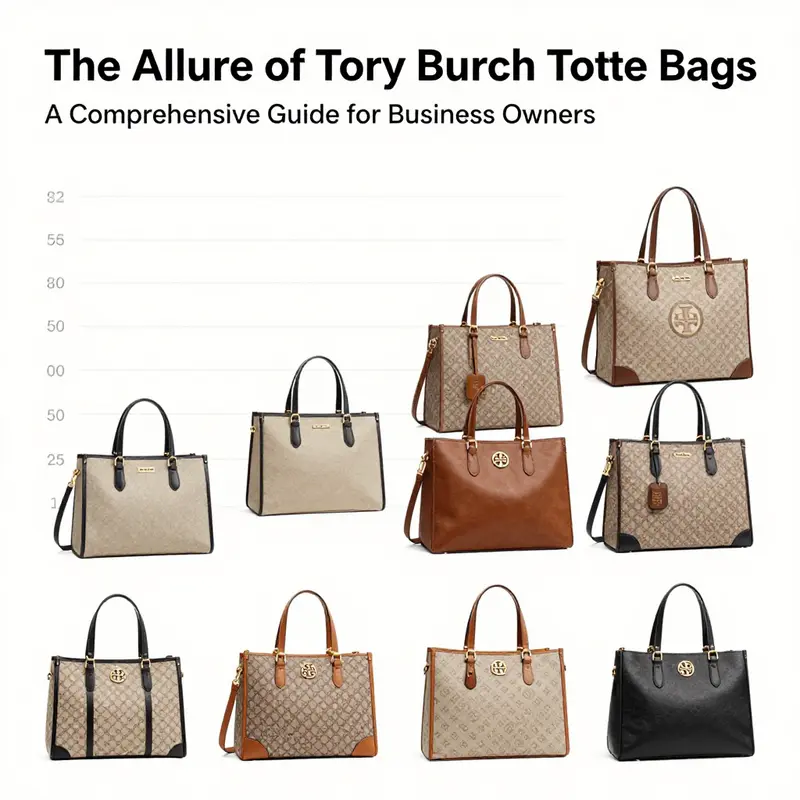
Comparative Pricing of Tory Burch Tote Products: Craft, Value, and the Urban Wardrobe
Price is rarely a lone number on a tag. It is a shorthand for craft, material, story, and the daily demands a bag must meet. In the quiet rhythm of city life, a tote is not merely a container for belongings; it is a partner in daily decisions, a signal of taste, and a practical solution for the moments when one bag must carry a laptop, a water bottle, cosmetics, and the ephemeral items of the day. When we consider Tory Burch tote products, the price tag becomes a conversation starter about how design, durability, and brand narrative fuse to create value that endures beyond the season. This chapter peer-reads the landscape of tote pricing through the lens of thoughtful consumption, acknowledging that the knowledge at hand does not present a price ledger for every tote but rather a framework for understanding how prices are composed, where to look for reliable figures, and how to discern true value in a crowded market.
The tote segment in the lightweight-luxury spectrum often borrows its pricing logic from two core sources: material choice and construction, and the versatility of design that promises utility over the long haul. A diamond-quilted tote, for instance, signals premium leatherwork and a silhouette that resists the chaos of busy days. The presence of dual carrying options—handheld grip and shoulder strap—along with a metallic hardware accent in a color pairing like black and gold, heightens perceived value. The price, in such cases, is partly a token of the craftsmanship that goes into the quilted pattern, the evenness of the stitching, and the way the leather or fabric holds its shape when loaded with everyday cargo. Moreover, the hardware’s finish—whether polished gold-tone, matte brass, or plated metals—adds a tactile dimension that shoppers often associate with luxury, contributing to price without necessarily adding bulk to the count of items in the bag. The result is a balance between refinement and practicality, where a bag’s price communicates both an aesthetic achievement and a real-world utility.
In contrast, a nylon tote—lighter on texture and heavier on function—demands a different pricing calculus. The Ella Mini Tote, for example, demonstrates how a brand’s iconic tote silhouette can be reinterpreted in a more casual material without surrendering the sense of quality that defines the line. The nylon version retains the clean lines of the classic tote and preserves the organizational advantages that the family emphasizes: a roomy interior, internal dividers, and a zippered pouch to corral the small items that drift through a day at the office or on the go between meetings. The interior structure often becomes a selling point in itself, allowing items to be organized with a clarity that reduces the friction of daily use. It is a reminder that a lower price can be achieved without sacrificing the rational satisfactions of an organized bag. In price terms, nylon offerings tend to be positioned more accessibly within the same brand family, though the structural integrity and the longevity of use still anchor the price to a premium rather than a discount category.
The numbers in the current knowledge scaffold illustrate how price is sometimes anchored by visible dimensions and clear capacity claims. For instance, the Ella Mini Tote is measured at long 34 centimeters, high 24 centimeters, and deep 12 centimeters—a size that suggests appreciable capacity while remaining manageable for daily commutes and occasional travel. When you think about what this means in real terms, it is clear that the bag aims to be a practical workhorse. It can house a laptop, a water bottle, cosmetics, and perhaps a bottle of wine on a weekend errand, all without feeling unwieldy. Yet price alone cannot declare how well a bag will perform over time. The dimension, while consequential, sits alongside fabric choice, seam strength, zipper reliability, and the endurance of the stitching under repeated full loads. These are the factors that accumulate into a price-to-value narrative, where customers assess not just the initial spend but the bag’s expected life cycle and resale value should the owner decide to part with it in the future.
Within the channels by which such totes arrive at a shopper’s hands, price volatility is a familiar companion. Official stores may set the anchor price that reflects the brand’s halo, while authorized retailers may offer promotions or regional discounts that temper the list price. Seasonal sales, coupon campaigns, and platform-specific incentives can tip the balance toward a purchase when the moment feels right. In this context, price becomes a dynamic rather than a fixed number, and the shopper’s task is to discern the moment when the bag’s perceived value meets or exceeds the sticker price. It is a task that demands a little patience and a clear understanding of one’s own needs: Do you require a bag that can safely cradle a laptop on a daily basis, or is your priority a lighter carry for city strolls and social events? In either case, the decision is best informed by comparing the bag’s practical features to its price in your region, and by recognizing that some of the most valuable costs are those that accumulate over time through durability and ongoing utility.
The pricing landscape is further shaped by the interplay between materials and branding. Leather, with its natural patina and inherent durability, often commands a higher price than fabric or nylon—yet it is not the only path to longevity. The finishing of the leather, the tanning method, and the thickness of the hide all influence wear patterns and the bag’s ability to hold its shape after repeated use. Hardware, too, contributes a meaningful portion of the cost; a heavier metal that resists tarnish and maintains its luster can tilt the perceived value in the bag’s favor, especially when the user handles the tote in various contexts—from a commuter morning to an evening event. The branding story—heritage, the philosophy of the house, and the aura of exclusivity—also contributes to the price premium. Consumers often interpret the price as an index of the time and care embedded in a product’s design, making the tote not merely a tool but a badge of a particular lifestyle. The challenge for shoppers is to parse which elements matter most for their particular life—whether it is the sense of premium materials that withstand daily wear, the versatility of the bag’s carrying options, or the quiet reassurance of a brand with a long design lineage.
In an era of global shopping, regional price differences can blur even further. Taxes, duties, and shipping costs shape the final amount paid. A bag may have a uniform label across markets, but the total landed price can differ by country due to fiscal policies, exchange rates, and local promotions. For urban professionals who travel frequently or who compare online retailers across borders, this can become a subtle but important factor. The practical takeaway is to consider total cost of ownership: the sticker price, plus taxes or duties if ordering from abroad, minus any promotions that you can apply at checkout. The concept of value then becomes a balance of immediate affordability and long-term satisfaction. This framework helps readers avoid the trap of chasing the lowest price in the short term while ignoring the bag’s ongoing performance and the pleasure derived from its daily use.
From a consumer-awareness perspective, authenticity becomes a price-related concern as well. The market thrives on both genuine and counterfeit offerings, and price can be a clue to authenticity only if accompanied by credible purchasing channels. True pieces typically feature a clear “Tory Burch” logo steel-embossed on the hardware or in the interior pieces, along with an interior label including a unique serial number, and a double-faced metal plate bearing the brand emblem. When evaluating prices, shoppers should prioritize official channels or authorized retailers, where the risk of a counterfeit is minimized and the product’s stated price aligns with the market’s standard range for that model and material. In this sense, price protection—knowing you are buying a genuine item at a fair rate—becomes part of the value proposition itself.
The decision to invest in a particular tote often rests on a continuum of considerations beyond the price tag. Design fidelity to the classic tote silhouette, the balance between the bag’s depth and its ability to hold essential items, and the ease of maintenance all influence long-term satisfaction. A slim, chic bag might be ideal for days when one carries only a laptop, a notebook, and a compact makeup case. A larger tote, with a robust interior organization system, may better suit days filled with meetings, gym gear, and a water bottle. The pricing language, when interpreted through this lens, becomes a guide to matching a bag’s features to one’s daily rituals. The most effective shoppers learn to translate the bag’s physical attributes into the price they are willing to pay because those attributes will translate into time saved, fewer rearrangements in the bag, and a sense of continuity in daily routines.
In the current material, a practical approach emerges. Start with a clear sense of your daily cargo. If your life routinely requires a laptop, a water bottle, cosmetics, and perhaps a bottle of wine for weekend adventures, you may prioritize a larger capacity, secure interior dividers, and a design that remains elegant at a formal event. If your routine favors light travel and a streamlined look, a nylon or lighter-weight tote with efficient organization may offer the best value. In either case, the price you choose to pay should reflect how long you expect to keep the bag and how much daily drama you want to avoid in organizing its contents. The ratio of visible quality to potential performance is a practical metric you can use to compare options across the brand’s tote family and beyond. The aim is not to chase a single greatest discount but to identify a price where the bag’s foreseeable value aligns with your lifestyle, your environment, and your budget.
When it comes to navigation across retailers, a practical strategy is to approach with curiosity and restraint. Official channels often set the baseline expectation for price, while promotions at authorized retailers can produce meaningful, time-limited reductions. The shopper should track price history on a few trusted pages and note when a bag appears on promotion, and for how long the offer lasts. If you find a balance where the bag’s price is within a sustainable range and you feel confident about its authenticity and support from the seller, you may be ready to buy. It is also worth considering post-purchase value, such as the ease of cleaning, the bag’s ability to retain its shape over time, and the potential for resale. A well-cared-for tote is not merely a one-season accessory; it can remain a valued companion for years, gradually becoming a more personalized piece of your wardrobe story.
This discussion would be incomplete without acknowledging a practical entry point for readers who want to broaden their exploration of totes from this brand family and across the market. A convenient starting point is to peruse related totes within the broader category, which can offer useful context for pricing and feature comparisons. For example, a dedicated page that focuses on “Tory Tote” families can provide quick access to variations in material, size, and hardware, allowing readers to observe how small design shifts correspond to price changes. You can explore that resource here: tory-tote.
In sum, the question of comparative pricing for Tory Burch tote products invites readers to see price as a multi-faceted signal. The final choice rests on a thoughtful synthesis of design integrity, material behavior, functional capacity, and personal alignment with the bag’s brand story. The Ella Mini Tote demonstrates how a lightweight material version can offer a different yet meaningful value proposition from the more traditional leather options, while still preserving the essence of the tote’s emblematic silhouette. The precise price you encounter will depend on where you shop, the current promotions, and the region you call home. What endures, and what should guide your decision, is the awareness that a bag’s price is a reflection of its potential to simplify daily life while articulating a sense of personal style that lies just beyond the surface of a simple carry-all. The best purchases are those that feel inevitable in hindsight: you reach for the bag each morning with the assurance that it will organize your day rather than complicate it.
External reference: for a broader framework on price comparisons in fashion and the psychology of shopping, see a general resource on price comparison strategies and consumer behavior in contemporary retail. (External resource link)
Authenticating and Acquiring a Tory Burch Tote: A Confident Guide to Quality, Authenticity, and Smart Shopping
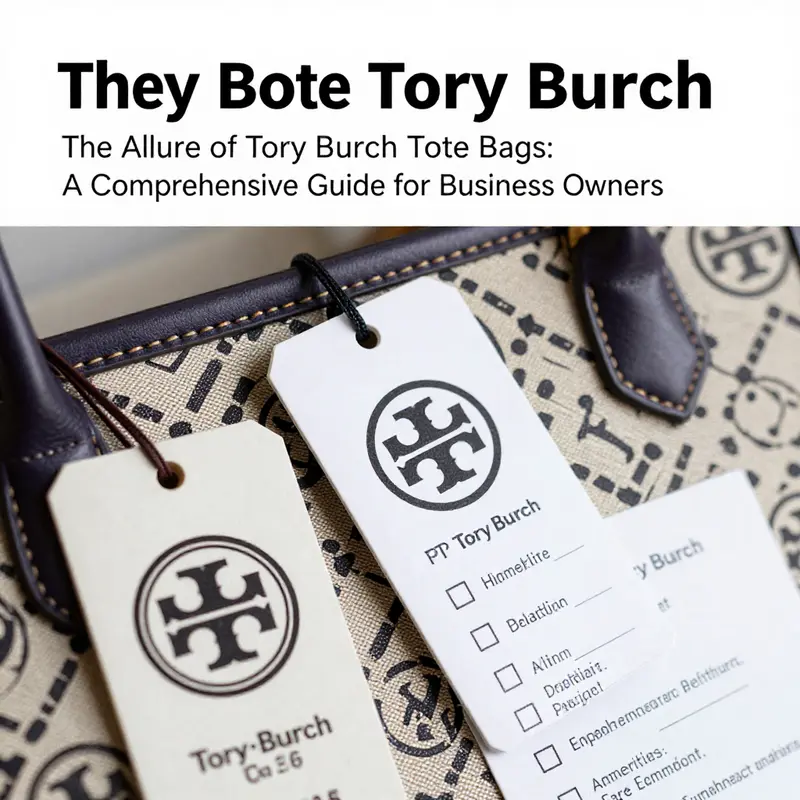
The allure of a designer tote lies not only in its silhouette or color palette but in the quiet confidence it lends its owner. A well-made bag carries more than its contents; it carries a promise of durability, careful craftsmanship, and a story that begins with how it is bought. When the name behind that tote is Tory Burch, the stakes feel even higher. The aim of this chapter is not to catalog every model or feature, but to illuminate a practical, cohesive approach to authenticating and purchasing a Tory Burch tote. It is a guide built on observation, careful checking, and a clear path to legitimate channels, so the act of shopping becomes a reassurance rather than a risk. In many ways, authenticating a tote is a careful conversation among several layers: the box, the material, the hardware, the stitching, the tags, and the provenance of sale. Each layer matters, and together they form a reliable defense against counterfeit temptation and a more satisfying shopping experience overall.
A genuine tote of this brand tends to arrive with a packaging ritual that signals care. The outer box is usually a deep, rich shade, designed with precision rather than flourish. Inside, the tissue and interior color are normally consistent, often presenting a calm contrast to the exterior. The box should feel sturdy but not rigidly heavy, with the design lines aligned and the branding crisp. Counterfeit boxes, in contrast, often show color shifts, excessive gloss, or patterns that feel generic rather than tailored. The packaging becomes a first clue, a quiet introduction that tells you whether the bag you are about to inspect is likely the real thing.
Beyond the presentation, the tactile experience of the bag itself speaks volumes. The authentic tote typically uses high-quality leather or durable canvas, approached with a softness that hints at natural aging rather than artificial slickness. A polished leather surface usually carries a gentle, inviting scent that speaks to the material’s natural origins. Synthetic imitations frequently lack this nuance, presenting a texture that feels too even, too flawless, or even with a slight chemical tang. When you run your fingers along the seams, you should notice a calm, confident evenness. The stitching is a map of the bag’s construction: each stitch should be uniform in length and density, with no puckering or loose threads. A genuine bag reveals its integrity in the quiet language of its seams, not in loud embellishments.
Hardware and logos are another focal point for discerning shoppers. The metal components—the buckles, the zipper pulls, the clasps—should display clean, precise engraving. The brand’s wordmark or initials are typically crisp and evenly applied. It is not unusual for the hardware to carry a small, deliberate gleam that resists dulling with normal use. Counterfeits often fall short here: the markings may be blurred, misaligned, or missing altogether, and the metal may lack the weight and resilience that suggests quality material and careful finishing. As you examine the interior, you should also encounter a consistent approach to branding: a metal badge or embossed mark that appears in the same place, with legible type and a balanced design.
The inside of a genuine tote usually reveals a thoughtful organization. Many versions incorporate a lined interior with logo-printed fabric, a zippered pocket for secure items, and perhaps a small, discrete metallic plate bearing a serial number or production details. The exact format can vary, but the principle remains steady: genuine products from this house use an internal tag and, in some lines, a unique identifier that can be cross-checked with the brand’s verification channels. If you notice a lack of internal labeling, inconsistent text, or a tag that feels generic rather than specific, you have a reason to pause and seek confirmation. The presence and clarity of these interior details contribute significantly to the bag’s credibility.
Weight, too, is a subtle yet telling signal. A real tote forged from high-grade materials tends to have a certain heft that speaks to its durability. It should not feel hollow, nor should it be so heavy that normal daily use becomes fatiguing. The balance between exterior elegance and interior sturdiness is part of the brand’s design language. When you handle a bag that meets this balance, you feel the difference in the way it sits in your hand, the way it drapes on your shoulder, and the way it captures light on its surface.
If all these tactile cues align, the next layer of authenticity rests with the brand’s authorized channels and verification options. The most secure path is to purchase from the brand’s own official platforms or from a carefully vetted network of authorized retailers. This matters because official channels carry built-in protections: genuine product guarantees, receipts with clear documentation, and access to aftercare services. The peace of mind that comes with this path is not merely about avoiding a counterfeit; it is about knowing the bag has a legitimate lineage and that you can rely on the brand’s support for repairs, maintenance, and warranty considerations.
Within the realm of verification, several practical steps help you confirm authenticity without becoming overwhelmed during the buying process. Start with the packaging and the outer presentation—if anything feels off at the first glance, take a closer, slower look at the details. Then inspect the hardware and the logo with a critical eye: is the stamp clean, evenly spaced, and legible? Next, examine the stitching under good light, ideally with the bag turned inside out to reveal the interior seams. Are the stitches straight, evenly spaced, and free from thread frays? If you are shopping online, a careful comparison with high-resolution official product images can be a strong reference, but be mindful that some counterfeit listings include misleading photos. A robust approach combines visual checks with practical actions: request more photos, verify the seller’s credentials, and use any available official verification services.
The most reliable verification route is through the brand’s own authentication services or through its clearly authorized storefronts. In-person verification at an official boutique allows trained specialists to examine the bag and confirm its authenticity. Online, many brands offer secure serial-number checks or product authentication portals that cross-reference internal production data with their databases. If a serial number exists for a particular line, you can often verify it through a customer service channel or a self-check tool on the brand’s site. This process, while sometimes time-consuming, is a cornerstone of confidence. It is not just about confirming a single item’s origin but about establishing a reliable framework for future purchases. The result is a shopping experience that feels less like speculation and more like a careful, informed choice.
Turning to purchasing strategies, the safest path begins with official channels and trusted retailers. The brand’s own platform in the local markets you frequent typically guarantees authenticity, and it often supports services like electronic invoicing and straightforward returns. When you explore the official routes, you also unlock membership benefits. Often, signing up for the brand’s loyalty program yields timely access to exclusive events, early information about new releases, and occasional promotional incentives. These benefits, while not the main reason to purchase, do add tangible value and contribute to a smoother, more transparent shopping journey. It is worth noting, however, that regular price integrity matters, and the marketplace does not tolerate or encourage aggressive discounting on genuine items. A dramatic price drop should prompt a buyer to pause, request additional proof of authenticity, and consider a second opinion from an authorized source.
Another layer of purchasing discipline concerns the sources you avoid. The same vigilance that guards against counterfeit boxes should extend to every channel you use. Social media platforms, unofficial marketplaces, or unfamiliar resellers can place you at risk. The brand’s recommended channels are designed to protect the consumer’s investment, and relying on these resources reduces the likelihood of receiving a damaged or misrepresented item. Keeping every piece of documentation—receipts, certificates of authenticity if provided, and packaging—helps with future returns or authentication inquiries. This practice becomes especially important if you plan to resell the bag later, because provenance can affect both value and credibility in the secondary market.
For shoppers who value a modern, mixed-use tote that handles daily life with grace, the practical fit matters as much as the brand’s aura. A well-chosen tote should accommodate the realities of urban living: a laptop or tablet, a water bottle, cosmetics, and perhaps a small notebook. The opening should be accessible without sacrificing security, and the interior layout should support organization. The brand’s lines often balance fashion with function, offering interior compartments or pockets that keep items easy to reach. When you imagine your daily routine, you should be able to see how the bag will carry your essentials without becoming a burden. This practical alignment—between aesthetic appeal, material quality, and everyday usability—is the hallmark of a tote that earns its keep.
While the path to a confident purchase is grounded in careful physical and digital inspection, there is a broader framework worth noting. The brand’s presence in major markets often includes official stores and counters in key cities. This accessibility is a comfort to shoppers who prefer to try before they buy, to feel the weight and texture in person, and to observe the bag’s behavior under different lighting and angles. It also means that, if you are navigating a new market, you can rely on a consistent, professional service that reflects the brand’s standards. The experience of visiting an authorized store can be a form of education in itself: a place where the bag’s materials, hardware, and finish are presented with the kind of care that matches the product’s promise.
As you become more comfortable with the process, you may wish to anchor your knowledge with a compact reference that can guide future purchases. A practical approach is to look for trusted, accessible sources that discuss the tote category in general terms, including how to evaluate materials, finishes, hardware, and branding marks. Such references should emphasize the importance of official channels and verifiable documentation. Importantly, these resources should help you distinguish subtle differences that separate genuine items from counterfeit ones, without turning the shopping experience into a rhetorical battlefield. In days when a flash sale or a limited-time offer tempts, this grounded framework becomes especially valuable. You can still enjoy the excitement of a special event, but you will do so with a sense of clarity about what constitutes an authentic product and how to protect your investment.
For readers who want a quick, practical anchor within a broader ecosystem of tote information, there is a useful guide that focuses on a brand’s tote family. It provides concise, practical insights into styles, materials, and care, making it a good complement to the authentication framework described here. You can explore that resource to see how tote families are typically structured and how to compare different iterations within a brand’s lineup. This broader context supports your confidence when you encounter a new release or a fresh variation within the tote category.
When it comes to decision time, the combination of a trustworthy source, careful inspection, and a clear plan for verification creates a shopping moment that feels deliberate rather than impulsive. The goal is not merely to secure a bag but to secure a positive, lasting relationship with your purchase. You gain more than a fashionable accessory; you gain a durable companion for daily life, backed by a process that respects your time, your money, and your expectations. The recommended approach—begin with official channels, inspect with a trained eye, verify through serial or in-store authentication when possible, and keep comprehensive documentation—transforms a complex purchase into a straightforward affirmation of taste and prudence. In a marketplace full of noise, this is the quiet confidence that defines a truly valuable tote.
For readers who wish to deepen their understanding of tote options linked to this brand, a concise guide to the brand’s tote family can be a helpful companion. It offers a practical lens through which to view many variations, highlighting the common threads that unify authentic pieces. You can consult the guide online to see how a well-structured tote aligns with both style and function, and to compare the subtle differences among lines that share a common DNA. And when you are ready to act, remember that the safest, most dependable route is through recognized channels that honor the brand’s commitment to quality and service. Nothing beats the reassurance of knowing you are purchasing a product that has passed through the brand’s rigorous standards and your own careful scrutiny.
A final note on the purchasing journey: keep your expectations aligned with the realities of the market. Genuine items maintain a stable price architecture, and rapid, steep discounts should trigger careful evaluation. If a deal seems too good to be true, it is worth asking for extra documentation or stepping back to verify through an official channel. Your due diligence will protect you not only from counterfeit copies but also from potential issues with returns or warranty service. The goal is not to maximize initial savings but to optimize long-term value and satisfaction. A thoughtful purchase that respects the authenticating process creates a foundation for enjoyment and reliability that endures beyond the moment of purchase.
For readers seeking a practical touchpoint while navigating this landscape, consider exploring a structured overview of tote models and their distinguishing features on a reputable lifestyle resource. It offers a curated snapshot that can be referenced during shopping and comparison, helping you align style with substance as you evaluate a brand’s tote offerings. This approach keeps you grounded in the essentials while allowing room for personal preference and evolving tastes. The combination of quality, verification, and prudent shopping creates a pathway to a tote that feels not only stylish but genuinely dependable.
Internal reference note: for a compact overview of tote types and brand-related comparisons, you can explore the guide at tory-tote. This resource provides a concise context that complements the authentication framework outlined here, offering a practical baseline as you decide whether to proceed with a given purchase. The page is a useful touchstone when you want to benchmark materials, construction, and functional design against your own expectations. While exploring, remember that your ultimate aim is a purchase that you can confidently embrace as a true representation of value, craftsmanship, and lasting appeal.
External resource: to connect with official product information and verification services directly from the brand, consult the brand’s regional site. External guidance and current purchasing details can be found at https://www.toryburch.com/cn.
Final thoughts
Tory Burch tote bags represent more than just a way to carry your belongings; they are a statement of style and professionalism. By understanding their design elements, functionality, pricing structures, and purchasing authenticity, business owners can make informed decisions that reflect their personal brand and enhance their professional image. Investing in a Tory Burch tote embodies commitment to quality, elegance, and practicality—all essential traits for today’s entrepreneurs.