
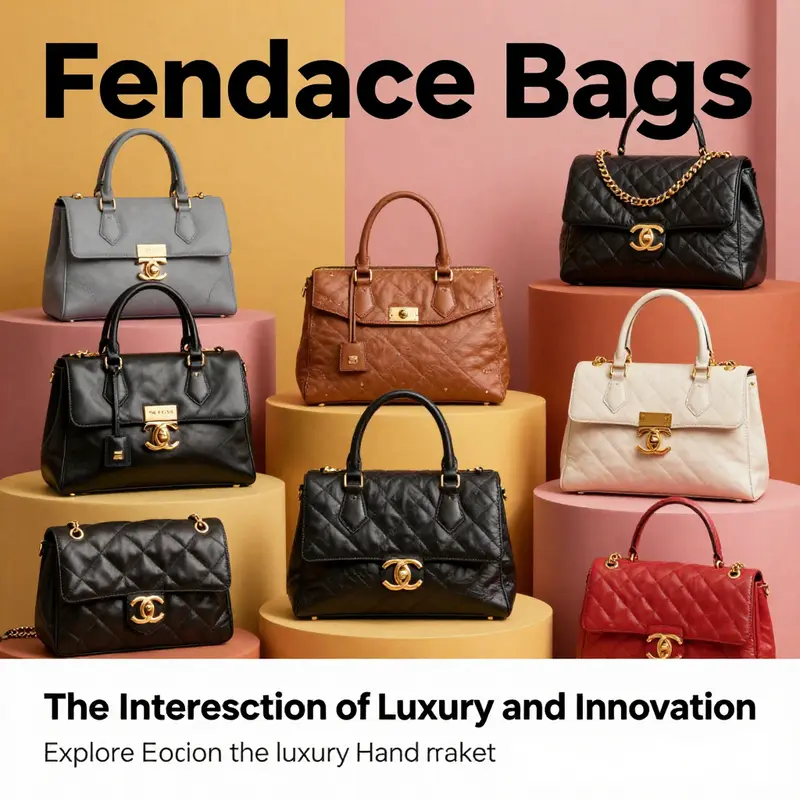
In a landscape where fashion statements meet business strategies, the Fendace bags stand out as a potent example of how collaborative creativity within luxury brands can create ripples in the market. Launched in 2022, the Fendace collection is not just a blend of two iconic brands—Fendi and Versace—but a profound exchange of brand codes that has redefined luxury. This article examines the revolutionary nature of Fendace bags, detailing their design features and innovations, and analyzing the impact they have made in the marketplace. Each chapter will provide insights that are crucial for business owners looking to understand the dynamics of luxury fashion collaborations and how they can influence market trends.
When Codes Collide: The Fendace Bags as a Living Synthesis of Two Italian Fashion Narratives
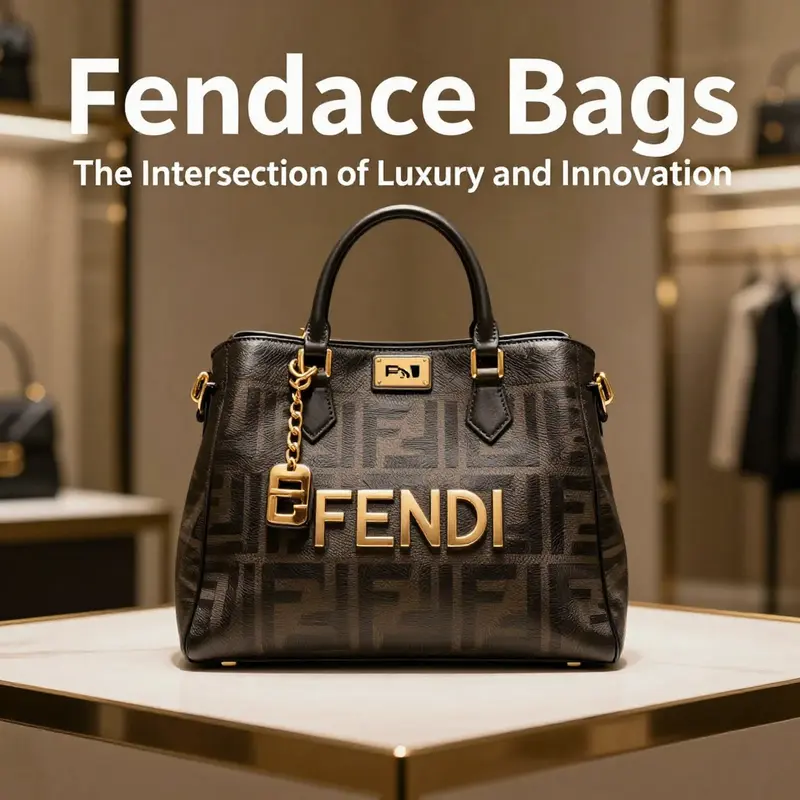
Two legendary houses meet not with a simple toast or a shared marketing slogan, but with a deliberate, almost intimate exchange of identity. The moment the Fendace bags stepped into the spotlight, they announced a new kind of luxury collaboration—one not built on a single capsule collection or a joint campaign, but on a sustained dialogue where each house handed over its code to the other and asked what happens when those codes mingle. The bags became the fulcrum of this exchange, the physical embodiment of a concept that designers Kim Jones and Donatella Versace framed as a cross pollination of DNA rather than a straightforward partnership. In that sense, the Fendace bags signal a shift in how luxury fashion can be authored: not by preserving boundaries, but by reimagining them through the tactile and wearable act of carrying a bag. The result is not merely a set of new silhouettes or a fresh color story; it is a reconfiguration of how luxury houses tell their stories through the everyday object that accompanies a person from dawn to dusk.
What makes this moment particularly compelling is the method itself. Instead of co creating a single line or allowing one brand to reinterpret the other, the project unfolded as a mutual invitation to reinterpret the self. Each designer took the other’s design language and translated it through their own lens, producing two complementary series that honor both legacies while speaking in a language that did not exist before. The act of design becomes a negotiation and a celebration at once, a rare instance where two highly codified brands can stand side by side without surrendering their distinct voices. The bags stand as portable canvases where the language of Versace’s bold exuberance collides with Fendi’s measured luxury, creating a new temperament that feels both operatic and intimate, theatrical yet refined. The visual outcome is not a compromise but a synthesis, a living argument that maximalism can be disciplined by craft and that craftsmanship, in turn, can be saturated with drama without tipping into chaos.
In practical terms, the collection reveals itself as a study in how two familiar forms can be reimagined under different spells. One designer might favor a silhouette that sits softly on the body, inviting a romantic immediacy, while the other might lean into sharper lines and a measured, almost architectural, sense of balance. The magic occurs when these approaches are interwoven: a baguette silhouette gains new life from Versace’s eye for spectacle, while still bearing the geometric, architectural soul that Fendi has cultivated across decades. The interplay is not superficial decoration. It is a careful choreography of lines, textures, and motifs, where the monograms, logos, and signature motifs become less about brand signaling and more about the dialogue itself. The resulting pieces do not simply carry a brand name; they carry a narrative about how luxury can be both collective and exclusive, both reference and reinvention. The bags function as carriers of story as much as they are carriers of wealth, a distinction that matters as the fashion landscape grows increasingly curious about the meaning of logos in the post-sponsorship era.
The design language of the bags makes this narrative legible even to the untrained eye. Silhouettes draw from familiar forms—slim, feminine lines that glide along the hip, or a tote that opens with a generous sweep—yet each shape is configured to cradle a new visual logic. Versace’s penchant for drama meets Fendi’s respect for precise finish. Crystals and embroidery are not mere embellishment; they are the punctuation marks that declare a sentence in progress. The color stories tend toward the high-contrast, the electric, the dizzying ensemble that speaks the language of stage lights. But within that bravura, there exists an insistence on craftsmanship: hand-applied details, precision stitching, and hardware that gleams with the patina of time and care. The tactile experience—soft suedes, glistening prints, the weight of metal hardware—communicates a respect for the hand that produced it as much as the brand’s legend. In this regard, the Fendace bags do more than accessorize a look. They anchor an idea about luxury that embraces process, materiality, and a patient kind of spectacle.
A crucial aspect of the project is the way the collaboration reframes the bag as wearable art. The bags occupy a curious middle ground: they are functional objects designed for daily life, yet they are also large-scale statements that function as ambassadors for a broader design ideology. They embody the belief that fashion can be a language rather than a mere display. In the era of social media, where the bag’s image travels faster than its wearer, the Fendace bags optimize the balance between image and function. They offer enough drama to catch attention on a runway or in a street-style shot, yet they retain a practicality that makes them legible in everyday use. This duality matters because it suggests a future in which luxury pieces are expected to perform across multiple realms of life. The bags do not simply sit in a glass case; they are meant to be carried, shown, admired, and worn in a way that makes the house’s lineage feel alive rather than curated. The craft that goes into every seam, the careful selection of fabrics, and the precision in the embroidery all reinforce the idea that luxury is a continuum—from the atelier to the street, from the sketch to the moment of wear.
From a market perspective, the Fendace bags arrive at a pivotal moment when consumers seek meaning as much as glamour. The glamour is, of course, part of the appeal, but there is an equally strong desire to inhabit a brand narrative that feels collaborative, avant-garde, and historically rich at the same time. The items become talismans for a particular kind of consumer—the person who wants to own a legacy while participating in its evolution. The items can be seen as a bridge that connects traditional luxury with contemporary appetite for maximalist storytelling. And because they are products of a conversation rather than a single voice, they invite interpretation from a wider circle of commentators—stylistas and collectors who often shape the meaning of a bag long after its initial reveal. The social life of these bags extends beyond the runway. They appear in conversations about how fashion houses can stay relevant by embracing exchange rather than isolation, and how heritage can be a living force rather than a static archive. In this sense, the Fendace bags are not just accessories; they are instruments of cultural dialogue, portable artifacts that tell a story about two houses that chose to risk a little more intensity for a lot more possibility.
That risk is part of the appeal as well. The most striking elements of the design language—whether a bold motif reimagined on a classic shape, or a delicate floral pattern spliced with a geometric impasto—signal comfort with tension. This is not a compromise but a conscious choice to embrace complexity. The notion of what a luxury bag should be has shifted. It is no longer solely about timeless elegance or reserved refinement; it is about a wearable theatre, a piece that can perform in a number of contexts and still remain unmistakably legible as a product forged in the union of two distinct storytelling abilities. In this sense, the collaboration has achieved what many dream of but few realize: the ability to extend a brand’s reach without diluting its core. The Fendace bags invite a broader audience to meet two world views at once, and in meeting, they generate a fresh appetite for objects that reveal their own making. They reward attentiveness to detail and encourage a deeper curiosity about the craft, the processes, and the people who bring such artifacts to life.
Within this larger arc, the bags also reflect a broader social interest in how luxury is consumed today. The market for statement accessories has grown alongside the rise of ephemera-driven culture, but the appeal of these bags is not fleeting trendiness alone. They offer a sense of permanence because they are anchored in long-standing craft practices and in a history of design conversations that is inherently collaborative. The appeal of collaboration itself—when implemented with mutual respect and clear boundaries—resonates with a generation that values storytelling as much as status. The Fendace bags embody this ethos by presenting a narrative adventurous enough to entertain the most ardent connoisseur and accessible enough to invite new collectors who are discovering the language of luxury through the lens of two storied houses. The result is a product category that feels less about owning a logo and more about owning a chapter in a living dialogue about what luxury can be when code and craft intersect with courage.
For readers who seek an entry point into this world, a practical reference point lies in the simple act of exploring the bag as a carrier of meaning. The bag becomes a lens through which to view the collaboration, a single object that condenses the entire premise into a tangible form. To explore further, one can examine how different interpretations of the same architectural problem—how to balance a silhouette with a bold graphic—produce variants that still read as part of a coherent, evolving vocabulary. The choice of a bag as a focal object makes sense because it is at once intimate and public: it travels with the wearer, it is photographed and shared, and it carries with it the weight of both houses’ expectations and ambitions. The result is a set of objects that invites ongoing interpretation, a rare outcome when two distinct identities converge in such a direct, tactile way.
Ultimately, the Fendace bags symbolize more than a moment in fashion’s calendar. They represent a method for rethinking collaboration as a creative practice rather than a marketing proposition. They demonstrate that when two houses with deeply coded aesthetics decide to learn from each other, the outcome can be a new design language that feels both familiar and novel. The bags become living artifacts of a conversation about luxury, about how to honor tradition while inviting possibility, about how a brand can remain legible without becoming insular. They remind us that fashion is not only about what we wear but about how we tell the stories of the houses we revere. And as long as designers continue to practice this kind of dialogue, the bags of the future may well be less about signaling a status and more about carrying forward a shared, evolving narrative that both respects the past and rehearses the future. For those who live with these objects, the experience is not a display of wealth alone; it is a daily engagement with the idea that fashion can be a collaborative art form, a living archive that grows brighter when two visions decide to meet in the middle and walk forward together.
Interwoven Legacies: The Design Language and Innovation of Fendace Bags
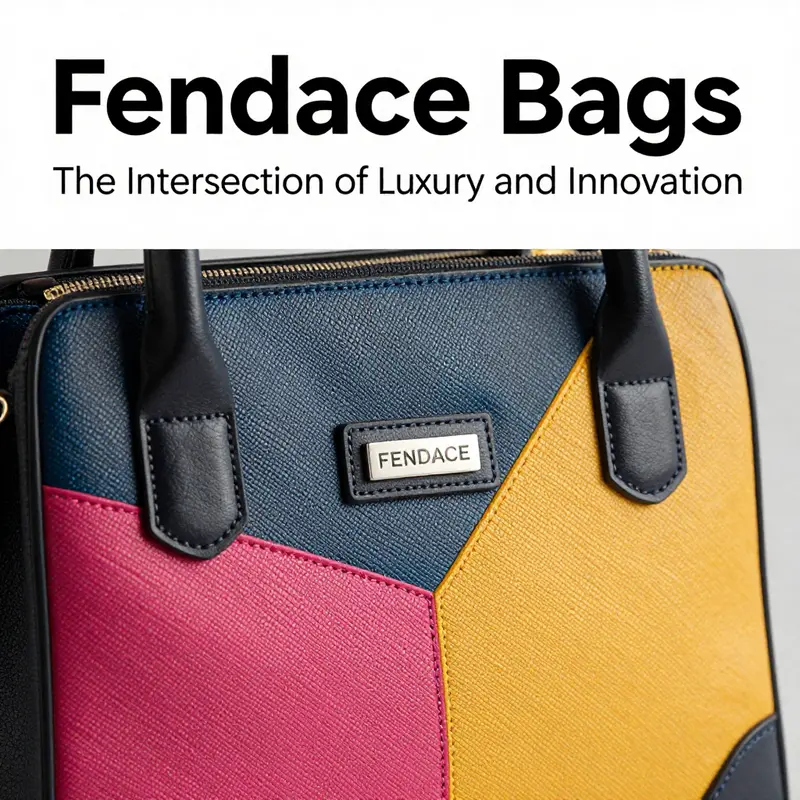
The Fendace bags emerge not as a simple collision of logos but as a purposeful dialogue between two storied houses. They are the result of a curated exchange of codes, where Fendi’s meticulous devotion to structure and luxury meets Versace’s appetite for drama and ornament. In this space, the familiar becomes unfamiliar, and the familiar again returns with a new layer of meaning. The conversation between Kim Jones and Donatella Versace marks a turning point in how fashion houses can collaborate: not a mere co-signing of a silhouette or a shared color palette, but a mutual reimagining of each other’s creative DNA. The outcome is a lineage-infused, forward-looking collection whose bags fold time and craft into a single object. The designs stand as wearable artifacts, bridging archives and audacity, tradition and invention. This chapter traces how those lines of thought translate into tangible features on the bags themselves, and how those features speak to a broader shift in luxury branding where collaboration becomes a language rather than a compromise.
At the core of the Fendace bag’s innovation is an interchangeable and reinterpretive branding calculus. You can feel it in the way Fendi’s signature FF monogram intersects with Versace’s bold Baroque flourishes and the Greek key—a motif that has walked the line between ornament and structure for decades. The result is not a sticker of two brands slapped side by side but a woven identity where the two visual vocabularies braid into a third, hybrid syntax. Designers emphasize that this is the first deliberate act of both houses mutually reimagining each other’s hallmark elements. The project reads as a study in mutual respect and shared risk, where the symbols themselves become instruments of expression rather than markers of affiliation. The effect is not simply a more elaborate logo; it is a recalibration of how branding can operate within a single accessory, enabling a spectrum of meanings from reverence to rebellion to romance.
Material choices and textures deepen this hybridity. Luxurious surfaces—silk linings that soften the gaze, and metallic elements that catch the light with a tuned brightness—illustrate a philosophy of tactile opulence. One of the series’ most striking demonstrations of texture is how a delicate interior can manifest as a stage for exterior drama. A baguette silhouette, commonly celebrated for its refined simplicity, becomes a canvas for layering: a satin or silk interior peeks through laser-worked leather, while crystals and embroidery render the external shell as a reliquary of craft. The same play of light and texture recurs in other forms within the collection, where a structured bag is brought to life by 3D effects achieved through precise laser-cutting and hand-placement of floral appliqués, or where a minimal canvas is elevated by gold thread and weighty metallic finishes. This is an invitation to touch and inspect, to notice how the surface treatment works in concert with silhouette to deliver a maximal yet controlled statement.
The symbolic language is equally embedded in the materials and execution. The collection reinterprets emblematic symbols in ways that feel both audacious and deliberate. The Medusa motif, a hallmark of Versace’s identity, undergoes a radical transformation: imagined as a safety pin piercing through the FF logo, it signals a wink to rebellion while preserving luxury’s polish. It is a gesture that asks whether luxury can tolerate a puncture in its fabric and still remain intact; the answer, in the eye-catching hardware and restrained elegance, leans toward yes. The base of the Nano Fendigraphy bag—the name itself suggesting a refined, typographic shorthand for the house’s language—shows a massive metallic logo set against golden Baroque flourishes. In both instances, traditional branding is both celebrated and unsettled, inviting the wearer to navigate a narrative where authenticity and provocation coexist.
Color and surface logic further articulate the hybrid approach. Versace’s Baroque-inspired richness interlocks with Fendi’s more controlled palette and architectural lines. The dialogue between ornate, baroque-inspired motifs and crisp, geometric borders creates a rhythm that is at once theatrical and wearable. Layering becomes a formal strategy: a single bag may present as a canvas for Greek key borders, while the same piece, viewed from another angle, reveals the FF monogram subtly braided into the embroidery. The use of gold embroidery on dark or light canvases intensifies the dual character—lush opulence tempered by the quiet assurance of refined line work. The aesthetics thus walk a line between stage costume and daily utility, enabling the bags to function across occasions without losing their identity as conversation pieces about craft, collaboration, and courage.
The moment of the collaboration that many observers have cited as pivotal is the moment of presentation itself—the way a bag moves from backstage to street, from the formality of a runway to the spontaneity of social media. The design language is not merely about making a statement; it is about enabling a viewer to decode a graphic sentence that speaks in both Latin script and couture shorthand. The visual density is intentional; it rewards close looking, allowing enthusiasts to trace the lineage of each symbol while also appreciating the invention of a new symbol that belongs to the collection alone. In this sense, the bags become indicators of a larger shift in luxury fashion: a willingness to foreground idea as much as craft, symbolism as much as silhouette, and collaboration as much as autonomy.
The craft that underpins these designs deserves careful attention because it reveals how the concept of a collaborative collection translates into practice. The technique behind the bag’s exterior and interior is not merely about outward flash; it is about how materials are cut, layered, and assembled to sustain both visual impact and structural integrity. The baguette-inspired form, for instance, relies on a balance between softness and support—an inner frame that holds a luxurious fabric under a shell of deftly stitched leather, reinforced with gleaming hardware that echoes the dual-brand ethos. The Fendi First-like piece uses an overhead of laser-cut leather to create a three-dimensional net, a form that invites light to play across its surface while floral appliqués bring nature’s irregularity into a controlled couture environment. Such methods—precisely engineered textures, the layering of materials, and the integration of applique and embroidery—are not just ornamental tricks; they are the articulation of a philosophy that fashion can be an object of art yet remain deeply usable.
This fusion of technique and symbolism fuels the perception of the collection as wearable art rather than a mere accessory line. It invites collectors and wearers to engage with the piece as a narrative device—one that tells a story about two houses learning from one another and about the fashion world’s appetite for bold, intelligent collaboration. The public’s response—eager online discourse, enthusiastic resale markets, and ongoing mood-board inspiration on platforms where people curate outfits—confirms that the bags function not only as carriers but as carriers of meaning. The cross-platform conversation around Fendace bags reveals a culture that values heritage, daring, and craftsmanship as equally essential ingredients of contemporary luxury. In this sense, the collection resonates with a broader trend toward multi-layered consumer desire: a longing for authority in design and a taste for the unexpected, a demand for tactile luxury paired with conceptual clarity.
An important facet of the design story is how the bags reconcile with daily use. The silhouettes, though dramatic in their visual presence, strive for practicality: adjustable straps, secure hardware, and interior compartments that keep essentials organized without sacrificing aesthetic drama. This marrying of function and fantasy is not accidental. It mirrors a broader industry move to ensure that high-style items remain relevant and wearable in real life, not just on the glossy pages of magazines. The ambition here is to produce objects that can be lived with—objects that reward repeated interaction with craftsmanship, that intensify in meaning with each wear, and that become part of the wearer’s personal language.
In parallel, the production logic behind these bags is a testament to the value placed on artisanal labor and meticulous detailing. Hand embroidery, crystal embellishment, and hand-applied florals are not mere add-ons but core to the bag’s identity. The craft here is a statement about time: the pieces carry an aura of devotional making, where skilled hands translate a designers’ bold concepts into surfaces that endure. This dedication to craft engages with a public increasingly attuned to the ethics and beauty of handmade work. While the spectacle of the collaboration can feel cinematic, the enduring appeal arises from the quiet, patient artistry that underpins each stitch, each motif, each layer of fabric. It is in this patient alchemy that the concept of collaboration becomes a model for future luxury design—one that places equal weight on storytelling, technical mastery, and the tangible joy of owning something that was made with care.
The ecosystem around the Fendace bags—showrooms, editorial shoots, influencer narratives, and secondhand markets—further demonstrates how a single, cohesive design language can radiate into a broader cultural moment. Pinterest boards, resale platforms, and fan communities become extensions of the design conversation, creating a living archive of how the pieces are worn, styled, and reinterpreted across contexts. The bags thus assume a life beyond their initial appearance, contributing to a vocabulary of fashion that thrives on reinterpretation and communal meaning. This dynamic is both a consequence of and a catalyst for the way luxury brands today build ongoing relationships with their audiences, offering not just products but aspirational narratives that fans can participate in and remix.
The Fendace design program also invites reflection on sustainability and the future of luxury craft. In a climate where consumer expectations increasingly favor responsible production and lasting value, the attention to craft, the use of premium materials, and the durability of construction offer a model for high-end accessories that seeks longevity over disposability. The aesthetic is generous, yet there is a discipline in how the pieces are conceived: every embellishment is placed with intention, every surface finished to a standard that invites long-term appreciation rather than quick novelty. In this sense, the collaboration becomes a case study in how fashion can honor its past while pushing toward a more considered, enduring future. The gloves come off not to abandon tradition but to elevate it through new relationships between craft, symbol, and silhouette.
As the story of these bags unfolds across runway moments and street-style feeds, it becomes clear that the real innovation lies in how a brand collaboration can recalibrate what customers expect from luxury. The aim is not simply to attract attention but to offer a new grammar for form and meaning—one where the boundaries between two venerable houses dissolve enough to invite a shared imagination without erasing their distinct identities. In this sense, the Fendace bags stand as more than a curated collection; they are a manifesto for how fashion can negotiate heritage and novelty in a single, eloquent artifact. They propose a future in which branding is not a label to be displayed but a language to be spoken—flexible, expressive, and resilient enough to endure as culture evolves.
For readers curious to explore more about the way this collaboration translates into a tangible product, a closer look at the available pieces and their details can be found at a dedicated overview. Fendace bag
External resource note: for a broader understanding of the brands’ shared design language and its roots in luxury craftsmanship, see the official site of the house behind the collection. Fendi official site.
Market Pulse: The Quiet Trajectory of a Luxury Bag Collaboration in a Crowded Market
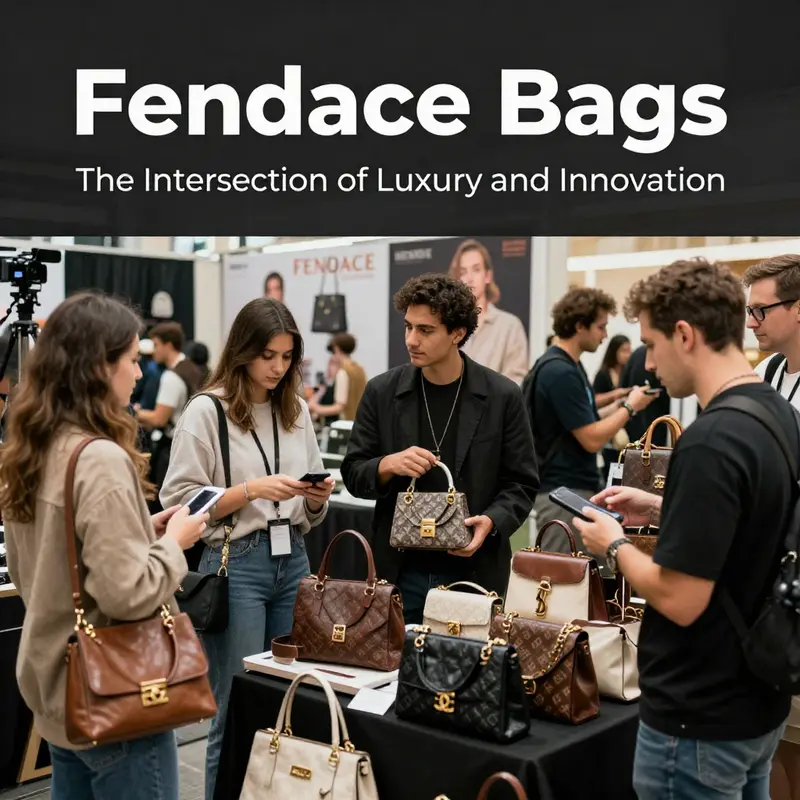
A handbag collaboration that crystallized two distinct design codes into a single, expressive statement offers a case study in how luxury can travel from the drama of a runway into the tempo of everyday life. The narrative is not merely about a single bag or a flash of spectacle; it is about how such a project translates into consumer attention, retail ecosystems, and the broader way we measure influence in the modern fashion landscape. When two storied houses exchange codes—color psychology, material luxury, and the poetry of branding—what emerges is a product language that feels both deeply rooted and aggressively contemporary. The resulting silhouette and surface treatments become a storytelling device, inviting wearers to participate in a dialogue about heritage, audacity, and the brutal pragmatics of daily use. The visual language—bold color confrontations, densely worked textures, and a shrewd interweaving of emblematic cues—carries a promise: that a fashion item can be a tangible narrative, not merely an accessory to a look. Yet the path from runway drama to retail behavior is not guaranteed to leave a lasting imprint on the market metrics that industry researchers rely on. The tension between spectacle and sustainability, between desire and practicality, often determines whether a moment in the spotlight evolves into a durable category presence or a stylish footnote in the annual catalog of trends. In this sense, the chapter asks not only whether the collection has popularity, but how that popularity manifests, who it reaches, and how long it endures in the cluttered ecosystem of bags and accessories.
The design ethos behind the collaboration respected the luxury house’s storied codes while willingly borrowing its counterpart’s appetite for drama. The bag family reinterpreted a classic form, but with a modern spine: lines that are at once architectural and wearable, finishes that catch the light with a theater of texture, and surface motifs that feel like a visual conversation between two design dialects. The result is a product language that reads as contemporary rebellion without sacrificing the timeless appeal that has historically drawn buyers to luxury leather goods and premium canvas alike. This is not merely a matter of surface decoration; it is an exercise in curating a visual vocabulary that can travel across seasons and markets. As such, it invites a broader audience to participate in the story—collectors, enthusiasts, and first-time buyers who are drawn by the idea of owning a piece that embodies multiple identities at once. The collection’s most recognizable attributes—strong color juxtapositions, a sense of grandeur tempered by practicality, and a certain theatrical sheen—have predictable resonance with fashion-forward consumers who seek pieces that feel special without demanding a ceremonial ritual to carry them.
Yet, for all the showmanship, the market’s reception hinges on more than aesthetics. It hinges on distribution, price positioning, timing, and the capacity of retailers to translate runway demand into everyday purchases. The literature and market intelligence assembled around the accessory category suggest a nuanced dynamic: a capsule or collaboration can spark curiosity, but it seldom rewrites the fundamental demand curves of a category unless it is effectively integrated into the core assortment and backed by scalable production, reliable distribution, and ongoing consumer education. In practice, this means that while the collaboration may generate a surge of attention during the season, it faces the same market pressures that govern any premium bag category—seasonality of interest, the balance of supply and demand, and the need to offer a compelling value proposition that extends beyond a single show moment. The psychology of the buyer in luxury bags often attaches significance to stories as much as to surfaces: the idea that owning a piece signals membership in a narrative, an appreciation for craftsmanship, and a willingness to invest in an emblem of personal style. When a collaboration succeeds in weaving these threads together, it can achieve a durable halo effect, even if the halo does not translate into a broad-based market surge across all channels.
From a consumer behavior standpoint, the cross-brand collection has demonstrated an enduring ability to trigger conversations across social spheres, press cycles, and the ecosystems where fashion enthusiasts exchange ideas. Influencers and editors tend to foreground two kinds of value: the aspirational, which makes the purchase a waypoint on a personal style journey, and the practical, which makes the bag a usable daily companion. The first appeal rests in the sense of belonging to a story—a piece that feels bigger than itself because it is positioned as a conversation between two design legacies. The second appeal rests in the garment-grade practicality of the form: a familiar silhouette updated with robust hardware, durable materials, and thoughtful interior organization. In the best cases, these qualities translate into real-world usage that outlives the initial frost of excitement. A bag that travels well from runway to street has legs; it becomes more than a prop in a photo; it becomes a reliable accessory for a broad spectrum of daily activities, from work commutes to weekend getaways. When such functionality is paired with distinctive branding, the result can be both emotionally resonant and practically valuable, a combination that is especially potent in the crowded landscape of premium accessories where differentiation is hard-won.
The landscape of data that signals market impact is, inevitably, a patchwork of signals from different sources. On one axis lies retail distribution: the accessibility of the collection through high-end boutiques, department stores with curated selections, and e-commerce platforms that reach global audiences. On another axis lies consumer sentiment, which can be gleaned from search trends, social conversations, unboxing videos, and the pace at which a new item finds its way into everyday rotation. A third axis concerns the resale market—a useful proxy for durability of demand beyond the initial purchase cycle. In several markets, limited-edition collaboration pieces can command attention in resale forums, with buyers seeking not just the item but the narrative that accompanies it. The challenge, however, is that resale dynamics are notoriously sensitive to supply shocks, seasonality, and the vagaries of hype. What looks like a durable signal in a short window may fade if the initial supply is not managed with a longer-term retail strategy or if competing narratives eclipse it in subsequent seasons.
The research footprint around this particular bag collaboration, as of early 2026, underscores a sobering reality for analysts: there is no singular, widely recognized brand or product labeled as a mainstream market disruptor in the formal market data. In other words, while the collection enjoyed noticeable visibility and built a fashionable aura around two illustrious fashion houses, its status as a durable, category-defining phenomenon remains ambiguous within authoritative market analyses. This is not a dismissal of its cultural significance or its influence on consumer imagination; it is a recognition that the market’s most robust metrics (volume, shelf life, price stability, and repeat purchase rates) do not clearly record a distinct, separate brand entity rising to a dominant, standalone position within the broader bag category. In practical terms, the absence of explicit market-wide metrics for this collaboration does not negate the creative achievement or the brand-building energy it generated. It simply indicates that the product did not create a new, easily measurable market segment on a scale that standard industry reporting tends to require for formal labeling.
What, then, can we say about popularity in this context? Popularity is not a binary condition of “in or out” within a single season. It is a spectrum that includes momentary buzz, longer-term visibility, and enduring desirability that translates into repeat purchases or continued interest across related categories. In this case, the spectrum tilts toward a strong, high-visibility moment paired with a cultivated sense of exclusivity. The pieces associated with the collaboration read as aspirational artifacts—objects that people want to own at least once in their fashion journey, even if they do not rely on them as daily workhorses. The combination of drama and practicality has a language that resonates with a generation that seeks both meaning and usefulness in its luxury purchases. Yet the durability of that resonance depends on two things: how well the story evolves after the initial reveal, and how effectively the product line is integrated into broader strategic platforms, including ongoing collaborations, seasonal updates, and a clear path for consumer education about care, use, and value. Without that continuity, the attention tends to be ephemeral, and the perception of lasting popularity can drift away as new narratives emerge from the industry’s perceptual machinery.
The social dimension of popularity cannot be overstated. In a media ecology where coverage cycles are brief and attention spans are highly contingent, a collaboration can become a cultural touchstone even if it does not alter market fundamentals. The spectacle of a cross-brand dialogue—visuals on the runway, stories across feeds, and quick-turn comments on the aesthetics—creates a shared reference point. The audience then decides how to translate that reference into their own repertoires of choice, whether that is through an actual purchase, a hypothetical selection in a wish list, or a discussion in a community forum about what the collaboration stands for. This dynamic matters because it shapes the way future collections are imagined and marketed. If a collaboration seizes cultural momentum, it can unlock a broader conversation around design language, luxury value, and what constitutes meaningful novelty in a market crowded with options. If it does not, the same momentum can be redirected toward other narratives that better align with consumer needs and channel realities.
One practical throughline in assessing market impact is the interplay between scarcity and desirability. The collaboration’s aura thrives when scarcity is perceived to be authentic, backed by controlled distribution and thoughtful timing. This can elevate the status of the items beyond their functional use and attach a sense of limited access to the wearer’s identity. But scarcity alone is not a guarantee of durable popularity. If the supply is too tightly pressed, or if price points outpace perceived value, the enthusiasm can become a pretension that fades once the novelty wears off. Brands often calibrate this tension with a careful rhythm of releases, colorways, and materials, designed to sustain interest without saturating the market. In the absence of a clearly defined, enduring market signal, the collaboration’s success rests on its ability to continually reinvent and reframe its narrative across seasons, while preserving the core idea that it represents two design legacies speaking to a shared modern sensibility. That is a delicate balance, and the data to confirm lasting market impact—measurable, comparable, and transparent—remains elusive for this particular project.
If we consider the ecosystem in which such a collaboration operates, the digital environment plays a critical role in shaping both popularity and perceived value. The conversations that swirl around runway moments, editorial features, and influencer showcases contribute to a living catalog of impressions, even for items that may have limited release windows. These impressions significantly influence consumer willingness to engage, whether through a purchase, a reserved inquiry, or a social endorsement. In a sense, popularity in this space is less about immediate sales numbers and more about the capacity to embed a narrative within the consumer imagination that translates into a preference signal when the next opportunity arises. The shopping journey, then, becomes less a straight line from runway to checkout and more a circuit through social channels, stores, and communities where individuals negotiate the meaning and value of the piece in the context of their personal wardrobes and social networks.
In light of the available research, it is essential to acknowledge the boundaries of what can be claimed about market impact. The absence of clear, mainstream metrics for this collaboration should not be misconstrued as a lack of cultural effect. Rather, it reflects the nuance that defines modern luxury markets: impact can be qualitative and aspirational long before it becomes quantitative. For some buyers, the collection exists as a dream object—a symbol of two design languages converging in a striking, wearable form. For others, it serves as a catalyst for broader conversations about how branding, storytelling, and material craft interlock to shape contemporary luxury culture. The most resilient outcomes arise when such conversations are translated into tangible pathways for ongoing engagement—clear product education, consistent distribution, and a narrative that can adapt to shifting consumer expectations without losing its core emotional core. Without that alignment, even the most visually compelling collaboration risks becoming a beautiful anecdote that does not mature into a sustained market presence.
The larger takeaway, then, is not a prediction about whether this collaboration will redefine a segment, but an understanding of how contemporary luxury bags gain traction in a marketplace that prizes both narrative power and practical value. Momentum can be generated through showmanship, but its durability requires a robust platform: reliable availability, credible pricing, and ongoing storytelling that keeps the conversation relevant across seasons and channels. In the absence of a formal market label or a separate brand identity with independent market data, the collaboration’s legacy will be measured in the persistence of its cultural aura and in the degree to which its design language continues to inform later collections and consumer choices. If future releases echo the same energy with refinements that respond to consumer feedback and distribution realities, the collaboration can still be seen as a meaningful contributor to the evolving vocabulary of luxury handbags. If not, it may still be studied as a vivid example of how fashion narratives travel—and how audiences decide which stories endure and which drift away with the next wave of novelty.
For readers seeking a concrete reference to the broader ecosystem in which such products exist, an important caveat is that market metrics for adjacent product sectors often illustrate very different dynamics. A widely cited market report on a parallel consumer goods category shows robust growth driven by sustainability and rising household demand, with projected expansion that outpaces much of the fashion accessory segment. While this comparison clarifies how markets evolve, it also reinforces the idea that each category has its own demand drivers and measurement standards. The fashion accessory space tends to reward storytelling and experiential value, sometimes at the expense of short-term quantitative signals. In this context, the popularity of the collaboration can be understood as a qualitative achievement—a moment that expands the storytelling vocabulary of luxury and invites ongoing discourse about what modern luxury belongs to, how it is perceived, and which experiences buyers are willing to embrace as part of their personal identity. The distinction between cultural resonance and measurable market impact is not a verdict of failure or success; it is a nuanced assessment of how value is created, perceived, and sustained in a fast-moving, highly mediated marketplace.
For readers who want to explore related dimensions of market dynamics beyond fashion, one external reference offers a vantage point on how different consumer goods markets operate and respond to shifting pressures. See Grand View Research’s Trash Bags Market Size, Share & Trends Analysis Report (2025-2030) for a sense of how market growth trajectories can diverge in adjacent categories, even as underlying forces like sustainability and urbanization shape demand in surprising ways. https://www.grandviewresearch.com/industry-analysis/trash-bags-market
If you are curious to understand how the public-facing narrative of a cross-brand bag collaboration is discussed in dedicated fashion community spaces, a concise, practical overview is available here: fendace-bag overview. This resource captures how enthusiasts interpret the design language, assess wearability, and track the evolution of the collection across seasons, offering a useful counterpoint to formal market analyses by foregrounding lived experiences and everyday applicability. In a field where perception often outpaces data, such a perspective helps balance the conversation by highlighting practical considerations like durability, care, and how a distinctive aesthetic can be integrated into real-world wardrobes.
In sum, the market impact and popularity of this cross-brand collaboration inhabit a space that blends cultural resonance with commercial pragmatism. It is a reminder that fashion operates as a living system, where talk and texture, narrative and utility, run in parallel tracks. The most enduring outcomes arise when excitement is paired with accessible channels, consistent storytelling, and a product portfolio that aligns with how consumers actually shop—visually inspired, tactically designed, and reliably available. Whether the collaboration evolves into a lasting cornerstone of its ecosystem or remains a luminous moment in time, its value lies in how it reframes what a luxury bag can signify in the contemporary mind, and how it contributes to a broader conversation about the relationships between heritage, audacity, and everyday function.
Final thoughts
The emergence of Fendace bags marks a significant evolution in the luxury fashion landscape, marrying the distinct identities of Fendi and Versace into a powerful new narrative. The design innovations and collaborative spirit have set a new benchmark for brand partnerships in the fashion industry. For business owners, understanding the Fendace phenomenon is not merely about appreciating luxury design; it’s about recognizing the business potential that lies in innovative collaborations. As the market continues to respond favorably to such partnerships, it paves the way for fresh opportunities to engage consumers and redefine brand identity in this ever-evolving marketplace.